Bulk T-Shirt Business: 9 Years, No Udhaar, Prepaid Only
I made plain t-shirts for 9 years from one small room. Why I stopped giving udhaar, went fully prepaid, and keep my margin low on purpose.
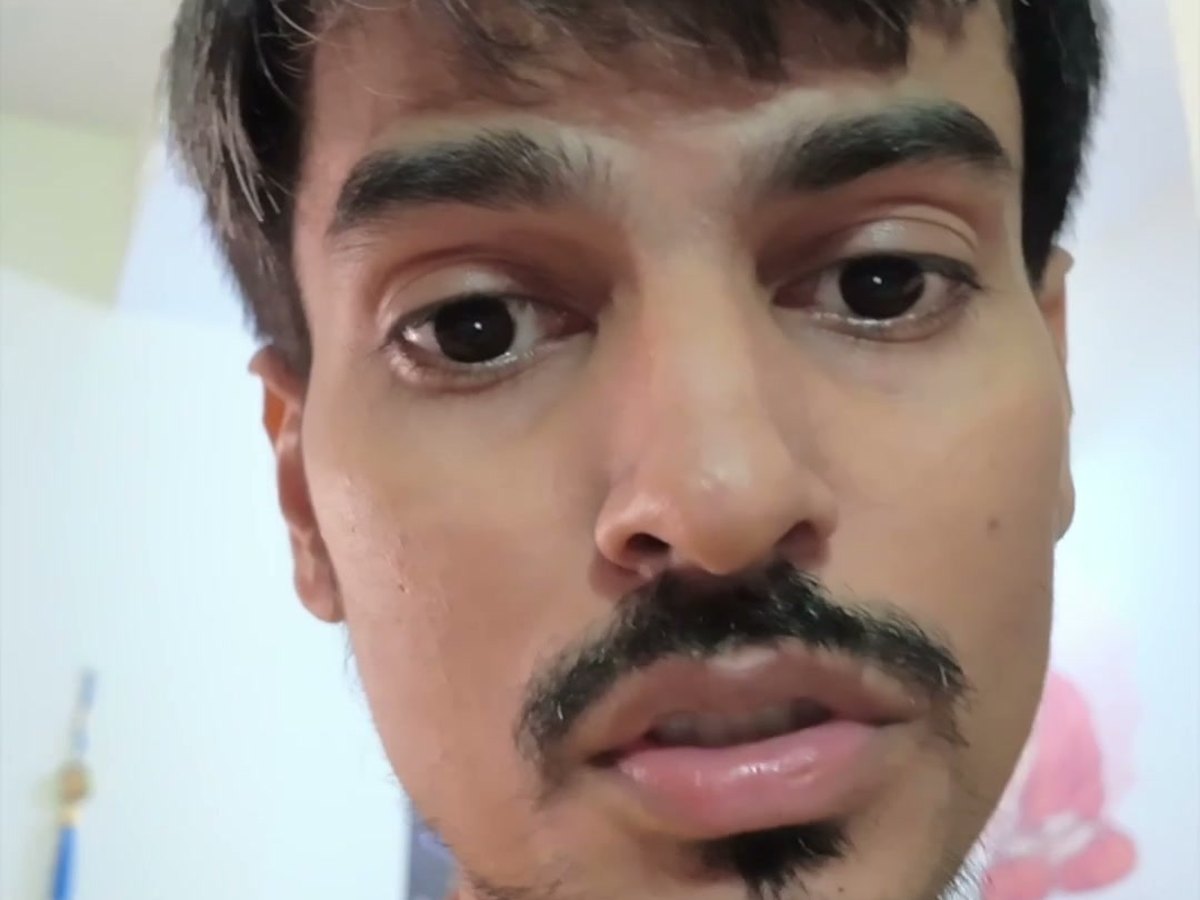
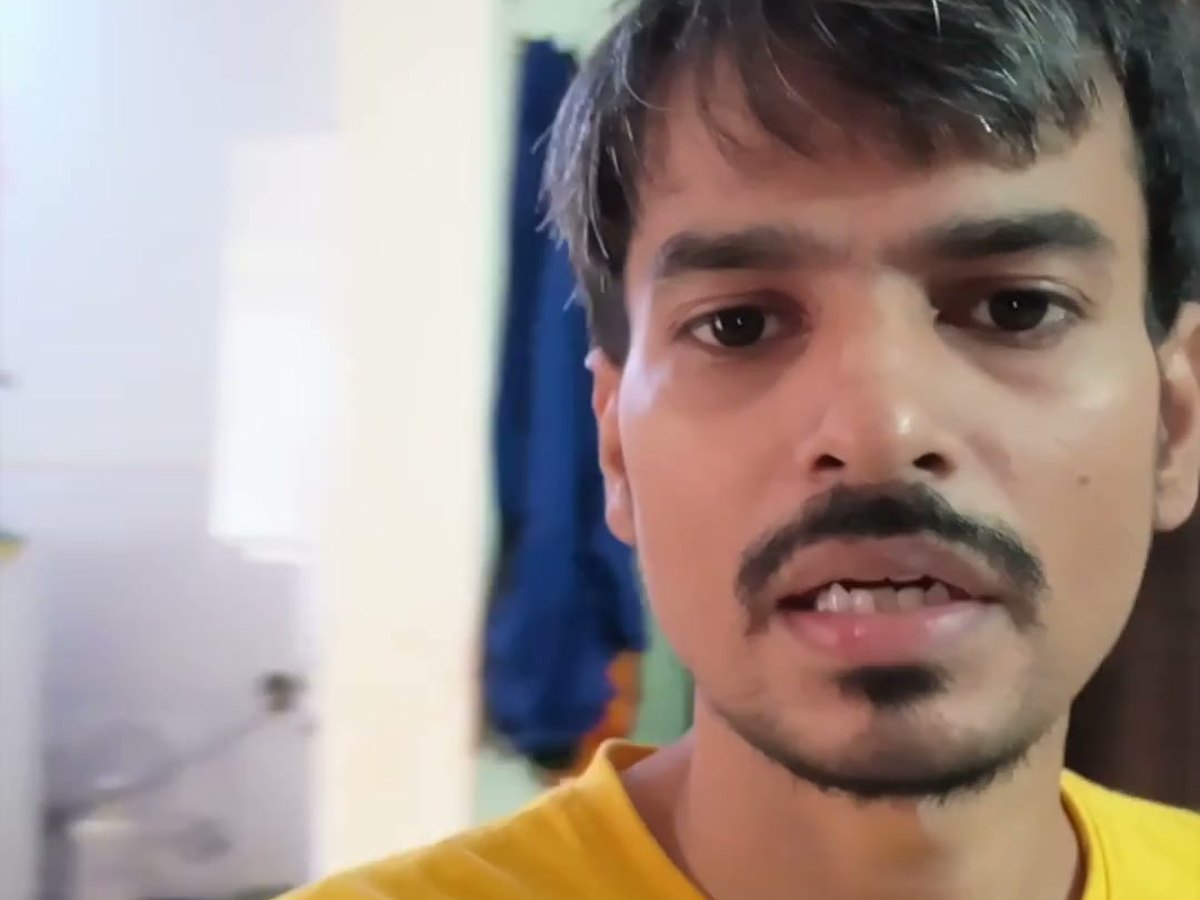
This post comes from a video I recorded on my own phone, sitting alone in my room, saying things I have never said out loud to buyers. I am Ketu. I make plain t-shirts in Delhi and sell them in bulk at sale91.com and bulkplaintshirt.com. Here is what nine years actually taught me.
Nine Years, One Product, No Change
I started plain t-shirts around 2017-18. That is close to nine years now.
"Nine years I have been doing the same thing. I did not change my business. I did not do anything else."
— my own words from the video
Most people change the business when it gets hard. I narrowed it instead. Earlier I also did printing — customers gave me artwork, I printed and supplied. I closed the printing side completely. Today my category is limited on purpose: 20 products, and every one of them is on the website.
That is the whole model. See the product. Understand it. Order a sample. Then take the bulk. If you do not understand it, do not order.
Narrow is not a weakness in bulk supply. It is the only way I can hold deep stock in every size and colour of the same twenty items, instead of a thin layer of everything that runs out the day a bulk order lands.
The Udhaar Trap: One Lakh, Then Two, Then Four
This is the part I did not want to say on camera, and it is the most important part.
For years my head was not in production or quality. It was in recovery.
"For the last several years I was stuck only in this one thing — his amount is pending, his amount is pending, that one has taken udhaar."
— my own words from the video
Credit does not arrive as a disaster. It arrives as a favour. It starts at one lakh pending, and you tell yourself fine, he will clear it, let it go this time. Then one lakh quietly becomes two lakh, and two lakh becomes your comfort zone. Then it is four lakh. And now you are not a manufacturer any more, you are a collection agent for your own money.
I want to be very clear that this is not one bad experience with one bad person. This happened with many parties over many years.
Why Udhaar Spoils Old Relationships
Here is the thing nobody in this trade admits publicly. Credit does not just cost you money. It costs you the buyer.
"After giving udhaar, the relationship starts to spoil. There are buyers who have been working with me for six or seven years — the moment udhaar comes in, things start going bad."
— my own words from the video
A buyer you respected for six years starts avoiding your call. Every conversation begins with money instead of product. He feels guilty, you feel cheated, and the relationship dies over an amount that was never worth it. That cost never shows up in any account book.
I Was 25. They Were 50.
I started young. I was 25 years old and I was dealing with people who were 45 and 50, who had been in this line for decades. They knew exactly where a young supplier will bend.
"I started the business, I did not know things, and the people working with me were very experienced. Their age was 45, 50 — and my age was 25. So I kept getting stuck."
— my own words from the video
I do not say that with bitterness. It explains why nine years feel like twenty-five to me. I handled every single problem personally and came out of every one of them. I learnt it by being trapped in it.

What Replaced Udhaar: Prepaid and Samples
The system today is simple and it is not negotiable.
"Prepaid. Look at the goods, look at the sample. If you understand it, order. If you do not understand it, then brother, do not order. I do not get stuck in these udhaar things now."
— my own words from the video
That rule is fair, not arrogant. I have always had to pay my own suppliers within three days. Whatever you give me, I transfer forward almost immediately. A buyer sitting on four lakh pending is not using my profit — he is using my supplier's money, and I am standing in between.
So the sample replaced the trust that credit used to buy. Order a sample, hold the fabric, check the GSM, wash it, print on it. Then commit money. That is a better guarantee than any credit period, because you have seen the actual product.
From 20,000 Pieces to 4 Lakh Pieces
The other reason prepaid matters is stock, and this is the number that surprises people.
"Earlier I used to keep maybe ten thousand, twenty thousand pieces. Now I am keeping two lakh, three lakh, four lakh pieces."
— my own words from the video
Going from 10,000-20,000 pieces to 2-4 lakh pieces in ready stock is not a small jump. And the need for money never ends. As your turnover grows, the money required grows with it, always.
"Nobody is going to give you that money. This is exactly why people purchase from me."
— my own words from the video
That is the honest trade. I carry the inventory risk so that you do not have to wait for production. You pay before dispatch so that the inventory stays on the shelf for the next buyer.
Low Margin Is a Choice, Not an Accident
I keep my product margin deliberately low. I want the public to benefit from my product, not from my pricing power.
"My margin is very low. Because of that, turnover is good but margin is less — but the work is running. There is no problem."
— my own words from the video
I do not know how the very big players with huge turnover manage credit. Maybe they can absorb it. My verdict from my own experience is plain: do not do udhaar work. Low margin plus prepaid is a business that survives. Good margin plus udhaar is a business that looks rich on paper and cannot pay its own supplier on day three.
The Small Room I Refuse to Leave
I shot that video in my own room. It is small. A small fridge, a table, a bed, and a machine for running the work. Nothing special. Only what is needed. I sleep there.
I have been in the same place for seven or eight years. Many times I have thought about taking something nicer. I can afford it. I do not want it.
My Problem With the Hustle Talk
This is where I disagree with almost everything you hear on business videos.
"Going out of your comfort zone is a good thing. But brother, first you have to be comfortable. You have to take your comfort to its peak. Always stop a little before the uncomfortable situation."
— my own words from the video
Everyone tells you to burn yourself and stay uncomfortable. For me that talk is nonsense. I am happy, I enjoy my day, I work on low margin. What is the problem? It is a small life, yaar.
The website is big now, people purchase from it every day, and we run a lot of orders. My name is Ketu, I have been working since 2017, I will keep working, and things grow on their own.
If you buy plain t-shirts in bulk, take the lesson that cost me the most: see the sample, pay upfront, and never let a relationship turn into a pending amount.
Key Takeaways
- Nine years, one product, zero pivots: plain t-shirts since 2017-18, printing side shut down on purpose.
- Udhaar creeps: one lakh becomes two lakh becomes four lakh, and two lakh quietly becomes your comfort zone.
- Credit costs relationships, not just cash: even six and seven year old buyers go bad the moment udhaar enters.
- Prepaid plus a sample replaced credit: see it, sample it, understand it, then order.
- Ready stock grew from 10,000-20,000 pieces to 2-4 lakh pieces — and as turnover grows the money needed never stops, because nobody hands you that money.
Frequently Asked Questions
Why do plain t-shirt suppliers insist on prepaid payment?
Because a supplier holding lakhs of pieces in ready stock has already paid for that stock, and in my case that payment has to go out within three days. When a buyer holds four lakh pending, he is not delaying the supplier's profit, he is delaying the supplier's own supplier. Prepaid is what keeps deep stock on the shelf instead of tied up in pending amounts.
Should I order a sample before placing a bulk t-shirt order?
Yes, always. A sample lets you check the GSM, the fabric hand-feel, the stitching and how it takes print or wash before you commit real money. A sample you have held in your hand is a stronger guarantee than any credit period a supplier can offer you.
Is giving udhaar (credit) to buyers worth it in the t-shirt trade?
In my nine years of experience it is not. Credit creeps quietly from one lakh to two lakh to four lakh, and by then your working day is spent chasing money instead of making product. Worse, it damages good relationships, including with buyers of six or seven years.
Why does a bulk t-shirt supplier keep only 20 products?
A limited category is what makes deep stock possible. With 20 products I can hold two to four lakh pieces across every size and colour, so a bulk order ships from ready stock instead of waiting for production. A supplier listing hundreds of items is usually holding a thin layer of each one.
See the 20 products, order a sample, then decide.
sale91.com — plain t-shirts, ready stock, prepaid.