Pique Fabric Explained — Why Polo T-Shirt Texture Is a Knit Structure, Not Cotton Quality
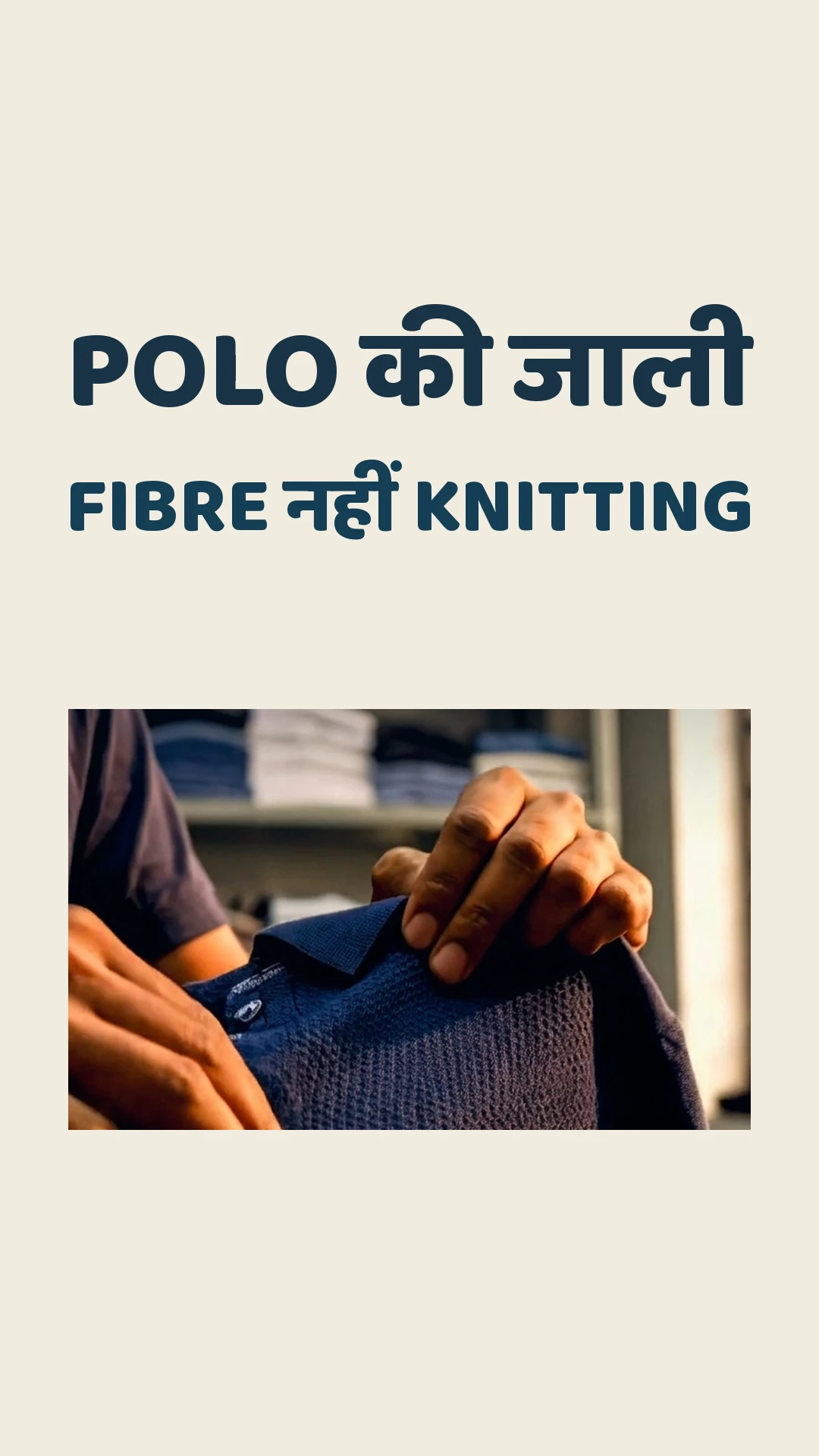
The short answer: pique is a knit construction, not a fibre type. Tuck stitches create the cellular texture associated with knitted polo fabric. That texture does not identify the fibre composition or grade. State construction and fibre composition separately when ordering.
What Actually Creates That Textured Surface?
During a tuck cycle, the needle retains its old loop while collecting another yarn. On a later knitting cycle, new yarn is drawn through the held loop and tuck loop. CottonWorks explains this sequence in its Knit Basics guide.
The placement and frequency of tuck stitches allow different pique constructions. A pique label therefore does not promise identical surface geometry across different products.
Source: CottonWorks: Knit Basics, reviewed 23-Sep-2026. This source explains knit structure; it does not establish the performance of a particular blank or printing process.
Key distinction: Pique is the name of a knit construction. It describes how loops are formed and held during knitting. It does not describe what the yarn is made of.
Why This Gets Confused With Fibre Quality
A textured surface is not a fibre-quality certificate. For your order, request two separate fields in the product specification:
- Construction: the specified knit, such as pique.
- Fibre composition: the named fibres and their stated proportions.
Compare the written specification with the actual sample you are approving. Keep the sample reference with the quotation, so the supplier and buyer can refer to the same product.
How Pique Compares to Single Jersey (Buyer's Reference)
For the knitted fabrics discussed here, compare the construction descriptions separately from fibre composition:
| Attribute | Single Jersey | Pique (Tuck-Stitch) |
|---|---|---|
| Loop formation | All loops use the knit stitch | Tuck stitches are combined with knit stitches |
| Surface appearance | Face and reverse look different | Textured, cellular, raised |
| Common garment | Round-neck t-shirts | Polo shirts |
| Fibre composition | Confirm in the product specification | Confirm in the product specification |
| Defined by | Knit construction | Knit construction |
Construction and fibre composition answer different questions. Confirm both; do not use one label as a substitute for the other.
The Buyer Consequence: Specify Both, Separately
If an order says only “pique,” the fibre composition is still unstated. If it says only “cotton,” the construction is still unstated. Ask the supplier to resolve those missing details before approving the order.
Write the construction and fibre composition together, including blend percentages when applicable. Also agree the required sizes, fabric weight and other product details with your supplier; a short label cannot carry the whole order specification.
Ordering checklist — two things to always call out together:
1. Construction: Pique (tuck-stitch) / Single jersey / Rib
2. Fibre composition: 100% cotton / 100% polyester / Cotton-poly blend (state ratio)
For printing, neither the fibre label nor the construction label establishes the finished result. Follow the instructions for your actual blank and printing materials, and evaluate that combination before production. This guide makes no print-compatibility guarantee.
Check the current catalogue for product specifications. Use Sale91.com for current prices and ordering terms, and the live stock page for the colour and size you need.
Frequently Asked Questions
More Buyer Guides
Ready to Order Polo Blanks in Bulk?
Check the current product details before choosing your blanks. Own Knitted Blank Wears manufactures in Tiruppur and dispatches from its Delhi warehouse.
Shop Plain T-Shirts at Sale91.com →