Stop Using White Ink on Dark Fabric (Use This Instead) 🔥
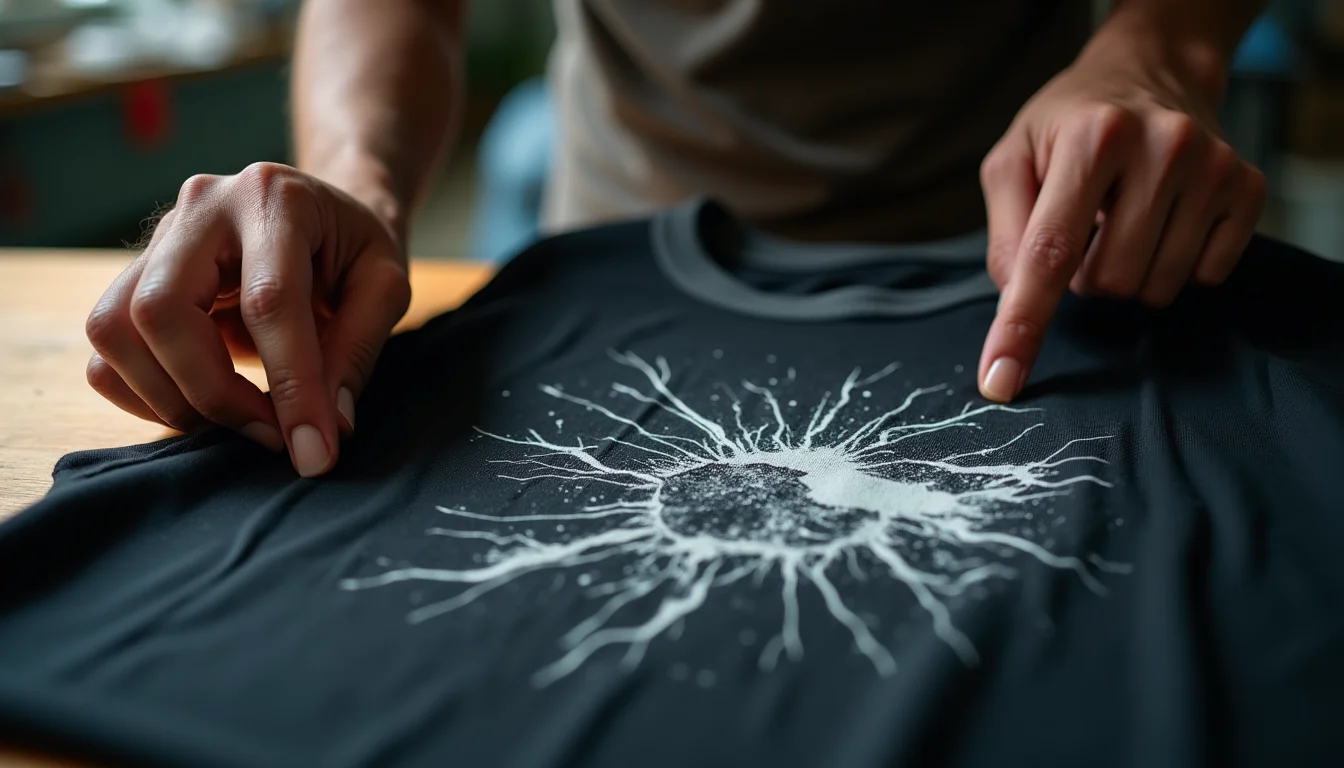
If you're in the custom t-shirt printing business, you've probably faced this frustrating problem: you print a beautiful white design on a black t-shirt using white ink, deliver it to your customer with confidence, and then a few weeks later, they call you complaining that the design is cracking and peeling off after just 2-3 washes. Sound familiar?
This is one of the most common complaints in the garment printing industry, especially among screen printers and DTG (Direct-to-Garment) printing businesses working with dark-colored fabrics. The good news? There's a proven solution that professional printers have been using for decades, and it's called discharge printing.
In this comprehensive guide, we'll dive deep into what discharge printing is, how it works, why it's superior to traditional white ink printing on dark fabrics, and how you can implement it in your printing business to eliminate cracking complaints forever.
The White Ink Problem: Why Does It Crack?
Before we explore the solution, let's understand why white ink creates problems on dark fabrics in the first place. When you print with conventional plastisol or water-based white ink on a dark t-shirt, you're essentially creating a layer of ink that sits on top of the fabric. This layer needs to be thick enough to provide good opacity and coverage over the dark background color.
The thicker the ink layer, the more prone it is to:
- Cracking: When the fabric stretches or bends during normal wear and washing, the rigid ink layer can't flex with it, causing cracks to form
- Peeling: Over time, the adhesion between the ink and fabric weakens, especially with repeated washing and wearing
- Heavy hand feel: The thick ink layer creates a stiff, plasticky feel that customers dislike
- Reduced breathability: The ink layer blocks the fabric's natural breathability, making it uncomfortable to wear
These issues become even more pronounced when printing on premium quality fabrics like the bio-washed, ring-spun combed cotton t-shirts from Sale91.com, where customers expect both the fabric and print to maintain their quality over time.
What is Discharge Printing? The Game-Changing Technique
Discharge printing is a completely different approach to creating designs on dark-colored fabrics. Instead of adding a layer of ink on top of the fabric, discharge printing removes the existing dye from the fabric, revealing the natural color of the cotton underneath.
Here's how it works in simple terms:
- You prepare a special discharge paste that contains bleaching agents (typically sodium formaldehyde sulfoxylate or thiourea dioxide)
- You screen print this discharge paste onto the dark-colored fabric in your desired design pattern
- You apply heat (usually around 320-350°F or 160-175°C) using a heat press or conveyor dryer
- The heat activates the bleaching agent, which removes the dye from the fabric wherever the paste was applied
- The natural color of the cotton fiber is revealed, creating your design
Since cotton's natural color is typically off-white or cream, you get a white or light-colored design on your dark fabric. But here's the magic: there's no ink layer sitting on top of the fabric. The design is literally part of the fabric itself.
Why Discharge Printing is Superior: The Benefits
1. Zero Cracking Issues
Since there's no ink layer on top of the fabric, there's nothing to crack or peel. The design is created by removing dye, not adding material. This means your prints will last as long as the t-shirt itself, surviving hundreds of washes without any degradation.
2. Ultra-Soft Hand Feel
Touch a discharge-printed design, and you won't feel any difference from the rest of the fabric. It has what printers call "no hand feel" or a "vintage soft" feel. This is especially important for premium t-shirts where customers expect a high-quality wearing experience.
3. Better Breathability
Since the fabric structure isn't covered with an ink layer, it maintains its natural breathability. This is crucial for t-shirts, especially in the Indian climate where comfort and ventilation are important.
4. Professional, High-End Look
Discharge printing creates a subtle, vintage aesthetic that high-end fashion brands prefer. It looks more sophisticated than a thick white ink print and has a lived-in quality that's trendy in today's market.
5. Excellent for Detailed Designs
Because you're working with a thinner paste than plastisol ink, discharge printing can capture finer details and create sharper edges in your designs.
The Discharge Printing Process: Step by Step
Step 1: Fabric Selection and Preparation
Not all fabrics work with discharge printing. Here's what you need to know:
- 100% Cotton only: Discharge printing works exclusively on natural fibers. It won't work on polyester, poly-cotton blends, or synthetic materials because these fibers aren't dyed the same way cotton is
- Dark colors work best: Black, navy blue, dark brown, and dark green give the best results because they provide maximum contrast
- Quality matters: Pre-shrunk, bio-washed fabrics like those available at BulkPlainTshirt.com give more consistent results
- Check discharge-ability: Not all dyes can be discharged. Reactive dyes work best, while some pigment dyes are discharge-resistant
Step 2: Prepare Your Discharge Paste
The discharge paste typically contains:
- Discharge agent (sodium formaldehyde sulfoxylate or SFS)
- Thickener (guar gum or synthetic thickener)
- Water
- Optional: white or colored pigments for toner discharge
Many printers buy pre-mixed discharge bases from suppliers, which is recommended for beginners. Mix according to manufacturer instructions and make sure your paste consistency is suitable for screen printing.
Step 3: Screen Preparation
Use standard screen printing screens with appropriate mesh count (typically 110-160 mesh for discharge). The emulsion should be resistant to the discharge chemicals – check with your emulsion supplier to ensure compatibility.
Step 4: Printing
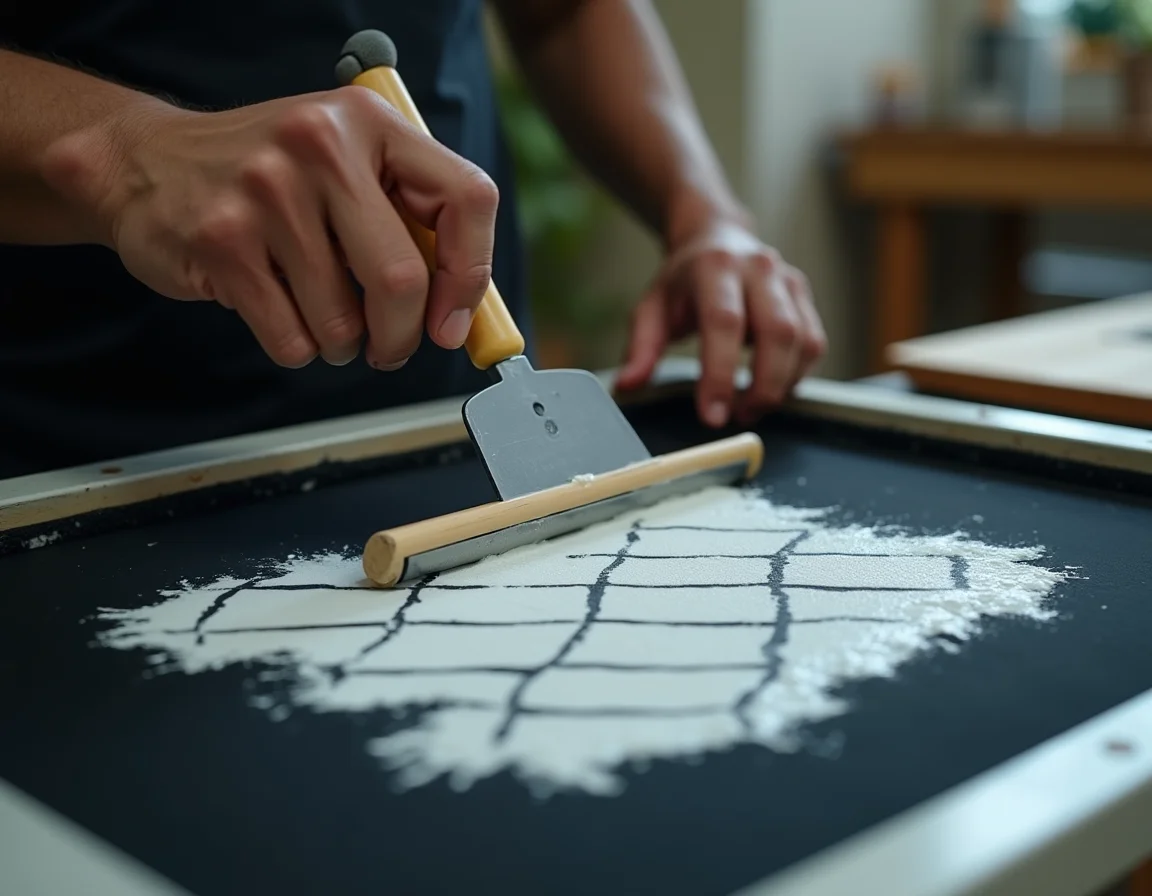
Print the discharge paste onto your garment just like you would with regular ink. Use a squeegee to push the paste through the screen and onto the fabric. You'll notice the paste looks yellowish or beige – don't worry, this is normal.
Step 5: Heat Curing
This is where the magic happens. Apply heat to activate the discharge agent:
- Temperature: 160-175°C (320-350°F)
- Time: 60-90 seconds for heat press, or full tunnel pass for conveyor dryer
- Ventilation: Work in a well-ventilated area as discharge chemicals produce fumes when heated
You'll see the color change before your eyes as the dye is removed and the white cotton shows through.
Step 6: Washing
After curing, wash the garment to remove any remaining discharge chemicals and stop the bleaching process. This also reveals the final color and softness of the print.
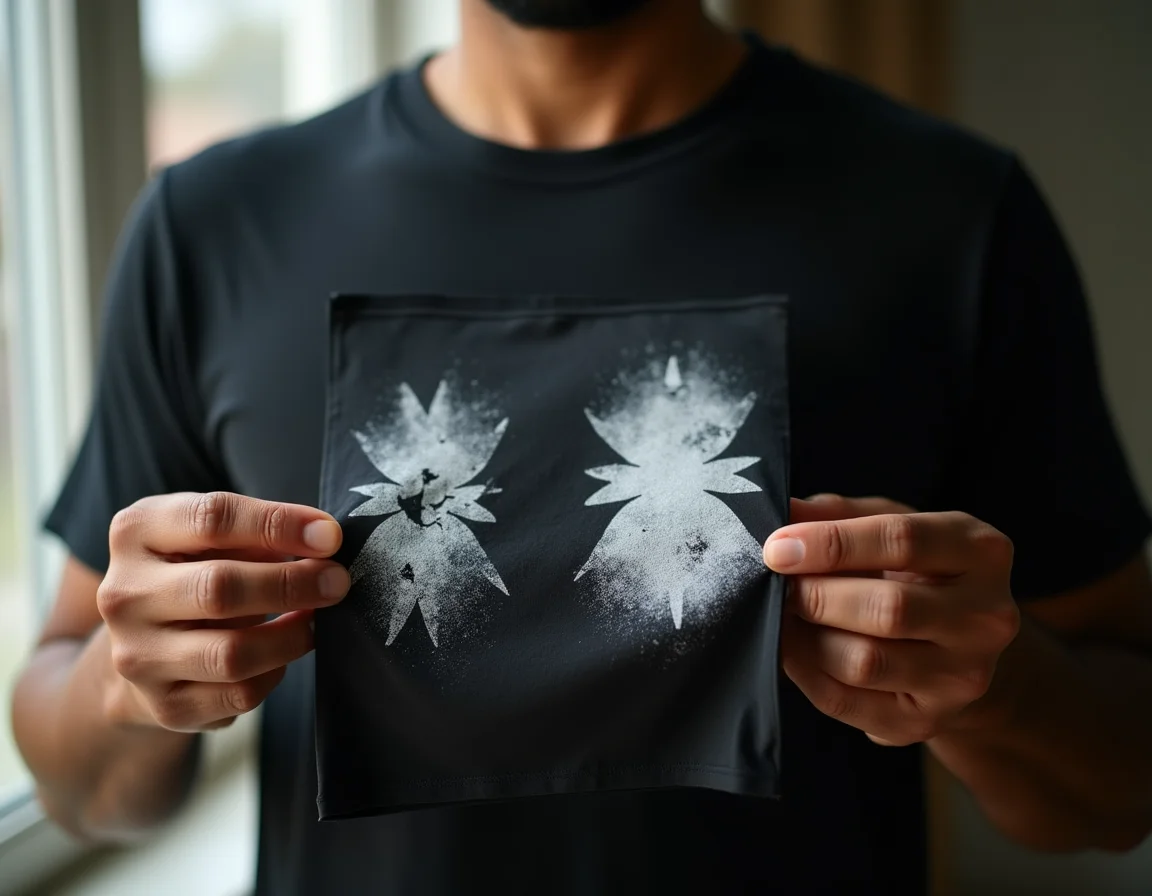
Discharge Printing vs. White Ink: The Comparison
| Aspect | Discharge Printing | White Ink Printing |
|---|---|---|
| Durability | Lasts forever, no cracking | Can crack after 5-10 washes |
| Hand Feel | No hand feel, ultra soft | Thick, plasticky feel |
| Fabric Compatibility | Natural fibers only (cotton) | Works on all fabrics |
| Color Options | Best on dark fabrics | Works on any color |
| Setup Cost | Moderate (special chemicals) | Low (standard inks) |
| Aesthetic | Vintage, premium look | Bold, bright graphics |
Common Mistakes to Avoid in Discharge Printing
1. Using the Wrong Fabric
The biggest mistake beginners make is trying discharge printing on polyester or poly-cotton blends. It simply won't work. Always verify you're working with 100% cotton before attempting discharge printing.
2. Insufficient Heat
Under-curing is a common problem that results in incomplete discharge, leaving you with a yellowish or incomplete design. Make sure your heat press or dryer reaches the proper temperature and maintains it for the full cure time.
3. Poor Ventilation
Discharge chemicals release sulfur-based fumes when heated. These aren't pleasant to breathe and can be harmful with prolonged exposure. Always work in a well-ventilated area and consider using extraction fans.
4. Not Testing First
Different fabrics discharge to different shades. Black fabric from one supplier might discharge to pure white, while the same color from another might discharge to cream or even pink. Always run test prints on your specific fabric before starting production.
5. Using Old Discharge Paste
Discharge paste has a limited shelf life once mixed. The discharge agent starts working immediately (just very slowly at room temperature). Mix only what you need and don't store mixed paste for more than a day or two.
6. Forgetting the Wash
Skipping the post-print wash is a serious mistake. The discharge chemicals continue working until they're washed out, which means the fabric could continue discharging and become weaker over time. Always wash printed garments to neutralize the process.
Advanced Technique: Toner Discharge
Once you've mastered basic discharge printing, you can explore toner discharge, which allows you to create colored designs on dark fabrics, not just white ones.
In toner discharge, you mix colored pigments with your discharge paste. When heated:
- The discharge agent removes the original fabric dye (as usual)
- Simultaneously, the colored pigment you added bonds to the fabric
- Result: A colored design on dark fabric with no hand feel
This technique opens up creative possibilities while maintaining all the benefits of discharge printing – soft feel, durability, and breathability.
Watch the Video: Discharge Printing Explained
Want to see discharge printing in action and hear more insights from industry experts? Check out this detailed explanation:
Which GSM is Best for Discharge Printing?
When selecting blank t-shirts for discharge printing, GSM (grams per square meter) matters. Here's what works best:
- 180 GSM: Good for budget-conscious projects, but the fabric is thinner so discharge might be less consistent
- 200 GSM: The sweet spot for discharge printing – substantial enough for even results while remaining cost-effective
- 220 GSM: Premium option that gives excellent discharge results with a luxurious feel, perfect for high-end custom orders
Sale91.com offers all these GSM options in their catalog, all made with 100% ring-spun combed cotton that's ideal for discharge printing. Their bio-washed, pre-shrunk fabric ensures consistent results batch after batch.
Cost Considerations: Is Discharge Printing Worth It?
Let's talk about the economics of discharge printing versus white ink:
Initial Investment
- Discharge chemicals cost more than standard white ink
- You may need better ventilation equipment
- Heat press or dryer requirements are similar to standard printing
Per-Piece Cost
Discharge printing typically costs ₹5-15 more per piece than white ink printing, depending on design size and complexity.
Value Proposition
However, consider:
- You can charge premium prices (₹50-100 more per piece) for discharge printed garments
- Zero returns or complaints about cracking saves money and reputation
- Customers become repeat buyers due to quality
- You can target high-end markets and fashion brands
Most printers find that discharge printing is more profitable despite higher costs, especially when targeting quality-conscious customers.
Best Practices for Your Discharge Printing Business
1. Source Quality Blanks
The foundation of great discharge printing is quality fabric. Partner with reliable suppliers who provide consistent, discharge-friendly t-shirts. Check out the complete catalog at BulkPlainTshirt.com for options specifically suited to discharge printing.
2. Build a Sample Library
Create discharge samples on every fabric color and weight you plan to offer. Show these samples to customers so they know exactly what to expect. Different colors discharge differently – black becomes white, navy becomes light blue, etc.
3. Educate Your Customers
Many customers won't know what discharge printing is. Educate them about the benefits – superior durability, soft feel, and premium quality. This justifies your higher price point and builds perceived value.
4. Offer It as Premium Option
Position discharge printing as your premium service, priced accordingly. Continue offering standard white ink printing as a budget option, but promote discharge for customers who want the best quality.
5. Document Your Process
Keep detailed notes about temperature, time, paste consistency, and results for each fabric type. This helps you replicate successful results and troubleshoot problems.
6. Safety First
Invest in proper ventilation, wear appropriate safety equipment (gloves, mask when mixing chemicals), and follow all manufacturer safety guidelines for the chemicals you're using.
"After switching to discharge printing for our dark fabric orders, our return rate dropped from 15% to less than 1%. Customers love the soft feel and we've been able to increase our prices by 40%. It's been a game-changer for our business." - Rajesh Kumar, Custom T-shirt Printer, Mumbai
Alternative Methods: When Discharge Printing Isn't Suitable
While discharge printing is excellent for dark fabrics, it's not always the right choice. Here are alternatives for different situations:
DTG Printing
Direct-to-Garment printing can work on dark fabrics if you use proper underbase and high-quality machines. It's better for complex, multi-color designs and small quantities.