5000 T-Shirts Returned: One Stitching Mistake Cost Us Lakhs 😤
In the bulk t-shirt manufacturing and wholesale business, quality control isn't just a checkbox—it's the foundation of customer trust and business sustainability. Today, I'm sharing one of our most painful experiences at Sale91.com, where a single stitching defect resulted in the return of 5,000 pieces, costing us lakhs in terms of material, transport, time, and reputation.
This isn't just a cautionary tale; it's a comprehensive guide to understanding why stitching quality matters as much as fabric quality, how to identify stitching defects before dispatch, and what systems you need to implement to prevent such disasters in your own t-shirt printing or wholesale business.
The Incident: What Actually Happened
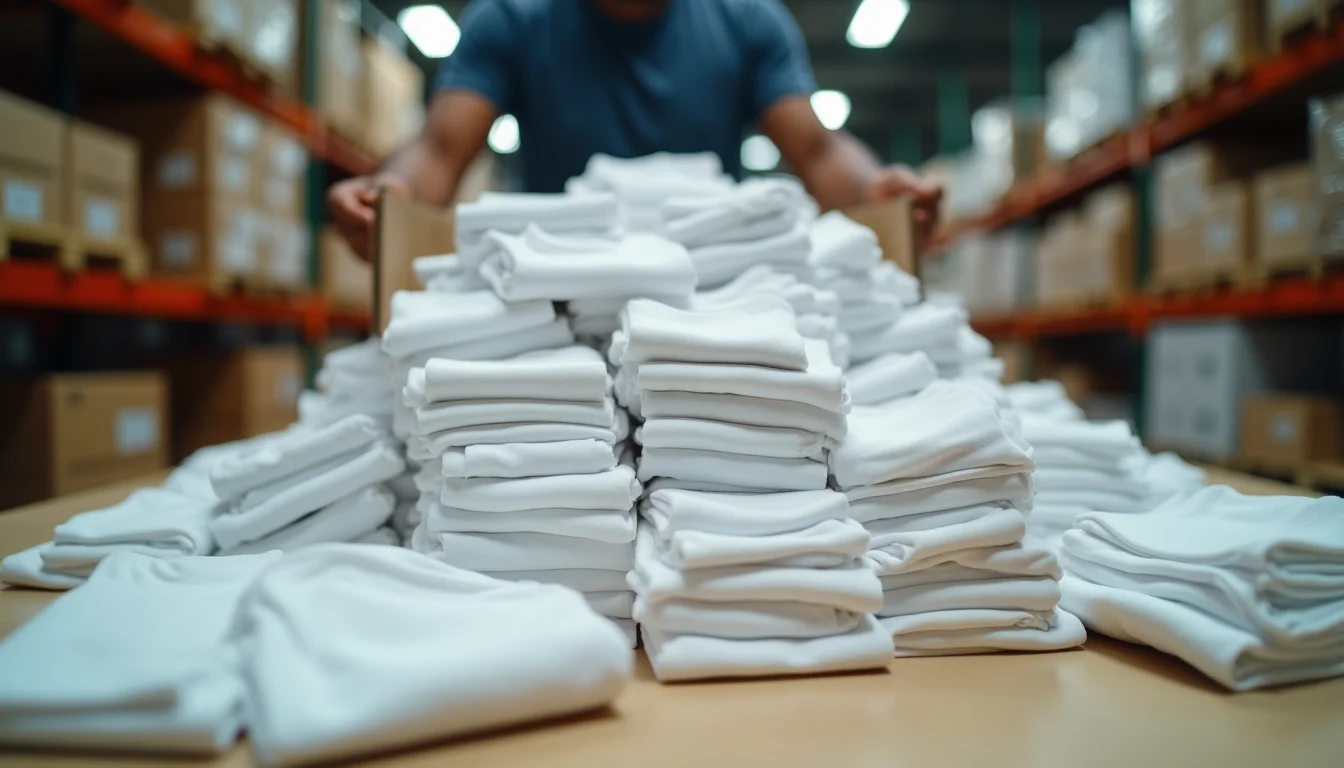
It started like any other bulk order. A regular customer, who runs a successful custom printing business in Maharashtra, placed an order for 5,000 pieces of our 200 GSM plain round neck t-shirts. The fabric quality was perfect—bio-washed, pre-shrunk, ring-spun combed cotton that we knit in-house at our Tiruppur facility. The color matching was spot-on. Everything looked good during the initial quality check.
The batch was dispatched from our Delhi warehouse, and the customer received it within the promised timeframe. But within just 10 days, we received a call that no manufacturer wants to hear: "Sab pieces wapas aa rahe hain. Stitching mein problem hai."
The Root Cause: Thread Skips in Side Seams
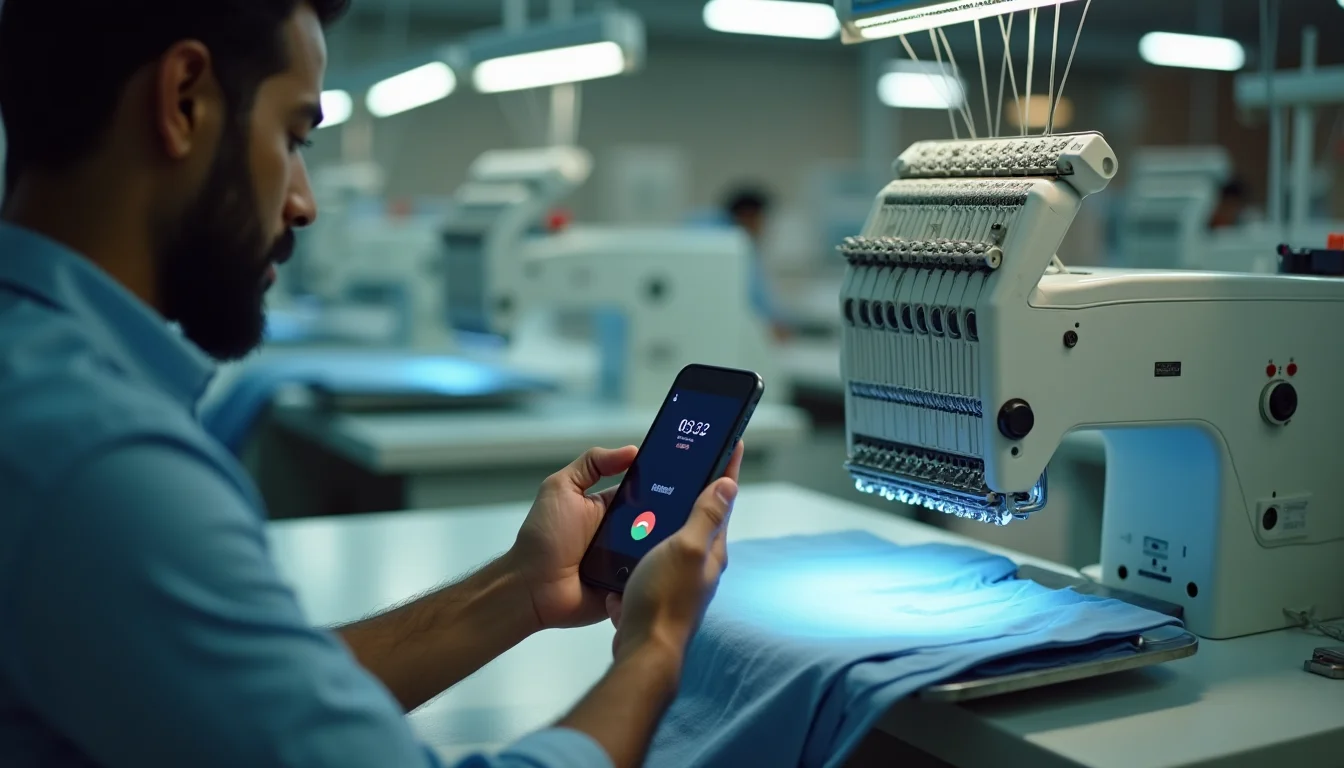
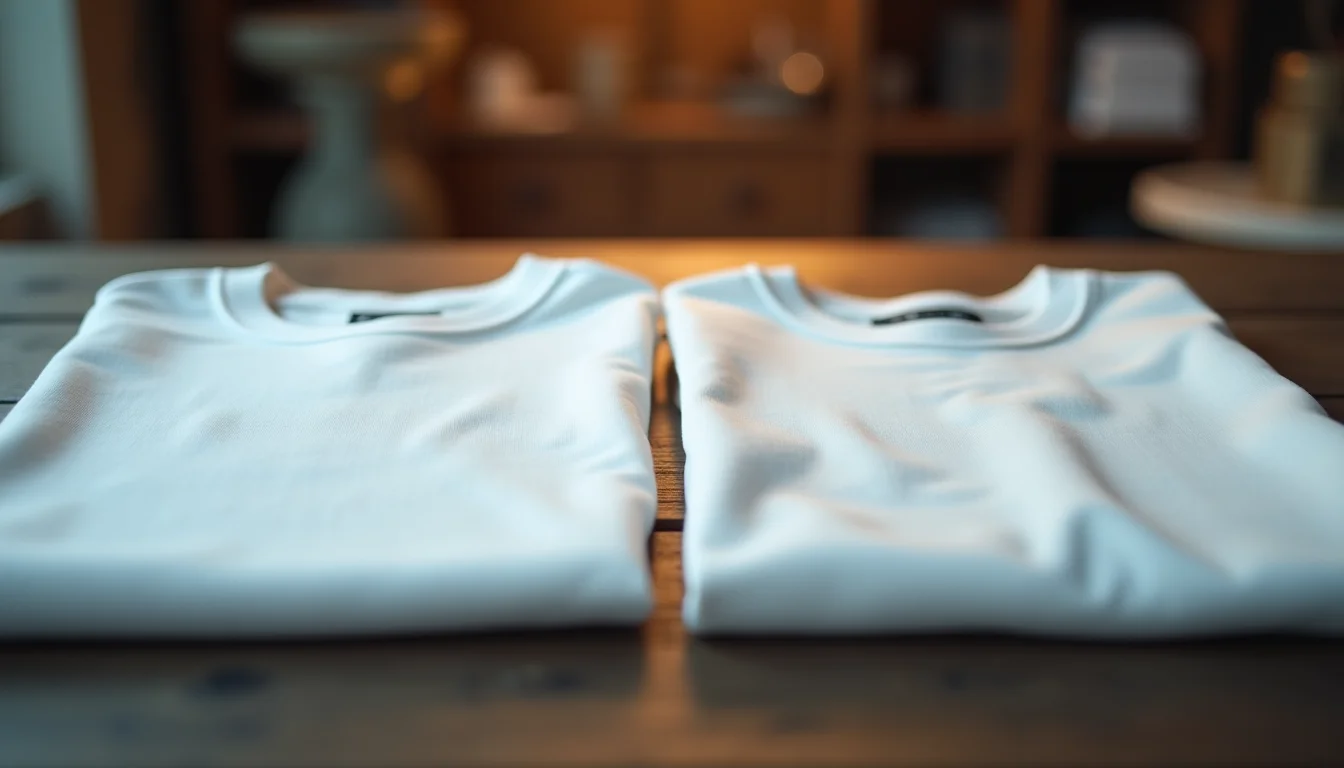
The problem was deceptively simple yet devastating in its impact. The side seam stitching had regular thread skips—the machine was consistently dropping 2-3 stitches at intervals. When you looked at a fresh t-shirt hanging on a rack, it appeared completely normal. The fabric was premium, the color was vibrant, and even the stitching looked fine to the naked eye.
But here's where the real problem emerged: the moment the customer printed these t-shirts using DTF printing and the end customers washed them after the first wear, the seams started opening from the exact spots where stitches were skipped. The print was perfect, the fabric held up beautifully, but the seam itself was compromised.
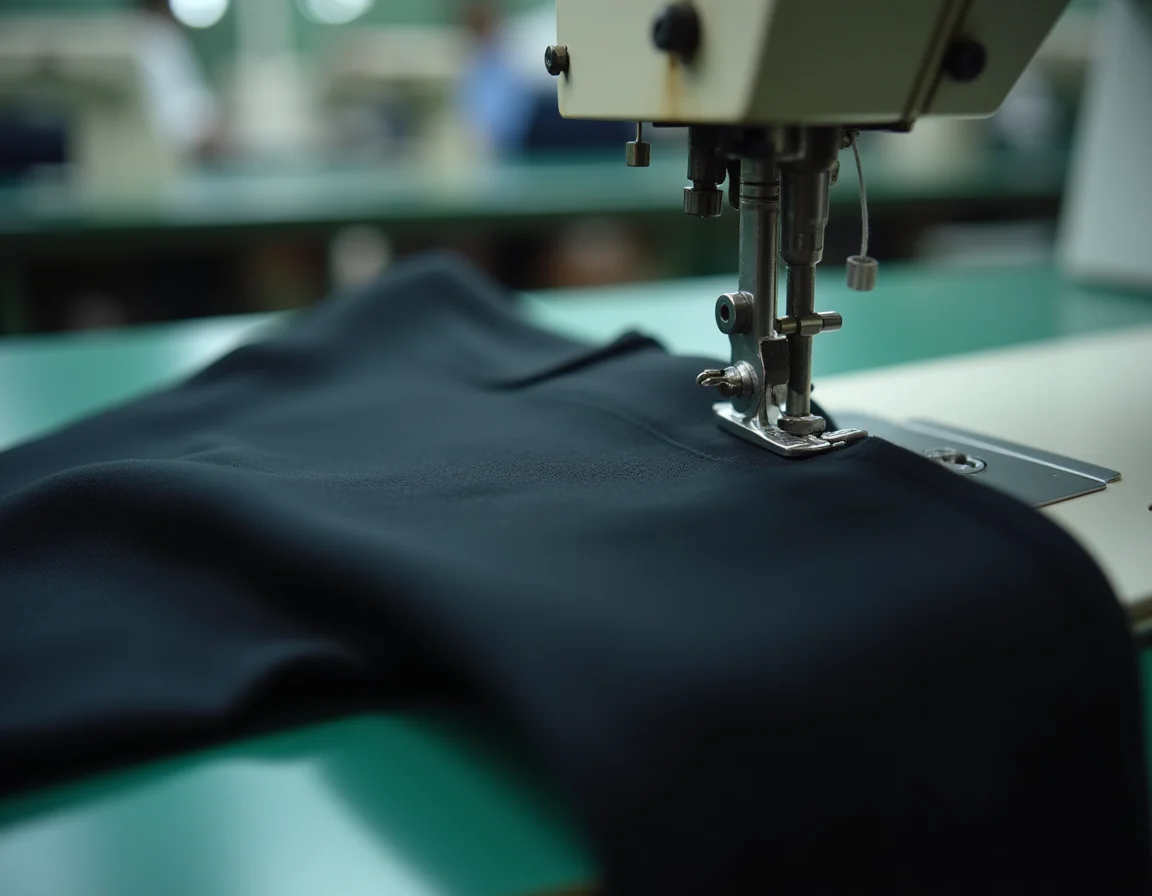
Why It Happened: Low Stitch Density and Wrong Thread Tension
After investigating the issue thoroughly with our production team in Tiruppur, we identified two technical problems that occurred simultaneously:
- Low stitch density: The stitches per inch (SPI) had dropped below the standard 12-14 SPI that we maintain for side seams. When stitch density is low, even if the thread doesn't skip, the seam becomes weak and vulnerable to stress during washing and wearing.
- Incorrect thread tension: The upper thread tension on one of our overlock machines was slightly loose. This caused intermittent thread skips that weren't immediately visible but created weak points in the seam construction.
- Machine needle issue: Upon further inspection, we found that the needle had developed a slight burr, which was causing it to occasionally miss catching the lower thread loop, resulting in dropped stitches.
What made this particularly frustrating was that these issues developed midway through the production of the 5,000-piece batch. The first 1,500-2,000 pieces were likely fine, but as the machine continued running without proper monitoring, the problem intensified.
The Real Impact: Beyond Just Money
Let's talk about the actual cost of this mistake, because it goes far beyond the immediate financial loss:
Direct Financial Loss
- Production cost: Manufacturing cost for 5,000 pieces of 200 GSM t-shirts, including fabric, stitching, quality checks, and packaging
- Transport cost both ways: Delhi to Maharashtra delivery, plus return freight charges
- Rework cost: The entire batch had to be inspected piece by piece, seams reinforced or completely re-stitched where necessary
- Opportunity cost: The production capacity and worker hours that could have been used for new orders were instead spent on rectification
Indirect Costs
- Customer dissatisfaction: Even though we resolved the issue, the customer lost time and faced complaints from their end buyers
- Reputation risk: In the wholesale t-shirt business, word spreads quickly. One major quality issue can affect multiple potential orders
- Team morale: Our quality control team felt demoralized, and we had to rebuild confidence in our processes
- Delayed payments: The customer withheld payment until the issue was fully resolved, affecting our cash flow
"The customer doesn't see your fabric quality or your GSM when the seam opens after first wash. They just see a defective t-shirt, and they blame the entire product—and your brand."
Why Stitching Quality Is Often Ignored
In our analysis of this incident and conversations with other manufacturers, we realized that stitching quality is the most underestimated aspect of garment manufacturing. Here's why:
The Visibility Problem
Fabric defects are immediately visible—a hole, a stain, uneven dyeing. Color mismatches jump out at you. But stitching quality requires close inspection. You need to pull the seams, check stitch density, look for thread skips, and ensure proper tension. This takes time, and in the rush to meet dispatch deadlines, it often gets overlooked.
The Testing Gap
Most quality checks in the t-shirt industry focus on:
- Fabric GSM verification using GSM cutters and weighing scales
- Color matching against approved samples
- Measurement checks for chest, length, and sleeve specifications
- Visual inspection for fabric defects
But rarely do quality controllers perform stress tests on seams during pre-dispatch inspection. They assume that if the machine is running and the seam looks okay, it's fine. This assumption can be very costly.
The Skill Issue
Identifying fabric quality issues requires basic training. But identifying stitching problems—understanding what proper stitch density looks like, recognizing early signs of thread tension issues, spotting intermittent thread skips—requires experience and a trained eye. Many quality control personnel lack this specialized skill.
How to Check Stitching Quality: Practical Methods
Based on our hard-learned lesson, here are the practical methods we now use—and you should too—to check stitching quality before dispatch:
The Simple Pull Test
This is the easiest and most effective method that anyone can perform:
- Hold the t-shirt seam (side seam, shoulder seam, or sleeve seam) from both sides
- Pull firmly but not aggressively—simulate the stress that would occur during normal wear
- Look closely at the seam while pulling. If you see gaps opening up, loose threads appearing, or any separation between stitches, there's a problem
- Check multiple points along the same seam, not just one spot
- Repeat this for at least 10-15 random pieces from each production batch
The Stitch Density Check
For side seams and critical structural seams, you should have at least 12-14 stitches per inch (SPI). To check this:
- Use a small ruler or measuring tape
- Mark a 1-inch section on the seam
- Count the number of stitches within that inch
- If it's consistently below 12 SPI, the seam is under-stitched and will likely fail under stress
The Wash Test for Sample Pieces
Before dispatching any large order, we now follow this protocol:
- Take 2-3 sample pieces from the production batch
- Wash them in a regular washing machine with normal detergent
- Dry them and inspect all seams carefully
- Check for any opening, puckering, or thread damage
- If the samples pass, proceed with dispatch; if not, inspect and rectify the entire batch
Yes, this adds 24-48 hours to your dispatch timeline, but it's infinitely better than dealing with a 5,000-piece return.
Machine Maintenance Checks
Prevention is better than inspection. We now have a strict machine maintenance protocol:
- Check needle condition every 8 hours of operation—replace if there's any burr or damage
- Verify thread tension settings at the start of each shift
- Clean the bobbin case and feed dogs daily to prevent lint buildup that can cause stitch irregularities
- Calibrate stitch density settings weekly using test fabric pieces
- Train machine operators to identify and report stitching anomalies immediately, not at the end of the batch
The Bigger Picture: Why This Matters for Printing Businesses
If you're running a custom t-shirt printing business using DTG, DTF, screen printing, or heat transfer methods, you might think that stitching quality is the manufacturer's problem, not yours. But here's why you should care deeply about it:
Print Quality Doesn't Matter if the T-Shirt Falls Apart
You can have the most vibrant DTF prints, the most detailed screen printing, or the smoothest heat transfer graphics. But if your customer's t-shirt seam opens after the first wash, they won't remember your excellent print—they'll remember that they bought a defective product from you.
The end customer doesn't know you bought blank t-shirts from a manufacturer. They only know they bought from you. Your reputation is tied to the entire product, including the stitching quality of the blank you started with.
Returns Kill Your Profit Margins
In the printing business, margins are often tight. You might be making ₹50-150 profit per piece depending on your printing method and order size. A single return can wipe out the profit from 10-20 successful sales when you factor in:
- The cost of the defective blank t-shirt
- The printing cost (ink, transfer paper, electricity, labor)
- Return shipping if you offer it
- Replacement product cost
- Time spent handling customer complaints
Quality Blanks Are an Investment, Not an Expense
We often see printing businesses trying to save ₹10-20 per piece by buying cheaper blank t-shirts from traders or inconsistent manufacturers. While Sale91.com might not always be the absolute cheapest option, we invest heavily in quality control precisely because we understand the downstream impact of defects.
When you buy from a manufacturer who knits their own fabric in-house, maintains strict quality protocols, and offers bio-washed, pre-shrunk, ring-spun combed cotton with consistent stitching quality, you're not just buying a t-shirt—you're buying reliability and protecting your business reputation.
What We Changed After This Incident
This 5,000-piece return was a turning point for our quality control systems. Here's what we implemented:
Multi-Stage Stitching Inspection
We now check stitching quality at three stages instead of just at final inspection:
- Post-cutting stage: Before pieces go to the stitching machines
- Mid-production stage: After every 500 pieces or every 2 hours of continuous production, whichever comes first
- Pre-dispatch stage: Final quality check with physical stress tests on random samples
Dedicated Stitching Quality Controller
We appointed a specialized quality controller whose only job is to monitor stitching quality. This person:
- Has 10+ years of experience in garment stitching
- Performs pull tests on every batch
- Monitors machine settings and alerts operators about any drift from standards
- Maintains a log of stitching quality metrics for every order
Customer Communication Protocol
We now proactively inform our B2B customers about how to check stitching quality when they receive the order. We provide:
- A simple video guide on performing pull tests
- Clear documentation of our stitching standards (SPI, thread type, seam types)
- A 48-hour quality concern window where customers can report issues before they print on the blanks
- Free replacement guarantee for any batch where more than 0.5% pieces have stitching defects
Machine Upgrade and Maintenance Schedule
We invested in newer overlock and flatlock machines with better tension control and digital stitch counters. We also implemented:
- Preventive maintenance every 200 production hours
- Immediate needle replacement at first sign of any issue
- Thread quality audits—we now use only A-grade thread from approved suppliers
- Operator training programs focused on identifying early warning signs of stitching problems
Industry-Wide Lessons: What Every Manufacturer and Buyer Should Know
This incident isn't unique to us. After sharing this experience with other manufacturers and customers in the textile industry, we learned that stitching defects account for nearly 30-40% of all bulk t-shirt returns—far more than fabric defects or color issues.
For Manufacturers
If you're manufacturing or planning to start manufacturing blank t-shirts, remember:
- Stitching quality is as important as fabric quality—allocate equal attention and resources
- Invest in good machines and maintain them religiously—a ₹20,000 preventive maintenance schedule is cheaper than a ₹2 lakh product return
- Train your quality control team specifically in stitching inspection—don't assume they know how to check it properly
- Build buffer time into production schedules for proper quality checks—rushing leads to errors
- Document your quality standards clearly and share them with customers—transparency builds trust
For Printing Businesses and Wholesale Buyers
If you're buying blank t-shirts for printing or resale:
- Don't just check fabric quality when receiving an order—perform pull tests on seams
- Wash test a few sample pieces before printing large orders
- Choose manufacturers who have documented quality control processes, not just the cheapest price
- Ask specific questions about stitching standards: What's the SPI? What thread do you use? What's your defect rate?
- Build a relationship with a reliable manufacturer rather than constantly switching suppliers for minor price differences
Watch the Video
Watch the full story of how this 5,000-piece return happened and what we learned from it:
Frequently Asked Questions
Order Premium Quality Blank T-Shirts from Sale91.com
Don't risk your printing business with inconsistent quality blanks. Order from India's most trusted B2B manufacturer with strict quality controls and in-house fabric knitting.
✓ Bio-washed & Pre-shrunk ✓ Ring-spun Combed Cotton ✓ 13-14 SPI Stitching Standard ✓ 1+ Lakh Ready Stock
Order Now at Sale91.com