He Bought 1000 T-Shirts & Shut Down in 2 Months: 3 Critical Mistakes That Killed His Printing Business

Starting a custom printing business sounds exciting. The promise of being your own boss, creating unique designs, and building a profitable venture attracts thousands of entrepreneurs every year. But here's the harsh reality: most new printing businesses fail within the first six months.
Recently, we heard about a young entrepreneur who invested his savings into a printing business. He ordered 1000 plain t-shirts, bought a printing machine on EMI, and set up shop with big dreams. Two months later, he shut everything down and walked away from the business completely.
What went wrong? Three classic mistakes that most new printing business owners make. And the worst part? All of them were completely avoidable.
If you're planning to start a t-shirt printing business in India—whether it's DTG (Direct to Garment), DTF (Direct to Film), screen printing, or heat transfer—this article could save you lakhs of rupees and months of heartbreak. Let's dive into the real story and the lessons you need to learn before placing your first bulk order.
The Story: From Excitement to Closure in 60 Days
Let's call him Rahul (name changed for privacy). Rahul had been working a 9-to-5 job in Delhi when he noticed the growing trend of custom-printed t-shirts. He saw Instagram pages selling quirky designs, local businesses ordering corporate merchandise, and event organizers constantly looking for bulk printing services.
After some research on YouTube and business forums, Rahul decided to take the plunge. He quit his job, borrowed money from family, took a personal loan for equipment, and jumped into the printing business with both feet.
His first major decision? Order 1000 plain t-shirts in bulk to get a better price. He found a supplier offering 180 GSM t-shirts at a seemingly great rate and placed the order without hesitation. He also bought a mid-range DTG printing machine on EMI, thinking he'd pay it off quickly with incoming orders.
The first month started with optimism. He set up his small workspace, got some initial orders from friends and local contacts. But then the problems started surfacing one by one.
"I thought I was being smart by buying in bulk and saving money. Instead, I ended up with 800 unusable t-shirts and a loan I couldn't repay." - Anonymous printing business owner
By the end of the second month, Rahul had shut down operations. The dream was over before it really began. Let's break down exactly what went wrong and how you can avoid making the same mistakes.
Mistake #1: Skipping the Sample Stage - The Costliest Error
Rahul's biggest mistake was ordering 1000 plain t-shirts directly without testing them first on his printing equipment. This is the cardinal sin of the printing business, yet it's incredibly common among new entrepreneurs.
What Happened to Rahul
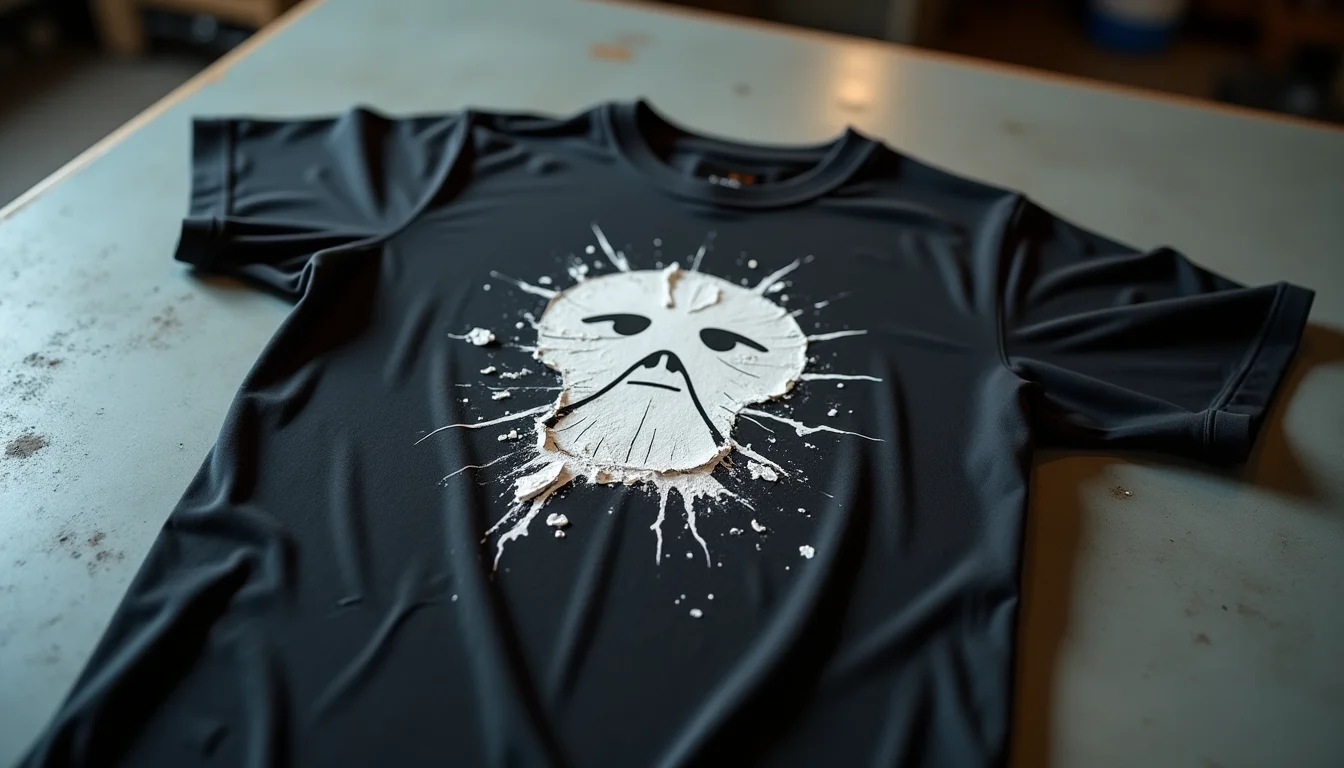
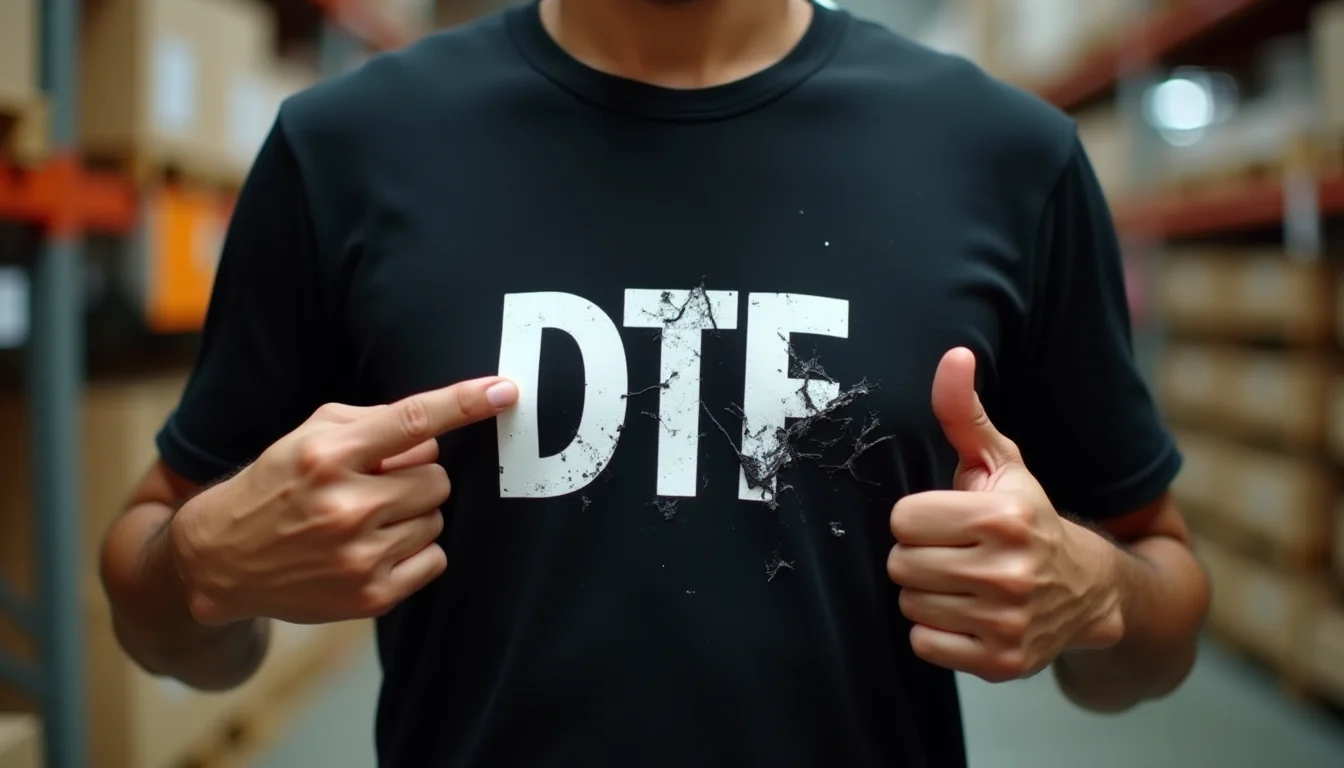
When Rahul received his bulk order and started printing, he quickly discovered that the ink wasn't setting properly on the t-shirt fabric. The prints looked faded, the colors weren't vibrant, and after washing, the designs started cracking and peeling off.
He tried adjusting machine settings, changing ink ratios, and experimenting with different curing temperatures. Nothing worked consistently. Why? Because the fabric quality wasn't suitable for his printing method. The 180 GSM t-shirts he ordered had a different fabric finish than what his DTG machine was calibrated for.
Result? Nearly 1000 pieces became unusable stock. Some he tried to sell at throwaway prices, some he gave away, and hundreds just sat in his storage gathering dust.
The Right Approach: Start with 10-20 Sample Pieces
Here's the smart way to start any printing business:
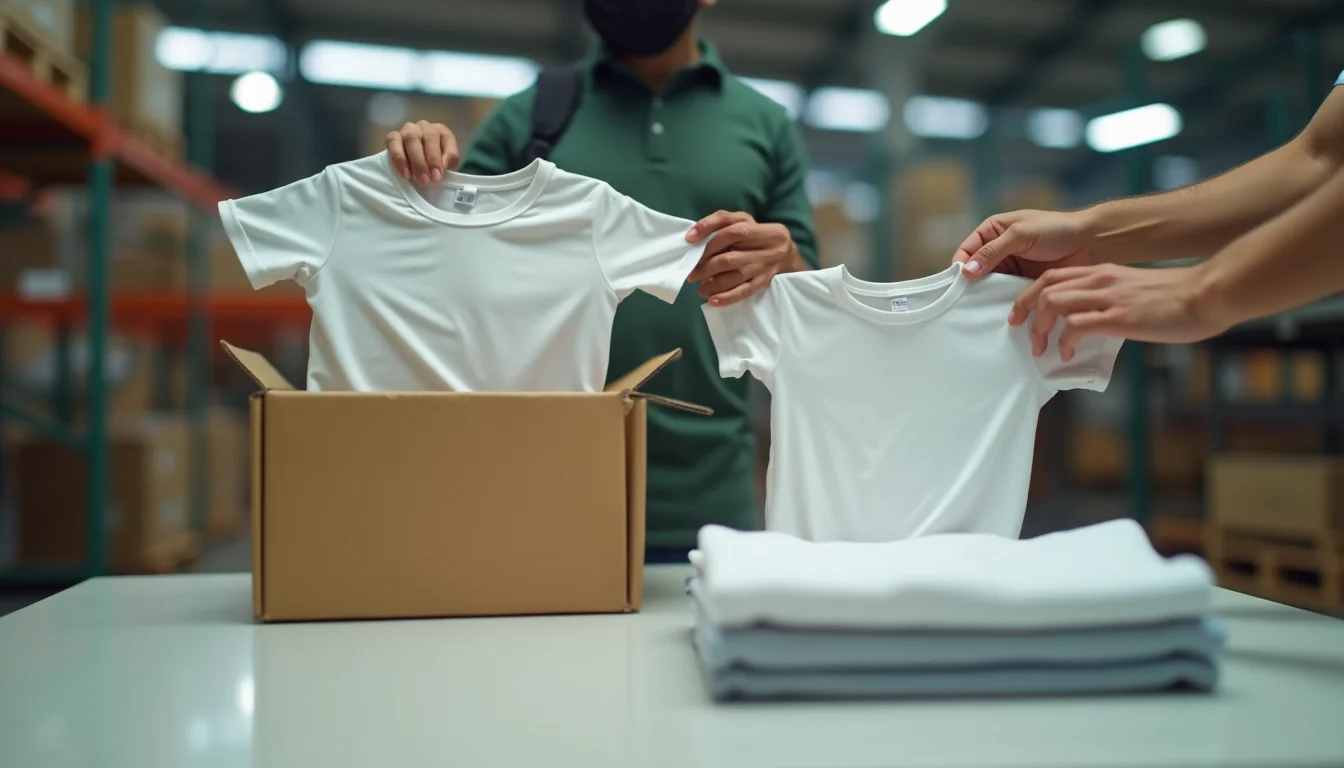
- Order 10-20 plain t-shirts as samples from your potential supplier before committing to bulk quantities
- Test multiple printing techniques on these samples - try different designs, colors, and ink types
- Wash test your samples - wash them 5-7 times just like a customer would and check if the print quality holds up
- Check fabric feel and finish after printing - does it remain soft? Does the fabric stretch well? Is there any stiffness?
- Test customer response - show your samples to potential customers and get honest feedback
- Calculate actual costs based on real ink consumption, time taken, and wastage rates from your sample run
This sample stage is not an expense—it's an investment. Spending ₹2,000-3,000 on samples can save you from losing ₹50,000+ on bulk orders that don't work for your setup.
Different Fabrics Behave Differently
Not all plain t-shirts are created equal. The fabric composition, GSM weight, bio-wash treatment, and even the color of the t-shirt can dramatically affect how your prints turn out. What works beautifully on one fabric might look terrible on another.
For example, DTG printing typically works best on 100% ring-spun combed cotton with a smooth bio-washed finish. Screen printing is more forgiving and can work on various fabric types. DTF printing offers flexibility but requires proper heat press settings that vary by fabric weight.
This is why Sale91.com always recommends ordering sample pieces first. Test on your equipment, verify the quality, and only then scale up. Remember: in the printing business, rushing leads to disaster.
Mistake #2: Stocking Only One GSM - Limited Product Range
The second major mistake Rahul made was stocking only 180 GSM t-shirts. While he thought he was simplifying his inventory, he was actually severely limiting his business potential.
The Problem with Single GSM Stock
When Rahul started getting inquiries from potential customers, he quickly realized that different clients wanted different products:
- A corporate client wanted premium quality 220 GSM t-shirts for their annual conference merchandise
- A local gym needed hoodies and sweatshirts for their winter collection
- An event organizer required oversized t-shirts for a youth festival
- A boutique wanted 200 GSM premium quality for their custom clothing line
Rahul had to say "sorry, I don't have that" to every single one of these inquiries. He lost orders worth lakhs simply because he couldn't offer variety. Worse, these potential customers went to his competitors and never came back.
Understanding GSM and Why It Matters
GSM stands for "Grams per Square Meter" and indicates the weight and thickness of the fabric. Here's what you need to know:
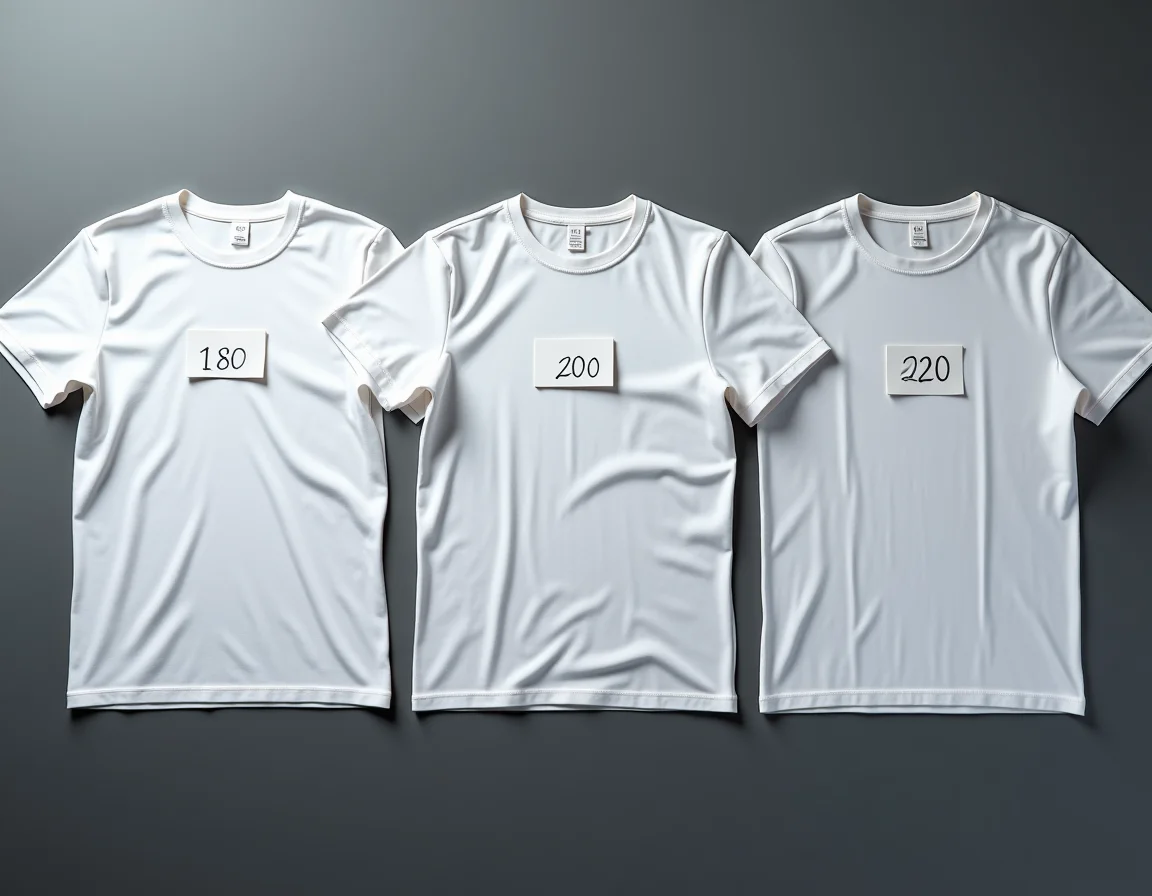
- 180 GSM: Lightweight, perfect for everyday wear, summer collection, budget-friendly options. Popular for promotional t-shirts and basic custom printing.
- 200 GSM: Medium weight, premium feel, more durable. This is the sweet spot for quality-conscious customers who want both comfort and longevity.
- 220 GSM: Heavy premium quality, luxury feel, best durability. Preferred by boutiques, corporate clients, and customers who want top-tier products.
- 240-320 GSM: For sweatshirts - these provide warmth while maintaining comfort and printability.
- 430 GSM: For heavy hoodies - winter wear that customers expect to last for years.
The Smart Inventory Strategy
Instead of ordering 1000 pieces of one GSM, here's what Rahul should have done:
- 300 pieces of 180 GSM - for budget-conscious customers and bulk orders
- 400 pieces of 200 GSM - the most versatile and popular option for most clients
- 200 pieces of 220 GSM - for premium segments and corporate clients
- 100 pieces mixed - hoodies, oversized, polo shirts to test different markets
This diversified approach would have allowed him to say "yes" to almost every inquiry that came his way. He could cater to budget customers, mid-range buyers, and premium clients—all from the same inventory.
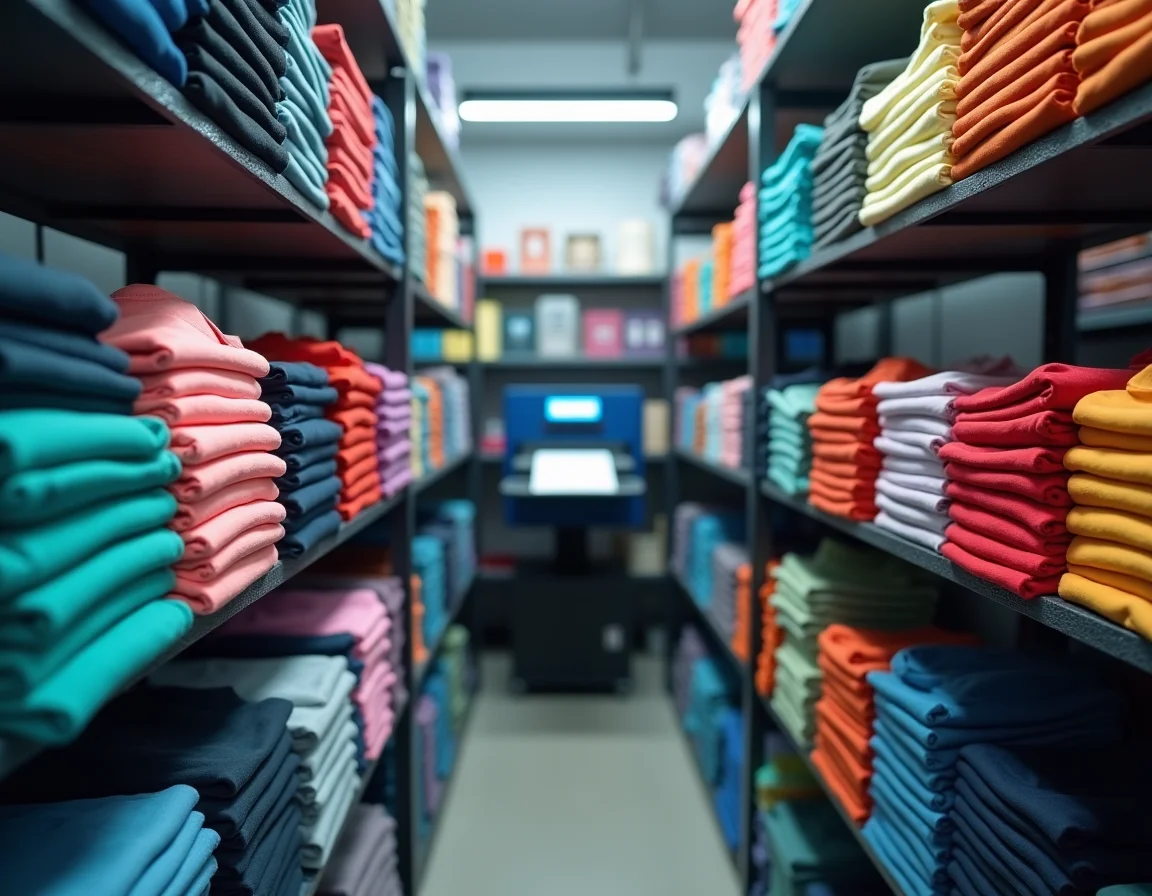
Beyond Just T-Shirts
Today's printing business isn't just about round-neck t-shirts anymore. The market has evolved, and customers are looking for variety:
- Oversized t-shirts - extremely popular among youth and streetwear customers
- Polo t-shirts - for corporate branding and semi-formal applications
- Hoodies and sweatshirts - winter collection that commands premium pricing
- Acid wash t-shirts - trendy option for fashion-forward customers
- Different colors - while white and black are staples, colored t-shirts open new design possibilities
By maintaining variety in your inventory, you position yourself as a complete printing solution provider rather than just another t-shirt printer. This means more orders, better customer retention, and higher profit margins.
When you're ready to build your diverse inventory, check out the complete product catalog at BulkPlainTshirt.com to see all available options in different GSM ranges, styles, and colors.
Mistake #3: No Pricing Calculation - The Profit Killer
This was the final nail in the coffin for Rahul's business. He never properly calculated his costs and pricing structure. He jumped into the business thinking that "everyone else is making money, so will I."
Rahul's Pricing Disaster
Rahul was selling printed t-shirts at ₹299 per piece. His calculation? He bought plain t-shirts at ₹150 each, and he was selling at ₹299. So profit = ₹149 per piece. Easy math, right?
Wrong. Dead wrong.
What he didn't account for:
- Ink cost: ₹25-35 per print depending on design coverage and colors
- Electricity: ₹15-20 per piece (printing machine, dryer/curing unit, AC for workspace)
- Labor cost: ₹20-25 per piece (his own time or staff wages)
- Wastage: ₹10-15 per piece (misprints, quality rejections, testing)
- Packaging: ₹8-12 per piece (poly bags, tags, boxes for delivery)
- Transport/delivery: ₹20-30 per piece (shipping to customers)
- Machine EMI: Monthly payment that needs to be recovered from each sale
- Rent and overheads: Workspace rent, maintenance, utilities
When you add all this up, his actual cost per printed t-shirt was around ₹280. He was making barely ₹19 per piece—not ₹149 as he thought!
At ₹19 profit margin, he would need to sell thousands of t-shirts just to cover his machine EMI and monthly expenses. It was financially impossible to sustain.
The Right Way to Calculate Pricing
Here's a proper pricing calculation framework for a printing business:
Step 1: Calculate Direct Costs
- Plain t-shirt cost: ₹X
- Ink/consumables: ₹Y
- Packaging materials: ₹Z
- Total Direct Cost = X + Y + Z
Step 2: Calculate Indirect Costs Per Piece
- Monthly rent ÷ expected monthly production = ₹A per piece
- Monthly electricity ÷ expected monthly production = ₹B per piece
- Monthly EMI ÷ expected monthly production = ₹C per piece
- Labor (your time or staff wages) per piece = ₹D
- Total Indirect Cost = A + B + C + D
Step 3: Add Contingency and Profit
- Wastage allowance (10% of direct cost) = ₹E
- Desired profit margin (minimum 30-40%) = ₹F
- Final Selling Price = Direct + Indirect + E + F
Plain t-shirt (200 GSM): ₹120
Ink & consumables: ₹30
Packaging: ₹10
Indirect costs: ₹40
Wastage allowance: ₹20
Total Cost: ₹220
Add 40% profit margin = ₹88
Selling Price: ₹308-350 (depending on market positioning)
Different Pricing for Different Products
Remember, your pricing should vary based on:
- GSM weight: Higher GSM = higher price (and higher perceived value)
- Design complexity: Multi-color prints or detailed designs should cost more
- Order quantity: Bulk orders can have lower per-piece pricing
- Turnaround time: Rush orders command premium pricing
- Product type: Hoodies and premium items should have higher margins than basic t-shirts
The Importance of Value-Based Pricing
One critical mistake Rahul made was competing purely on price. He saw competitors selling at ₹299 and tried to match or beat that price without considering his own cost structure or the value he could provide.
Successful printing businesses differentiate themselves through:
- Quality guarantee: Using premium plain t-shirts that last longer and feel better
- Print durability: Guaranteeing prints that don't crack or fade after multiple washes
- Fast turnaround: Delivering within 24-48 hours while others take a week
- Design services: Offering free design consultations or mockups
- Better customer service: Responsive communication and hassle-free replacements if needed
When you provide real value, customers are willing to pay ₹399 or even ₹499 for a printed t-shirt instead of choosing the cheapest option at ₹299. Your profit margins improve dramatically, and your business becomes sustainable.
The Correct Way to Start a Printing Business
Now that we've covered what not to do, let's talk about the right approach to launching a successful printing business in India.
Start Small and Scale Gradually
Instead of ordering 1000 pieces and buying expensive equipment on EMI, here's a smarter path:
Phase 1: Testing (Month 1-2)
- Order 50-100 plain t-shirts in mixed GSM (180, 200, 220)
- If buying equipment, start with a basic setup or consider outsourcing initially
- Take 5-10 small orders from friends, family, and local networks
- Focus on perfecting quality and understanding customer expectations
- Calculate actual costs and refine your pricing
Phase 2: Building (Month 3-4)
- Order 200-300 pieces based on what sold best in Phase 1
- Start marketing on Instagram, Facebook, and local business groups
- Aim for 20-30 orders per month
- Build a portfolio of your best work
- Gather customer testimonials and reviews
Phase 3: Scaling (Month 5-6)
- Now you can consider bulk orders (500+ pieces) based on proven demand
- Invest in better equipment if revenue supports it
- Hire help if order volume justifies it
- Expand product range (hoodies, oversized, polo shirts)
- Target corporate clients and bulk orders
Focus on Building Repeat Customers
The secret to a sustainable printing business isn't getting 1000 one-time customers. It's getting 50 customers who order from you repeatedly.
Rahul made the mistake of thinking purely about scaling volume. He didn't focus on:
- Delivering exceptional quality that makes customers come back
- Building relationships with local businesses who need regular printing
- Creating loyalty programs or discounts for repeat orders
- Following up with customers to get feedback and referrals
When you have repeat customers, your business becomes predictable and profitable. You know how much inventory to maintain, you can plan your cash flow, and you don't need to spend heavily on marketing every month.
Choose the Right Supplier for Plain T-Shirts
Your plain t-shirt supplier is your business partner. The quality of your printed products depends heavily on the blank t-shirts you start with.
What to look for in a supplier:
- Manufacturer, not trader: Buy directly from manufacturers who knit their own fabric for consistent quality and better pricing
- Multiple GSM options: Should offer 180, 200, 220 GSM and specialty items like hoodies and oversized
- Quality standards: Look for bio-washed, pre-shrunk, ring-spun combed cotton
- Ready stock availability: Should maintain 1 lakh+ pieces in ready stock so you never face delays
- Low MOQ for testing: Should allow 10-20 pieces orders for sampling
- Bulk discounts: Better pricing when you're ready to scale
- Color variety: At least 15+ colors to offer options to your customers
This is exactly what Sale91.com offers to printing businesses across India. As a manufacturer based in Tiruppur (India's textile capital) with a warehouse in Delhi, they provide everything a printing business needs: quality blank t-shirts in all GSM ranges, oversized options, hoodies, and more—all with the reliability of ready stock and competitive bulk pricing.
Watch the Video: Learn From Real Experience
Want to hear this story directly and get more insights? Watch this detailed explanation of the three mistakes and how to avoid them:
Additional Tips for Printing Business Success
Master Your Printing Technique
Whether you're doing DTG, screen printing, DTF, or heat transfer, become an expert in your chosen method. Watch tutorial videos, join printing business communities, learn about different ink types, understand fabric-ink compatibility, and practice until your quality is consistently excellent.
Understand Fabric Care and Washing
Many printing businesses fail because their prints don't survive multiple washes. Educate yourself about:
- Proper curing temperatures and times
- Pre-treatment requirements for different fabrics
- Washing instructions to provide customers
- How bio-wash and pre-shrunk t-shirts affect print longevity
Build an Online Presence Early
Don't wait until you have "everything perfect" to start marketing. Create an Instagram page, post your samples, showcase your process, share customer testimonials, and start building an audience from day one.
Network with Other Printing Businesses
Join WhatsApp groups and Facebook communities of printing business owners. You'll learn about new techniques, get recommendations for suppliers, troubleshoot problems, and even get overflow orders from established businesses.
Keep Learning and Adapting
The printing industry evolves constantly. New techniques emerge, customer preferences change, and competition increases. Successful business owners invest time in continuous learning and aren't afraid to adapt their strategies.
Frequently Asked Questions
Conclusion: Learn, Test, Then Scale
The story of Rahul shutting down his printing business in just two months is unfortunate but incredibly common. The difference between success and failure in this industry often comes down to avoiding these three critical mistakes:
- Always test samples first - Never order bulk without verifying fabric-ink compatibility on your equipment
- Stock multiple GSM ranges - Diversify your inventory to serve different customer segments and maximize order opportunities
- Calculate pricing properly - Account for ALL costs and maintain healthy profit margins for business sustainability
Beyond these three mistakes, remember the golden rule: start small and scale gradually. Don't rush into massive inventory and expensive equipment. Build your customer base, perfect your quality, understand your costs, and then scale up with confidence.
The printing business in India has enormous potential. With the growing demand for custom merchandise, corporate branding, fashion printing, and personalized gifts, there's room for many more successful printing businesses. But success requires smart planning, quality focus, and learning from the mistakes of those who went before you.
Ready to Start Your Printing Business the Right Way?
Get quality plain t-shirts in all GSM ranges, with low MOQ for sampling and bulk discounts for scaling.
✓ 100% Cotton Bio-Washed | ✓ Pre-Shrunk | ✓ 15+ Colors | ✓ Ready Stock
Order Plain T-Shirts Now →