T-shirt Smells After Dyeing? This Washing Mistake Ruins It
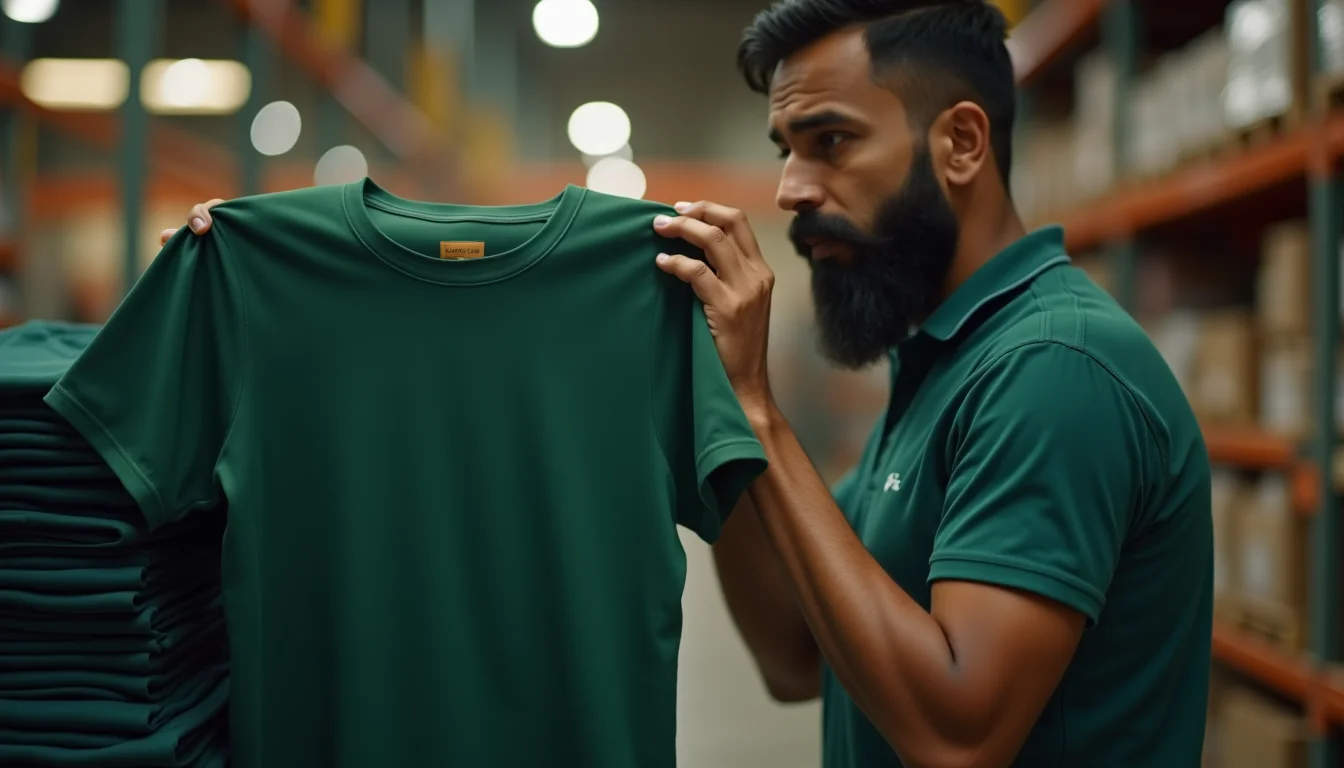
Have you ever received a bulk order of plain t-shirts, only to open the package and be hit with a strong chemical smell? Or worse, have your customers complained about a metallic or sharp odor coming from the printed t-shirts you delivered? This is one of the most frustrating quality issues faced by printing businesses across India, and it almost always points to one critical manufacturing mistake: improper washing after the dyeing process.
In the textile manufacturing industry, especially in hubs like Tiruppur where we at Sale91.com manufacture our plain t-shirts, the post-dyeing washing process is as important as the dyeing itself. Yet many manufacturers cut corners here to save time and water costs, and the result is t-shirts that literally stink of chemicals. This not only damages your brand reputation but can also lead to customer returns and lost business.
In this comprehensive guide, we'll break down exactly why t-shirts smell after dyeing, which colors are most prone to this problem, how to test for improper washing before placing bulk orders, and what you should demand from your t-shirt supplier to ensure you never face this issue again.
Understanding the Dyeing Process and Chemical Load
Before we dive into the washing problem, it's essential to understand what happens during the fabric dyeing process. When plain t-shirts are manufactured, the raw knitted fabric (which is typically off-white or natural cotton color) must be dyed to achieve the various colors we see in the market.
Chemicals Used in Reactive Dyeing
For cotton t-shirts, the most common dyeing method is reactive dyeing. This process uses several chemical components:
- Reactive dyes: These are the actual color molecules that bond with cotton fibers at a molecular level
- Alkali (caustic soda): Creates the pH environment needed for dye-fiber bonding
- Salt (sodium chloride): Helps drive the dye into the fiber and improves color yield
- Fixing agents: Ensure the dye permanently bonds to the fabric
- Wetting agents and surfactants: Help chemicals penetrate the fabric evenly
The chemical load varies dramatically based on the target color. Light colors like white, light pink, sky blue, or lemon yellow require relatively small amounts of dye and chemicals. But dark, deep colors are a completely different story.
Why Dark Colors Need More Chemicals
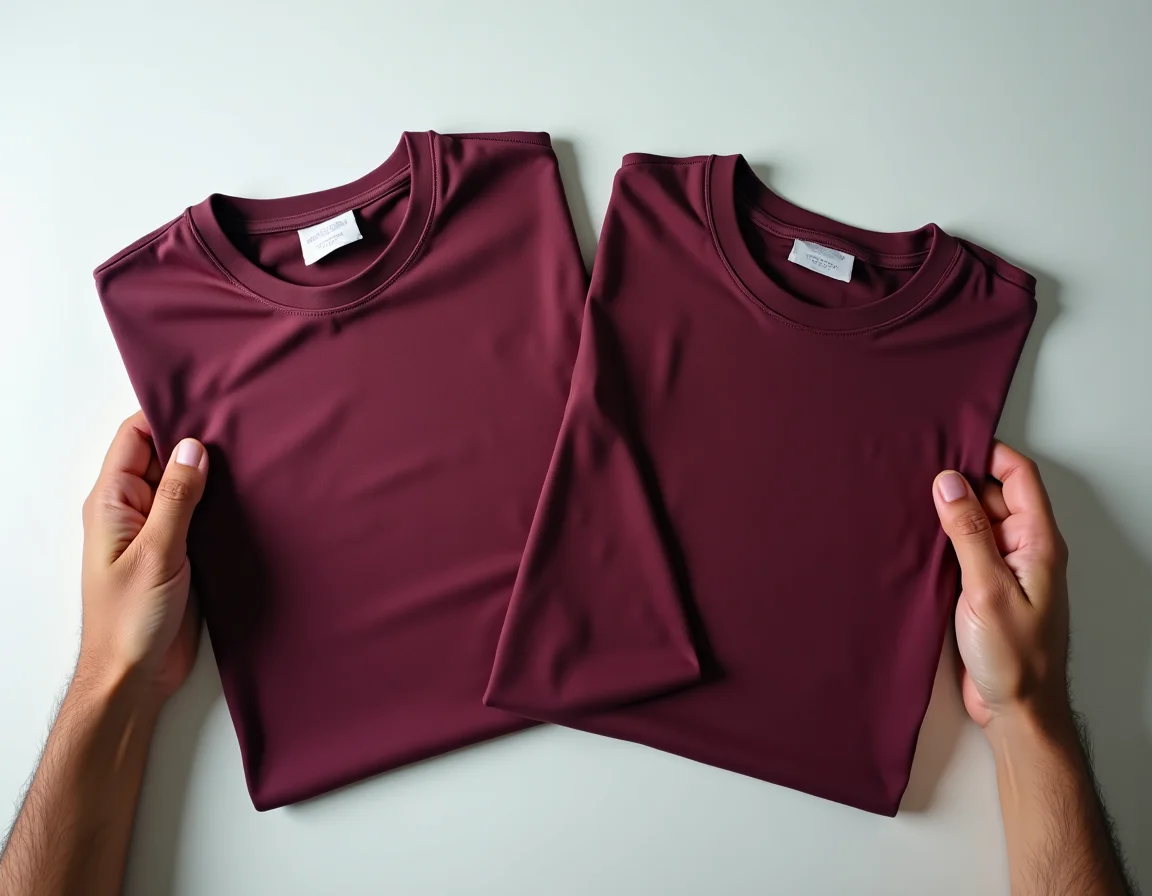
When you're dyeing fabric to achieve colors like dark green, navy blue, maroon, black, or chocolate brown, the dye concentration must be significantly higher. Here's why:
- Dark colors require 4-6% dye on the weight of fabric (compared to 0.5-2% for light colors)
- More dye means more salt and alkali are needed to facilitate proper bonding
- Additional fixing agents are required to prevent color bleeding
- Multiple dyeing cycles may be necessary to achieve the desired depth of shade
This heavy chemical load is not a problem in itself—it's necessary to achieve rich, colorfast dark shades. The problem arises in the next critical step: washing out the excess chemicals.
The Post-Dyeing Washing Process: Where Things Go Wrong
After the dyeing process is complete, the fabric contains not only the bonded dye molecules but also a significant amount of unfixed dye and chemical residue. A proper washing process is absolutely critical to remove these residues. This is where many budget manufacturers take shortcuts that ruin the final product quality.
What Proper Washing Should Include
A complete post-dyeing washing sequence for dark colors typically includes:
- Hot water rinse: Initial rinse at 60-80°C to remove loose dye particles
- Soaping treatment: Using specialized soaps that bind to unfixed dye molecules
- Multiple cold water rinses: At least 3-5 rinses to flush out all chemical residue
- Neutralization: Bringing the pH back to neutral (7.0) using acetic acid
- Final rinse and extraction: Ensuring all traces of chemicals are removed
This complete washing cycle requires substantial amounts of water, energy, and time. In a properly equipped dyeing unit, this process can take 2-3 hours after the actual dyeing is complete. And this is precisely where cost-cutting manufacturers compromise.
Common Washing Shortcuts That Cause Smell
When manufacturers want to reduce costs or increase production speed, they cut corners in the washing process:
- Skipped rinse cycles: Reducing 5 rinses to just 2-3 rinses to save water and time
- Lower water volumes: Using insufficient water in each rinse, leaving chemical concentration too high
- Eliminated soaping treatment: Skipping the specialized soap treatment that removes unfixed dye
- No neutralization: Leaving the fabric in an alkaline state which contributes to chemical smell
- Rushing the process: Not allowing enough contact time in each washing stage
The result? Chemical residue—particularly unfixed dye, excess alkali, and salt—remains trapped in the fabric fibers. This residue is what causes the characteristic chemical smell that customers complain about.
Types of Smells and What They Indicate
Not all t-shirt smells are the same. Experienced buyers can actually identify what went wrong in the washing process based on the type of odor:
Sharp Chemical or Ammonia-like Smell
This indicates excess alkali (caustic soda) remaining in the fabric. It means the neutralization step was either skipped or done improperly. This smell is particularly common in black and navy blue t-shirts.
Metallic or Mineral Smell
This usually points to salt residue not being washed out properly. Since reactive dyeing uses large amounts of sodium chloride, incomplete rinsing leaves this salt embedded in the fibers, creating a metallic odor.
Musty or Sour Smell
This can indicate that the fabric was not dried properly after washing, allowing bacterial growth. However, it can also suggest that chemical residue is reacting with moisture during storage.
Petroleum or Oily Smell
This suggests residual wetting agents or surfactants that were not rinsed out. These chemicals have a distinctive oily or petroleum-like odor when concentrated.
Understanding these smell signatures helps you communicate more effectively with your supplier about the specific washing problems in their manufacturing process.
The Simple Water Test for Chemical Residue
Before you accept a bulk order of plain t-shirts—especially in dark colors—there's a simple quality test you can perform yourself. This test was mentioned in the video and is used widely in the textile industry to check washing quality.
How to Perform the Water Soak Test
- Take one piece from your order (preferably from the middle of the package, not the top)
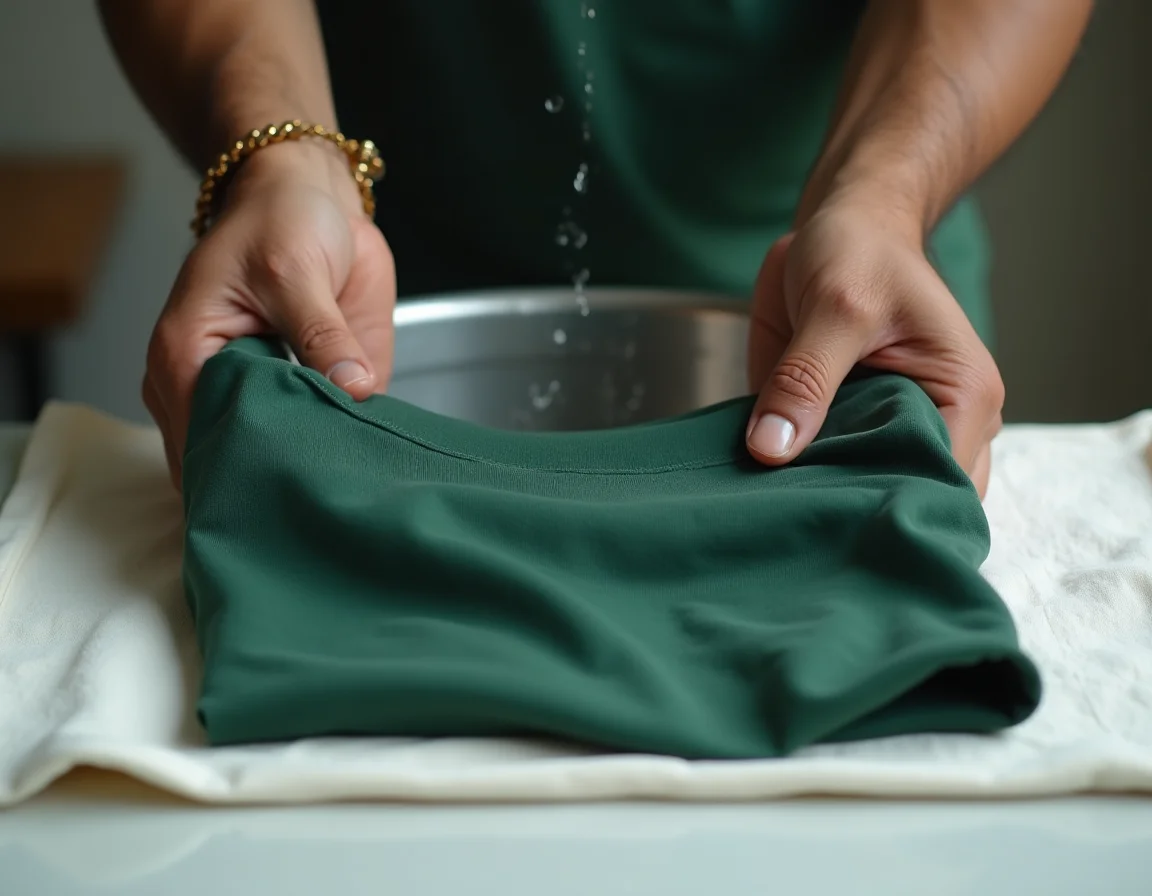
- Fill a clean white bucket or container with room temperature water (about 2-3 liters)
- Fully submerge the t-shirt in the water
- Let it soak for 30 minutes without disturbing it
- After 30 minutes, observe the water carefully
What the Results Tell You
Clear water, no smell: This is what you want to see. It indicates proper washing with minimal chemical residue. The t-shirt passed the test.
Water color changes: If the water takes on the color of the t-shirt (greenish water for dark green shirt, bluish for navy blue), this indicates unfixed dye bleeding out. This is a clear sign of inadequate washing and poor colorfastness.
Foam or bubbles appear: Foam formation indicates surfactant or soap residue still in the fabric. Proper washing should remove all such chemicals.
Cloudy or murky water: Cloudiness suggests dissolved chemical residue—salts, alkali, or other agents leaching out of the fabric.
Chemical smell in water: If the water itself starts to smell, you have significant chemical residue problems.
This simple 30-minute test can save you from accepting an entire batch of poor-quality t-shirts. At Sale91.com, we encourage all our customers to perform this test on sample pieces, and we're confident our products will pass because we never compromise on the post-dyeing washing process.
Why Light Colors Rarely Have This Problem
As mentioned in the video, this smell problem is almost never seen in light-colored t-shirts. There are several reasons why light colors are inherently less prone to washing issues:
- Lower dye concentration: Light colors use only 0.5-2% dye on weight of fabric, compared to 4-6% for dark colors
- Less chemical load: Proportionally less salt, alkali, and fixing agents are required
- Easier to rinse: The lower chemical concentration means even basic washing removes most residue
- Visual quality control: Any yellowing or staining from chemical residue is immediately visible on light fabrics, forcing manufacturers to wash properly
- Customer expectations: Light-colored t-shirts are expected to be pristine, so manufacturers are more careful
However, this doesn't mean light colors are immune. White t-shirts, for instance, can have a yellowish tinge or feel stiff if not washed properly after bleaching and optical brightening treatments. But the chemical smell problem is predominantly a dark-color issue.
Impact on Printing Quality and Customer Satisfaction
For printing businesses—whether you're doing DTG (Direct to Garment), screen printing, DTF (Direct to Film), or heat transfer—starting with poorly washed t-shirts creates multiple problems beyond just the smell:
Print Adhesion Problems
Chemical residue on the fabric surface interferes with ink adhesion. DTG inks, in particular, require a clean, properly prepared surface. Alkali residue can alter the pH of the fabric surface, affecting how pretreatment chemicals react and how well inks bond.
Color Shifting
Unfixed dye that bleeds out during washing can migrate into your printed designs, causing color contamination. White ink on a poorly washed navy blue t-shirt might develop a bluish tinge after the customer's first wash.
Premature Print Failure
Prints on chemically contaminated fabric tend to crack, peel, or fade much faster than prints on properly manufactured t-shirts. This leads to customer complaints and damage to your printing business reputation.
Customer Health Concerns
While rare, some customers may have skin sensitivities to chemical residues, particularly excess alkali. A t-shirt that causes itching or irritation will quickly generate negative reviews, regardless of how good your printing work is.
The bottom line: poor quality blanks compromise even the best printing work. This is why choosing the right t-shirt manufacturer is just as important as investing in good printing equipment.
What to Demand from Your T-Shirt Supplier
Now that you understand the science behind the smell problem, here's what you should specifically ask for and verify when choosing a bulk plain t-shirt supplier:
Manufacturing Process Transparency
- Ask about their washing process—how many rinse cycles, what temperatures, what chemicals
- Request information about their water quality and treatment systems
- Inquire about pH testing—do they test final fabric pH to ensure neutralization?
- Ask if they perform colorfastness testing on dark colors
Sample Testing Protocol
Before placing large orders, always:
- Order sample pieces in the exact colors you'll be using (especially dark colors)
- Perform the 30-minute water soak test described above
- Check for smell immediately after opening and after the water test
- Actually print on the samples and wash them to test real-world performance
- If possible, get samples from different production batches to check consistency
Quality Certifications
Look for suppliers who can provide:
- Colorfastness test reports (ISO 105 standards)
- pH test certificates showing neutral fabric pH
- Azo-free dye certificates (ensures safe, non-toxic dyes)
- OEKO-TEX or similar textile safety certifications
Return and Replacement Policy
A confident manufacturer will offer:
- Clear quality guarantees on colorfastness and chemical residue
- Replacement or refund policy if water test reveals washing problems
- Willingness to address quality concerns with specific batches
At Sale91.com, we manufacture our own fabric in-house at our Tiruppur facility with complete control over the dyeing and washing process. Every batch undergoes multiple quality checks including pH testing and colorfastness verification. We encourage customers to test our products because we're confident in our manufacturing standards.
The Economics: Why Some Manufacturers Cut Corners
Understanding why this problem exists helps you identify which suppliers are more likely to have quality issues. The post-dyeing washing process represents significant costs:
- Water costs: Proper washing can use 50-100 liters of water per kg of fabric
- Energy costs: Heating water and running machines for 2-3 hours consumes substantial electricity
- Time costs: Extended washing cycles mean slower production and lower daily output
- Chemical costs: Soaping agents and neutralizing chemicals add to expenses
- Wastewater treatment: Responsible manufacturers must treat effluent water, adding further costs
A manufacturer can save ₹3-5 per piece by cutting the washing process short. When you're producing thousands of pieces per day, this adds up to significant savings. But these savings come at the cost of product quality—and ultimately, customer satisfaction.
This is why extremely cheap plain t-shirts should raise red flags. When someone offers dark-color t-shirts at prices that seem too good to be true, they're almost certainly cutting corners somewhere—and washing is usually the first casualty.
Watch the Video
Watch this detailed explanation of why t-shirts smell after dyeing and how to identify the washing problem:
Industry Best Practices: What Top Manufacturers Do
Leading textile manufacturers in Tiruppur and other quality-focused hubs follow strict protocols to ensure chemical-free, odor-free final products:
Automated Washing Controls
Modern dyeing machines have programmable washing sequences that cannot be manually shortened. This ensures consistency and prevents operators from skipping steps to speed up production.
Water Quality Monitoring
Quality manufacturers test the rinse water at each stage. The final rinse water should be crystal clear and have neutral pH. Some facilities use conductivity meters to measure dissolved chemical content in rinse water.
Batch Testing and Documentation
Every dye batch should be tested for colorfastness, pH, and chemical residue. Documentation should be maintained and available for customer review.
Fabric Conditioning
After washing, premium manufacturers apply fabric softeners and conditioning agents to improve hand feel. This step also helps ensure the fabric is at neutral pH and free from chemical residue.
Proper Drying and Storage
Fabric must be completely dried in controlled conditions to prevent musty smells from developing. Storage areas should be clean, dry, and well-ventilated.
Special Considerations for Different T-Shirt Types
Regular vs. Oversized T-shirts
Oversized t-shirts, which have become increasingly popular, use more fabric and therefore absorb more chemicals during dyeing. This means they require even more thorough washing. The larger surface area and fabric weight make shortcuts more obvious—oversized dark green or black t-shirts are especially prone to smell issues if washing is inadequate.
Different GSM and Fabric Density
Heavier fabrics (220 GSM and above) and tightly knitted fabrics hold more chemicals in their structure. A 180 GSM t-shirt might pass with a basic washing process, but a 220 GSM heavy premium t-shirt in the same dark color needs extended washing cycles to remove all residue from its denser structure.
Bio-washed and Pre-shrunk Fabrics
Bio-washing (enzyme treatment) and pre-shrinking are additional processes that can actually help with chemical removal. The mechanical action and additional water exposure help flush out residual chemicals. This is one reason why bio-washed t-shirts from quality manufacturers tend to have better final quality.
All our products at Sale91.com are bio-washed and pre-shrunk, which not only gives them a softer feel and dimensional stability but also ensures more complete chemical removal during the washing stages.
Regional Differences in Water and Manufacturing
The quality of water used in dyeing and washing significantly affects the final product. Tiruppur's water quality, for instance, has specific characteristics that experienced manufacturers have learned to work with:
- Hard water considerations: High mineral content in water can interfere with washing efficiency, requiring water softening systems
- Treatment requirements: Different regions need different water treatment approaches for optimal results
- Seasonal variations: Water quality can change seasonally, requiring adjustment of washing processes
Manufacturers with their own water treatment plants and consistent water quality protocols produce more reliable results across different seasons and conditions.
Frequently Asked Questions
Conclusion: Quality Starts with Proper Manufacturing
The chemical smell in t-shirts is not a minor cosmetic issue—it's a clear indicator of substandard manufacturing practices that will affect every aspect of your printing business. From print quality to customer satisfaction, starting with properly manufactured, thoroughly washed plain t-shirts makes all the difference.
As a printing business owner, you invest significantly in printing equipment, inks, and skilled operators. Don't let poor quality blanks undermine all that investment. The few rupees you might save by choosing cheaper t-shirts with washing problems will cost you many times more in customer complaints, returns, and lost reputation.
When evaluating suppliers, remember these key points:
- Always test dark colors specifically—they reveal quality issues most clearly
- Perform the simple 30-minute water soak test before accepting bulk orders
- Don't just rely on price—understand the manufacturing process and quality controls
- Ask for certifications and test reports, especially for colorfastness and pH levels
- Build relationships with manufacturers who are transparent about their processes
At Sale91.com, we manufacture over 1,25,000 pieces monthly in our Tiruppur facility with complete in-house control over every stage from knitting to dyeing to washing. Our customers across India trust us for DTG, screen printing, and heat transfer applications because we never compromise on the washing process, regardless of color or quantity.
Visit our product catalog to explore our range of plain t-shirts in 180, 200, 210, and 220 GSM, available in 15+ colors including all dark shades. Every piece is bio-washed, pre-shrunk, and manufactured to the highest standards—completely odor-free and ready for your printing applications.
Order Premium Quality Plain T-Shirts Today
Get bulk plain t-shirts from India's leading manufacturer with guaranteed quality, proper washing, and zero chemical smell. Perfect for DTG, screen printing, and all custom printing applications.
✓ Bio-washed & Pre-shrunk | ✓ 100% Combed Cotton | ✓ 1 Lakh+ Ready Stock
Special Offer: ₹3/pc discount on online orders + ₹2/pc extra discount on 500+ quantity
Order Now at Sale91.com