T-Shirt Seam Ripped After 1 Wash? Check This Before You Buy
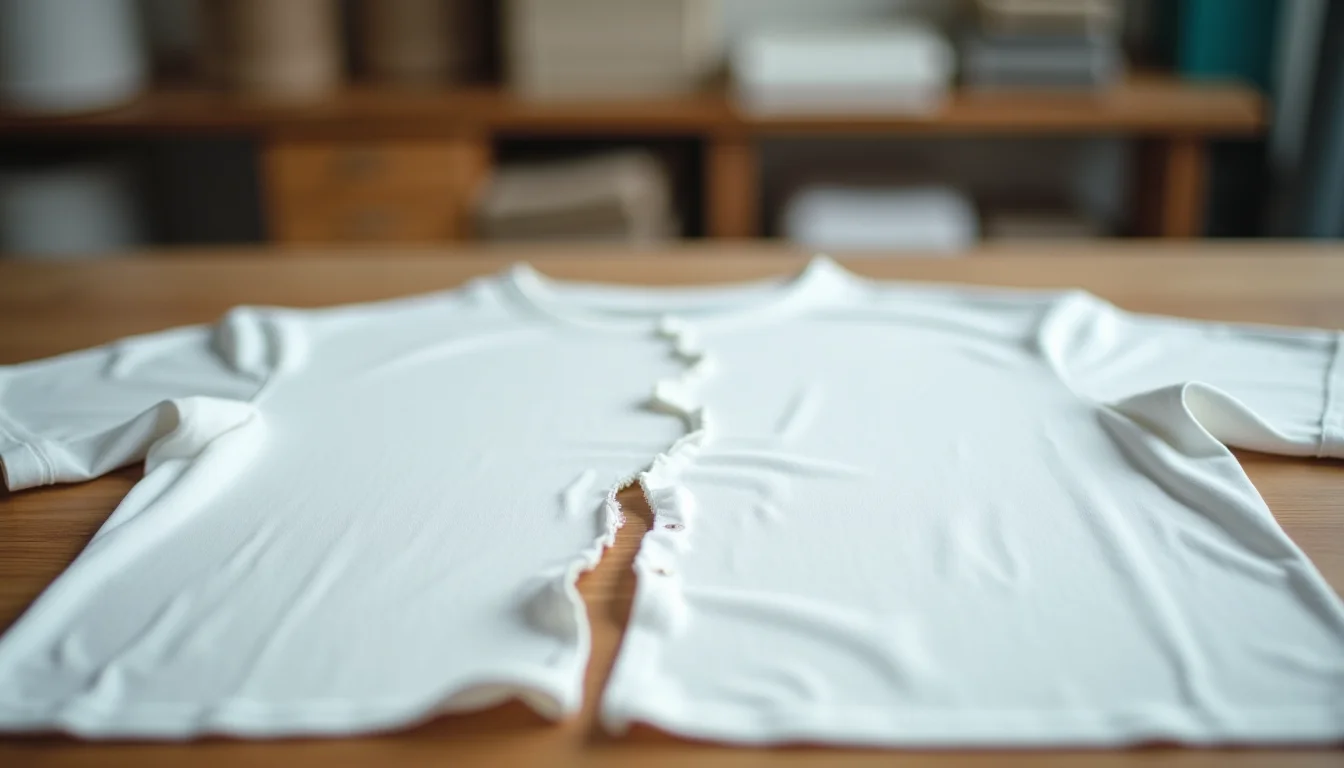
If you're in the t-shirt printing business, you've probably faced this nightmare scenario at least once: a customer calls you three days after delivery, frustrated and upset, complaining that the side seam of their t-shirt has ripped open after just one wash. The blame falls on you, the returns pile up, and your reputation takes a hit—all because of something that could have been prevented with a simple quality check before placing your bulk order.
Seam strength is one of the most overlooked quality parameters when purchasing plain t-shirts for printing, yet it's one of the most critical factors that determine whether your finished products will last through multiple wash cycles or fall apart embarrassingly fast. In this comprehensive guide, we'll walk you through everything you need to know about seam strength, how to test it yourself with a simple hand-pull method, and what to look for when sourcing blank t-shirts from manufacturers.
Understanding the Seam Strength Problem
Let me share a real incident that happened recently with one of our customers. He called our customer support team, clearly agitated, saying that the side seam of a t-shirt he had printed and sold had completely separated after the first wash. Naturally, we were concerned—at Sale91.com, we take quality control seriously. We asked him to send us a photo of the damaged piece.
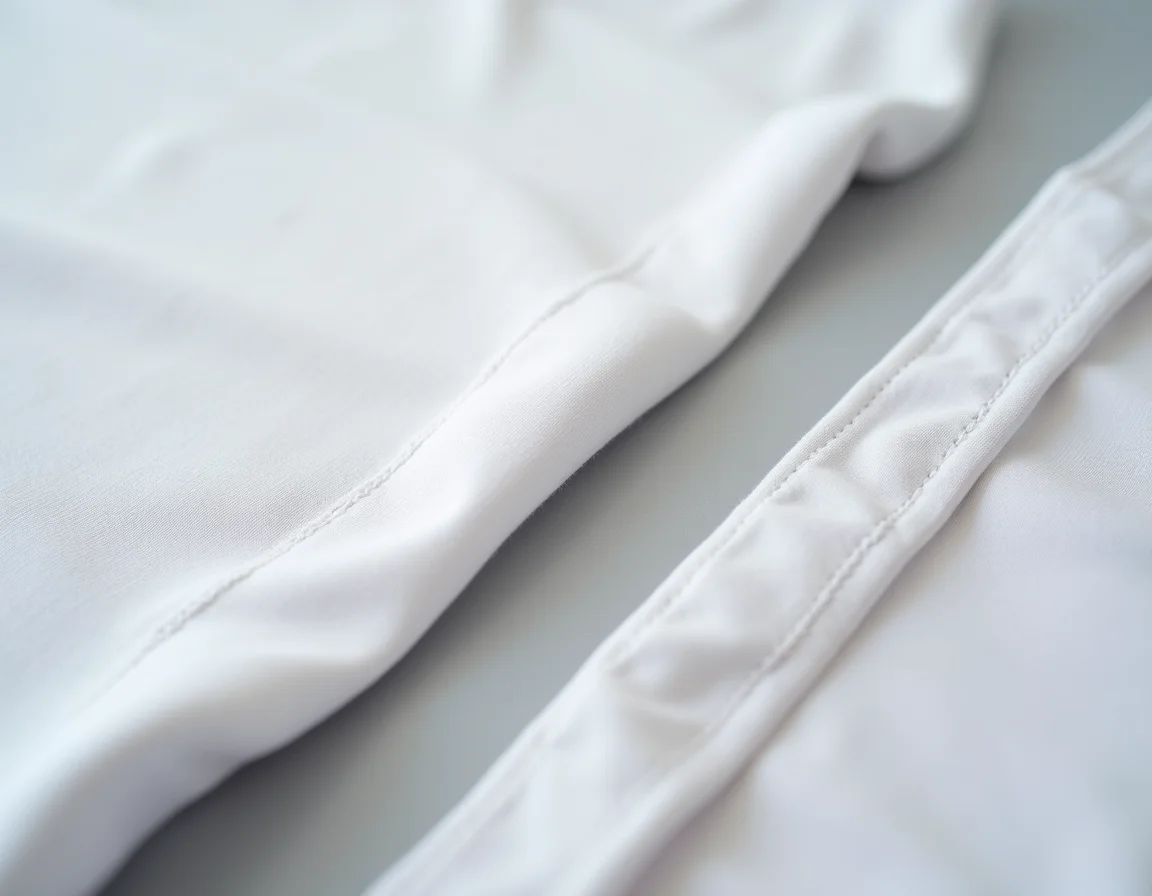
When the image arrived, the problem became immediately clear. The fabric had separated right at the seam line. Interestingly, the stitching itself was still intact and tight—the thread hadn't broken. What had failed was the seam strength itself. The fabric fibres around the stitch line had torn away, creating a gaping hole along the side seam.
This is a classic case of weak seam strength, and it typically happens due to two main reasons:
- Poor thread quality: Using low-quality thread that doesn't have the tensile strength to hold the fabric together under stress
- Insufficient stitch per inch (SPI) count: When the stitches are too far apart, the fabric between them becomes vulnerable to tearing
The good news? This problem is entirely preventable if you know how to check for it before placing your order.
The Simple Hand-Pull Test: Your First Line of Defense
You don't need expensive equipment or laboratory testing to check seam strength. There's a simple, effective method that anyone in the garment business should know—the hand-pull test. Here's exactly how to do it:
Step-by-Step Hand-Pull Testing Method
- Take the t-shirt sample and lay it flat on a table or hold it in your hands
- Locate the seam you want to test (we'll discuss which seams to check in a moment)
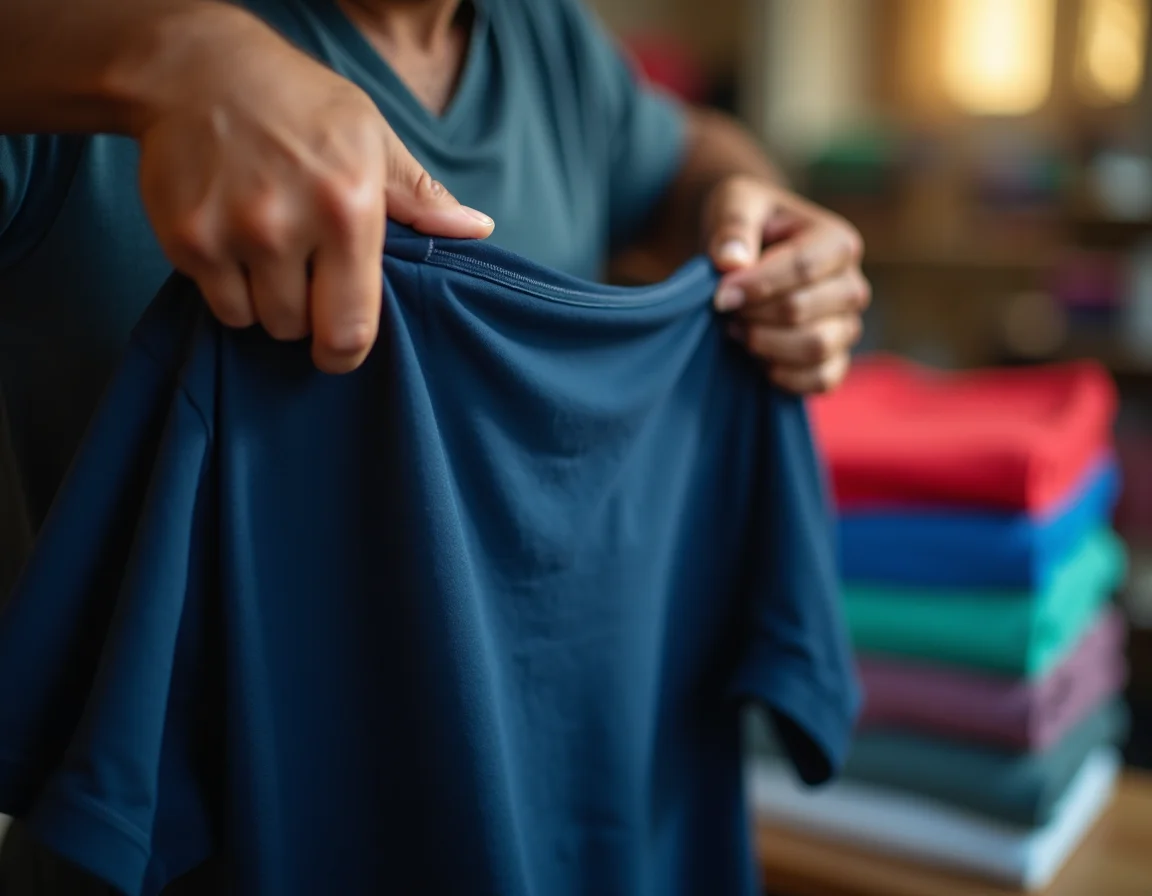
- Grip the fabric firmly on both sides of the seam line with your hands, keeping your hands about 2-3 inches apart
- Pull in opposite directions with moderate force—you don't need to yank it violently; a normal, firm pull is sufficient
- Observe what happens:
- If you see the seam opening up even slightly
- If gaps appear between the thread stitches
- If the fabric around the stitching starts to separate
A good quality seam will remain perfectly tight and intact when pulled. You might notice the fabric itself stretching slightly—especially if it's a jersey knit—but the seam line itself should not open up or show gaps. The fabric should reach its stretch limit before the seam shows any sign of weakness.
Which Seams to Check: Priority Areas
Not all seams in a t-shirt experience the same amount of stress during wear and washing. Some areas are more critical than others, and you should prioritize checking these:
1. Side Seams (Highest Priority)
The side seams run vertically along both sides of the t-shirt, connecting the front and back panels. These seams experience constant tension when the garment is worn, especially during body movements like raising arms, bending, or twisting. Side seams are the most common failure points in low-quality t-shirts. Always test both left and right side seams.
2. Shoulder Seams (Critical for Longevity)
Shoulder seams are particularly important because they bear the weight of the entire garment when it's hung on a hanger. If you're selling to customers who will hang their t-shirts to dry or store them on hangers, weak shoulder seams can stretch out over time, causing the neckline to distort and the overall fit to become loose.
The shoulder seam also experiences stress during wear, especially at the joint area where arm movement creates pulling force. Test the shoulder seam by holding the sleeve on one side and the body panel on the other, then pulling apart.
3. Sleeve Attachment Seams
Where the sleeve attaches to the body of the t-shirt (the armhole seam) is another high-stress area. This is especially true for oversized t-shirts and dropped-shoulder designs where the sleeve attachment point sits lower on the arm. Pull the sleeve away from the body and check if the seam holds firm.
4. Collar Attachment (for Polo T-Shirts)
If you're dealing with polo t-shirts, the collar attachment seam deserves special attention. The collar experiences a lot of handling—people adjust it, fold it, and it rubs against the neck constantly. A weak collar seam will separate within a few washes.
Understanding Stitch Per Inch (SPI): The Technical Side
While the hand-pull test gives you a practical assessment, understanding the technical specifications helps you make informed decisions when discussing requirements with your supplier. One of the most important specifications is SPI—Stitch Per Inch.
What is SPI?
Stitch Per Inch refers to the number of stitches present in one inch of a sewn seam. It's a direct indicator of seam density and, consequently, seam strength. The higher the SPI, the closer together the stitches are, which generally means better seam strength and durability.
Industry Standards for SPI
For standard plain t-shirts used in the printing business, here are the recommended SPI ranges:
- Minimum acceptable SPI: 10-12 – This is the bare minimum for basic quality. Anything below this will have durability issues.
- Standard quality SPI: 12-14 – Most good-quality blank t-shirts fall in this range. Suitable for regular retail use.
- Premium quality SPI: 14-16+ – High-end garments with excellent durability. Ideal for premium printing projects and high-end retail.
"At Sale91.com, all our plain t-shirts maintain an SPI count of 12-14 as standard, ensuring that every piece can withstand the rigors of printing processes and multiple wash cycles without seam failure."
How to Check SPI
You can manually count the stitches in a one-inch section of the seam using a ruler or measuring tape. Place the ruler along the seam line, mark one inch, and count the visible stitches within that length. Most manufacturers should be transparent about their SPI specifications, so don't hesitate to ask.
Thread Quality: The Invisible Factor
Even with the correct SPI, seam strength can fail if the thread quality is poor. Here's what you need to know about thread quality in t-shirt manufacturing:
Thread Types Used in T-Shirt Manufacturing
- Cotton Thread: Provides a natural look and feel, comfortable against skin, but has lower tensile strength compared to synthetic threads
- Polyester Thread: High tensile strength, resistant to UV rays and chemicals, doesn't shrink—this is the preferred choice for most t-shirt manufacturing
- Cotton-Polyester Blend: Combines the aesthetic of cotton with the strength of polyester, offering a balanced option
What Makes Thread High-Quality?
High-quality thread should have:
- Consistent thickness throughout the spool (no thin spots that could break)
- Smooth surface without excessive fuzz or weak fibres
- Good elasticity to accommodate fabric stretch without snapping
- Colorfastness to prevent bleeding during washing
- Appropriate thread count/ply (typically 2-ply or 3-ply for t-shirts)
When evaluating samples, look closely at the thread itself. If you can see loose fibres sticking out or the thread looks uneven, that's a red flag. Premium manufacturers invest in quality thread because they understand it's fundamental to garment longevity.
Why Seam Strength Matters for Printing Businesses
If you're running a custom t-shirt printing business—whether you use DTG (Direct-to-Garment), DTF (Direct-to-Film), screen printing, or heat transfer vinyl—seam strength directly impacts your business in several ways:
1. Customer Satisfaction and Returns
A customer who experiences seam failure after the first wash will blame you, not the blank t-shirt manufacturer. Even if you've done a perfect printing job, a failed seam ruins the entire product. Returns eat into your profit margins and damage your reputation.
2. Brand Reputation
Word-of-mouth travels fast, especially negative experiences. One customer with a ripped seam might share their disappointment on social media or leave a negative review. In today's digital age, protecting your brand reputation is crucial, and it starts with sourcing quality blanks.
3. Warranty and Replacement Costs
If you offer any kind of warranty or guarantee on your printed products, seam failures will cost you. You'll need to replace the product, absorb the printing cost again, and possibly lose the customer's trust. Prevention through proper quality checks is far more cost-effective.
4. Bulk Order Consequences
Imagine ordering 500 pieces for a corporate client, printing all of them with the company's logo, only to discover after delivery that the seams are weak. The financial and reputational damage could be devastating. This is why sample testing is non-negotiable.
The Importance of Sample Testing Before Bulk Orders
Here's a golden rule that every t-shirt printing business should follow: Always order samples before committing to bulk orders, especially when trying a new supplier or product line.
Even if you've worked with a manufacturer before, if you're ordering a different GSM, style, or color, get samples first. Manufacturing processes can vary between product lines, and what worked for your 180 GSM order might not be the same for 220 GSM.
What to Do with Your Sample
- Visual inspection: Check for any obvious defects, color consistency, and finishing quality
- Seam strength test: Perform the hand-pull test on all critical seams
- Wash test: Wash the sample piece 2-3 times to simulate customer use. Check for shrinkage, color fading, and seam integrity after each wash
- Print test: If possible, print on the sample using your actual printing method. This tests how the fabric handles your process and whether seams are affected by heat or pressure
- Stretch and recovery: Stretch the fabric and seams, then observe if they return to original shape
At Sale91.com, we encourage all our clients—especially new ones—to order samples before placing large orders. We maintain over 1 lakh pieces in ready stock across 15+ colors, so sample orders can be fulfilled quickly, allowing you to test quality without delaying your business timelines.
What to Look for in a Quality T-Shirt Manufacturer
Beyond seam strength, here are other quality indicators that separate reputable manufacturers from mediocre suppliers:
1. In-House Fabric Production
Manufacturers who knit their own fabric have better quality control compared to traders who source from multiple vendors. When fabric production and garment manufacturing happen under one roof, consistency improves dramatically. This is one of the key advantages of working with Sale91.com—we knit our own fabric in-house at our Tiruppur facility, ensuring every batch meets our quality standards.
2. Pre-Shrunk and Bio-Washed Fabric
Pre-shrinking prevents the garment from shrinking significantly after the customer's first wash—a common complaint that can ruin the fit. Bio-washing (enzyme treatment) makes the fabric softer and reduces pilling, giving the t-shirt a premium feel. All our products at Sale91.com are both pre-shrunk and bio-washed as standard.
3. Ring-Spun or Combed Cotton
The type of yarn used affects both fabric strength and softness. Ring-spun cotton and combed cotton are premium yarn types that result in stronger, softer, and more durable fabric compared to open-end or carded cotton. Check with your supplier what type of cotton they use—it makes a real difference in the final product quality.
4. Transparent Quality Specifications
A good manufacturer will be upfront about specifications: GSM, SPI, thread type, cotton grade, and fabric composition. If a supplier is vague about these details or unwilling to provide specifications, consider it a warning sign.
5. Consistent Stock Availability
For printing businesses, having reliable access to inventory is crucial. Look for suppliers who maintain ready stock so you're not waiting weeks for blank t-shirts when you land a rush order. Our warehouse in Khanpur, South Delhi, keeps more than 1 lakh pieces in ready stock at all times, ensuring fast fulfillment across India.
Common Seam Strength Mistakes to Avoid
Based on years of experience in the textile industry, here are common mistakes that businesses make regarding seam strength:
Mistake #1: Assuming All "Same GSM" T-Shirts Are Equal
Two t-shirts with the same GSM (fabric weight) can have vastly different seam strength depending on stitching quality and thread used. GSM tells you about fabric weight, not construction quality. Always test seams independently of other specifications.
Mistake #2: Only Checking One Seam
Don't just test the side seam and assume all other seams are fine. Different seams may be sewn by different machines or operators, and quality can vary. Check side seams, shoulder seams, and sleeve attachments separately.
Mistake #3: Not Washing Samples Before Ordering
A seam might feel strong on an unwashed garment but fail after washing due to fabric shrinkage putting stress on the stitching, or poor thread quality becoming apparent only after exposure to water and detergent. Always wash your samples.
Mistake #4: Choosing Based on Price Alone
The cheapest t-shirt is rarely the best value. If a supplier is significantly cheaper than competitors, they're cutting costs somewhere—and seam quality is often one of the first casualties. Focus on value, not just price.
Mistake #5: Not Communicating Requirements to Supplier
If seam strength is particularly important for your application (for example, for athletic wear or workwear printing), communicate this to your supplier upfront. A good manufacturer can adjust specifications or recommend appropriate product lines.
Watch the Video
To see the hand-pull test demonstrated in action and hear more practical tips, watch our detailed YouTube video:
How Sale91.com Ensures Superior Seam Strength
At Sale91.com, seam strength isn't an afterthought—it's built into our manufacturing process from the ground up:
- In-house quality control: Every batch undergoes rigorous testing including seam strength tests before leaving our Tiruppur facility
- Standard SPI of 12-14: We maintain industry-leading stitch density across all our product lines
- Premium polyester thread: We use high-tensile-strength thread that can handle the demands of printing processes and repeated washing
- Ring-spun combed cotton fabric: Our fabric is stronger and softer, providing a solid foundation for durable seams
- Pre-shrunk and bio-washed: Prevents post-wash stress on seams that can cause failure
- Multiple GSM options: From 180 GSM for everyday wear to 220 GSM for premium applications—all with consistent seam quality
We've sold over 1,25,232 pieces in the last 30 days alone to printing businesses across India and internationally, and maintaining seam strength consistency at this scale requires systematic quality processes. Check out our full range of products in our catalog.
Ready to Source Quality Blank T-Shirts?
Don't let weak seams ruin your printing business. Order samples from Sale91.com today and test the quality yourself using the hand-pull method. We offer 50% COD on first orders for new buyers, and with over 1 lakh pieces in ready stock, your samples ship fast.
Order Samples Now at Sale91.com