300 T-Shirts Ruined by Vinyl! DTF vs HTV Printing Truth
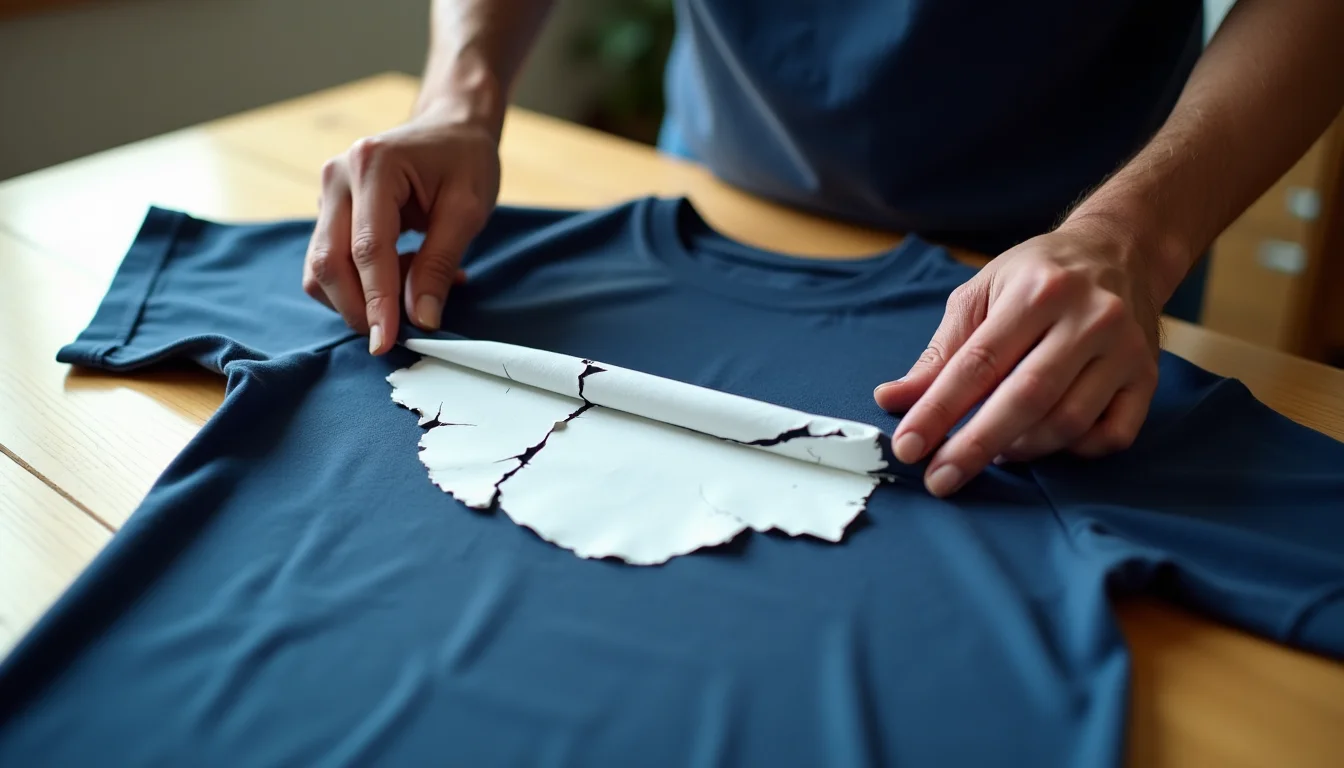
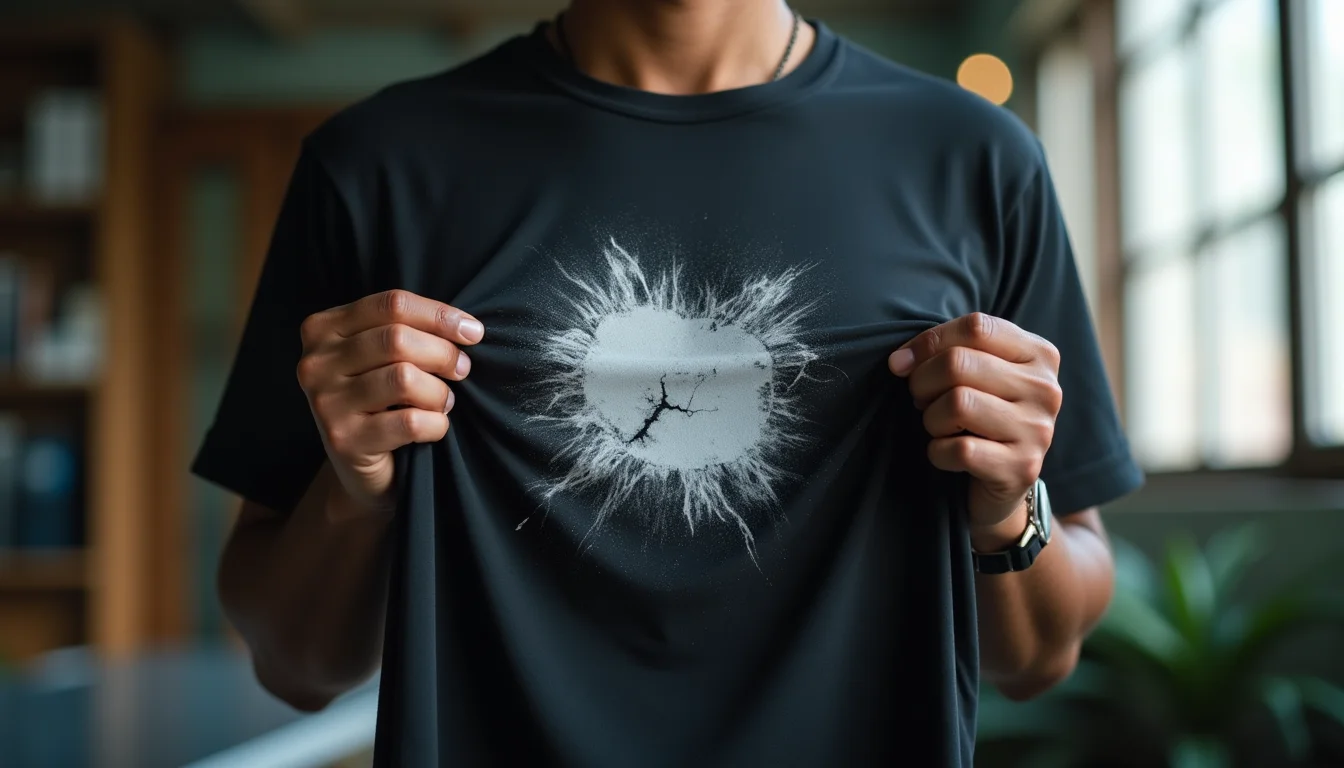
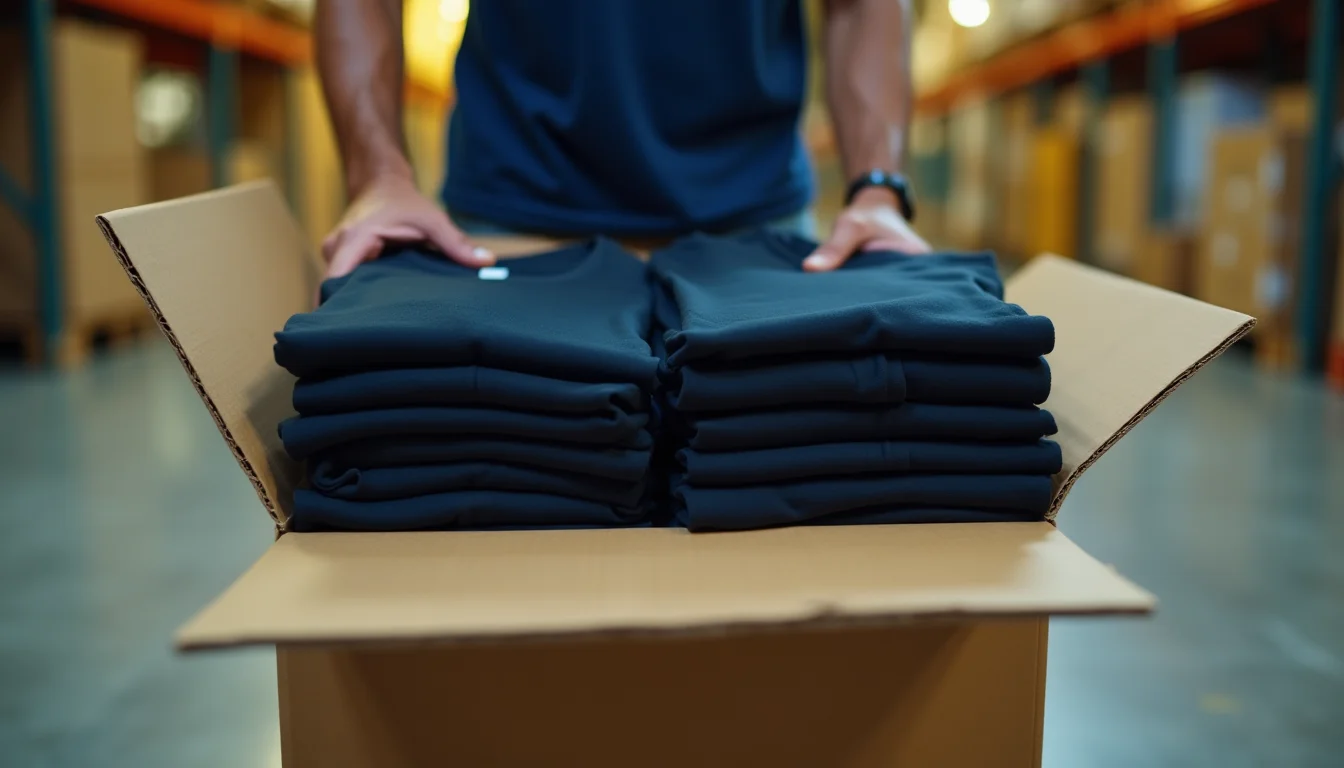
In the competitive world of custom t-shirt printing, choosing the right printing method can make or break your business. Recently, a printing business owner shared a painful lesson: he applied heat transfer vinyl (HTV) on 300 plain t-shirts, and 50 of them cracked after the first wash. That's a loss of nearly 17% of the entire batch — not just in material costs, but also in customer trust, reputation, and potential repeat business.
When asked if he had ever considered DTF (Direct to Film) printing, his response was telling: "No, vinyl is cheaper, so I stick with it." This is a common misconception in the Indian printing industry, and it's costing business owners lakhs of rupees in wasted inventory and lost opportunities.
The truth is, both heat transfer vinyl and DTF printing have their place in a successful t-shirt business — but they're designed for completely different purposes. Understanding when to use which method is crucial for profitability, scalability, and customer satisfaction.
Understanding Heat Transfer Vinyl (HTV)
Heat transfer vinyl, also known as HTV or iron-on vinyl, is a material that comes in sheets or rolls. The process is relatively straightforward: you cut your design from the vinyl sheet using a cutting plotter (like a Cricut or Silhouette machine), weed out the excess material, and then use a heat press to transfer the design onto the fabric.
How HTV Works
The HTV process involves several steps:
- Design Creation: Create or import your design in cutting software
- Cutting: The vinyl cutter precisely cuts the design outline
- Weeding: Manually remove excess vinyl, leaving only your design
- Application: Position the design on the t-shirt
- Heat Pressing: Apply heat and pressure (typically 150-170°C for 10-15 seconds)
- Peeling: Remove the carrier sheet (hot or cold peel depending on vinyl type)
When HTV Works Best
Heat transfer vinyl excels in specific scenarios:
- Single-color designs: Text, logos, or simple graphics in one or two colors
- Small batch production: 10-50 pieces where setup time isn't a major concern
- Names and numbers: Sports jerseys, team uniforms, personalized gifts
- Quick turnaround: When you need something done immediately without pre-production
- Low initial investment: A vinyl cutter and heat press cost significantly less than DTF equipment
Pro Tip: If you're just starting your printing business with limited capital, HTV is an excellent entry point. You can begin with basic equipment and upgrade as your order volume grows.
The Limitations of HTV
However, heat transfer vinyl has significant limitations that caused our customer's 300-piece disaster:
- Cracking and Peeling: Multi-layer vinyl applications are prone to cracking after repeated washes, especially if not applied correctly
- Time-Consuming for Complex Designs: Each color requires a separate layer, dramatically increasing production time
- Thick Feel: Multiple layers create a heavy, plasticky feel on the fabric
- Limited Detail: Fine lines, gradients, and photographic images are nearly impossible
- Weeding Labor: Complex designs require extensive manual weeding, increasing labor costs
- Color Limitations: You're restricted to the vinyl colors you have in stock
Understanding DTF (Direct to Film) Printing
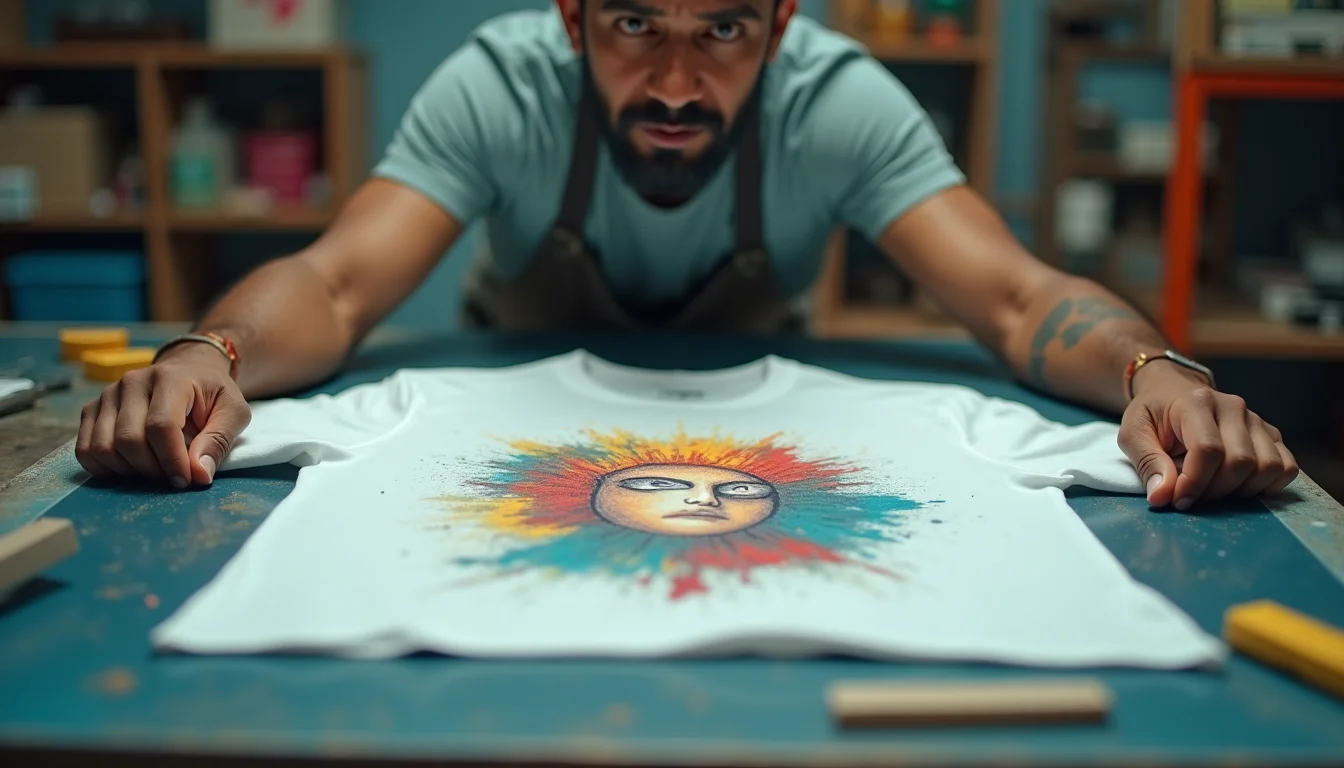
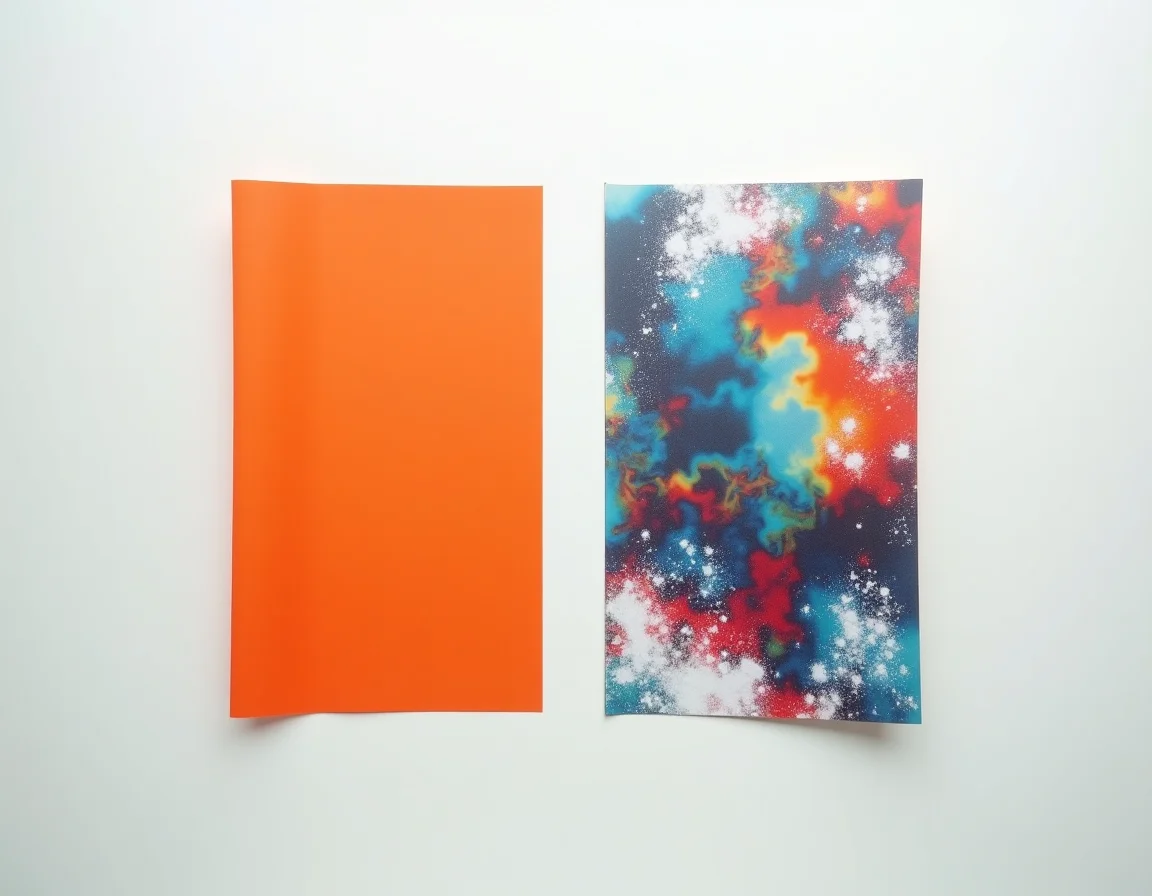
DTF printing is a relatively newer technology that has revolutionized the custom printing industry. Unlike HTV, DTF doesn't involve cutting — instead, it prints your full-color design directly onto a special film, which is then transferred to fabric in a single heat press application.
How DTF Printing Works
The DTF process is more sophisticated but ultimately more efficient for complex designs:
- Design Printing: Your full-color design is printed onto PET film using specialized DTF ink
- Powder Application: Hot melt adhesive powder is applied to the wet ink
- Curing: The film passes through a curing oven to melt and bind the powder
- Transfer: The cured film is positioned on the t-shirt and heat pressed (typically 160-170°C for 10-15 seconds)
- Peeling: After cooling, the film is peeled away, leaving the design on the fabric
Why DTF Is a Game-Changer
DTF technology addresses almost every limitation of HTV:
- Unlimited Colors: Print full-color, photo-quality images without additional setup
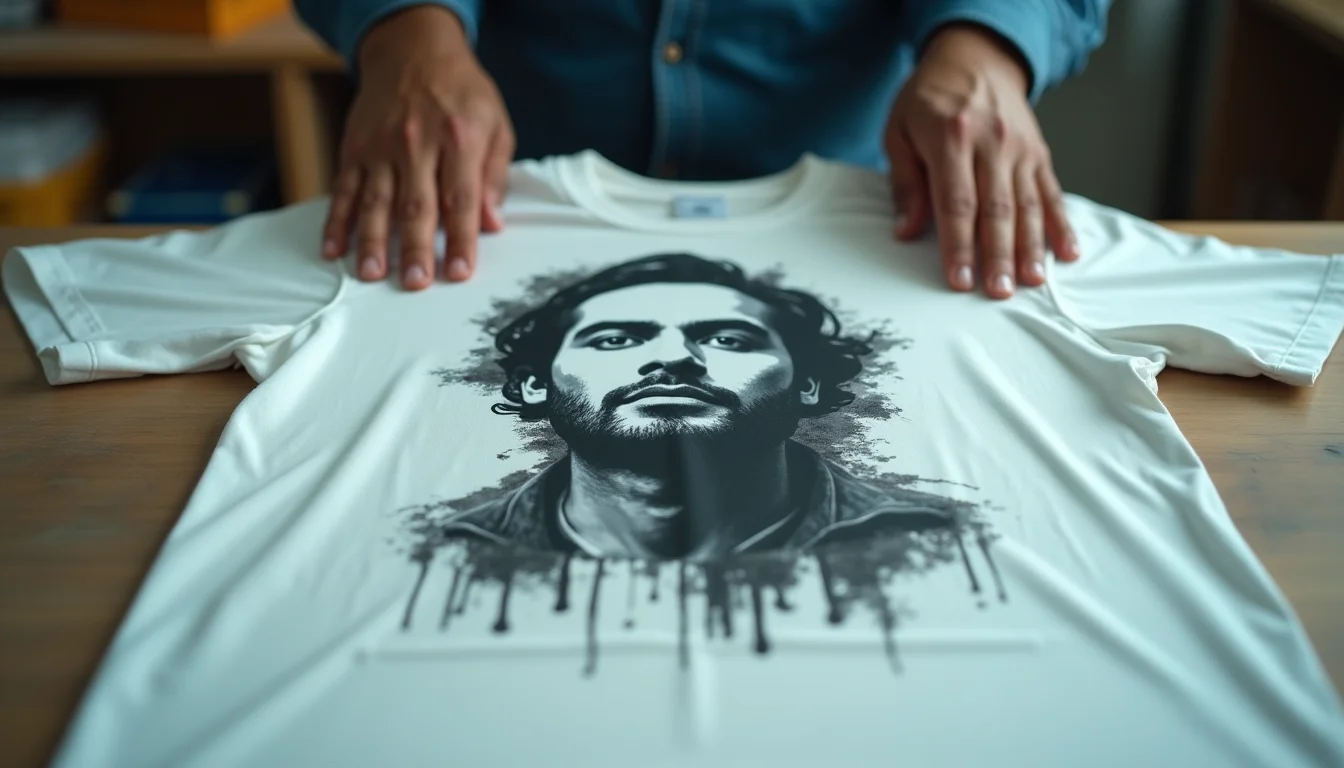
- Fine Detail: Reproduce intricate designs, gradients, and even photographs accurately
- Single Layer Transfer: Whether it's 10 colors or 1000, it transfers in one press
- Softer Feel: The print layer is significantly thinner than multi-layer vinyl
- Excellent Durability: When done correctly, DTF prints withstand 50+ washes without significant fading
- Scalability: Perfect for both small and large production runs
- Versatility: Works on various fabric types including cotton, polyester, blends, nylon, and treated leather
The DTF Investment Consideration
The main barrier to DTF adoption is the initial investment. A quality DTF printer setup (printer, powder shaker, and curing oven) typically costs between ₹2-5 lakhs for entry-level equipment, with professional systems ranging up to ₹15-20 lakhs.
However, for businesses processing more than 100-200 pieces per week, the ROI calculation becomes compelling:
- Drastically reduced labor time per piece
- Ability to accept complex, high-value orders
- Lower rejection rates and returns
- Premium pricing for photo-quality prints
- Faster order turnaround times
The Real Cost Analysis: HTV vs DTF
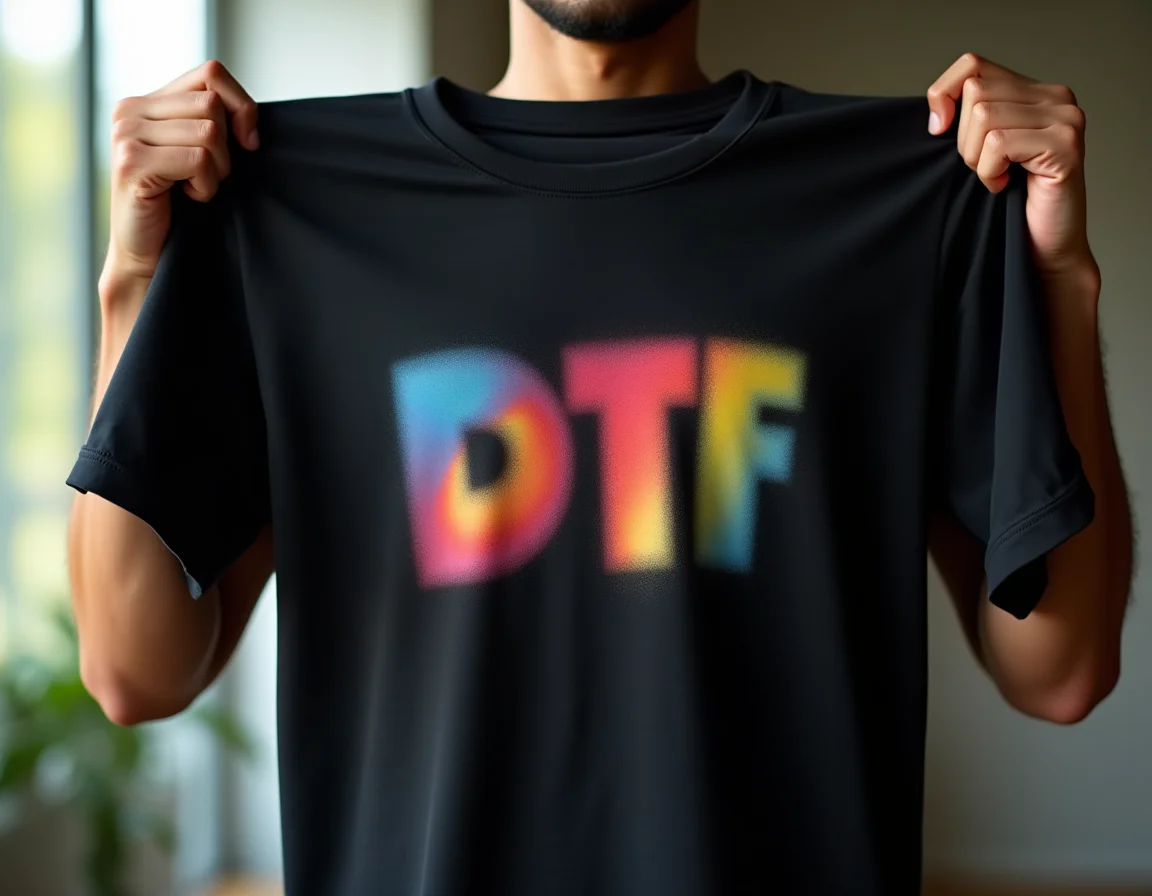
Let's break down the actual costs to understand which method makes financial sense for different business scenarios.
Per-Piece Cost Comparison
Heat Transfer Vinyl:
- Simple single-color design (5x5 inch): ₹8-15 per piece (vinyl + electricity)
- Multi-color design (3 colors): ₹25-40 per piece
- Labor time: 3-5 minutes for simple, 10-15 minutes for complex designs
DTF Printing:
- Any design complexity (5x5 inch): ₹12-20 per piece (ink, film, powder, electricity)
- Full-color photo design: ₹12-20 per piece (same cost regardless of colors)
- Labor time: 1-2 minutes per piece (mostly pressing time)
The real difference becomes apparent in labor efficiency and rejection rates. If even 5-10% of your HTV orders develop issues (cracking, peeling, misalignment), your effective cost increases significantly when you factor in replacements, lost time, and customer dissatisfaction.
The 300-Piece Scenario Analyzed
Let's revisit the customer who lost 50 pieces out of 300:
HTV Approach:
- Material cost: 300 × ₹15 = ₹4,500
- T-shirt cost (bulk rate from Sale91.com): 300 × ₹80 = ₹24,000
- Labor: 300 × 5 minutes = 25 hours
- Rejected pieces: 50 × (₹80 + ₹15) = ₹4,750 loss
- Total effective cost: ₹33,250
DTF Approach:
- Material cost: 300 × ₹18 = ₹5,400
- T-shirt cost: 300 × ₹80 = ₹24,000
- Labor: 300 × 2 minutes = 10 hours
- Rejected pieces: 5 × (₹80 + ₹18) = ₹490 loss (1-2% typical failure rate)
- Total effective cost: ₹29,890
Even with slightly higher per-piece material costs, DTF saves ₹3,360 on this single order — and that's not counting the 15 hours of labor saved, which can be used to process additional orders.
Choosing the Right Plain T-Shirts for Both Methods
Regardless of which printing method you choose, the quality of your blank t-shirts is fundamental to your final product quality. Both HTV and DTF perform best on high-quality, pre-shrunk, bio-washed fabric.
At Sale91.com, we manufacture plain t-shirts specifically designed for printing businesses. Our t-shirts feature:
- Ring-Spun Combed Cotton: Smoother surface for better print adhesion and appearance
- Bio-Washed Finish: Enzyme treatment creates a softer hand feel and reduces pilling
- Pre-Shrunk: Minimizes dimensional changes after washing, protecting your prints
- Multiple GSM Options: 180 GSM for lightweight wear, 200 GSM for premium feel, 220 GSM for heavy premium
- 15+ Color Options: Wide range to match any design concept
We maintain 1 lakh+ pieces in ready stock, ensuring you never face inventory delays. With bulk pricing starting as low as ₹78-85 per piece for 200 GSM quality, you can maintain healthy margins while delivering premium products.
Check our complete catalog at BulkPlainTshirt.com/catalog to explore all available options including oversized t-shirts, hoodies, and polo t-shirts.
When to Use Which Method: A Decision Framework
Here's a practical decision-making guide based on real business scenarios:
Choose Heat Transfer Vinyl When:
- You're just starting and have limited capital (under ₹50,000 budget)
- Orders are primarily single-color or simple 2-color designs
- You're doing personalization (names, numbers) on pre-made designs
- Order volumes are under 50 pieces per week
- You need immediate same-day production capability
- Designs are primarily text-based (company names, slogans)
Choose DTF Printing When:
- You're processing 100+ pieces per week consistently
- Customers are requesting full-color, detailed, or photographic designs
- You want to offer premium-quality products at higher margins
- Labor cost is a significant concern in your operation
- You're experiencing quality issues or customer complaints with current methods
- You want to expand into new markets (corporate gifts, event merchandise, e-commerce)
The Hybrid Approach
Many successful printing businesses maintain both capabilities:
- Use HTV for quick, simple jobs and rush orders
- Use DTF for complex, high-value, or large-volume orders
- This flexibility allows you to accept any order and optimize your production process
Common Mistakes That Lead to Printing Failures
HTV-Specific Mistakes
- Incorrect Temperature: Too hot causes scorching, too cool results in poor adhesion
- Insufficient Pressure: Inadequate heat press pressure leads to edges lifting
- Wrong Peel Technique: Some vinyls require hot peel, others cold peel — using the wrong method causes failures
- Poor Quality Vinyl: Cheap vinyl cracks easily and has poor wash durability
- Layering Too Many Colors: Exceeding 3-4 layers creates thickness and increases failure rates
DTF-Specific Mistakes
- Inadequate Powder Coverage: Results in poor adhesion and premature peeling
- Under-Curing: Powder not fully melted leads to wash failures
- Incorrect Film Storage: Humidity and heat can degrade prepared transfers
- Wrong Fabric Preparation: Not pre-pressing fabric to remove moisture causes adhesion issues
- Premature Peeling: Not allowing adequate cooling time before removing carrier film
The Future of T-Shirt Printing Business in India
The Indian custom printing market is growing at 15-20% annually, driven by:
- Rising demand for personalized merchandise
- Growth of e-commerce and print-on-demand businesses
- Corporate gifting and promotional product markets
- Event and wedding merchandise trends
- Small brand and startup culture requiring low-MOQ custom apparel
To remain competitive, printing businesses need to:
- Invest in Technology: Stay updated with printing methods that offer better quality and efficiency
- Focus on Quality: Use premium blank garments and proper techniques to minimize failures
- Diversify Services: Offer multiple printing methods to capture different market segments
- Build Reliable Supply Chains: Partner with consistent suppliers who maintain quality and stock
Watch the Video
See the complete comparison and real-world examples in this detailed video explanation:
Frequently Asked Questions
Ready to Source Quality Plain T-Shirts for Your Printing Business?
Whether you're doing HTV, DTF, screen printing, or any other method, the quality of your blank t-shirts directly impacts your final product. Sale91.com manufactures premium plain t-shirts with specifications designed for professional printing applications.
✓ 1,25,232+ pieces sold in last 30 days
✓ In-house fabric knitting (not traders)
✓ 200 GSM premium quality from ₹78-85/pc
✓ Ready stock of 1 lakh+ pieces
✓ Pan-India delivery + International export