Polyester vs Cotton T-Shirts for Monsoon Season — Why ₹40K Cotton Stock Went Unsold in July
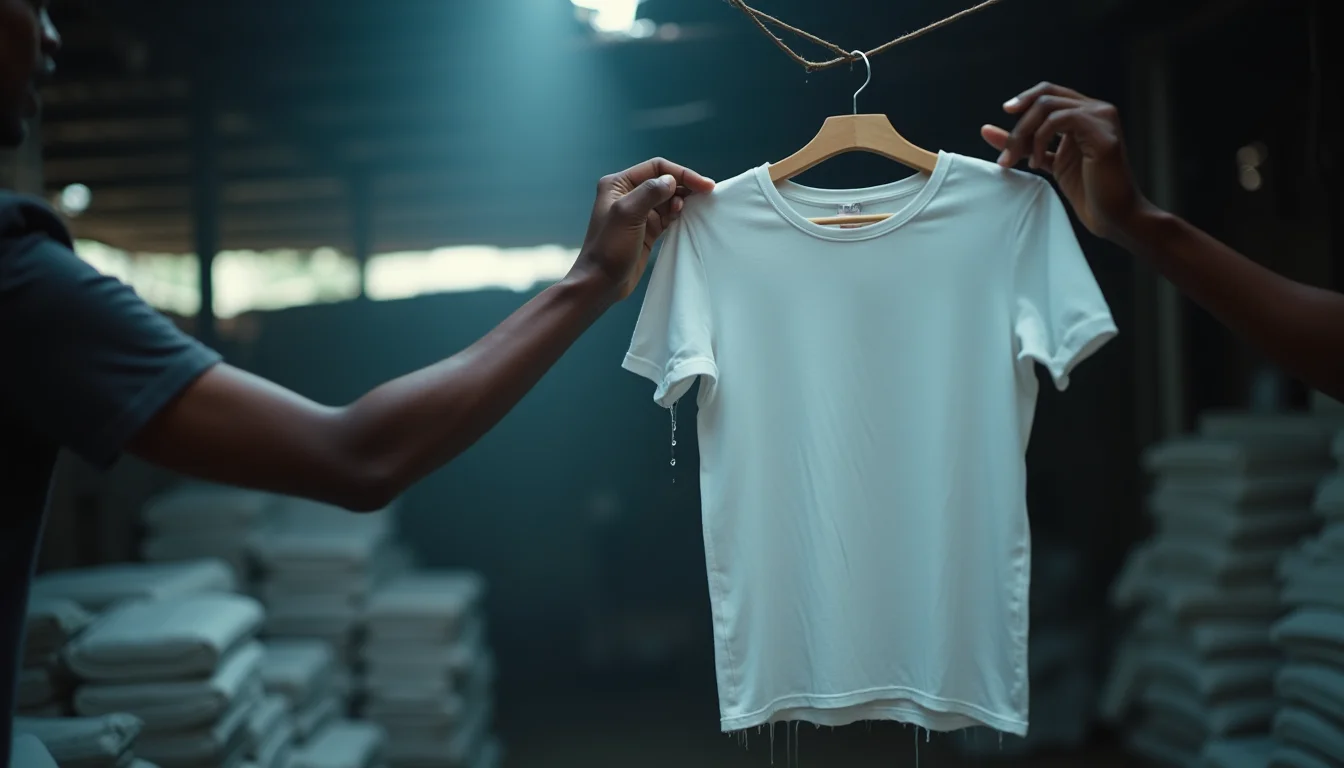
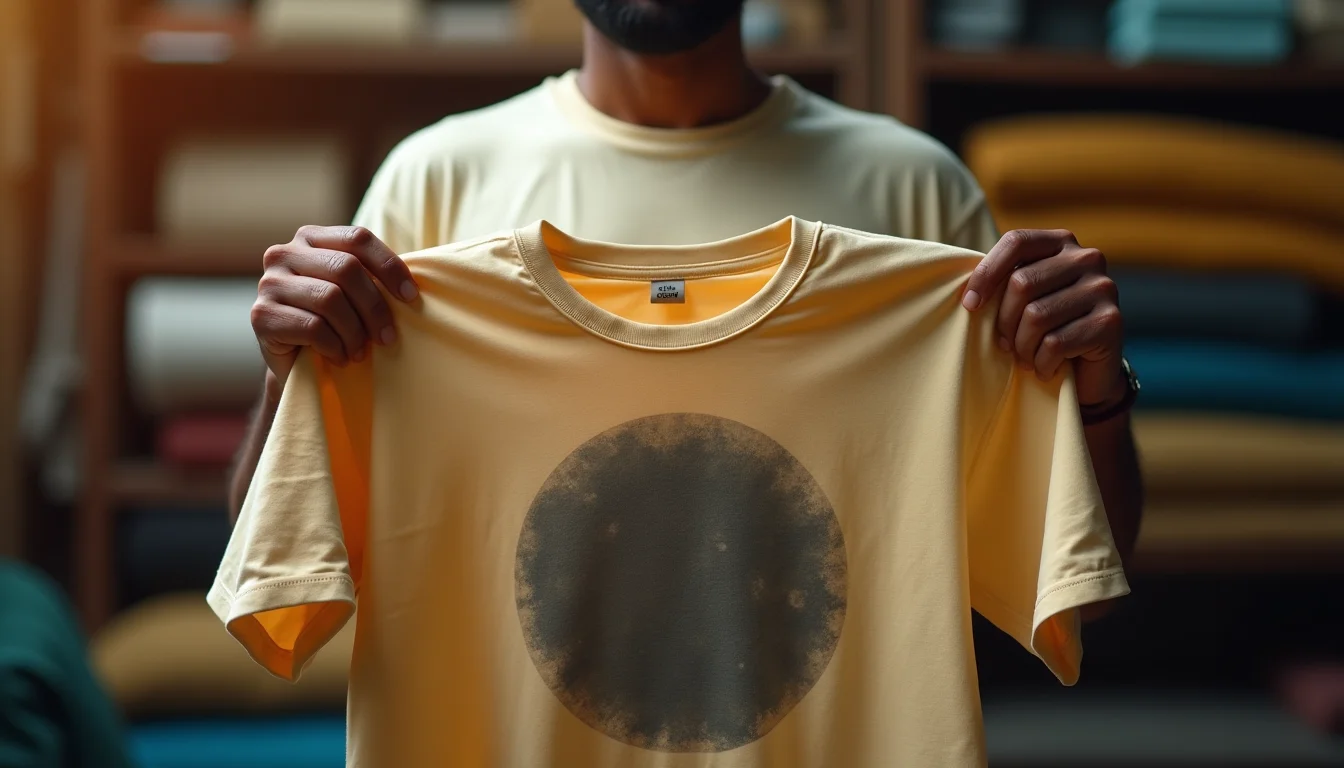
July mein ek customer ka phone aaya. Frustrated tone mein bola — "Bhai, poora stock pada hai. Ek piece nahi bika." He had stocked up on cotton t-shirts — almost ₹40,000 worth of inventory — right before the monsoon season hit peak. The rains came, customers stopped buying, and he was left holding dead stock while his cash flow dried up faster than a wet cotton tee in a Mumbai downpour.
Maine poochha — "Did you consider polyester or dry-fit blanks?" He had not even thought about it. And honestly? This is one of the most common and most costly mistakes that t-shirt printing businesses make across India every single monsoon season. Seasonal demand shifts are predictable, yet year after year, printers and resellers get caught off guard.
This article is the complete guide to understanding why polyester and dry-fit t-shirts dominate the June–September window, how to pivot your inventory strategy before the rains hit, and how one smart seller in Pune turned 2,000 dry-fit blanks into ₹1.5 lakh of extra profit in just 45 days — without reinventing his entire business.
Why Cotton T-Shirts Struggle in Monsoon Season
Cotton is India's most loved fabric — and for good reason. It's breathable, soft, absorbs dye beautifully, and is the ideal blank for almost every printing method. But the very property that makes cotton comfortable in dry weather — its moisture absorption — becomes its biggest weakness in the monsoon.
The Physics of Cotton in Rain and Humidity
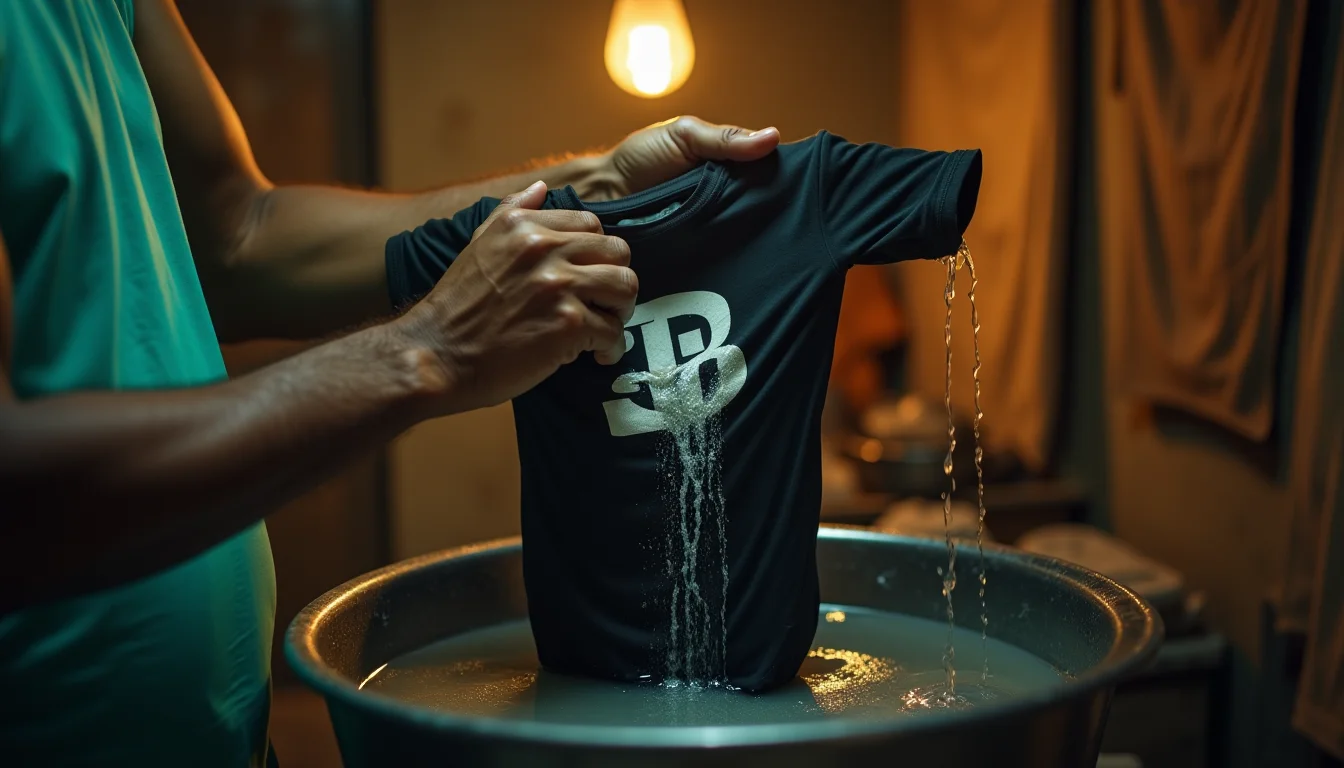
Cotton fibres are hydrophilic, meaning they actively absorb water. In Mumbai in July, when humidity can exceed 90%, a cotton t-shirt doesn't just feel damp — it stays damp. The fibre soaks up sweat and atmospheric moisture, holds it against the skin, and takes a very long time to dry. This creates a clammy, heavy, uncomfortable sensation that most Indian consumers instinctively want to avoid during peak monsoon.
This is not a quality issue with the cotton. A 200 GSM bio-washed, ring-spun cotton tee from Tiruppur is a premium product — but even the best cotton behaves this way in high humidity. The problem is the fabric's fundamental chemistry, not its quality.
Now here's the business implication: your end customers know this. They've worn cotton in the rain before. They've sat in wet t-shirts on office commutes. So during June, July, August and most of September, a significant portion of your potential buyers are subconsciously (or consciously) avoiding cotton and gravitating toward synthetic or blended fabrics that handle moisture better.
The Seller's Blind Spot
Most t-shirt printing businesses plan their stock based on past sales data without accounting for seasonal fabric preferences. They see that cotton sells well from October to May and assume the pattern holds all year. It doesn't. The monsoon is a fabric pivot window, and missing it means inventory that doesn't move, capital that's locked up, and profit margins that shrink by August.
It's worth noting that this doesn't mean cotton doesn't sell at all in monsoon — it does, especially for indoor use, gifting, and corporate orders. But the volume drops noticeably, and the consumer's first instinct for a "daily wear" or "active wear" piece during rains shifts strongly toward dry-fit and polyester blends.
Polyester and Dry-Fit: What Makes Them the Monsoon Champion
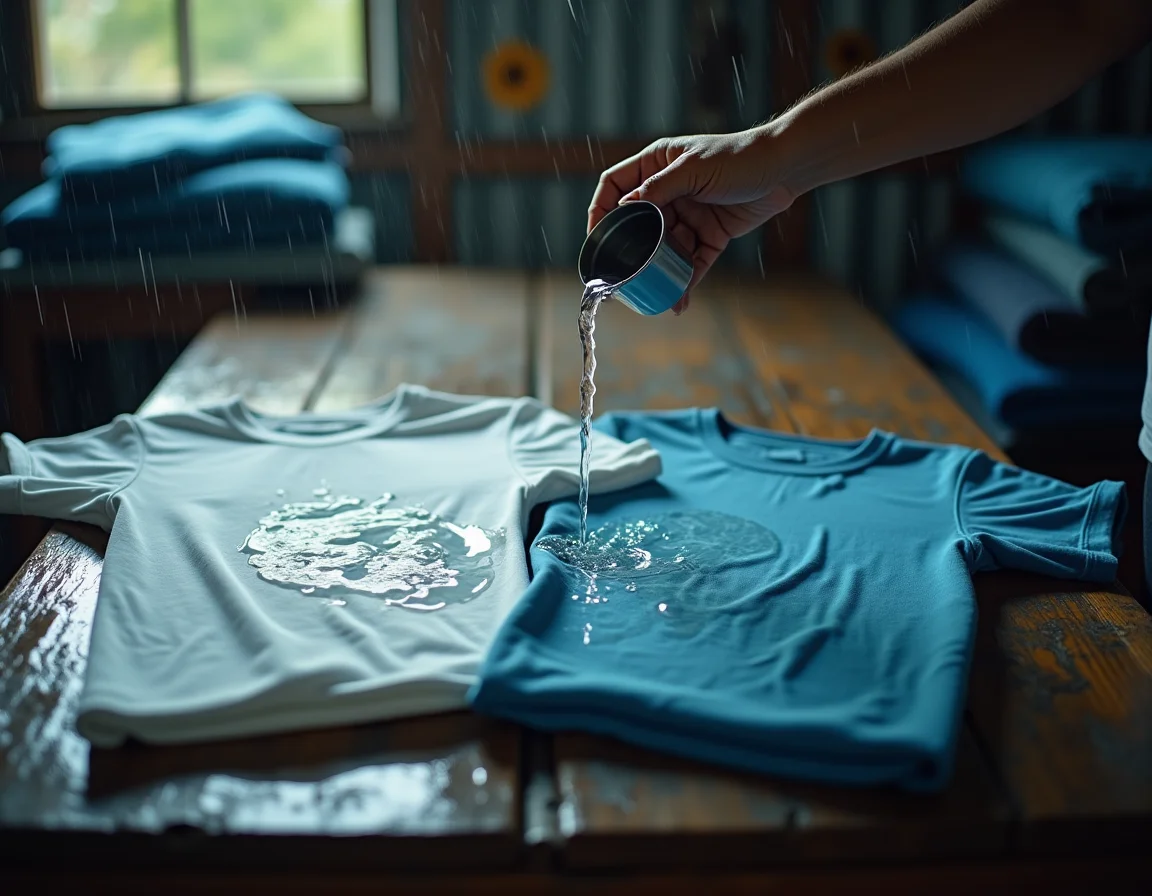
Polyester is a synthetic fibre, and its structure is fundamentally different from cotton. It is hydrophobic — it repels water rather than absorbing it. When you sweat in a polyester t-shirt, the moisture is pulled away from the skin and pushed outward, where it evaporates quickly. This "wicking" mechanism is why polyester is called "dry-fit" in the activewear and sportswear industry.
Key Properties That Drive Monsoon Sales
- Moisture wicking: Pulls sweat and rain away from skin instantly
- Quick-dry: Dries 3–5x faster than cotton in equivalent humidity
- Lightweight feel: Doesn't become heavy when wet
- Shape retention: Doesn't sag, stretch, or cling uncomfortably when damp
- Odour resistance: Many polyester blends have anti-microbial treatments, reducing odour in humid conditions
- Colour fastness: Polyester holds dye well and resists fading through repeated washing
For the Indian market — especially in coastal cities like Mumbai, Chennai, Kochi, and even Delhi in its humid July–August phase — these properties translate directly into consumer preference and therefore increased sales velocity for whoever stocks dry-fit blanks in the right window.
The Printing Method Shift: Why Sublimation Wins on Polyester
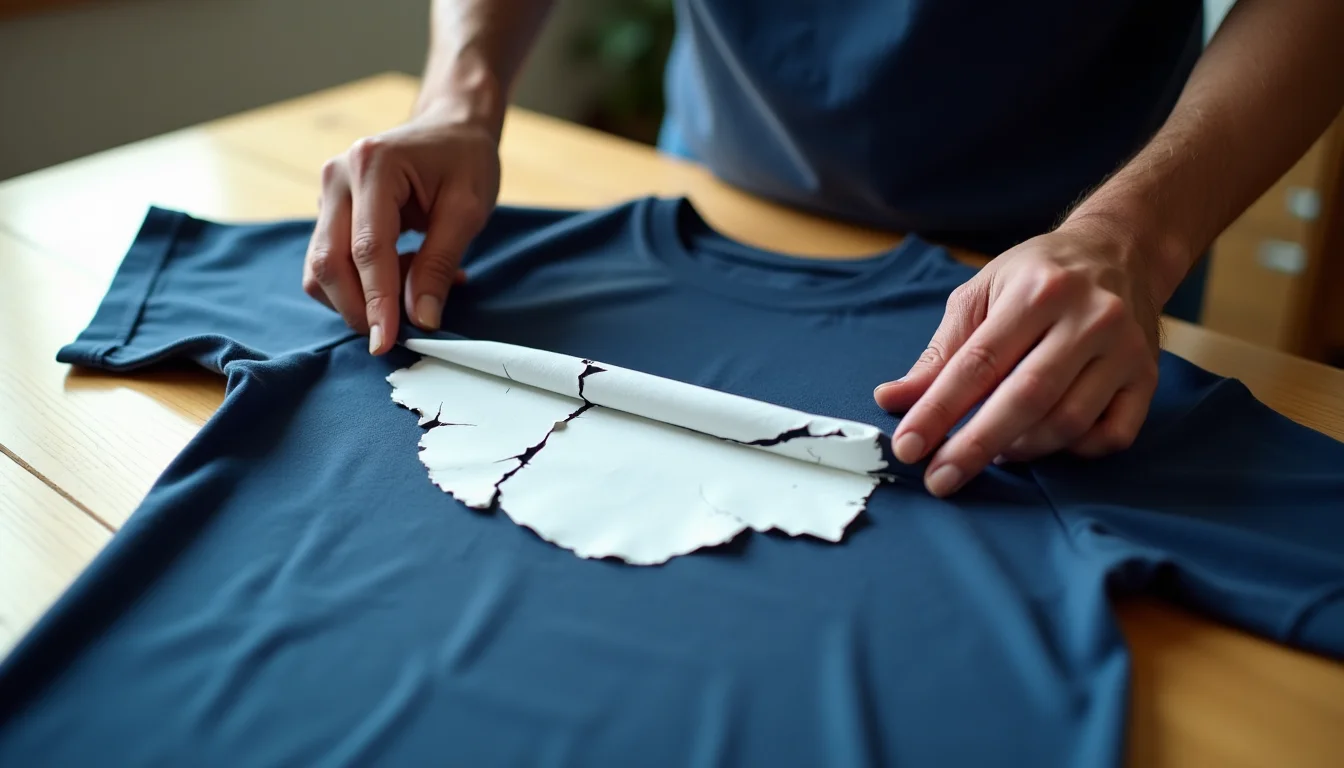
Here's where many printing business owners trip up, especially those coming from a cotton-first background. DTG (Direct-to-Garment) printing does not work well on polyester. DTG inks are water-based and designed to bond with cotton fibres. On a polyester surface, the ink sits on top rather than penetrating the weave, resulting in dull colours, poor wash durability, and high return rates. In fact, if you've ever experienced a wave of product complaints from customers, it's worth reading about DTG on polyester returns to understand just how badly this combination performs.
The correct printing method for polyester and dry-fit blanks is sublimation printing. In sublimation, heat-sensitive dye is transferred from a printed paper onto the polyester fabric using a heat press. The dye actually converts to gas and embeds into the polyester fibre itself, creating prints that are vibrant, wash-resistant, and durable. All-over prints, sports graphics, and vibrant gradients look stunning on sublimation polyester — and this is exactly the aesthetic that drives impulse purchases in the gym wear, sports team, and activewear segments.
Other viable options for polyester blends include heat transfer vinyl (HTV) for simple logo-based designs and DTF (Direct-to-Film) printing, which works better than DTG on synthetic fabrics. However, sublimation remains king for polyester, particularly for all-over and full-chest designs.
Cotton vs Polyester: Head-to-Head for Printing Businesses
| Factor | Cotton (100%) | Polyester / Dry-Fit |
|---|---|---|
| Monsoon comfort | Stays wet, feels sticky | Wicks moisture, stays dry |
| Best printing method | DTG, Screen Print, DTF, HTV | Sublimation, DTF, HTV |
| Peak demand season | Oct – May (8 months) | June – Sept (monsoon) |
| All-over print quality | Good (with DTF/screen) | Excellent (sublimation) |
| Consumer perception | Premium, everyday wear | Sporty, active, functional |
| Drying time after wash/rain | Slow (1–2 hrs) | Fast (15–30 mins) |
| Sublimation printing | Does NOT work | Works perfectly |
| GSM range for printing | 180–220 GSM recommended | 140–180 GSM (lightweight) |
The Pune Success Story: ₹1.5 Lakh Profit in 45 Days
Let's talk numbers, because theory only gets you so far. A printing business owner in Pune — let's call him Rahul — had been running a mid-sized DTG and sublimation shop for about three years. Every year from October to May, his cotton t-shirt sales were healthy. But June through August was always slow. He blamed it on general market slowdown.
In 2024, Rahul decided to try something different. He ordered 2,000 dry-fit polyester blank t-shirts in mid-May — before the monsoon arrived. He pivoted his sublimation machine to full capacity, creating gym wear designs, sports club jerseys, yoga t-shirts, and marathon event tees. He also reached out to local sports academies, gyms, and corporate wellness groups who needed branded activewear.
The results? All 2,000 pieces sold out in 45 days. His margin on sublimation polyester was better than his standard cotton DTG margin, partly because sublimation ink costs are lower per piece at volume, and partly because dry-fit blanks in bulk were competitively priced. The net extra profit from this single pivot: approximately ₹1.5 lakh — revenue he would have otherwise missed entirely during what had always been his slowest months.
The key takeaway is not just that polyester sells in monsoon. It's that planning ahead is what unlocked the revenue. Rahul ordered in May. By the time other local printers realised demand had shifted, he had already captured the early-season buyers and built relationships with sports clubs who became repeat customers.
The Seasonal Inventory Calendar: When to Stock What
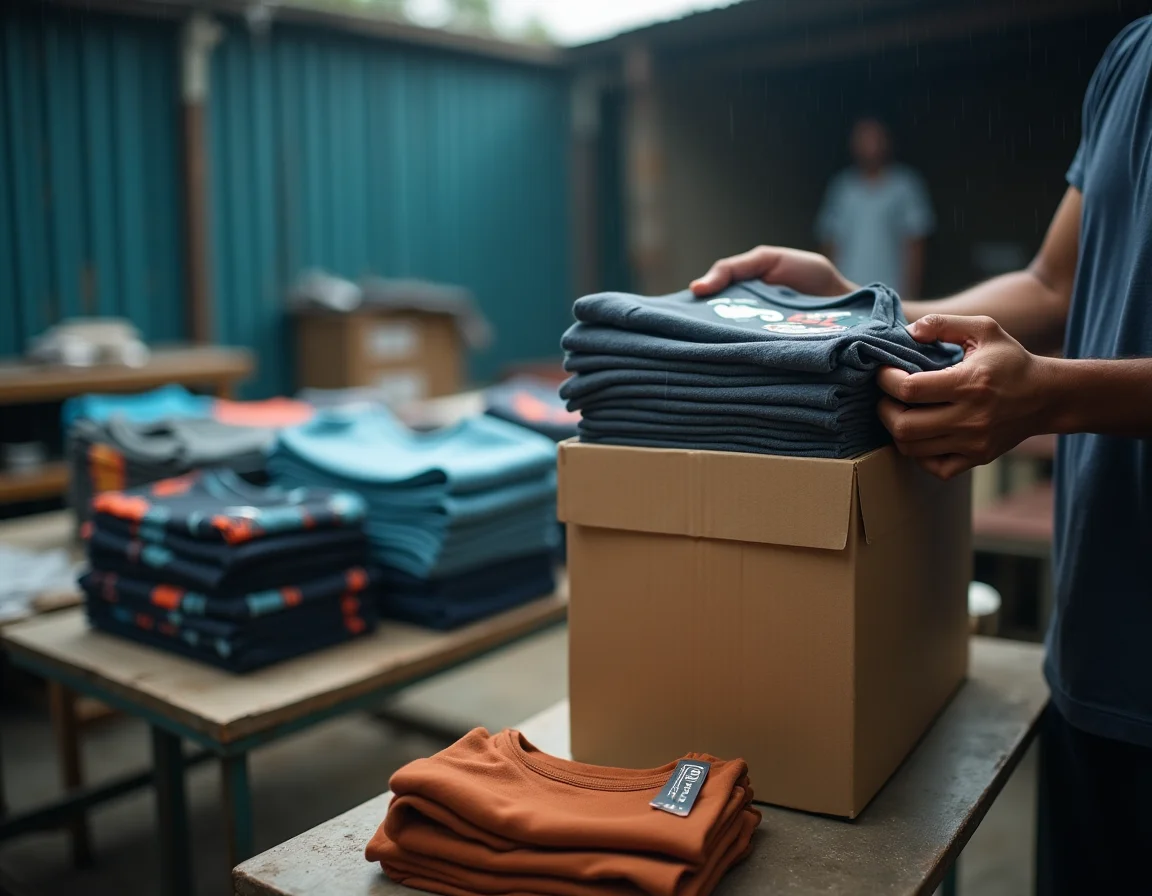
Successful t-shirt printing businesses in India run on a predictable seasonal rhythm. The mistake most make is reacting to demand instead of anticipating it. Here is a simple quarterly inventory planning framework:
February – April: Pre-Summer Stocking
This is the time to build up cotton inventory — especially lighter GSM options (180–200 GSM) for summer. Cotton demand peaks in this window. Stock up on plain round neck and oversized cotton blanks for DTG, screen printing, and DTF workflows. Check the full product range at BulkPlainTshirt.com's catalog to plan your seasonal mix.
May: The Pivot Window (Critical Month)
This is the most important month for monsoon preparation. Before the rains arrive, order your dry-fit and polyester blend inventory. May is also the time to line up sublimation printing orders from sports clubs, schools, gyms, and corporate clients who plan activewear for the coming months. Do not wait for June to order — by then, everyone is scrambling for stock and lead times extend.
June – September: Polyester Season
Run your dry-fit and polyester inventory through sublimation. Keep a limited cotton stock for indoor gifting, corporate desk deliveries, and non-rain-adjacent use cases. Reduce new cotton procurement unless you have confirmed orders. Focus marketing on "monsoon-ready," "quick-dry," and "gym wear" messaging.
October – January: Return to Cotton
As the rains recede and temperatures drop, cotton demand rebounds strongly. This is your peak festive and gifting season. October marks the return to 200–220 GSM cotton blanks, hoodies, and sweatshirts. Plan bulk cotton orders in September to be ready for the Dussehra–Diwali–New Year demand surge.
Fabric Choice and GSM: What to Know Before You Order Polyester Blanks
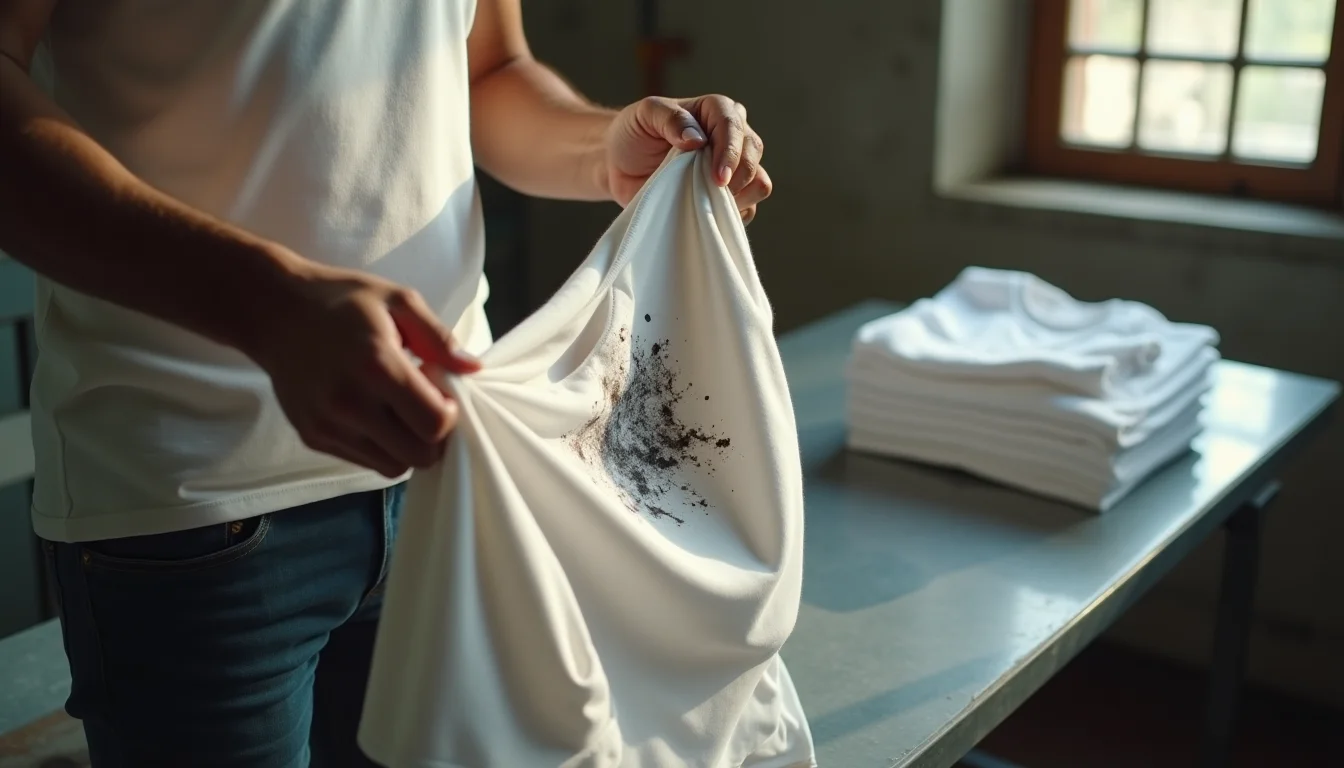
When you switch from cotton to polyester for monsoon, a few technical parameters change. Understanding these helps you avoid costly fabric mistakes — the kind that GSM selection errors can cause, potentially ruining hundreds of pieces and thousands of rupees.
GSM for Dry-Fit Polyester
Dry-fit and polyester t-shirts typically run lighter than cotton — common GSM range is 140–180 GSM. This is by design: the lighter the fabric, the faster it wicks and dries. For activewear and sports use, 150–160 GSM is ideal. For casual dry-fit (gym t-shirts, team tees), 170–180 GSM gives a slightly more substantial feel while retaining moisture-wicking properties.
Do not try to replicate the 200–220 GSM cotton logic on polyester. A 200 GSM polyester t-shirt would feel heavy and lose the quick-dry advantage. The weight-to-function relationship is different for synthetic fabrics.
Polyester Blend vs 100% Polyester
For sublimation printing, 100% polyester is the gold standard. The dye only bonds to polyester fibres, so a higher polyester content means more vibrant, more durable prints. A 50/50 poly-cotton blend will produce a "vintage" or faded look on sublimation — which some designers use intentionally, but is not suitable for photo-realistic or vibrant logo prints.
For DTF printing or HTV, polyester-cotton blends work well and can be used in monsoon season where you want a slightly softer hand feel than 100% polyester.
Marketing Your Monsoon Collection: What Messages Work
Changing your stock is only half the equation. You also need to communicate the right message to your buyers — whether you're selling to end consumers or to retailers and event organisers who buy from you in bulk.
- "Monsoon-Ready Tees" — Simple, self-explanatory. Works well for social media.
- "Stay Dry, Stay Active" — Appeals to gym-goers and outdoor sports enthusiasts.
- "Quick-Dry. All-Over Print. Your Brand, Waterproof." — Excellent for corporate orders and event tees.
- "Built for India's Monsoon" — Hyperlocal messaging that resonates deeply with Indian buyers.
- Showcase sublimation print quality — Vibrant all-over prints on dry-fit look spectacular in photos. Use Instagram Reels and WhatsApp status updates heavily from May through August.
Target these buyer segments specifically during monsoon: local cricket academies, football clubs, school sports departments, corporate HR teams (for employee wellness events), yoga studios, marathon event organisers, and trekking/adventure clubs. These buyers consistently need printed activewear and are underserved by printers who only stock cotton.
Ordering Dry-Fit Blanks in Bulk: What You Need to Know
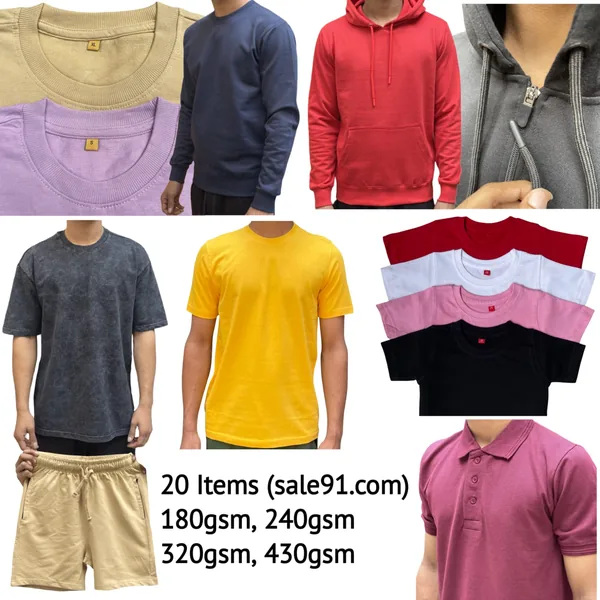
When planning your monsoon dry-fit stock, ordering from a direct manufacturer — not a trader or reseller — is essential for both price and quality consistency. Sale91.com (BulkPlainTshirt.com) is one of India's leading B2B plain t-shirt manufacturers, knitting fabric in-house at their Tiruppur facility. Their warehouse in Delhi (Khanpur, South Delhi) ensures fast PAN India delivery even during monsoon logistics challenges.
For bulk ordering, Sale91.com offers competitive pricing with an Rs 2/pc discount for orders of 500+ pieces and an additional Rs 3/pc online purchase discount. For first-time buyers, 50% COD is available (with a 3% COD charge), making it low-risk to trial a new fabric category like dry-fit before committing to full prepaid bulk orders.
With 1 lakh+ pieces of ready stock maintained at any time and an MOQ as low as 10 pieces for ready-stock items, you can start your monsoon pivot test with a small order before scaling to 500–2,000 pieces as demand confirms. Visit Sale91.com to check current stock, pricing, and color availability for dry-fit and polyester blanks.
Watch the Video
Watch the full short video on this monsoon business strategy — including the real story of the customer whose ₹40K cotton stock went unsold in July and how the polyester pivot changes everything:
Frequently Asked Questions
More Articles

Ready to Stock Up for Monsoon Season?
Order dry-fit and polyester blank t-shirts in bulk before June — and make sure your printing business is ready to capture monsoon demand. Direct manufacturer pricing, 1 lakh+ ready stock, PAN India delivery.
Order Now at Sale91.com →