₹12 Ka Fark — Polyester Blend vs Pure Cotton T-Shirt in Monsoon Season: Which Dries Faster & Which Is Better for Your Business?

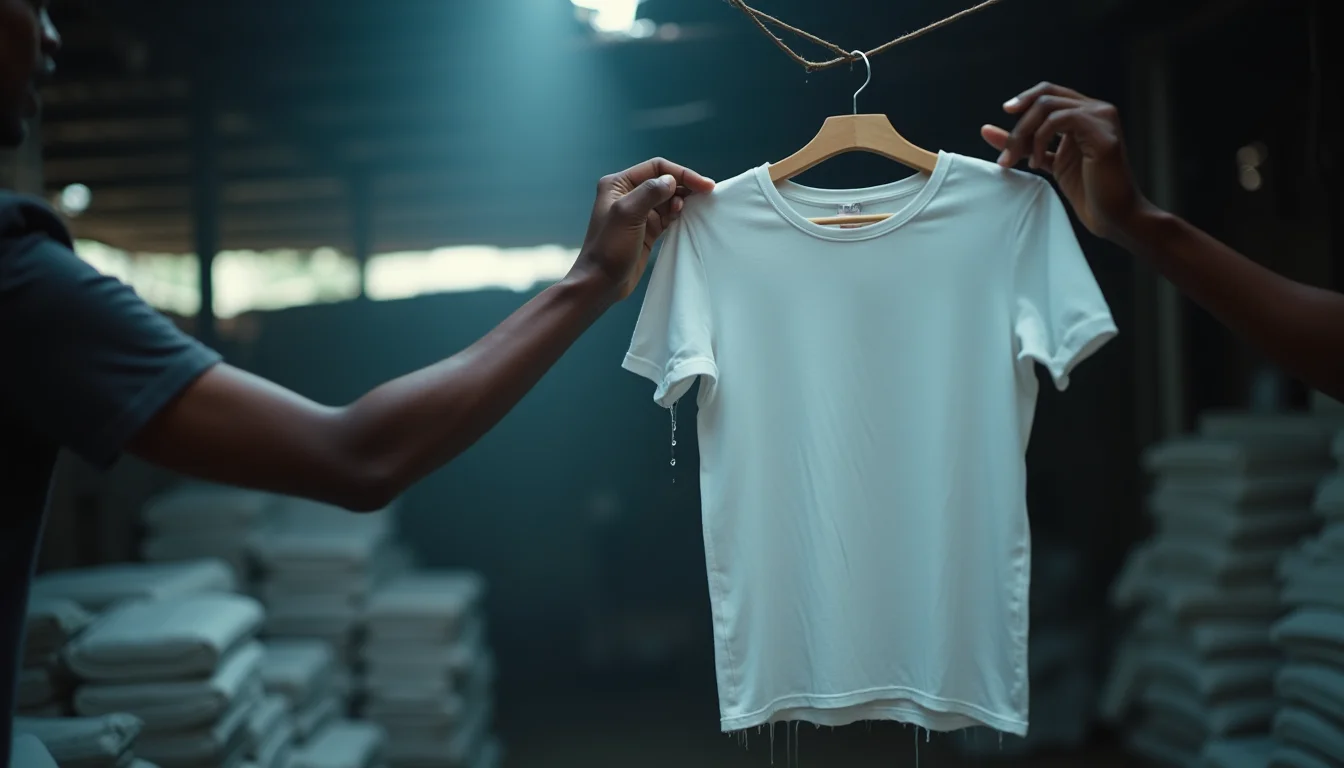
It started with a phone call during peak barish season. A customer — a custom t-shirt printer based in Delhi — was frustrated. He had placed a bulk order for t-shirts to sell at a local college event, and his buyers were complaining. The shirts wouldn't dry. Humidity was high, it had been raining all day, and the heavy cotton tees were still damp 12 hours later. His brand was taking a hit.
When I asked which fabric he had ordered, he said pure cotton, heavy GSM. And right there was the problem. But here's the real question that this story raises: is the ₹12 per piece difference between a polyester blend t-shirt and a pure cotton t-shirt actually worth it during the monsoon season? Or does saving that ₹12 end up costing you lakhs in returns, complaints, and lost customers?
Let's break this down in full — fabric science, real-world drying tests, print compatibility, GSM considerations, and what you, as a t-shirt printing business owner or bulk buyer in India, should actually be ordering this monsoon season.
The ₹12 Difference — What Are You Actually Buying?
When we say a polyester blend t-shirt costs ₹12 less per piece than a 100% cotton t-shirt, we're typically comparing a 60% cotton / 40% polyester blend (or similar ratios like 65/35) against a pure ring-spun combed cotton shirt of the same GSM range. At 100 pieces, that's ₹1,200 in savings. At 500 pieces, it's ₹6,000. At 1,000 pieces, it's ₹12,000. Sounds significant, right?
But the cost difference exists for a reason. Pure cotton is more expensive to produce because cotton fibre is a natural agricultural product, requires more processing (combing, ring spinning), and has better dye absorption and breathability characteristics. Polyester is a synthetic petroleum-derived fibre — cheaper to produce at scale and faster to dry because it repels moisture rather than absorbing it.
The key insight: Polyester repels moisture. Cotton absorbs moisture. These are opposite properties — and in the monsoon, each one has both an advantage AND a critical drawback.
The Drying Time Reality: Polyester Wins on Speed, But…
How Long Does Each Fabric Take to Dry in Monsoon Humidity?
In a real-world test conducted during high-humidity conditions (80–90% relative humidity, typical of Mumbai, Kolkata, Chennai, or Delhi in July–August), here is what we consistently observe:
| Factor | Polyester Blend (60/40) | Pure Cotton (100%) |
|---|---|---|
| Drying Time (High Humidity) | 3–4 hours | 8–12 hours |
| Moisture Absorption | Low (wicks surface only) | High (absorbs sweat fully) |
| Skin Feel in Heat | Sticky, clammy feeling | Dry feel against skin |
| Breathability | Low–Medium | High |
| Odour Retention | Higher (traps bacteria) | Lower (natural fibre) |
| Price per Piece (approx. difference) | ₹12 cheaper | ₹12 more expensive |
Yes, polyester blend dries faster — by a massive margin. If someone is washing and hanging clothes outdoors in the monsoon, the polyester shirt will be wearable again in half a day while the cotton shirt might still be damp the next morning. That is a real, measurable advantage.
But here is the catch that most people overlook: polyester doesn't absorb sweat from the skin. It just moves moisture to the surface of the fabric. So while the shirt itself dries faster, the person wearing it during the humid monsoon heat feels sticky, sweaty, and uncomfortable. The fabric sits on the skin like plastic wrap during high humidity — not pleasant for an all-day college event, corporate uniform, or casual streetwear product.
The Print Compatibility Problem — This Is Where the ₹12 Saving Destroys Your Business
If you're in the custom t-shirt printing business — DTG (Direct to Garment), DTF (Direct to Film), screen printing, or heat transfer — this section is the most important thing you'll read today.
Why DTG Prints Fail on Polyester Blend Fabrics
DTG printing uses water-based inks that bond chemically with cotton fibres through a pre-treatment (PTM) process. The entire chemistry of DTG ink is designed to bond with the cellulose structure of cotton. When you print on a polyester blend — even a 60/40 — here's what happens:
- The polyester fibres do not bond with water-based DTG inks the way cotton does
- The pre-treatment (pretreatment liquid) does not adhere as effectively to synthetic fibres
- After 3–5 washes, you start seeing the print crack, fade, or peel unevenly
- With higher polyester content (above 40%), colour vibrancy drops noticeably — especially for dark base colours
- White ink — the foundation of all dark-garment DTG prints — does not cure well on polyester
This is why experienced DTG printers insist on 100% ring-spun combed cotton fabrics. The investment in a ₹12 more expensive shirt protects a potentially ₹80–₹200 per piece printing investment. If the fabric is wrong, the entire print job is wrong.
We've seen cases — and bulk returns from polyester-blend orders reaching 200 pieces in a single monsoon season batch, all due to print failures on synthetic fabric. The math is brutal: you saved ₹12 × 300 pieces = ₹3,600. You lost the entire batch worth potentially ₹30,000–₹60,000 in printed merchandise plus the goodwill of your customer.
Screen Printing on Polyester — Also Risky
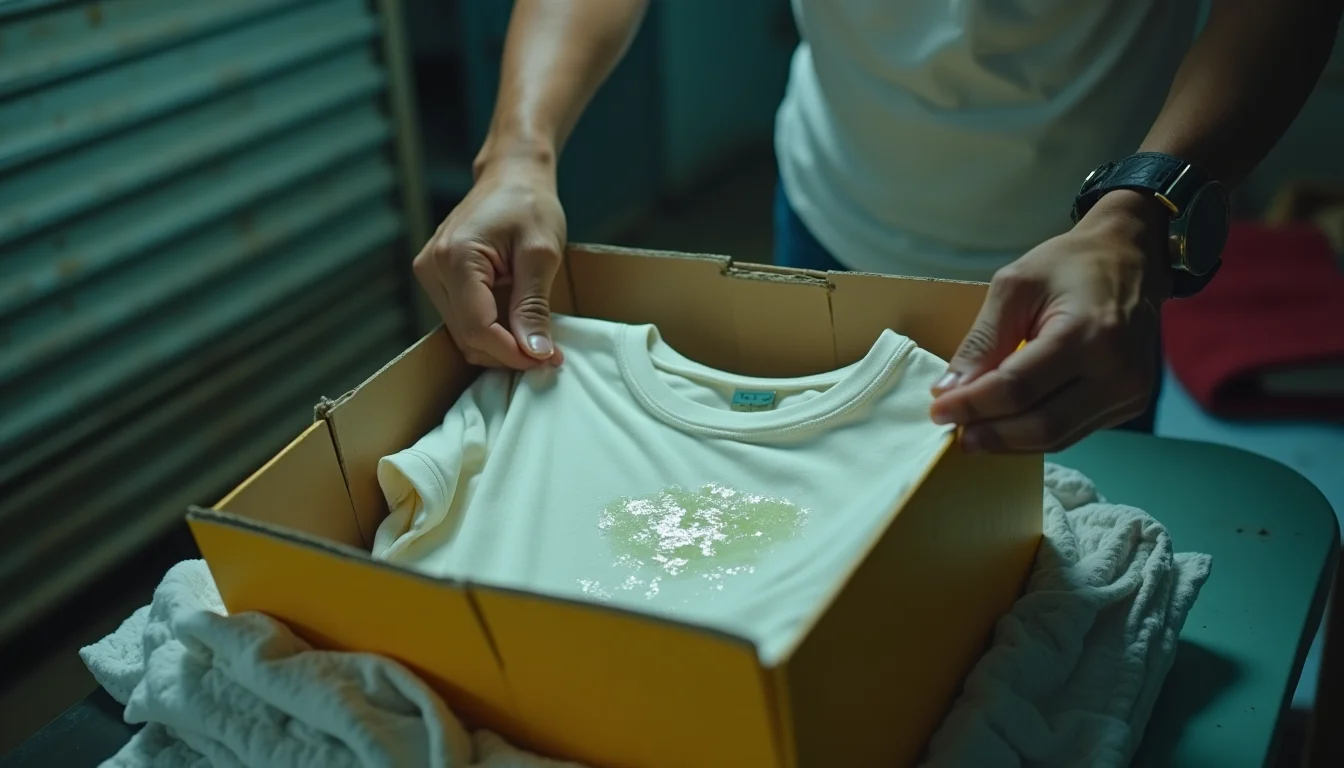
Screen printing plastisol inks can technically work on polyester blends, but there's a serious risk called dye migration — where the synthetic dyes used in the polyester fabric bleed upward into the ink layer during heat curing. This causes the print colour to shift, especially on darker or brighter coloured garments. Reds, blues, and blacks are the worst offenders. The print can look fine initially, but after washing, the colour bleeding becomes visible and the customer is rightfully upset.
Heat Transfer on Polyester — Shrinkage and Ghosting
Polyester fabrics are heat-sensitive. When you apply heat transfer vinyl (HTV) or sublimation transfers, the high temperatures required can cause polyester fibres to distort, creating a "ghosting" effect around the transfer edges. The print looks unprofessional and cannot be repaired.
The Bio-Wash and Pre-Shrunk Advantage of Pure Cotton
When you order pure cotton blank t-shirts from a manufacturer like Sale91.com, the shirts come bio-washed and pre-shrunk. These two processes are critical for printing businesses:
- Bio-washing (enzyme treatment) removes surface fuzz from cotton fibres, creating an ultra-smooth surface that accepts ink evenly — critical for photographic DTG prints
- Pre-shrinking ensures the shirt doesn't change size after your customer washes it post-printing — preventing the horror of a printed design distorting because the base shirt shrank 3–5%
- Ring-spun combed cotton has longer, smoother fibres that are more tightly wound — creating a finer, more even surface that holds ink better than open-end spun cotton or polyester blends
None of these advantages apply to polyester blend shirts. The synthetic fibres cannot be bio-washed in the same way, and the pre-shrink process is largely irrelevant since polyester doesn't shrink the way cotton does.
GSM Matters Too — Not Just Fabric Composition
Even within 100% cotton, the GSM (grams per square metre) of the fabric significantly affects monsoon performance. Here's a quick guide:
| GSM | Weight Feel | Monsoon Drying Time | Best Use Case |
|---|---|---|---|
| 180 GSM | Lightweight | 5–6 hours | Everyday casual wear, streetwear, summer/monsoon |
| 200 GSM | Medium | 7–9 hours | Premium printing base, college merchandise |
| 210 GSM | Medium-Heavy | 9–11 hours | Branded uniforms, retail-quality products |
| 220 GSM | Heavy Premium | 10–13 hours | High-end streetwear, oversized drops, premium retail |
The customer from our opening story? He had ordered 220 GSM cotton in monsoon — the heaviest available. That's like wearing a towel in the rain. The fabric holds significantly more moisture simply because there's more fabric per square metre. A smarter choice for a monsoon-season event would have been 180 GSM pure cotton — faster to dry than 220 GSM cotton, still fully cotton (so prints hold perfectly), and more comfortable in the humidity.
This is why understanding GSM mistakes in bulk orders is so critical before you commit to a large quantity for a seasonal requirement.
When Polyester Blend Actually Makes Sense
To be fair, polyester blend isn't always wrong. There are legitimate use cases where the ₹12 saving is worth it and the fabric properties actually work in your favour:
- Sports and athletic wear: Moisture-wicking polyester keeps athletes dry during physical activity by pulling sweat to the shirt surface where it evaporates. Sublimation printing on 100% polyester is the standard for sports jerseys.
- Sublimation printing specifically: Sublimation inks only bond to polyester fibres. A 100% polyester white shirt is the only correct base for sublimation printing — cotton does not work for this process at all.
- Outdoor activewear, cycling jerseys, running shirts: Where fast drying is more important than comfort against humid skin.
- Dri-fit style corporate gifts: If your client specifically wants quick-dry corporate polo shirts for an outdoor event, polyester-blend polo is appropriate.
The mistake most t-shirt business owners make is assuming polyester blend is a universal cost-cutting upgrade. It isn't. It's a specialised fabric for specific end-uses. For general fashion printing, college merchandise, streetwear drops, and branded clothing — pure cotton is non-negotiable.
Real Talk: The True Cost of the ₹12 "Saving"
Let's run the numbers on a realistic scenario:
- You order 300 pieces of polyester-blend t-shirts to save ₹12/piece = ₹3,600 saved
- You get DTG printing done at ₹120/piece = ₹36,000 invested in printing
- After 3 washes, 60% of prints start fading due to polyester fibre incompatibility
- 180 pieces are returned or refunded by your customers = ₹21,600 in print cost lost
- Your customer relationship is damaged — repeat orders worth ₹50,000+ are at risk
- Net result: A ₹3,600 saving cost you ₹70,000+ in total business damage
Save ₹12 per piece, lose 300 pieces worth of business. The math never lies.
We've also covered how monsoon-related issues like colour bleeding from wrong dye types in monsoon can ruin an entire batch — and the combination of wrong fabric AND wrong dye type is a double disaster that's surprisingly common among first-time bulk buyers.
What to Order This Monsoon Season — A Practical Guide
For DTG / DTF Printing Businesses
Always use 100% ring-spun combed cotton, 180–200 GSM for monsoon season. The lighter GSM dries faster while maintaining all the cotton properties that make DTG inks bond correctly. Bio-washed surface ensures ink uniformity.
For Screen Printing Businesses
100% cotton, 180–210 GSM. Avoid polyester blends to prevent dye migration during heat curing. Bio-wash is important for achieving sharp halftone details in screen printing.
For Heat Transfer / Vinyl Printing
100% cotton, 180–200 GSM. Cotton handles heat press temperatures (160–180°C) better than polyester, which can distort or create adhesion issues at high temperatures.
For Sublimation Printing Only
This is the one exception: use 100% polyester white shirts. Sublimation is a polyester-only process and works best in dry conditions — ideally not during peak monsoon if you can avoid it, as humidity affects curing.
Why Sale91.com Only Manufactures 100% Cotton Plain T-Shirts
At Sale91.com, we made a deliberate decision early on to focus exclusively on 100% ring-spun combed cotton blank t-shirts. We knit our own fabric in-house in Tiruppur, India's textile capital — which means we control every step of the process from yarn to finished garment.
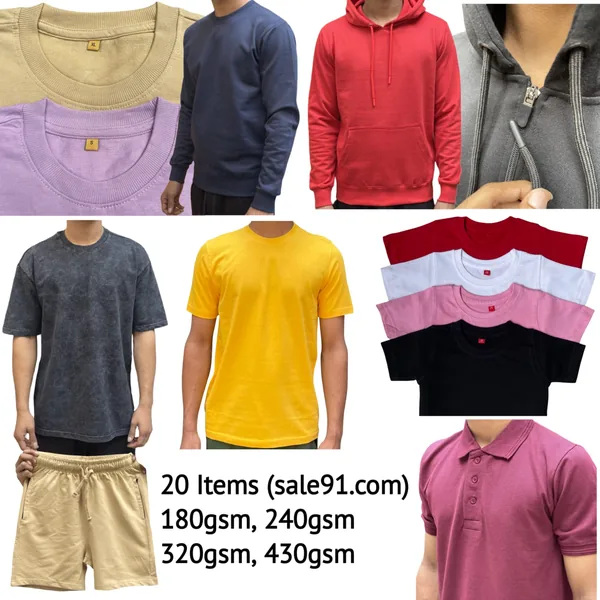
Our plain t-shirts come in 180, 200, 210, and 220 GSM — all bio-washed, pre-shrunk, and made from combed ring-spun cotton. This is the fabric that professional printing businesses need: consistent, smooth, shrink-resistant, and compatible with every major printing technology except sublimation (which requires polyester).
With over 1 lakh pieces in ready stock at any time, we can fulfil large monsoon-season orders fast — so you don't have to wait weeks for your blank tees to arrive and lose the seasonal window.
You can explore our full range on the product catalog — round neck, oversized, polo, hoodies, and acid wash styles, all in 15+ colours.
Quick Tips for Monsoon Season T-Shirt Business
- Stock 180 GSM pure cotton for monsoon-heavy markets (Mumbai, Kolkata, Chennai, North-East India)
- Always request a sample before placing bulk orders during seasonal transitions
- Bio-wash reduces monsoon-related issues like musty smell in stored inventory
- Pre-shrunk fabric prevents post-wash print distortion complaints from end customers
- Avoid heavy 220 GSM orders during June–September unless your product specifically targets premium streetwear consumers
- If a vendor offers a significantly lower price, check the fabric composition — they may be adding polyester to cut costs
- Store blank t-shirts in a dry, ventilated space during monsoon to prevent moisture retention in inventory
Watch the Video
We created a short, to-the-point video breaking down this exact comparison — polyester blend vs pure cotton in monsoon season, the drying time difference, and why the ₹12 saving is a trap for printing businesses. Watch it below:
Frequently Asked Questions
Ready to Order the Right Fabric for Your Business?
Don't let a ₹12 per piece difference cost you lakhs this monsoon season. Order 100% ring-spun combed cotton plain t-shirts — bio-washed, pre-shrunk, and print-ready — directly from the manufacturer. 1 lakh+ pieces in ready stock. MOQ just 10 pieces. COD available on first order.
Order Now at Sale91.com →More Articles