Polyester vs Cotton T-Shirt for Monsoon — Why 200 Pieces Got Returned in Bulk Order

It was peak monsoon season. A printing business owner called us with a problem that no bulk buyer ever wants to face: 200 t-shirt pieces had been returned. The end customers were complaining that the shirts wouldn't dry properly, felt damp all day, and — worst of all — had started developing an unpleasant smell within hours of wearing.
The first question we asked him was simple: "Cotton tha ya polyester blend?"
He had gone with a cheaper polyester-blend option to save a few rupees per piece. That decision ended up costing him far more in returns, reputation damage, and wasted logistics costs. This is one of the most common — and most expensive — fabric mistakes we see in the Indian printing and custom t-shirt business, especially during the June-to-September monsoon window.
In this guide, we break down exactly why polyester and cotton behave so differently in humid conditions, which GSM to choose for the rainy season, and how you can plan your bulk orders smartly so that zero pieces come back to you.
The Real Story: 200 Pieces, One Bad Fabric Decision
Let's reconstruct what actually happened. The client ran a small-to-medium custom printing business. He received an order for 200 customised t-shirts — likely for a corporate event or a brand promotional campaign that landed right in July. To keep his margins healthy, he sourced a polyester-cotton blend (roughly 60% polyester, 40% cotton) because it was cheaper per piece than 100% cotton.
The printed shirts were dispatched. Within days, the calls started coming in.
- Shirts were not drying even after 6–8 hours on the clothesline.
- The fabric felt perpetually damp and sticky against the skin.
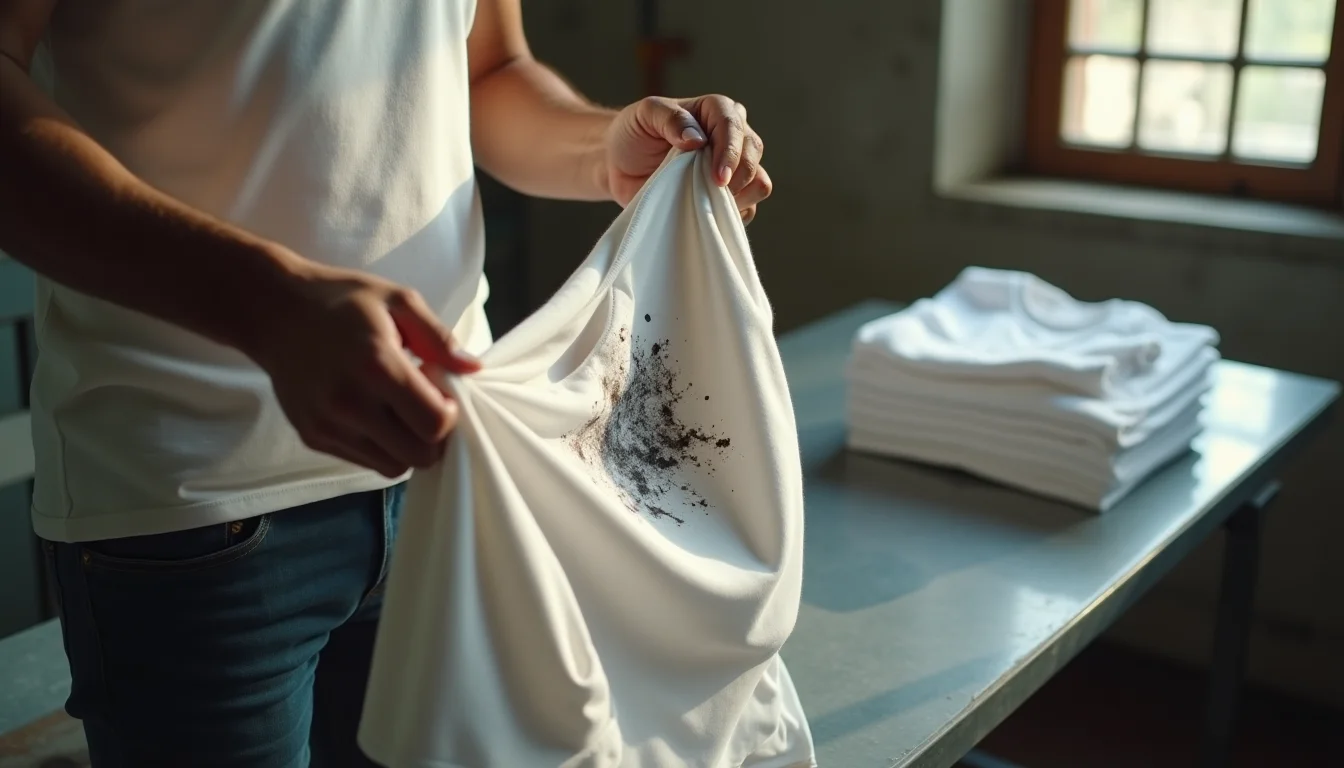
- A musty, sour odour developed — the kind that doesn't go away with a normal wash.
- Multiple end customers refused to wear them and returned the pieces.
The printing business owner was now stuck with 200 pieces, a refund demand, and zero profit from that order. He also risked losing that client permanently. When we dug deeper, we realised this wasn't a manufacturing defect or a printing error — it was a fabric choice error that is entirely preventable with the right knowledge.
This situation is eerily similar to another case we've documented — where a buyer chose the wrong GSM for the wrong season and ended up with 600 pieces unsold due to a GSM mismatch. The pattern is the same: small savings upfront, massive losses downstream.
How Polyester Behaves in Humid, Monsoon Conditions
Polyester is a synthetic fibre made from petroleum-derived polymer chains. It is hydrophobic by nature — meaning it repels water rather than absorbing it. This is actually a useful property for specific applications like sportswear or windbreakers. However, in the context of everyday wearable t-shirts during India's humid monsoon season, this property becomes a serious liability.
Why Polyester T-Shirts Stay Damp
When you wear a polyester or polyester-blend t-shirt in monsoon humidity, the fabric does not absorb the sweat and moisture your body generates. Instead, moisture sits on the surface of the fibres and on your skin. This creates a microclimate of warmth and dampness trapped between the fabric and your body — the perfect breeding ground for bacteria.
Bacteria that feed on sweat produce volatile organic compounds as byproducts. These compounds are the source of that characteristic bad smell. On cotton, moisture gets absorbed into the fibre, then gradually evaporates — which is a natural self-regulating process. On polyester, the moisture has nowhere to go, so bacterial growth accelerates dramatically.
The Drying Problem
In Indian monsoon conditions — think 80–95% relative humidity in cities like Mumbai, Kolkata, Chennai, and even Delhi — polyester t-shirts can take 12–24 hours or more to fully dry after washing. This is because the fabric itself doesn't hold water, but the air around it is already saturated with humidity, preventing evaporation. Worse, if the shirt is folded or stored slightly damp, the smell intensifies rapidly.
For reference, 100% cotton dried under the same humid conditions will typically dry in 4–6 hours, because the cotton fibre actively wicks moisture from the fabric surface and releases it into the air through capillary action.
How Cotton T-Shirts Perform in Monsoon — The Science Explained
Cotton is a natural cellulose fibre. Its molecular structure allows it to absorb up to 27 times its own weight in water — making it one of the most moisture-friendly fabrics ever used in clothing. During monsoon season, this hygroscopic property is exactly what you want in a wearable t-shirt.
Moisture Absorption and Natural Evaporation
When a cotton t-shirt gets damp — whether from rain, sweat, or humidity — the fibres absorb the moisture and hold it away from the skin. As the body generates heat, that moisture slowly evaporates from the outer surface of the fabric. This natural wicking and evaporation cycle means the wearer feels relatively dry and comfortable even in heavy humidity.
More importantly, because moisture doesn't sit stagnant on cotton fibres the way it does on polyester, bacterial growth is significantly slower. This is why a well-made 100% cotton t-shirt doesn't develop odour even after a full day of use in monsoon weather — it breathes.
Bio-Washed Cotton: An Extra Advantage
At Sale91.com, all our plain cotton t-shirts are bio-washed — a process that uses enzyme treatment to break down the surface fuzz on cotton fibres. This results in a smoother, softer feel AND better moisture management. Bio-washed cotton has slightly better airflow through the weave compared to untreated cotton, which aids faster drying in humid conditions.
Additionally, our t-shirts are pre-shrunk, which means the fabric has already been through the dimensional stabilisation process. You don't get post-wash surprises — the fit remains consistent wash after wash, which matters greatly for customers who've had custom printing done.
Polyester vs Cotton for Monsoon: Side-by-Side Comparison
| Property | Polyester / Poly-Blend | 100% Cotton |
|---|---|---|
| Moisture Absorption | Very low — hydrophobic | High — hygroscopic |
| Drying Time in Humidity | 12–24 hours or more | 4–6 hours typically |
| Odour Development | Fast — bacteria thrive on trapped moisture | Slow — moisture evaporates naturally |
| Breathability | Low — traps heat and moisture | High — allows air circulation |
| Feel Against Wet Skin | Clingy, uncomfortable | Soft, less clingy |
| Printing Compatibility | DTG prints can crack; dye migration risk | Excellent for DTG, DTF, screen print |
| Return Risk in Monsoon | High | Very Low |
| Recommended for Monsoon Bulk? | ❌ No | ✅ Yes |
The GSM Factor: Why Thin 180 GSM Is Also a Monsoon Risk
Even if you choose 100% cotton, the GSM (grams per square metre) of the fabric matters enormously in monsoon conditions. Many printing businesses default to 180 GSM because it's the most economical option. However, 180 GSM fabric has a very open, thin weave — and in wet conditions, this creates a specific problem: the fabric becomes almost transparent when wet and clings uncomfortably to the body.
This "see-through when wet" effect is a major complaint we hear about thin cotton t-shirts used for promotional events held during or near monsoon season — outdoor concerts, college fests, sports events. End customers feel self-conscious and uncomfortable, and the printing business owner gets blamed for the quality.
What GSM Should You Choose for Monsoon Orders?
- 180 GSM: Everyday casual wear — avoid for outdoor monsoon use. The thin weave clings when wet.
- 200 GSM: The sweet spot for monsoon. Substantial enough to not cling or go see-through, light enough to remain breathable. This is what we replaced the original order with — zero returns.
- 220 GSM: Heavy premium feel. Excellent for branded merchandise, corporate gifting, or retail-quality products. Slightly slower drying but superior comfort and structure in humid weather.
- 240 GSM+: Sweatshirt territory. Rarely needed for summer monsoon unless you're in high-altitude regions.
We've seen this GSM decision go wrong before — a buyer who ordered without testing samples made a costly error, as detailed in this real case of a GSM mistake that cost him lakhs on a 500-piece order. Always request a sample before committing to large monsoon quantities.
The Printing Business Angle: Polyester Causes DTG & DTF Problems Too
There's another dimension to the polyester-vs-cotton debate that printing businesses specifically need to understand: polyester behaves very differently under printing processes compared to cotton, and not in a good way for most common applications.
DTG (Direct-to-Garment) Printing
DTG printing is optimised for natural cotton fibres. The aqueous inks used in DTG bond with cellulose fibres in cotton through a chemical process called fibre-reactive bonding. On polyester fibres, these inks sit on the surface without proper bonding — resulting in prints that crack, peel, or fade much faster. High-polyester content garments also require significantly more pretreatment, increasing your per-piece production cost.
Dye Migration in Heat
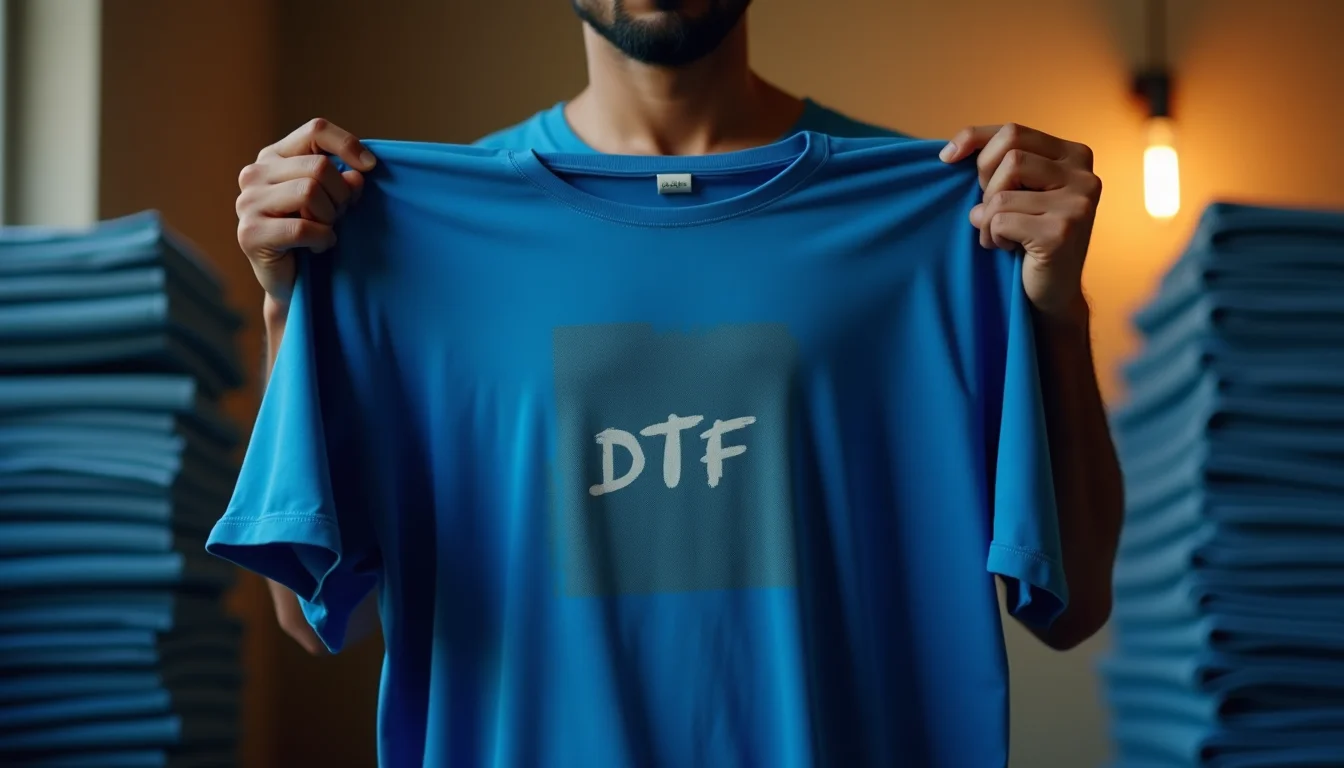
Polyester dyes are volatile under heat. If you're using a heat press for DTF transfers or vinyl applications, the polyester dyes in the fabric can migrate upward into your print layer — a phenomenon called dye migration or dye bleeding. This causes a hazy, discoloured border around your design, especially visible on darker coloured polyester shirts. With 100% cotton and reactive dyes, this issue is essentially non-existent under normal heat press temperatures.
The same issue appears even in post-wash scenarios — we've documented cases of 40 returns in a single week from DTG printing on polyester during summer. Monsoon season amplifies these problems further because of temperature fluctuations and humidity during the curing process.
How We Fixed It: Replacing 200 Polyester Pieces With 200 Cotton Pieces
When the client came back to us after the 200-piece return disaster, we made a straightforward recommendation: switch to 100% ring-spun combed cotton, 200 GSM, bio-washed and pre-shrunk, in the same colours he needed.
Here's what happened:
- The replacement order was dispatched within the same week from our Delhi warehouse (Khanpur, South Delhi).
- The reprinted t-shirts were delivered to his customers during the same monsoon period — July in this case.
- Zero returns. Zero complaints about smell or dampness.
- The client's customer actually reordered for a second batch for a follow-up event.
The only thing that changed was the fabric. Same printing process, same colours, same designs. But by switching from a cheap polyester blend to genuine 100% cotton at the right GSM, the entire outcome flipped from disaster to success.
Monsoon Fabric Planning: A Checklist for Printing Businesses
If you run a custom printing business — whether DTG, DTF, screen printing, or heat transfer — here's a practical checklist to protect your monsoon orders:
- Always specify 100% cotton when sourcing blank t-shirts for June–September orders. Never accept "cotton-feel" or "poly-cotton" as a substitute without explicit client consent.
- Choose 200 GSM or 220 GSM for any outdoor or event-use order in the monsoon window. Avoid 180 GSM for these use cases.
- Check for bio-wash treatment — enzyme-processed cotton manages moisture better and feels softer against skin, reducing wearability complaints.
- Confirm pre-shrunk fabric — post-wash shrinkage on a printed t-shirt causes fit problems that look like quality failures even if the fabric is fine.
- Order samples before large quantity runs — especially if you're switching suppliers or trying a new GSM weight.
- Communicate fabric specs to your end client — educate them on why you're recommending cotton over poly-blend. Clients who understand this will trust you more and stay loyal longer.
- Plan stock 3–4 weeks ahead — monsoon demand spikes for event t-shirts and corporate merchandise. Last-minute sourcing leads to cutting corners on fabric quality.
Ordering the Right Monsoon T-Shirts From Sale91.com
At Sale91.com (also known as BulkPlainTshirt.com), we manufacture our own fabric in-house at our Tiruppur facility. This means we control every stage of the process — from yarn sourcing and knitting to dyeing and finishing. You're not buying from a trader who bought from someone else who bought from a mill. You're buying directly from the manufacturer.
For monsoon season orders, here's what we recommend from our product range:
- 200 GSM Plain Round Neck T-Shirt — Premium everyday tee, ideal for most printing applications, best monsoon performer.
- 220 GSM Plain Round Neck T-Shirt — Heavy premium for branded merchandise and retail-quality corporate orders.
- 200 GSM / 220 GSM Oversized T-Shirt — Trending silhouette, equally suitable for monsoon use in 100% cotton.
- Plain Polo T-Shirt — Great for corporate gifting and uniform orders, 100% cotton construction.
All products are available in 15+ colours, with MOQ as low as 10 pieces for ready stock items and 1 lakh+ pieces in ready inventory at any time. You can browse the full range at our product catalog.
Pricing benefits for bulk buyers:
- ₹3/piece discount for online orders at Sale91.com (any quantity)
- Additional ₹2/piece discount for orders of 500+ pieces
- 50% COD available on first order (+ 3% COD charge), prepaid from second order onwards
- PAN India delivery + export options via courier and sea freight
Watch the Video
We covered this exact case — the 200-piece return, the fabric science, and the fix — in a quick YouTube Short. Watch it here:
Frequently Asked Questions
More Articles


Ready to Order Monsoon-Ready Bulk T-Shirts?
Get 100% cotton, bio-washed, pre-shrunk plain t-shirts in 200 GSM & 220 GSM — made in-house at our Tiruppur facility. 1 lakh+ pieces in ready stock. MOQ from just 10 pieces. PAN India delivery + exports.
Order Now at Sale91.com →