Summer Mein 180 GSM vs 220 GSM — Kaun Sa Cotton T-Shirt Zyada Bikta Hai? Real Data 🔥
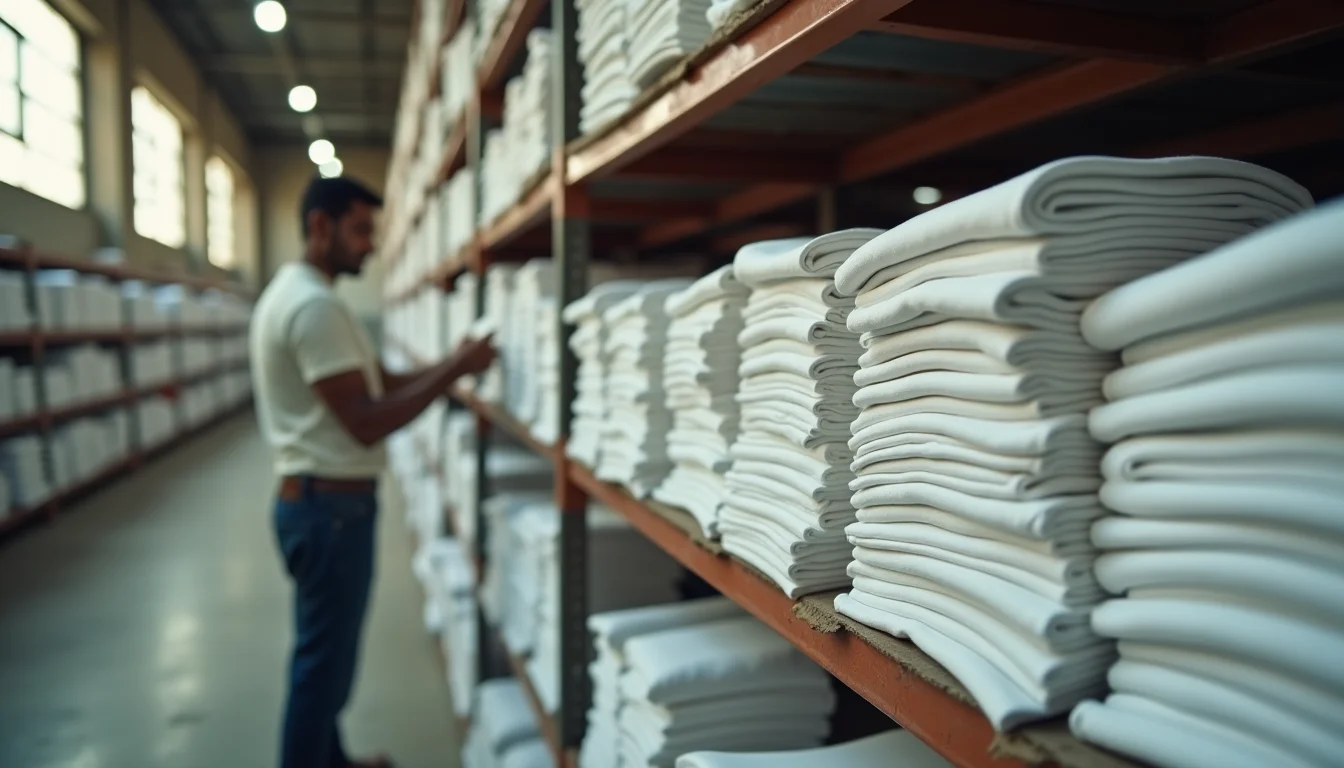
Imagine this: You place a bulk order of 1,000 premium t-shirts, invest your capital, wait eagerly for profits... and three weeks later, 600 pieces are still lying unsold in your warehouse. Your customers aren't buying. Your cash flow is stuck. And all because of one simple mistake — choosing the wrong GSM for the wrong season.
This isn't a hypothetical scenario. This is a real story from one of our customers who learned a costly lesson about seasonal inventory management in the t-shirt printing business. And if you're running a custom printing business — whether DTG, DTF, screen printing, or heat transfer — this article could save you from making the same expensive mistake.
The question isn't whether 180 GSM or 220 GSM is better. Both are excellent 100% cotton, bio-washed, pre-shrunk t-shirts. The real question is: Which one sells better in which season? And more importantly, which one should you stock during the scorching Indian summer months from April to August?
The Real Story: 600 Pieces Unsold
Let's start with the customer's story that inspired this deep dive. A printing business owner from Mumbai contacted us in early April. He was planning for the summer rush and wanted to stock up on premium t-shirts. He had heard great things about 220 GSM cotton t-shirts — the heavyweight feel, the premium quality, the superior print results.
Excited about offering his customers the "best quality," he placed an order for 1,000 pieces of 220 GSM plain t-shirts in various colors. The investment was significant, but he was confident about quick sales and good margins.
Three weeks later, reality hit hard. Out of the 1,000 pieces, only 400 had sold. The remaining 600 pieces were sitting in his inventory. Customer feedback was consistent: "Too heavy for summer," "Feels warm," "Sticks to the body in heat," "Do you have something lighter?"
"I didn't think about the season. I just went for the premium option thinking customers would appreciate the quality. But in Mumbai's April heat, nobody wants a heavyweight t-shirt. My capital got stuck, and I had to offer discounts just to clear the stock."
This is a classic case of right product, wrong timing. And it happens more often than you'd think in the t-shirt wholesale business.
Understanding GSM: What It Actually Means for Your Business
Before we dive into the seasonal comparison, let's understand what GSM really means and why it matters for your printing business.
What is GSM?
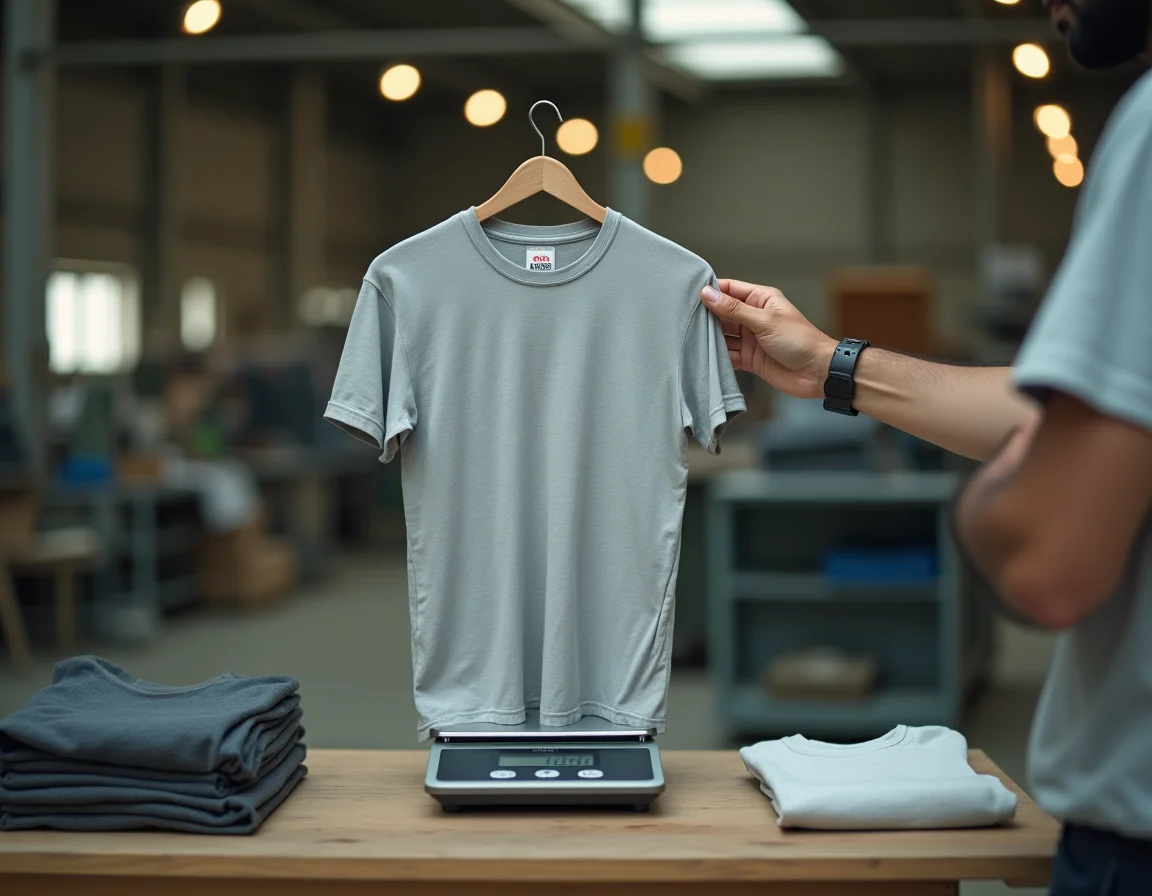
GSM stands for Grams per Square Meter — it's a measurement of fabric weight and density. A higher GSM means more cotton fibers packed into the same area, resulting in a heavier, denser, and thicker fabric.
At Sale91.com, we manufacture plain t-shirts in multiple GSM options:
- 180 GSM: Lightweight, breathable, perfect for everyday wear and hot climates
- 200 GSM: Medium weight, balanced feel, versatile for most seasons
- 210 GSM: Slightly heavier than 200, good middle-ground option
- 220 GSM: Premium heavyweight, luxurious feel, best for cooler weather
All our t-shirts use ring-spun combed cotton — a premium yarn type that's softer and more durable than regular cotton. They're also bio-washed (enzyme-treated for that smooth, soft finish) and pre-shrunk (so they maintain size after washing).
How GSM Affects Customer Experience
Here's what many printing businesses miss: GSM isn't just about quality — it's about seasonal comfort.
180 GSM t-shirts:
- Lighter on the body, doesn't cling or stick in heat
- More breathable — allows air circulation even in high temperatures
- Dries faster after washing or sweating
- Feels "crisp" and comfortable in hot, humid conditions
- Perfect for Indian summers where temperatures hit 40°C+
220 GSM t-shirts:
- Heavier, premium feel — customers notice the quality immediately
- More structured drape, hangs better on the body
- Provides better coverage, doesn't show body shape as much
- Feels warmer — great for layering in cooler months
- Superior for printing — thicker fabric shows designs beautifully
Neither is "better" — they serve different purposes and different seasons. The key is matching the right GSM to the right time of year and customer need.
The Seasonal Demand Pattern: Real Data from Tiruppur
As a manufacturer based in Tiruppur — India's textile capital — we produce and supply over 1,25,232 pieces every month to custom printing businesses across India. This gives us unique visibility into seasonal demand patterns.
Summer Season (April to August): 180 GSM Dominates
During the peak summer months, our data shows a clear pattern:
- 180 GSM demand increases by approximately 70% compared to 220 GSM
- Most repeat customers specifically request "lightweight" or "summer stock"
- End consumer feedback consistently mentions breathability and comfort
- Return rates are significantly lower for 180 GSM in summer months
- Reorder frequency is higher — customers come back faster when 180 GSM sells well
The reason is simple: Indian summers are brutal. From Delhi to Chennai, Mumbai to Kolkata, temperatures soar above 35-40°C with high humidity. In these conditions, customers don't want thick, heavy fabric against their skin — no matter how "premium" it feels.
Winter Season (October to February): 220 GSM Makes a Comeback
Once the temperature drops post-monsoon, the trend reverses:
- 220 GSM sales pick up significantly from October onwards
- Customers seek "heavyweight" and "premium quality" options
- Layering becomes common — people want that substantial feel
- Gift purchases increase (wedding season, festivals) — heavier GSM perceived as more premium
- Export orders for cooler countries peak during this period
Winter is when that premium heavyweight feel actually adds value. The extra warmth is welcome, and customers are willing to pay a slight premium for the 220 GSM quality.
Transition Seasons: The 200 GSM Sweet Spot
March and September — the transition months — are interesting. This is when 200 GSM becomes your best friend. It's heavy enough to feel premium but light enough to stay comfortable. Many smart businesses use 200 GSM as their "year-round staple" and adjust the proportion of 180 and 220 based on seasonal forecasts.
Printing Considerations: How GSM Affects Your Print Quality
Beyond seasonal comfort, GSM also affects your printing results. And if you're running a printing business, this is crucial information.
DTG (Direct-to-Garment) Printing
On light colors: 180 GSM works beautifully. The fabric is dense enough to absorb ink properly, and the lighter weight means faster drying times. Your prints will be sharp and vibrant.
On dark colors: Here's where you need to be careful. 180 GSM can sometimes show ink bleed-through, especially with heavy ink coverage. The fabric is thinner, so aggressive pre-treatment and heavy white ink can saturate through to the back.
Recommendation: For dark-colored DTG printing, use minimum 200 GSM. It gives you that extra fabric density to prevent bleed-through while maintaining good print quality.
Screen Printing
Screen printing works well on both 180 and 220 GSM, but there are nuances:
- 180 GSM: Excellent for single-color or simple designs. The fabric is smooth and accepts ink evenly. Great for large volume orders where cost efficiency matters.
- 220 GSM: Better for multi-color, detailed designs. The thicker fabric provides a better "canvas" for complex artwork. Also handles high-density prints (3D puff, gel prints) much better.
DTF (Direct-to-Film) and Heat Transfer
Both methods work well across all GSM ranges since the print sits on top of the fabric rather than penetrating it. However:
- 220 GSM gives better durability for heat transfers — less curling or peeling
- 180 GSM requires slightly gentler pressing to avoid fabric shine
- For both, proper adhesion is more important than GSM choice
Practical Inventory Strategy for Summer: Avoid the 600-Piece Trap
So how do you avoid the situation our Mumbai customer faced? Here's a practical inventory strategy based on years of working with successful printing businesses:
For Summer Months (April-August)
Primary Stock (60-70%): 180 GSM in popular colors (white, black, navy, grey, red). This should be your workhorse. High turnover, consistent demand, minimal complaints.
Secondary Stock (20-30%): 200 GSM for customers who want something slightly more premium but still summer-appropriate. Also serves as backup for dark-color printing.
Limited Stock (10%): 220 GSM in basic colors only (black, white). Keep this minimal — only for specific customer requests or export orders to cooler countries.
For Winter Months (November-February)
Primary Stock (50%): 220 GSM — now this becomes your hero product. Premium positioning, better margins, strong demand.
Secondary Stock (30%): 200 GSM for budget-conscious customers and bulk corporate orders.
Backup Stock (20%): 180 GSM for South India markets and export orders to tropical countries.
For Transition Months (March, September-October)
Balanced Approach: 40% 180 GSM, 40% 200 GSM, 20% 220 GSM. Watch the weather forecast and customer inquiries closely. Adjust weekly if needed.
Pro Tip from Tiruppur: Don't try to clear old heavy GSM stock by "pushing" it in summer. Customer dissatisfaction will cost you more in the long run than taking a small margin hit. Offer reasonable discounts to clear winter stock before April, and start fresh with appropriate seasonal inventory.
Color Selection Matters Too
While we're talking seasonal strategy, let's not forget color selection — it interacts with GSM choice:
Summer colors in 180 GSM:
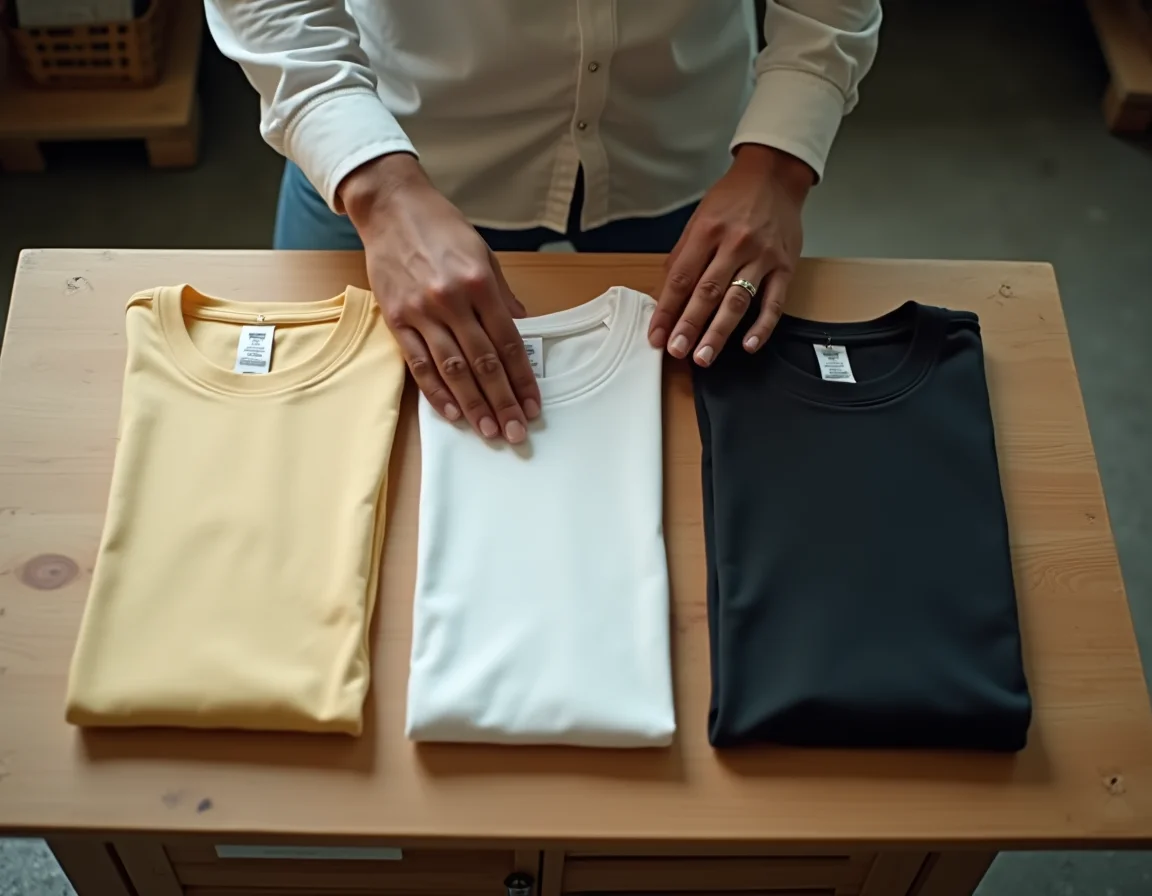
- White, light grey, sky blue, mint green, pastel yellow — these sell like crazy
- Light colors + light fabric = maximum summer comfort
- Perfect for vacation prints, beach themes, summer events
Dark colors need higher GSM:
- Black, navy, maroon in 180 GSM can show sweat marks and require more careful printing
- Consider 200 GSM minimum for dark summer colors
- 220 GSM in black is actually popular year-round for its premium look
At Sale91.com, we offer 15+ colors across all GSM ranges, giving you flexibility to create the perfect seasonal mix.
Pricing and Profitability: The GSM Economics
Let's talk numbers — because at the end of the day, your business needs to be profitable.
Base Pricing
220 GSM costs slightly more than 180 GSM due to higher cotton content. However, the price difference is usually ₹10-20 per piece at wholesale rates. This small difference can impact your margins significantly at scale.
Sale91.com Offers
We make bulk buying economical:
- ₹2/pc discount on orders of 500+ quantity
- ₹3/pc online purchase discount for any quantity
- 50% COD available on first order for new buyers (+3% COD charge)
- From second order onwards: prepaid for better pricing
Margin Strategy
180 GSM in summer: Higher velocity, lower margins, but excellent cash flow. You're selling fast, reordering frequently, and keeping capital moving.
220 GSM in winter: Lower velocity, higher margins, premium positioning. You can charge more, and customers perceive greater value.
The mistake: Trying to push 220 GSM in summer at premium prices. It doesn't work. Customers will simply buy elsewhere.
Minimum Order Quantities and Ready Stock
One concern we often hear: "What if I need to test a new GSM before committing to 500+ pieces?"
Good news — we maintain 1 lakh+ t-shirts in ready stock at any time, with MOQ as low as 10 pieces for ready stock items. This means:
- You can test 180 vs 220 with small trial orders
- No need to block capital in untested inventory
- Quick fulfillment from our Delhi warehouse (Khanpur, South Delhi)
- Scale up once you understand your market's preference
This flexibility is especially valuable during transition seasons when demand patterns shift.
Special Considerations for Export Orders
If you're exporting printed t-shirts or blank inventory to other countries, GSM selection depends entirely on the destination climate:
- Tropical countries (Southeast Asia, Middle East, Africa): 180 GSM year-round
- Temperate countries (Europe, US): 200-220 GSM, adjust by season in destination country
- Cold countries (Nordic region, Canada): 220 GSM preferred
We handle exports via courier or sea transport, and can guide you on bulk packaging for international shipping.
Watch the Video: Real Customer Story
Want to hear this story directly from our manufacturing floor? Watch this short video where we discuss the exact case and show you the physical difference between 180 and 220 GSM t-shirts:
Frequently Asked Questions
More Articles You'll Find Useful



Final Takeaway: Stock Smart, Sell Smart
The 600-piece tragedy could have been avoided with simple seasonal planning. Here's the core lesson:
- April to August: Stock 60-70% of inventory in 180 GSM. Light, breathable, fast-moving.
- October to February: Shift to 220 GSM for premium positioning and winter demand.
- Year-round: Keep 200 GSM as your reliable middle option, especially for dark-color printing.
- Test first: Use small orders to understand your specific customer base before committing to large inventory.
- Watch the data: Track what sells and what sits. Adjust monthly, not just seasonally.
Remember, there's no "best" GSM — only the right GSM for the right season and the right customer. Both 180 and 220 are excellent quality when made with proper yarn and finishing (ring-spun, combed, bio-washed, pre-shrunk). The difference is in application, not quality.
Ready to Order the Right GSM for Your Business?
We manufacture and stock over 1 lakh+ t-shirts in 180, 200, 210, and 220 GSM. All 100% cotton, bio-washed, pre-shrunk, ready for printing.
New buyers: Start with just 10 pieces to test quality
Bulk orders: Get ₹2-3/pc discount on 500+ quantity
Manufacturing in Tiruppur. Warehouse in Delhi. Shipping PAN India + Export worldwide.
Order Now on Sale91.com