40 Returns in 1 Week! DTG on Polyester in Summer? Cotton vs Polyester Guide for Printing Business
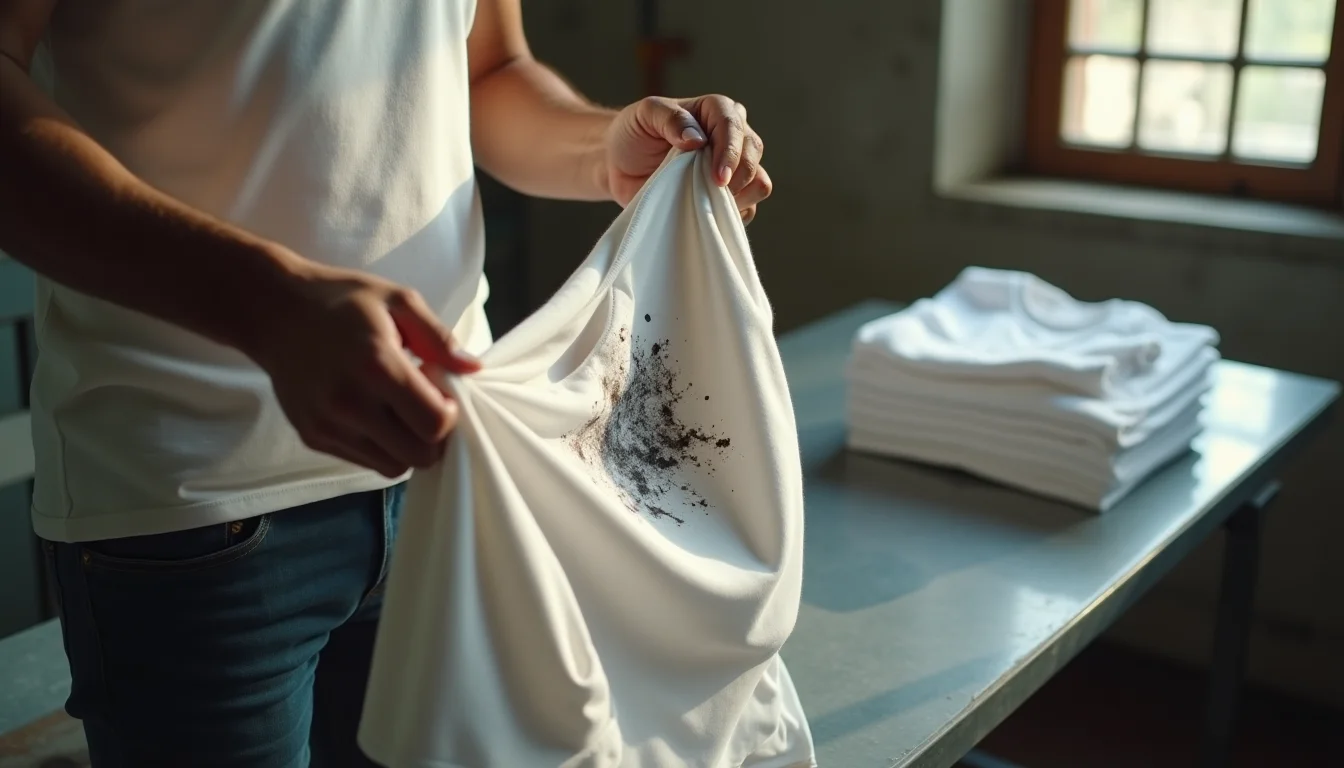
Imagine investing in 300 t-shirts for your DTG printing business, completing all the orders, delivering them to happy customers, and then within just one week—40 pieces come back as returns. Not because the design was bad, not because of sizing issues, but because the fabric choice was fundamentally wrong for the Indian summer. This isn't a hypothetical scenario—it's a real case that highlights one of the most critical decisions in the printing business: Cotton vs Polyester.
If you're running a custom t-shirt printing business in India—whether it's DTG (Direct to Garment), DTF (Direct to Film), screen printing, or heat transfer—understanding fabric science isn't optional anymore. It's the difference between repeat customers and costly returns. In this comprehensive guide, we'll break down exactly why cotton outperforms polyester for summer printing businesses, backed by real textile chemistry and business insights from Tiruppur, India's textile manufacturing hub.
The Real Story: Why 40 Polyester T-Shirts Came Back
Let's start with the case study that inspired this article. A printing business owner ordered 300 polyester blend t-shirts, thinking they'd be cheaper and easier to work with for DTG printing. The prints looked fantastic when they left the workshop. But within a week of delivery, over 40 pieces were returned with identical complaints:
- Print bubbling and lifting: The ink was literally separating from the fabric surface
- Cracking after first wash: Customers reported visible cracks in the design
- Discomfort in summer heat: The fabric felt sticky and didn't breathe
- Visible fabric puckering: Heat from ironing caused the fabric to shrink unevenly around the print
The total loss? Over ₹25,000 in materials, printing costs, and reputation damage. And the root cause? A fundamental misunderstanding of how polyester behaves under heat—both during printing and in real-world summer usage.
Understanding Fabric Science: Why Cotton and Polyester React Differently to Heat
Cotton's Fiber Structure: Natural Porosity
Cotton is a natural cellulose fiber with a unique structure. Under microscopic examination, cotton fibers appear like hollow tubes with a porous surface. This natural porosity is exactly what makes cotton exceptional for printing:
- Ink absorption: Water-based inks (used in DTG) penetrate deep into the cotton fibers, creating a mechanical bond
- Heat stability: Cotton's cellulose structure remains stable up to 150°C, well above normal ironing or sunlight temperatures
- Moisture management: The hollow fiber structure absorbs sweat and allows it to evaporate, keeping the wearer comfortable
- Print longevity: Because ink becomes part of the fiber rather than sitting on top, prints last 50+ washes on quality cotton
Polyester's Synthetic Problem: Heat Sensitivity
Polyester is a petroleum-based synthetic polymer. While it has advantages in certain applications, it creates serious problems for summer printing businesses:
- Non-porous surface: Polyester fibers are smooth and non-absorbent, so ink sits on the surface rather than penetrating
- Heat reactivity: Polyester begins to soften at around 70°C and can shrink or deform under heat
- Differential expansion: When exposed to heat (sunlight, ironing), polyester and the ink layer expand at different rates, causing bubbling and separation
- Hydrophobic nature: Polyester repels water, meaning it doesn't absorb sweat—a disaster for Indian summers

The Summer Factor: Why This Problem Gets Worse in Garmi
India's summer months (April to July) bring unique challenges that amplify the cotton vs polyester divide. Here's why summer specifically makes polyester a risky choice:
Heat and Humidity Double-Whammy
During peak summer, temperatures in most Indian cities hover between 35-45°C. Add humidity, and the real-feel temperature can exceed 50°C. Here's what happens:
When a customer wears a polyester t-shirt in this heat, their body temperature rises. Polyester doesn't breathe, so sweat accumulates on the skin. The fabric itself heats up under direct sunlight, causing the polyester fibers to expand slightly. If there's a DTG print on top, the ink layer restricts this expansion, leading to stress points that manifest as bubbling or cracking.
The Ironing Problem
Most Indian households still prefer ironed clothes. When a customer irons a polyester blend t-shirt with DTG print:
- The iron temperature (typically 150-180°C) exceeds polyester's heat tolerance
- The polyester fibers shrink while the ink layer doesn't, causing visible puckering
- Repeated ironing accelerates print deterioration, reducing the lifespan to just 15-20 washes compared to 50+ on cotton
Customer Comfort = Customer Retention
Even if the print survives, polyester's lack of breathability creates another problem: discomfort. In summer, customers quickly realize that their polyester t-shirt feels sticky, traps heat, and doesn't handle sweat well. This leads to:
- Lower wear frequency (they leave it in the wardrobe)
- Negative reviews and word-of-mouth
- Returns and refund requests
- Lost repeat business
The GSM Factor: Why 200 GSM Cotton is the Sweet Spot
GSM (grams per square meter) indicates fabric density. For summer printing in India, 200 GSM cotton emerges as the ideal choice. Here's why:
180 GSM: Too Light
While 180 GSM is cheaper, it has drawbacks for printing:
- The fabric is thin, making prints more visible from the back (show-through)
- Less fabric density means less ink absorption capacity
- The t-shirt feels flimsy, reducing perceived value
200 GSM: The Goldilocks Zone
200 GSM offers the perfect balance:
- Sufficient fabric density for excellent ink absorption without bleed-through
- Premium feel that customers appreciate without being too heavy for summer
- Durability to handle 50+ washes while maintaining print quality
- Breathability that keeps the wearer comfortable in heat
220 GSM: Premium but Heavy
220 GSM is excellent for winter or premium collections, but for summer:
- The extra weight can feel hot in extreme temperatures
- Higher cost per piece affects your margin or pricing
- Best reserved for cooler months or high-end collections
Printing Technology Breakdown: Cotton vs Polyester Performance
DTG (Direct to Garment) Printing
On 100% Cotton:
- Water-based inks penetrate fiber structure perfectly
- Vibrant colors with excellent washfastness (50+ washes)
- Soft hand-feel—you can barely feel the print after curing
- No special pretreatment issues on quality combed cotton
On Polyester:
- Requires heavy pretreatment to create ink adhesion
- Print sits on surface, creating a "plastic" feel
- Prone to cracking within 15-20 washes
- Heat from curing can cause fabric puckering
- Not recommended for summer business
DTF (Direct to Film) Printing
On 100% Cotton:
- Good adhesion when properly heat-pressed
- Works well on both light and dark cotton
- Durable through multiple wash cycles
- Cotton's stability prevents post-transfer distortion
On Polyester:
- Better than DTG but still problematic in summer heat
- Risk of dye migration (polyester dyes bleeding into white ink)
- Heat press temperature must be carefully controlled
- Can work for small runs but not ideal for bulk summer stock
Screen Printing
On 100% Cotton:
- Excellent ink adhesion with plastisol or water-based inks
- Sharp, vibrant prints that last hundreds of washes
- Cost-effective for bulk orders
- Industry standard for a reason
On Polyester:
- Requires special low-cure inks to avoid fabric damage
- Still susceptible to summer heat issues
- Okay for promotional merchandise, not ideal for retail quality

The Bio-Wash Advantage: Why It Matters for Print Quality
When sourcing blank t-shirts for printing, you'll often see "bio-washed" mentioned. This isn't just marketing—it's a crucial quality factor:
What is Bio-Washing?
Bio-washing is an enzyme treatment process where the fabric is washed with cellulase enzymes. These enzymes gently remove surface fibers and impurities, resulting in:
- Smoother surface texture: Eliminating fiber fuzz creates a cleaner surface for ink adhesion
- Uniform ink absorption: The treated surface ensures consistent ink penetration across the entire print area
- Softer hand-feel: Customers immediately notice the premium quality
- Reduced pilling: The fabric maintains its appearance through multiple washes
- Pre-shrinking effect: Bio-washed cotton has already undergone controlled shrinkage, preventing post-wash size changes
Real-World Business Math: Cotton vs Polyester Cost Analysis
Many printing businesses initially gravitate toward polyester because of lower upfront costs. But let's do the real math:
Scenario: 300 T-Shirt Order for Summer Retail
Polyester Blend Option:
- Cost per blank: ₹120
- Printing cost (DTG): ₹60
- Total cost per piece: ₹180
- Selling price: ₹399
- Gross margin per piece: ₹219
- Returns (13% based on real case): 40 pieces
- Refund cost: 40 × ₹399 = ₹15,960
- Lost investment: 40 × ₹180 = ₹7,200
- Total loss: ₹23,160
- Net margin after returns: 260 × ₹219 = ₹56,940 - ₹23,160 = ₹33,780
200 GSM Cotton Option (from Sale91.com):
- Cost per blank: ₹145 (with ₹3/pc online discount)
- Printing cost (DTG): ₹60
- Total cost per piece: ₹205
- Selling price: ₹449 (premium positioning)
- Gross margin per piece: ₹244
- Returns (2% - normal industry rate): 6 pieces
- Refund cost: 6 × ₹449 = ₹2,694
- Lost investment: 6 × ₹205 = ₹1,230
- Total loss: ₹3,924
- Net margin after returns: 294 × ₹244 = ₹71,736 - ₹3,924 = ₹67,812
Result: By choosing quality cotton, you earn ₹34,032 MORE profit (₹67,812 vs ₹33,780) on the same 300-piece order. Plus, you build reputation, get repeat customers, and avoid negative reviews.
Sourcing Quality Cotton Blanks: What to Look For
Now that we've established cotton as the clear winner for summer printing, here's how to source the right blanks:
Essential Quality Checklist:
- 100% Cotton Composition: No blends, no compromises—especially for DTG printing
- Ring-Spun Combed Cotton: Softer, stronger, and better for printing than open-end cotton
- Bio-Washed Finish: For smooth surface and superior ink adhesion
- Pre-Shrunk: Ensures size consistency after customer washes
- 200 GSM for Summer: The perfect balance of quality and comfort
- Manufacturer, Not Trader: Direct manufacturing ensures quality control and better pricing
- Ready Stock Availability: For printing businesses, fast turnaround is crucial
Why Sale91.com Checks All These Boxes
This isn't just a sales pitch—it's about understanding the supply chain. Sale91.com operates differently from typical wholesalers:
- We knit our own fabric in-house at our Tiruppur facility, controlling quality from yarn to finished garment
- 1,25,232+ pieces sold in last 30 days to printing businesses across India—this volume speaks to trust
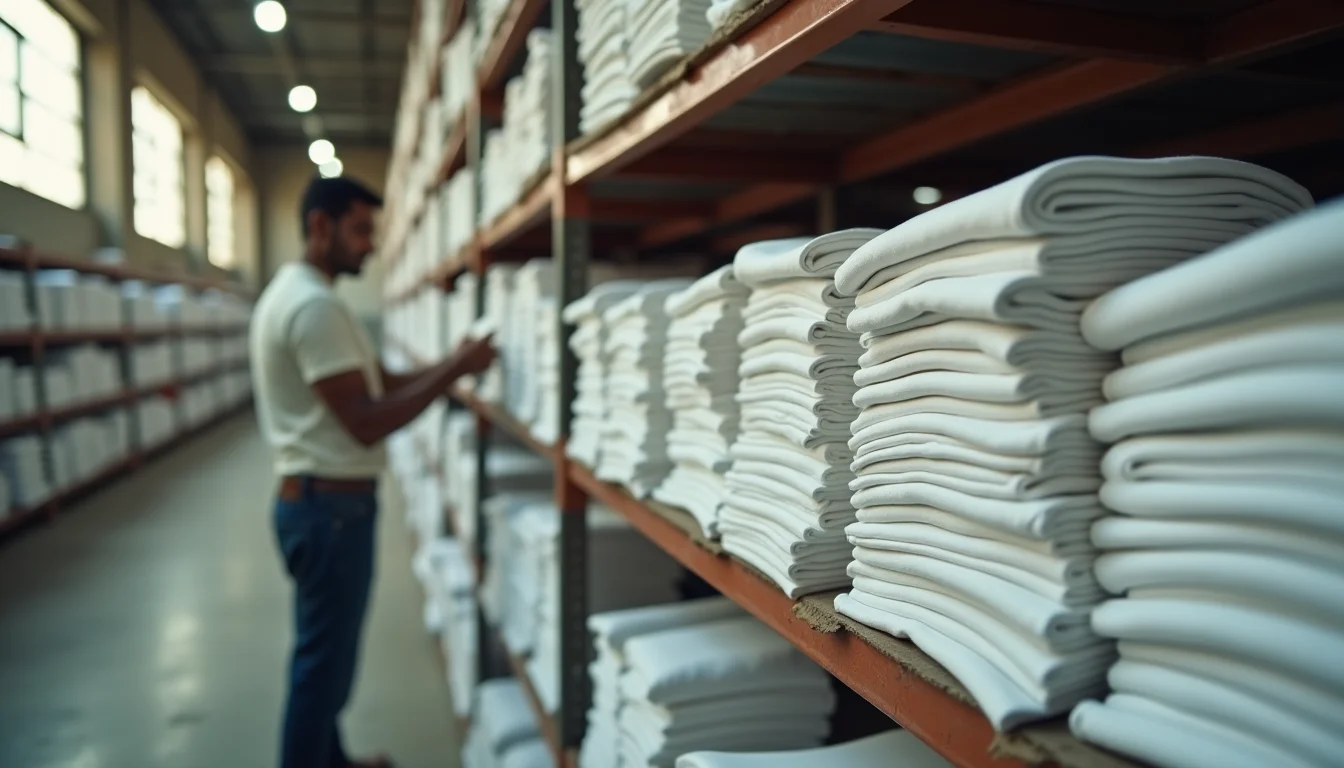
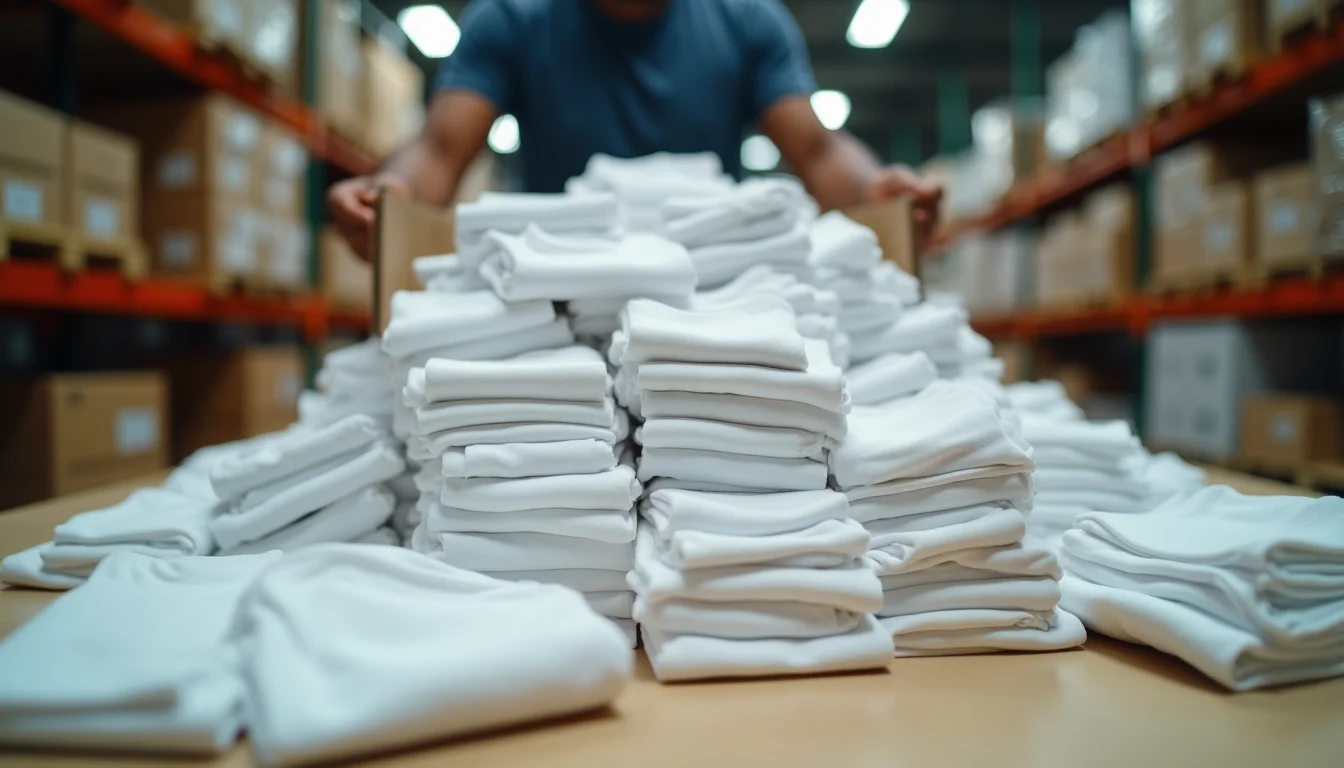
- 1 lakh+ pieces in ready stock at our Delhi warehouse, ensuring you never wait
- MOQ as low as 10 pieces for sampling or testing new designs
- ₹3/pc online discount on all quantities, making premium cotton accessible
- Available in 15+ colors for diverse design needs
You can browse the complete range at BulkPlainTshirt.com catalog.
Watch the Video: See the Difference Yourself
Want to see the real-world impact of choosing cotton over polyester for summer printing? Watch our detailed breakdown video below:
Frequently Asked Questions (FAQ)
More Articles


Ready to Build Your Summer Stock with Quality Cotton?
Don't make the costly mistake of choosing polyester for your summer printing business. Source 100% ring-spun combed cotton, bio-washed and pre-shrunk, directly from India's textile hub.
✓ 1 lakh+ pieces ready stock
✓ MOQ just 10 pieces
✓ ₹3/pc online discount
✓ 200 GSM premium quality
✓ Manufacturer direct pricing
Final Thoughts: Build Your Business on the Right Foundation
The choice between cotton and polyester isn't just about fabric—it's about building a sustainable, profitable printing business with repeat customers and minimal returns. Summer in India is unforgiving to poor fabric choices, and your customers will remember whether your t-shirts were comfortable or disappointing.
By choosing 100% ring-spun combed cotton at 200 GSM, bio-washed and pre-shrunk, you're not spending more—you're investing in:
- Superior print quality and longevity (50+ washes vs 15-20)
- Customer comfort and satisfaction in summer heat
- Lower return rates (2% vs 13%+)
- Premium positioning and better margins
- Repeat customers and positive word-of-mouth
The case of 40 returned polyester t-shirts in one week is a cautionary tale, but it doesn't have to be your story. Source smart, choose quality, and build your printing business on the solid foundation of Tiruppur-quality cotton from Sale91.com.
Have questions about GSM selection, color availability, or bulk pricing? The Sale91.com team is just a call or message away, ready to help you make the right choices for your printing business success.