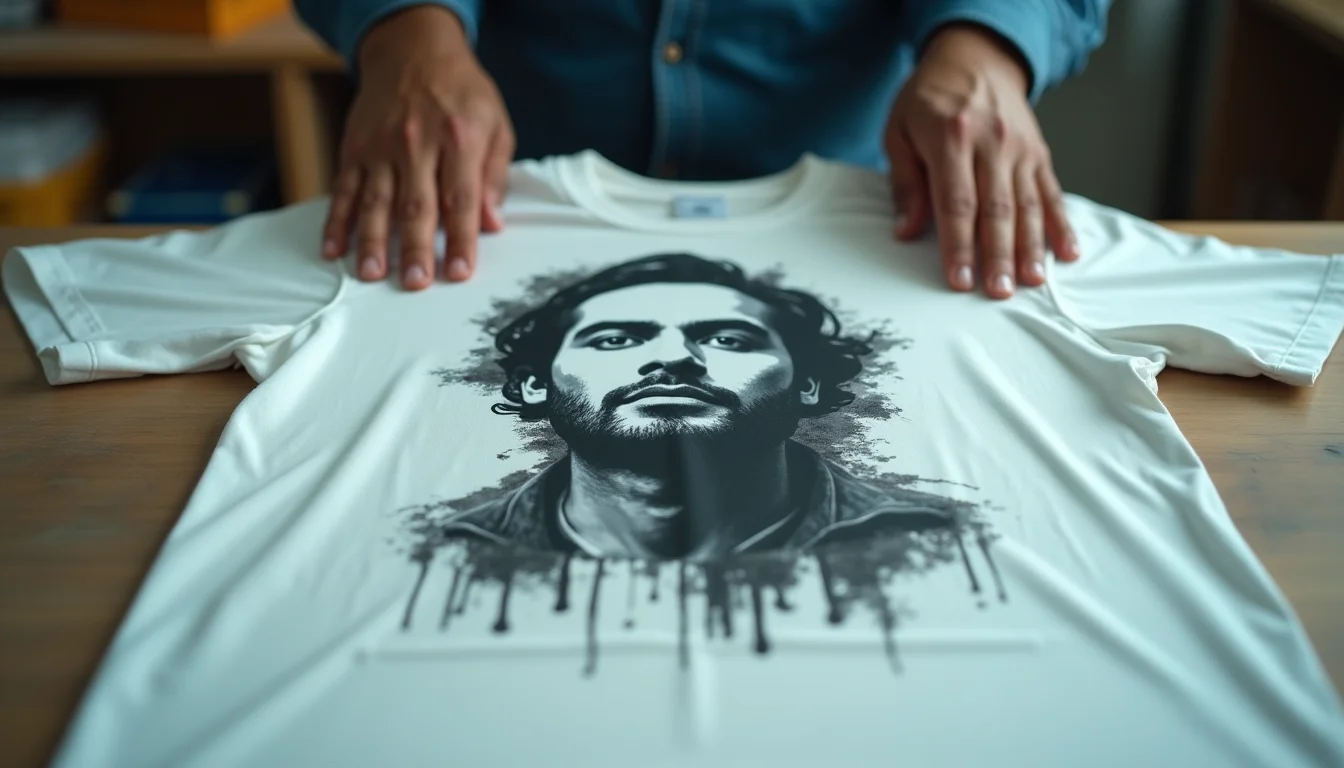
Stop Using 180 GSM for Printing — Here's Proof
If you run a t-shirt printing business in India, you've probably faced this situation at least once: a customer calls back saying the print looks fine, but something feels off. The fabric seems to show through the design. The t-shirt doesn't feel as premium as they expected. And when you ask what GSM they used, the answer is almost always the same — 180.
This is one of the most common mistakes in the custom printing industry, and it's costing businesses their reputation and repeat orders. The truth is, when you're choosing between 180 GSM and 220 GSM plain t-shirts, the real difference doesn't show up when the shirt is blank. It shows up after you print on it, and especially after the first few washes.
In this detailed guide, we'll break down exactly why GSM matters for printing, how it affects your final product quality, and which fabric weight you should choose based on your business model and target audience.
What Is GSM and Why Does It Matter for Printing?
GSM stands for "Grams per Square Meter" — it's a unit of measurement that indicates the weight and density of fabric. In the context of plain t-shirts used for custom printing, GSM directly impacts the thickness, durability, opacity, and overall feel of the garment.
When you hold a plain 180 GSM t-shirt next to a 220 GSM one, they might not look drastically different. One feels slightly thinner, the other slightly thicker. But that minor difference becomes a major quality issue once you add printing to the equation.
Common GSM Options in the Indian Market
- 180 GSM: Lightweight, breathable, suitable for everyday wear and promotional tees
- 200 GSM: Medium weight, balanced feel, good for semi-premium brands
- 210 GSM: Slightly heavier, premium touch, great for retail brands
- 220 GSM: Heavy premium, best opacity and print surface, ideal for high-end fashion and brand merchandise
At Sale91.com, we manufacture all these variants in-house at our Tiruppur facility, ensuring consistent quality across every GSM range. Our fabric is 100% ring-spun combed cotton, bio-washed, and pre-shrunk — which means it's ready for printing right out of the box.
The Real Problem: What Happens When You Print on 180 GSM
Let's get into the technical reality. When you print a design — whether it's DTG (Direct to Garment), screen printing, DTF (Direct to Film), or heat transfer vinyl — you're essentially laying a layer of ink or vinyl on top of the fabric surface.
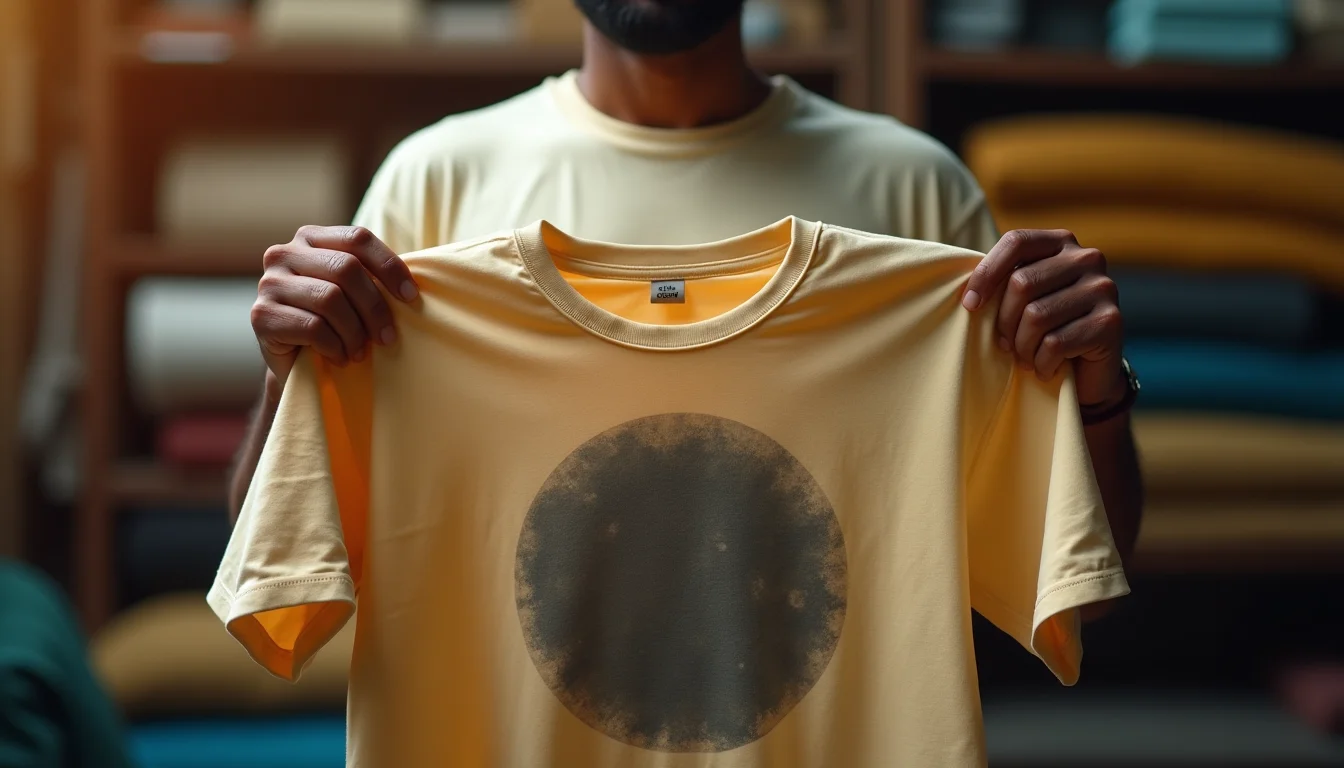
Issue #1: Fabric Shows Through the Print
With 180 GSM fabric, the material is thinner and less dense. When you apply a heavy or dark-colored design — especially on light-colored shirts — the fabric texture underneath becomes visible through the print. This is most noticeable in:
- Dark graphics on white or pastel t-shirts
- DTG prints with solid color blocks
- Large print areas covering the chest or back
The result? Your print doesn't look opaque. It looks semi-transparent, and the customer can see the fabric weave underneath. This gives a cheap, unfinished appearance that hurts your brand image.
Issue #2: Ink Layer Feels Dominant After Washing
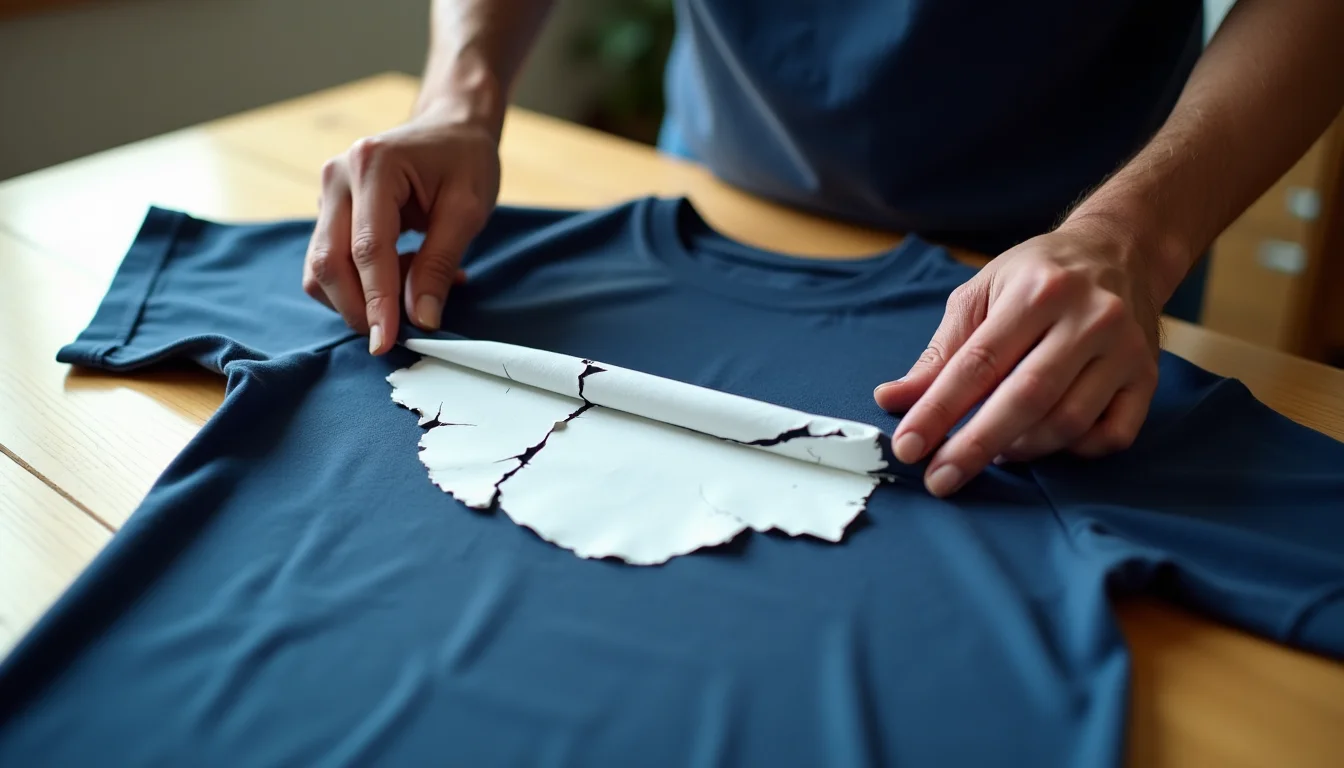
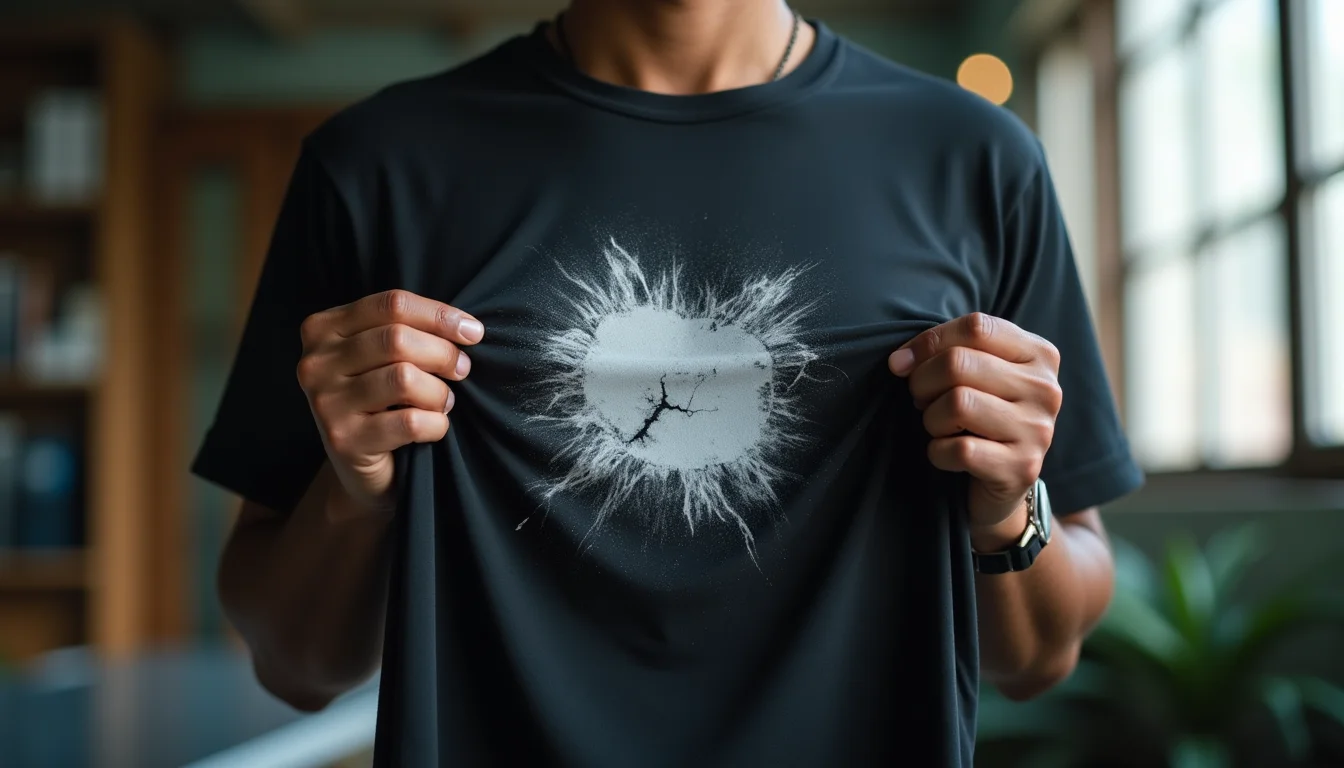
Here's something most printing businesses discover too late: the feel of a printed t-shirt changes after the first wash. On a 180 GSM shirt, because the fabric is thin, the ink layer becomes the dominant texture. The shirt starts feeling stiff or rough where the print is, especially with screen printing or DTF.
On a 220 GSM shirt, the fabric has enough density and body to balance the ink layer. Even after multiple washes, the shirt maintains a smooth, comfortable hand feel. The customer doesn't feel like they're wearing a "printed" t-shirt — they feel like they're wearing a quality garment with a design on it.
Issue #3: Durability and Wash Performance
Thinner fabrics are more prone to pilling, stretching, and general wear and tear. When you add the stress of ink curing, heat pressing, and repeated washing, a 180 GSM t-shirt simply doesn't hold up as well as a 220 GSM one. Customers notice this, and it directly affects repeat orders and word-of-mouth referrals.
When Should You Use 180 GSM?
Now, let's be fair — 180 GSM isn't bad for every use case. It has its place in the market, and when used correctly, it can be a cost-effective option. Here's when 180 GSM makes sense:
- Promotional t-shirts: Event giveaways, political campaigns, one-time use merchandise
- Budget-conscious clients: Schools, NGOs, or bulk orders where price is the primary concern
- Hot climate retail: Ultra-breathable shirts for summer wear in coastal or tropical regions
- Simple, light designs: Small logo prints, single-color text, minimal graphics
If your customer expects a t-shirt they'll wear once or twice and isn't focused on premium quality, 180 GSM can work. But if you're building a brand, selling online, or targeting retail customers who care about quality, you need to go higher.
Why 220 GSM Is the Gold Standard for Premium Printing
When you move up to 220 GSM, you're entering premium territory. Here's why this fabric weight is preferred by successful printing businesses and high-end clothing brands across India:
Superior Print Opacity
The higher fabric density means your prints sit cleanly on top of the material. Dark designs on light shirts look bold and vibrant. There's no see-through effect, no visible fabric texture underneath — just crisp, professional-looking graphics.
Balanced Hand Feel
Even with heavy ink coverage, a 220 GSM t-shirt maintains a soft, comfortable feel. The fabric has enough substance to support the print without feeling stiff. This is crucial for DTG printing, where you want the shirt to feel like a retail-quality product, not a printed promotional item.
Better Durability
Thicker fabric means better resistance to stretching, fading, and general wear. Your customers will notice that their t-shirt looks and feels new even after 10-15 washes. This builds trust and encourages repeat purchases.
Premium Brand Positioning
If you want to charge ₹800-₹1500 per t-shirt instead of ₹300-₹500, you need to deliver a product that feels premium. GSM is one of the most tangible quality indicators. When a customer holds a 220 GSM shirt, they immediately recognize the difference.
The Middle Ground: 200 GSM and 210 GSM
If 220 GSM is outside your budget or you want a balance between cost and quality, consider 200 GSM or 210 GSM. These are excellent middle-ground options that work well for:
- Mid-range retail brands
- Online clothing stores with competitive pricing
- Custom merchandise for corporate clients
- Fashion startups testing the market
At BulkPlainTshirt.com, we maintain ready stock of all GSM variants in 15+ colors, so you can mix and match based on your order requirements and budget.
Choosing the Right GSM Based on Printing Technique
Different printing methods interact with fabric differently. Here's a quick guide:
DTG (Direct to Garment) Printing
Recommended: 200 GSM or higher
DTG prints work best on medium to heavy fabrics. The ink needs a stable, dense surface to cure properly. On 180 GSM, DTG prints can look washed out and feel rough after laundering.
Screen Printing
Recommended: 180-220 GSM (depends on design)
Screen printing can work on lighter fabrics for simple designs. But for multi-color or large prints, go with 200+ GSM to prevent the fabric from puckering or showing through.
DTF (Direct to Film) Printing
Recommended: 200 GSM or higher
DTF transfers add a noticeable layer on the fabric. Using 220 GSM ensures the shirt doesn't feel too stiff or plastic-like after application.
Heat Transfer Vinyl (HTV)
Recommended: 180-200 GSM
HTV works well on lighter fabrics since the vinyl itself adds thickness. But for professional results, 200 GSM gives better durability and wash resistance.
Real-World Example: A Customer's Costly Mistake
A few months ago, a printing business owner from Mumbai called our team. He had received a bulk order for 500 custom t-shirts for a corporate client. To save costs, he used 180 GSM fabric. The printing came out fine, the colors looked good, and he delivered on time.
Two weeks later, the client called back. After the first wash, the t-shirts felt rough, the prints looked faded, and the fabric showed visible pilling. The client refused to place future orders and asked for a partial refund. The business owner lost not just money, but also a potentially long-term corporate account.
He then ordered samples from Sale91.com — one set in 180 GSM and one in 220 GSM. He printed the same design on both, washed them three times, and compared. The difference was night and day. He's now a regular customer and only orders 200 GSM or higher for all his premium clients.
Pro Tip: Always order printed samples in different GSM weights before committing to bulk orders. The small upfront cost of sampling can save you lakhs in refunds, returns, and lost customers.
Pricing and Bulk Order Benefits at Sale91.com
We understand that GSM choice is often a trade-off between quality and cost. That's why we offer transparent, competitive pricing with bulk discounts:
- ₹2/piece discount on orders of 500+ quantity
- ₹3/piece online purchase discount for any quantity
- 50% COD available on first orders for new buyers (with 3% COD charge)
- Prepaid benefits from second order onwards for better pricing
We maintain 1 lakh+ t-shirts in ready stock at all times across all GSM ranges. Whether you need 10 pieces for sampling or 10,000 pieces for a large retail order, we can fulfill your requirement with fast dispatch from our Delhi warehouse.
Watch the Video
Want to see the real difference between 180 GSM and 220 GSM in action? Watch this quick video where we show you exactly what happens after printing and washing:
Frequently Asked Questions (FAQ)
Ready to Order Premium Quality Plain T-Shirts?
Get bulk plain t-shirts in 180, 200, 210, and 220 GSM — all manufactured in-house with 100% ring-spun combed cotton, bio-washed and pre-shrunk. Perfect for DTG, screen printing, DTF, and all custom printing techniques.
1,25,232+ pieces sold in the last 30 days
1 lakh+ t-shirts in ready stock
Order Now at Sale91.comFinal Thoughts: Don't Let GSM Ruin Your Printing Business
The difference between 180 GSM and 220 GSM might seem minor when you're holding blank t-shirts. But once you print on them, wash them, and put them in your customer's hands, that difference becomes the deciding factor between a one-time buyer and a loyal brand advocate.
If you're serious about building a printing business that lasts — whether you're doing DTG, screen printing, DTF, or heat transfers — invest in the right fabric. Use 180 GSM for promotional giveaways if you must, but for anything that represents your brand or goes to retail customers, stick with 200 GSM or higher.
At Sale91.com, we've been manufacturing plain t-shirts in Tiruppur for years. We've seen thousands of printing businesses grow by making smart fabric choices. We're here to help you do the same. Order samples, test them with your printing setup, and see the difference yourself.
Because in this business, print ke baad hi sab dikhta hai.