500 Pieces Without Sample? This GSM Mistake Cost Him Lakhs
In the competitive world of t-shirt printing businesses, every rupee counts. When bulk discounts are on the table, it's tempting to jump straight to a 500-piece order to maximize savings. But one printing business owner learned the hard way that skipping the sampling stage can cost you far more than the discount you're chasing.
This is a real story that every custom printing business owner, whether you're running DTG printing, DTF transfers, screen printing, or heat transfer operations, needs to hear. It's about a customer who placed a bulk order of 500 pieces directly with a manufacturer, bypassing the critical sampling step—and the expensive lesson that followed.
The Story: 500 Pieces Straight to Disaster
Let me share what happened. A printing business owner contacted a t-shirt supplier and inquired about 200 GSM white round neck t-shirts. He was planning to use DTF printing for his client orders and needed quality blanks to work with.
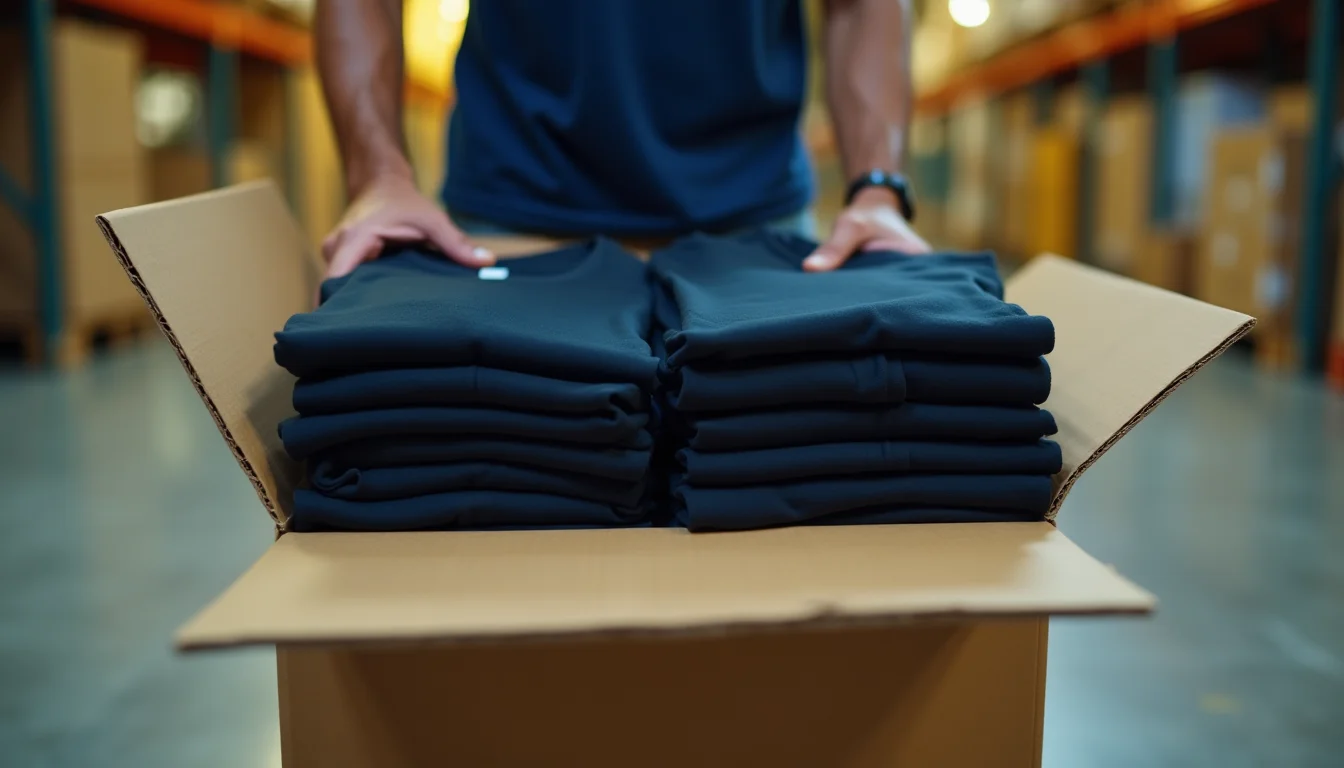
When he learned about the bulk discount—Rs 2-3 per piece cheaper on orders of 500+ pieces—he made a decision that seemed logical at the time: "Why bother with samples when I'm getting a better rate on bulk?" He placed an order for 500 pieces of 200 GSM white round neck t-shirts and waited for his shipment.
The t-shirts arrived. He got his DTF prints done professionally. Everything looked good on the surface. He started fulfilling customer orders, feeling confident about his decision to go bulk and save money.
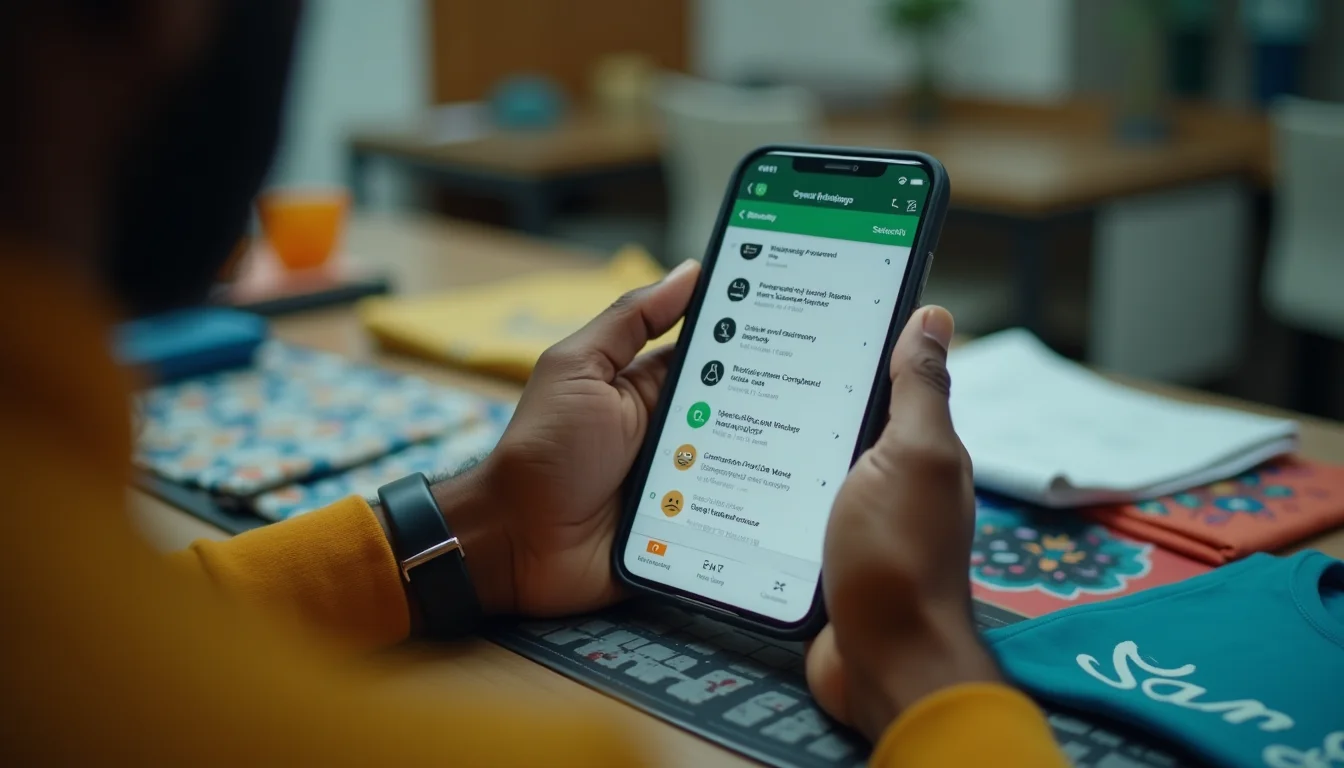
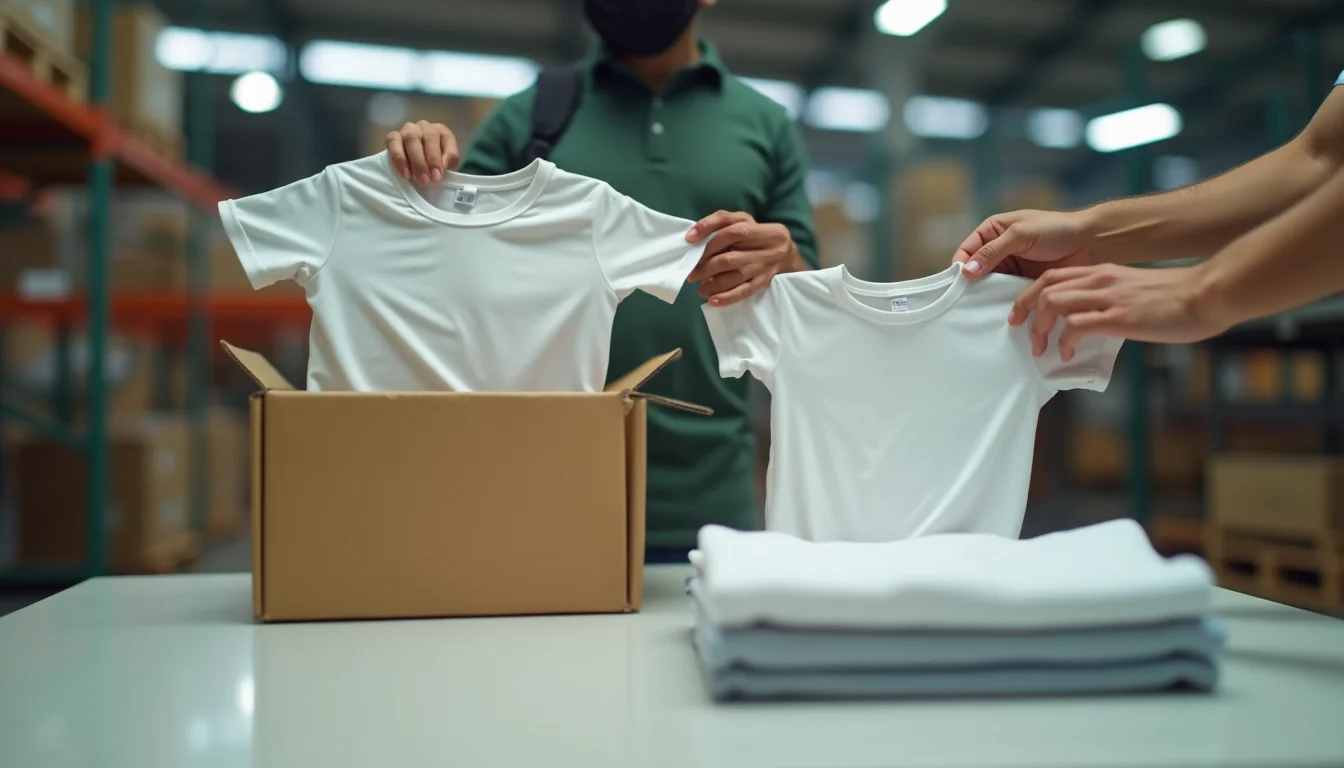
Then came the complaints. Within just 2 days, he received 15-20 customer complaints. The issues? Color mismatch and different fabric feel. His customers were comparing the new t-shirts to previous batches and noticing significant differences. Some complained about the texture, others about how the fabric felt against the skin, and several mentioned that the white didn't look quite the same as their previous orders.
"He had never even touched that fabric before, just ordered 500 pieces chasing the lower rate."
The reality hit hard: he had committed to 500 pieces of a fabric he'd never physically examined, never printed on, and never tested with his customers. Now he was stuck with inventory that wasn't meeting his quality standards and facing potential returns, refunds, and damage to his business reputation.
Why Every Manufacturer's Fabric Feels Different
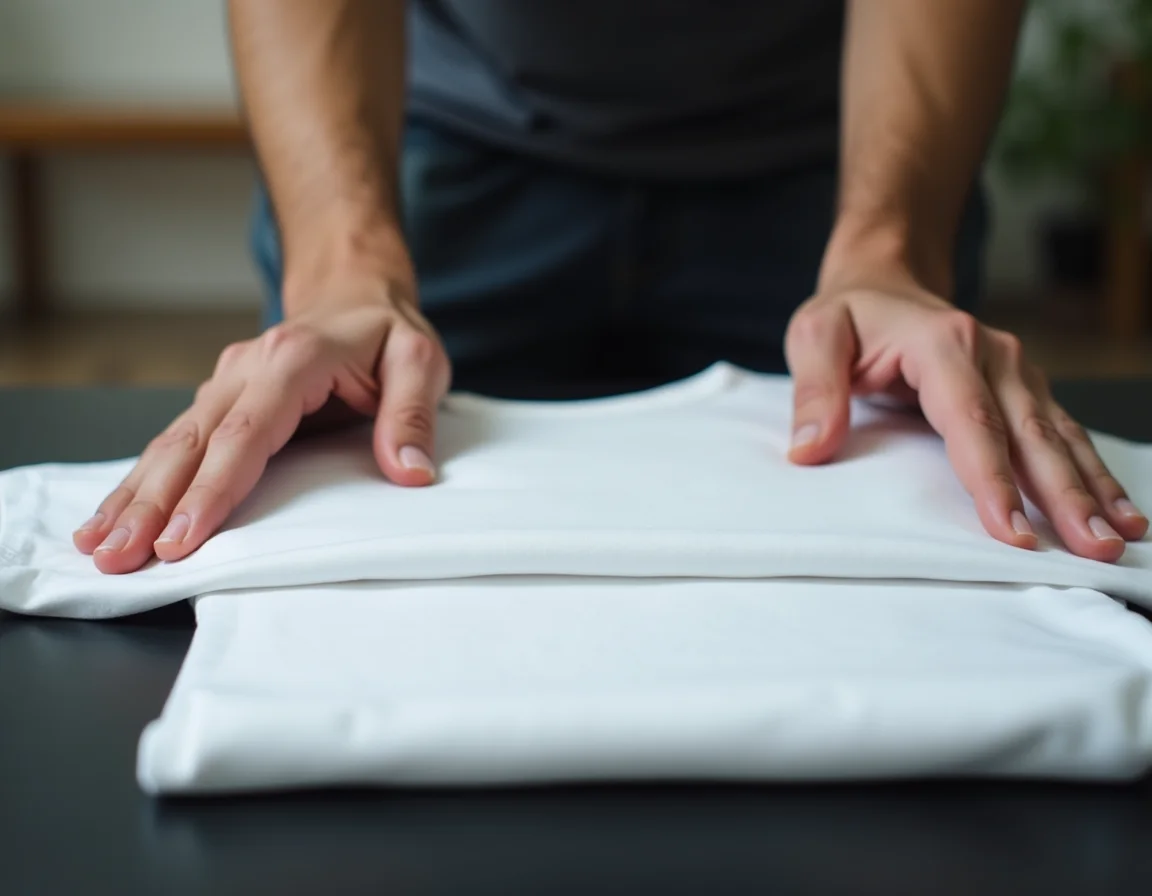
Here's something critical that many printing business owners don't fully understand: GSM (grams per square meter) is not the only factor that determines how a t-shirt feels and performs. Yes, GSM tells you the weight and density of the fabric, but there's much more to the story.
The GSM Number Is Just the Beginning
When you order 200 GSM t-shirts from different manufacturers, they will all technically weigh 200 grams per square meter. But that's where the similarity might end. Here's why:
- Hand feel variations: The actual tactile sensation of the fabric against your skin can vary dramatically. One manufacturer's 200 GSM might feel soft and smooth, while another's feels rougher or stiffer—even at the exact same weight.
- Surface texture differences: The fabric surface can be more textured or smoother depending on the knitting technique, yarn quality, and finishing processes used by the manufacturer.
- Biowash quality: Bio-washing is an enzyme treatment process that makes fabric softer and smoother. The intensity and quality of bio-washing varies between manufacturers, affecting the final feel significantly.
- Cotton quality and type: Combed cotton, ring-spun cotton, and regular cotton all behave differently. Even within ring-spun combed cotton, the quality of the raw cotton and the spinning process creates variations.
- Shrinkage levels: While most good manufacturers offer pre-shrunk fabric, the degree of shrinkage control can vary, affecting the final dimensions and fit.
At Sale91.com, we knit our own fabric in-house at our Tiruppur manufacturing facility. We use 100% ring-spun combed cotton, bio-wash all our products, and maintain strict quality control. But we still recommend sampling—because even within our own production, slight variations can occur between dye lots and production runs.
Color Consistency Challenges
White isn't just white. If you've been in the textile business for any length of time, you know this truth. Different manufacturers produce different shades of white:
- Bright optical white: Treated with optical brighteners for an ultra-white appearance
- Natural white: A softer, creamier white without aggressive brightening
- Off-white variations: Slight ivory or cream undertones
When you're running a printing business and your customers expect consistency, these variations matter enormously. If a client's first batch was one shade of white and the second batch is noticeably different, you'll hear about it—guaranteed.
The same applies to colored t-shirts. Navy blue can range from almost-black to a lighter blue-ish navy. Red can be bright tomato red or a deeper maroon-ish red. Black can be jet black or have brownish undertones. Each manufacturer has their own dyeing processes and color standards.
The Smart Approach: Sample First, Then Bulk Order
Now let's talk about the right way to handle bulk orders—the approach that protects your business and your profits while still taking advantage of bulk discounts.
Step 1: Order 10-20 Sample Pieces
Start with a small sample order of 10-20 pieces. This investment typically costs you an extra Rs 50-100 compared to jumping straight to bulk, but it's the cheapest insurance policy you'll ever buy for your business.
With most manufacturers, including Sale91.com, you can order as few as 10 pieces from ready stock. This low minimum order quantity (MOQ) makes sampling accessible even for small businesses just starting out.
Step 2: Test Your Printing Process
Once you receive your samples, put them through your actual printing workflow:
- Print them using your standard process (DTG, DTF, screen printing, or heat transfer)
- Cure or heat-press them exactly as you would for customer orders
- Inspect the print quality, color vibrancy, and adhesion
- Check for any unexpected issues with the fabric surface affecting print quality
Different fabric textures and surface treatments can affect how prints adhere and how colors appear. A fabric that works beautifully with DTG might behave differently with DTF transfers. Testing reveals these compatibility issues before you've committed to hundreds of pieces.
Step 3: Wash Test (Critical!)
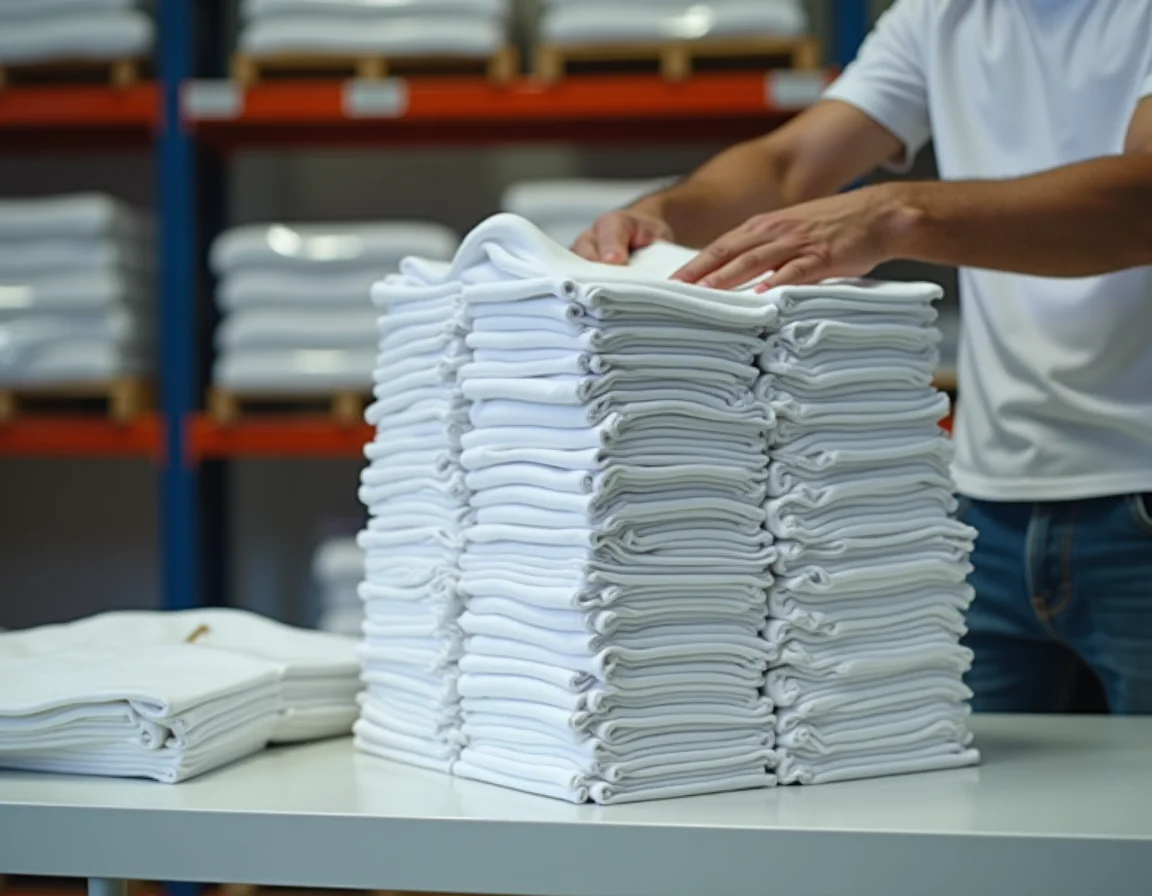
This step separates professional operations from amateur ones. Take your printed samples and wash them once or twice:
- Use a regular washing machine with normal detergent
- Wash at the temperature you expect customers to use
- Dry them as customers would (machine dry or hang dry)
- Inspect the fabric for shrinkage, color fading, or loss of softness
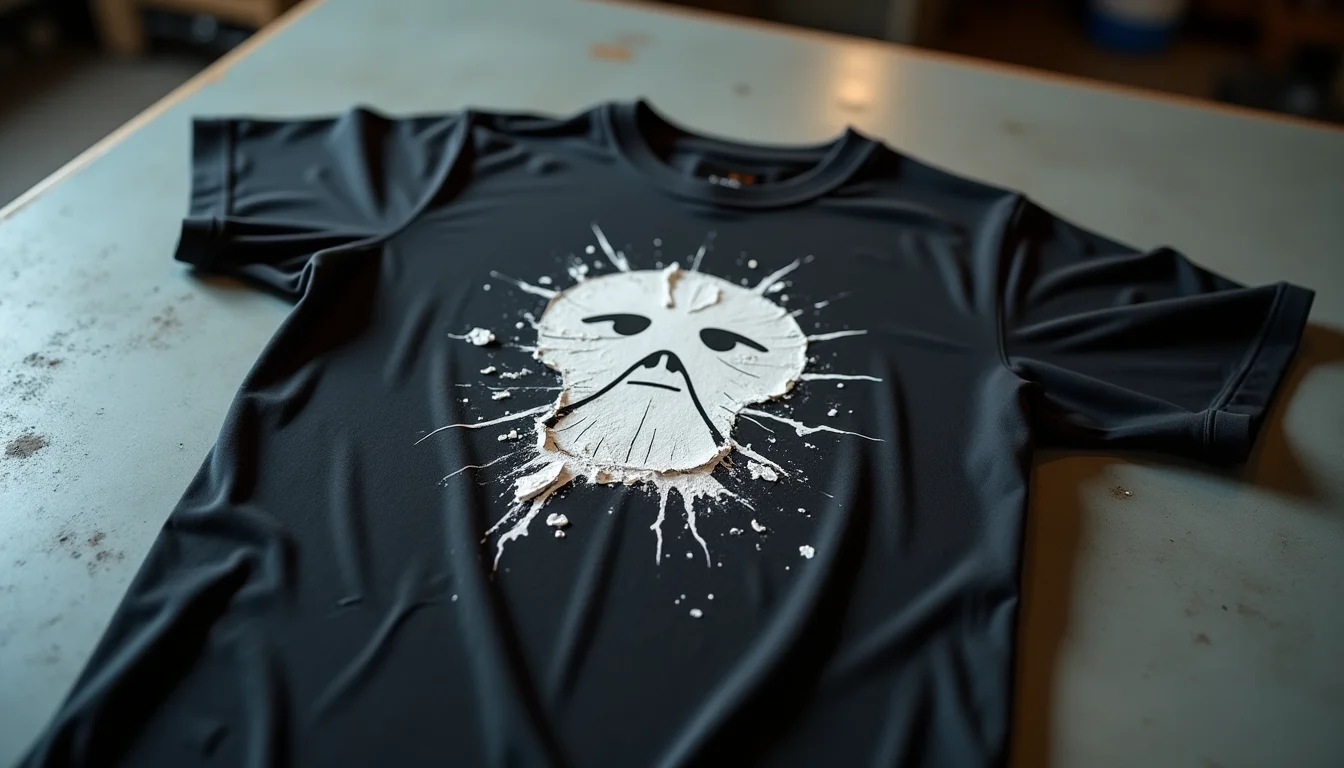
- Check the print for cracking, peeling, fading, or deterioration
The wash test reveals durability issues that only become apparent after real-world use. If your print is going to crack or peel after three washes, better to discover this with 10 sample pieces than with 500 pieces already delivered to customers.
Step 4: Show Your Customer
Before placing your bulk order, show the washed samples to your actual customers (if you're doing B2B) or to a test group representing your target market (if you're doing B2C). Get feedback on:
- Fabric feel and comfort
- Print quality and appearance
- Durability after washing
- Overall satisfaction and value for price
This customer validation step protects you from personal bias. What feels acceptable to you might not meet your customer's expectations. Real feedback from real customers is invaluable data for your bulk order decision.
Step 5: Place Your Bulk Order with Confidence
Only after all these steps should you place your 500-piece bulk order. At this point, you know exactly what you're getting. You've tested the fabric, proven your printing process works, validated wash durability, and received customer approval.
Now you can take advantage of bulk discounts with zero risk. You'll get the same Rs 2-3 per piece discount on 500+ pieces that you would have gotten if you'd ordered bulk immediately—but now you're making an informed decision based on real testing rather than gambling on unknowns.
Understanding Bulk Discounts and Pricing
Let's break down the economics to show why sampling doesn't actually cost you anything in the long run.
Typical Bulk Discount Structure
Most wholesale t-shirt manufacturers in India, including Sale91.com, offer tiered pricing:
- Small quantities (10-499 pieces): Standard wholesale price
- Medium quantities (500-999 pieces): Rs 2 per piece discount
- Large quantities (1000+ pieces): Rs 3 per piece discount or more
At Sale91.com, we also offer an Rs 3 per piece online purchase discount for any quantity, making it even more affordable for small businesses to start with samples.
The Math: Sampling Costs vs. Bulk Risk
Let's look at the actual numbers:
Scenario 1: Sample First Approach
- Sample order: 20 pieces at Rs 150 each = Rs 3,000
- Bulk order: 500 pieces at Rs 145 each (with discount) = Rs 72,500
- Total investment: Rs 75,500
- Risk: Minimal (only Rs 3,000 at risk during testing)
Scenario 2: Bulk First Approach
- Bulk order: 500 pieces at Rs 145 each = Rs 72,500
- If fabric doesn't meet standards: Potential loss of Rs 72,500 plus printing costs
- Returns, refunds, and reputation damage: Difficult to quantify but significant
The extra Rs 3,000 spent on sampling represents just 4% of your total investment, but it eliminates nearly 100% of your risk. That's an incredible risk-to-reward ratio.
Hidden Costs of Bulk-First Mistakes
When you skip sampling and the bulk order goes wrong, the costs extend far beyond the purchase price:
- Printing costs: If you've already printed the t-shirts before discovering quality issues, you've spent money on inks, labor, and machine time that's now wasted
- Return shipping: If customers return products, you typically bear the shipping costs
- Refund processing: Time and fees associated with processing refunds
- Storage costs: Unsellable inventory taking up warehouse space
- Reputation damage: Negative reviews, word-of-mouth, and lost future business from disappointed customers
- Stress and time: Dealing with complaints, returns, and finding solutions eats into productive business time
When you factor in all these hidden costs, a Rs 3,000 sampling investment looks incredibly smart compared to the potential for lakhs in losses.
What to Look for When Testing Samples
To make your sampling process effective, you need to know what to examine. Here's a comprehensive checklist:
Fabric Quality Inspection
- Hand feel: Is it soft, smooth, and comfortable? Or does it feel rough or stiff?
- Fabric weight: Does it feel substantial enough for your intended use? Too thin or too heavy?
- Surface texture: Smooth and even, or uneven with pilling or irregularities?
- Color consistency: Uniform color throughout, or variations and spots?
- Stitching quality: Even stitches on seams, collar, and hem without loose threads?
Construction and Fit Inspection
- Collar construction: Does it lay flat and maintain shape, or does it curl or stretch?
- Shoulder seams: Are they straight and properly aligned?
- Hem quality: Is the bottom hem even and well-finished?
- Sleeve attachment: Comfortable armholes without tightness or gaping?
- Overall fit: Does the sizing match your expectations and customer requirements?
Print Testing Inspection
- Ink adhesion: Does the print stick well without peeling at the edges?
- Color vibrancy: Do colors appear bright and true, or dull and washed out?
- Print detail: Can you see fine lines and small text clearly?
- Hand feel of print: Is the print soft (important for DTG) or does it feel plasticky?
- Print placement: Can you position prints accurately and consistently?
Wash Testing Inspection
- Shrinkage: Measure the t-shirt before and after washing; more than 2-3% shrinkage is concerning
- Color fastness: Does the color bleed or fade in the wash?
- Fabric softness retention: Does it remain soft or become rough and scratchy?
- Print durability: Any cracking, peeling, or fading of the print?
- Shape retention: Does the t-shirt maintain its shape or does it stretch out?
Working with Sale91.com: Our Sampling and Bulk Order Process
At Sale91.com, we've designed our ordering process specifically to support the sample-first approach because we know it protects both you and us.
Our Product Range
We manufacture and supply:
- Plain Round Neck T-shirts: Available in 180 GSM (everyday wear), 200 GSM (premium), 210 GSM (heavy premium), and 220 GSM (ultra-premium)
- Oversized T-shirts: Trendy relaxed fit in multiple GSM options
- Plain Polo T-shirts: Professional collared styles for corporate and casual wear
- Plain Hoodies & Sweatshirts: 240 GSM, 320 GSM, and 430 GSM for different seasons and purposes
- Acid Wash T-shirts: Fashion-forward acid wash finishes in regular and oversized fits
All our products feature 100% cotton, bio-washed finishing, pre-shrunk fabric, and ring-spun combed cotton for superior softness and durability. View our complete catalog at BulkPlainTshirt.com/catalog.
Low Minimum Order Quantity
We maintain ready stock of 1 lakh+ t-shirts at all times, which means you can order as few as 10 pieces for sampling without waiting for production. This ready stock availability in 15+ colors makes it easy to test multiple options quickly.
Bulk Discounts
Once you've tested samples and are ready to order bulk:
- Rs 2 per piece discount on orders of 500+ pieces
- Rs 3 per piece online purchase discount for any quantity
- Additional volume discounts available for orders of 1000+ pieces
First Order Support
For new buyers, we offer 50% COD (Cash on Delivery) on the first order, so you can inspect the product quality before full payment. This gives you additional confidence in our quality standards. Note that COD includes a 3% processing charge, and from the second order onward, we require prepaid payment.
Manufacturing Transparency
Unlike many competitors who are traders or resellers, we knit our own fabric in-house at our Tiruppur manufacturing facility. Tiruppur is India's textile hub, known worldwide for garment manufacturing excellence. Our warehouse in Khanpur, South Delhi ensures quick dispatch to all of India, and we also export internationally via courier or sea transport.
Common Mistakes to Avoid in Bulk T-Shirt Ordering
Beyond skipping samples, here are other costly mistakes we see printing businesses make:
Mistake 1: Not Checking GSM Suitability
Different GSM weights suit different purposes. A 180 GSM t-shirt is perfect for daily wear and promotional giveaways but might feel too light for premium branded merchandise. A 220 GSM t-shirt feels luxurious and substantial but might be too hot for summer wear in many parts of India. Match your GSM to your intended use case.
Mistake 2: Ordering Only One Color
If you plan to offer your customers multiple colors, sample all the colors you'll stock. Don't assume that if white is good, all colors will be good. Dyeing processes can affect fabric feel, and different colors may print differently (dark colors show less print detail than light colors, for example).
Mistake 3: Not Testing the Actual Size Range
If you'll be stocking S, M, L, XL, and XXL, consider sampling at least three sizes (S, L, and XXL) to verify that sizing is consistent and accurate across the range. Sometimes smaller or larger sizes can have proportion issues that don't exist in medium sizes.
Mistake 4: Ignoring Seasonal Fabric Differences
Some manufacturers have slight variations between production batches or seasons due to cotton crop variations. If you're planning to reorder regularly, ask your supplier about batch-to-batch consistency and consider ordering slightly more than you immediately need to ensure color consistency for your current customers.
Mistake 5: Not Documenting Your Testing
Take photos, write notes, keep detailed records of your sample testing. When you're ready to reorder in six months, you'll want to remember exactly which product, which GSM, and which color worked best. This documentation becomes a valuable reference for your business.
Watch the Video
Frequently Asked Questions
More Articles

Ready to Order Quality Blank T-Shirts?
Start with samples or place your bulk order today. We manufacture our own fabric in Tiruppur, maintain 1 lakh+ pieces in ready stock, and ship PAN India and internationally.
Over 1,25,232+ pieces sold in the last 30 days
Get Rs 2/piece discount on 500+ orders | Rs 3/piece online discount on any quantity
Order Now at Sale91.comFinal Thoughts: Protect Your Business with Smart Sampling
The printing business is competitive and margins can be tight. Every decision matters, and the temptation to save money by skipping steps can be strong. But as the story of the 500-piece disaster shows, cutting corners on sampling doesn't save money—it costs you far more in the long run.
The extra Rs 50-100 you spend on samples is not an expense; it's an insurance policy protecting potentially lakhs of rupees in inventory, printing costs, and business reputation. It's the difference between confident scaling and risky gambling.
Whether you're ordering from Sale91.com or any other supplier, follow this simple rule: Sample first, validate thoroughly, then order bulk. Test the fabric, print on it, wash it, show it to customers, and only then commit to hundreds of pieces.
The bulk discounts will still be there when you're ready. The difference is that you'll be ordering with knowledge and confidence rather than hope and prayer. That's how professional printing businesses operate, and that's how you build a sustainable, profitable operation.
Visit Sale91.com today to start with your sample order. Our team is ready to support you with quality blank t-shirts, low MOQs for sampling, transparent pricing, and reliable service that helps your printing business succeed.