Print Crack After 3 Washes? You Used the Wrong Ink!
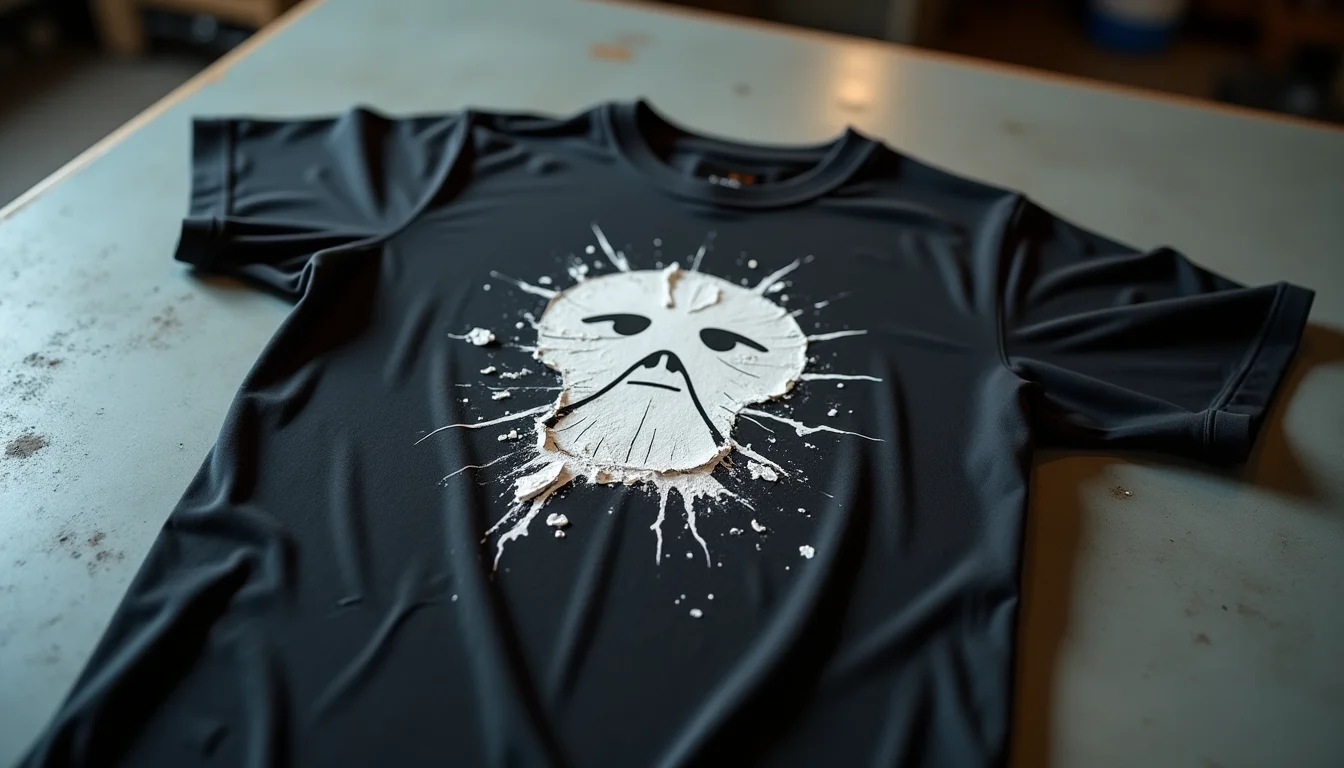
It's a nightmare scenario for any custom t-shirt printing business: a customer calls, furious because the beautiful print they paid good money for has started cracking and peeling after just a few washes. They blame your t-shirt quality, leave negative reviews, and demand refunds. But here's the truth that most people in the printing business learn the hard way – the problem isn't the t-shirt, it's the ink.
This exact scenario played out recently when a customer called to complain about prints cracking after just 3 washes. The first question asked was simple: "Which ink did you use?" The answer revealed everything: plastisol ink in a DTG (Direct-to-Garment) printing setup. That's like trying to put diesel in a petrol engine – it simply doesn't work.
In the competitive world of custom t-shirt printing, understanding the relationship between printing methods, ink types, and fabric quality is absolutely critical. Whether you're running a small printing business in Mumbai or a large-scale operation in Tiruppur, this knowledge can mean the difference between satisfied repeat customers and costly returns.
Understanding the Print Cracking Problem
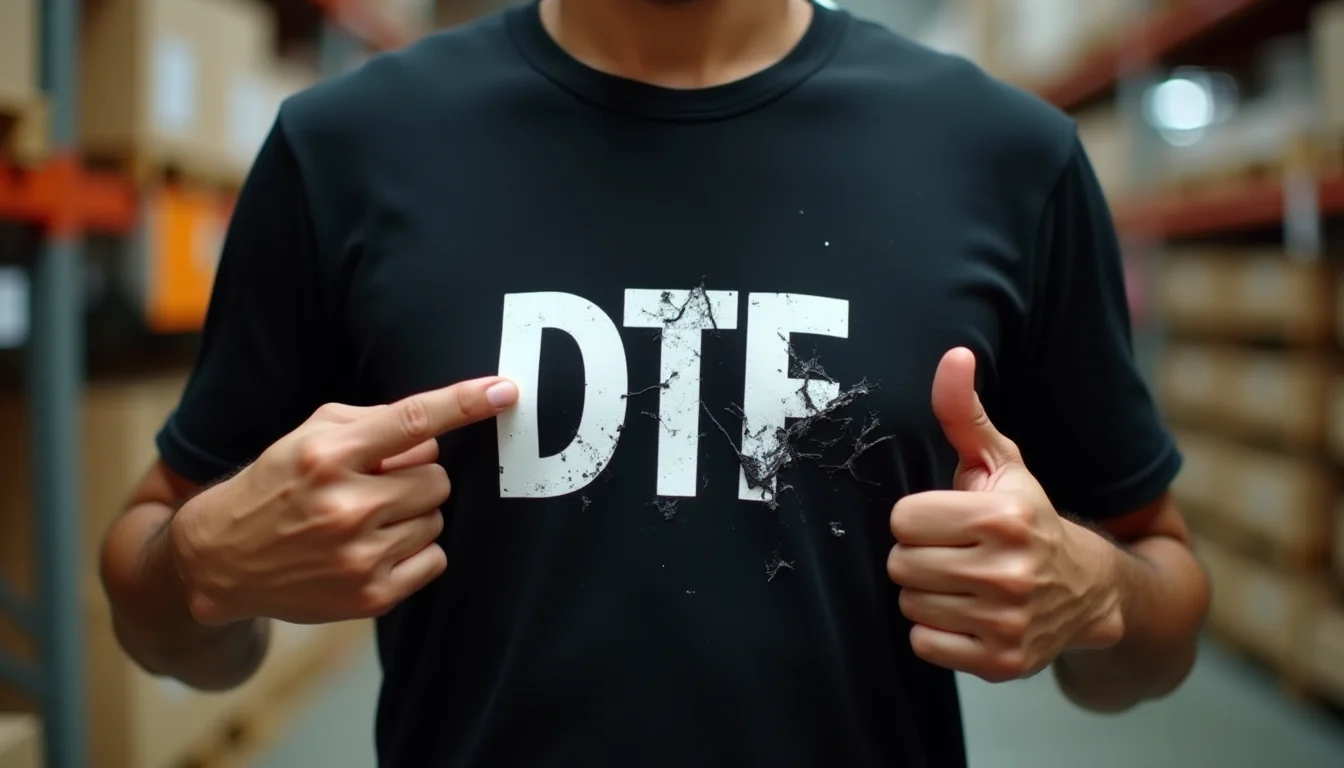
Print cracking occurs when the ink layer on a t-shirt begins to break apart, creating visible cracks, flakes, or peeling sections. This typically happens after washing, wearing, or stretching the garment. The result is an unprofessional-looking product that no customer wants to wear or sell.
The root cause of print cracking usually comes down to three main factors:
- Wrong ink type for the printing method – Using plastisol ink in DTG printing or water-based ink in processes designed for plastisol
- Improper curing temperature – Under-cured ink doesn't properly bond with fabric fibers
- Incorrect fabric preparation – Using low-quality, non-pre-shrunk, or poorly bio-washed t-shirts
When customers at Sale91.com purchase our bio-washed, pre-shrunk plain t-shirts, they're getting fabric that's specifically engineered to work with all major printing methods. But even the best fabric can't save a print job if the wrong ink or curing process is used.
The Critical Difference: Printing Methods and Their Compatible Inks
Every printing method has specific ink requirements based on how the ink bonds with the fabric. Understanding this compatibility is non-negotiable for professional results.
Screen Printing: The Plastisol and Discharge Domain
Screen printing is one of the oldest and most popular methods for bulk t-shirt printing. It involves pushing ink through a mesh screen onto the fabric, creating layers of color.
Compatible inks for screen printing:
- Plastisol Ink: This is a PVC-based ink that sits on top of the fabric rather than soaking into it. It requires curing at 160-180°C (320-356°F) for 30-45 seconds. Plastisol creates a slightly raised, durable print that works excellently on cotton t-shirts. It's the go-to choice for most screen printers because it's forgiving, doesn't dry in the screen, and produces vibrant colors.
- Discharge Ink: This ink actually removes the dye from the fabric and replaces it with color, creating an ultra-soft print that becomes part of the fabric itself. It works best on 100% cotton dark-colored garments and requires curing at 160-170°C.
- Water-Based Ink: Also compatible with screen printing, water-based inks soak into the fabric rather than sitting on top. They create a very soft hand feel and are eco-friendly, but require careful handling as they can dry in the screen.
DTG Printing: Water-Based and Pigment Ink Territory
Direct-to-Garment (DTG) printing is essentially like using an inkjet printer for t-shirts. The printer sprays ink directly onto the fabric in precise patterns, allowing for photographic detail and unlimited colors.
Compatible inks for DTG printing:
- Water-Based Pigment Ink: This is the standard for DTG printing. The ink soaks into the fabric fibers and bonds at a molecular level when properly cured. It creates prints with excellent wash durability and a soft hand feel that doesn't crack or peel when done correctly.
- Reactive Ink: Less common but used for specific DTG applications, particularly on natural fibers.
Here's the critical point: DTG printers are engineered to work with water-based inks. The print heads, ink delivery system, and curing requirements are all designed around water-based ink chemistry. Trying to use plastisol ink in a DTG printer is not only ineffective but can damage your expensive equipment.
DTF Printing: The New Player with Specific Requirements
Direct-to-Film (DTF) printing has gained massive popularity in India over the past few years. It involves printing designs onto a special film, applying adhesive powder, curing, and then heat-pressing onto the garment.
Compatible inks for DTF:
- DTF-Specific Pigment Ink: These are specially formulated water-based pigment inks designed to work with DTF films and adhesive powders. They require specific curing temperatures (usually 160-170°C) and pressure settings.
Heat Transfer and Vinyl: Different Chemistry Altogether
Heat transfer involves printing designs on special paper or using pre-cut vinyl, then heat-pressing them onto garments. The "ink" here is actually polyurethane or PVC-based material that melts and bonds with the fabric under heat and pressure.
Why Using the Wrong Ink Causes Cracking: The Science
When the customer mentioned using plastisol ink in DTG printing, the problem became immediately clear. Here's what happens at a molecular level:
Plastisol ink chemistry: Plastisol consists of PVC particles suspended in a plasticizer. When heated to the correct temperature, these particles fuse together and form a cohesive, flexible film on top of the fabric. The key word is "on top" – plastisol doesn't penetrate fabric fibers significantly.
DTG equipment design: DTG printers use tiny nozzles to spray microscopic droplets of ink. These nozzles and the entire ink delivery system are designed for low-viscosity water-based inks. Plastisol is thick and viscous – it would clog these nozzles immediately or require such heavy dilution that it couldn't cure properly.
The bonding failure: Even if someone managed to apply plastisol ink through a modified DTG setup, the ink would sit on the surface without proper mechanical bonding. DTG prints rely on ink penetration into the fabric weave. Plastisol doesn't penetrate – it forms a surface layer. Without the proper screening and pressure of traditional screen printing, this surface layer has minimal adhesion.
The cracking result: When the garment is washed or stretched, the poorly-bonded plastisol layer can't flex with the fabric. It cracks, peels, and flakes off. After just 2-3 washes, the print is ruined.
The Curing Temperature Factor: Why Under-Cured Prints Always Fail
Even when using the correct ink for your printing method, improper curing can cause identical cracking and peeling problems. Curing is the process of applying heat to fully bond the ink with the fabric.
What Happens During Proper Curing
When ink is cured at the correct temperature and duration:
- Water-based inks: The water evaporates completely, and the pigment and binder molecules cross-link and bond with fabric fibers
- Plastisol inks: The plasticizer molecules fuse the PVC particles into a solid, flexible film
- DTF inks: The adhesive powder melts and creates a permanent bond between the printed film and the fabric
Common Curing Temperature Guidelines
Screen Printing with Plastisol: 160-180°C (320-356°F) for 30-45 seconds. The entire ink layer must reach this temperature, not just the surface.
Screen Printing with Water-Based Ink: 160-170°C (320-338°F) for 45-60 seconds. Water-based inks require slightly longer curing to ensure all moisture evaporates.
DTG Printing: 165-175°C (329-347°F) for 30-60 seconds, depending on the ink manufacturer and fabric type. Pre-treatment chemicals also need to be cured.
DTF Printing: 160-170°C (320-338°F) with medium to heavy pressure for 15-20 seconds, followed by a cold peel or hot peel depending on the film type.
Signs of Under-Cured Prints
- Print feels tacky or sticky after pressing
- Colors appear dull or washed out
- Print starts cracking after first wash
- Ink rubs off when scratched with a fingernail
- Print peels away from fabric in sheets
Investing in a reliable heat press with accurate temperature control and a quality infrared thermometer for verification is essential. Many printing businesses in India try to cut costs with cheap Chinese heat presses that have wildly inaccurate temperature displays – this is false economy that leads to customer complaints and returns.
Choosing the Right Base T-Shirt: Quality Matters
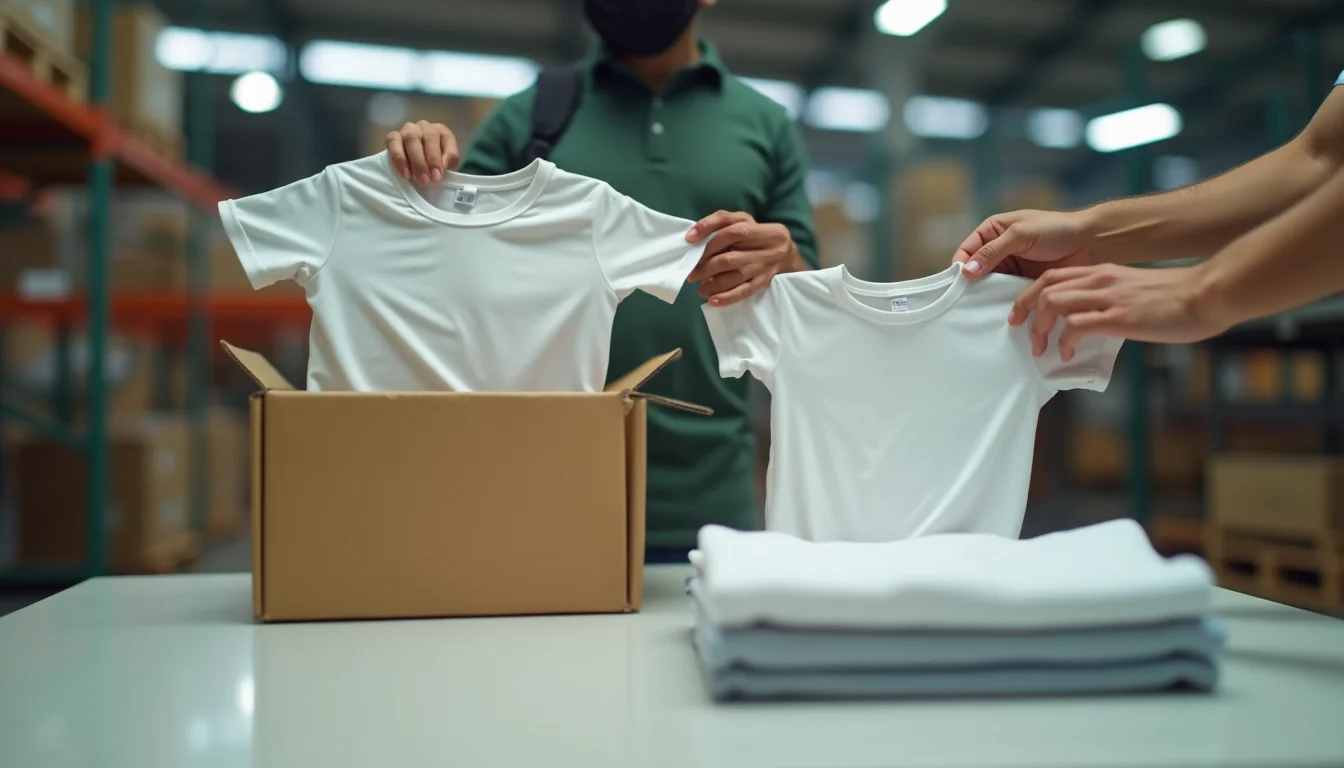
While ink and curing are critical, the quality of your base t-shirt also significantly impacts print durability. This is where many printing businesses make costly mistakes by purchasing cheap, low-quality blank t-shirts to maximize margins.
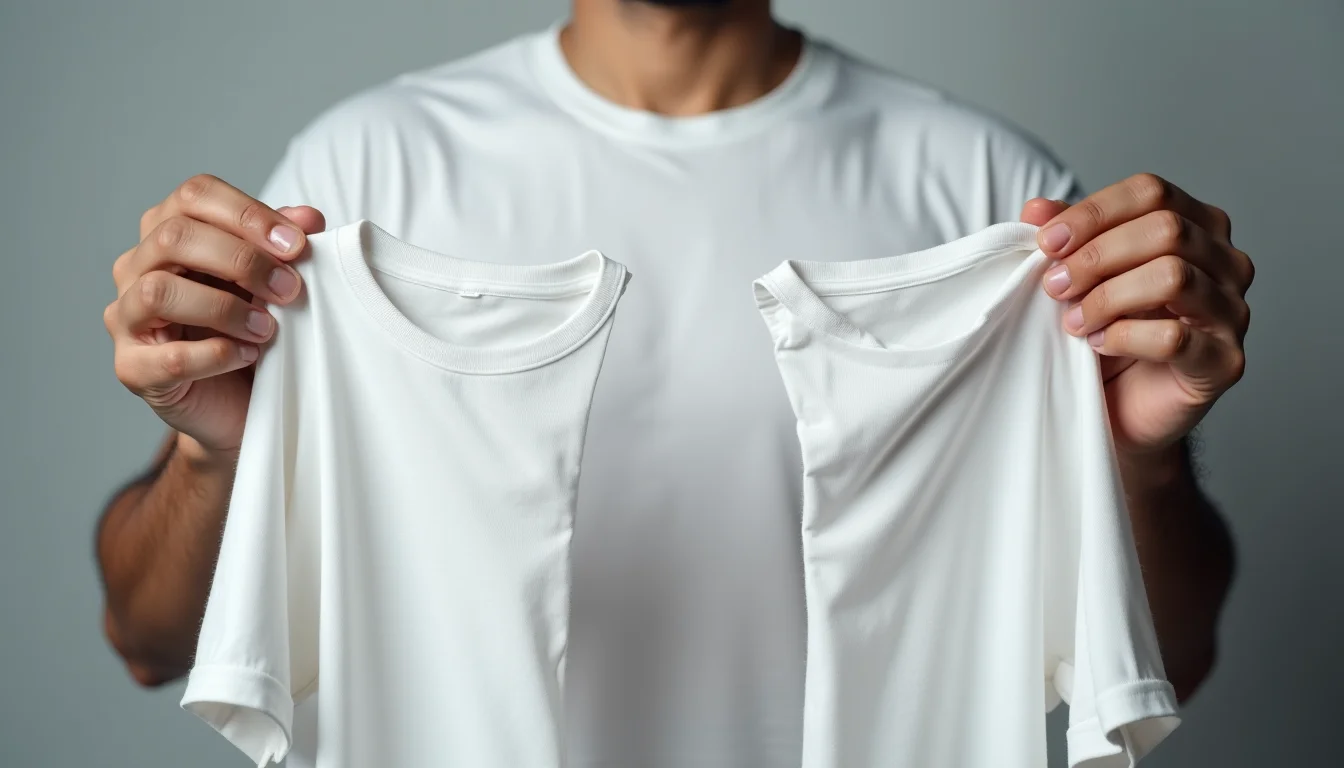
Why Pre-Shrunk and Bio-Washed T-Shirts Are Essential
At Sale91.com, all our plain t-shirts are bio-washed and pre-shrunk before they leave our Tiruppur manufacturing facility. Here's why this matters for printing:
Bio-Washing Benefits:
- Enzyme treatment removes loose fibers and creates a smoother fabric surface
- Improved ink absorption for water-based printing methods
- Softer hand feel that doesn't compete with print texture
- Reduced pilling and fuzziness after washing
Pre-Shrinking Benefits:
- Prevents fabric shrinkage after printing that can crack rigid inks
- Ensures consistent sizing for batch orders
- Reduces fabric tension that can cause print distortion
When you print on a non-pre-shrunk t-shirt, here's what happens: The print cures and bonds with the fabric in its current state. After the first wash, the fabric shrinks 3-5%, but the cured ink cannot shrink. This creates tension and stress points where the ink cracks and fails.
GSM and Fabric Weight Considerations
The GSM (grams per square meter) of your t-shirt affects print quality and durability:
- 180 GSM: Lightweight, suitable for DTG and light screen printing. The thinner fabric requires careful ink application to avoid saturation and bleeding.
- 200 GSM: Premium weight, ideal for all printing methods. This is the sweet spot for most commercial printing.
- 220 GSM: Heavy premium, excellent for screen printing with multiple colors. The thicker fabric provides a more stable base for layered inks.
For screen printing with plastisol, heavier GSM t-shirts (200-220) generally produce better results because they can support the thicker ink layer without showing through on the inside. For DTG printing, 180-200 GSM works well because the ink penetrates the fabric rather than sitting on top.
100% Combed Ring-Spun Cotton: The Professional's Choice
All t-shirts from our product catalog use 100% combed ring-spun cotton. This isn't marketing hype – it's a technical specification that affects print quality:
Combed cotton has short fibers removed during manufacturing, creating a smoother, more uniform surface. This results in sharper print details and more consistent ink absorption.
Ring-spun cotton is made by continuously twisting and thinning cotton strands, creating a much finer, stronger yarn than standard open-end cotton. The tighter weave means better print definition and improved wash durability.
Step-by-Step: Preventing Print Cracking in Your Business
Based on the principles discussed, here's a practical workflow for ensuring your prints never crack:
Step 1: Choose Your Printing Method First
Before ordering inks or t-shirts, decide on your primary printing method based on your business model:
- Screen Printing: Best for bulk orders with limited colors (1-4 colors). High setup cost but low per-piece cost.
- DTG Printing: Best for full-color designs, small batches, and on-demand printing. Low setup cost but higher per-piece cost.
- DTF Printing: Best for vibrant full-color prints on any fabric type. Moderate setup and per-piece costs.
- Heat Transfer/Vinyl: Best for simple designs, text, and numbers. Very low setup cost, moderate per-piece cost.
Step 2: Select Compatible Ink
Once you've chosen your method, select inks specifically designed for that process:
- For Screen Printing: Plastisol for most applications, discharge for soft prints on dark cotton, water-based for eco-friendly or ultra-soft prints
- For DTG Printing: Only water-based pigment inks certified for your specific printer model
- For DTF Printing: Only DTF-specific inks designed to work with your film and powder system
Never try to use one ink type in a different printing method. The chemistry simply doesn't work.
Step 3: Source Quality, Pre-Shrunk, Bio-Washed T-Shirts
This is where many businesses try to cut corners and end up with customer complaints. Invest in proper base garments from a reliable manufacturer.
At Sale91.com, we maintain ready stock of over 1 lakh t-shirts in our Delhi warehouse, all manufactured at our own knitting facility in Tiruppur. This means:
- Consistent quality across all orders
- Full control over bio-washing and pre-shrinking processes
- Availability of multiple GSM options (180, 200, 220)
- 15+ colors in stock at any time
- MOQ as low as 10 pieces for testing
Step 4: Dial in Your Curing Temperature
Verify your heat press temperature with an infrared thermometer. Don't trust the built-in display without verification. Create a curing test chart:
- Print test designs on scrap fabric
- Cure at different temperatures (155°C, 160°C, 165°C, 170°C, 175°C)
- Wash each test sample 5 times in hot water
- Identify the minimum temperature that produces no cracking or peeling
- Add 5°C as a safety margin and use that as your standard curing temperature
Step 5: Pre-Treat and Prepare Properly
For DTG printing, pre-treatment is essential. The pre-treatment liquid creates a bonding layer between the fabric and ink. Under-treated or improperly cured pre-treatment causes the same cracking problems as wrong ink.
For screen printing on dark garments, using an under-base layer helps the top colors appear vibrant and bonds everything together.
Step 6: Quality Control Every Batch
Before shipping any order:
- Check that prints are fully cured (not tacky)
- Scratch test: Use a fingernail to scratch the print – properly cured ink won't come off
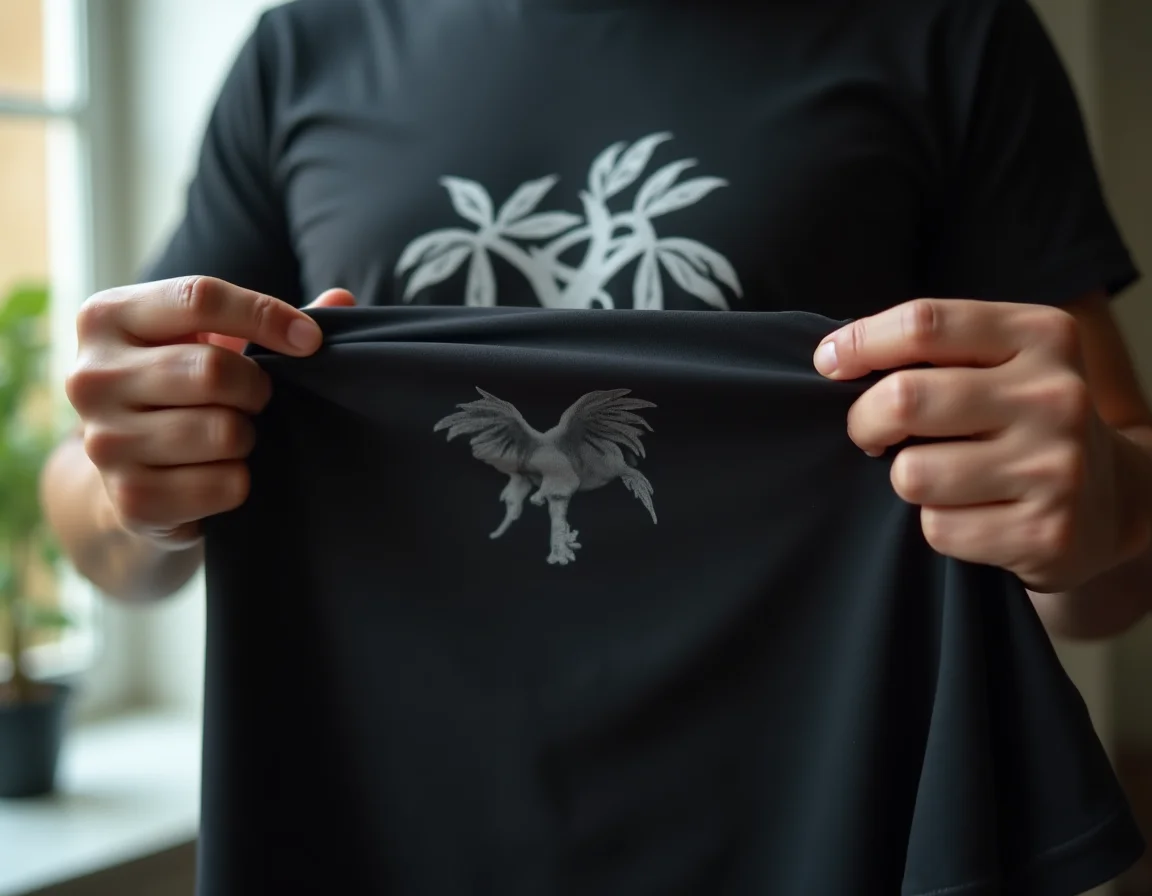
- Stretch test: Stretch the fabric – properly cured ink flexes with the fabric without cracking
- Wash one sample piece from each batch before shipping large orders
Real-World Case Study: The Plastisol-DTG Disaster
Let's return to the customer who complained about cracking after 3 washes. Here's what likely happened in their workflow:
The customer invested in a DTG printer to offer custom photo prints. They saw plastisol ink being sold online at lower prices than DTG-specific inks and thought they could save money. Without understanding the chemistry, they attempted to use plastisol ink in their DTG printer.
The ink either:
- Clogged the print heads immediately (likely scenario), or
- Was heavily diluted to flow through the printer, resulting in weak bonding (less likely)
If they somehow got the plastisol to print, it created a thin surface layer with minimal adhesion to the fabric. After 3 washes, the mechanical action of the washing machine caused this weak layer to crack and peel.
The customer blamed the t-shirt quality, but even the highest quality t-shirt cannot compensate for fundamentally wrong ink chemistry.
The solution was simple: Switch to proper water-based DTG inks, verify curing temperature, and ensure they were using quality pre-shrunk t-shirts. After implementing these changes, the cracking problem disappeared completely.
Watch the Video: Understanding Print Cracking
For a quick visual explanation of why prints crack and how to prevent it, watch this detailed breakdown:
Frequently Asked Questions About Print Cracking
Get Premium Pre-Shrunk T-Shirts for Flawless Printing
Don't let poor quality blank t-shirts ruin your printing business. Sale91.com manufactures 100% cotton, bio-washed, pre-shrunk t-shirts specifically designed for all printing methods – DTG, screen print, DTF, and heat transfer.
✓ 1+ Lakh Ready Stock | ✓ 15+ Colors | ✓ 180-220 GSM Options | ✓ MOQ 10 Pieces
✓ Rs 3/pc Online Discount | ✓ Rs 2/pc Extra on 500+ Qty | ✓ 50% COD Available
Order Premium Blank T-Shirts Now