Why Pay Extra for Biowash? Here's What They Don't Tell You
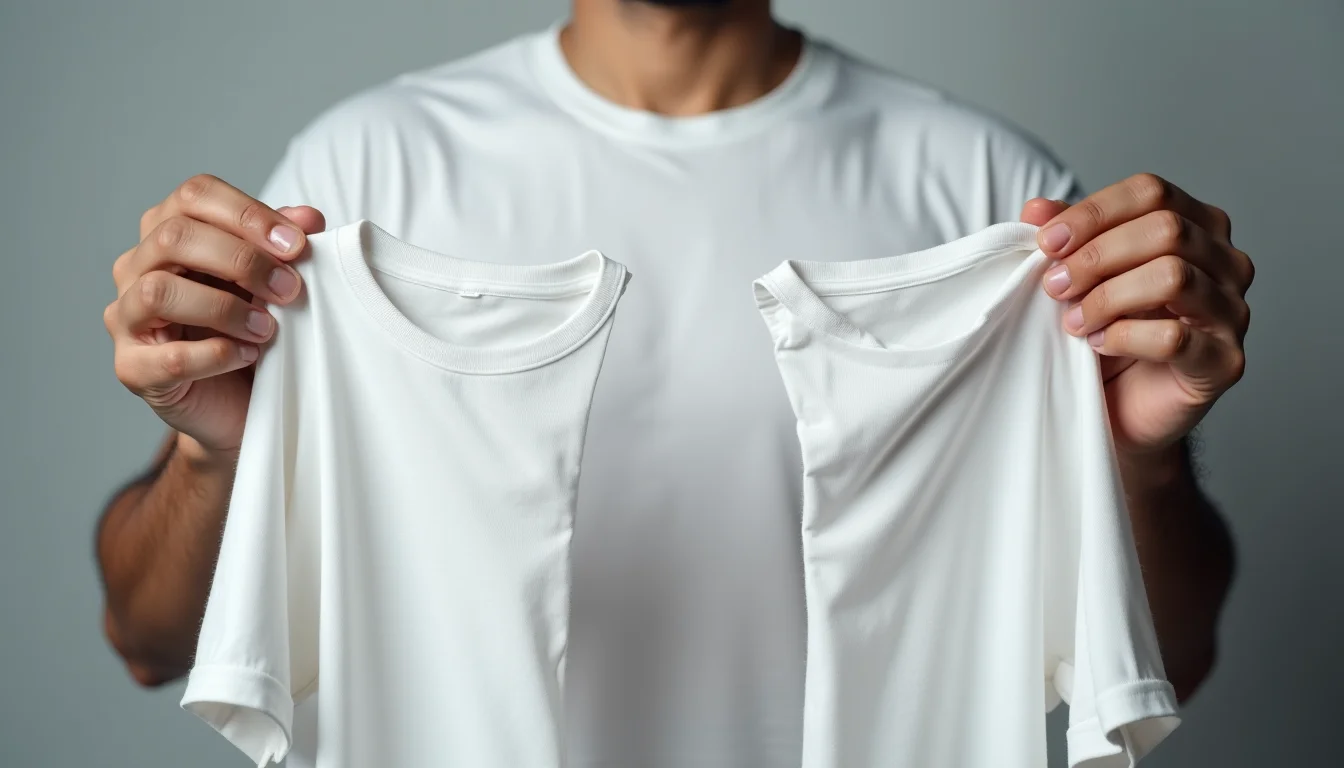
If you're in the custom printing business—whether you run a DTG printing setup, screen printing unit, or DTF transfer operation—you've probably been offered biowashed t-shirts at a slightly higher price point. And like many business owners, you might have wondered: "Is biowash really worth the extra cost, or is it just a marketing gimmick?"
The truth is, most suppliers will tell you that biowash makes t-shirts softer. While that's absolutely true, it's only scratching the surface. There's a whole world of benefits that directly impact your printing quality, customer satisfaction, and ultimately, your bottom line. Let's break down exactly what biowash does and why it's a game-changer for anyone in the B2B blank apparel business.
The Common Misconception: Biowash Is Just About Softness
Walk into any textile market in Tiruppur, Delhi's Khanpur area, or Mumbai's wholesale districts, and you'll hear the same pitch: "Sir, biowash fabric hai, bahut soft hai." And yes, they're not wrong—biowashed t-shirts do feel incredibly soft to the touch. But if you think that's the only reason to choose biowashed fabrics, you're missing out on some critical advantages that can make or break your printing business.
The reality is that biowash—or bio-polishing as it's technically called—is an enzyme treatment process that fundamentally transforms the fabric's surface characteristics. This process goes far beyond creating a plush feel. It addresses multiple issues that directly affect print quality, durability, and consistency—three factors that matter tremendously when you're fulfilling bulk orders for clients who expect perfection.
What Exactly Is Biowash? The Science Behind the Process
Before we dive into the benefits, let's understand what actually happens during the biowash process. Biowash is an enzymatic treatment where natural enzymes (typically cellulase enzymes) are applied to cotton fabric in a controlled environment. These enzymes selectively break down and remove protruding fibers and loose cotton particles from the fabric surface.
Think of raw cotton fabric as having tiny hair-like fibers sticking out from the surface—these are what cause that rough, fuzzy texture you feel on untreated cotton. During biowash, the enzymes gently "digest" these protruding fibers without damaging the core fabric structure. The result? A smoother, cleaner, more uniform fabric surface.
The Hidden Benefits: What They Don't Tell You About Biowash
1. Superior Print Quality and Ink Absorption
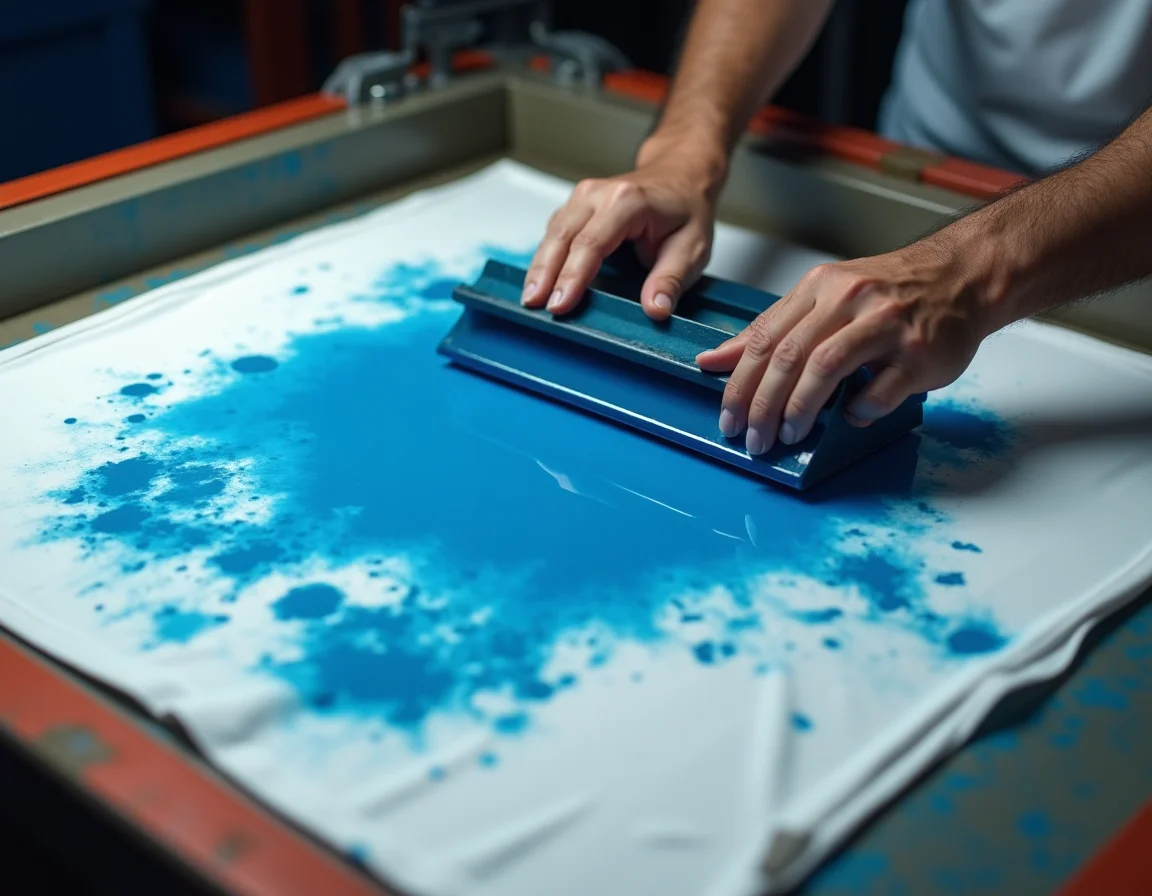
This is where biowash truly shines for printing businesses. When you print on untreated cotton, those loose surface fibers create an uneven texture. Imagine trying to paint on a rough, bumpy wall versus a smooth, primed surface—the difference in finish is dramatic.
With non-biowashed fabrics:
- Ink absorption becomes unpredictable and uneven
- You'll notice patchy areas where ink doesn't penetrate uniformly
- Colors appear less vibrant and often look faded or washed out
- Fine details in your designs get lost due to inconsistent ink spread
- DTG printing heads can catch on loose fibers, affecting print precision
With biowashed fabrics, the smooth surface allows ink to spread evenly across the fabric. Whether you're doing direct-to-garment printing, screen printing, or heat transfers, you'll get:
- Consistent color saturation across the entire print area
- Sharper, more defined edges on your designs
- Better color vibrancy that makes prints pop
- Reduced ink consumption because ink doesn't get absorbed unevenly
- Fewer rejected pieces due to print quality issues
2. Minimal Shrinkage and Size Consistency
Here's a scenario every bulk supplier dreads: You deliver 500 pieces in size L, your client prints them, and after the first wash, customers start complaining that the shirts have shrunk significantly. Returns pile up, your reputation takes a hit, and you're stuck managing an expensive problem.
Cotton naturally shrinks when exposed to water and heat—it's a property of the fiber. However, biowash dramatically reduces this shrinkage because the enzyme treatment relaxes the fabric and removes tension in the yarns. Most of the shrinkage that would occur in regular washing happens during the biowash process itself.
At Sale91.com, all our biowashed t-shirts are also pre-shrunk, which means:
- Maximum 2-3% shrinkage after multiple washes (compared to 5-8% in untreated cotton)
- Size consistency across your entire order batch
- Fewer customer complaints about fit issues post-washing
- Better predictability when sizing garments for end customers
3. Reduced Pilling and Extended Garment Life
Pilling—those annoying little fabric balls that appear after wearing and washing—is primarily caused by loose surface fibers tangling together. Since biowash removes these loose fibers upfront, biowashed garments show significantly less pilling over their lifetime.
For your printing business, this translates to:
- Better long-term customer satisfaction
- Fewer complaints about garment quality degradation
- Enhanced brand reputation when customers associate your prints with quality base garments
- Higher chances of repeat orders from satisfied clients
4. Improved Fabric Hand Feel and Drape
Yes, we're back to softness—but with context. The improved hand feel isn't just about luxury; it affects how the printed garment drapes on the body. Biowashed fabrics have better fluidity and movement, which makes printed designs look more professional when worn.
This is especially important for:
- Oversized t-shirts where drape defines the aesthetic
- Premium custom apparel brands that prioritize comfort
- Retail applications where the touch-and-feel factor influences purchase decisions
Real-World Impact: Biowash in Different Printing Methods
DTG (Direct to Garment) Printing
DTG printing is incredibly sensitive to fabric quality. The print heads spray ink directly onto the fabric, and any surface irregularity can cause:
- Nozzle clogging from loose fibers
- Uneven ink deposition
- Bleeding of colors due to inconsistent absorption
Biowashed fabrics provide the smooth, consistent surface that DTG printers need to produce photo-quality prints. If you're investing in expensive DTG equipment, pairing it with non-biowashed blanks is like buying a Ferrari and filling it with low-grade fuel.
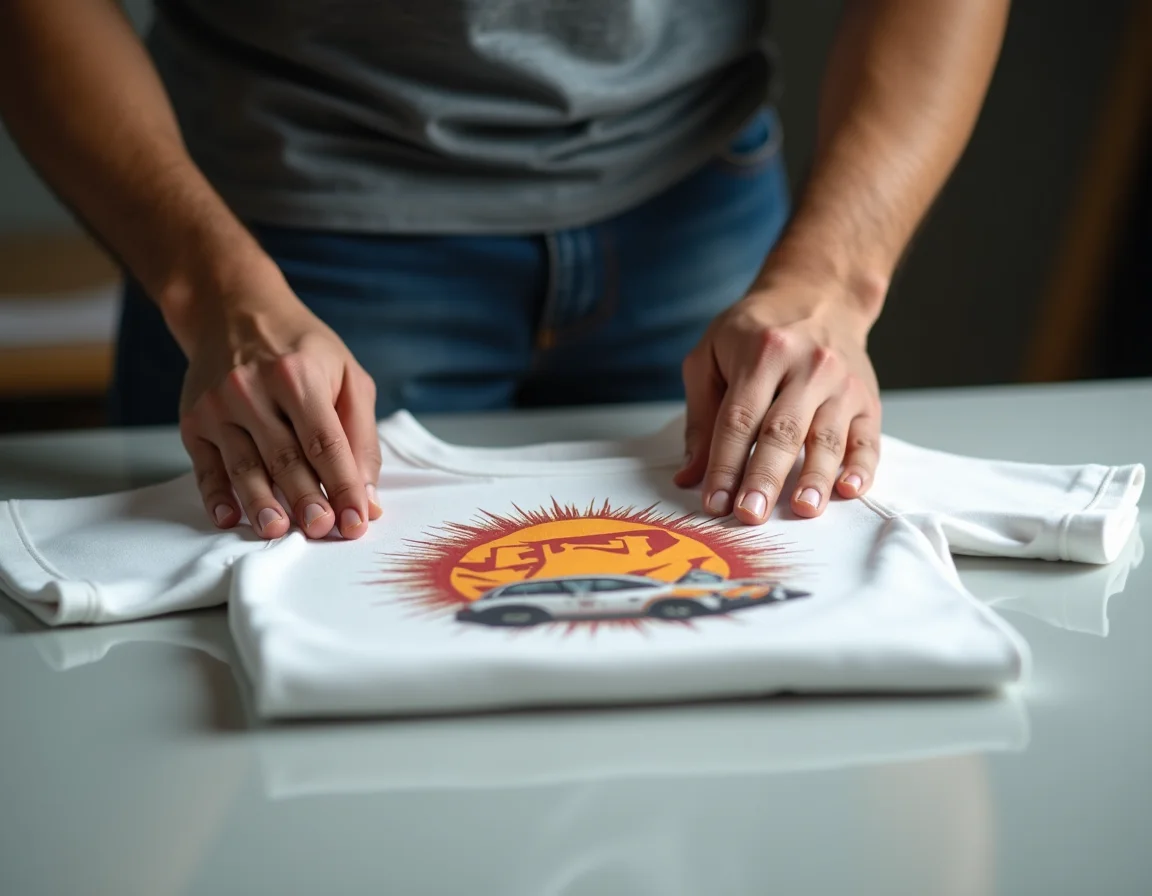
Screen Printing
While screen printing is more forgiving than DTG, you'll still notice significant quality improvements with biowashed fabrics:
- Cleaner ink edges, especially for detailed designs
- Better color brightness and saturation
- Easier squeegee movement across the fabric surface
- Reduced instances of ink bleeding or feathering
DTF (Direct to Film) and Heat Transfer
For heat transfer methods, the smooth surface of biowashed fabric ensures better adhesion of the transfer medium. This means:
- Longer-lasting transfers that don't peel or crack prematurely
- Better heat distribution during pressing
- More professional-looking finished products
The Cost-Benefit Analysis: Is Biowash Worth the Extra Investment?
Let's address the elephant in the room: biowashed t-shirts do cost slightly more. At Sale91.com, the price difference typically ranges from ₹5-10 per piece depending on the GSM and style. So the question becomes: does this investment pay off?
Consider this calculation for a typical printing business:
Scenario: You run a custom t-shirt printing business fulfilling orders for corporate clients and online stores.
Order volume: 1000 pieces per month
Extra cost for biowash: ₹7 per piece = ₹7,000 additional monthly investment
Returns reduced: From 5% to 1% due to better quality = 40 fewer returned pieces
Value of prevented returns: 40 pieces × ₹250 average selling price = ₹10,000 saved
Net benefit: ₹10,000 - ₹7,000 = ₹3,000 positive gain (not counting reputation benefits and repeat business)
Beyond the numbers, consider these intangible benefits:
- Enhanced brand reputation leads to more referrals
- Ability to charge premium prices for superior quality
- Reduced time spent dealing with quality complaints
- Better relationships with clients who appreciate consistency
How to Identify Genuine Biowashed T-Shirts
Unfortunately, not all suppliers are honest about their biowash claims. Here's how to verify you're getting the real deal:
- Visual Inspection: Biowashed fabric has a uniform, slightly lustrous appearance. Hold it up to light—you shouldn't see excessive fuzzing or loose fibers.
- Touch Test: Run your palm across the surface. Genuine biowashed fabric feels smooth in both directions with minimal resistance.
- Stretch Test: Biowashed fabrics have better elasticity recovery due to relaxed fibers.
- Ask for Certifications: Reputable manufacturers maintain processing records and can provide documentation.
- Sample Testing: Always test-print samples before committing to bulk orders. The print quality will reveal the truth.
Biowash Across Different GSM Options
Biowash treatment works across all GSM ranges, but the impact varies slightly:
180 GSM (Everyday Wear)
Biowash is crucial here because lighter fabrics are more prone to surface irregularities. The treatment provides the structure and smoothness that prevents these lighter tees from feeling cheap or flimsy.
200-210 GSM (Premium Range)
The sweet spot for biowash benefits. These fabrics already have good body, and biowash takes them to the next level—perfect for retail-quality custom apparel.
220+ GSM (Heavy Premium)
Even heavy fabrics benefit tremendously. Biowash softens what could otherwise be a stiff, cardboard-like feel, making these premium garments as comfortable as they are durable.
Explore our complete range of biowashed plain t-shirts in all GSM options at our product catalog.
Watch the Video: The Truth About Biowash
See the real difference biowash makes in this detailed explanation from our textile experts:
Frequently Asked Questions About Biowash
Ready to Experience the Biowash Difference?
Stop settling for inferior blanks that compromise your print quality. Upgrade to premium biowashed t-shirts and see the difference in every print.
✓ 1,00,000+ pieces ready stock
✓ 180, 200, 210, 220 GSM options
✓ All biowashed, pre-shrunk, and combed cotton
✓ MOQ as low as 10 pieces
✓ Rs 3/pc online discount on all orders
Final Thoughts: Biowash Is an Investment, Not an Expense
In the competitive world of custom printing, every detail matters. The quality of your blank t-shirts directly impacts your final product quality, customer satisfaction, and business reputation. Biowash isn't just about creating softer fabrics—it's about providing you with a superior canvas that enhances every aspect of your printing process.
From improved ink absorption and print clarity to reduced shrinkage and longer garment life, the benefits of biowashed fabrics compound over time. The small additional investment per piece translates into fewer returns, happier customers, and a stronger brand reputation.
Whether you're a startup printing business or an established custom apparel manufacturer, choosing biowashed blanks is choosing quality, consistency, and professionalism. At Sale91.com, we've built our entire manufacturing process around these principles, ensuring that every t-shirt leaving our Tiruppur facility meets the highest standards of quality.
Don't let a few rupees per piece hold you back from delivering excellence. Choose biowash, choose quality, choose success.