Export Invoice Mistake Cost Him 12 Days: T-Shirt Export Documentation Guide
Imagine this: you've secured an international client, manufactured 1,000 premium quality plain t-shirts, packed them perfectly, and shipped them on time. Everything seems perfect until you get that dreaded call — "Your consignment is stuck at customs." For 12 days. Twelve days of delayed payment, frustrated customers, and a tarnished reputation. All because of a simple documentation error.
This isn't a hypothetical scenario. This actually happened to one of our regular export customers who ships plain t-shirts from Sale91.com to Dubai every month. His mistake? Incomplete invoice details and an incorrect HS code. The result? A 12-day customs nightmare that nearly cost him his biggest client.
In this comprehensive guide, we'll break down exactly what went wrong, how to avoid these costly mistakes, and share insider knowledge from our experience as a leading plain t-shirt manufacturer in Tiruppur who regularly exports to countries worldwide.
The Real Story: When a 1000-Piece Order Gets Stuck at Customs
Let me share the complete picture of what happened. This particular customer has been ordering from us for over a year. He typically ships 1,000 pieces of our 200 GSM bio-washed round neck plain t-shirts to Dubai monthly. His business model is simple yet profitable: he imports quality plain blanks from India and supplies them to custom printing businesses in the UAE.
His usual process had been working smoothly — until that one shipment. The order was standard: 1,000 pieces in assorted colors (white, black, navy blue, and maroon), our premium 200 GSM combed cotton t-shirts, all bio-washed and pre-shrunk. The manufacturing was perfect, quality control was done, and the shipment left our warehouse in Delhi on schedule.
Three days later, he received notification that his consignment was held at Dubai customs for inspection. What should have been a routine clearance turned into a 12-day ordeal. The customs officials had flagged the shipment due to incomplete fabric specifications on the commercial invoice.
When customs officials cannot properly classify a textile product, they're legally required to hold the shipment for detailed inspection. This means opening cartons, checking fabric quality, sometimes even sending samples for testing — all of which takes time and, in some cases, additional fees.
Understanding Why GSM Specification Matters in Export Documentation

GSM (Grams per Square Meter) is not just a quality indicator — it's a legal requirement for textile export documentation. Customs authorities worldwide use GSM as a primary classifier for determining import duties, verifying product descriptions, and ensuring trade compliance.
Why Customs Officials Demand GSM Details
Different GSM ranges attract different duty rates in most countries. A 180 GSM t-shirt might fall under one tariff category, while a 220 GSM premium t-shirt could be classified differently, affecting the import duty calculation. Without this specification, customs cannot accurately assess the duties payable, leading to shipment delays.
At Sale91.com, we manufacture t-shirts in multiple GSM ranges:
- 180 GSM: Lightweight, everyday wear, ideal for tropical climates
- 200 GSM: Premium quality, perfect balance of weight and comfort
- 210 GSM: Heavy premium, excellent for custom printing
- 220 GSM: Super premium, luxury feel, retail-grade quality
- 240-430 GSM: Hoodies and sweatshirts range
Each of these categories has specific applications in international trade, and proper documentation must reflect the exact GSM to avoid complications.
Complete Fabric Description: What Customs Actually Wants to See
A proper textile export invoice should include:
- Material Composition: "100% Combed Ring-Spun Cotton" (not just "cotton")
- Fabric GSM: "200 GSM" (exact specification)
- Fabric Construction: "Single Jersey Knit" (knitting type)
- Finishing Process: "Bio-washed, Pre-shrunk, Enzyme Treated"
- Garment Type: "Men's Plain Round Neck Short Sleeve T-shirt"
- Color Details: Individual color-wise quantity breakdown
- Size Specification: Size-wise quantity (S, M, L, XL, XXL)
This level of detail might seem excessive, but it's exactly what customs officials need to process your shipment quickly and accurately.
The HS Code Mystery: Getting It Right or Paying the Price
Harmonized System (HS) codes are internationally standardized codes used to classify traded products. For textiles and garments, getting the HS code correct is absolutely critical.
Common HS Codes for Plain T-Shirts (Indian Export Perspective)
The most commonly used HS codes for plain cotton t-shirts exported from India are:
- 6109 10 00: T-shirts, singlets and other vests, knitted or crocheted, of cotton
- 6109 90 00: T-shirts of other textile materials
- 6110 20: Pullovers, cardigans and similar articles of cotton (for hoodies and sweatshirts)
In our customer's case, the HS code had been entered incorrectly — it was listed under a woven fabric category instead of knitted fabric. This single error triggered an automatic red flag in the customs system because the product description didn't match the HS code category.
How to Verify the Correct HS Code
Before your first export shipment, take these steps:
- Consult with your customs clearing agent in the destination country
- Check the official customs website of the importing country
- Get confirmation from your freight forwarder
- Keep documentation of the HS code verification for future reference
- Update your invoice template with the verified HS code
Once you have the correct code verified, use it consistently for all future shipments of the same product type.
Courier vs Sea Freight: Choosing the Right Shipping Method
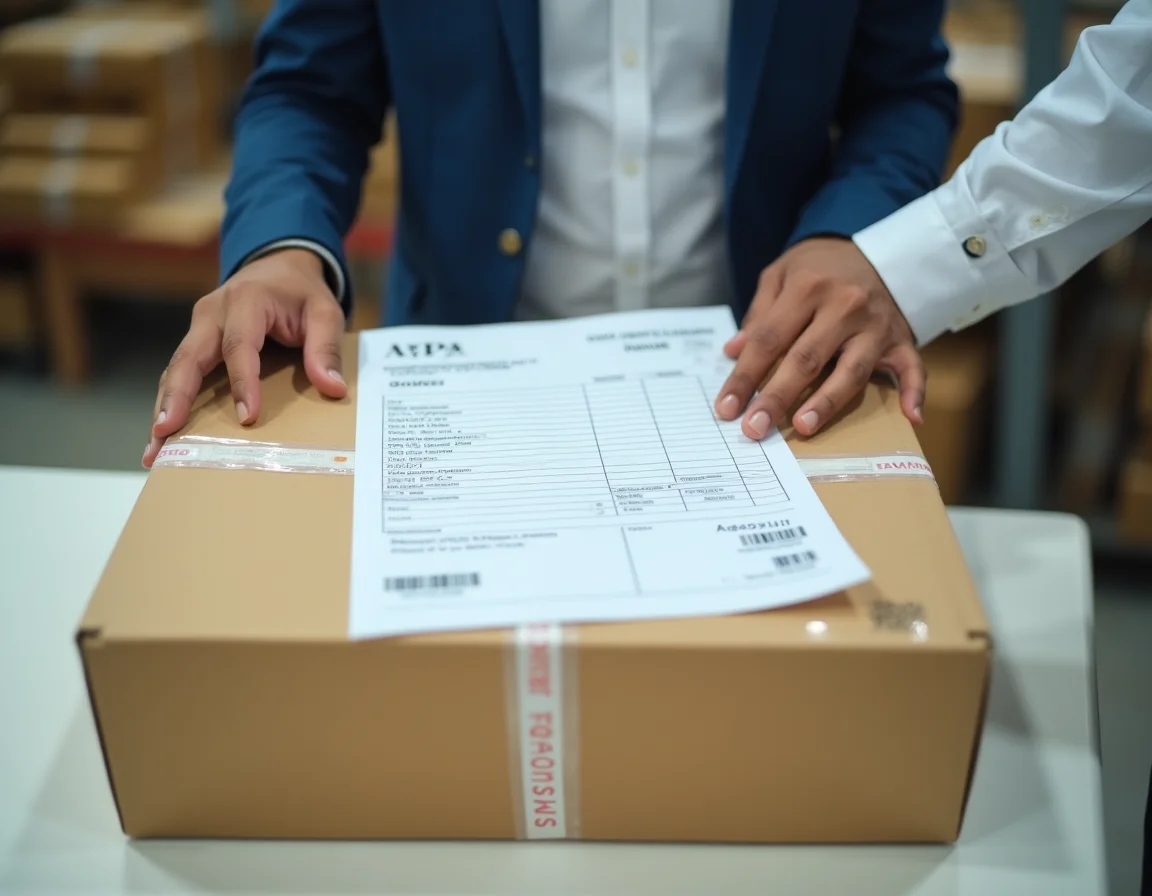
One of the most critical decisions in t-shirt export business is selecting the appropriate shipping method. The wrong choice can either eat up your margins or delay deliveries beyond acceptable timelines.
Courier Shipping: Fast but Expensive
International courier services like DHL, FedEx, UPS, and Aramex offer speed and reliability, but they come at a premium cost.
Best for:
- Sample shipments (10-50 pieces)
- First-time orders to new customers (quality verification)
- Urgent orders with tight deadlines
- Shipments up to 500 pieces maximum
Cost Breakdown Reality Check:
For a 500-piece t-shirt shipment (approximately 75-80 kg) from Delhi to Dubai, courier charges can range from ₹25,000 to ₹40,000 depending on the service provider and agreement. That's ₹50-80 per piece just for shipping. If you're selling t-shirts at ₹150-200 per piece, this shipping cost significantly impacts your margins.
Timeline: 3-5 days door-to-door delivery for most Middle Eastern and Southeast Asian destinations, 5-7 days for Europe and North America.
Sea Freight: Economical for Bulk Volumes
Sea freight becomes economically viable when you're shipping larger quantities — typically 2,000 pieces or more.
Best for:
- Established customers with regular orders
- Bulk shipments (2,000+ pieces)
- When delivery timeline is flexible
- Cost-sensitive markets where margins are tight
Cost Advantage:
A 20-foot container can hold approximately 15,000-20,000 t-shirts (depending on packaging). The shipping cost from India to Dubai by sea might be around ₹60,000-80,000 for a full container load (FCL). That brings the per-piece shipping cost down to just ₹3-5 — a massive difference compared to courier rates.
Timeline: 25-30 days for most Middle Eastern ports, 30-45 days for Europe and North America, including customs clearance time.
The Smart Strategy: Hybrid Approach
Here's what experienced exporters do, and what we recommend at Sale91.com:
"For the first order with any new international customer, send 200-500 pieces by courier. Let them check the quality, test the market, and build confidence. Once they're satisfied and ready for regular orders, switch to sea freight for 2,000+ piece shipments. This approach balances risk, speed, and profitability."
This strategy has several advantages:
- Customer receives samples quickly and can start selling
- You minimize risk on first-time orders
- Both parties can verify quality and business relationship
- Subsequent bulk orders via sea freight maximize margins
- Predictable shipping schedules can be established
Creating the Perfect Export Invoice: A Step-by-Step Template
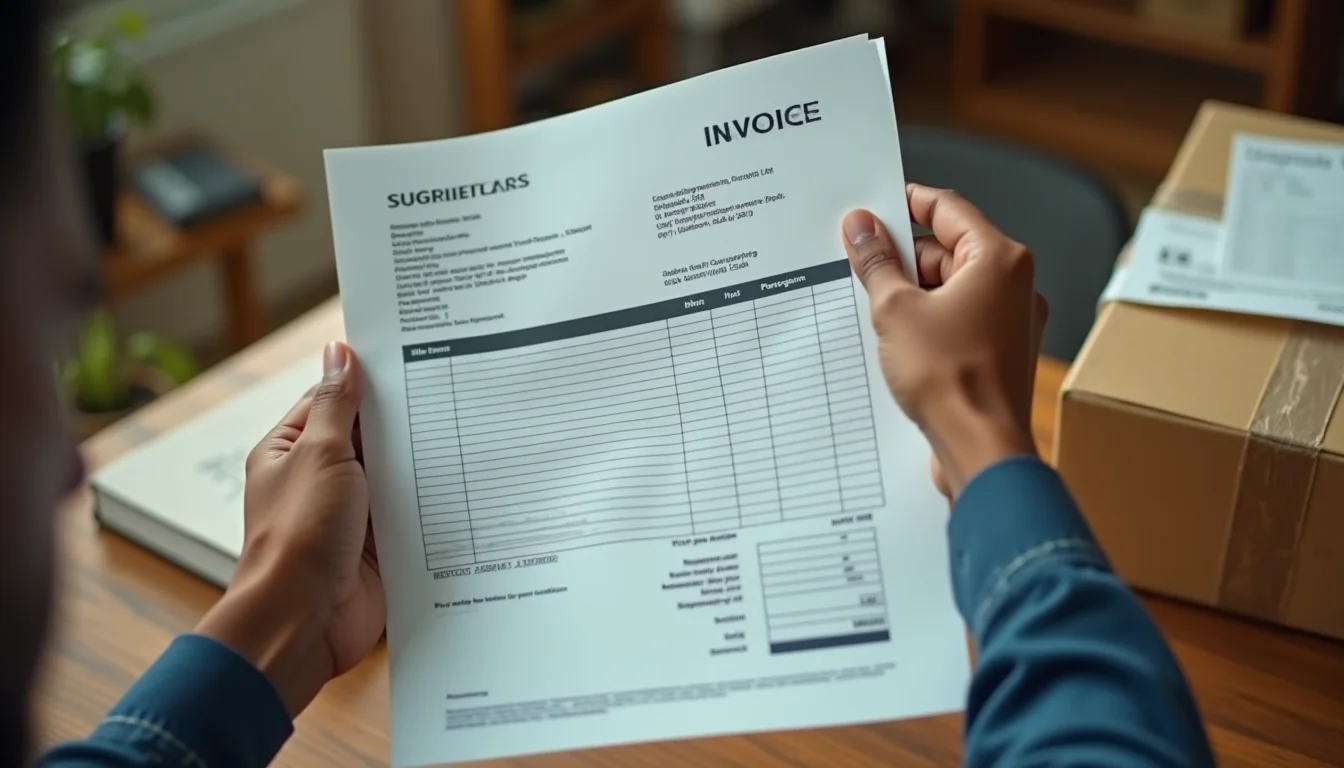
After the 12-day customs delay incident, we created a comprehensive invoice template that our export customers now use. Here's what a proper export invoice for plain t-shirts should include:
Essential Invoice Components
1. Exporter Details (Complete Information):
- Company name and full address
- IEC (Import Export Code) number
- GST number
- Contact details (phone, email)
2. Importer Details (Buyer Information):
- Complete company name and address
- Tax ID or business registration number
- Contact person details
3. Shipping Details:
- Port of loading (e.g., Delhi Air Cargo, Mumbai Port)
- Port of discharge (destination port)
- Country of origin (India)
- Country of final destination
4. Product Description (This is Where Most Errors Happen):
Instead of: "Cotton T-shirts - 1000 pcs"
Use this format: "Men's Plain Round Neck Short Sleeve T-shirts, 100% Combed Ring-Spun Cotton, Single Jersey Knit, 200 GSM, Bio-washed, Pre-shrunk, Enzyme Treated"
5. Color and Size Breakdown:
- White - S: 50, M: 100, L: 100, XL: 50 = 300 pieces
- Black - S: 50, M: 100, L: 100, XL: 50 = 300 pieces
- Navy Blue - S: 25, M: 75, L: 75, XL: 25 = 200 pieces
- Maroon - S: 25, M: 75, L: 75, XL: 25 = 200 pieces
- Total: 1,000 pieces
6. HS Code and Tariff Information:
- HS Code: 6109 10 00
- Description: T-shirts, singlets and other vests, knitted, of cotton
7. Value Declaration:
- Unit price per piece
- Total FOB value
- Currency (USD typically for exports)
- Payment terms (LC, TT, etc.)
Common Export Documentation Mistakes to Avoid
Based on our experience manufacturing and supplying to exporters across India, here are the most common mistakes that cause customs delays:
1. Generic Product Descriptions
Never use vague terms like "garments," "textile items," or just "t-shirts." Always provide complete specifications including fabric type, GSM, construction, and finishing.
2. Inconsistent Packing List and Invoice
Your packing list must exactly match your commercial invoice. If the invoice says 1,000 pieces but the packing list shows 25 cartons with 40 pieces each (total 1,000), make sure the math is clear and consistent.
3. Missing or Incorrect Country of Origin Certificate
Many countries require a Certificate of Origin (COO). For Indian exports, this is issued by the Chamber of Commerce. Apply for it well in advance of your shipping date.
4. Undervaluing Products to Save on Duties
This is illegal and risky. Customs officials are experienced and can easily spot undervalued invoices. The consequences include heavy fines, shipment seizure, and legal action. Always declare the true commercial value.
5. Missing GST Documentation
For exports from India, proper GST documentation is essential for claiming refunds. Ensure your tax invoices, shipping bills, and export declarations are all in order.
Working with Customs Brokers and Freight Forwarders
Unless you're a very large exporter with an in-house customs department, you'll need professional help. Here's how to choose and work with these partners:
Choosing a Customs Broker
A good customs broker can be the difference between smooth clearances and constant delays. Look for:
- Experience with textile and garment exports specifically
- Active license and good standing with customs authorities
- Responsive communication (crucial when issues arise)
- Transparent pricing structure
- References from other exporters
Your Responsibilities as an Exporter
Even with the best broker, you need to:
- Provide complete and accurate product information
- Submit documentation 48-72 hours before shipment
- Maintain clear communication about any changes
- Keep digital copies of all export documents
- Respond quickly to any clarification requests
Export Success Tips from a Tiruppur Manufacturer
At Sale91.com, we've been supporting export businesses for years. We manufacture plain t-shirts specifically designed for the export market — bio-washed, pre-shrunk, with consistent GSM and color matching. Here's what we've learned:
Quality Consistency is Non-Negotiable
International customers have zero tolerance for quality variation. When they order 200 GSM t-shirts, every piece must be 200 GSM (±5% tolerance). Color matching must be perfect across batches. This is why we maintain our own knitting facility in Tiruppur — complete control over fabric quality.
Build Relationships with Reliable Suppliers
Don't chase the cheapest supplier. Find a manufacturer who understands export requirements, maintains stock, and delivers consistently. The few rupees you save per piece aren't worth the risk of quality issues or delays.
We keep 1 lakh+ pieces in ready stock at our Delhi warehouse specifically to support quick turnaround for export orders. Check our complete product catalog here.
Start Small, Scale Smart
Don't commit to large MOQs with new customers. Our minimum order quantity can be as low as 10 pieces for ready stock items, allowing exporters to send samples without huge investment.
Document Everything
Keep detailed records of:
- Every shipment's complete documentation
- Customer feedback and quality reports
- Customs clearance timelines and any issues faced
- Successful HS codes and invoice formats for each destination
Watch the Video: Real Export Experience Explained
Watch this short video where we explain the exact customs clearance issue our Dubai customer faced and how to prevent such delays in your export business. Real manufacturer insights from Tiruppur.
Recovery and Resolution: How the Story Ended
After 12 days of back-and-forth with customs, additional documentation, and consultation with local customs brokers in Dubai, our customer's shipment was finally cleared. The total additional cost? Approximately ₹8,000 in storage fees, express courier charges for corrected documents, and broker consultation fees.
More importantly, the delay nearly cost him his biggest retail client who had orders pending. The silver lining? He learned the importance of proper documentation, updated his entire export process, and hasn't faced a single customs delay since then.
He now uses a standardized invoice format (which we helped create), double-checks every HS code with his customs broker, and maintains digital templates for different destination countries.
Your Export Checklist: Before Every Shipment
Use this checklist before every international shipment:
- ✓ Commercial invoice with complete fabric specifications including GSM
- ✓ Correct HS code verified with customs broker
- ✓ Packing list matching invoice quantities exactly
- ✓ Certificate of Origin (if required by destination country)
- ✓ Shipping bill and export declaration
- ✓ Quality inspection report (if buyer requires)
- ✓ Courier/shipping company documentation
- ✓ Insurance certificate (recommended for high-value shipments)
- ✓ Payment proof or LC documents
- ✓ Digital backup copies of all documents
Ready to Start Your T-Shirt Export Business?
Get export-quality plain t-shirts with consistent GSM, perfect bio-wash finish, and pre-shrunk fabric. We support exporters across India with ready stock and quick delivery from our Delhi warehouse.
1,25,232+ pieces sold last month to printing businesses and exporters.
Order from Sale91.com