Acid Wash Embroidery Problem — Thread Breaks Kyu Hota Hai?
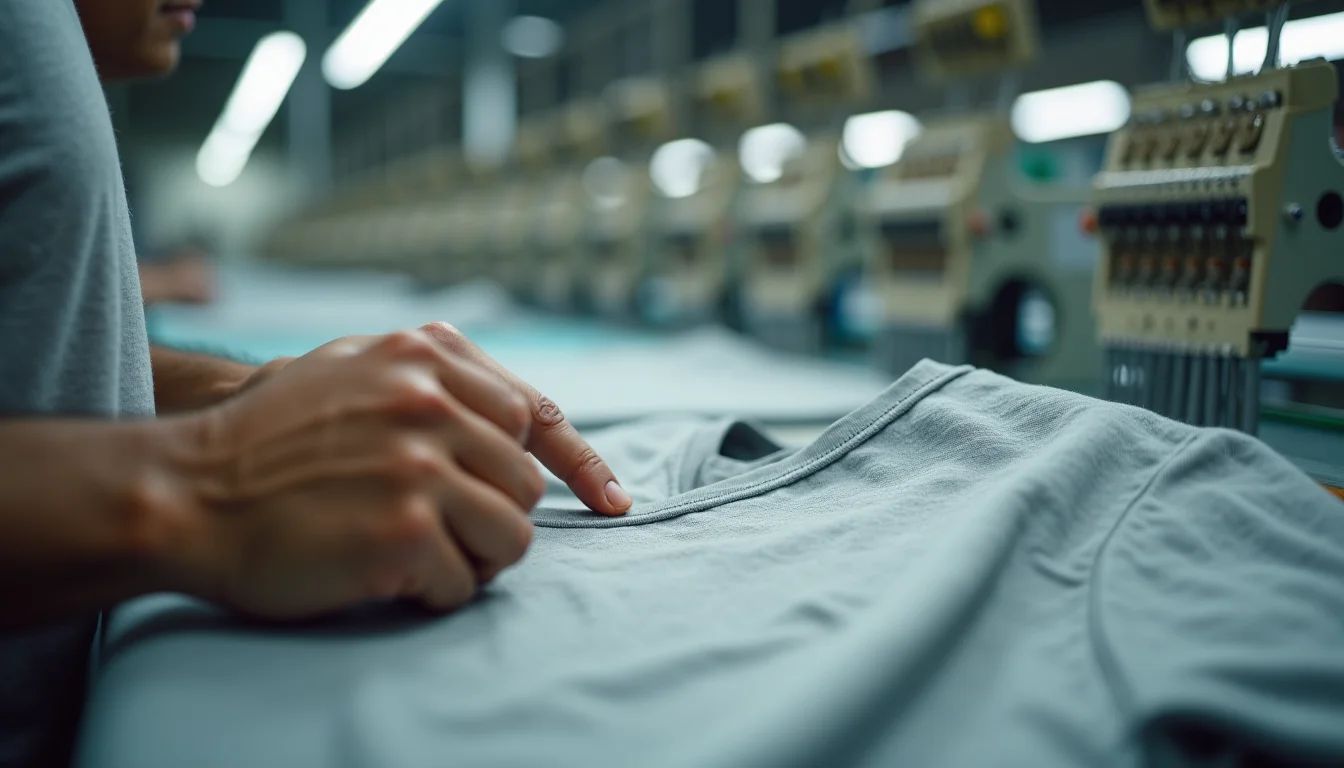
If you run a custom printing or embroidery business in India, you've probably faced this frustrating situation: you're working on a batch of trendy acid wash t-shirts, your embroidery machine is humming along, and suddenly — snap! The thread breaks. Again and again. The design looks patchy, the tension is off, and you're losing both time and money.
This is not just a random technical glitch. It's a common problem that happens when embroidery meets acid wash fabric, and understanding why it happens can save your business from costly mistakes. In this comprehensive guide, we'll break down the science behind this issue, share real client experiences, and give you practical solutions that actually work on the shop floor.
The Real-Life Problem: A Client's Experience
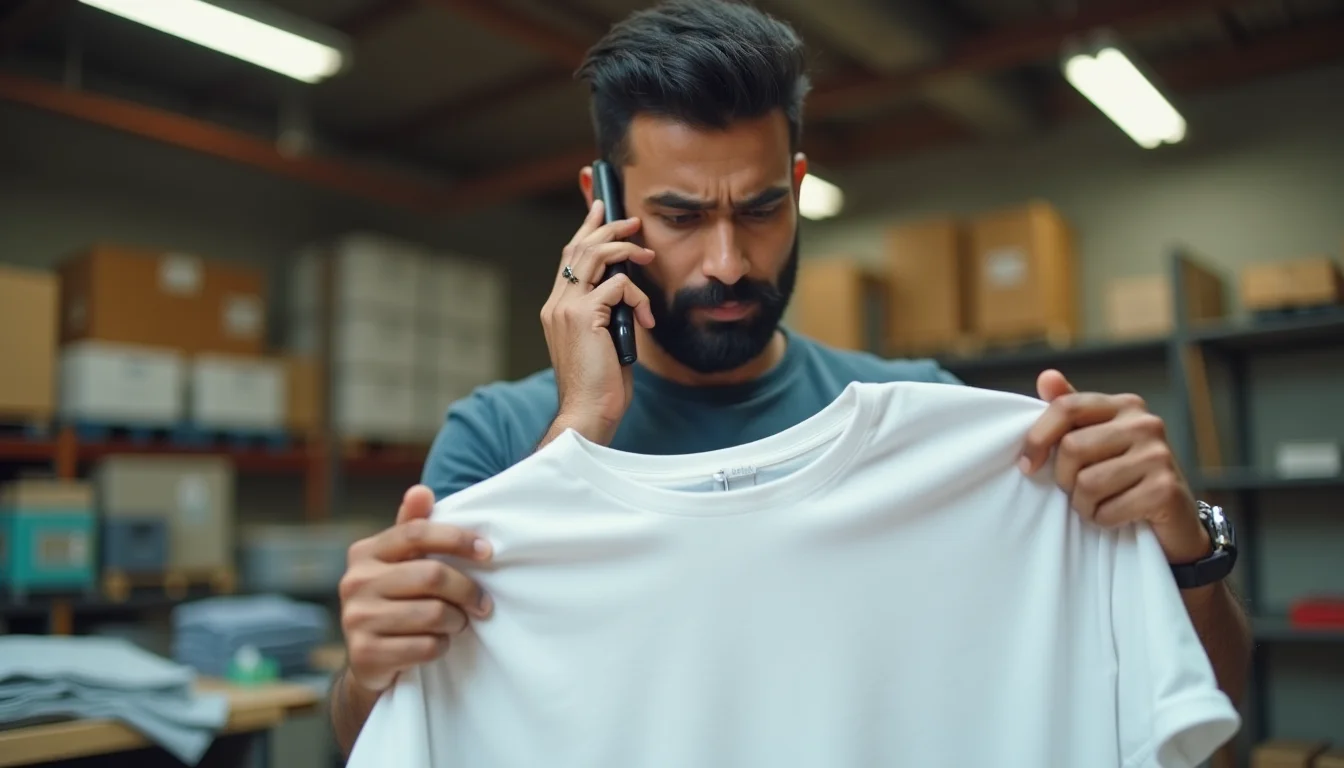
Recently, a client reached out with exactly this issue. He had ordered a batch of acid wash t-shirts for a fashion brand client and decided to add custom embroidery to elevate the design. Everything seemed perfect on paper — the design file was ready, the machine was calibrated, and the thread quality was premium.
But as soon as the embroidery started, problems began. The thread kept breaking mid-design, forcing him to restart multiple times. Some pieces came out with incomplete patterns, while others had visible tension issues where the stitching looked loose in some areas and too tight in others.
When he called us at Sale91.com, the first question we asked was: Which type of acid wash did you order — regular or heavy? His response was telling: "I didn't know there were types. I just took whatever was available in stock."
This is where the root of the problem lay. Acid wash t-shirts are not like your standard plain blanks, and treating them the same way during embroidery is a recipe for disaster.
What Makes Acid Wash Fabric Different?
To understand why embroidery fails on acid wash, you need to understand what acid wash actually is and how it changes the fabric structure.
The Acid Wash Process
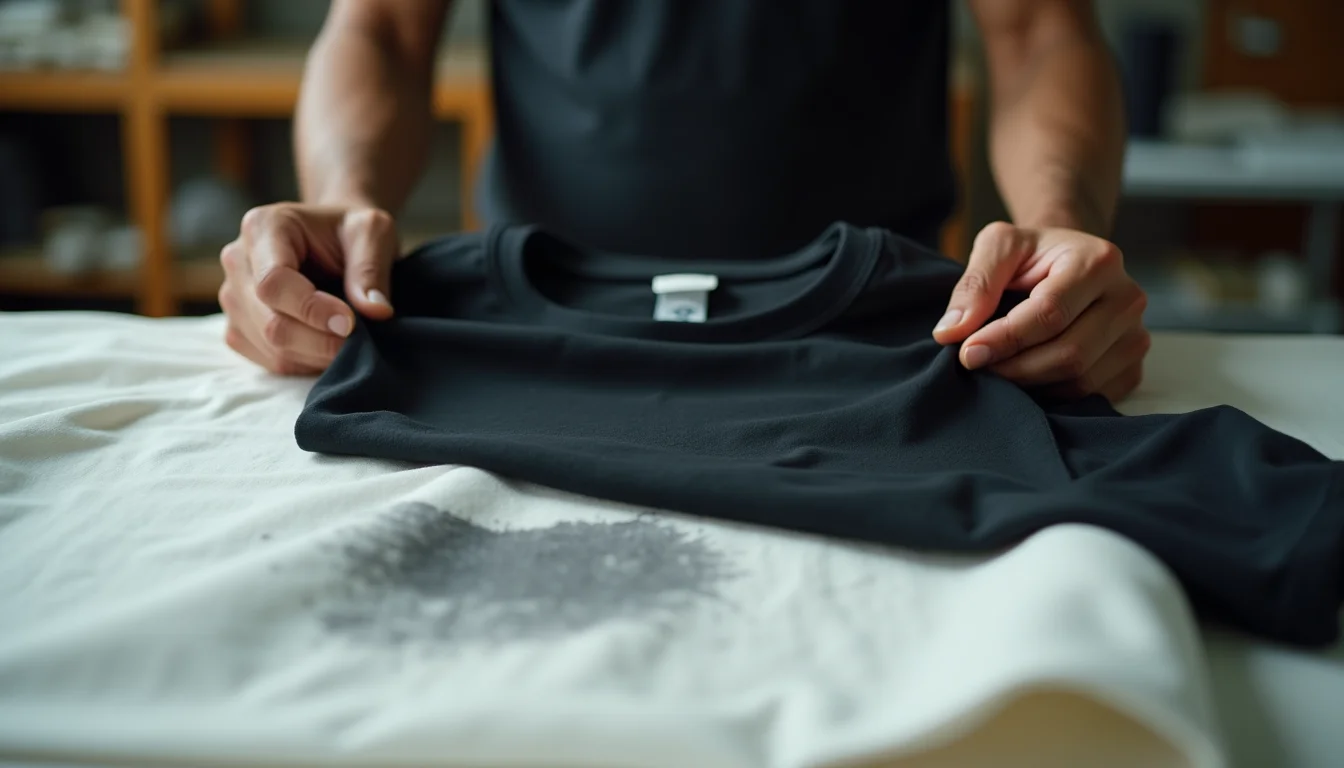
Acid wash is a chemical treatment process where t-shirts are washed with pumice stones soaked in chlorine or other bleaching agents. This creates a faded, vintage, distressed look that's extremely popular in streetwear and fashion circles. The process literally eats away at the dye and partially breaks down the cotton fibers in random patterns.
The result? A fabric that has:
- Uneven texture: Some areas are softer and thinner where the acid has worked more, while other areas remain relatively untouched and thicker
- Variable density: The fabric density is not consistent across the entire surface
- Inconsistent stretch: Different parts of the fabric behave differently when pulled or pressed
- Irregular surface: The fabric surface is not smooth like bio-washed plain cotton — it has bumps, valleys, and texture variations
Why This Matters for Embroidery
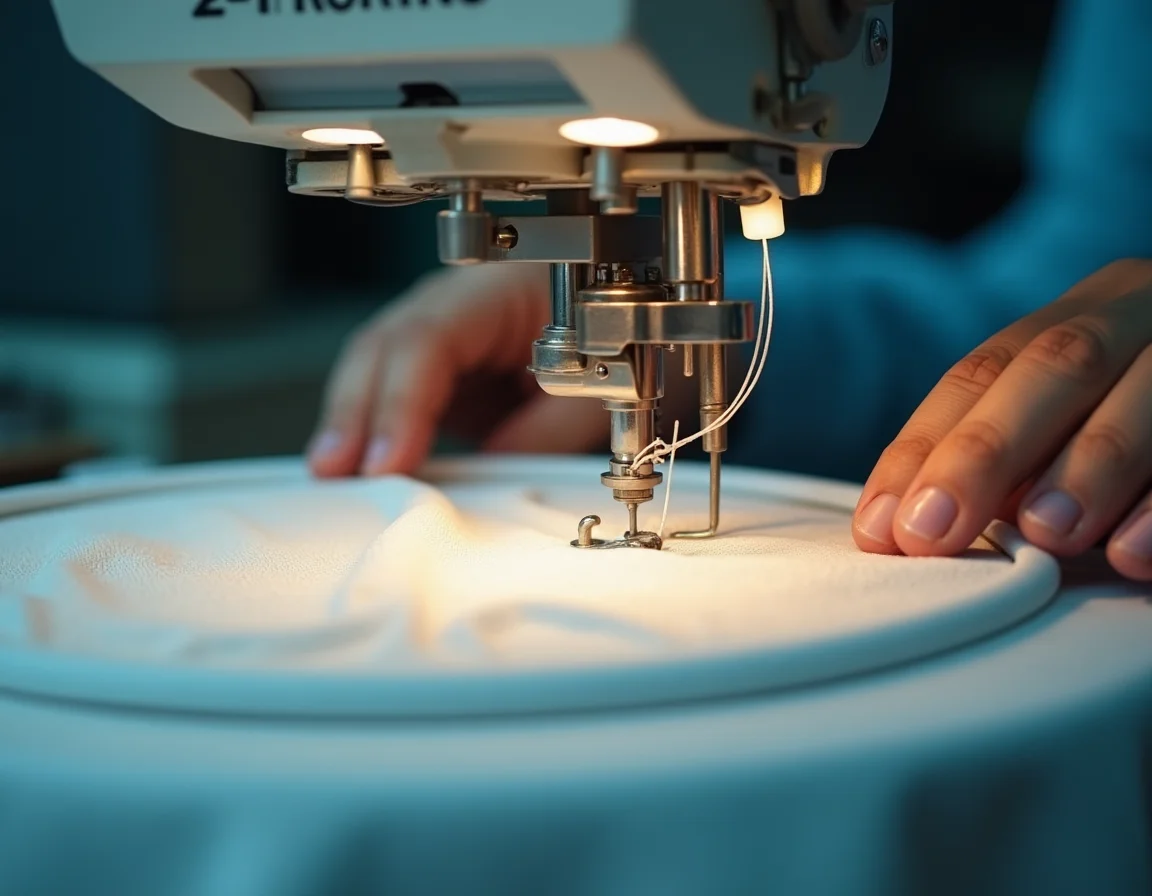
Embroidery machines rely on consistent tension to create clean, even stitches. The needle penetrates the fabric, the thread loops through, and the bobbin thread catches it from below — all while the fabric is held taut under a specific tension.
When the fabric texture is uneven:
- The needle encounters varying resistance as it moves across the design
- In soft/thin areas, the needle passes through easily but the fabric may not hold the stitch firmly
- In coarse/thick areas, the needle faces more resistance, causing the thread to pull harder
- This constant variation in resistance disrupts the thread tension balance
- The thread experiences sudden jerks and pulls that it's not designed to handle
- Result: the thread snaps, especially if you're running the machine at normal speeds
Additionally, the irregular surface can cause the needle to deflect slightly, creating friction points where the thread rubs against the needle eye or fabric edges, leading to fraying and breakage.
Common Mistakes When Embroidering on Acid Wash
Based on feedback from hundreds of printing businesses we supply to across India through our bulk t-shirt catalog, here are the most common mistakes:
1. Using Normal Machine Speed Settings
Most embroidery operators are used to running their machines at 800-1000 RPM (rotations per minute) when working on standard plain t-shirts. This speed is perfect for smooth, consistent fabric like our bio-washed combed cotton blanks.
But on acid wash? This speed is way too fast. The machine doesn't have enough time to adjust to the varying fabric resistance, and the thread breaks become inevitable.
2. Not Using a Stabilizer
Stabilizers (also called backing) are sheets placed underneath the fabric during embroidery to provide support and prevent the fabric from stretching, puckering, or distorting.
On regular plain t-shirts, you might get away with skipping stabilizer on simple designs. But on acid wash, this is a critical mistake. The uneven fabric structure means different areas will stretch differently during embroidery, causing:
- Design distortion (your logo might look warped)
- Puckering around the stitched area
- Increased thread breakage due to fabric movement
- Registration issues if you're doing multi-color designs
3. Not Testing First
Many businesses jump straight into production without doing a test run. When working with specialty fabrics like acid wash, this can lead to wasting entire batches.
4. Choosing the Wrong Thread
The thread you use matters. Lower quality threads are more prone to breaking under stress, and acid wash embroidery is definitely a stress test for your thread.
The Right Way to Do Embroidery on Acid Wash T-Shirts
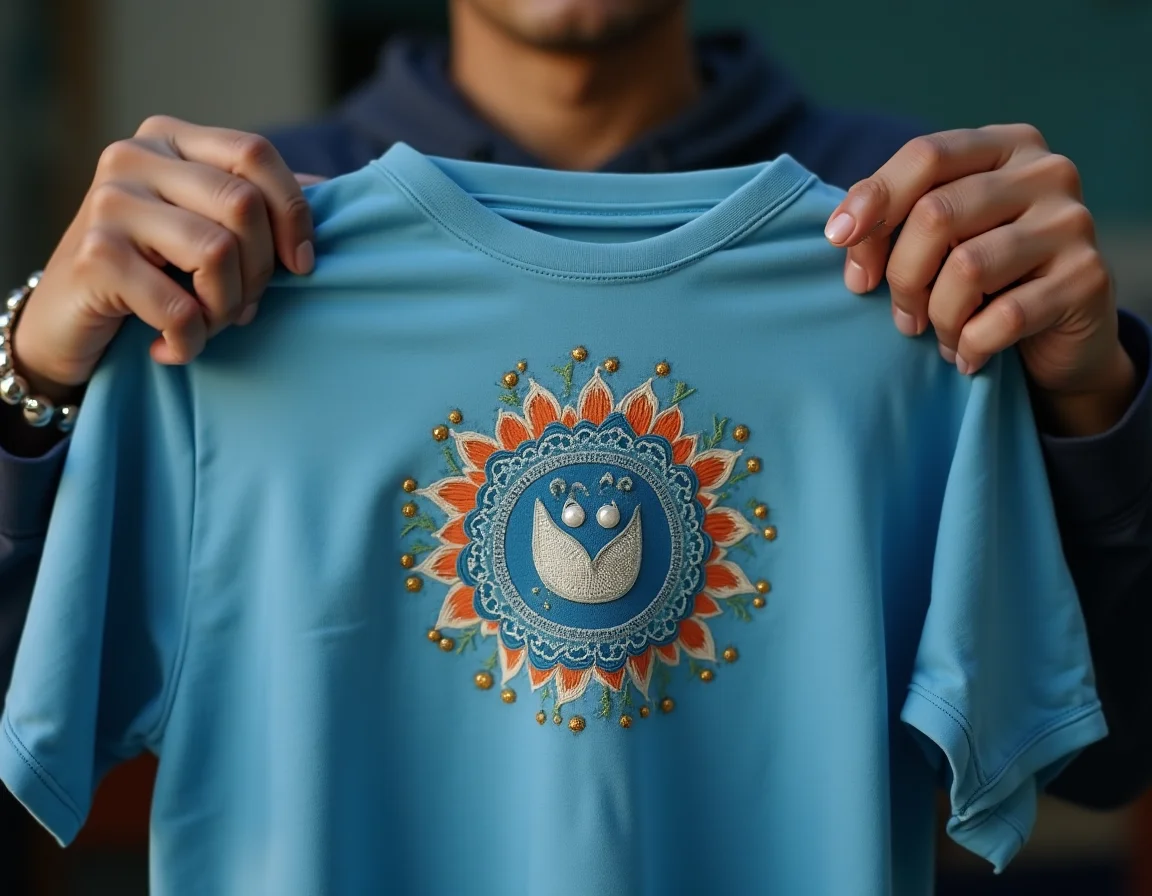
Now that we understand the problem, let's talk solutions. Here's the step-by-step process that actually works:
Step 1: Reduce Machine Speed Significantly
This is the single most important change you need to make. Reduce your embroidery machine speed to 500-600 RPM maximum. Yes, this means your production will be slower, and you'll need to factor this into your pricing and timeline.
At this reduced speed:
- The machine has more time to adjust to fabric variations
- The needle penetrates more smoothly through different densities
- Thread tension remains more consistent
- There's less sudden jerking on the thread
- The motor doesn't have to work as hard, reducing vibration
Think of it like driving on a rough road — you naturally slow down to navigate the bumps safely. The same principle applies here.
Step 2: Always Use Quality Stabilizer
For acid wash embroidery, we recommend using a medium to heavy-weight tear-away or cut-away stabilizer. Here's what you need to know:
- Tear-away stabilizer: Good for designs with fewer stitches. Can be torn away after embroidery, leaving minimal residue. More economical.
- Cut-away stabilizer: Better for dense designs or large embroidery areas. Stays permanently with the garment (trimmed around the design). Provides more long-term stability.
For acid wash specifically, we lean toward cut-away because the fabric is already structurally compromised by the acid treatment. The extra permanent support helps maintain design integrity through multiple washes.
Step 3: Adjust Thread Tension
You may need to slightly loosen your top thread tension to accommodate the fabric variations. Don't make dramatic changes — start with small adjustments (about 10-15% reduction) and test.
Some modern embroidery machines have automatic tension adjustment features. If your machine has this, enable it for acid wash projects.
Step 4: Choose the Right Needle
Use a sharp embroidery needle (size 75/11 or 80/12) in good condition. Dull or damaged needles will cause more problems on irregular fabric. Change needles frequently — don't try to save money here, it's false economy.
Step 5: Use Premium Thread
This is not the place to cut costs. Use high-quality polyester or rayon embroidery thread from reputable brands. Premium thread has:
- Better tensile strength (can handle more stress before breaking)
- Smoother finish (less friction in the needle eye)
- More consistent diameter (prevents tension fluctuations)
- Better color fastness (won't fade after washing)
Step 6: Test, Test, Test
Before running your full production batch, do at least 2-3 test pieces with your actual design. Check for:
- Thread breakage frequency
- Stitch quality and consistency
- Any puckering or distortion
- How the design looks after washing
If the test pieces look good, you're ready for production. If not, adjust settings further until you get it right.
Step 7: Proper Hooping Technique
Hoop the garment firmly but not too tight. On acid wash, over-hooping can stretch the thinner areas too much, creating more problems. The fabric should be taut enough to prevent movement but not stretched beyond its natural state.
Place the stabilizer underneath before hooping, and make sure both fabric and stabilizer are smooth without wrinkles.
Understanding Different Types of Acid Wash
When our client said he didn't know there were different types of acid wash, it highlighted an important knowledge gap. At Sale91.com, we manufacture two main varieties:
Regular Acid Wash
This involves a standard acid treatment that creates a moderate vintage effect. The texture variation is present but less extreme. This is somewhat easier to embroider on, though you still need to follow the precautions mentioned above.
Heavy Acid Wash
This involves a more intensive treatment, creating a more dramatic distressed look with bolder color variations. The texture differences are more pronounced, making embroidery more challenging.
If you're planning embroidery work, we generally recommend starting with regular acid wash to get comfortable with the technique before moving to heavy acid wash.
Pro Tip: Always ask your supplier which type of acid wash you're getting, and if possible, request samples before bulk ordering. Different manufacturers may have different acid wash intensities even if they use the same terminology.
Alternative Decoration Methods for Acid Wash
While embroidery on acid wash is definitely possible with the right technique, it's worth knowing that other decoration methods might be easier and more reliable for certain designs:
Screen Printing
Works well on acid wash because it sits on top of the fabric rather than penetrating through it. The texture actually adds to the vintage aesthetic. Use discharge or plastisol inks depending on your desired effect.
Direct-to-Garment (DTG) Printing
Can produce excellent results on acid wash, especially for complex designs with multiple colors. The uneven texture can create interesting visual effects. Pre-treatment is important for color vibrancy.
Heat Transfer Vinyl (HTV)
Works well for simple designs, text, and numbers. The uneven surface can sometimes affect adhesion in very thin areas, so test pressing parameters carefully.
Direct-to-Film (DTF)
One of the most reliable methods for acid wash as it bonds to the surface regardless of texture variations. Good durability and color reproduction.
That said, embroidery has a premium feel and perceived value that printing methods don't always match. For high-end fashion pieces, apparel brands, or when you want that luxury touch, embroidery on acid wash is worth the extra effort.
Pricing Considerations for Acid Wash Embroidery
Since embroidery on acid wash requires slower machine speeds, more setup time, higher failure rates, and additional materials (quality stabilizer, premium thread), your pricing should reflect this.
As a general guideline, consider charging 20-30% more for embroidery on acid wash compared to standard plain t-shirts. Make sure to communicate this to your clients upfront and explain why — most will understand when you explain the technical challenges.
Quality Blanks Make a Difference
One often-overlooked factor is the quality of the blank t-shirt itself. Not all acid wash t-shirts are created equal. Lower quality blanks may have:
- Inconsistent base fabric (mixing different cotton qualities)
- Poor construction (weak seams, irregular stitching)
- Overly aggressive acid treatment that damages fabric integrity
- Low GSM (fabric weight) that can't support embroidery well
At Sale91.com, our acid wash t-shirts start with premium 100% combed cotton blanks (typically 180-200 GSM for regular tees, higher for oversized styles). The acid wash treatment is carefully controlled to create the desired aesthetic while maintaining fabric strength.
When you start with a quality blank, embroidery success rates improve significantly. Check out our full range at our product catalog.
Watch the Video
For a visual demonstration of this problem and the solutions, check out our detailed video explanation:
Frequently Asked Questions About Acid Wash Embroidery
Ready to Order Quality Acid Wash T-Shirts?
Whether you need acid wash blanks for embroidery, printing, or any custom decoration, Sale91.com has you covered with premium quality, competitive pricing, and ready stock availability.
1,25,232+ pieces sold in the last 30 days to printing businesses across India.
✓ 100% Combed Cotton | ✓ Bio-washed & Pre-shrunk | ✓ 15+ Colors Available | ✓ MOQ: Just 10 pieces
Order Now from Sale91.com