T-Shirt Color Bleeding in Monsoon — Reactive vs Pigment Dye Mistake That Ruined 200 Pieces
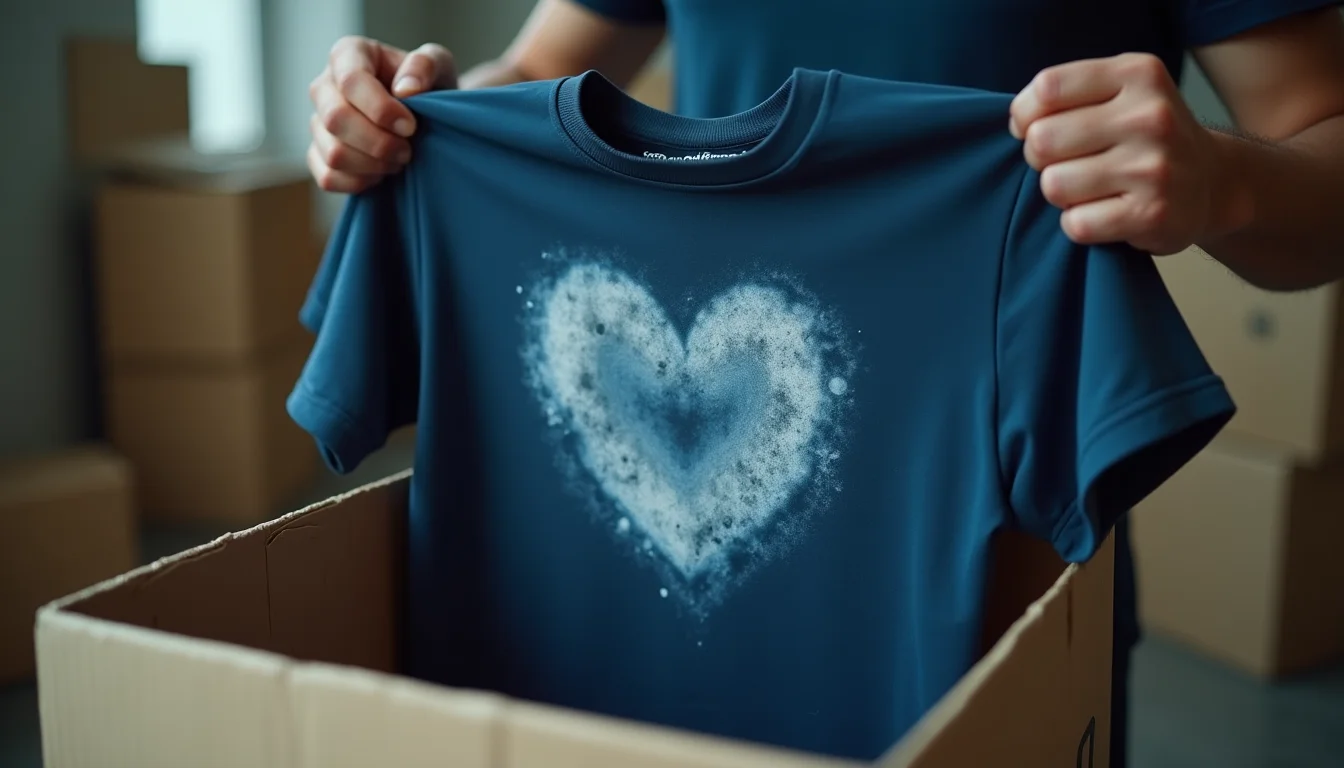
Imagine this: You've just delivered 200 navy blue plain t-shirts to a client. They've spent hours getting custom prints done — white DTF prints on the chest, bold graphics on the back. The monsoon arrives, and in one unexpected rain shower, everything falls apart. The fabric dye bleeds into the white print, turning a premium-looking order into a disaster. The client calls you furious. You've lost the business, the money, and possibly your reputation.
This is not a hypothetical story. This is exactly what happened to a real printing business owner who called us during the last monsoon season. And the root cause? A single overlooked detail that 90% of people in the t-shirt printing and customization business never check — the type of dye used in the blank t-shirt fabric.
In this guide, we're going to break down everything you need to know about reactive dye vs pigment dye, why it matters enormously in the monsoon season, how to test your fabric before placing a bulk order, and how to never make this costly mistake again.
The Monsoon Problem Nobody Talks About in the T-Shirt Business
India's monsoon season runs from June to September, and for most of the country, it means heavy rain, high humidity, and constant moisture. For the garment and custom printing industry, this season brings a unique set of challenges that most business owners are completely unprepared for.
When a dark-colored t-shirt — navy blue, black, dark green, maroon — gets soaked in rain or even in heavy sweat, the dye in the fabric can run. If there's a white or light-colored print on top of that fabric, that dye bleeds directly into the print, ruining it permanently. The technical term is crocking — the transfer of color from fabric to another surface when wet.
This problem is dramatically worse in certain types of dyed fabrics. And which type is more prone to this? Pigment-dyed fabric. But before we get into that, let's understand both dye types from scratch.
Reactive Dye vs Pigment Dye — What's the Actual Difference?
These two dyeing technologies are fundamentally different in how they interact with the cotton fiber. Understanding this difference is the single most important thing you can do to protect your printing business — especially during the rainy season.
Reactive Dye — The Professional Standard
Reactive dye is named after what it does: it reacts with the cotton fiber at a molecular level. During the dyeing process, a covalent chemical bond is formed between the dye molecule and the cellulose in the cotton. In simple terms, the color becomes part of the fiber itself. It's not sitting on top of the fabric — it's embedded inside every single thread.
This is why reactive-dyed fabric holds its color so well, even under harsh conditions. Rain, sweat, repeated washing, even high humidity — none of these break that chemical bond. The dye stays where it belongs: inside the fiber, not on your white print.
Reactive dyeing is the industry standard for premium blank t-shirts used in custom printing, DTG (Direct to Garment), DTF (Direct to Film), screen printing, and heat transfer printing. All the plain t-shirts available on Sale91.com are processed using reactive dye for this exact reason — to ensure they are print-ready and monsoon-safe.
Pigment Dye — The Cheaper Alternative That Costs More
Pigment dye works very differently. Instead of chemically bonding with the cotton fiber, pigment particles are coated onto the surface of the fabric using a binding agent (usually an acrylic or latex binder). The color sits on top of the fiber, not inside it.
This coating process is faster and cheaper. A pigment-dyed t-shirt might cost Rs 10–20 less per piece compared to a reactive-dyed equivalent. For a printing business owner buying 500 or 1,000 pieces, that sounds like a great saving. But here's the problem: that surface coating is vulnerable. Water, humidity, sweat, and friction can all break down the binder over time — and when they do, the pigment starts to transfer. Wet crocking on pigment-dyed dark fabric is significantly worse than on reactive-dyed fabric.
The Rs 15 you saved per piece on pigment dye? You'll spend thousands — or lakhs — compensating clients, reprinting orders, and rebuilding trust. Just like the business owner who called us with 200 ruined navy t-shirts. Many printing businesses learn this lesson the hard way, similar to the story of how small savings destroyed a print business — the pattern is unfortunately very common.
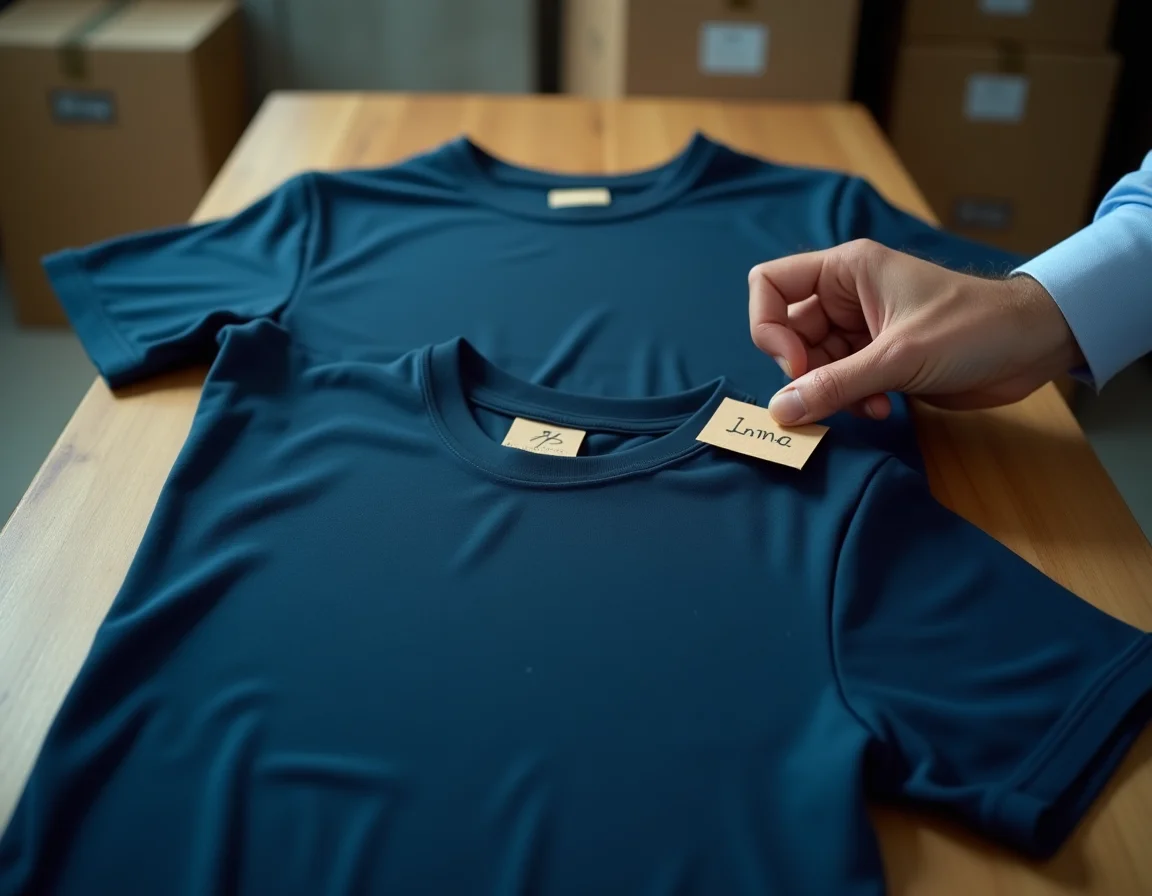
Side-by-Side Comparison: Reactive Dye vs Pigment Dye
| Feature | Reactive Dye | Pigment Dye |
|---|---|---|
| How it bonds | Chemically bonds inside the cotton fiber | Coated onto fiber surface with binder |
| Wet crocking (bleeding) | Minimal — color stays in fiber | High — color transfers when wet |
| Wash fastness | Excellent (4–5 on ISO scale) | Average (2–3 on ISO scale) |
| Monsoon safety | Safe for rain, sweat, humidity | Risky — bleeds in heavy moisture |
| Print compatibility | Ideal for DTG, DTF, Screen Print, HTV | Can interfere with print adhesion |
| Fabric feel | Soft, natural, breathable | Can feel slightly stiff or waxy |
| Cost per piece | Slightly higher | Cheaper upfront, costly in errors |
| Recommended for | All custom printing businesses | Not recommended for print work |
Why Dark Colors Are the Biggest Risk
Not all colors carry the same risk. Light-colored t-shirts — white, cream, light grey — have very little dye in the fabric, so even if the dye type is substandard, there's minimal color to bleed. The real danger zone is dark, heavily saturated colors:
- Navy Blue (the most common culprit)
- Jet Black
- Dark Green / Bottle Green
- Maroon / Burgundy
- Dark Grey / Charcoal
- Royal Blue
These colors require the highest concentration of dye in the fabric. With reactive dye, that concentration is safely locked inside the fiber. With pigment dye, that same high concentration of surface-coated pigment is sitting right there, ready to migrate the moment moisture enters the picture.
This is also why color mistakes are so damaging at scale. If you're ordering navy blue vs black t-shirts in bulk without verifying the dye type, you could be sitting on a time bomb — especially heading into June and July.
The Simple Test You Must Do Before Every Bulk Order
You don't need a laboratory to test for dye quality. Here's a practical, field-tested method that any printing business owner or buyer can do in under two minutes:
The Wet Rub Test (Wet Crocking Test)
- Take a piece of clean white cotton cloth or a white tissue paper.
- Dampen it with water — it should be wet but not dripping.
- Rub it firmly on the dark part of the t-shirt you're testing.
- Rub back and forth 10 times with moderate pressure.
- Inspect the white cloth for color transfer.
No color transfer or very faint trace = Good reactive dye quality ✓
Noticeable color on white cloth = Pigment dye or poor quality reactive dye — avoid for printing ✗
This same test is used by quality control teams in export garment factories across Tiruppur and across the industry. It's simple, requires zero equipment, and takes two minutes. Make it a non-negotiable part of your sample approval process before committing to any bulk order.
The Wash Test
If you have slightly more time, wash 2–3 pieces from a sample lot together with a white t-shirt. Use normal water and mild detergent. Check if the white t-shirt picks up any color. If it does, you're dealing with poor dye fastness — and your printed whites will face the same fate in the field.
What Bio-Washing Has to Do With Color Fastness
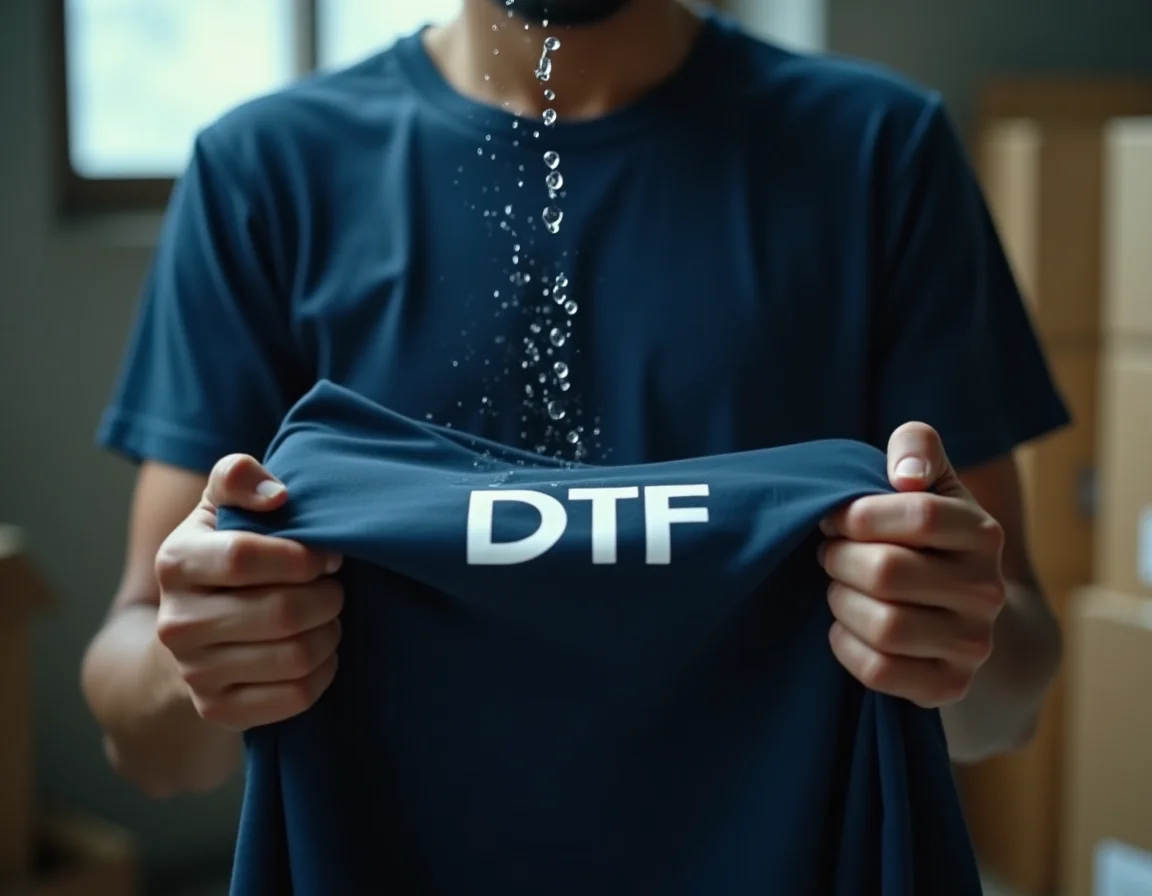
You may have heard the term "bio-washed" when buying premium plain t-shirts. Bio-washing is an enzyme treatment process applied after dyeing that serves multiple purposes: it softens the fabric, removes surface fuzz, and — crucially — helps remove excess loose dye from the fabric surface.
Even with reactive dye, there is always some percentage of dye that doesn't fully bond with the fiber. These "hydrolysed" dye molecules float free in the fabric and are the primary cause of initial bleeding in new t-shirts. A proper bio-wash process removes these loose molecules, improving the wash fastness and wet crocking performance significantly.
This is why all plain t-shirts from Sale91.com are bio-washed as standard — not just to make them softer, but to ensure they are genuinely print-safe and color-stable from the very first wear.
Pre-Shrunk Fabric: Another Monsoon Consideration
Color bleeding is the most dramatic monsoon failure, but it's not the only one. When non-pre-shrunk fabric gets wet and then dries, it shrinks — sometimes by 8–12%. If your client has a custom print on a t-shirt that then shrinks, the print distorts, cracks, or peels at the edges. This is another quality failure that can destroy an order.
Pre-shrunk t-shirts are mechanically compacted during manufacturing to stabilize the fabric dimensions before it reaches the buyer. A quality blank t-shirt for printing must be both bio-washed (for dye stability) and pre-shrunk (for dimensional stability). Both are non-negotiable for any serious printing business.
GSM and Dye Performance — Is There a Connection?
GSM (Grams per Square Meter) describes the weight and density of the fabric. Higher GSM means denser, heavier fabric with more cotton per unit area. Here's how GSM relates to dye performance in monsoon conditions:
- 180 GSM — Everyday t-shirts, lighter fabric, quicker to dry; dye fastness depends entirely on dye type
- 200 GSM — Premium everyday wear; more fabric density, holds structure better when wet
- 210–220 GSM — Heavy premium; more cotton means potentially more dye concentration, making dye quality even more critical in dark colors
Higher GSM doesn't automatically mean better dye fastness. A 220 GSM t-shirt dyed with pigment dye will bleed far worse than a 180 GSM t-shirt dyed with quality reactive dye. The dye type is the decisive factor — not the GSM. That said, selecting the right GSM for your use case matters enormously in other ways. Many business owners have learned this the hard way, as in the case of the GSM mistake that cost lakhs on a 500-piece order.
How to Confirm Dye Type Before Placing an Order
When you're talking to a t-shirt supplier before placing a bulk order — especially for dark colors going into the monsoon season — ask these exact questions:
- "What dye process do you use — reactive or pigment?"
- "What is the wet crocking rating of your dark colors?"
- "Are these t-shirts bio-washed after dyeing?"
- "Can I get a sample for testing before the bulk order?"
- "Are these pre-shrunk?"
A credible manufacturer will answer all of these questions clearly and confidently. A supplier who hesitates, deflects, or doesn't know the answers is a red flag. Never place a large bulk order without getting these confirmations — especially for a new supplier relationship. Always insist on a physical sample first. Ordering thousands of pieces without sample approval is one of the most expensive mistakes in this industry, whether it's because of dye type, GSM, or fit.
The Real Cost Calculation: Reactive vs Pigment Dye
Let's put actual numbers to this decision. Suppose you're ordering 500 dark navy t-shirts for a printing client:
Saving per piece: Rs 15
Total saving on 500 pieces: Rs 7,500
But ONE rain event ruins 200 pieces with bleeding:
Reprint cost: Rs 150/pc × 200 = Rs 30,000
Replacement blank t-shirts: Rs 8,000
Lost client goodwill: Incalculable
Net Loss: Rs 30,500+
Extra cost per piece: Rs 15
Total extra spend on 500 pieces: Rs 7,500
Rain events, sweat, humidity: No color bleed. Zero complaints.
Repeat orders from happy client: Priceless
Net Result: Profitable, trusted business
The math is not even close. The "savings" on pigment dye are an illusion. For any printing business — DTF, DTG, screen printing, heat transfer — reactive dye is simply the cost of doing business correctly.
Watch the Video
Watch how this exact mistake ruined 200 t-shirts — and how to prevent it in your business:
Frequently Asked Questions
More Articles

Order Monsoon-Safe Plain T-Shirts for Your Print Business
All t-shirts at Sale91.com are reactive-dyed, bio-washed, and pre-shrunk — manufactured in Tiruppur with our own knitted fabric. Print-ready for DTF, DTG, Screen Print & Heat Transfer. 1 lakh+ pieces in ready stock. MOQ from 10 pieces.
Order Now at Sale91.com →