200 T-Shirts Ordered Without Sample — What Went Wrong?
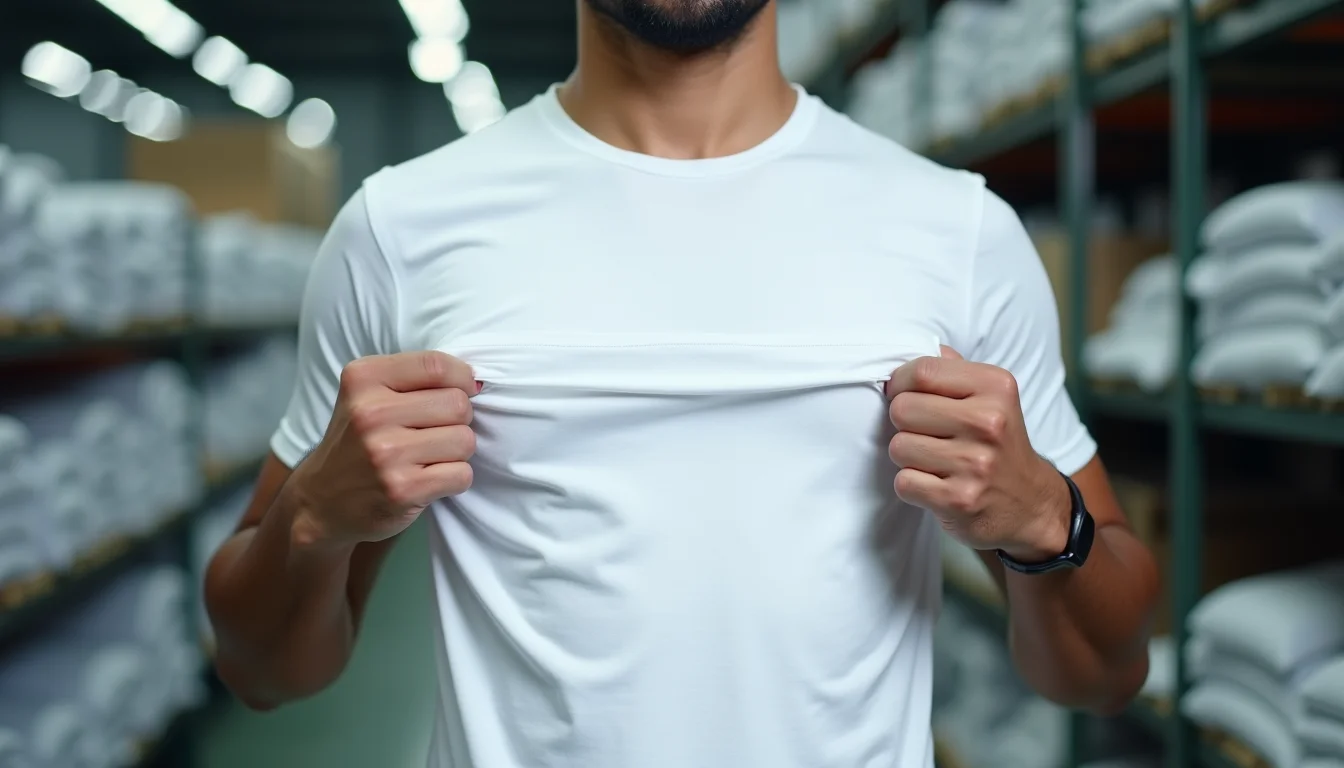
In the fast-paced world of custom t-shirt printing and wholesale garment business, one phone call can reveal a costly mistake. Recently, we received a call from a customer who was frustrated and disappointed. His complaint was straightforward: "The L size feels too small. Your sizing is all wrong." But as we dug deeper into the issue, it became clear that the actual problem wasn't what it seemed on the surface.
This case study isn't just about one customer's experience—it's a critical lesson for every business owner, printing startup, and entrepreneur who sources plain blank t-shirts in bulk from Sale91.com or any other manufacturer. Understanding t-shirt fits, sizing standards, and the importance of sampling can save you thousands of rupees and protect your business reputation.
The Initial Complaint: L Size Chhota Hai?
When the customer called, his frustration was palpable. He had received 200 pieces of plain t-shirts, and according to him, every single L-size piece felt smaller than expected. His immediate assumption was that our manufacturing had a sizing defect or that we had sent the wrong size altogether.
This is a common complaint in the B2B garment industry. Buyers often assume that "L size" is a universal measurement that remains consistent across all brands, manufacturers, and garment styles. Unfortunately, that's not how the apparel industry works—especially in India's diverse textile manufacturing landscape.
The First Question We Asked
Before jumping to conclusions or processing a return, we asked one critical question: "Did you order a sample before placing your bulk order?"
The customer's response? "No, I directly ordered 200 pieces."
This single decision was the root cause of the entire problem. Skipping the sample order is one of the biggest mistakes that new and even experienced custom printing businesses make when sourcing blank t-shirts for their operations.
The Real Problem: Body Fit vs Regular Fit
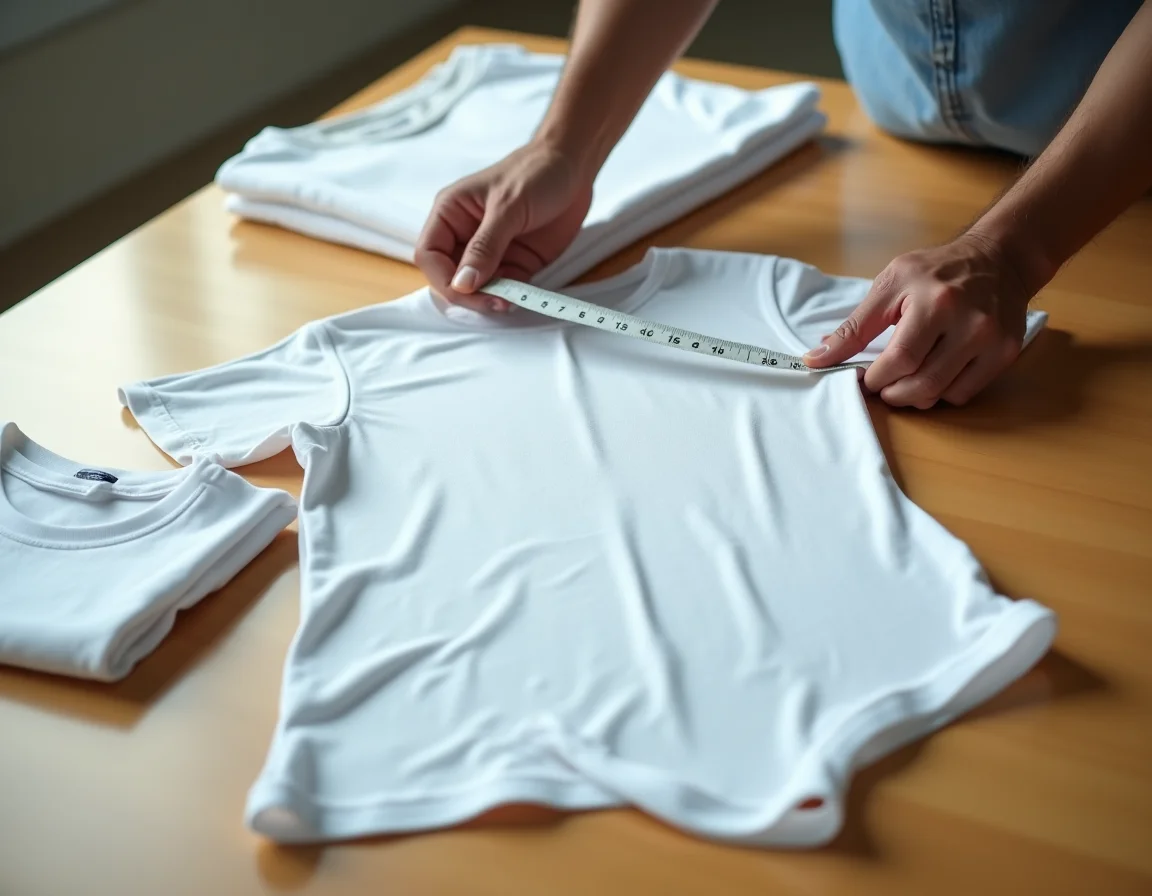
After a detailed conversation, we uncovered the actual issue. The customer wanted body fit t-shirts but had ordered regular fit t-shirts instead. This might sound like a minor distinction, but in garment manufacturing and customer satisfaction, it's a game-changer.
What is Regular Fit?
Regular fit t-shirts, which are the standard offering in most bulk plain t-shirt catalogs, have the following characteristics:
- Relaxed chest measurement: The chest width is designed to provide comfort and ease of movement without clinging to the body
- Longer length: Regular fit t-shirts typically have a longer body length that covers the waistline comfortably
- Loose drape: The overall feel is relaxed, making it suitable for everyday casual wear
- Wider armholes: Arm openings are cut generously for unrestricted movement
- Universal appeal: Works well for a broad customer base with different body types
Regular fit is the go-to choice for general retail, promotional t-shirts, corporate gifting, and bulk merchandise because it accommodates various body shapes without being too fitted or too loose.
What is Body Fit?
Body fit t-shirts, on the other hand, are designed for a more contemporary, athletic look:
- Tapered chest: The chest measurement is deliberately tighter to hug the torso and highlight the wearer's physique
- Shorter length: Body fit t-shirts are cut slightly shorter to create a more modern silhouette
- Fitted sleeves: The sleeve openings are narrower, creating a snug fit around the biceps
- Athletic aesthetic: Designed to look sporty and form-fitting, popular among younger demographics and fitness enthusiasts
- Premium positioning: Often perceived as more fashionable and trendy compared to regular fit
If your target market consists of gym-goers, college students, or fashion-conscious consumers who prefer a sleek look, body fit is the right choice. However, if you're catering to a general audience or need comfortable everyday wear, regular fit is more appropriate.
Why the Customer Felt the L Size Was Small
The customer had ordered regular fit t-shirts but expected them to fit like body fit garments. Since regular fit has a looser drape and longer length, when worn by someone expecting a snug, athletic fit, it can feel "off" in terms of proportions. The customer interpreted this mismatch as incorrect sizing when, in reality, he had simply ordered the wrong fit style for his intended use.
This confusion is amplified by the fact that different brands and manufacturers have slightly different size charts even within the same fit category. An L size from one brand might measure 21 inches chest width, while another brand's L might be 22 inches. These small differences can have a big impact on how the garment feels when worn.
Understanding Size Charts: The Non-Negotiable Step
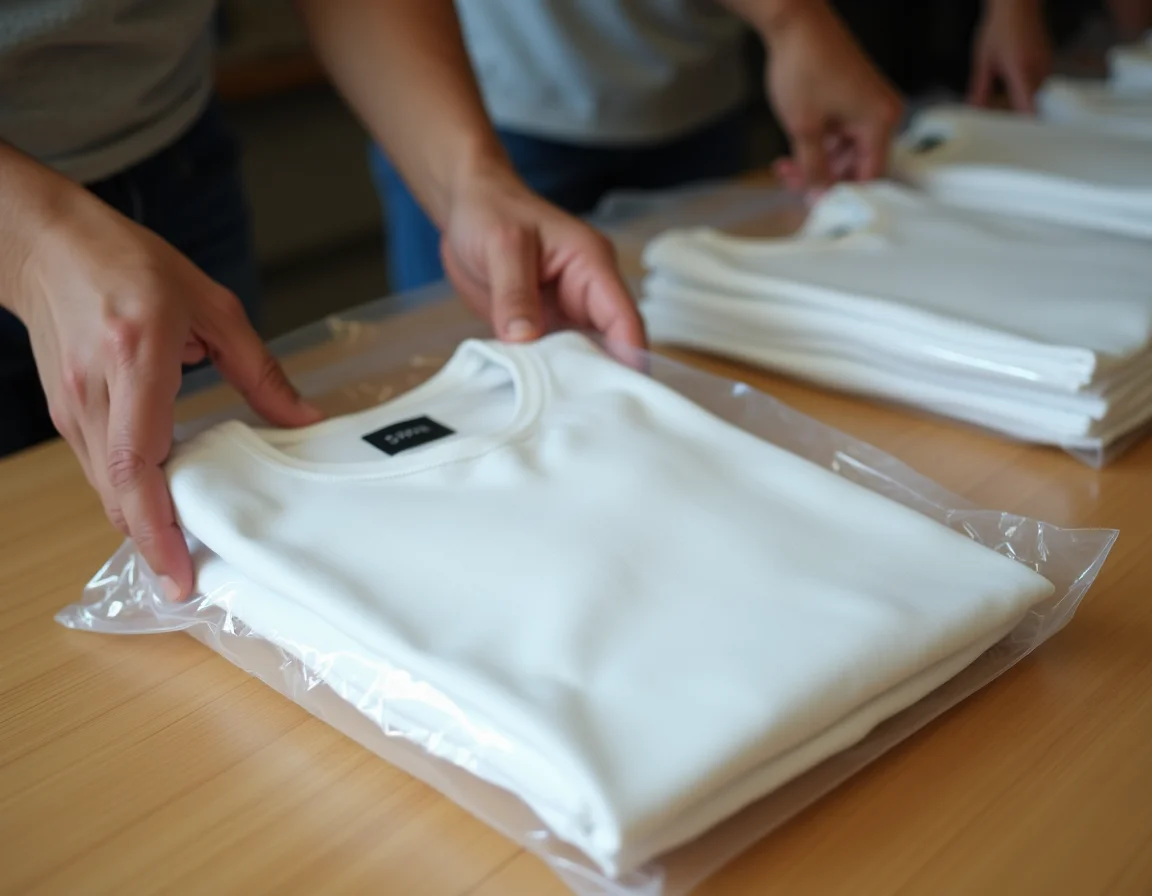
One of the most critical yet often overlooked aspects of bulk t-shirt purchasing is carefully reviewing the size chart. At BulkPlainTshirt.com's catalog, we provide detailed measurement specifications for every product, including:
- Chest width (pit to pit): Measured across the chest from underarm to underarm
- Body length: Measured from the highest point of the shoulder to the bottom hem
- Shoulder width: Measured across the back from shoulder seam to shoulder seam
- Sleeve length: Measured from the shoulder seam to the end of the sleeve
These measurements are provided in inches and are based on laid-flat garments. When comparing size charts, don't just look at the size label (S, M, L, XL)—focus on the actual measurements and compare them to:
- Your current inventory (if you're switching suppliers)
- Your customers' preferences and feedback
- Industry standards for your target market
- The specific fit style you need (body fit vs regular fit)
Why "L Size" Isn't Universal
Here's a reality check for anyone in the custom printing business: there is no universal standard for garment sizing in India or globally. What one manufacturer calls "L" might be what another calls "XL." This variation exists because:
- Target demographics differ: Brands catering to Indian customers might have different size standards than those manufacturing for export markets
- Fit philosophies vary: Some manufacturers prioritize comfort and add extra ease, while others focus on contemporary slim fits
- Fabric behavior changes sizing: A 180 GSM t-shirt will drape differently than a 220 GSM t-shirt, even with identical measurements
- Regional preferences matter: North Indian markets might prefer different fits compared to South Indian markets
This is why at Sale91.com, we emphasize the importance of checking our detailed size charts for every product category—whether you're ordering plain round neck t-shirts, oversized blanks, or premium polo t-shirts.
The Cost of Skipping the Sample Order
Let's talk numbers. The customer in this case ordered 200 pieces without sampling. Depending on the GSM and pricing tier, this could represent an investment of ₹15,000 to ₹30,000 or more. When the fit didn't match expectations, the customer faced several costly scenarios:
- Return shipping costs: Sending back 200 pieces isn't cheap, especially for bulk quantities
- Restocking and replacement delays: Even if we processed an exchange, there's a time lag that can affect the customer's business operations
- Opportunity cost: The time spent resolving the issue could have been used for productive business activities
- Customer dissatisfaction: If these t-shirts were already promised to end clients, the business reputation takes a hit
- Cash flow disruption: Money tied up in unsuitable inventory affects working capital
All of this could have been avoided with a simple sample order costing perhaps ₹150-300 for a single piece.
How Sample Orders Save Money
When you order a sample before placing bulk orders, you get to:
- Physically verify the fit: Wear it yourself or have someone from your target demographic try it on
- Test print compatibility: Check how the fabric responds to your printing method (DTG, screen print, DTF, heat transfer)
- Assess fabric quality: Feel the GSM weight, check the bio-wash softness, and verify the pre-shrink treatment
- Examine construction quality: Inspect stitching, collar quality, and overall finishing
- Confirm color accuracy: Ensure the color matches your requirements (colors can look different in photos vs reality)
At Sale91.com, we maintain over 1 lakh pieces of ready stock specifically to facilitate quick sample orders. Our minimum order quantity (MOQ) is as low as 10 pieces for ready stock items, making it extremely accessible for businesses to test before committing to larger quantities.
The Solution: A Step-by-Step Ordering Process
Based on this case and countless other interactions with custom printing businesses, here's the recommended process for ordering bulk plain t-shirts:
Step 1: Define Your Requirements
Before browsing catalogs, clearly define:
- Target customer demographic (age, body type, preferences)
- Desired fit style (body fit for trendy appeal, regular fit for comfort)
- GSM requirement (180 GSM for everyday wear, 200-220 GSM for premium feel)
- Printing method you'll use (this affects fabric choice)
- Budget per piece
- Quantity needed for your first order
Step 2: Review Size Charts Carefully
Visit the product pages on BulkPlainTshirt.com's catalog and download or note down the size charts. Compare measurements across sizes and fit styles. Don't rely on size labels alone.
Step 3: Order Samples (Minimum 2-3 Pieces)
Order at least 2-3 sample pieces in different sizes to test the fit range. If possible, order samples in the specific color you'll need for bulk orders, as dyeing can slightly affect measurements.
Step 4: Physical Testing
When samples arrive:
- Try them on or have test subjects wear them
- Wash once to test shrinkage (even though our blanks are pre-shrunk, it's good to verify)
- Do a test print using your actual printing setup
- Measure the garments yourself and compare with the size chart
Step 5: Place Bulk Order with Confidence
Once you're satisfied with the sample, place your bulk order knowing exactly what you're getting. Take advantage of quantity discounts (₹2/pc discount for 500+ pieces, ₹3/pc online discount for any quantity at Sale91.com).
Step 6: Maintain Consistency
When reordering, stick with the same product code, size chart, and specifications. If the manufacturer updates their sizing, request new samples before ordering large quantities.
Additional Considerations for Printing Businesses
Fabric GSM and Printing Compatibility
The GSM (grams per square meter) of your blank t-shirts directly affects printing results:
- 180 GSM: Lighter weight, more affordable, suitable for promotional use and single-color designs
- 200 GSM: Medium weight, best balance of quality and cost, ideal for multi-color prints
- 220 GSM: Premium heavy weight, excellent opacity, superior print vibrancy, preferred for retail brands
The GSM you choose also affects how the fit feels. A 180 GSM body fit t-shirt will feel snugger than a 220 GSM body fit because the heavier fabric has more body and structure.
Color Selection and Availability
With 15+ colors available in our ready stock, color selection is rarely a problem. However, certain colors can affect perceived sizing:
- Dark colors (black, navy) have a slimming effect and can make the same size appear more fitted
- Light colors (white, cream, pastels) can make garments look slightly larger
Always sample in the actual color you'll be using for production, not just any available color.
Communication with Your End Customers
Once you've established your sizing standards, communicate clearly with your printing customers:
- Provide a size chart on your website or sales materials
- Specify whether you're offering body fit or regular fit
- Mention the GSM and fabric composition (100% combed cotton, bio-washed, pre-shrunk)
- Keep sample pieces available for customers to try before placing orders
Why Choose Sale91.com for Bulk Plain T-Shirts
As a B2B manufacturer with our own knitting facility in Tiruppur and warehouse in Delhi, we offer distinct advantages:
- We knit our own fabric: Not traders or resellers, we control quality from yarn to finished garment
- 1,25,232+ pieces sold monthly: Proven track record serving printing businesses across India
- 1 lakh+ ready stock: No waiting for production, quick dispatch for urgent orders
- Low MOQ (10 pieces): Test products without huge investment
- Transparent pricing: Clear discounts for quantity, online orders, and COD options
- Multiple product categories: Round neck, oversized, polo, hoodies, acid wash—all under one roof
- Export capability: We ship internationally via courier or sea transport
But most importantly, we educate our customers. This blog post, our YouTube channel with practical shorts, and our customer support team all work toward one goal: helping your printing business succeed by avoiding costly mistakes.
Watch the Video
Frequently Asked Questions
More Articles

Ready to Order the Right Fit for Your Business?
Don't make the same mistake. Start with a sample order today and verify the fit, quality, and compatibility with your printing process before placing bulk orders.
1,25,232+ pieces sold last month to printing businesses across India who trust our quality and consistency.
Order Samples from Sale91.com