Why Slub Cotton Looks Uneven? It's A Feature, Not A Defect
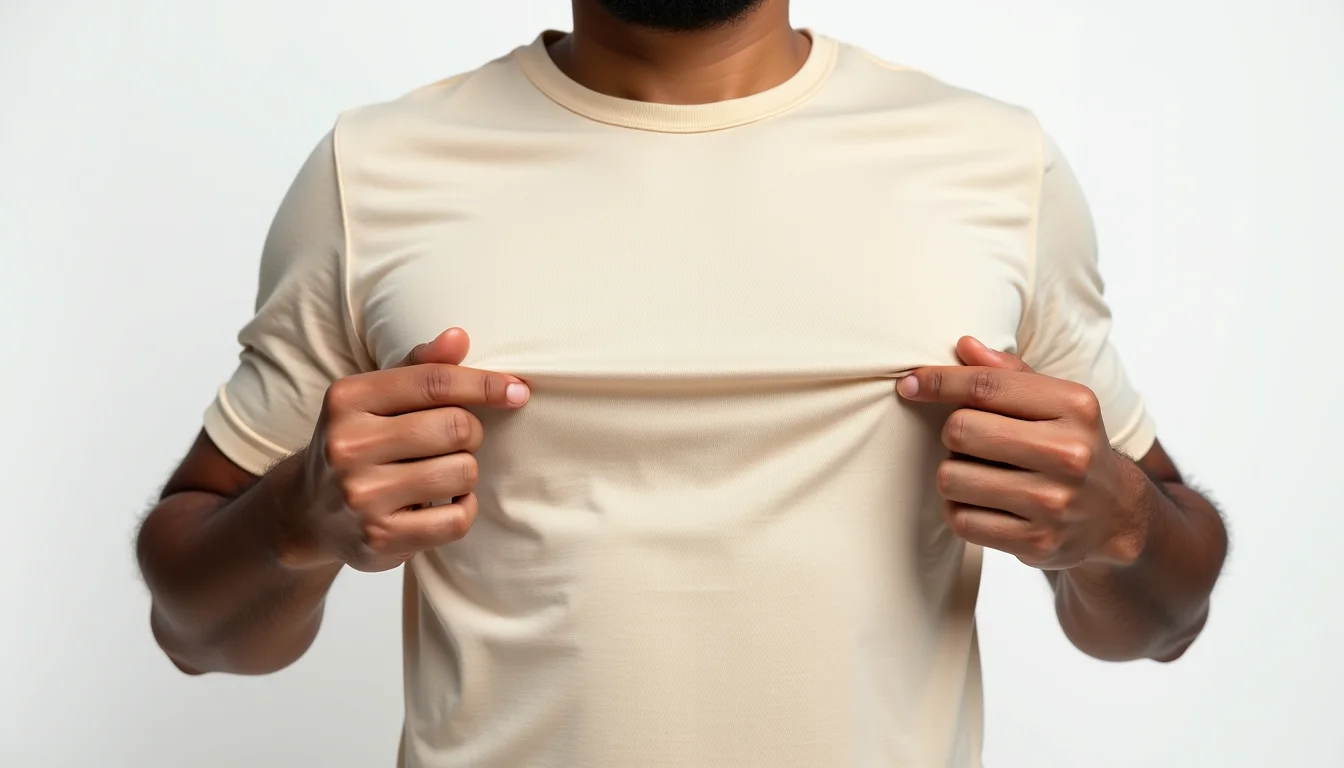
If you run a custom printing business in India or regularly order bulk plain t-shirts from wholesalers, you've probably encountered a common complaint: "The fabric looks uneven! There are thick and thin spots. Did you send me defective pieces?" This misunderstanding has caused countless disputes between manufacturers and buyers, unnecessary returns, and frustrated customers.
The truth is simple but often misunderstood: slub cotton's texture is not a defect—it's an intentional design feature. This distinctive fabric has been gaining popularity in the Indian textile market, especially among fashion-forward brands and custom printing businesses looking to offer something different from standard smooth cotton tees.
In this comprehensive guide, we'll break down everything you need to know about slub cotton fabric—what it is, why it looks the way it does, when to use it for printing, and how it compares to regular combed cotton that you typically get from manufacturers like Sale91.com.
What Exactly Is Slub Cotton? Understanding the Texture
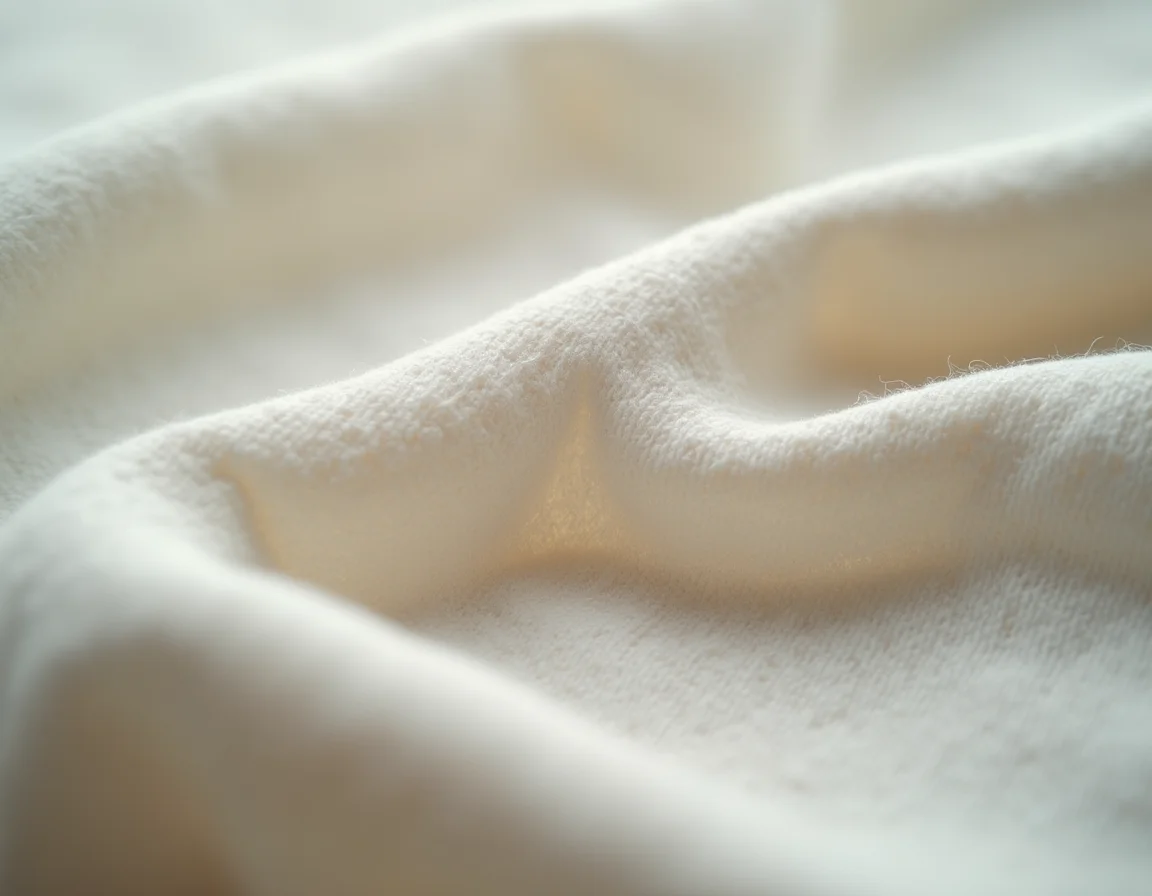
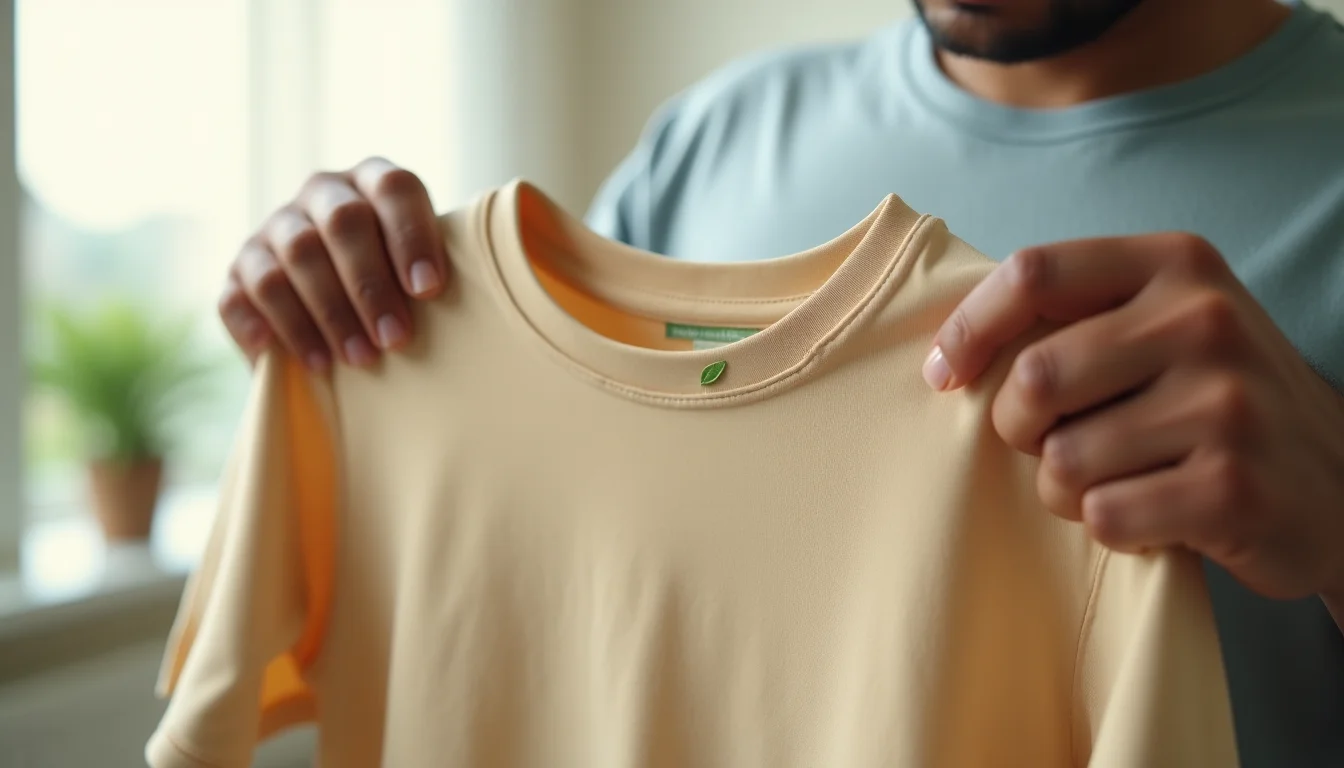
Slub cotton is a type of fabric characterized by intentional irregularities in the yarn thickness. Unlike standard combed or ring-spun cotton where the yarn is uniform throughout, slub cotton features yarn that alternates between thicker and thinner sections. This creates a distinctive textured appearance that looks slightly bumpy or uneven.
The term "slub" refers to these intentional thick spots in the yarn. During the spinning process, the yarn is deliberately made with irregular thickness—some sections are spun tighter (creating thin areas) while others are left looser (creating thick areas or "slubs"). When this yarn is woven or knitted into fabric, it creates that characteristic textured, almost vintage-looking surface.
The Manufacturing Process Behind Slub Cotton
In Tiruppur, where Sale91.com manufactures its fabric with in-house knitting facilities, the process of creating slub cotton is quite different from standard cotton production:
- Yarn spinning: The cotton fibers are spun with intentional variations in tension, creating irregular thickness throughout the yarn length
- Knitting/weaving: This irregular yarn is then knitted into fabric, preserving the textured appearance
- Bio-washing: Like regular cotton, slub cotton goes through enzyme treatment, but the texture remains visible
- Pre-shrinking: The fabric is pre-shrunk to minimize dimensional changes after washing
The key difference is in that first step—regular combed cotton uses consistent yarn thickness throughout, while slub cotton intentionally varies it. This isn't a quality control failure; it's a deliberate design choice that requires skill to execute properly.
Why Slub Cotton Isn't a Defect: The Design Philosophy
Many buyers, especially those new to the textile industry, mistake slub cotton's texture for poor quality or manufacturing defects. This confusion is understandable—we're conditioned to expect uniformity in fabric. But slub cotton represents a different aesthetic philosophy entirely.
The Appeal of Imperfection
Slub cotton embodies the concept of "wabi-sabi"—finding beauty in imperfection and irregularity. The uneven texture gives the fabric several desirable characteristics:
- Natural, organic appearance: The irregular texture looks less "factory-made" and more handcrafted
- Vintage aesthetic: Slub cotton resembles older, pre-industrial fabrics, giving it a retro appeal
- Visual interest: The texture catches light differently, creating subtle visual depth
- Unique character: Each piece has slight variations, making it feel more special and less mass-produced
- Rustic charm: Perfect for brands wanting an earthy, authentic, or artisanal image
In international fashion markets, particularly in Europe and North America, slub cotton has been popular for years. Indian manufacturers and custom printing businesses are now catching up to this trend as domestic fashion becomes more sophisticated.
Real-World Example: The Complaint That Led to Understanding
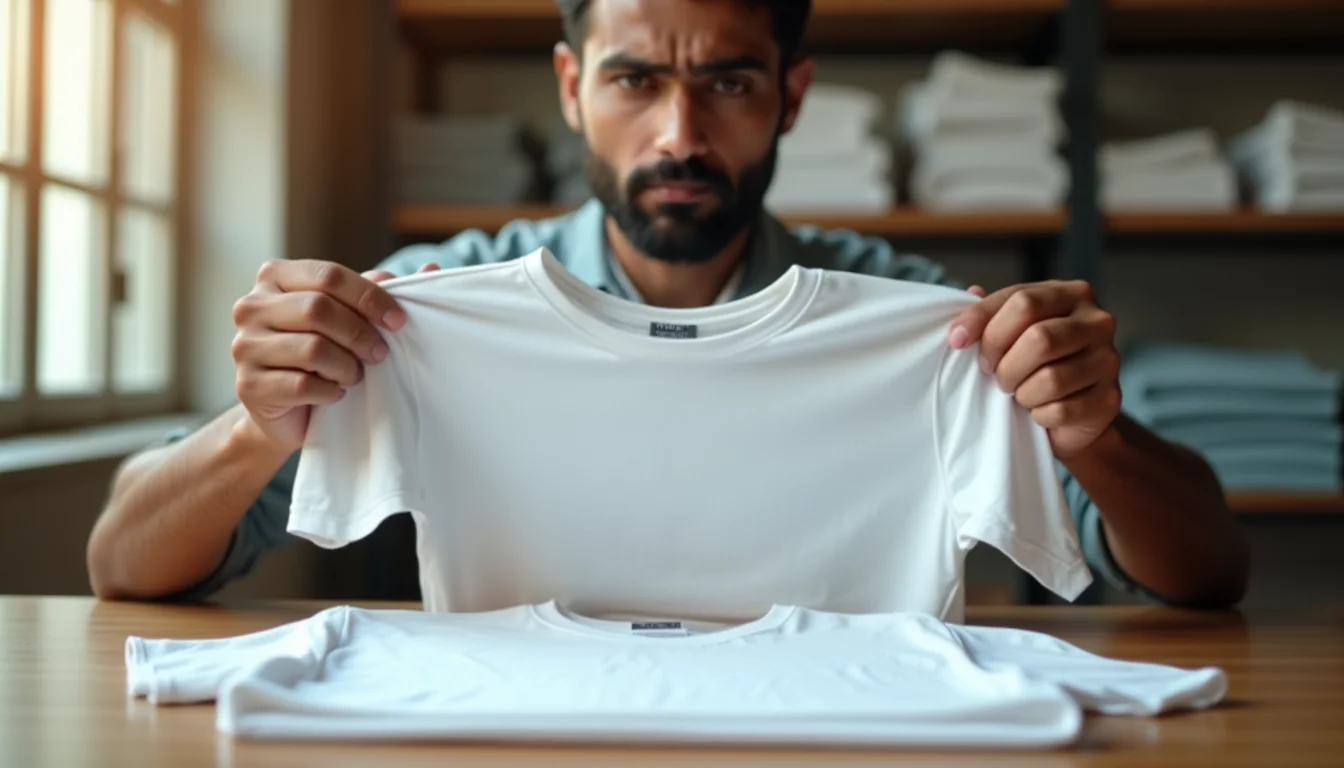
A customer once approached us with a serious complaint. He had ordered 200 pieces for a custom printing job and claimed the fabric was defective. "Look at this unevenness," he said, pointing to the characteristic slub texture. "The thickness varies everywhere. Some areas feel thick, others thin. This is not acceptable quality."
When asked if he had checked the sample before placing the bulk order, he admitted he had—but hadn't noticed the texture because he wasn't familiar with slub cotton. He assumed it was standard combed cotton.
This is a common scenario in the Indian B2B textile market. The solution? Education. Once the customer understood that slub cotton was an intentional design feature—not a defect—and learned about its aesthetic appeal and growing popularity, he not only accepted the order but later came back specifically requesting slub cotton for a premium product line.
Slub Cotton vs Regular Combed Cotton: Key Differences
When you order from the BulkPlainTshirt.com catalog, you typically receive standard combed or ring-spun cotton in various GSM options (180, 200, 210, 220 for t-shirts). Here's how slub cotton compares:
Texture and Appearance
Regular Combed Cotton: Smooth, uniform surface with consistent thickness throughout. The fabric has a clean, refined appearance with no visible irregularities. This is what most people expect when they think of a "quality" t-shirt.
Slub Cotton: Textured, uneven surface with visible thick and thin areas. The fabric has a more rustic, organic appearance with intentional irregularities that catch light differently.
Feel and Hand
Regular Combed Cotton: Soft and consistent to the touch. Bio-washed combed cotton from quality manufacturers has a smooth, almost silky feel.
Slub Cotton: Slightly rougher with a more "lived-in" feel. The texture is tactile and noticeable when you run your hand over the fabric. Some people find this more interesting than smooth cotton.
Printing Considerations
Regular Combed Cotton: Provides a perfectly smooth surface for printing. DTG (Direct to Garment), DTF (Direct to Film), screen printing, and heat transfer all work flawlessly. The print appears sharp and uniform.
Slub Cotton: The texture remains visible through the print, especially with lighter colored prints. This can be a feature or a bug depending on your design goals. More on this in the next section.
Price Point
Slub cotton is often positioned as a premium product and may cost slightly more than standard combed cotton due to the specialized yarn production process. However, the price difference isn't dramatic—usually just a few rupees per piece in bulk orders.
Printing on Slub Cotton: What You Need to Know
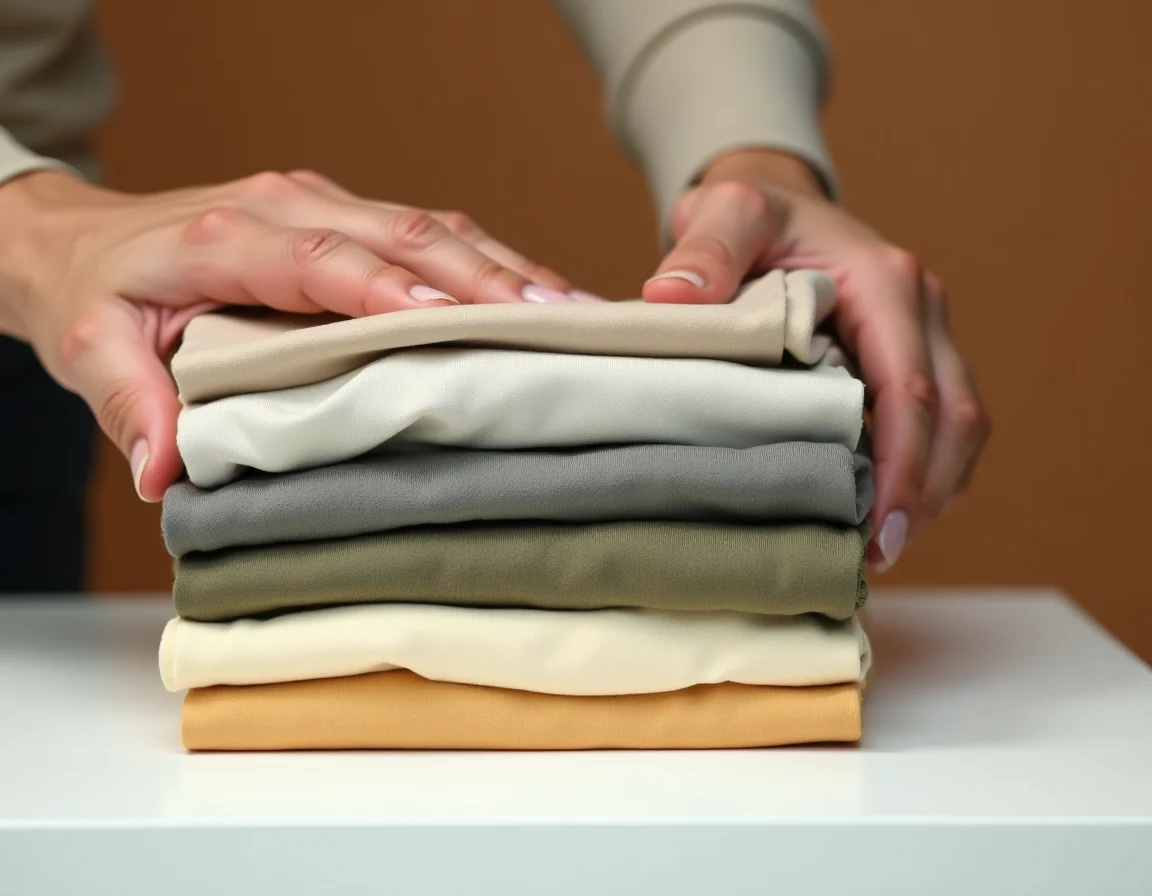
If you run a custom printing business and work with techniques like DTG, DTF, screen printing, or heat transfer, understanding how slub cotton behaves is crucial for setting proper customer expectations.
The Texture Shows Through
The most important thing to understand: slub cotton's texture will be slightly visible through your print, especially with lighter colors and less ink coverage. This isn't a printing defect—it's a characteristic of the fabric.
With darker prints and heavy ink coverage, the texture becomes less noticeable. But with pastels, whites, or designs with significant negative space, that characteristic slub texture will show through.
When Slub Cotton Works for Printing
Slub cotton is excellent for certain printing applications:
- Vintage or retro designs: The texture enhances the worn, vintage aesthetic
- Artistic or hand-drawn designs: The organic texture complements artistic styles
- Bold, dark graphics: Heavy ink coverage minimizes visible texture
- Premium lifestyle brands: The unique feel justifies higher price points
- Eco-conscious brands: The natural, unprocessed appearance aligns with sustainable branding
When to Choose Regular Cotton Instead
Regular combed cotton from Sale91.com is better for:
- Photo-realistic printing: Smooth surface ensures sharp detail
- Light-colored prints: No texture showing through delicate designs
- Corporate merchandise: Clean, professional appearance
- Budget-conscious projects: Slightly lower cost and wider availability
- Customers expecting "traditional" quality: Smooth fabric meets conventional expectations
Technical Printing Tips for Slub Cotton
If you're working with slub cotton for the first time, here are some practical tips:
- Test print first: Always run a sample before bulk production to see how your design interacts with the texture
- Adjust customer expectations: Show customers the texture before printing and explain it's a feature
- Use appropriate designs: Choose graphics that complement or embrace the texture rather than fight it
- Consider ink type: Thicker inks (like plastisol in screen printing) may cover texture better than thinner inks
- Embrace the aesthetic: Market the texture as a premium, unique feature rather than trying to hide it
Slub Cotton in the Indian Market: Growing Trends
The Indian textile and fashion industry is rapidly evolving. What was once primarily focused on export manufacturing is now developing a sophisticated domestic market with increasingly discerning customers.
The Rise of Premium Casualwear
Young Indian consumers, especially in metros and tier-1 cities, are moving beyond purely price-driven purchases. They're willing to pay more for unique textures, sustainable materials, and distinctive aesthetics. Slub cotton fits perfectly into this trend.
Instagram and e-commerce have exposed Indian buyers to international fashion trends, including textured and vintage-inspired clothing. Slub cotton tees, once considered "imperfect," are now seen as premium products.
Custom Printing Business Opportunities
For printing businesses, slub cotton represents an opportunity to differentiate and charge premium prices. While everyone else is printing on standard 180 GSM or 200 GSM combed cotton, offering slub cotton options can set you apart.
Consider these strategies:
- Create a "premium collection" using slub cotton at a 20-30% higher price point
- Target lifestyle brands, boutique clothing lines, and conscious consumers
- Pair slub cotton with vintage-style designs and earthy color palettes
- Educate your customers about the texture—make it a selling point, not something to hide
Quality Control: How to Distinguish Real Slub from Defects
While slub cotton's texture is intentional, there are real fabric defects that can occur. How do you tell the difference?
Characteristics of Genuine Slub Cotton
- Consistent irregularity: The slubs appear randomly but evenly distributed across the fabric
- Both thick and thin areas: You'll see variation in both directions, not just thick spots
- Smooth slubs: The thick areas are well-integrated, not lumpy or knotted
- Pattern-free: Slubs don't follow a regular pattern; they're organic and random
- Fabric integrity: Despite the texture, the fabric is strong with no weak spots or holes
Signs of Actual Defects
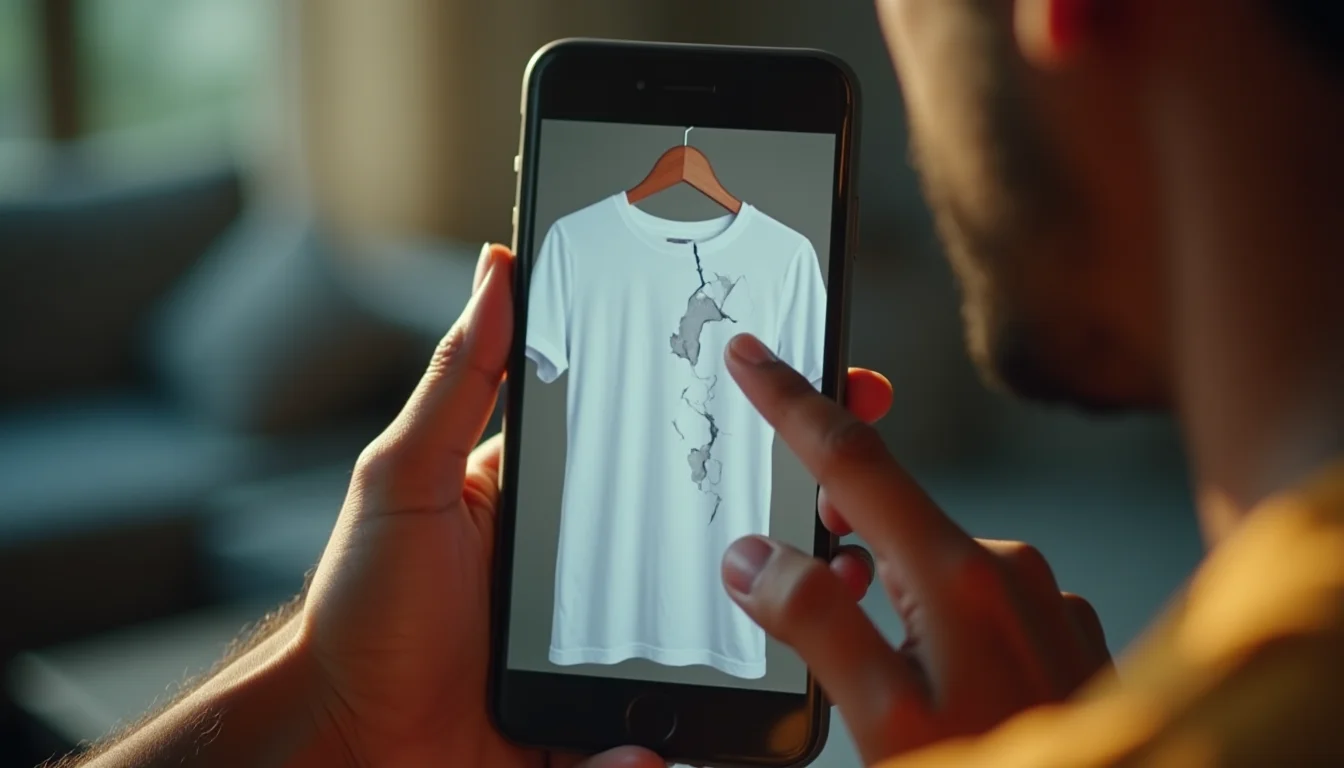
- Localized irregularities: Unevenness in only one area of the garment
- Knots or lumps: Hard, raised areas that are clearly mistakes
- Holes or weak spots: Where thin areas have broken or are breaking
- Color inconsistency: Thickness variations causing dye absorption differences
- Irregular patterns: Obvious weaving or knitting errors
When ordering from reputable manufacturers like Sale91.com, quality control processes ensure that what you receive is genuine slub cotton, not defective regular cotton. Their in-house knitting facility in Tiruppur maintains consistent quality standards.
Caring for Slub Cotton T-Shirts: Maintenance Tips
Slub cotton requires the same basic care as regular cotton, but here are some specific considerations:
Washing
- Wash in cold or lukewarm water to preserve texture and color
- Turn inside out to protect prints and minimize surface abrasion
- Use mild detergent; harsh chemicals can affect the yarn structure
- Avoid overloading the washing machine; give fabric room to move freely
Drying
- Air drying is best to maintain the fabric's character
- If using a dryer, use low heat settings
- Remove promptly to minimize wrinkles
- The texture may become slightly more pronounced after drying, which is normal
Ironing
- Iron on medium heat if needed
- The texture will remain visible—don't try to iron it flat
- Iron inside out if there are prints
Ordering Slub Cotton: What to Ask Your Supplier
If you're interested in adding slub cotton to your product line, here are the right questions to ask when contacting manufacturers:
- Is this genuine slub cotton or textured fabric? Some fabrics have texture but aren't true slub cotton
- What GSM options are available? Slub cotton typically comes in similar weights to regular cotton
- Can I get a sample before bulk ordering? Essential for understanding the texture and testing printing
- What colors are available? Slub cotton may have limited color options compared to regular cotton
- What's the minimum order quantity? Some specialty fabrics have higher MOQs
- Is it pre-shrunk and bio-washed? Important for dimensional stability and softness
- What's the lead time? Slub cotton may take longer to produce than regular stock items
Sale91.com maintains ready stock of 1 lakh+ pieces in their Delhi warehouse, though specialty items like slub cotton may need to be ordered from their Tiruppur manufacturing facility. Always confirm availability before committing to customer orders.
Watch the Video: Slub Cotton Explained
For a visual explanation of slub cotton texture and why it's not a defect, watch this detailed breakdown:
The video covers real customer complaints, side-by-side fabric comparisons, and practical advice for printing businesses working with slub cotton for the first time.
Frequently Asked Questions About Slub Cotton
More Articles
Ready to Order Quality Plain T-Shirts?
Whether you need regular combed cotton or specialty fabrics like slub cotton, Sale91.com manufactures and supplies premium blank t-shirts for custom printing businesses across India. With in-house knitting facilities in Tiruppur and 1 lakh+ ready stock in Delhi, we serve printing businesses of all sizes.
✓ 100% Cotton, Bio-washed, Pre-shrunk
✓ MOQ as low as 10 pieces
✓ GSM options: 180, 200, 210, 220
✓ 15+ colors available
✓ Rs 3/pc online discount + Rs 2/pc on 500+ quantity
Key Takeaways
- Slub cotton's uneven texture is an intentional design feature, not a manufacturing defect
- The irregularity comes from yarn with deliberately varying thickness
- Slub cotton offers a vintage, organic aesthetic perfect for premium or artistic brands
- The texture will show through printed designs, especially light colors
- Choose regular combed cotton for photo-realistic prints and smooth finishes
- Always sample slub cotton before bulk orders to understand how it works with your designs
- Educate customers about the texture—it's a premium feature, not a quality issue