₹40 DTF Film vs ₹100: Why Your Prints Crack After 1 Wash
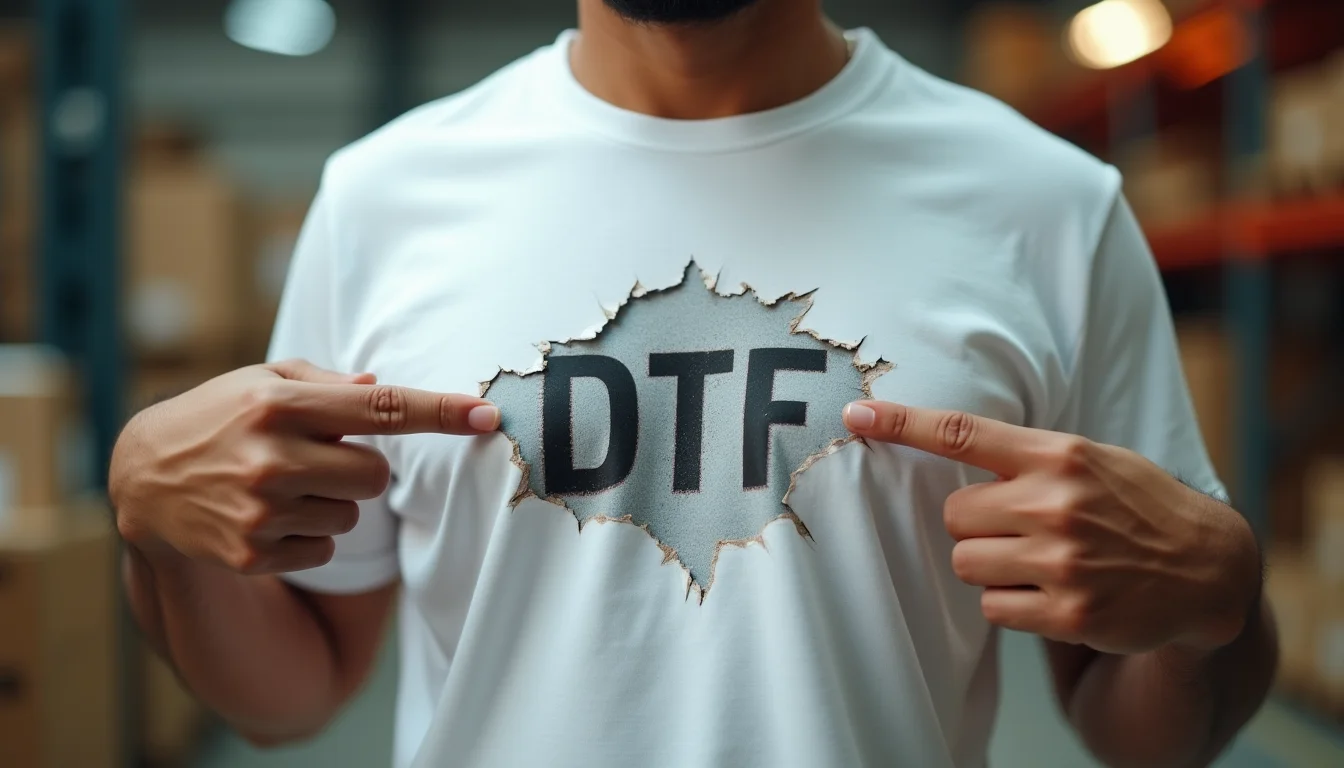
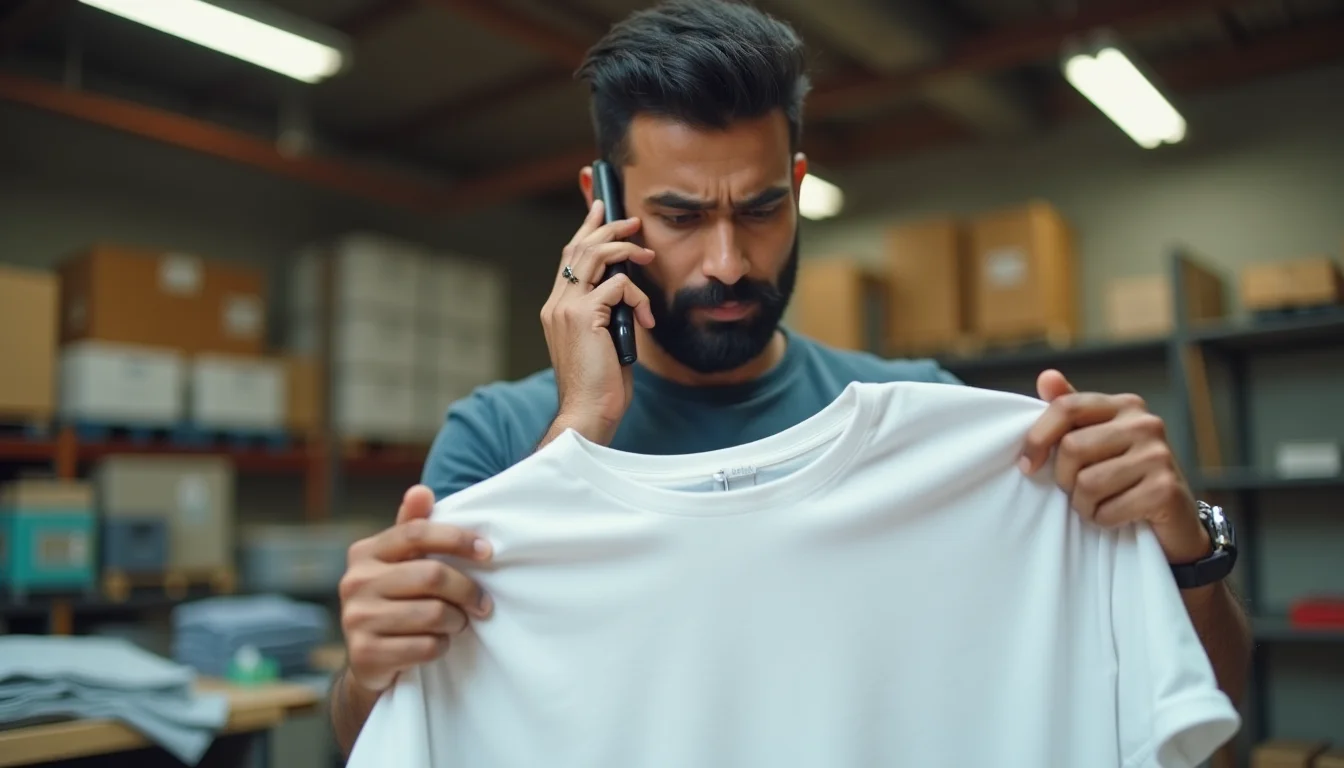
If you're running a custom t-shirt printing business in India using DTF (Direct to Film) technology, you've probably faced this nightmare scenario: a customer complains that their beautifully printed t-shirt started cracking and peeling after just one or two washes. The design that looked vibrant and professional when it left your shop has turned into a patchy, embarrassing mess.
This isn't just bad for your reputation—it's a business killer. Return complaints, refunds, negative reviews, and lost customers can quickly eat into your profits. And surprisingly, the culprit is often something seemingly minor: the quality of your DTF transfer film.
In this comprehensive guide, we'll dive deep into why DTF film quality matters so much, what makes cheap films fail, and how choosing the right film can save your printing business from costly mistakes. Whether you're a seasoned printer or just starting with DTF technology, understanding this critical component will help you deliver prints that last.
The Real Cost of Cheap DTF Film: A Common Business Problem
Let me share a real story that happens more often than you'd think. A printing business owner—let's call him Rahul—was doing everything right. He invested in a good DTF printer, used quality inks, and sourced his blank t-shirts from a reliable manufacturer like Sale91.com. His prints looked fantastic coming off the press.
But Rahul made one critical mistake: he ordered cheap DTF transfer film online at ₹40 per meter to save costs. Within weeks, customers started returning with complaints. Prints were cracking after washing. Colors were fading. Some designs were peeling off entirely.
The irony? Rahul thought he was being smart by cutting costs on consumables. But the money he "saved" on film was costing him ten times more in refunds, remakes, and damaged reputation. This is the hidden tax of cheap materials—and it's a lesson every printing business needs to learn early.
What Makes DTF Film Quality Different?
Before we compare cheap versus premium films, let's understand what DTF film actually does and why its construction matters so much.
The Anatomy of DTF Transfer Film
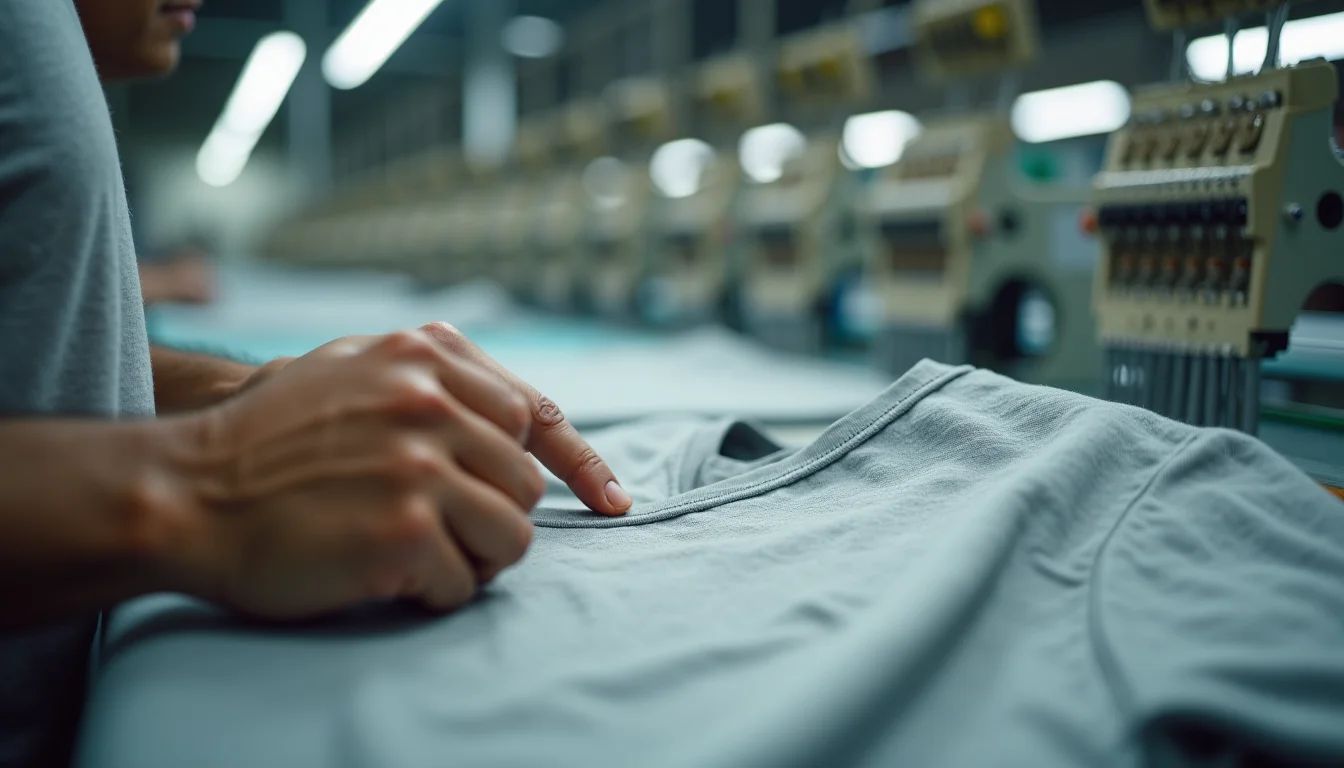
A DTF transfer film isn't just a piece of plastic. It's a sophisticated layered material designed to perform several critical functions:
- Base Film Layer: The transparent PET (polyethylene terephthalate) base that provides stability during printing
- Coating Layer: A specially formulated coating that receives and holds the DTF ink
- Release Layer: A thin barrier that allows the printed design to release cleanly from the film during heat transfer
Each of these layers must be engineered precisely. When manufacturers cut corners—which is exactly what happens with ₹40-per-meter films—one or more of these layers is compromised.
The Coating Problem in Cheap Films
The coating layer is where cheap films fail most dramatically. Here's what happens:
Premium Film (₹70-100/meter): The coating is thick, uniform, and chemically optimized to bond with DTF ink. This creates a strong mechanical grip that holds ink particles securely. When you apply powder adhesive and cure the print, the ink is locked in place with excellent adhesion to fabric.
Cheap Film (₹40-50/meter): The coating is thin and inconsistent. It's often made with inferior chemistry that doesn't bond well with ink. This means:
- Ink sits on the surface rather than embedding into the coating
- Powder adhesive doesn't distribute evenly
- The ink-to-fabric bond is weak from the start
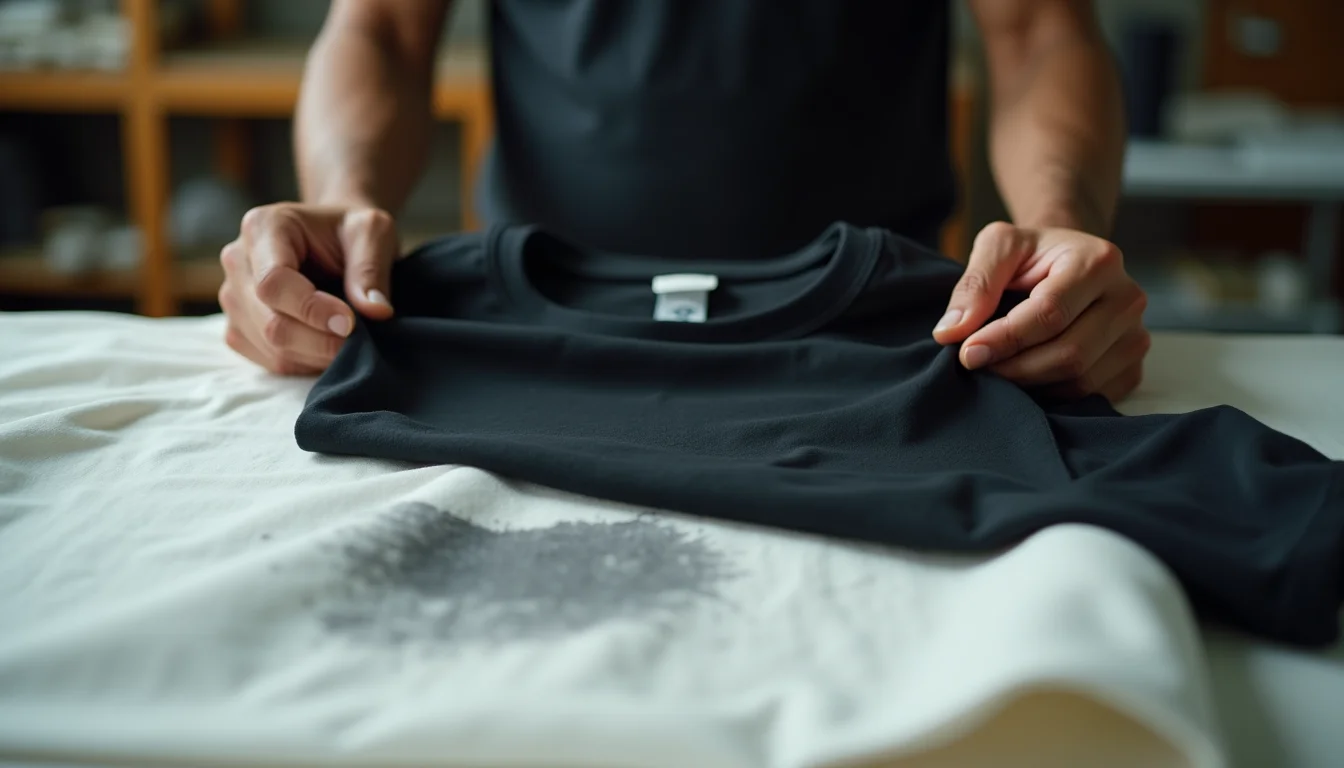
- First wash stress causes immediate cracking and peeling
The Release Layer Issue
Another critical difference is in the release layer. In cheap DTF films, this layer is too thin or poorly formulated. This causes two major problems:
Problem 1: Ink Smudging During Printing: When the release layer is inadequate, ink can smudge or blur as it's being printed. You'll notice this as soft edges, bleeding colors, or loss of fine detail. The print might look acceptable, but it's already compromised before it even reaches the t-shirt.
Problem 2: Incomplete Transfer: During heat pressing, a poor release layer may not separate cleanly from the printed design. Parts of the ink remain stuck to the film instead of transferring to the fabric. This creates patchy, incomplete prints with weak spots that fail quickly.
₹40 vs ₹100 DTF Film: The Real Comparison
Let's break down the differences in a way that matters to your business:
Print Quality and Durability
Cheap Film (₹40-50/meter):
- Prints look decent initially but begin deteriorating within 1-3 washes
- Cracks appear at stress points (shoulder seams, underarms)
- Colors fade faster than expected
- Fine details may be lost or blurry from the start
- Complaint rate: High (estimated 20-40% depending on design complexity)
Premium Film (₹70-100/meter):
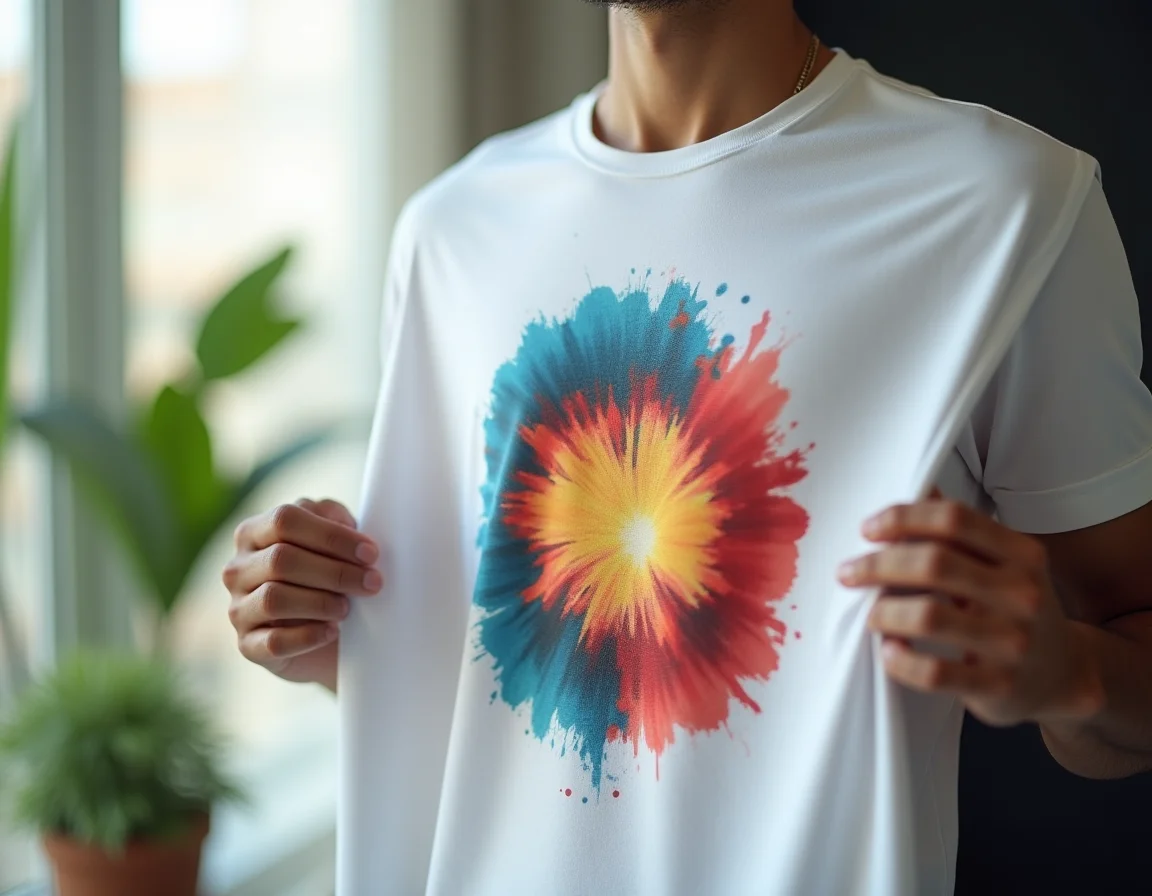
- Prints maintain quality through 30+ washes when properly cured
- Excellent crack resistance even under garment stress
- Colors remain vibrant and true to original design
- Sharp detail reproduction with no bleeding or smudging
- Complaint rate: Very low (under 5% and usually due to other factors)
Production Efficiency
What many printers don't realize is that cheap film also affects your workflow efficiency:
Cheap Film Issues:
- Higher jam rates in the printer due to inconsistent film quality
- More frequent print head cleaning due to ink-coating interaction problems
- Waste from rejected prints that don't meet quality standards
- Time lost troubleshooting print problems
Premium Film Benefits:
- Consistent feed through printer reduces jams
- Clean printing reduces print head maintenance
- Higher first-time success rate means less waste
- More predictable results allow faster production
The Business Math: Why Premium Film Actually Saves Money
Let's do the real calculation that matters to your bottom line. Assume you're printing 100 t-shirts with a moderately complex design:
Scenario A: Using Cheap Film (₹40/meter)
- Film cost per print: ₹8-10
- Initial printing cost savings: ₹300-400 per 100 shirts
- Customer complaint rate: 25% (25 shirts)
- Reprint cost (labor + materials): ₹100 per shirt × 25 = ₹2,500
- Lost customer value (assuming 3 don't return): ₹5,000-10,000 over time
- Net impact: -₹7,100 to -₹12,100
Scenario B: Using Premium Film (₹80/meter)
- Film cost per print: ₹16-18
- Higher initial cost: ₹300-400 more per 100 shirts
- Customer complaint rate: 3% (3 shirts)
- Reprint cost: ₹100 per shirt × 3 = ₹300
- Customer retention: 97% satisfied, high repeat rate
- Net impact: -₹700 (much better!)
How to Choose the Right DTF Film for Your Business
Now that you understand why quality matters, here's how to select the right DTF transfer film:
Key Specifications to Look For
- Film Thickness: Look for 0.75mm films—they offer the best balance of durability and flexibility
- Coating Type: Premium acrylic-based coatings provide superior ink adhesion
- Release Temperature: Films optimized for 160-170°C work best with standard adhesive powders
- Origin: Korean and Japanese films generally offer the most consistent quality
- Storage Stability: Good films remain usable for 6+ months when stored properly
Red Flags of Low-Quality Film
Watch out for these warning signs:
- Price significantly below market average (below ₹60/meter is suspicious)
- No manufacturer information or specifications provided
- Seller can't provide test samples or technical support
- Film has visible imperfections (waves, spots, uneven coating)
- Strong chemical smell (indicates poor quality adhesives)
Testing Film Before Bulk Purchase
Always test new films before committing to large quantities:
- Print Test: Print a detailed design with fine lines and gradients to check coating quality
- Transfer Test: Apply to a test garment following proper heat press settings
- Wash Test: Wash the test garment 5 times and check for cracking, fading, or peeling
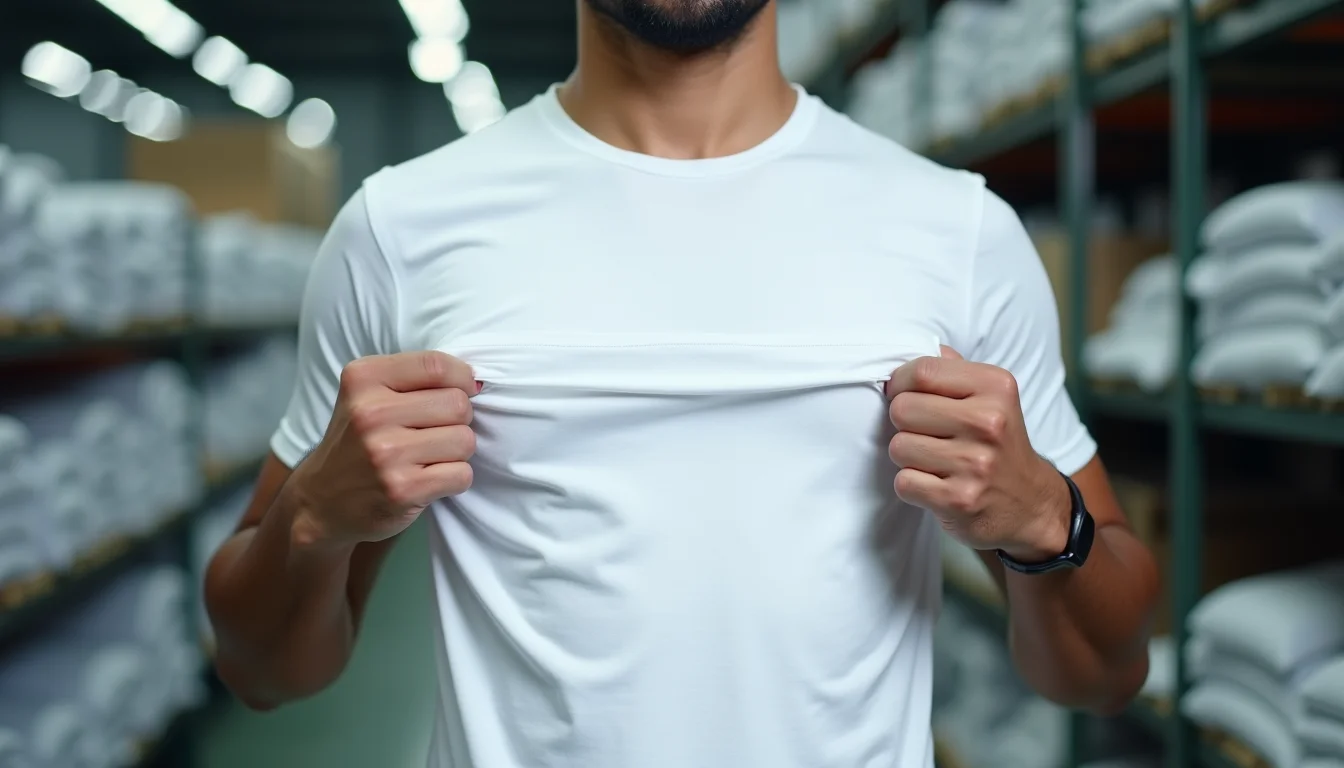
- Stretch Test: Pull the printed area gently to simulate garment stress—quality prints won't crack
Pairing Quality Film with Quality Blanks
Here's something crucial that many printers overlook: film quality is only half the equation. The t-shirt itself plays an equally important role in final print durability.
This is where sourcing from a reliable manufacturer like Sale91.com makes all the difference. When you're investing in premium DTF film, you need t-shirts that can support that quality:
What Makes a Good DTF Printing Blank?
- 100% Ring-Spun Combed Cotton: Provides the smooth surface needed for excellent ink adhesion
- Bio-Washed and Pre-Shrunk: Ensures dimensional stability so prints don't distort after washing
- Proper GSM (180-220): Heavier fabrics support prints better and feel more premium to customers
- Quality Stitching: Professional construction means the garment lasts as long as the print
Sale91.com specializes in manufacturing blank t-shirts specifically for the printing industry. With over 1,25,232+ pieces sold in just the last 30 days to printers across India, they understand exactly what DTF, DTG, and screen printers need. Their range includes plain round neck t-shirts in 180, 200, 210, and 220 GSM, oversized styles, and even acid wash blanks—all manufactured in Tiruppur with in-house fabric knitting for consistent quality.
Check out their complete product catalog to see specifications for each fabric weight and style. With ready stock of 1 lakh+ t-shirts and MOQ as low as 10 pieces, you can easily test different combinations of films and fabrics to find your perfect setup.
Best Practices for DTF Printing Success
Quality film is essential, but proper technique ensures you get the most from your investment:
Pre-Printing Checks
- Store film in a cool, dry place away from direct sunlight
- Allow film to acclimate to room temperature before printing
- Keep the film's protective backing on until immediately before use
- Ensure your printer settings match the film manufacturer's recommendations
Printing Process
- Use genuine manufacturer inks compatible with your film type
- Apply powder adhesive evenly while ink is still wet
- Shake off excess powder completely before curing
- Cure the printed film properly (usually 160-170°C for 2-3 minutes)
Heat Pressing Technique
- Pre-press the t-shirt to remove moisture and wrinkles
- Use proper temperature (160-170°C depending on film specifications)
- Apply firm, even pressure for the recommended time (usually 15-20 seconds)
- Use a Teflon sheet to protect the print during pressing
- Allow print to cool before peeling (hot peel vs cold peel depends on film type)
Post-Transfer Care Instructions for Customers
Educate your customers on proper garment care:
- Wait 24 hours before first wash to allow adhesive to fully cure
- Wash inside out in cold to warm water (not hot)
- Avoid bleach and harsh detergents
- Tumble dry on low heat or hang dry
- Do not iron directly on the print
Common DTF Film Problems and Solutions
Problem: Print Cracking After Washing
Causes: Low-quality film, inadequate adhesive powder application, insufficient curing time, or incorrect heat press temperature.
Solution: Upgrade to premium film (₹70-80/meter range), ensure complete powder coverage, extend curing time by 30 seconds, and verify heat press temperature with an infrared thermometer.
Problem: Colors Fading Quickly
Causes: Poor coating quality on film, incompatible ink, or under-curing of the transfer.
Solution: Switch to film with better coating, ensure ink-film compatibility, and increase curing temperature by 5-10°C (within safe limits).
Problem: Design Peeling at Edges
Causes: Inadequate pressure during heat pressing, film release layer issues, or poor t-shirt quality.
Solution: Increase heat press pressure, ensure you're using fresh film (not expired), and source better quality blanks with smooth, consistent fabric.
Problem: Ink Smudging or Bleeding
Causes: Thin or poor-quality coating, excessive ink saturation, or humidity issues.
Solution: Use film with thicker coating, reduce ink saturation in your print settings by 5-10%, and control your workspace humidity (ideal: 40-60%).
Watch the Video
Want to see the real-world impact of DTF film quality? Watch this detailed explanation from our printing experts:
Building a Sustainable Printing Business
The lesson here extends beyond just DTF film quality. It's about understanding that in the printing business, every component matters. Your reputation is built on the final product your customer receives—and that product is only as good as its weakest link.
When you invest in quality materials—premium DTF film, reliable t-shirt blanks from manufacturers like Sale91.com, proper inks and adhesives—you're not spending more, you're protecting your business. Each quality choice you make:
- Reduces complaint rates and refund costs
- Builds customer trust and repeat business
- Generates positive word-of-mouth and reviews
- Allows you to charge premium prices for premium quality
- Gives you peace of mind and reduces stress
The printing businesses that succeed long-term are those that understand this principle. They don't compete on being the cheapest—they compete on being the best.
Frequently Asked Questions
Ready to Source Premium Quality Blank T-Shirts?
Don't let poor quality blanks undermine your premium DTF prints. Sale91.com manufactures t-shirts specifically for the printing industry—100% ring-spun combed cotton, bio-washed, pre-shrunk, and available in GSM options from 180 to 220.
With 1 lakh+ pieces in ready stock, MOQ of just 10 pieces, and shipping across India, you can test and find your perfect printing blank without risk.
Order from Sale91.comFirst-time buyer? Get 50% COD on your first order | ₹3/pc online discount for any quantity