White vs Off-White T-Shirt Color Confusion: The 1000 Piece Order Mistake That Every Bulk Buyer Must Avoid

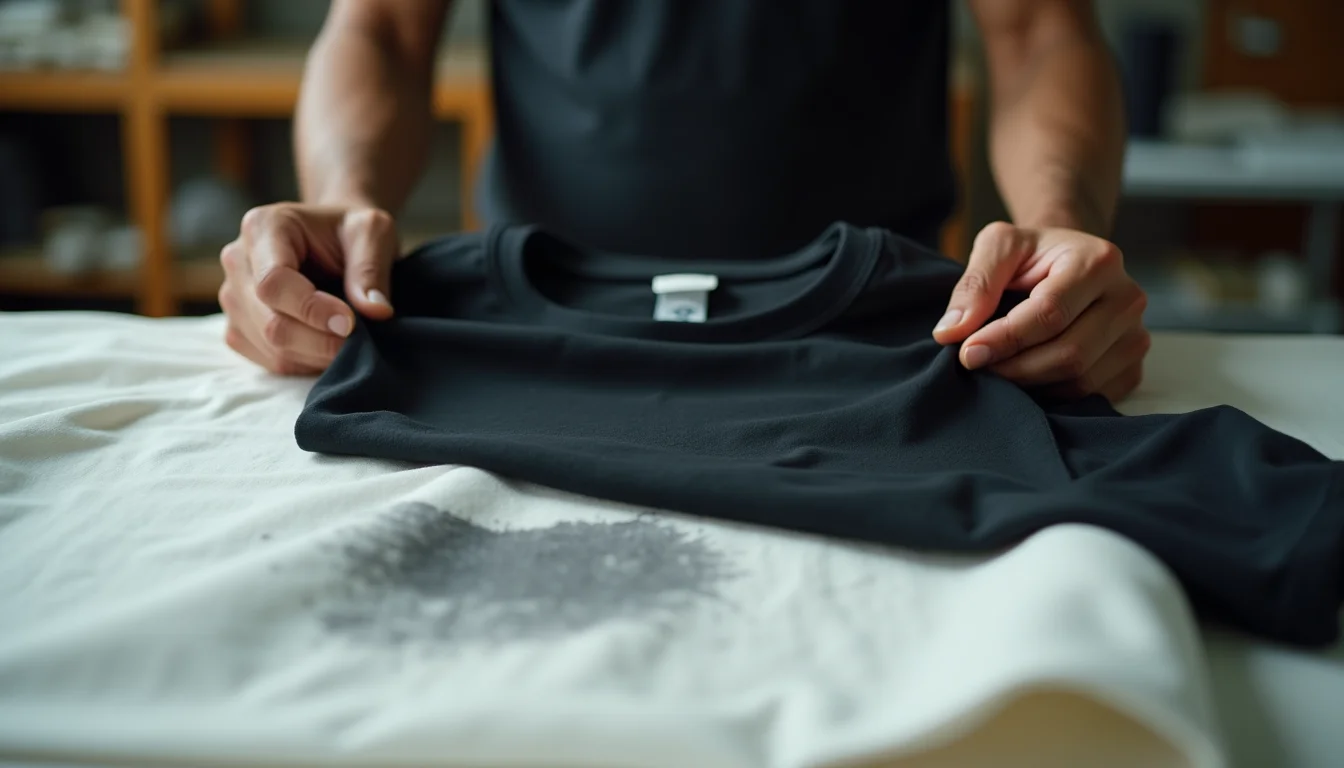
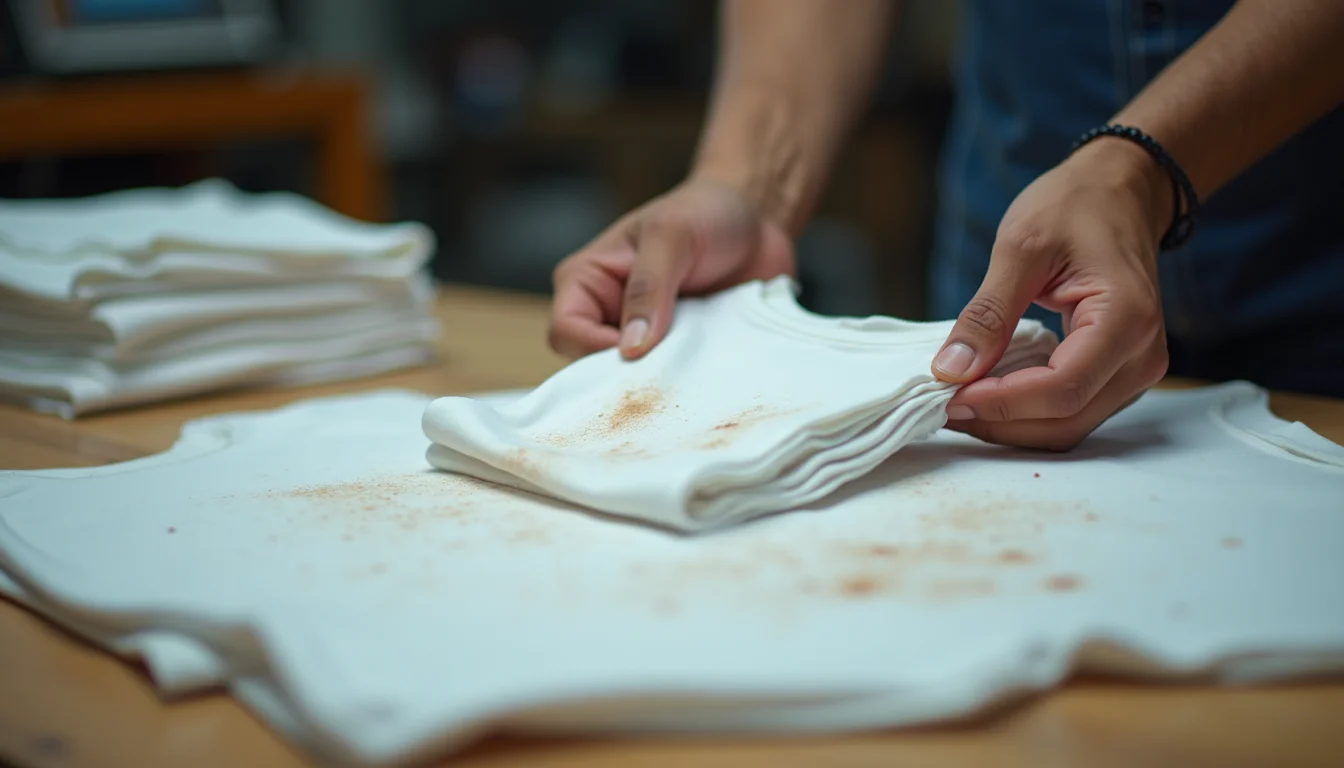
In the world of bulk plain t-shirt manufacturing and wholesale, one of the most common yet costly mistakes happens with something as simple as color selection. Recently, a customer placed an order for 1000 white t-shirts with us at Sale91.com, only to call back after delivery claiming he received off-white instead. This real-life incident highlights a critical gap in understanding that many custom printing business owners and bulk buyers face when ordering plain blanks.
When the customer called and said, "Brother, I need 1000 white t-shirts," it seemed like a straightforward order. But after the shipment arrived at his printing facility, confusion erupted. He insisted he ordered white but received off-white. When we asked if he had checked the color code or taken a sample before placing such a large order, his response was telling: "No, white is just white."
This statement represents a widespread misconception in the textile industry, particularly among new entrepreneurs entering the custom printing business. The truth is, white is NOT just white, and understanding this distinction can mean the difference between a successful order and a costly mistake involving hundreds or thousands of pieces.
The Fundamental Difference: White vs Off-White T-Shirts
Let's break down exactly what separates these two colors that look so similar yet serve very different purposes in the garment industry.
Pure White: The Bright, Clean Canvas
White means pure white—completely white with zero shade variation. It's the brightest, cleanest white you can get in fabric form. Think of it as a blank white paper: crisp, bright, and reflective. In technical terms, pure white has no undertones, no hints of cream, yellow, or beige. It's what most people imagine when they think of a classic white t-shirt straight out of a detergent commercial.
Pure white t-shirts are manufactured using specific dyeing processes (or rather, lack of dyeing) that maintain the fabric's brightest possible appearance. The cotton is bleached and treated to remove any natural yellowish tones that raw cotton naturally possesses. This creates that brilliant, almost glowing white appearance.
Off-White: The Natural, Subtle Alternative
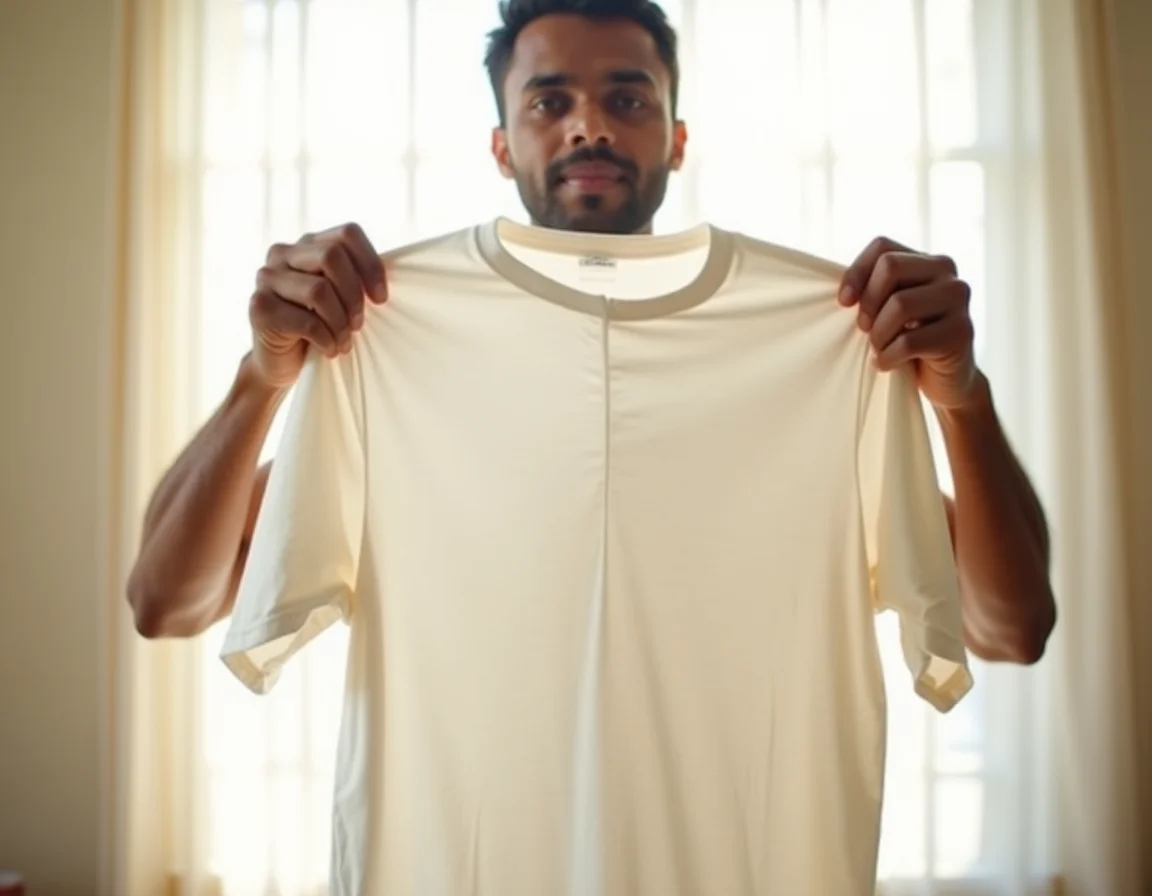
Off-white, on the other hand, has a slight cream or beige undertone. It's the color of natural cotton before aggressive bleaching—a softer, more muted white that carries warmth. You might also hear it called "natural white," "cream," "ecru," or "ivory" in different contexts, though these can have subtle variations among themselves.
Off-white preserves more of the cotton's natural character. It has that organic, earthy look that appeals to customers seeking a vintage, sustainable, or artisanal aesthetic. The fabric retains a slight warmth that some designers and brands specifically prefer for their collections.
Why This Confusion Happens: Industry Insights from Tiruppur
Working as manufacturers in Tiruppur—India's textile hub where we knit our own fabric at Sale91.com—we encounter this white vs off-white confusion almost weekly. Here's why it's so common:
Screen Variations and Digital Misrepresentation
When customers browse our product catalog online, the colors they see on their phone or laptop screens aren't always accurate representations of the actual fabric. Screen brightness, color calibration, and even the lighting in the photography can make off-white appear closer to white, or vice versa. This is why we always recommend requesting physical samples before placing bulk orders—especially orders of 500+ pieces where we offer Rs 2/pc discount.
Linguistic and Regional Differences
In different parts of India and different languages, the terminology varies. What one person calls "cream" might be called "off-white" by another, while someone else might refer to it as "natural white." This linguistic variation creates confusion when orders are placed over phone calls or WhatsApp messages without proper color code verification.
Assuming White is Universal
Many first-time bulk buyers assume that "white" is a universal constant. They think ordering "white t-shirts" will automatically get them what they envision. But in textile manufacturing, every color—including white—has specific shade codes. Professional buyers always reference these codes rather than relying on color names alone.
The Color Code System: Your Best Defense Against Confusion
At BulkPlainTshirt.com, like most professional manufacturers, we use specific shade codes for every color we produce. These codes are standardized references that eliminate ambiguity. Here's how the system works:
- Shade Codes: Each color variant has a unique code number that precisely identifies its shade. For instance, pure white might be coded as "001-White" while off-white could be "002-OffWhite" or "003-Natural" depending on the exact shade.
- Pantone References: Some buyers prefer using Pantone color matching system codes, which are internationally recognized standards used across industries.
- Physical Sample Cards: We maintain physical sample cards showing actual fabric swatches for each color we stock, which can be sent to customers before they place large orders.
- Batch Consistency: Once you select a shade code, we maintain consistency across batches, ensuring your repeat orders match your original order perfectly.
The customer in our story would have avoided his entire 1000-piece confusion simply by asking, "What's the shade code for your white?" and requesting a sample swatch. This small step would have saved time, prevented frustration, and avoided potential business loss.
Practical Applications: When to Use White vs Off-White
Choosing between white and off-white isn't just about personal preference—it has practical implications for your printing business and end customers.
Choose Pure White When:
- Vibrant Print Visibility: If you're doing DTG (Direct-to-Garment), DTF (Direct-to-Film), or screen printing with bright, bold colors, pure white provides the best contrast. Colors pop more dramatically against bright white, making your designs appear more vivid and eye-catching.
- Photography and Content: If your customers are creating content for social media or e-commerce, pure white photographs better under studio lighting and appears cleaner in product shots.
- Corporate and Event Orders: Company uniforms, event t-shirts, and promotional merchandise typically look more professional and formal in pure white.
- Medical and Hospitality Industry: These sectors often prefer pure white for its association with cleanliness and hygiene.
- Color-Sensitive Designs: When your print design includes white elements or requires precise color matching, starting with a pure white base ensures color accuracy.
Choose Off-White When:
- Vintage and Retro Aesthetics: Off-white provides that pre-aged, vintage look that's popular in streetwear and indie fashion brands without any additional treatment.
- Natural and Sustainable Branding: Eco-conscious brands often prefer off-white because it looks more organic and less chemically processed, aligning with their sustainability message.
- Reduced Visibility of Stains: For everyday wear or children's clothing, off-white hides minor stains and yellowing better than pure white, making it more practical.
- Softer Aesthetic: Off-white creates a gentler, more subdued look that works beautifully with pastel prints, earth tones, and minimalist designs.
- Reduced Eye Strain: In bright sunlight or for extended wear, off-white is less reflective and creates less glare than pure white, making it more comfortable.

The Simple Sunlight Test: A Field-Tested Method
There's a simple, foolproof method to distinguish between white and off-white that we share with all our customers: the sunlight test.
Hold a white t-shirt and an off-white t-shirt side by side in natural sunlight—preferably during midday when the sun is brightest. The difference becomes immediately and dramatically visible. The pure white will appear bright, almost glowing, with a cool, crisp look. The off-white will reveal its warm undertones—that subtle cream or beige tint will become obvious in comparison.
This test works because natural sunlight is the most neutral and revealing light source. Indoor lighting, especially LED and fluorescent bulbs, can have warm or cool tints that mask the true color of fabric. Sunlight strips away these artificial influences and shows you exactly what you're working with.
We recommend all our customers—especially those ordering 500+ pieces to take advantage of our Rs 2/pc bulk discount—perform this test with sample pieces before confirming their large orders.
Watch the Real Story: Customer Order Confusion Explained
In this video, we share the actual conversation with the customer who confused white with off-white in his 1000-piece order, explain the differences in detail, and show you exactly how to identify these colors correctly:
How Professional Buyers Avoid This Mistake
Based on our experience supplying to thousands of custom printing businesses across India and internationally, here's how professional bulk buyers ensure they get exactly what they need:
1. Always Order Samples First
Before placing orders of 100+ pieces, professional buyers order sample pieces of each color they're considering. At BulkPlainTshirt.com, we allow minimum orders as low as 10 pieces for ready stock items, making it easy and affordable to test colors, fabric quality, and print compatibility.
These samples serve multiple purposes: checking the actual color under different lighting conditions, testing how well your printing technique adheres to the fabric, washing the sample to verify pre-shrinking and colorfastness, and comparing the fabric hand-feel and weight (GSM) in person.
2. Reference Shade Codes, Not Just Names
When placing orders—especially over phone or WhatsApp—professional buyers always specify the exact shade code. Instead of saying "I want white t-shirts," they say "I want 500 pieces in shade code 001-White, 200 GSM, Round Neck." This eliminates any possibility of confusion.
3. Maintain a Physical Sample Archive
Smart printing business owners maintain a physical sample archive of every color and GSM they've previously ordered. When they need to reorder or place a new order, they can reference their archive and say, "I want the same as my last order, batch number XYZ." This ensures perfect consistency across orders.
4. Document Everything
Professional buyers keep detailed records of their orders: shade codes, GSM specifications, fabric composition (like our bio-washed, pre-shrunk, combed cotton), quantity, and batch numbers. This documentation becomes invaluable for repeat orders and troubleshooting any issues that might arise.
5. Ask Questions Before Ordering
Don't hesitate to ask your supplier detailed questions. At Sale91.com, our team in Delhi warehouse and Tiruppur manufacturing facility is always available to answer questions about color variations, fabric characteristics, and order specifications. It's far better to clarify everything upfront than to deal with disappointment after receiving 1000 pieces of the wrong shade.
Understanding GSM and Color Interaction
An often-overlooked factor in color perception is the fabric's GSM (grams per square meter), which indicates the weight and thickness of the fabric. Interestingly, GSM can affect how a color appears:
180 GSM (Everyday Wear): Lighter, slightly more transparent fabric. Colors may appear marginally lighter, and the white/off-white distinction might be subtler in thinner fabric.
200 GSM (Premium): Medium weight with good opacity. Colors appear true to their shade, with excellent print adherence. This is our most popular weight for custom printing businesses.
220 GSM (Heavy Premium): Thicker, more substantial fabric. Colors appear richer and deeper. White appears more opaque and substantial; off-white shows its warm undertones more prominently.
When discussing colors with your supplier, always specify both the shade and the GSM you need. A 180 GSM pure white will look and feel different from a 220 GSM pure white, even though both are technically the same color.
The Business Impact of Color Confusion
Let's talk about the real business consequences of getting this wrong. In the case of our customer's 1000-piece order, here's what was at stake:
Financial Loss: 1000 pieces at wholesale rates represents a significant investment. If those pieces can't be used as intended, the financial loss can severely impact a small printing business's cash flow.
Time Delays: If the customer had printing deadlines or customer orders waiting, receiving the "wrong" color means delays in fulfilling those commitments, potentially damaging business relationships.
Reputation Damage: If the customer had already promised their clients white t-shirts and delivers off-white instead, it damages their professional reputation and credibility.
Opportunity Cost: The time spent dealing with the confusion, potential returns, reorders, and explanations is time not spent growing the business and serving customers.
All of this could have been avoided with a simple sample order and shade code confirmation—small steps that yield massive protection for your business.
BulkPlainTshirt.com's Approach to Color Accuracy
At Sale91.com, we've implemented several systems to minimize color confusion and ensure customer satisfaction:
Detailed Online Catalog: Our product catalog includes clear labeling of each color with its specific shade code and multiple photos showing the fabric under different lighting conditions.
Sample Policy: We encourage customers to order samples before bulk orders. For first-time buyers, we offer 50% COD with just 3% COD charges, making it risk-free to test our products.
Ready Stock Advantage: With 1 lakh+ t-shirts in ready stock at any time, we can quickly ship samples and fulfill orders without the long waiting periods typical of made-to-order manufacturers.
Expert Customer Support: Our team understands the technical aspects of textile manufacturing and can guide customers through color selection, GSM choices, and order specifications.
Consistent Manufacturing: Since we knit our own fabric in-house at our Tiruppur facility, we maintain greater control over color consistency across batches compared to traders who source from multiple suppliers.
Transparent Communication: We clearly communicate shade codes, fabric specifications, and any variations that might occur in bulk production, ensuring customers know exactly what to expect.
Color Options Beyond White and Off-White
While this article focuses on the white vs off-white confusion, it's worth noting that BulkPlainTshirt.com offers 15+ colors in our range. Each color has its own shade codes and variations, and the same principles apply:
Always check shade codes, order samples before bulk orders, understand how colors interact with different printing methods, consider how colors photograph for e-commerce, and think about your target customer's preferences and use cases.
Popular colors like black, navy, grey, and various fashion colors each have their own considerations and applications in the custom printing business. But the foundational principle remains: never assume you know exactly what you're getting based on a color name alone.
Special Considerations for Different Printing Methods
The choice between white and off-white can also depend on your printing method:
DTG (Direct-to-Garment) Printing
DTG printing typically looks best on pure white because the ink colors appear truest to their digital design. Off-white can slightly alter color perception, especially with lighter ink colors. However, for vintage or muted designs, off-white can enhance the aesthetic.
DTF (Direct-to-Film) Printing
DTF transfers work well on both white and off-white, as the transfer itself has a white underbase that can mask the fabric color. However, at the edges of the design where fabric shows through, the base color matters.
Screen Printing
Screen printing offers the most flexibility with both white and off-white bases. The opacity of screen print ink means you can achieve vibrant results on either shade. Many screen printers actually prefer off-white for certain vintage or distressed designs.
Heat Transfer
Heat transfer vinyl and sublimation (though sublimation typically requires polyester) both work best on pure white for the truest color representation. Off-white can mute colors and create unexpected results with heat transfer methods.
Pro Tip: If you're testing a new printing method or design, order small quantities of both white and off-white to see which base gives you the aesthetic result you prefer. What works beautifully on white might look even better on off-white, or vice versa. Testing is always the best investment.
Seasonal and Fashion Trends
Interestingly, preferences for white vs off-white can vary by season and fashion trends. In summer collections, pure white tends to dominate due to its fresh, clean, cooling appearance. In winter and fall, off-white often becomes more popular for its warmth and compatibility with earth-tone color palettes.
Fashion-forward brands sometimes deliberately mix both in their collections, offering core designs in both white and off-white to cater to different customer preferences. This strategy can actually boost your product range without requiring entirely new designs—simply offering your popular prints on both color bases expands your catalog.
Ready to Order the Right Color for Your Business?
Don't make the 1000-piece mistake. Order samples first and verify your shade codes. We have 1 lakh+ t-shirts in ready stock across 15+ colors, all with clear shade codes and specifications.
Current Offers:
- Rs 3/pc online purchase discount for any quantity
- Rs 2/pc additional discount for 500+ pieces
- 50% COD available on first order (only 3% COD charge)
- MOQ as low as 10 pieces for ready stock items