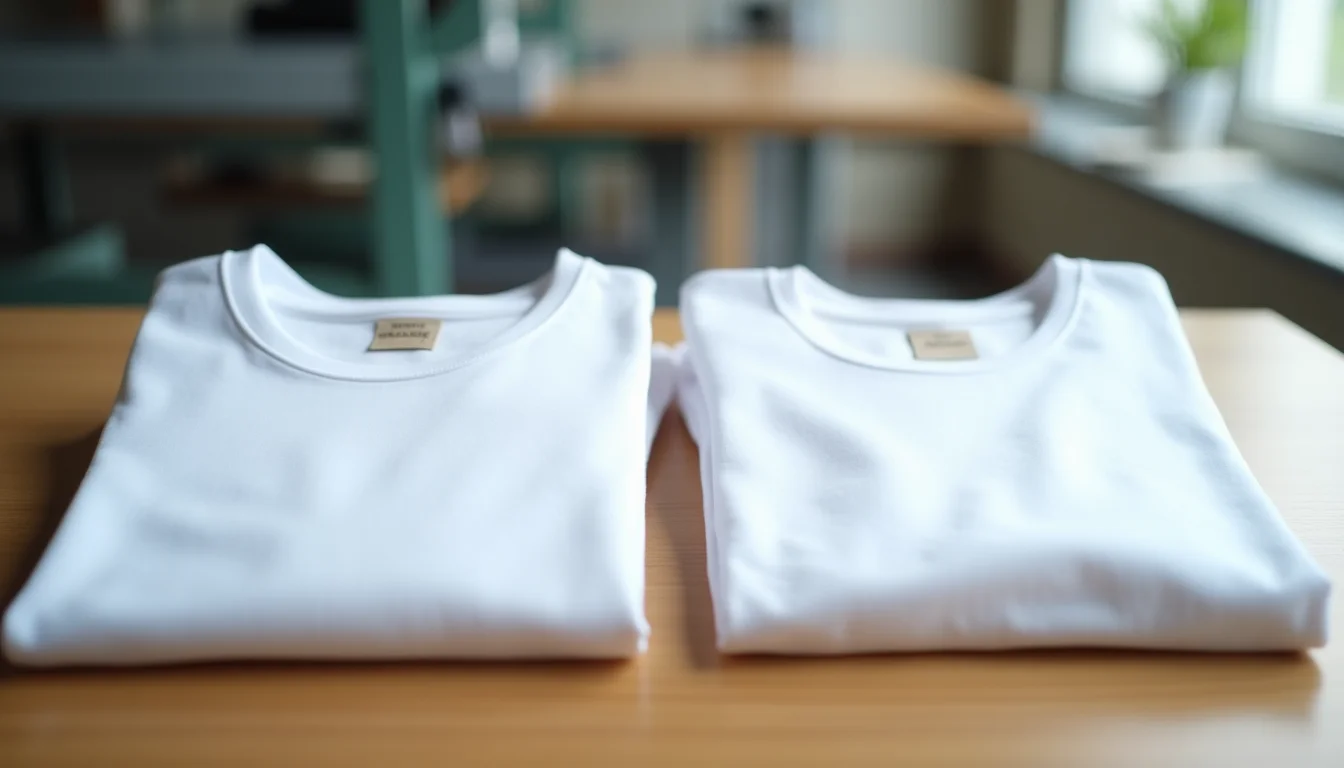
180 GSM for Embroidery? This Mistake Cost Him 300 T-Shirts
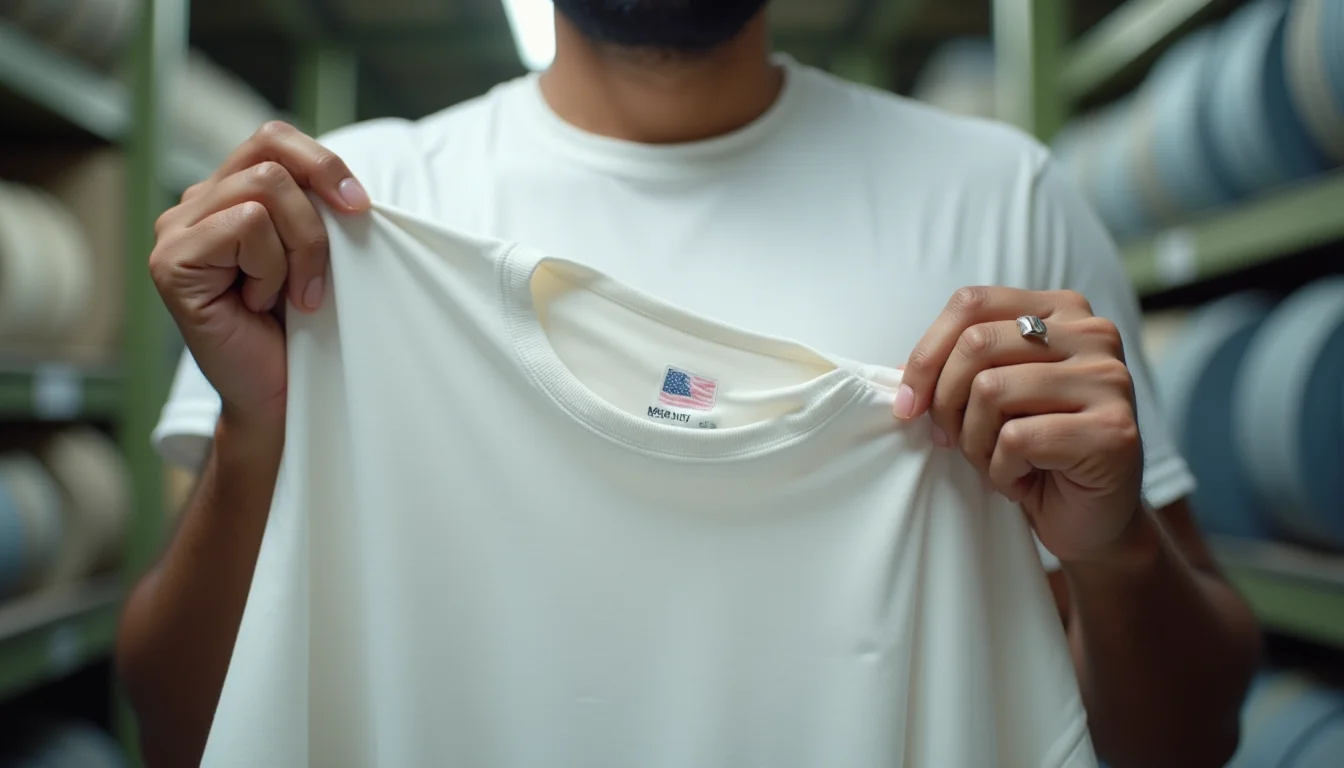
In the custom garment business, small decisions can lead to massive losses. When a customer recently ordered 300 plain t-shirts from us, got embroidery work done, and then complained about ruined designs, we discovered a common mistake that costs businesses thousands of rupees every month: using 180 GSM fabric for embroidery work.
This comprehensive guide will explain exactly why fabric weight matters for embroidery, how GSM affects the final output, and what you need to know before placing your next bulk order for embroidery blanks.
The 300 T-Shirt Disaster: What Went Wrong?
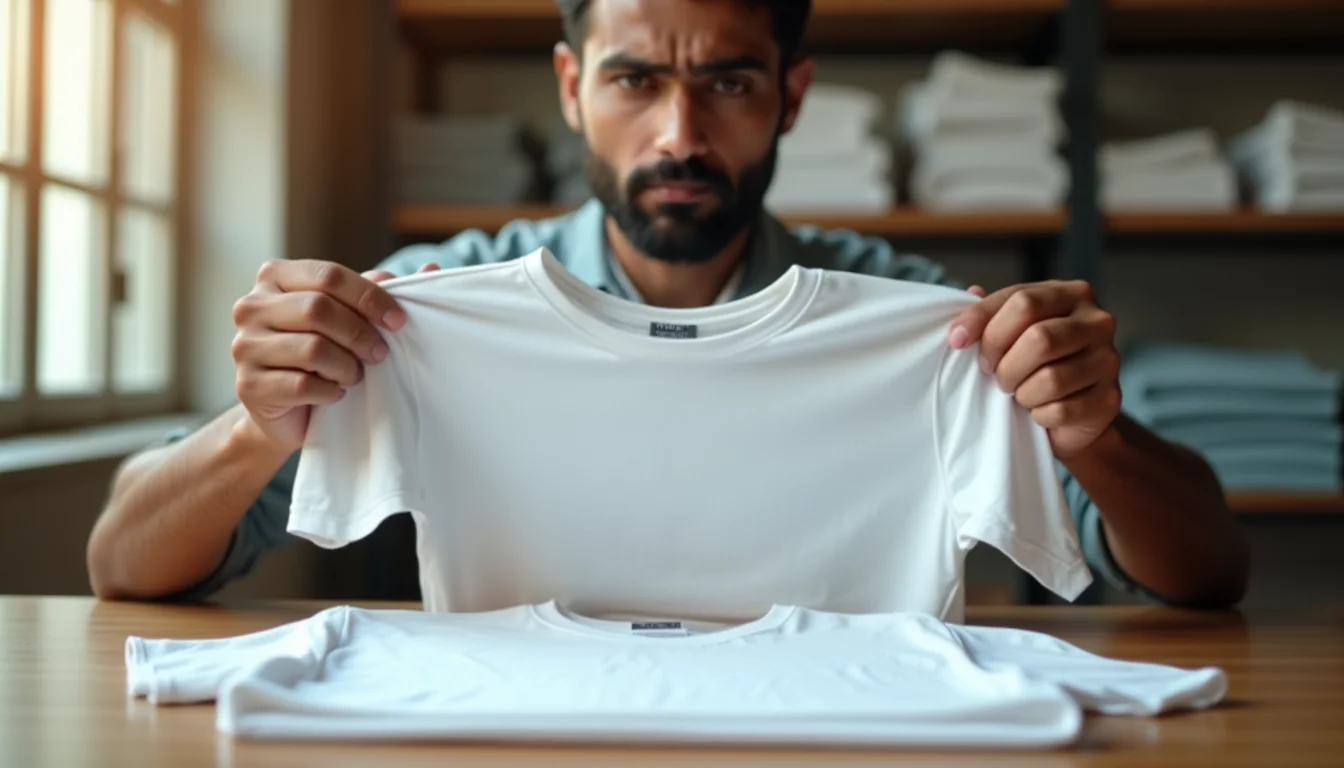
The customer's story is unfortunately common in the printing and embroidery business. He ordered 300 pieces of plain round neck t-shirts, looking to save money by choosing our most economical option: 180 GSM fabric. After receiving the order, he sent the t-shirts to his embroidery vendor for custom logo work.
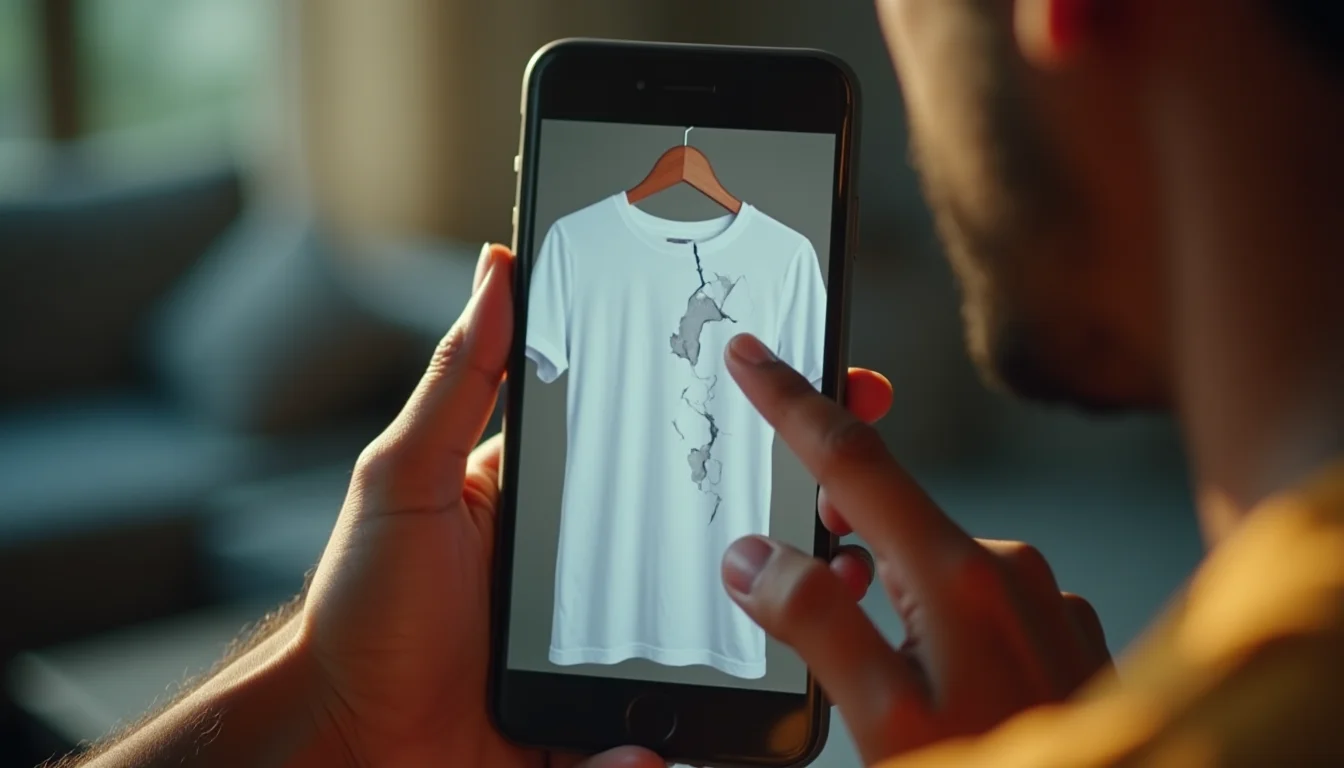
Within days, the complaints started rolling in. The fabric had stretched around the embroidery design. The logos looked distorted. In some cases, the fabric had even started tearing at the stitch lines. What was supposed to be a profitable order turned into a complete loss.
When we investigated, the root cause was clear: 180 GSM fabric is simply too thin and light to handle the mechanical stress of embroidery work.
Understanding GSM: The Foundation of Fabric Quality
Before we dive deeper into embroidery-specific requirements, let's understand what GSM actually means and why it matters.
What is GSM?
GSM stands for "Grams per Square Meter." It's a measurement of fabric weight and density. A higher GSM means the fabric is heavier, thicker, and generally more durable. A lower GSM indicates lighter, thinner fabric.
At Sale91.com, we manufacture plain t-shirts in multiple GSM options:
- 180 GSM: Lightweight, breathable, ideal for everyday casual wear
- 200 GSM: Medium weight, premium feel, suitable for most printing and embroidery
- 210 GSM: Heavy premium, excellent for embroidery and high-quality prints
- 220 GSM: Heavy-duty, best for heavy embroidery and luxury garments
Why GSM Matters for Different Applications
Not all GSM ratings are suitable for all purposes. For simple screen printing or DTG printing on flat surfaces, 180 GSM can work perfectly fine. The ink sits on top of the fabric without creating much mechanical stress.
However, embroidery is a completely different process. The needle physically penetrates the fabric thousands of times, pulling thread through it with considerable force. This creates tension and stress that thin fabric simply cannot handle.
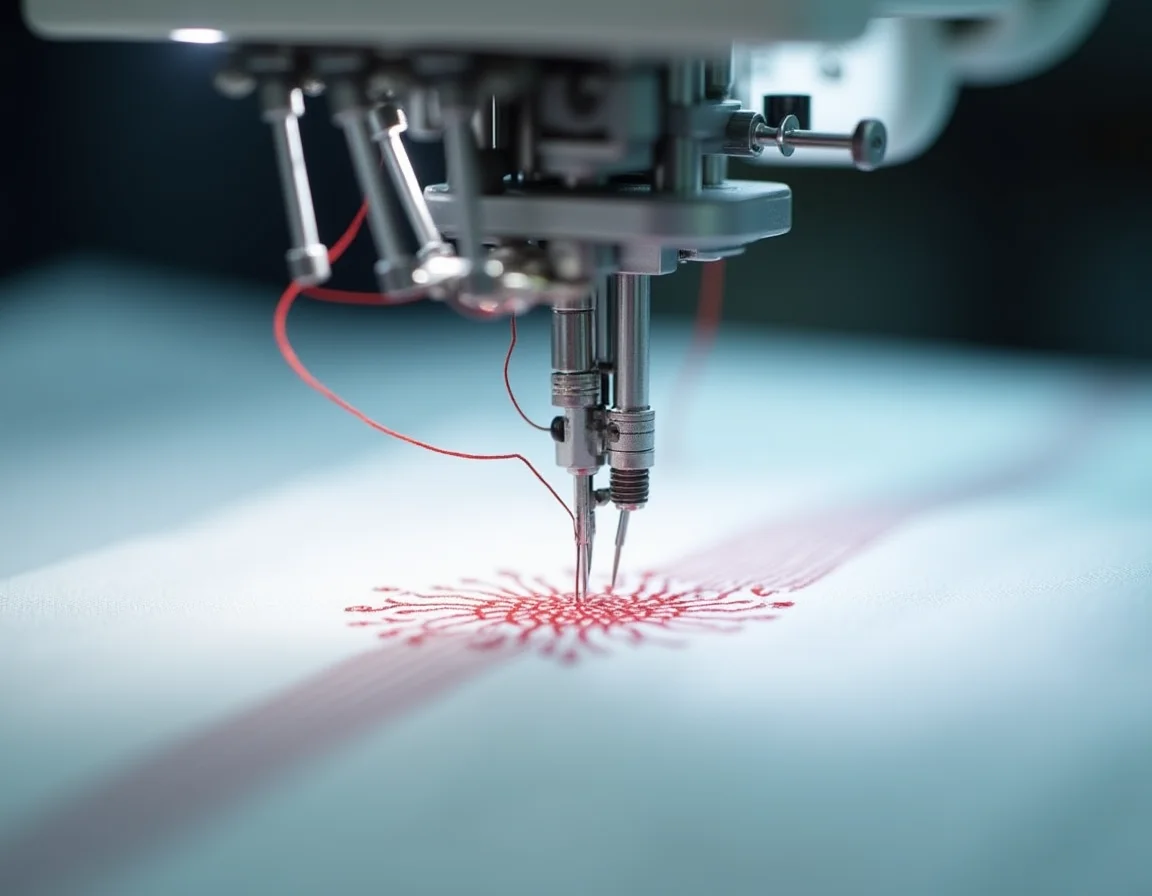
Why 180 GSM Fails for Embroidery: The Technical Breakdown
Let's get technical about why thin fabric doesn't work for embroidery. Understanding this will help you make informed decisions and avoid costly mistakes.
1. Insufficient Fabric Density
180 GSM fabric has relatively loose weave and lower thread count compared to heavier fabrics. When an embroidery needle repeatedly penetrates the fabric, it creates small holes. In denser fabrics, the surrounding threads can support these penetrations. In 180 GSM fabric, there's simply not enough material to maintain structural integrity.
2. Thread Pull and Fabric Stretching
Embroidery machines pull thread tight to create clean, defined designs. This pulling force exerts tension on the base fabric. Think of it like this: if you pull a thread through a thin paper versus thick cardboard, which one will distort more? The same principle applies to fabric.
180 GSM fabric, being thin and lightweight, stretches under this tension. The result? Your perfectly digitized design becomes distorted, wavy, or puckered.
3. Stabilizer Limitations
Professional embroiderers use stabilizers (backing material) to support fabric during stitching. However, stabilizers can only do so much. If the fabric itself is too thin, even the best stabilizer cannot prevent stretching and distortion. The stabilizer supports from below, but the thread pull happens from above, and thin fabric gets caught in the middle.
4. Tear Risk at High Stitch Density
Complex logos and detailed embroidery designs require high stitch density (more stitches per square inch). Each additional stitch is another needle penetration, another point of stress. On 180 GSM fabric, areas with high stitch density can actually tear or develop holes over time, especially after washing.
The Right GSM for Embroidery: Expert Recommendations
Based on years of experience supplying embroidery blanks to custom printing businesses across India, here are our tested recommendations:
200 GSM: The Minimum Standard
For standard embroidery work, 200 GSM is the minimum you should consider. This fabric weight provides:
- Adequate density to support needle penetrations
- Better resistance to thread pull and stretching
- Cleaner design definition with minimal puckering
- Acceptable durability for regular wear and washing
Most of our B2B customers who run custom embroidery services prefer 200 GSM for their standard offerings. It strikes a good balance between quality and cost.
210 GSM: Premium Embroidery Choice
210 GSM fabric is ideal for:
- Premium corporate embroidery orders
- Medium to high stitch density designs
- Customers who want extra durability
- Garments that will be washed frequently
The slightly higher weight provides noticeably better stability without significantly increasing costs.
220 GSM: Heavy Embroidery and Large Designs
For heavy embroidery work—think large back designs, complex multi-color logos, or 3D puff embroidery—220 GSM is the gold standard. This fabric weight:
- Handles high stitch counts without any distortion
- Provides excellent structural support for layered designs
- Maintains shape even with heavy thread coverage
- Delivers a premium, substantial feel that customers appreciate
Yes, 220 GSM costs more than 180 GSM, but the quality difference is dramatic. You eliminate complaints, returns, and reputation damage—making it cost-effective in the long run.
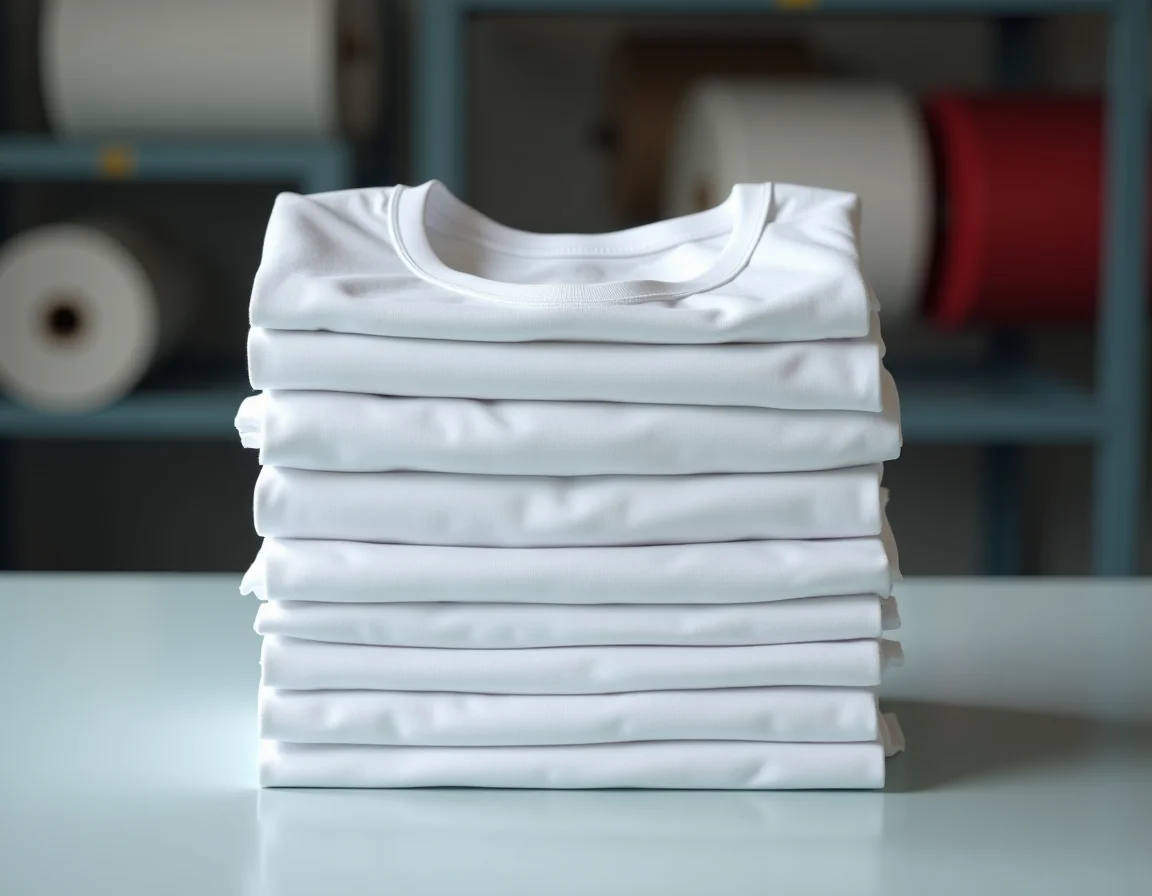
Real-World Cost Analysis: Is Saving on GSM Worth It?
Many buyers choose 180 GSM because they see the lower per-piece price and think they're saving money. Let's do a realistic cost comparison to see if that's actually true.
Scenario: 300-Piece Order with Embroidery
Option 1: 180 GSM (The "Cheap" Choice)
- T-shirt cost: Let's say ₹100 per piece = ₹30,000
- Embroidery cost: ₹30 per piece = ₹9,000
- Total investment: ₹39,000
- Result: 30-40% pieces show distortion or defects
- Sellable pieces: ~200
- Wasted investment: ~₹13,000
- Customer complaints and reputation damage: Priceless
Option 2: 200 GSM (The Smart Choice)
- T-shirt cost: ₹110 per piece = ₹33,000
- Embroidery cost: ₹30 per piece = ₹9,000
- Total investment: ₹42,000
- Result: 95%+ pieces are perfect quality
- Sellable pieces: ~285
- Additional cost vs 180 GSM: ₹3,000
- But you saved ₹13,000 in wasted materials
- Net benefit: ₹10,000 plus satisfied customers
The math is clear. Spending slightly more upfront on proper fabric saves you significantly in the long run.
Watch the Video: See the Difference Yourself
Watch our detailed video explanation where we demonstrate exactly what happens when you use the wrong GSM for embroidery work:
Additional Factors for Successful Embroidery
While GSM is crucial, it's not the only factor that determines embroidery success. Here are other elements to consider:
Fabric Composition: Why 100% Cotton Matters
At Sale91.com, all our plain t-shirts are made from 100% combed ring-spun cotton. This matters for embroidery because:
- Cotton has better dimensional stability than poly-blends
- It holds stitches more securely
- Combed cotton has fewer loose fibers that can interfere with embroidery
- Ring-spun construction creates stronger, more uniform fabric
Bio-Wash and Pre-Shrunk Treatment
All our fabrics are bio-washed and pre-shrunk. This is critical for embroidery because:
- Pre-shrinking ensures the fabric won't shrink after embroidery is done
- If fabric shrinks post-embroidery, designs can pucker and distort
- Bio-washing removes loose fibers and creates a smoother surface for clean stitching
Fabric Color Considerations
Darker colors (black, navy, maroon) tend to show embroidery flaws more visibly than lighter colors. If you're using 200 GSM, consider going to 210 GSM for dark-colored embroidery blanks to ensure flawless results.
How to Order the Right Embroidery Blanks
Ready to order proper embroidery blanks? Here's how to make sure you get exactly what you need:
Step 1: Assess Your Embroidery Type
- Small left chest logos (3-4 inch): 200 GSM minimum
- Full front designs (8-10 inch): 210 GSM recommended
- Back prints or heavy coverage: 220 GSM essential
- 3D puff embroidery: 220 GSM only
Step 2: Choose the Right Quantity
At Sale91.com, we offer flexible MOQs:
- Ready stock items: as low as 10 pieces
- Custom color combinations: typically 100+ pieces
- Bulk orders 500+: ₹2 per piece discount
- Any quantity gets ₹3 online discount per piece
Step 3: Take Advantage of Offers
Current Offers:
• ₹3/piece online purchase discount
• ₹2/piece additional discount on 500+ quantity
• 50% COD available on first order (3% COD charge applies)
• From second order onwards: prepaid
Step 4: Select Your Colors
We maintain ready stock in 15+ colors including:
- White (most popular for embroidery)
- Black (premium option for corporate orders)
- Navy, Royal Blue, Sky Blue
- Red, Maroon
- Olive, Bottle Green
- Grey, Charcoal
- And more...
Pro Tip: If you're just starting with embroidery, order a sample pack with 10 pieces each of 200 GSM and 220 GSM. Test both with your embroidery vendor to see which works best for your specific machine settings and design types. This small investment can save you from large-scale mistakes.
Common Embroidery Mistakes to Avoid
Beyond choosing the wrong GSM, here are other common mistakes that can ruin embroidery projects:
1. Skipping the Hoop Test
Always test how fabric behaves when hooped tightly. Thin fabrics can stretch just from hooping tension, even before embroidery starts.
2. Using Incompatible Stabilizers
Match your stabilizer type to your fabric weight. Heavier fabrics need heavier stabilizers. Consult with your embroidery vendor about the right stabilizer for your chosen GSM.
3. Ignoring Thread Weight
Heavy embroidery thread on thin fabric magnifies problems. If you must use 200 GSM, consider lighter thread weights (60wt instead of 40wt).
4. Not Accounting for Underlay Stitches
Professional digitizers add underlay stitches for stability. These are extra stitches beneath the visible design. Thin fabric may not handle this extra stitch density well.
5. Rushing Without Samples
Never order 500 pieces without first running samples. Test your complete process—fabric, stabilizer, design, settings—on a small batch before scaling up.
Why Buy Embroidery Blanks from Sale91.com?
When you're running a custom embroidery business, your fabric supplier can make or break your success. Here's why hundreds of embroidery businesses trust Sale91.com:
1. We Manufacture, Not Resell
We knit our own fabric in Tiruppur, India's textile capital. This means:
- Consistent quality across every order
- Better pricing (no middleman markup)
- We control the entire production process
- Flexibility to meet custom requirements
2. Massive Ready Stock
We maintain 1 lakh+ t-shirts in ready stock at our Delhi warehouse. This means:
- Quick delivery (same day dispatch possible)
- No waiting weeks for production
- You can fulfill urgent orders without stress
3. Proven Track Record
1,25,232+ pieces sold in just the last 30 days speaks to our reliability and quality. We're not a startup experiment—we're a proven partner for your business.
4. B2B Focus
We don't serve retail customers. We understand B2B needs:
- GST billing
- Bulk pricing tiers
- Credit terms for repeat customers
- Technical support for application questions
5. Quality Specifications
Every t-shirt we produce features:
- 100% Combed Ring-Spun Cotton
- Bio-washed for smoothness
- Pre-shrunk to eliminate post-embroidery issues
- Consistent GSM (we actually weigh and test)
- Color-fast dyes that won't bleed
Ready to Order Premium Embroidery Blanks?
Don't make the 180 GSM mistake. Order proper 200+ GSM embroidery blanks and deliver perfect quality every time.
Visit Sale91.com to browse our complete catalog and place your order today.
📞 Have questions? Our team understands embroidery requirements and can help you choose the right specifications for your specific needs.