DTG Print Cracked in 3 Washes? Here's Why (Quality Test)
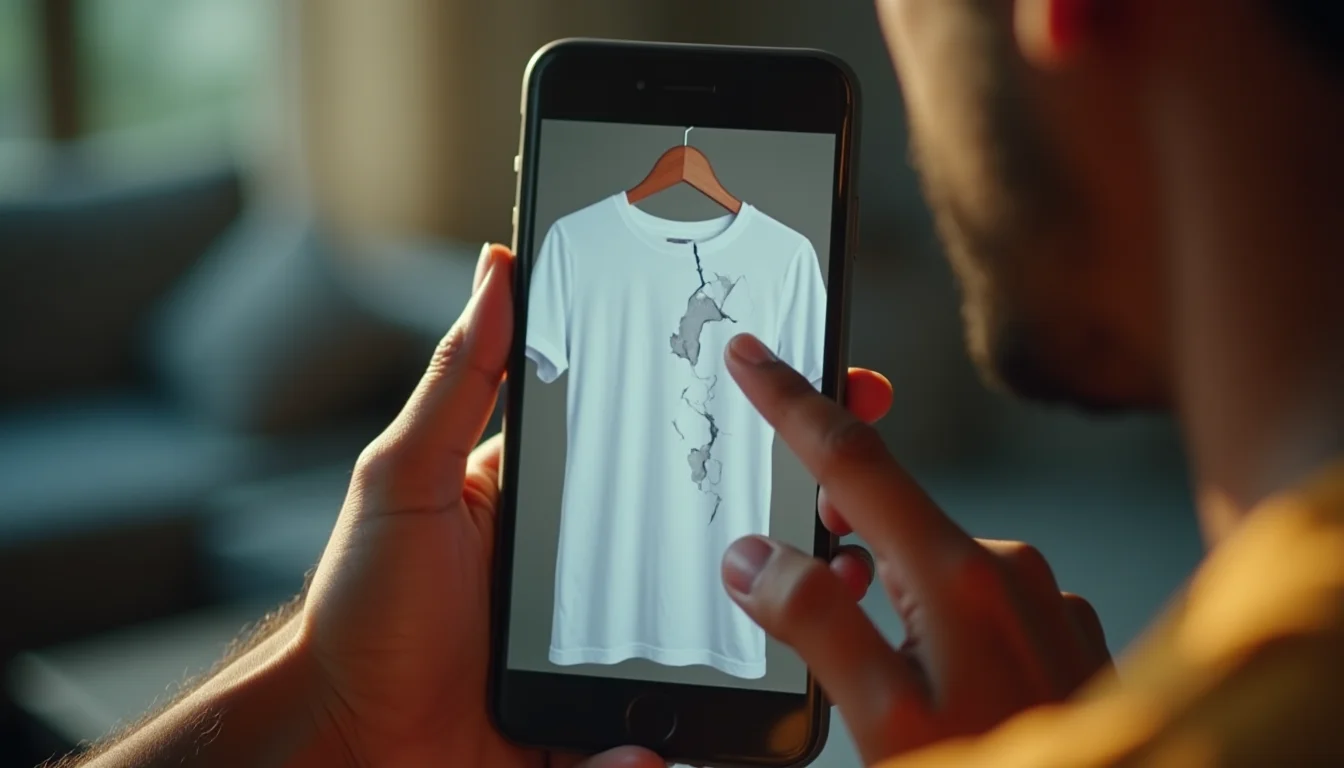
If you're running a custom t-shirt printing business in India, you've probably faced this nightmare at least once: a customer returns after a few washes complaining about cracked prints, faded colors, or peeling designs. You scramble to check your printing process, your ink quality, your machine settings—but the real culprit might be something you overlooked completely: the fabric quality and the wash test you never performed.
Recently, a printing business owner reached out with photos of a 200-piece DTG printed order. The prints looked perfect when they left his shop. But after just 3 washes, the customer complained—prints were cracking, colors were fading, and the overall appearance was disappointing. His immediate reaction? "The fabric quality must be bad."
But when I asked him one simple question—"Did you do a wash test before printing all 200 pieces?"—the answer was no. And that's where the problem started.
Why the 3-Wash Test is Non-Negotiable for Print Businesses
Here's the truth that many printing businesses in India don't realize: real quality doesn't show up at the time of printing—it shows up after 3 washes. Whether you're doing DTG printing, DTF transfers, screen printing, or heat transfer vinyl, the durability of your final product depends on three critical factors:
- Fabric quality: Is the cotton combed and ring-spun? Is it bio-washed and pre-shrunk? What's the GSM?
- Pre-treatment (especially for DTG): Are you using the right pre-treatment solution? Is the application even?
- Ink quality and curing: Are you using genuine inks? Is your curing temperature and time correct?
All three elements work together. If even one is substandard, your print will fail the wash test—and your customer satisfaction will tank along with it.
"Print quality sirf print ke time nahi dikhti—3 wash ke baad dikhti hai. Testing is not optional, it's essential."
The Complete 3-Wash Test Protocol
So how do you actually perform a proper wash test? It's simpler than you think, but most businesses skip it because they want to rush orders. Here's the step-by-step process we recommend at Sale91.com:
Step 1: Order a Test Batch (5-10 Pieces)
Before you commit to printing 100, 200, or 500 pieces, order a small test batch. At Sale91.com, we offer low MOQs (as low as 10 pieces for ready stock items) specifically so printing businesses can test before scaling up. Choose the same GSM, color, and fabric type you plan to use for the bulk order.
Step 2: Print Using Your Actual Process
Don't change anything for the test. Use the same:
- Pre-treatment solution and method
- Ink brand and type
- Print settings (resolution, passes, etc.)
- Curing temperature and time
The goal is to replicate exactly what you'll do for the full order. This is your real-world test, not a lab experiment.
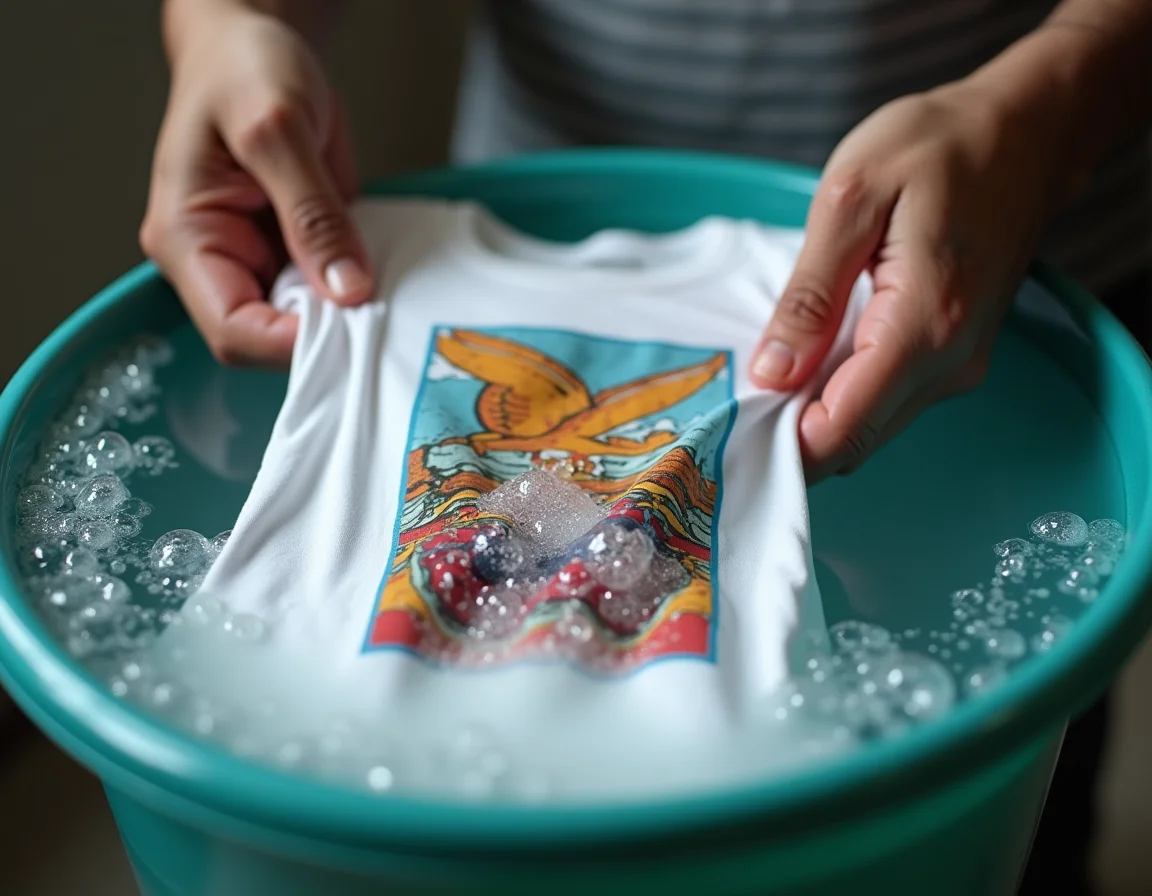
Step 3: Wash 3 Times with Normal Detergent
This is the critical part. Take 2-3 printed pieces and wash them exactly how your end customers will wash them:
- Use regular detergent (not special garment wash)
- Wash in a machine OR by hand (test both if possible)
- Normal water temperature (not cold, not hot—just normal tap water)
- Complete 3 full wash cycles
Why 3 washes? Because the first wash might look fine, even the second. But by the third wash, any underlying issues—poor fabric construction, weak ink adhesion, inadequate curing—will become visible.
Step 4: Inspect Carefully After Each Wash
After each wash, check for these specific issues:
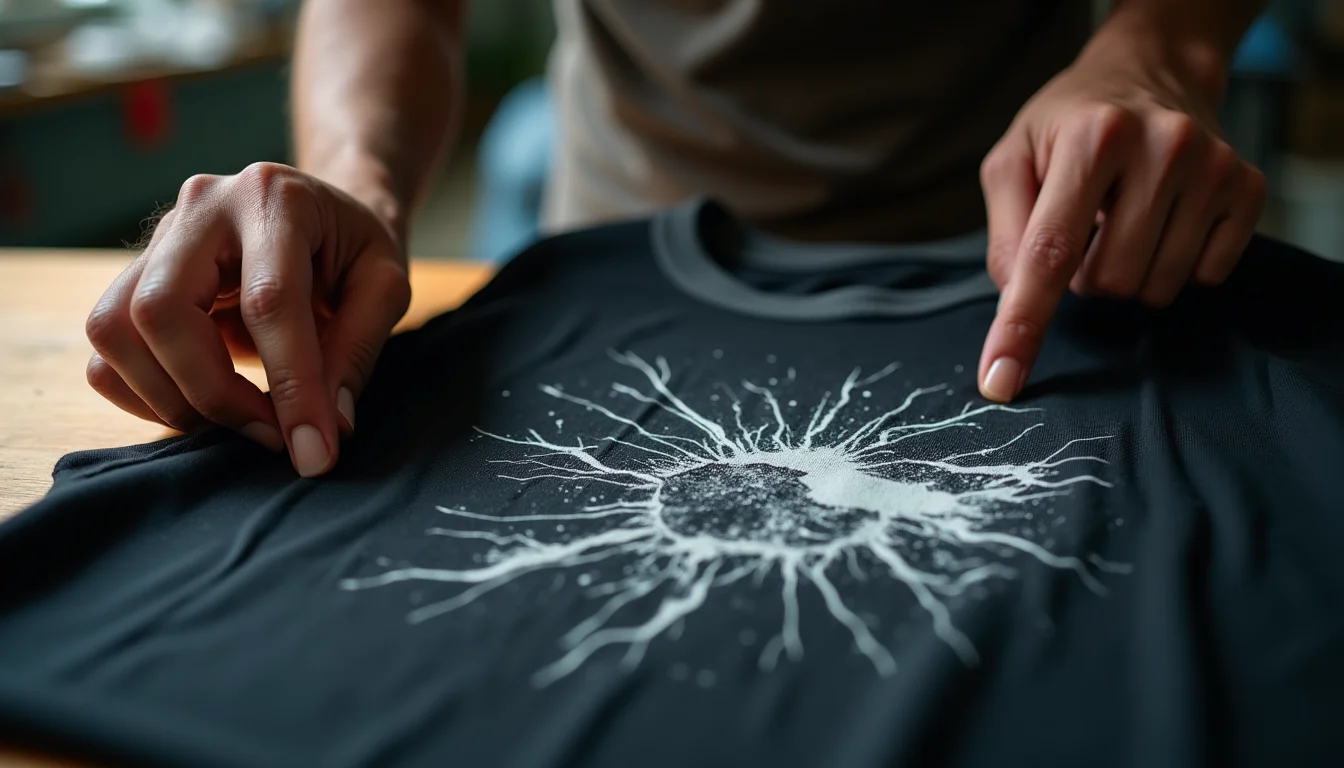
- Print cracking: Are there fine lines or cracks appearing in the design, especially in areas with heavy ink coverage?
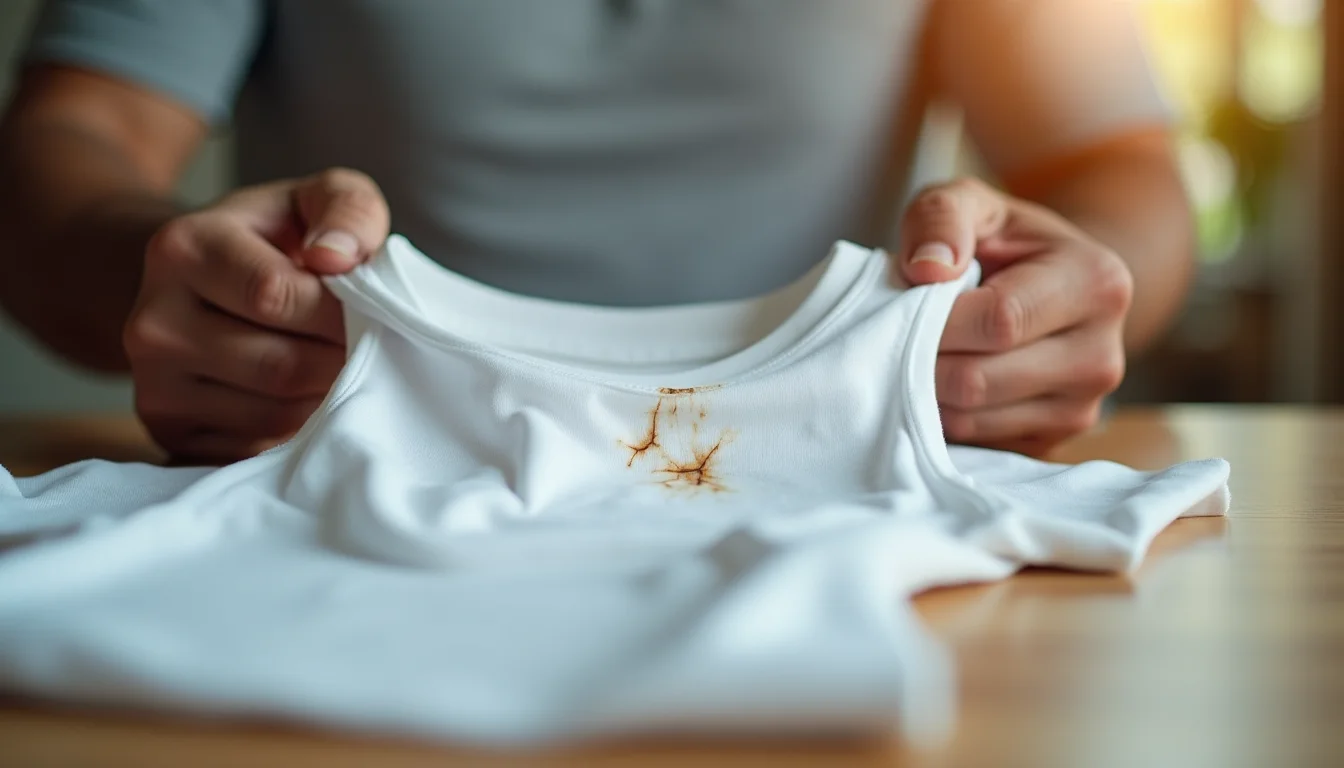
- Color fading: Is the vibrancy decreasing? Are whites turning dull?
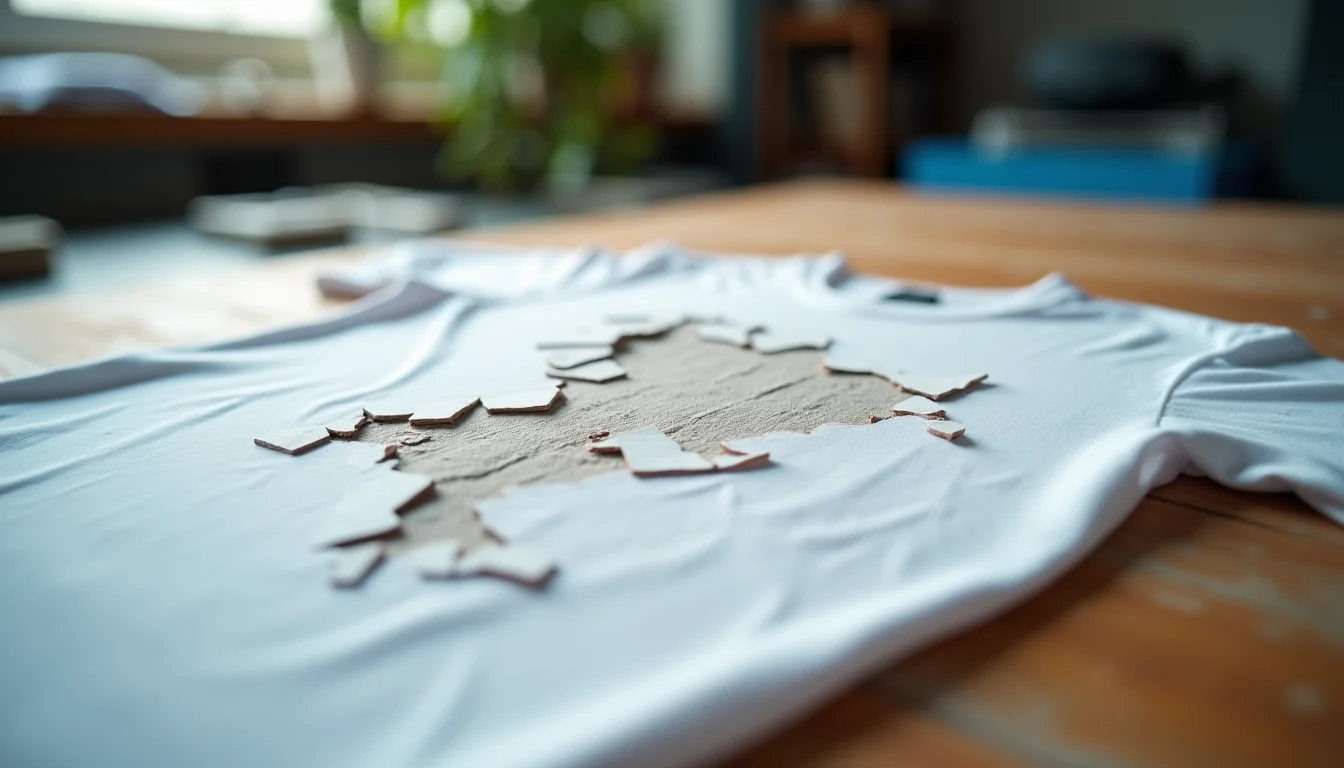
- Peeling or flaking: Is any part of the print lifting off the fabric?
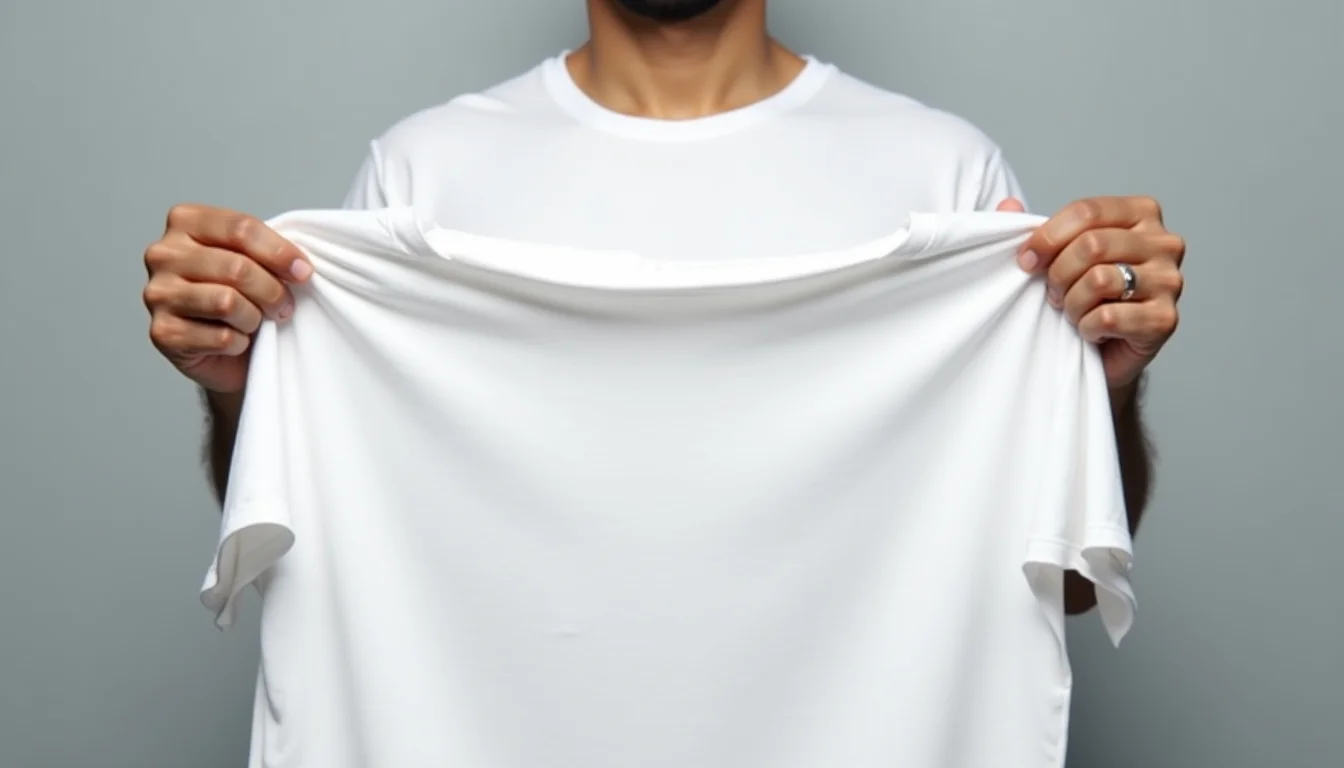
- Fabric distortion: Is the t-shirt shrinking unevenly or losing shape?
- Fabric pilling: Are little balls of fiber forming on the surface?
If everything looks good after 3 washes—the print is intact, colors are still vibrant, and the fabric maintains its shape—you've found a winning combination. If not, you need to diagnose what went wrong before moving forward.
Why DTG Prints Fail: The Three Main Culprits
Let's break down the most common reasons DTG prints fail the wash test, based on our experience working with hundreds of printing businesses across India.
1. Poor Fabric Quality
Not all "100% cotton" t-shirts are created equal. The quality of cotton, the yarn construction, and the finishing processes make a massive difference:
- Combed vs. Open-End Cotton: Combed cotton has shorter fibers removed, creating a smoother, stronger fabric. Open-end cotton is cheaper but rougher and less durable. For printing, combed cotton is essential.
- Ring-Spun vs. Regular Yarn: Ring-spun cotton is twisted tighter, making it softer and more resistant to wear. This is what we use at Sale91.com for all our blank t-shirts.
- Bio-Washing and Pre-Shrinking: These processes stabilize the fabric and remove excess loose fibers. Without them, your t-shirt will shrink unpredictably and shed fibers that interfere with print adhesion.
When you buy from resellers or traders who import cheap blanks from unknown sources, you have no control over these factors. That's why we manufacture our own fabric in-house at our Tiruppur facility—we control every step from knitting to finishing.
2. Incorrect Pre-Treatment Application
For DTG printing specifically, pre-treatment is the bridge between the fabric and the ink. If this bridge is weak, your print will fail no matter how good your ink or machine is. Common pre-treatment mistakes include:
- Using diluted or expired pre-treatment solution
- Applying too little (ink won't bond properly)
- Applying too much (creates a stiff hand-feel and can cause cracking)
- Uneven application (some areas print well, others don't)
- Not curing the pre-treatment before printing
The pre-treatment itself needs to be heat-set properly. If you skip this or rush it, the chemicals won't bond with the fabric fibers, and the ink will sit on the surface rather than penetrating. After 2-3 washes, it simply washes away.
3. Ink Quality and Curing Issues
Even with perfect fabric and pre-treatment, poor ink or improper curing will ruin your prints:
- Cheap or fake inks: Some inks are formulated poorly and don't create strong bonds with fabric fibers. Always use reputable brands.
- Under-curing: This is extremely common. If you don't heat the print at the right temperature (usually 160-170°C for DTG) for the right duration (30-45 seconds), the ink doesn't fully polymerize. It might look fine initially but will crack and fade quickly.
- Over-curing: Yes, this is also a problem. Too much heat can scorch the fabric and make it brittle, causing cracks in the print area.
The Business Case for Wash Testing
Let's talk numbers. Testing 5-10 pieces before a 200-piece order might cost you ₹500-₹1000 in materials and time. But consider the alternative:
- 200 defective pieces returned = ₹30,000-₹50,000 loss (depending on your pricing)
- Reputation damage and negative reviews = loss of future customers
- Time wasted in reprinting = opportunity cost of other orders
- Mental stress and customer arguments = priceless (in a bad way)
The math is simple: spending ₹1000 on testing can save you ₹50,000 in losses. More importantly, it builds your reputation as a quality-conscious business that stands behind its products.
Why Fabric Choice Matters More Than You Think
At Sale91.com, we've sold over 1,25,232+ pieces in just the last 30 days to printing businesses across India. And one of the most common questions we get is: "Why should I pay more for your fabric when I can get cheaper options elsewhere?"
The answer is simple: cheaper upfront means more expensive long-term. Here's what you get with our blanks:
- 100% ring-spun combed cotton (not open-end or mixed)
- Bio-washed for softness and stability
- Pre-shrunk so your prints don't distort after washing
- Multiple GSM options (180, 200, 210, 220) for different use cases
- Manufactured in Tiruppur with our own knitting facility—not imported or traded
We're not traders. We don't resell someone else's fabric. We knit it, process it, and quality-check it ourselves. That's why printing businesses who switch to Sale91.com report dramatically fewer customer complaints and returns.
GSM Selection and Print Durability
Another often-overlooked factor is choosing the right GSM (grams per square meter) for your printing method:
- 180 GSM: Great for everyday wear and light designs. Best for single-color or simple prints. Not ideal for heavy ink coverage or puff printing.
- 200 GSM: The sweet spot for most DTG and screen printing. Premium feel, good durability, and handles multiple washes well.
- 220 GSM: Heavy premium fabric. Perfect for high-end brands, oversized fits, and prints that need to last years.
If you're using 180 GSM for heavy DTG prints or complex multi-color designs, you might see faster degradation simply because the fabric doesn't have enough body to support the ink load. Always match your fabric weight to your printing method and design complexity.
Pro Tips for Printing Business Owners
Here are some additional tips we share with our customers at Sale91.com:
- Document your test results: Keep photos of prints after 1, 2, and 3 washes. This becomes your reference for quality standards.
- Test seasonal variations: Cotton crops vary by season. If you notice any change in fabric feel or appearance, run a new wash test.
- Share wash instructions with customers: Even the best prints need proper care. Include care tags or instruction cards with your finished products.
- Build relationships with suppliers: Work with manufacturers (not traders) who can provide consistent quality and support you when issues arise.
- Don't skip testing for "small" orders: A 50-piece order for a corporate client is just as important as a 500-piece order. Test everything.
What to Do If Your Prints Fail the Wash Test
If your test pieces don't pass the 3-wash inspection, here's how to troubleshoot:
If prints are cracking:
- Check if you're over-applying ink (reduce ink density settings)
- Verify curing temperature and time
- Test a different pre-treatment brand or dilution ratio
- Try a heavier GSM fabric if you're using 180 GSM
If colors are fading:
- Ensure you're using genuine, fresh inks (not expired or refilled)
- Increase curing time slightly
- Check if your pre-treatment is properly heat-set before printing
- Test if the fabric has residual processing chemicals (poor washing during manufacturing)
If fabric is shrinking or distorting:
- This is almost always a fabric quality issue
- Switch to a pre-shrunk, bio-washed fabric supplier
- Consider switching from a trader to a manufacturer with quality control
The Sale91.com Advantage for Printing Businesses
We've built our entire business around supporting custom printing businesses. Here's what makes us different:
- Own manufacturing: We knit our own fabric in Tiruppur, so quality is never outsourced
- Ready stock of 1 lakh+ pieces: No waiting weeks for your order—most items ship within 24-48 hours
- Low MOQ: Test with as few as 10 pieces before committing to bulk
- Transparent pricing: ₹2/pc discount on 500+ orders, ₹3/pc online discount for any quantity
- Pan-India reach: We supply to DTG, DTF, screen printing, and heat transfer businesses from Kashmir to Kerala
- Export capabilities: We also supply internationally via courier and sea transport
Visit our complete catalog here to explore our full range of plain round neck t-shirts, oversized tees, polo shirts, hoodies, and sweatshirts in multiple GSM options and 15+ colors.
Watch the Video
Frequently Asked Questions
More Articles
Ready to Test Quality Fabric for Your Printing Business?
Don't risk your reputation with untested blanks. Order a test batch from Sale91.com today—100% ring-spun combed cotton, bio-washed, pre-shrunk, and ready for your printing process. With MOQ as low as 10 pieces and 1 lakh+ stock ready to ship, you can test before you commit.
Order Now from Sale91.com50% COD available on first order | ₹3/pc online discount | 1,25,232+ pieces sold last month