Stop Ordering 100% Cotton (Blend Better Hai for DTG Printing)
There's a common belief in the custom printing industry that 100% cotton is always the best choice for blank t-shirts. While pure cotton certainly has its advantages, this blanket assumption can lead to customer complaints, returns, and lost business—especially if you're serving clients in the activewear, gym wear, or athleisure segments.
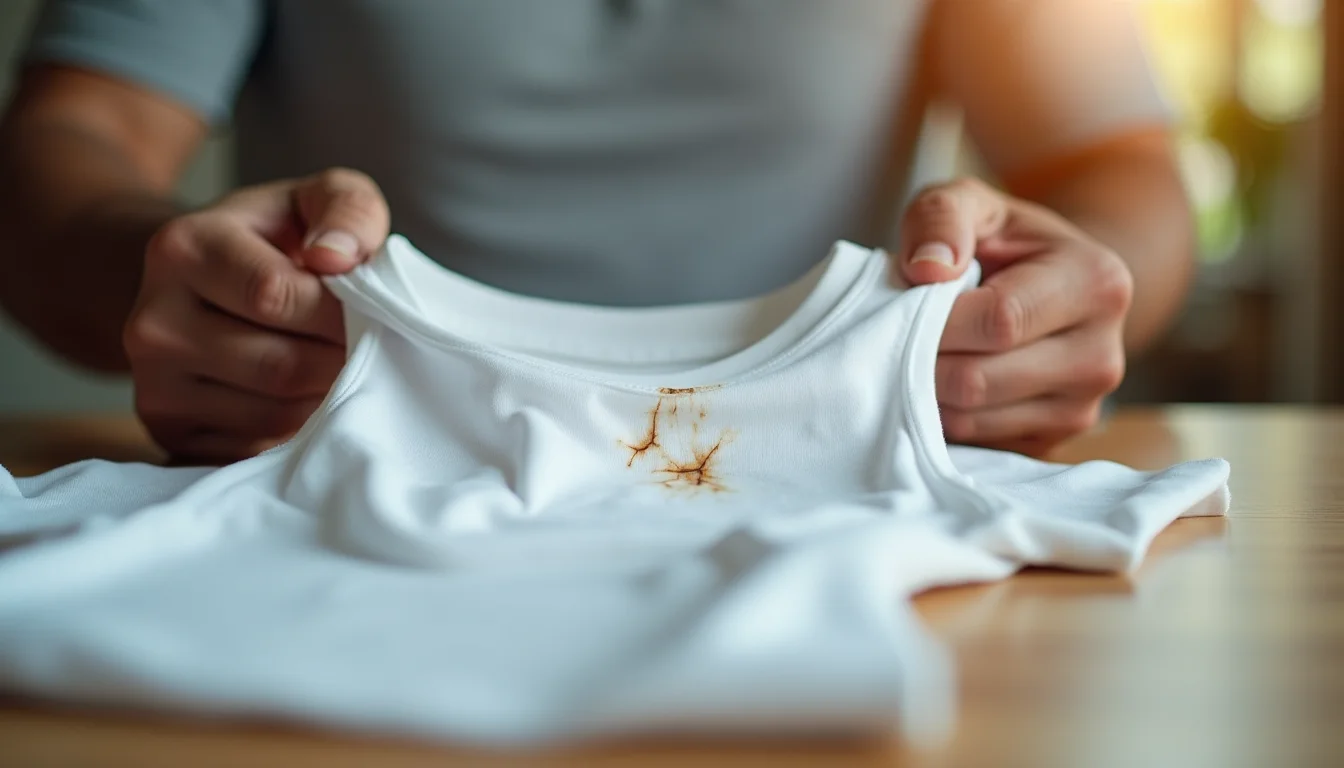
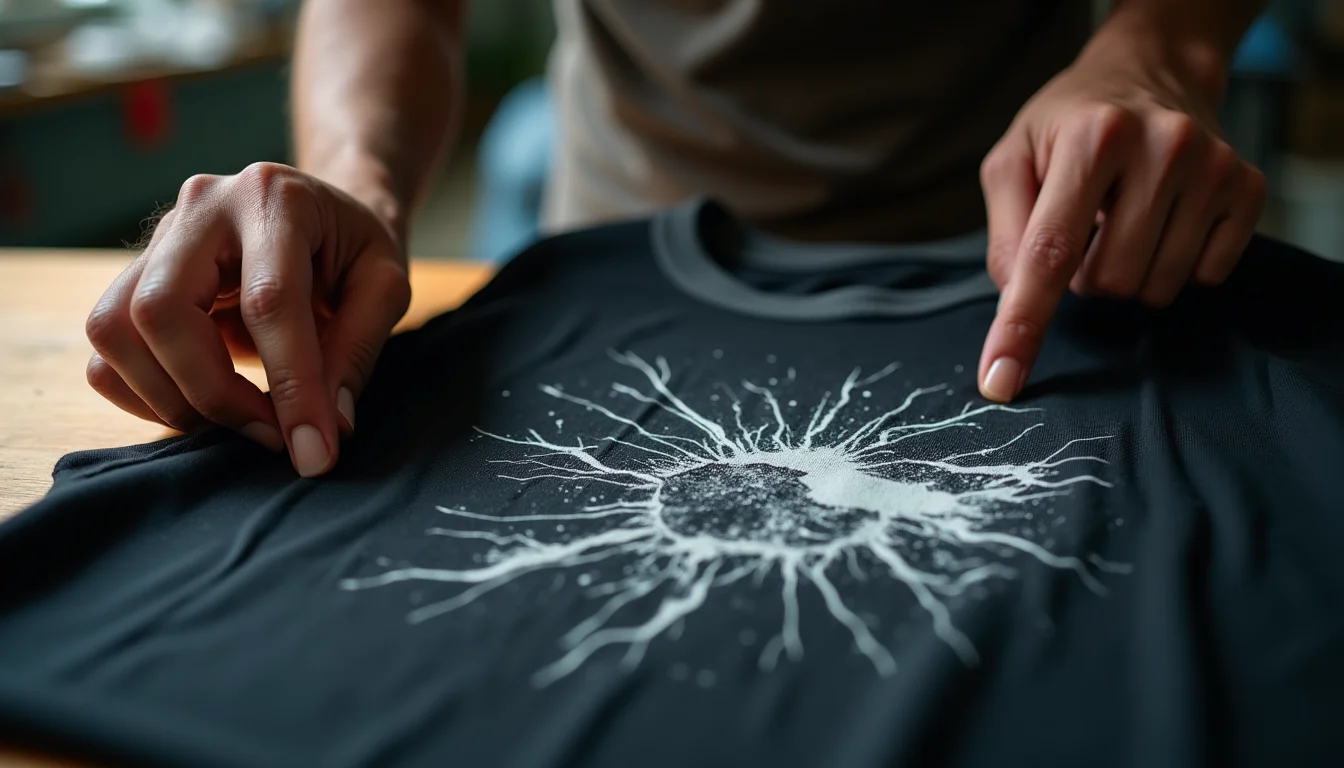
Recently, a printing business owner reached out with a frustrating problem: "I ordered 100% cotton premium quality t-shirts, but my customer is complaining that the t-shirt stretched after wearing and lost its shape." When we dug deeper, we discovered he was using DTG (Direct-to-Garment) printing on these shirts, and his customers were wearing them as gym wear.
This scenario perfectly illustrates why understanding fabric composition isn't just about quality—it's about matching the right fabric to the right use case.
The 100% Cotton Myth: Why Pure Cotton Isn't Always Best
Let's break down the science behind why 100% cotton, despite being soft and breathable, has inherent limitations that make it unsuitable for certain applications.
Low Elasticity and Shape Retention
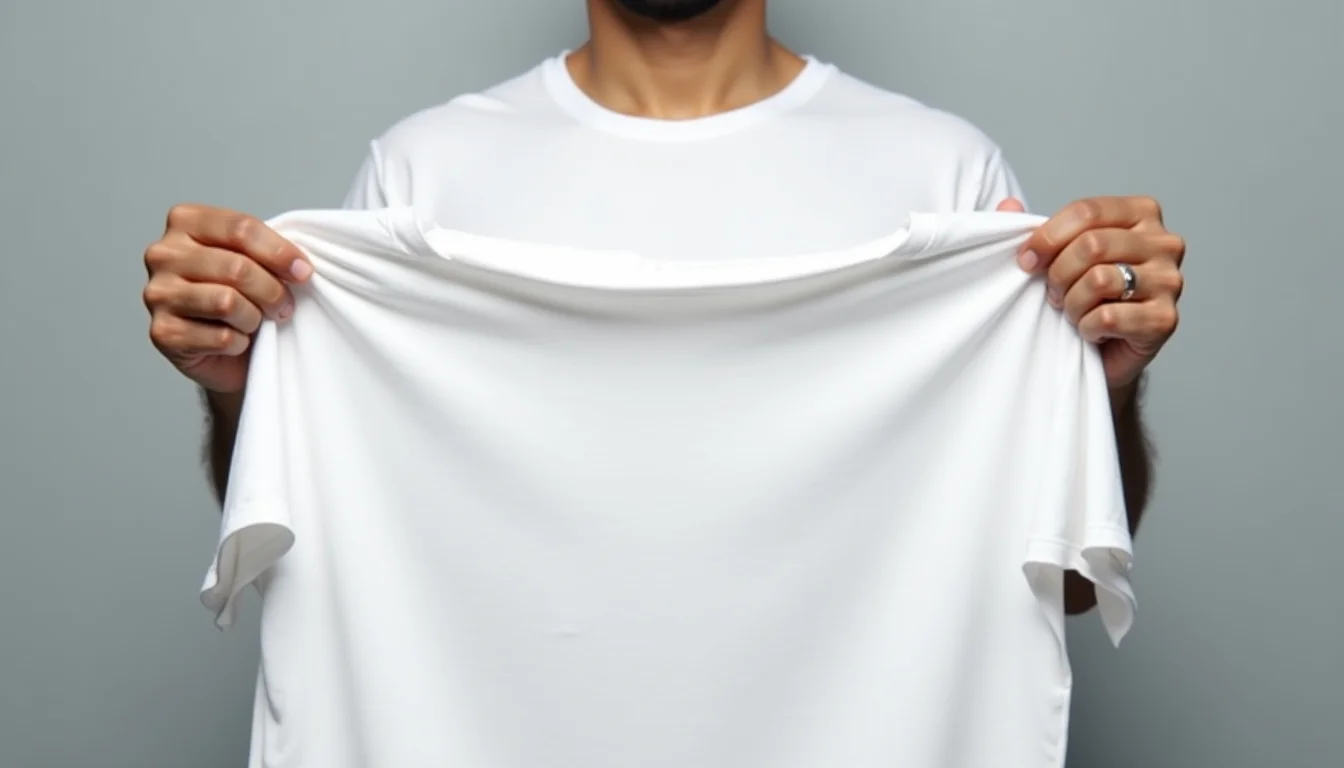
The fundamental issue with 100% cotton is its low elasticity. Cotton fibers are natural and have minimal stretch recovery properties. When you pull or stretch pure cotton fabric repeatedly—such as during physical activity, workouts, or even just regular arm movements—the fibers don't bounce back to their original position effectively.
Over time, this leads to:
- Loose necklines: The collar area stretches out and doesn't recover
- Saggy shoulders: The shoulder seams start drooping
- Body bagging: The torso area becomes loose and shapeless
- Hem distortion: The bottom hem loses its structure
For customers using t-shirts for casual everyday wear, this might not be a major issue initially. But for activewear, gym wear, or situations involving frequent washing and stretching, the deterioration happens much faster.
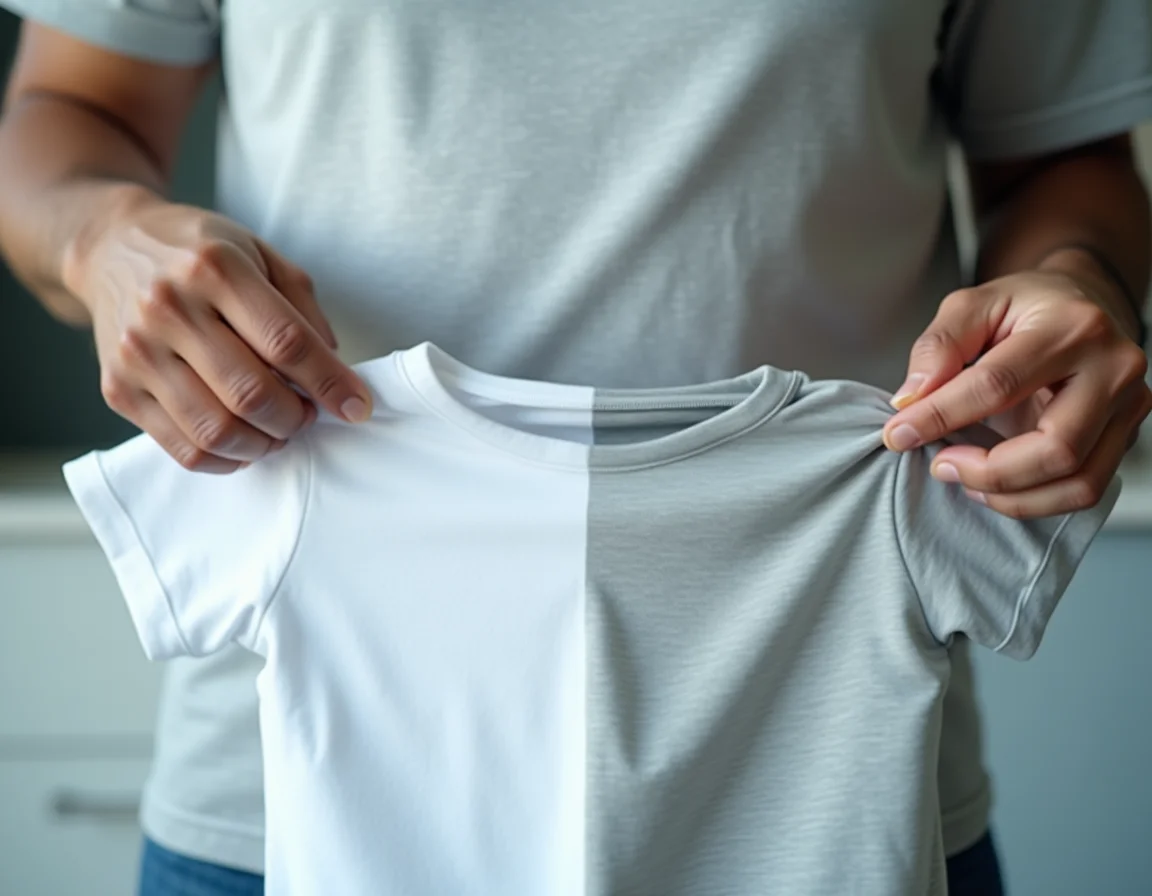
Shrinkage Issues
Another challenge with 100% cotton is shrinkage. Even when fabric is bio-washed and pre-shrunk (like all products from Sale91.com), pure cotton still has a higher tendency to shrink compared to blends—especially after multiple wash cycles or if customers accidentally use hot water.
Cotton blends typically show 2-3% less shrinkage than pure cotton over the garment's lifetime. This might seem minor, but it makes a significant difference in customer satisfaction and reduces returns.
When Cotton-Polyester Blends Are the Better Choice
Cotton-polyester blends, particularly the popular 80-20 ratio (80% cotton, 20% polyester), offer a practical solution that combines the best properties of both fibers.
The Science Behind 80-20 Blends
In an 80-20 cotton-polyester blend:
- Cotton (80%): Provides softness, breathability, and natural comfort
- Polyester (20%): Adds elasticity, shape retention, and durability
The polyester fibers act like a skeletal structure within the fabric. They have excellent memory and elasticity, allowing the fabric to stretch during wear and then recover to its original shape. This 20% makes a dramatic difference without significantly compromising the cotton feel that customers love.
Ideal Use Cases for Blends
Cotton-polyester blends are particularly suitable for:
- Gym wear and fitness apparel: Where constant stretching occurs during workouts
- Athleisure: Casual athletic wear that needs to maintain shape throughout the day
- Activewear: Any clothing worn during physical activities
- Sports team uniforms: Where durability and wash-resistance are priorities
- Corporate uniforms: That need to look crisp even after multiple washes
- Merchandise for events/concerts: Where customers want long-lasting wearability
Printing Performance: Pure Cotton vs. Blends
One of the biggest concerns printing businesses have when considering blends is whether print quality will be compromised. The good news? For most modern printing methods, the difference is negligible.
DTG (Direct-to-Garment) Printing
DTG printing works excellently on both 100% cotton and 80-20 blends. The water-based inks used in DTG bond well with cotton fibers, and the 20% polyester in blends doesn't significantly impact print quality or vibrancy.
Key considerations:
- Pre-treatment may need slight adjustment for blends (slightly more spray)
- Curing temperatures remain the same
- Wash-fastness is actually slightly better on blends due to polyester's durability
Screen Printing
Screen printing performs virtually identically on pure cotton and blends. Both plastisol and water-based inks adhere well to 80-20 fabrics. Many professional screen printers actually prefer blends because they hold their shape better on the print platen.
DTF (Direct-to-Film) and Heat Transfer
These methods also work seamlessly on cotton-polyester blends. The heat press adhesion is comparable, and the finished print quality shows no noticeable difference.
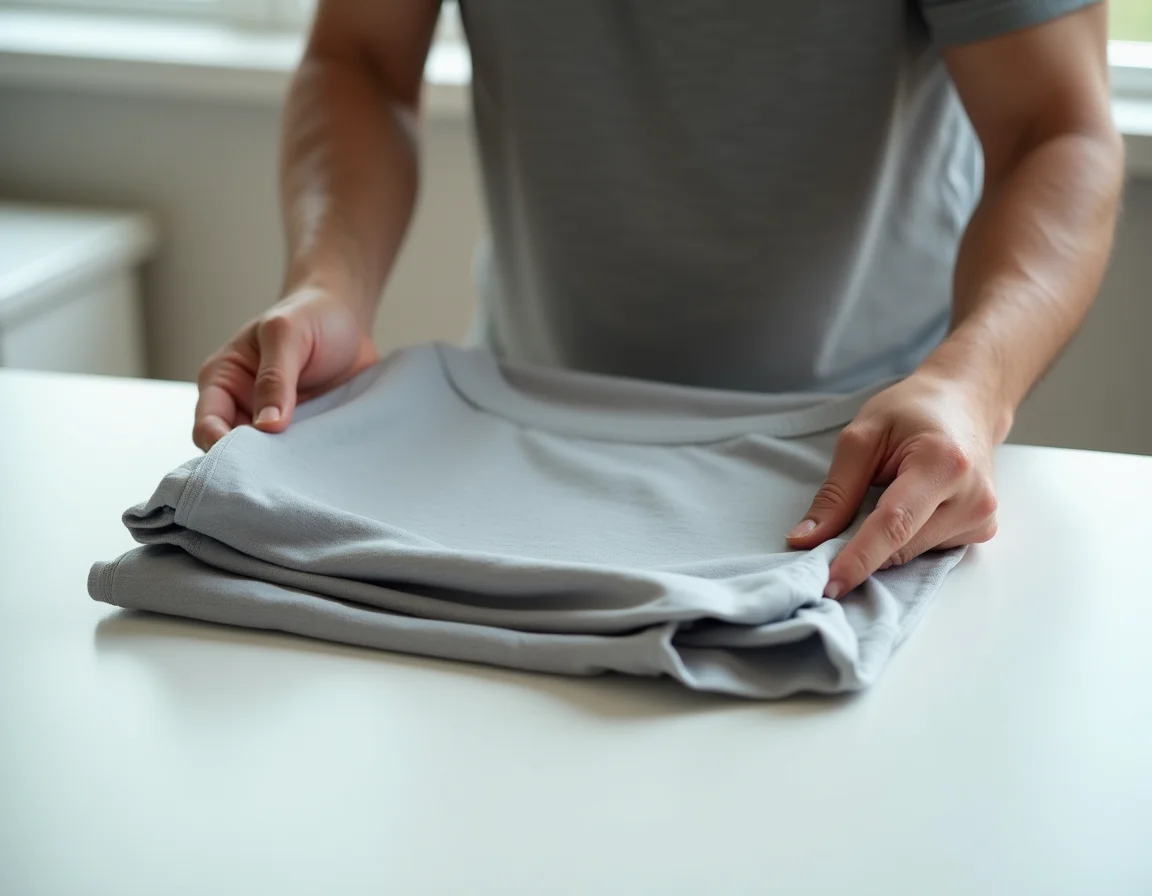
Understanding Your Customer's Use Case: The Key to Fabric Selection
The most important takeaway from this discussion is this: always ask your customers how the printed t-shirts will be used.
Pro Tip: When taking bulk orders, create a simple questionnaire asking: "What will these t-shirts be primarily used for?" This single question can save you from returns and unhappy customers.
Choose 100% Cotton When:
- Customers want a premium, ultra-soft feel
- The shirts are for casual everyday wear
- Maximum breathability is the priority (hot weather use)
- Customers specifically request pure cotton for brand positioning
- The design is for limited-edition merchandise where touch-feel matters more than durability
- You're printing for events, festivals, or one-time promotional campaigns
Choose 80-20 Cotton-Polyester Blend When:
- T-shirts will be used for gym, fitness, or sports activities
- Customers need long-term shape retention
- The target audience will wash frequently
- Athleisure or activewear is the category
- You need better durability for corporate or team uniforms
- Shrinkage concerns are high
- Budget-conscious customers need longer garment life
Common Mistakes Printing Businesses Make
Mistake #1: Assuming Premium Means 100% Cotton
Many businesses equate "premium quality" with "100% cotton." This is a marketing hangover from decades ago when synthetic blends were inferior. Modern polyester technology has changed this equation completely.
Premium quality should mean the right fabric for the right purpose—not just pure cotton.
Mistake #2: Not Educating Customers
When customers order "100% cotton," they often don't know why they're asking for it—they just assume it's better. As the expert, it's your responsibility to guide them based on their actual needs.
"A client wanted 100% cotton for their gym's merchandise. We explained the stretching issue and recommended 80-20 blend instead. Six months later, they came back for a repeat order, thanking us for the suggestion—zero complaints about shape retention." - Tiruppur Printing Business Owner
Mistake #3: Overlooking GSM Selection
Fabric composition isn't the only factor. GSM (grams per square meter) matters significantly too. A 180 GSM blend might still be too light for heavy gym use, while a 220 GSM blend offers both structure and durability.
At Sale91.com, we manufacture plain t-shirts in multiple GSM options (180, 200, 210, 220 GSM) so you can match both composition and weight to your customer's needs. Check our full range in the product catalog.
The Economics: Cost vs. Value
From a business perspective, blends also make economic sense:
- Lower return rates: Better shape retention means fewer customer complaints
- Competitive pricing: Blends are often slightly more cost-effective than premium pure cotton
- Customer retention: When customers are happy with durability, they reorder
- Reduced shrinkage complaints: Fewer size-related issues post-wash
With Sale91.com's bulk pricing (Rs 2/pc discount for 500+ quantities and Rs 3/pc online purchase discount), the cost savings become even more attractive when combined with reduced returns.
Quality Indicators: What to Look for in Blends
Not all cotton-polyester blends are created equal. When sourcing blank t-shirts for printing, ensure:
- Ring-spun combed cotton component: The cotton portion should still be premium quality
- Bio-washed fabric: Ensures softness and reduces pilling
- Pre-shrunk processing: Minimizes dimensional changes
- Consistent blend ratio: Verify the actual 80-20 ratio (some suppliers cheat with higher polyester content)
- Good stitching and construction: Blend fabric quality means nothing if the garment construction is poor
Real-World Application: Case Studies
Case Study 1: Gym Merchandise
A Delhi-based printing business was supplying t-shirts to a chain of gyms. Initially, they used 100% cotton 200 GSM shirts. Within three months, complaints started pouring in about stretched necklines and loose fits.
Solution: They switched to 80-20 blend in 210 GSM. Customer complaints dropped to nearly zero, and the gym chain increased their order volume by 40% for the next quarter.
Case Study 2: College Sports Event
A college sports fest ordered 1,000 t-shirts for participants. The printing vendor suggested 100% cotton for "comfort." During the 3-day event involving athletics, basketball, and other activities, many shirts visibly stretched and lost shape.
Lesson: For any athletic event, even short-term, blends are the safer choice. The shirts become keepsakes, and stretched-out shirts reflect poorly on both the event and the printing business.
Watch the Video
For a quick visual explanation of when to choose cotton blends over pure cotton, watch our detailed video:
Frequently Asked Questions (FAQ)
Ready to Order the Right Fabric for Your Printing Business?
Whether you need 100% cotton or are exploring blends, understanding your customer's use case is the key to success.
Explore our range of premium 100% cotton blank t-shirts, manufactured in-house with ring-spun combed cotton, bio-washed and pre-shrunk for the best printing results.
Order from Sale91.com✓ 1 lakh+ ready stock | ✓ MOQ: 10 pieces | ✓ GSM: 180-220 | ✓ Bulk discounts available
Conclusion: Match Fabric to Function, Not Fashion
The bottom line is simple: 100% cotton isn't always the best choice, and cotton-polyester blends aren't inferior—they're different tools for different jobs.
As a printing business owner or bulk buyer, your expertise should extend beyond just printing techniques to fabric knowledge. When you understand the strengths and limitations of different fabric compositions, you can guide your customers to make informed decisions that result in:
- Higher customer satisfaction
- Fewer returns and complaints
- Better word-of-mouth referrals
- Increased repeat business
- Professional reputation as a knowledgeable supplier
So the next time someone orders "100% cotton premium quality," pause and ask: What will these t-shirts be used for? That one question could save you headaches and build lasting customer relationships.
For all your bulk plain t-shirt needs—whether for casual wear, promotional merchandise, or corporate uniforms—trust the expertise and quality of Sale91.com, where we knit our own fabric and manufacture every piece with care in Tiruppur, India's textile capital.