Stop! Don't Use 180 GSM for Puff Print (Costly Mistake)
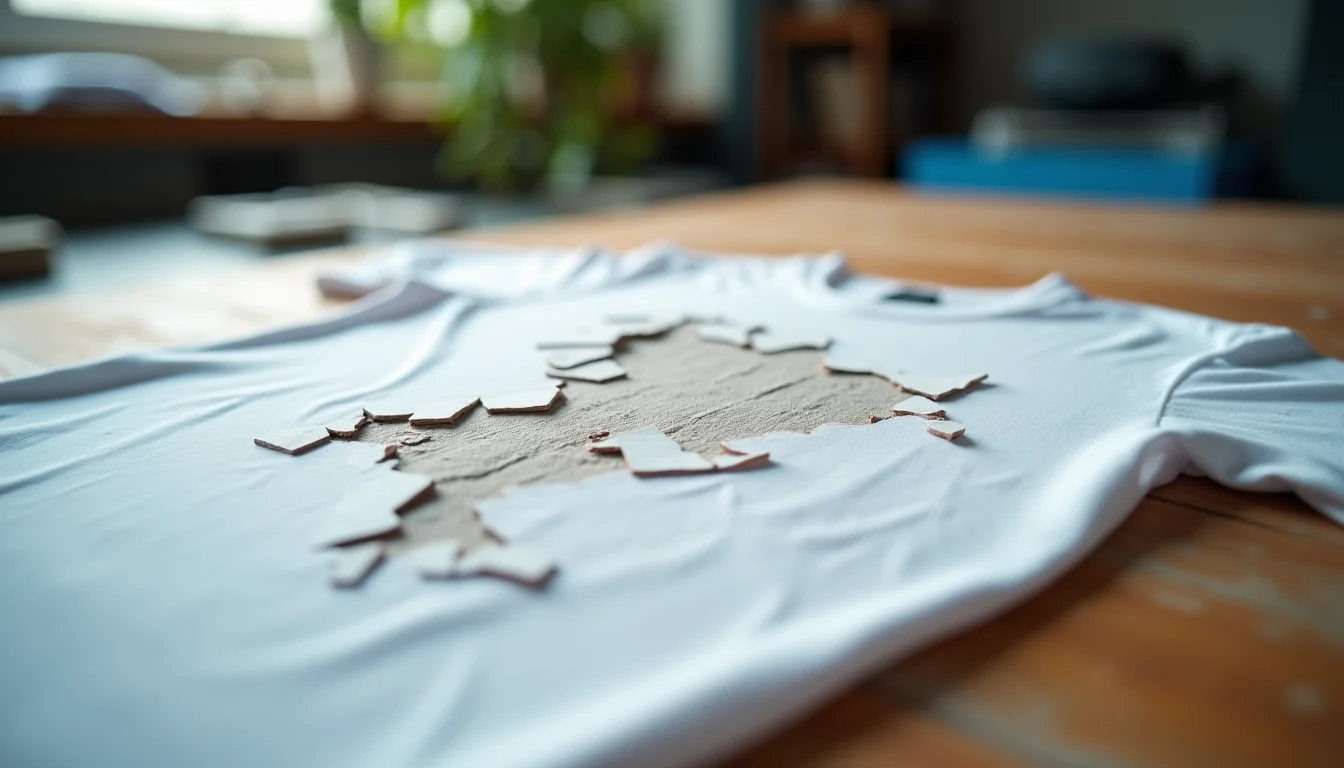
Puff printing has become one of the most trending t-shirt decoration techniques in India's custom apparel industry. The eye-catching 3D effect, the textured feel, and the premium look it adds to garments have made it a favorite among fashion brands, street wear labels, and custom printing businesses. However, a common mistake that many printing businesses make is choosing the wrong fabric GSM for puff printing – and this mistake can cost you customers, returns, and your reputation.
Recently, a customer from Delhi reached out to us at Sale91.com with a concerning problem. He sent us photos of t-shirts where the puff print had cracked and started peeling after just 2-3 washes. The designs looked terrible, customers were complaining, and he was facing potential returns on a bulk order. When we asked him which fabric he had used, his answer revealed the root cause: he had chosen 180 GSM plain t-shirts because they were cheaper.
This is a costly mistake that many beginners in the printing business make. In this comprehensive guide, we'll explain exactly why 180 GSM fabric fails for puff printing, which GSM and fabric type you should use instead, and how to ensure your puff prints remain durable, vibrant, and retain their 3D effect even after multiple washes.
Understanding Puff Printing: Why Fabric Choice Matters
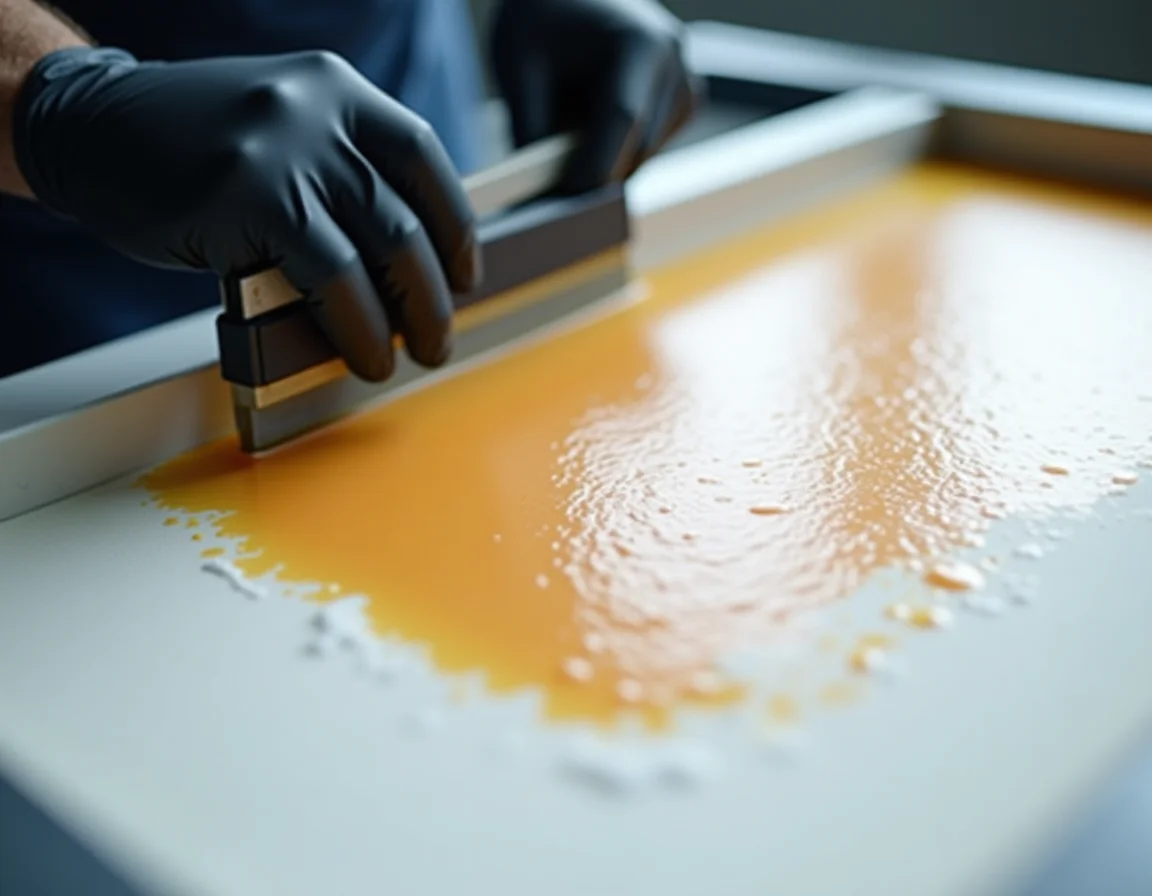
Puff printing, also known as 3D printing or raised printing, is a specialized screen printing technique where a special puff ink or additive expands when exposed to heat, creating a raised, three-dimensional effect on the fabric. Unlike regular plastisol or water-based inks that sit flat on the fabric surface, puff ink creates a thick, foam-like layer that stands proud of the garment.
This unique characteristic of puff printing is what makes it so attractive – but it's also what makes fabric selection absolutely critical. Here's why:
The Weight Factor
Puff ink goes onto the fabric in a much thicker layer than regular screen printing ink. When the ink is cured under heat (typically in a conveyor dryer at 160-180°C), the expanding agent in the ink activates, causing it to rise and create that signature 3D effect. This expanded layer of ink is heavier and more substantial than a regular ink deposit.
When you use a thin, lightweight fabric like 180 GSM, the fabric simply cannot support the weight and structure of the puff print. The fabric threads are too far apart, the knit is too loose, and the overall fabric stability is insufficient. As a result, several problems occur:
- Cracking: The puff layer cracks because the underlying fabric moves and stretches too much during wear and washing
- Peeling: The print starts to separate from the fabric because there isn't enough surface area for proper adhesion
- Flattening: The 3D effect diminishes quickly as the thin fabric cannot maintain the structure
- Print sinking: The weight of the puff ink can actually cause the lightweight fabric to dimple or sink around the print
Why 180 GSM Fails for Puff Printing: The Technical Explanation
Let's get technical for a moment to understand exactly why 180 GSM fabric is unsuitable for puff printing. GSM stands for "grams per square meter" – it's a measurement of fabric weight and density. The higher the GSM, the heavier and denser the fabric.
180 GSM Fabric Characteristics
180 GSM fabric is considered lightweight or "economy" fabric in the t-shirt manufacturing industry. It's perfectly fine for many applications:
- Basic promotional t-shirts
- Summer wear where breathability is priority
- Regular vinyl heat transfer printing
- Simple screen printing with thin ink deposits
- Budget-conscious orders where print durability isn't critical
However, the characteristics that make 180 GSM economical also make it unsuitable for puff printing:
- Lower thread count: Fewer threads per square inch means less surface area for ink adhesion
- Looser knit structure: More space between yarns allows the fabric to stretch and move excessively
- Thinner fabric body: Less physical mass to support the weight of expanded puff ink
- Higher elasticity: Lightweight fabrics tend to stretch more, which can stress the rigid puff layer
- Less dimensional stability: The fabric is more prone to distortion during washing and wearing
The Real-World Result
When you combine all these factors, here's what typically happens with puff printing on 180 GSM fabric:
- First wash: The print looks okay but may start to show micro-cracks
- 2-3 washes: Visible cracking appears, especially at stress points and edges
- 5+ washes: Significant peeling begins, the 3D effect flattens considerably
- 10+ washes: The print may be partially or completely destroyed
This is exactly what happened to our customer from Delhi. By trying to save Rs 10-15 per t-shirt on fabric cost, he ended up with customer complaints, potential returns, and damage to his printing business reputation – a far costlier outcome.
The Right Fabric for Puff Printing: 200 GSM and Above
Based on our years of experience manufacturing plain t-shirts in Tiruppur and supplying to printing businesses across India, here are our recommendations for puff printing:
Minimum Recommended: 200 GSM
200 GSM fabric is the absolute minimum you should consider for puff printing. This is our premium everyday wear fabric at Sale91.com, and it offers significant advantages over 180 GSM:
- Denser knit structure provides better ink adhesion surface
- Improved dimensional stability reduces stress on the print
- Better weight-to-support ratio for the puff layer
- More professional hand feel and drape
- Greater overall garment durability
With 200 GSM fabric, you can expect your puff prints to maintain their 3D effect and durability through 15-20+ normal wash cycles, which is acceptable for most commercial applications.
Best Recommended: 220 GSM (Heavy Premium)
If you want to provide your customers with the absolute best puff printing results, 220 GSM is the sweet spot. This is what we call "heavy premium" fabric, and it's specifically designed for specialty printing techniques like puff printing, foil printing, and heavy ink deposits.
Here's why 220 GSM is ideal for puff printing:
- Maximum stability: The denser fabric provides excellent dimensional stability, preventing print cracking even with aggressive washing
- Superior surface: The tighter knit creates an optimal surface for ink adhesion and penetration
- Better heat distribution: During curing, the thicker fabric distributes heat more evenly, leading to consistent puff expansion
- Premium feel: The garment itself feels high-quality, matching the premium look of puff printing
- Longer print life: Expect 30+ wash cycles while maintaining excellent print quality
- Less print show-through: The thicker fabric prevents the print from being visible or felt on the inside of the garment
Yes, 220 GSM costs slightly more than 180 GSM – typically Rs 20-30 more per piece in bulk. But consider this: would you rather save Rs 20 per t-shirt and deal with returns, complaints, and damaged reputation, or invest that small amount for guaranteed quality and happy customers?

Beyond GSM: Other Critical Fabric Factors for Puff Printing
While GSM is crucial, it's not the only factor that determines puff printing success. Here are other essential fabric characteristics you need to consider:
1. 100% Cotton is Non-Negotiable
Puff ink chemistry is designed to work with natural fibers, particularly cotton. Polyester blends (like 65/35 polycotton) create several problems for puff printing:
- Polyester has a lower melting point than cotton, which can cause fabric damage during the high-heat curing needed for puff ink
- The smooth, synthetic surface of polyester doesn't allow for proper ink penetration and mechanical adhesion
- Puff additives don't cure properly on synthetic fibers, leading to inadequate expansion or inconsistent 3D effect
- The different expansion coefficients of polyester vs cotton in blends can cause stress and cracking in the print
At Sale91.com, all our t-shirts are 100% cotton – no blends, no synthetics. This ensures optimal results for all printing techniques, especially demanding methods like puff printing.
2. Bio-Washed is Essential
Bio-washing is an enzymatic treatment process that we apply to all our fabrics. This process offers critical benefits for puff printing:
- Removes loose fibers: Bio-washing eliminates the fuzzy surface fibers that can interfere with ink adhesion
- Creates uniform surface: The fabric surface becomes smoother and more consistent, leading to even puff expansion
- Improves softness: Bio-washed fabric has a premium hand feel that complements the quality look of puff printing
- Enhances color vibrancy: The process opens up the fabric structure slightly, allowing better ink penetration
3. Pre-Shrunk is Critical
This is perhaps the most important factor after GSM. Here's why pre-shrunk fabric is absolutely essential for puff printing:
When regular (non-pre-shrunk) fabric is washed for the first time, it undergoes significant dimensional change – typically 5-8% shrinkage in both length and width. This shrinkage happens because the fabric fibers relax and contract when exposed to water and heat.
Now imagine what happens to your puff print during this shrinkage:
- The fabric underneath shrinks and contracts
- The puff ink layer on top is rigid and cannot shrink
- This creates massive stress at the print-fabric interface
- Result: immediate and severe cracking, peeling, and print failure
With pre-shrunk fabric (also called compacted fabric), all this shrinkage has already happened during the manufacturing process. When your customer washes the printed t-shirt, there's minimal dimensional change – typically less than 2% – which the puff layer can easily accommodate without cracking.
All fabrics from Sale91.com undergo compacting (pre-shrinking) as standard, ensuring your prints remain perfect even after the first wash.
4. Combed Cotton vs. Carded Cotton
This is another factor that many printers overlook, but it makes a significant difference:
Carded cotton: This is regular cotton where the fibers are aligned in one direction. It's perfectly adequate for basic t-shirts but has a slightly rougher surface with more fiber variations.
Combed cotton: This is premium cotton where short fibers have been removed and the remaining long fibers are further aligned and smoothed. The result is:
- Smoother, more uniform fabric surface – ideal for puff printing
- Stronger yarn – better dimensional stability
- Less pilling and fuzzing – maintains print quality over time
- More consistent dye uptake – if you're using colored t-shirts
- Superior softness – premium customer experience
At Sale91.com, we use ring-spun combed cotton for all our premium GSM t-shirts (200 GSM and above), giving you the perfect canvas for puff printing.
Color Considerations for Puff Printing
While this article focuses on fabric GSM, it's worth briefly discussing how fabric color affects puff printing decisions:
Dark Colored Fabrics (Black, Navy, Dark Grey)
These are the most popular choices for puff printing because the 3D effect shows up dramatically against dark backgrounds. For dark colors, you absolutely cannot compromise on GSM – use 220 GSM minimum. Why? Because:
- Dark fabrics typically receive heavier dye loads, which can slightly stiffen the fabric – you need the extra fabric mass to maintain flexibility
- Puff prints on dark fabrics usually use light-colored or white puff ink, creating high contrast – any cracking or imperfection will be highly visible
- Customers expect dark-colored garments to feel premium and heavy
Light Colored Fabrics (White, Pastels, Light Grey)
While you can technically get away with 200 GSM for puff printing on light colors, we still recommend 220 GSM for consistency and maximum durability. Light-colored puff prints on light fabrics rely entirely on the 3D effect for visual impact – if that flattens or cracks, the design loses all appeal.
Cost Analysis: Why "Saving" on 180 GSM Costs You More
Let's do a real-world cost comparison to understand the economics:
Scenario 1: Using 180 GSM (The "Cheap" Option)
- Cost per blank t-shirt: Rs 80
- Printing cost (puff print): Rs 60
- Total cost: Rs 140 per piece
- Selling price: Rs 350
- Gross profit: Rs 210 per piece
- BUT: 20% return rate due to print cracking (after 2-3 washes)
- Returns cost: Rs 70 per piece returned (replacement + shipping + customer service)
- Actual profit per 100 pieces: (80 pieces × Rs 210) - (20 pieces × Rs 70) = Rs 16,800 - Rs 1,400 = Rs 15,400
Scenario 2: Using 220 GSM (The "Right" Option)
- Cost per blank t-shirt: Rs 105
- Printing cost (puff print): Rs 60
- Total cost: Rs 165 per piece
- Selling price: Rs 350 (same)
- Gross profit: Rs 185 per piece
- Return rate: Less than 2% (normal returns, not quality issues)
- Returns cost: Rs 14 per 100 pieces
- Actual profit per 100 pieces: (100 pieces × Rs 185) - Rs 14 = Rs 18,486
The result? By using the "more expensive" 220 GSM fabric, you actually make Rs 3,086 MORE per 100 pieces, even though your per-piece cost is Rs 25 higher. Plus you get:
- Happy customers who reorder
- Positive reviews and word-of-mouth
- No time wasted handling complaints and returns
- Better brand reputation
The math is clear: "saving" on fabric is actually costing you money.
Practical Tips for Puff Printing Success
Beyond choosing the right fabric, here are additional tips to ensure your puff prints turn out perfect every time:
Printing Process Tips
- Use the right mesh count: For puff printing, use 40-60 mesh screens. Higher mesh counts won't deposit enough ink for proper expansion
- Proper ink deposit: You need a thick ink deposit – typically 2-3x thicker than regular plastisol. Don't be afraid of the ink looking "too thick" before curing
- Curing temperature: Puff ink typically requires 160-170°C for 60-90 seconds. Too low and it won't expand fully; too high and it may over-expand and become brittle
- Test expansion: Always do test prints to dial in the exact temperature and time for optimal expansion
- Avoid over-curing: Over-cured puff becomes hard and brittle, leading to premature cracking
Design Considerations
- Line thickness: Keep design elements at least 3-4mm thick. Very fine details don't work well with puff
- Avoid large solid areas: Huge solid puff areas can be too heavy. Consider using puff for outlines or selected elements
- Combine with regular ink: Create interesting effects by printing base layers with regular ink and adding puff on top for selected elements
Care Instructions for Customers
Even with the best fabric and printing technique, proper care is important. Educate your customers to:
- Wash puff-printed t-shirts inside out in cold water
- Avoid harsh detergents or bleach
- Air dry or tumble dry on low heat
- Never iron directly on the puff print
- Avoid dry cleaning (the chemicals can damage puff ink)
Watch the Video
See this information explained visually with real examples in our short video:
Frequently Asked Questions (FAQ)
Get the Right Fabric for Perfect Puff Prints
Don't make the costly mistake of using 180 GSM for puff printing. At Sale91.com, we manufacture and supply premium 200 GSM and 220 GSM plain t-shirts specifically designed for specialty printing techniques.
Why choose Sale91.com?
- We knit our own fabric in-house – not traders or resellers
- 100% cotton, bio-washed, pre-shrunk, ring-spun combed cotton
- 1,25,232+ pieces sold in last 30 days to printing businesses
- 1 lakh+ t-shirts ready stock – immediate dispatch
- Manufacturing in Tiruppur, warehouse in Delhi (Khanpur)
- MOQ as low as 10 pieces, bulk discounts available
- 50% COD available on first order
Browse our complete catalog and place your order today:
Order Now at Sale91.com