Rs 50 Extra for Supima Cotton? Worth It or Waste?
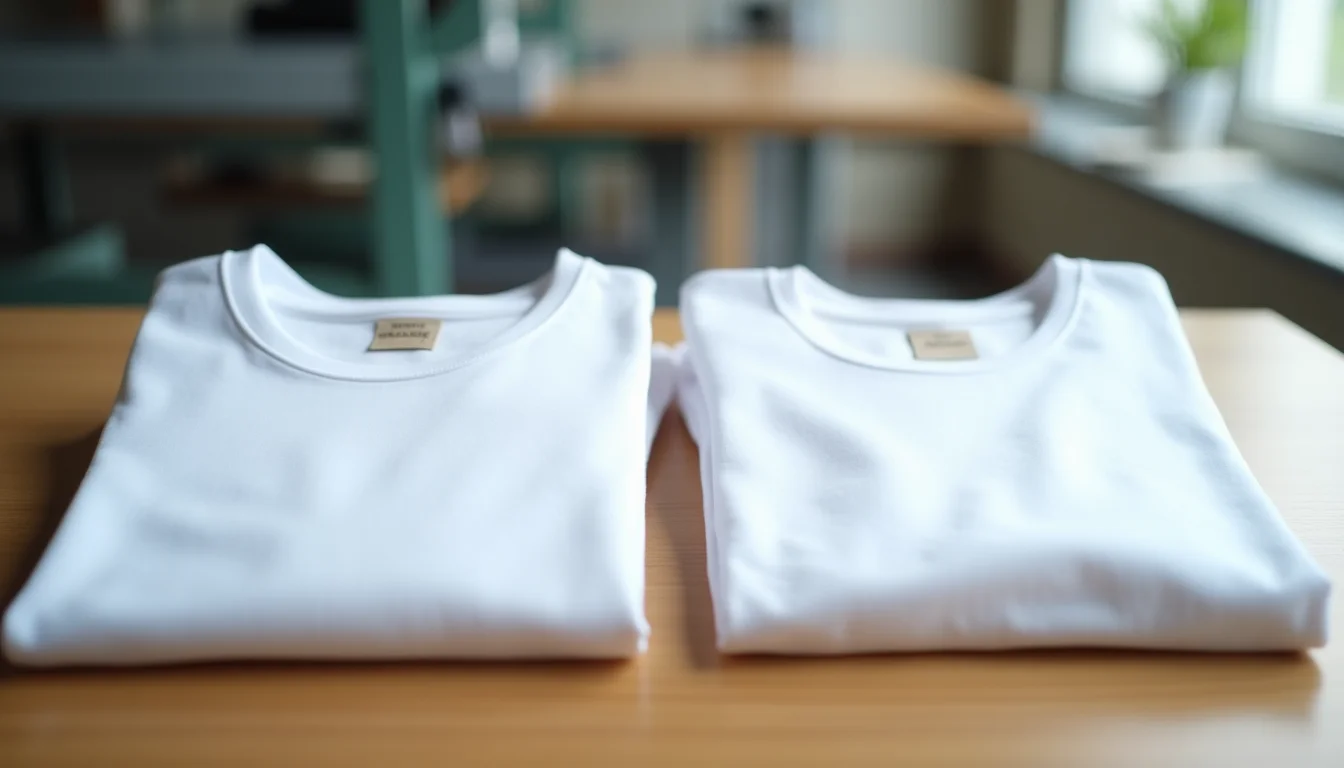
As a bulk t-shirt manufacturer, one of the most frequent questions we receive at Sale91.com is about fabric choices. Recently, a customer called with a dilemma that many in the printing and custom apparel business face: "Should I take Supima cotton or regular combed cotton? The budget is Rs 50 extra per piece."
This question isn't just about price—it's about understanding what you're paying for, who your end customer is, and whether that extra investment translates into perceived value. In this comprehensive guide, we'll break down everything you need to know about Supima cotton versus regular combed cotton, helping you make an informed decision for your bulk t-shirt orders.
What Exactly Is Supima Cotton?
Supima stands for "Superior Pima" cotton, and it's not just marketing fluff. This is a specific type of cotton grown primarily in the United States, accounting for less than 1% of the world's cotton production. The exclusivity itself adds to the premium positioning.
The Science Behind Supima
The key differentiator of Supima cotton lies in its fiber length. Supima cotton has an average staple length of around 35mm (sometimes extending to 38mm), which is significantly longer than regular cotton varieties. This longer fiber length translates into several tangible benefits:
- Superior strength: The longer fibers create a stronger yarn that can withstand more stress and repeated washing cycles
- Reduced pilling: Shorter fibers tend to break free and form those annoying little balls on fabric surface; longer fibers stay integrated
- Smoother surface: The extended fiber length allows for a silkier, more uniform fabric texture
- Better dye retention: Longer fibers absorb dye more uniformly, resulting in richer, more consistent colors
- Natural sheen: Supima has an inherent luster that doesn't look artificial or chemically enhanced

Understanding Regular Combed Cotton
Now, before you think regular combed cotton is inferior, let's set the record straight. Combed cotton is already a premium product compared to carded or open-end cotton. When we talk about "regular combed cotton" in the Indian textile context, we're typically referring to ring-spun combed cotton with a staple length of 28-30mm.
The Combing Process
Combed cotton goes through an additional manufacturing step where shorter fibers and impurities are removed. This process:
- Removes fibers shorter than a certain length (typically below 25mm)
- Aligns the remaining fibers in parallel for smoother yarn
- Eliminates neps (small knots) and foreign matter
- Creates a cleaner, softer, and stronger final fabric
At Sale91.com, all our plain t-shirts are made from 100% combed ring-spun cotton, which means you're already getting a premium base fabric. Our bio-washed and pre-shrunk treatment adds further value by enhancing softness and dimensional stability.
The Touch Test: How to Tell the Difference
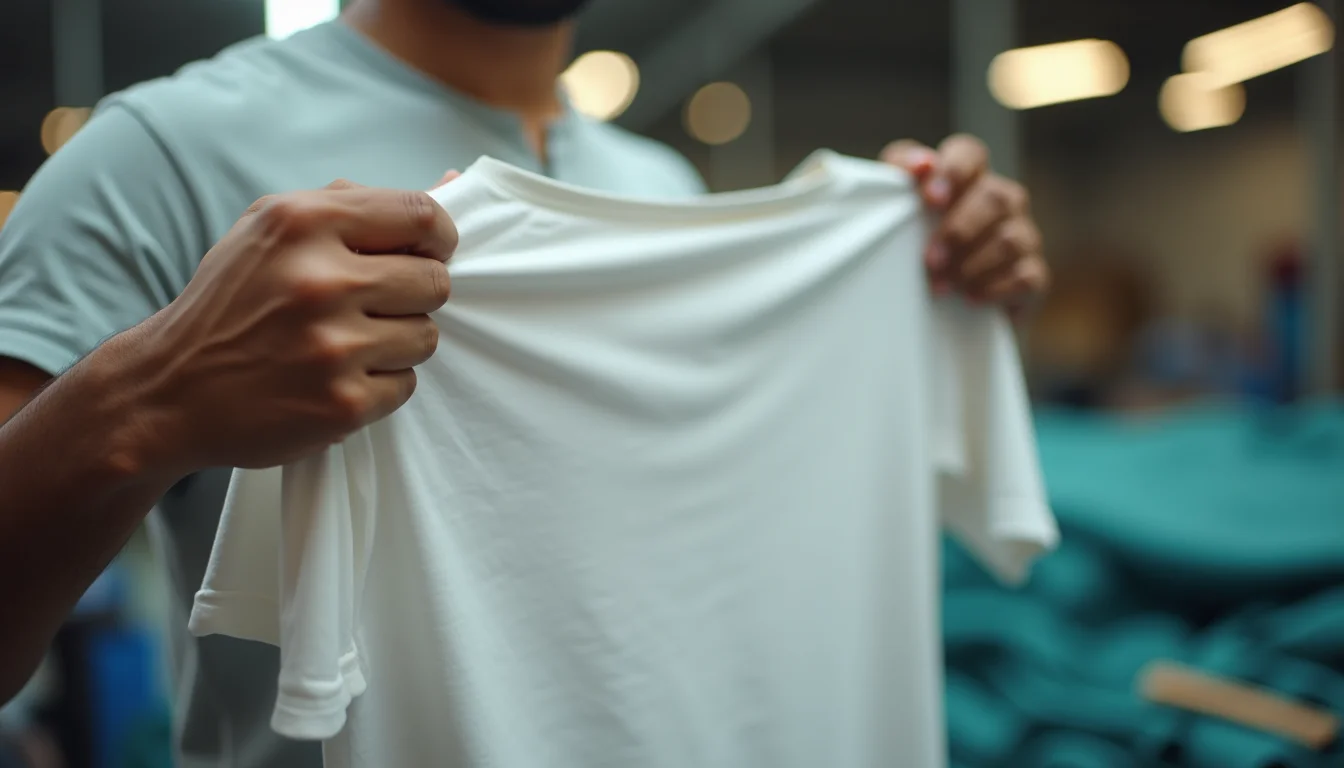
When you're dealing with bulk orders, you can't rely just on supplier claims—you need to verify quality yourself. Here's how to conduct a simple touch test:
Visual Inspection
Hold both fabric samples up to natural light. Supima cotton typically has a subtle, natural sheen that's consistent across the surface. Regular combed cotton will look slightly more matte. The sheen in Supima isn't glossy like synthetic fabric—it's a soft luster.
Hand Feel Test
Run your palm across both fabrics. Supima should feel noticeably smoother and silkier, almost like you're gliding over the surface. Regular combed cotton feels soft but with slightly more texture—still pleasant, but not quite as luxurious.
Drape Test
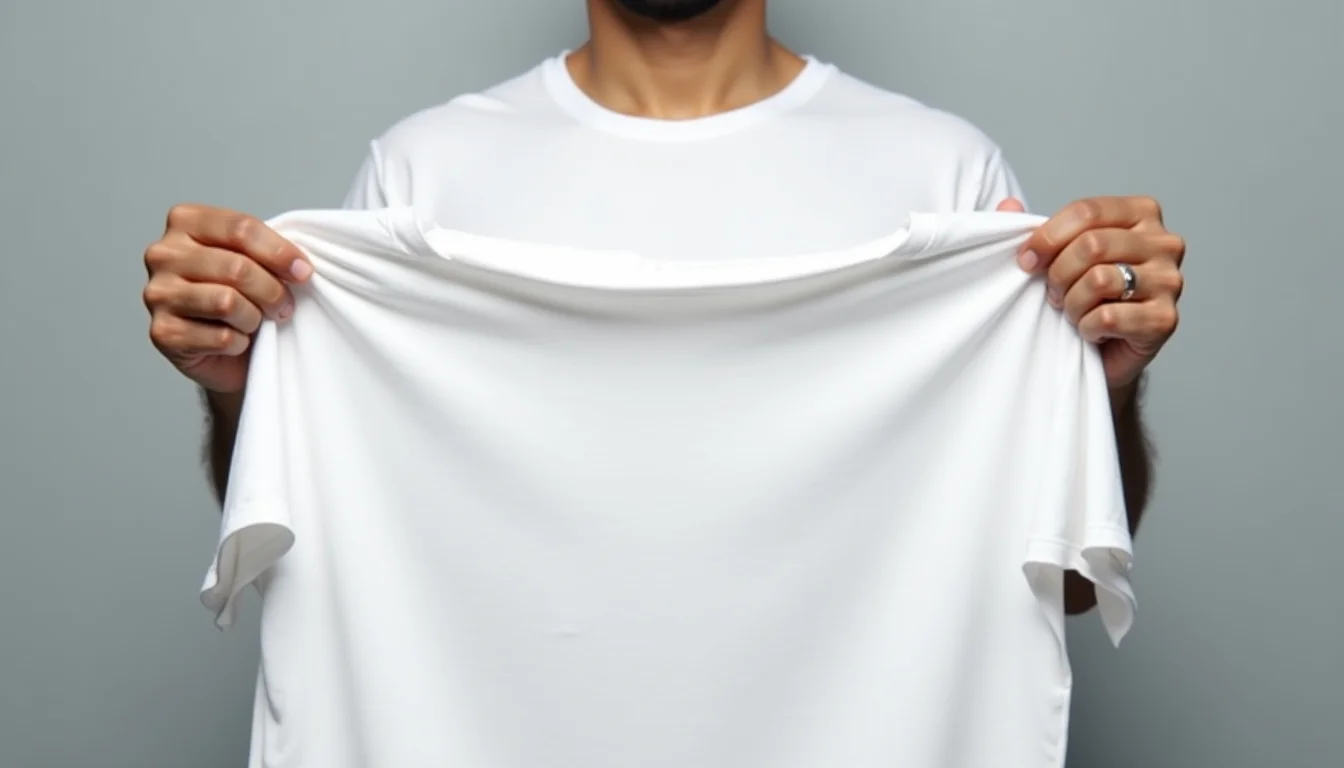
Hold a t-shirt made from each fabric type and observe how it drapes. Supima cotton typically drapes more fluidly due to the longer fibers creating a more flexible fabric structure. This doesn't mean it's lighter—it just flows differently.
Stretch Recovery Test
Gently stretch a small section of fabric and release. Both should recover, but Supima cotton tends to bounce back slightly faster and more completely due to its superior fiber strength.
The Cost-Benefit Analysis: Is Rs 50 Extra Per Piece Justified?
This is where business sense comes into play. The Rs 50 difference might seem small per piece, but let's do the math for a typical bulk order:
- Order of 100 pieces: Rs 5,000 extra
- Order of 500 pieces: Rs 25,000 extra
- Order of 1,000 pieces: Rs 50,000 extra
The question becomes: can you pass this cost to your customer, and more importantly, will they appreciate the difference?
When Supima Makes Business Sense
Premium Range Products (Rs 800-1,500 retail): If you're targeting customers who are willing to pay premium prices, Supima cotton justifies itself. These customers typically:
- Understand and appreciate fabric quality differences
- Expect superior feel and durability
- Are brand-conscious and value craftsmanship
- Will notice and pay for the natural sheen and smoother texture
Small Batch Luxury Lines: If you're doing limited edition or exclusive runs where the story and quality matter more than volume, Supima adds to your brand narrative.
Export Markets: International customers, especially in markets like the US, Europe, and Australia, are often more familiar with and willing to pay for Supima cotton.
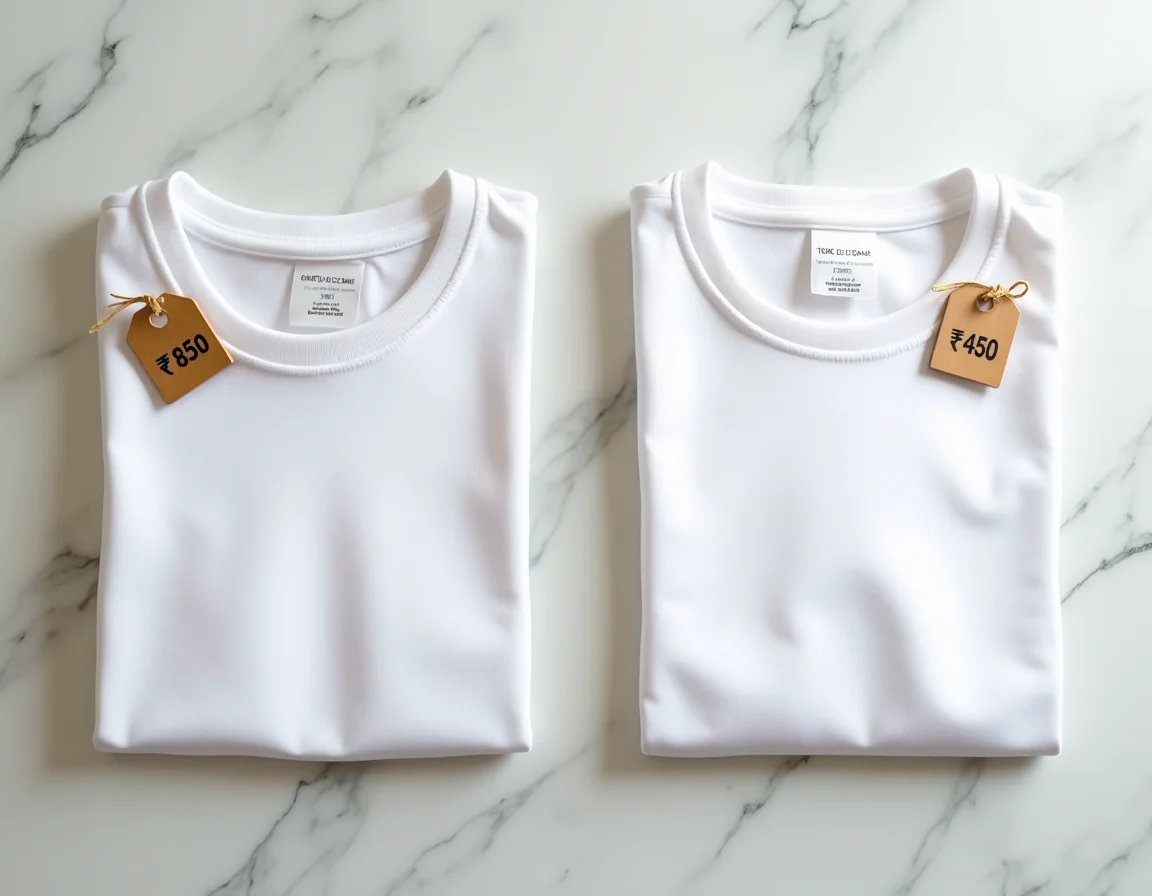
When Regular Combed Cotton Is the Smart Choice
Mid-Range Products (Rs 400-700 retail): This is where most of the Indian custom printing market operates. At this price point, customers want good quality but aren't necessarily fabric connoisseurs. Regular combed cotton from a reliable manufacturer like BulkPlainTshirt.com offers:
- Excellent softness and comfort for everyday wear
- Good durability for normal use and washing
- Better profit margins allowing competitive pricing
- Print-friendly surface for DTG, DTF, and screen printing
Volume Orders: When you're printing for colleges, corporate events, or promotional campaigns where quantity matters more than ultra-premium feel, regular combed cotton is perfectly adequate and more cost-effective.
Economy/Daily Wear Lines: For basics and essentials where customers prioritize value over luxury, investing in Supima doesn't add to perceived value.
The Middle Ground: GSM and Construction Matters Too
Here's something many bulk buyers overlook: the GSM (grams per square meter) and knitting quality can sometimes matter more than whether you're using Supima or regular combed cotton.
A well-constructed 220 GSM regular combed cotton t-shirt can feel more premium than a poorly constructed 180 GSM Supima cotton t-shirt. At BulkPlainTshirt.com, we offer multiple GSM options:
- 180 GSM: Everyday wear, light and breathable
- 200 GSM: Premium feel, balanced weight
- 210 GSM: Heavy premium, excellent drape
- 220 GSM: Luxury feel, substantial hand-feel
Sometimes, upgrading from 180 GSM to 200 GSM in regular combed cotton gives you more bang for your buck than switching to Supima at the same GSM.
How Printing Method Affects Your Cotton Choice
Your printing technique should also influence your cotton decision:
DTG (Direct-to-Garment) Printing
DTG printing works beautifully on both Supima and regular combed cotton. However, Supima's smoother surface can result in slightly sharper print detail and better ink absorption. If you're doing high-resolution photographic prints for a premium market, Supima might justify its cost.
Screen Printing
For standard screen printing, regular combed cotton is perfectly adequate. The print quality difference is negligible, and customers won't be able to tell the difference between the fabric types once ink is applied.
DTF (Direct-to-Film) Printing
DTF transfers work equally well on both fabric types. The transfer quality depends more on your press and transfer quality than the cotton type beneath it.
Embroidery
Supima's stronger fibers can handle dense embroidery slightly better without puckering, but for most embroidery work, regular combed cotton provides adequate stability, especially if you're using proper backing.
Watch the Video: Practical Comparison
To see the actual touch test and understand the differences more clearly, watch this practical demonstration:
Real Customer Scenarios: Making the Right Choice
Scenario 1: Startup Streetwear Brand
Rajesh from Mumbai wants to launch a streetwear brand targeting young adults. Budget: Rs 700-900 retail per t-shirt.
Recommendation: Start with regular combed cotton in 200 or 220 GSM. Use the cost savings to invest in better printing, unique designs, and marketing. Once your brand establishes itself and you have a loyal customer base, introduce a premium line with Supima cotton at Rs 1,200+ retail.
Scenario 2: Established Custom Printing Business
Priya runs a successful printing business in Bangalore, handling both corporate orders and retail customers. She wants to differentiate her premium line.
Recommendation: Create two product tiers. Keep regular combed cotton for corporate bulk orders and promotional work. Introduce Supima cotton for retail premium range with clear communication about the fabric quality difference. Price difference: Rs 300-400 to justify the Rs 50 extra cost per piece.
Scenario 3: Export-Focused Business
Amit supplies to boutique brands in Europe and USA that emphasize sustainability and quality.
Recommendation: Go with Supima cotton. International markets, especially the USA, recognize and value Supima branding. The certification can be a selling point, and customers there are willing to pay the premium.
Quality Checks Beyond Cotton Type
Whether you choose Supima or regular combed cotton, ensure your supplier provides:
- Bio-washed fabric: Enzyme treatment for enhanced softness (all BulkPlainTshirt.com products are bio-washed)
- Pre-shrunk treatment: Prevents size changes after customer washing
- Consistent GSM: Verify actual weight, not just claimed weight
- Color fastness: Test wash to ensure colors don't fade quickly
- Construction quality: Check seam strength, stitching density, and collar/cuff attachment
Our Recommendation at Sale91.com
After manufacturing and supplying over 1,25,232+ pieces in the last 30 days alone, our experience-based advice is:
"Start with regular combed cotton in the highest GSM your budget allows. Perfect your designs, printing quality, and business processes. Once you have consistent sales and a customer base that specifically asks for or appreciates premium fabrics, then introduce Supima as your luxury line."
This approach allows you to test the market without overcommitting to higher costs. You can always upgrade, but downgrading can hurt your brand image.
How to Order: Your Next Steps
Ready to make your decision? Here's how to proceed:
- Request samples: Order sample pieces in both fabric types to conduct your own touch test
- Test with your printing method: Print on both fabrics using your actual equipment to see if there's a noticeable difference in your finished product
- Calculate your margins: Work backward from your retail price to see what fabric cost you can accommodate
- Survey your customers: If possible, get feedback from existing customers about what they value
- Place your order: Visit our catalog to browse options and place your bulk order
Ready to Order Your Bulk T-Shirts?
Whether you choose Supima or regular combed cotton, BulkPlainTshirt.com offers premium quality, competitive pricing, and reliable supply. We manufacture our own fabric in Tiruppur, ensuring consistent quality for your business.
Current Offers:
- Rs 3/pc online purchase discount
- Rs 2/pc additional discount for 500+ quantity
- 50% COD available on first order
- 1 lakh+ pieces ready stock