Stop Buying Organic Cotton for Printing (Big Mistake)
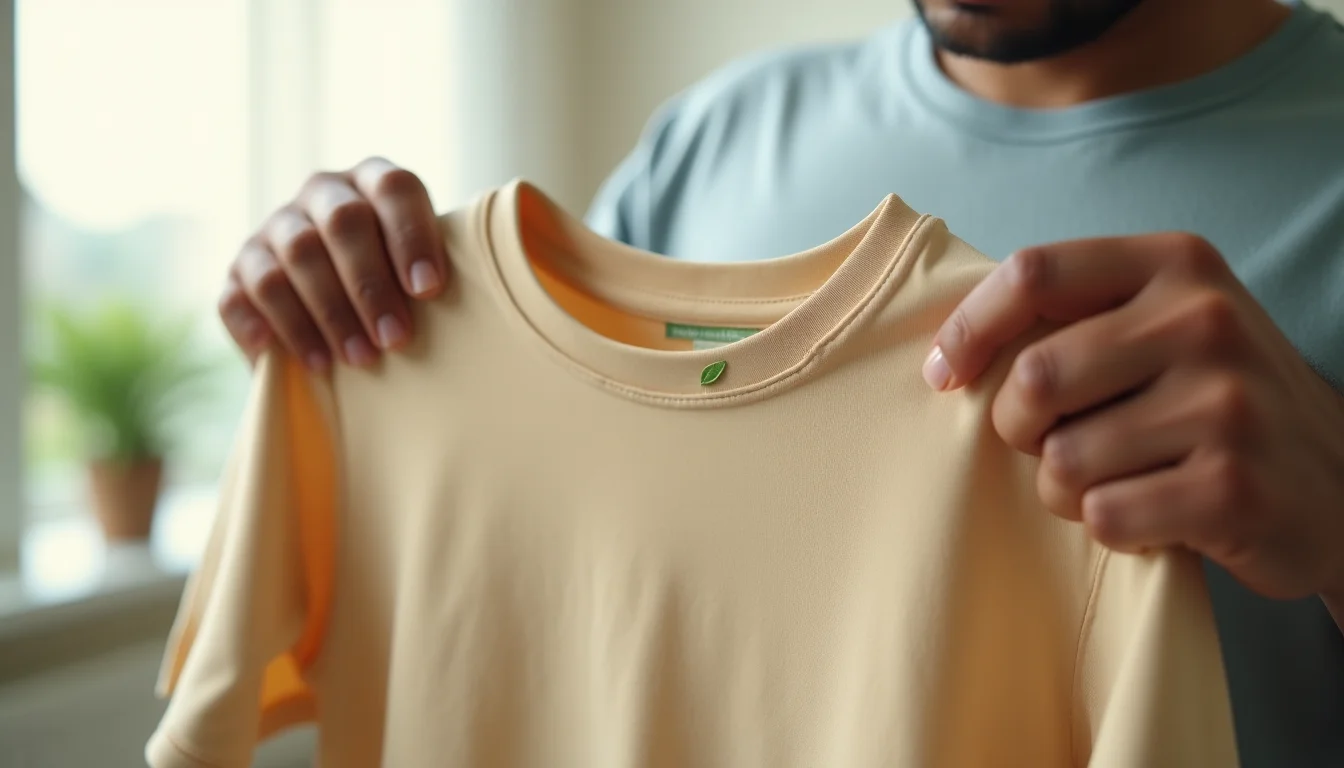
In the custom printing industry, one of the most persistent myths is that organic cotton produces better print quality than regular cotton. If you're running a printing business in India or anywhere else, you've probably heard someone say, "Bhai, organic cotton lena chahiye, print best dikhta hai." But is this really true? Or are you just spending 30-40% more money for the same results?
This comprehensive guide will break down the real differences between organic cotton and regular cotton specifically from a printing business perspective. We'll cover everything from ink absorption to cost analysis, helping you make informed decisions that can significantly impact your profit margins.
The Real Story Behind Organic Cotton
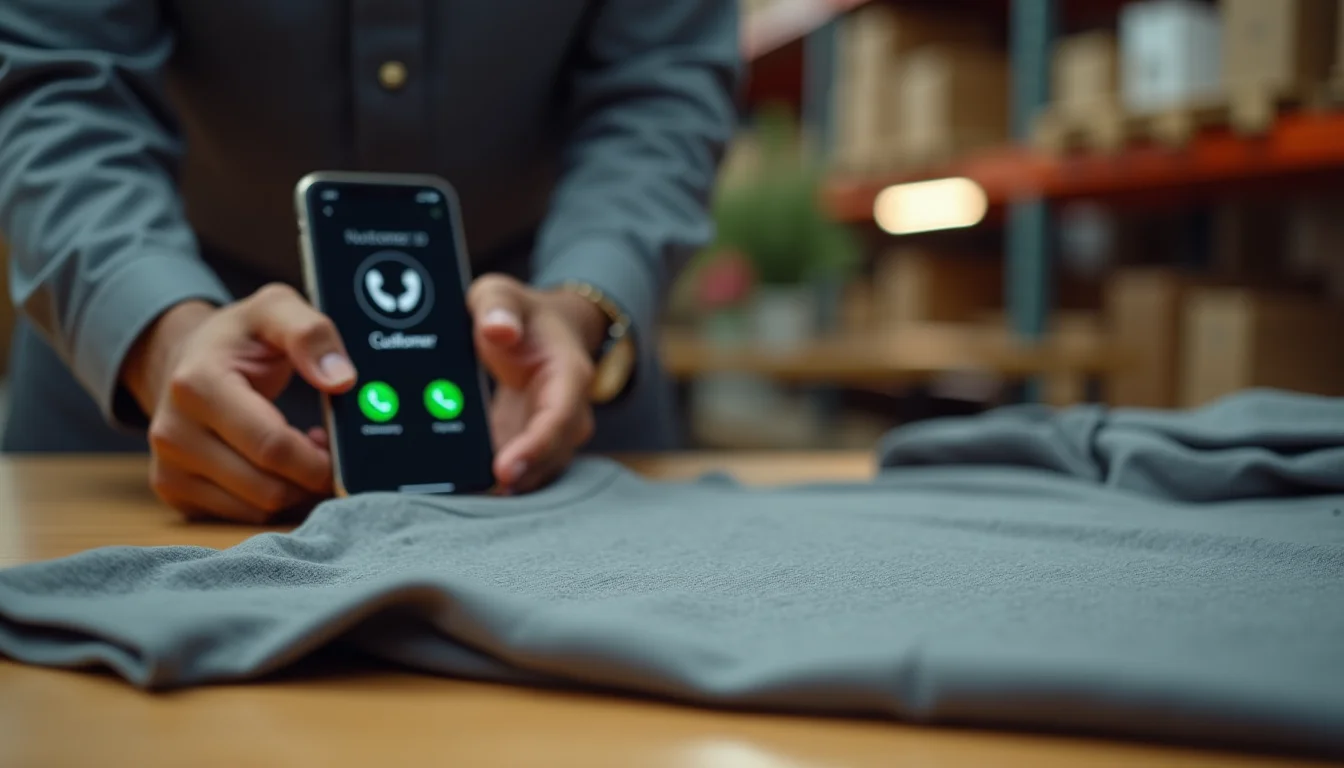
Let me share a real conversation I had with a customer last month. He called our warehouse in Delhi and said, "Brother, I want organic cotton t-shirts. I've heard that prints look best on organic cotton." When I asked him if he had actually tried both types, he admitted he hadn't – he had just heard from someone that organic is better.
This is exactly the problem. Many printing business owners are making purchasing decisions based on hearsay rather than actual testing and experience. The truth is far more nuanced than most people realize.
What Actually Makes Cotton "Organic"?
Organic cotton refers to cotton that's grown using methods and materials that have a low impact on the environment. Here's what makes it organic:
- No synthetic pesticides: Organic farmers use natural pest control methods instead of chemical pesticides
- No chemical fertilizers: Only natural fertilizers like compost and manure are used
- No GMO seeds: Organic certification prohibits genetically modified seeds
- Crop rotation: Farmers must follow specific crop rotation practices to maintain soil health
- Third-party certification: Independent organizations verify that the cotton meets organic standards
These are all excellent practices for environmental sustainability and farmer health. There's no question that organic cotton is better for the planet and for the people who grow it. But – and this is crucial – these factors have absolutely nothing to do with how well ink adheres to the fabric.
The Print Quality Myth: Let's Break It Down
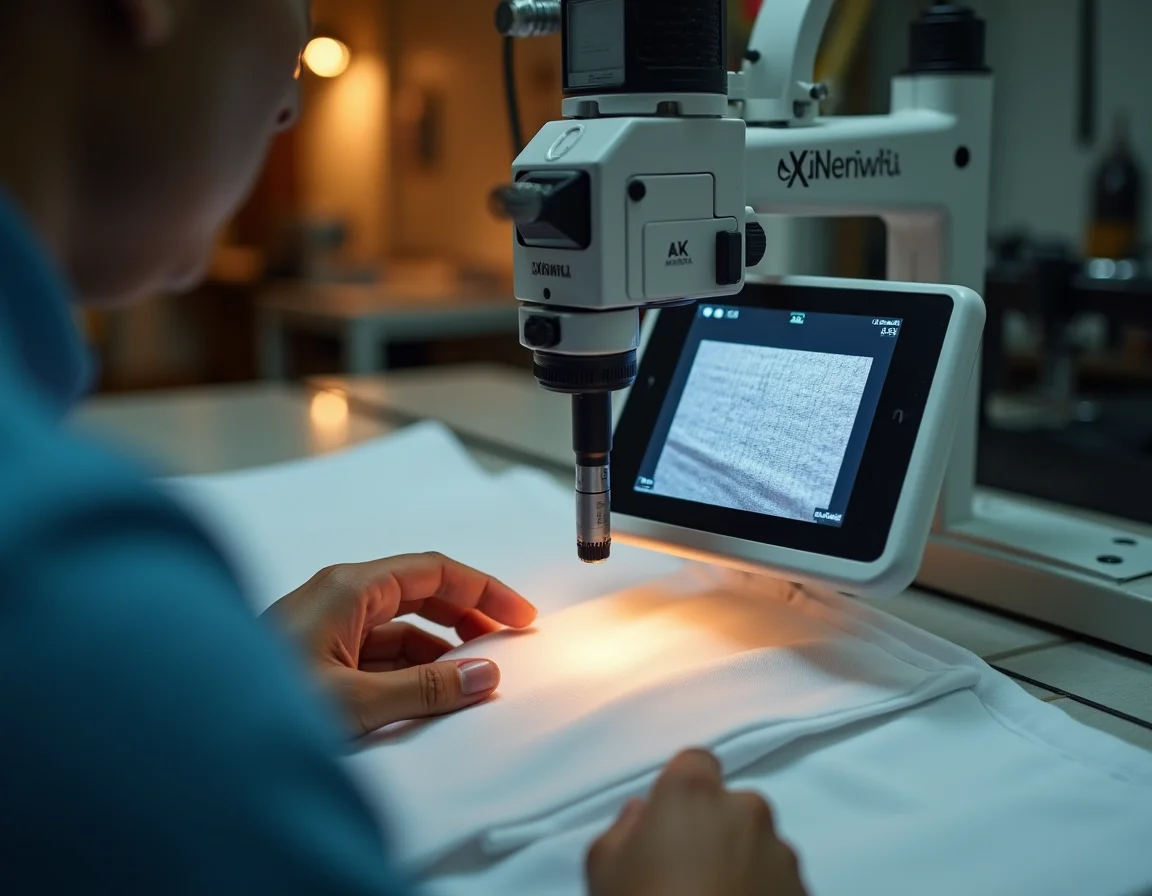
Here's the bottom line that every printing business owner needs to understand: For printing quality, there is no major difference between organic and regular cotton.
Whether you're doing DTG (Direct to Garment), DTF (Direct to Film), or traditional screen printing, the factors that affect print quality are:
1. GSM (Grams per Square Meter)
GSM is the single most important factor for print quality. A 200 GSM fabric will give you better print results than a 180 GSM fabric, regardless of whether it's organic or regular cotton. At Sale91.com, we manufacture plain t-shirts in multiple GSM options (180, 200, 210, 220) because we know different printing techniques and customer requirements need different fabric weights.
Higher GSM means:
- Better ink absorption capacity
- Less show-through on the opposite side
- More durable prints that last longer
- Better color vibrancy, especially for darker inks
2. Combing Process
Combed cotton goes through an additional process where shorter fibers are removed, leaving only the longer, stronger fibers. This creates a smoother surface that's ideal for printing. Both organic and regular cotton can be combed, and when they are, they perform equally well for printing.
Combed cotton benefits for printing:
- Smoother fabric surface means better print detail
- Less pilling over time, so prints stay clear longer
- More consistent ink absorption across the fabric
- Better color reproduction for complex designs
3. Ring-Spun vs. Open-End Yarn
Ring-spun cotton uses a traditional spinning method that creates stronger, softer yarn. This is another factor that matters far more than whether the cotton is organic. All our products at BulkPlainTshirt.com use ring-spun combed cotton because we know it delivers superior results for custom printing businesses.
4. Bio-Wash and Pre-Shrinking
This is where things get really interesting. Many people claim organic cotton feels softer, which is one reason they think it's better for printing. But here's what they don't realize: regular cotton that has been bio-washed achieves the same soft feel.
Bio-wash is an enzyme treatment that:
- Removes excess lint and fuzz from the fabric surface
- Creates a smoother, softer texture
- Improves color absorption for better dye results
- Reduces future shrinkage when combined with pre-shrinking
All our t-shirts are bio-washed and pre-shrunk, which means they're ready for printing with minimal preparation and will maintain their shape and size after customer washes.
The Real Test: DTG, DTF, and Screen Printing Results
Let's talk about actual printing results across different methods, because this is what really matters for your business.
DTG Printing (Direct to Garment)
DTG printing sprays water-based ink directly onto the fabric. What matters here is:
- Fabric smoothness (achieved through combing and bio-wash)
- Ink absorption capacity (determined by GSM and fiber quality)
- Pretreatment effectiveness (same for both organic and regular cotton)
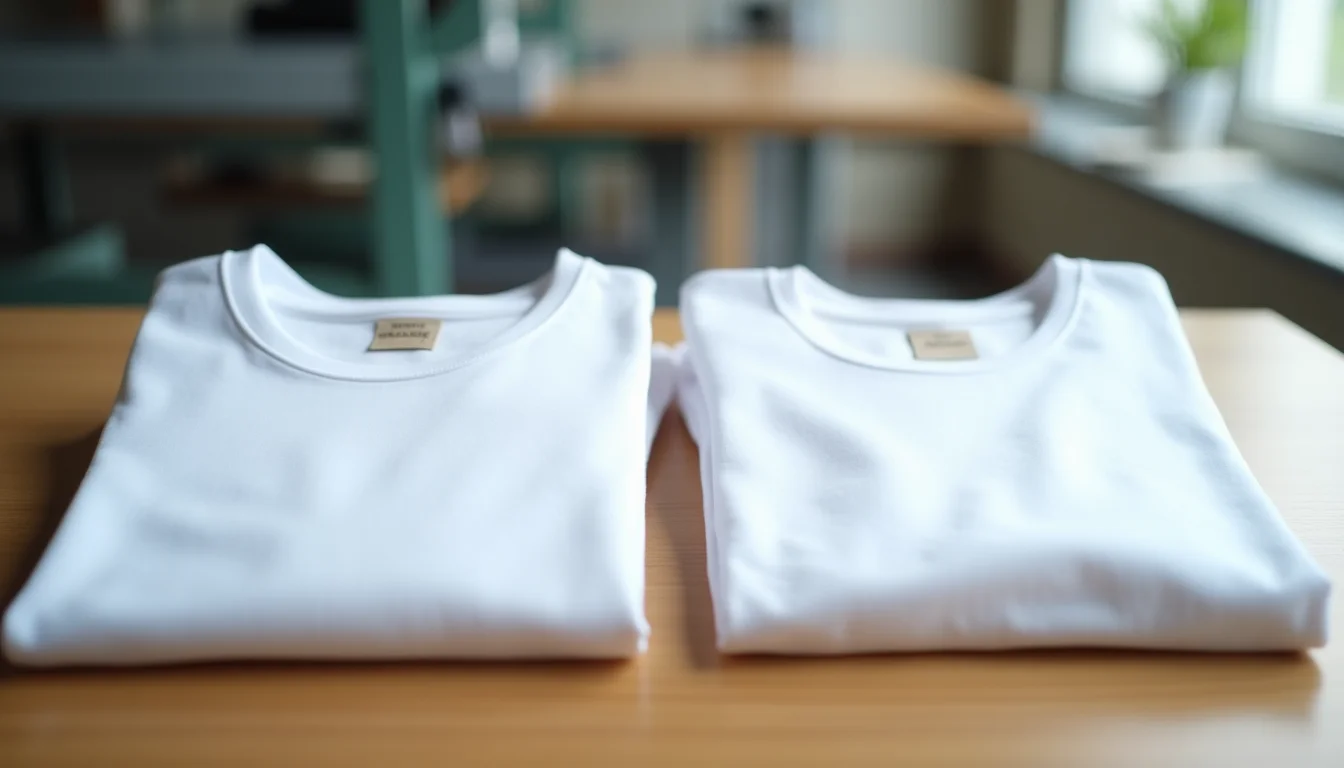
If you take a 200 GSM combed bio-washed regular cotton t-shirt and a 200 GSM combed organic cotton t-shirt, apply the same pretreatment, and print the same design, you will get virtually identical results. The print quality, color vibrancy, wash durability – all will be the same.
DTF Printing (Direct to Film)
DTF involves printing on a special film and then heat-transferring it to the garment. In this method, the fabric type matters even less because the ink isn't being absorbed into the fibers – it's sitting on top as a transferred layer. Both organic and regular cotton will give you the same results, assuming the same GSM and construction quality.
Screen Printing
Traditional screen printing pushes plastisol or water-based ink through a mesh screen onto the fabric. What matters here:
- Thread count and fabric tightness (function of construction, not organic status)
- Surface smoothness (achieved through proper finishing)
- Ink penetration (determined by GSM and fiber structure)
Again, if the GSM and construction are the same, organic and regular cotton will perform identically.
The Cost Reality: Is Organic Worth the Premium?
Now let's talk numbers, because this is where the organic cotton myth can really hurt your business profitability.
Organic cotton typically costs 30-40% more than regular cotton. This price difference exists because:
- Organic farming yields are lower (no synthetic fertilizers means less production per acre)
- Certification costs add to the price
- Supply chain segregation (keeping organic separate) adds logistical costs
- Limited supply and higher demand create price premiums
Example Cost Calculation
Let's say you're buying 500 pieces of 200 GSM round neck t-shirts:
Regular Combed Bio-Washed Cotton: ₹150 per piece
Total cost: ₹75,000
(With our Rs 2/pc discount for 500+ and Rs 3/pc online discount = ₹145/pc = ₹72,500)
Organic Cotton: ₹200 per piece (30% premium)
Total cost: ₹1,00,000
Your extra cost: ₹27,500 for the same print quality
That's ₹27,500 that could have been your profit or could have been used to offer more competitive pricing to your customers. And remember, your end customers won't see any difference in the print quality.
When Should You Actually Buy Organic Cotton?
I'm not saying organic cotton is bad or that you should never buy it. There are legitimate situations where organic cotton makes sense:
1. Customer-Specific Requests
If your client specifically requests organic cotton and is willing to pay the premium, absolutely go for it. Some brands are building their entire identity around sustainability and eco-consciousness. For them, organic certification is a selling point worth paying for.
2. Premium Eco-Conscious Brands
If you're catering to the premium segment where customers are actively looking for sustainable products and are willing to pay 20-30% more, organic cotton can be part of your value proposition. Just make sure you're actually getting certified organic cotton and can provide the certification if customers ask.
3. Export Markets
Some international markets, particularly in Europe and North America, have strong consumer preferences for organic products. If you're exporting to these markets, organic cotton might give you a competitive advantage. At Sale91.com, we handle exports via courier and sea transport, and we've seen varying demands based on the destination country.
4. Personal Values Alignment
If environmental sustainability is a core value for your business and you want to support organic farming practices, that's a valid reason to choose organic – even if it doesn't improve your print quality. Just understand it's a values-based decision, not a quality-based one.
What You Should Actually Look For
Instead of focusing on whether cotton is organic, here's what you should prioritize when sourcing blank t-shirts for your printing business:
1. The Right GSM for Your Printing Method
- 180 GSM: Good for everyday wear, DTF printing, lightweight summer t-shirts
- 200 GSM: Premium feel, excellent for DTG and screen printing, most versatile option
- 210-220 GSM: Heavy premium, best for dark colors with light printing, highest durability
2. Combed Cotton – Non-Negotiable
Always choose combed cotton over carded or open-end cotton. The improvement in print quality is dramatic and worth the small additional cost. All our products use combed cotton as standard.
3. Bio-Wash and Pre-Shrinking
These two processes are crucial. Bio-wash gives you that soft, smooth finish that's often mistakenly attributed only to organic cotton. Pre-shrinking ensures the t-shirt maintains its size after customer washes, which is critical for maintaining print integrity.
4. Consistent Color Quality
When you're doing custom printing, you need consistent base fabric colors. Batch-to-batch color variations can ruin your print work. We maintain 1 lakh+ t-shirts in ready stock with consistent dyeing standards.
5. Reliable Stock Availability
Nothing kills a printing business faster than stock-outs. When you get an order for 200 pieces and your supplier can only deliver 150, you're in trouble. This is why we maintain massive ready stock at our Delhi warehouse in Khanpur, South Delhi.
Common Questions from Printing Business Owners
"But my competitor is marketing their products as organic. Won't I lose customers?"
You can compete on other factors: better pricing, faster delivery, superior customer service, more color options, custom packaging. Most B2B clients care more about consistency, reliability, and cost than organic certification. In the B2C space, you can market the quality and softness of your bio-washed cotton without needing the organic label.
"Will my prints last longer on organic cotton?"
No. Print durability depends on the printing method, ink quality, curing process, and fabric GSM – not whether the cotton is organic. A properly cured print on 200 GSM regular combed cotton will last just as long as the same print on organic cotton.
"Doesn't organic cotton feel softer to customers?"
Initially, some organic cotton might feel slightly softer, but after bio-washing, regular cotton achieves the same softness. After a few washes, customers won't be able to tell the difference. The "soft feel" is about finishing, not organic status.
Watch the Video
Frequently Asked Questions
More Articles
Ready to Order Quality Blank T-Shirts for Your Printing Business?
Stop overpaying for organic cotton when you don't need it. Get premium 200 GSM combed bio-washed pre-shrunk cotton t-shirts that deliver perfect print results at the best prices in India.
1,25,232+ pieces sold in last 30 days | 1 lakh+ ready stock | MOQ: 10 pieces
✓ Own knitted fabric from Tiruppur
✓ Rs 2/pc discount on 500+ orders
✓ Rs 3/pc online purchase discount
✓ 50% COD available for first order
✓ Fast dispatch from Delhi warehouse