Cotton+Polyester+Rayon Mix: Why Printers Avoid Tri-blend Fabric
If you're in the custom printing business, you've probably heard about tri-blend fabric and its incredibly soft feel. Many retailers swear by it, and customers love wearing tri-blend t-shirts. But when it comes to bulk printing operations, especially DTG (Direct-to-Garment) printing, tri-blend fabrics present unique challenges that can affect your production efficiency, print quality, and ultimately your profit margins.
In this comprehensive guide, we'll dive deep into what tri-blend fabric actually is, why it's become so popular in retail, and most importantly, why many experienced printers and bulk t-shirt manufacturers like Sale91.com recommend sticking with 100% cotton for printing businesses.
What Is Tri-Blend Fabric? Understanding the Composition
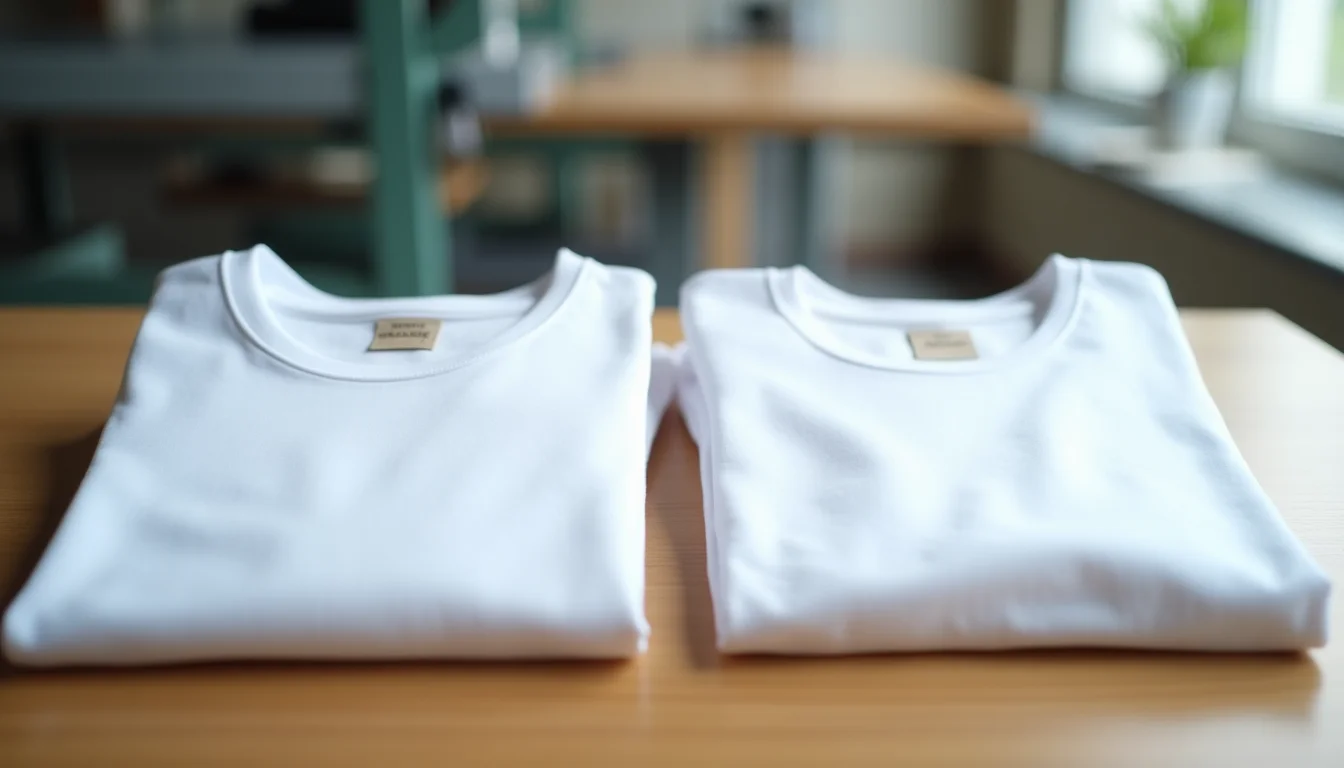
Tri-blend fabric, as the name suggests, is a textile blend made from three different fiber types: cotton, polyester, and rayon. Unlike single-fiber fabrics or even bi-blends, tri-blend combines the best properties of all three materials to create a unique wearing experience.
The Standard Tri-Blend Ratio
The most common tri-blend composition you'll find in the market is:
- 50% Polyester - Provides durability, shape retention, and resistance to shrinking and wrinkles
- 25% Cotton - Adds breathability, moisture absorption, and natural comfort
- 25% Rayon - Contributes that signature silky-smooth feel and drape
Some manufacturers vary this ratio slightly—you might see 50/25/25, 40/30/30, or 30/35/35 blends—but the principle remains the same: combining three different fiber types to achieve a balance of softness, durability, and comfort.
Why Each Fiber Matters
Polyester: This synthetic fiber is incredibly durable and resistant to shrinking, stretching, and wrinkling. It dries quickly and holds its shape well. However, it's less breathable than natural fibers and doesn't absorb moisture as effectively. In a tri-blend, polyester provides the structural backbone that keeps the garment looking good wash after wash.
Cotton: The most popular natural fiber in the textile industry, cotton is breathable, soft, and absorbs moisture well. It's the go-to material for comfort, which is why at Sale91.com, we specialize in 100% cotton t-shirts. Cotton fibers are also excellent for printing, as they readily accept ink and pre-treatment solutions.
Rayon: Made from regenerated cellulose (often from wood pulp), rayon has a silky texture and beautiful drape. It's more absorbent than cotton and has a luxurious feel against the skin. However, it's also the most delicate of the three fibers and can be prone to shrinkage if not handled properly.
The Appeal of Tri-Blend: Why Retail Loves It
Before we discuss the challenges, it's important to understand why tri-blend has become so popular in the retail space. There are genuine advantages that make it attractive to both brands and consumers.
Superior Softness and Hand Feel
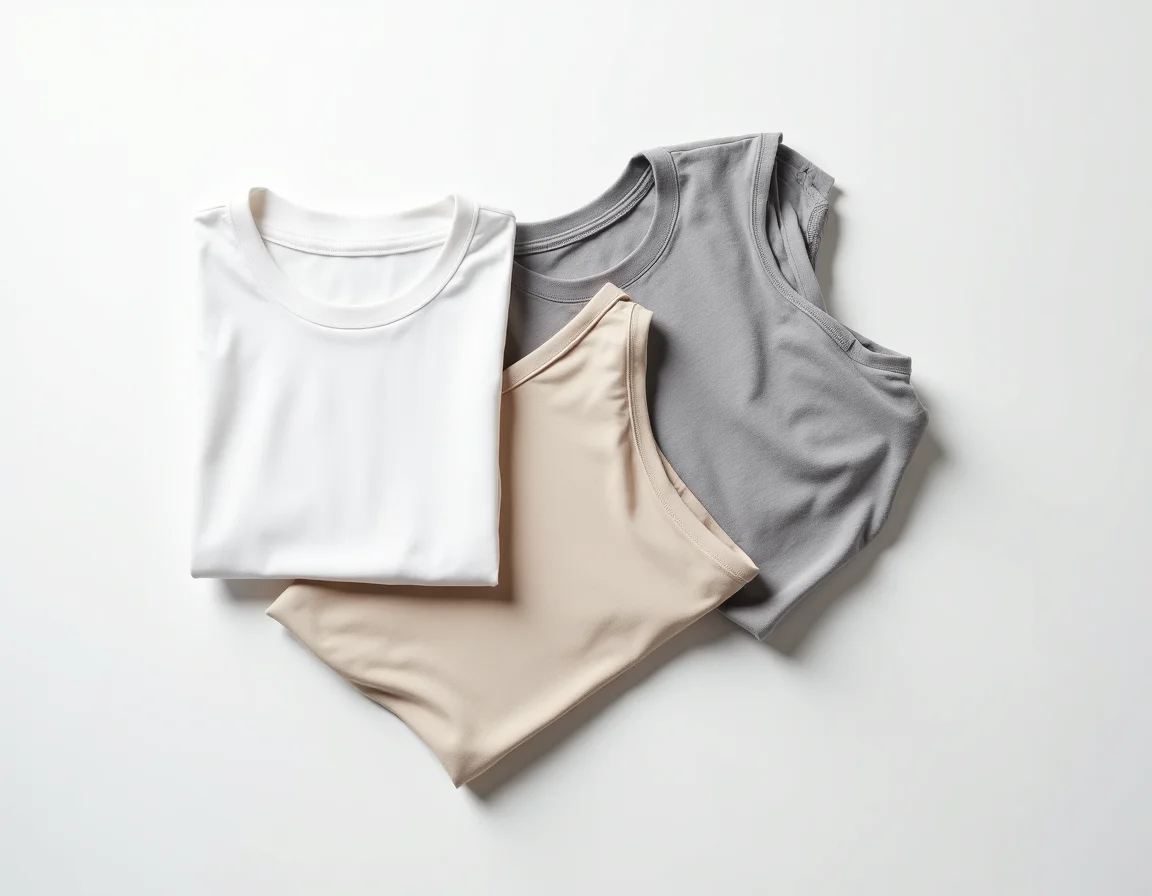
The combination of rayon's silkiness, cotton's natural softness, and polyester's smooth surface creates an incredibly soft fabric that feels almost vintage or "broken-in" from the very first wear. This is perhaps the biggest selling point of tri-blend t-shirts—they require no break-in period and feel luxurious right out of the package.
Excellent Drape and Fit
Tri-blend fabrics have a beautiful drape that flatters various body types. The fabric flows naturally and doesn't cling awkwardly. This makes tri-blend t-shirts particularly popular in fashion-forward retail settings where fit and appearance are paramount.
Durability with Comfort
The polyester content ensures that tri-blend garments maintain their shape and resist wear better than 100% cotton or 100% rayon alternatives. Combined with the comfort of natural fibers, this creates a garment that both wears well and lasts long—a winning combination for end consumers.
Reduced Shrinkage (In Theory)
Because polyester doesn't shrink, tri-blend fabrics theoretically should shrink less than 100% cotton. This can be appealing to brands that want to minimize sizing inconsistencies. However, as we'll discuss later, the reality of tri-blend shrinkage is more complicated.
The Printing Challenge: Why DTG Printers Avoid Tri-Blend
Now we come to the critical issue for printing businesses: tri-blend fabrics are significantly more challenging to work with than 100% cotton. Here's why experienced printers often steer clear of tri-blend, or at minimum, charge premium prices for printing on these fabrics.
1. Ink Absorption and Pre-Treatment Issues
This is the biggest hurdle with tri-blend fabrics. In DTG printing, water-based inks are sprayed directly onto the fabric, similar to how an inkjet printer works on paper. For optimal results, the fabric needs to:
- Absorb the pre-treatment solution evenly
- Hold the ink droplets at the surface long enough for proper curing
- Allow the ink to bond with the fibers effectively
Cotton excels at all three requirements. Its natural absorbency and fiber structure create an ideal surface for DTG printing. However, polyester and rayon behave very differently:
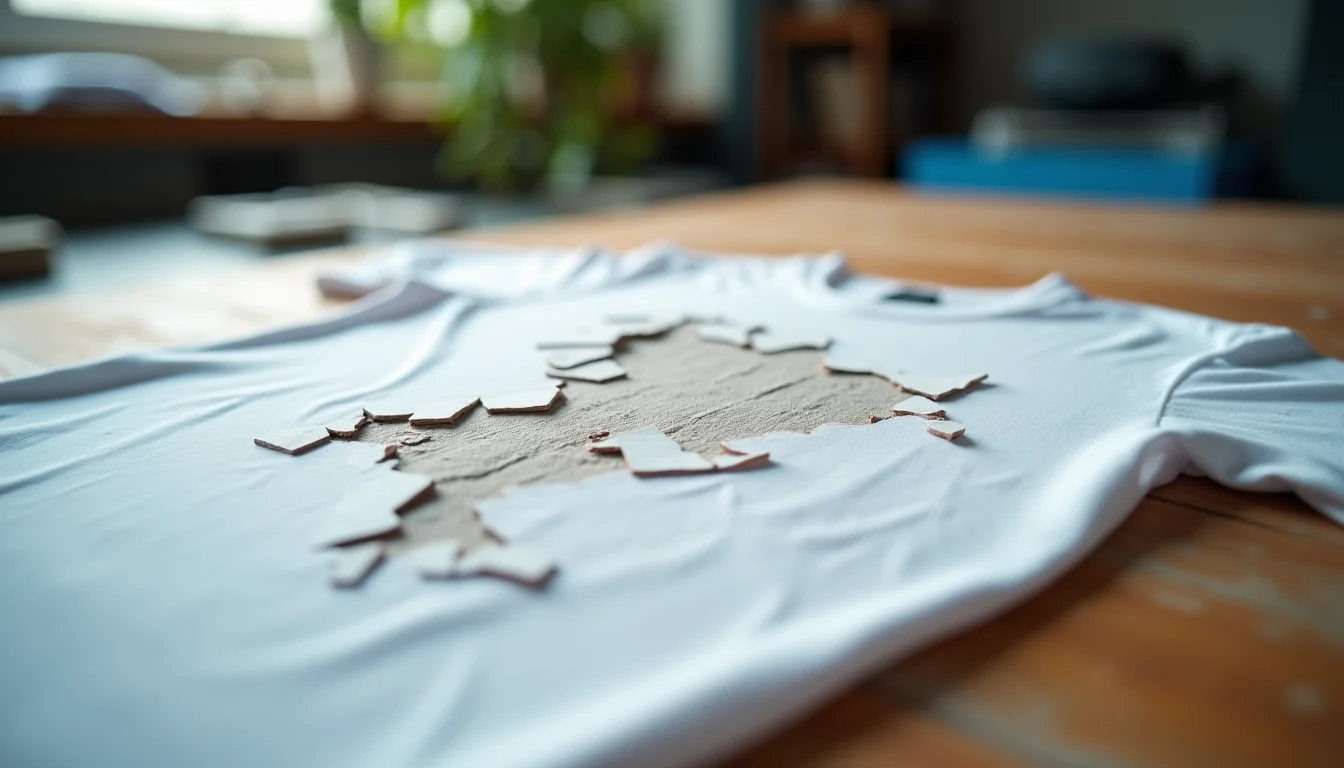
Polyester is hydrophobic (water-repelling) and requires special sublimation inks or plastisol for good results. When you try to print water-based DTG inks on polyester, the ink sits on the surface rather than being absorbed, leading to poor wash durability and potential cracking.
Rayon is highly absorbent—sometimes too absorbent. It can soak up pre-treatment unevenly, and its delicate nature means it can be damaged by the heat press during the curing process.
When you combine these three fibers in a tri-blend, you get unpredictable behavior. Different areas of the fabric may absorb pre-treatment differently depending on which fiber is predominant in that spot. This leads to uneven ink application and inconsistent print results.
2. Pre-Treatment Requirement and Costs
To get acceptable results on tri-blend fabrics, printers typically need to use significantly more pre-treatment solution than they would on 100% cotton. Pre-treatment solutions aren't cheap—they can cost ₹150-300 per liter depending on quality and brand.
For a standard 100% cotton t-shirt from our catalog at BulkPlainTshirt.com, you might use 10-15ml of pre-treatment. For a tri-blend, you might need 20-30ml to achieve similar results. When you're printing hundreds or thousands of shirts, this additional pre-treatment cost adds up quickly and eats into your margins.
Moreover, the extra pre-treatment can leave a stiff feel in the printed area, somewhat negating the softness advantage that made tri-blend appealing in the first place.
3. Unpredictable Shrinkage Patterns
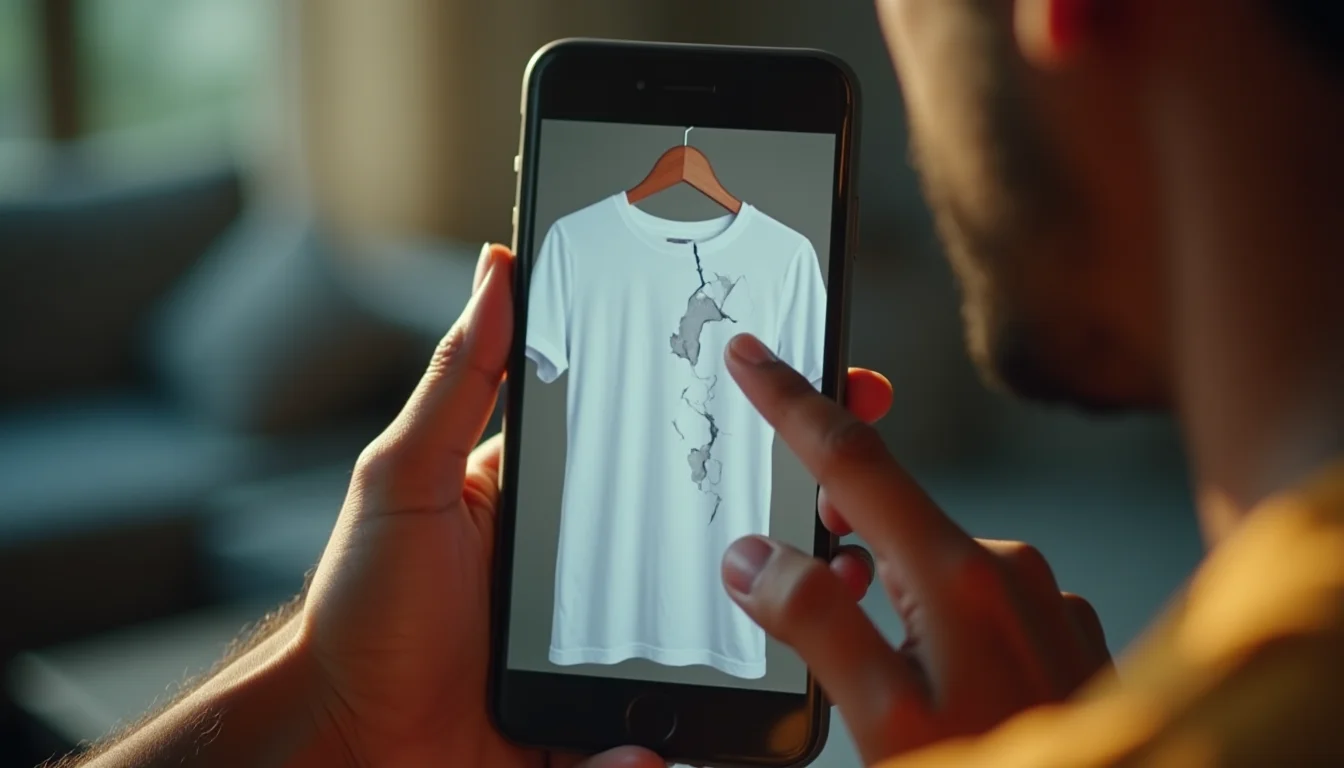
While tri-blend fabrics are marketed as low-shrink, the reality is more complex. Each of the three fibers reacts differently to heat and moisture:
- Cotton shrinks primarily in length (up to 5% even when pre-shrunk)
- Polyester is dimensionally stable and doesn't shrink significantly
- Rayon can shrink substantially and unpredictably, especially with heat
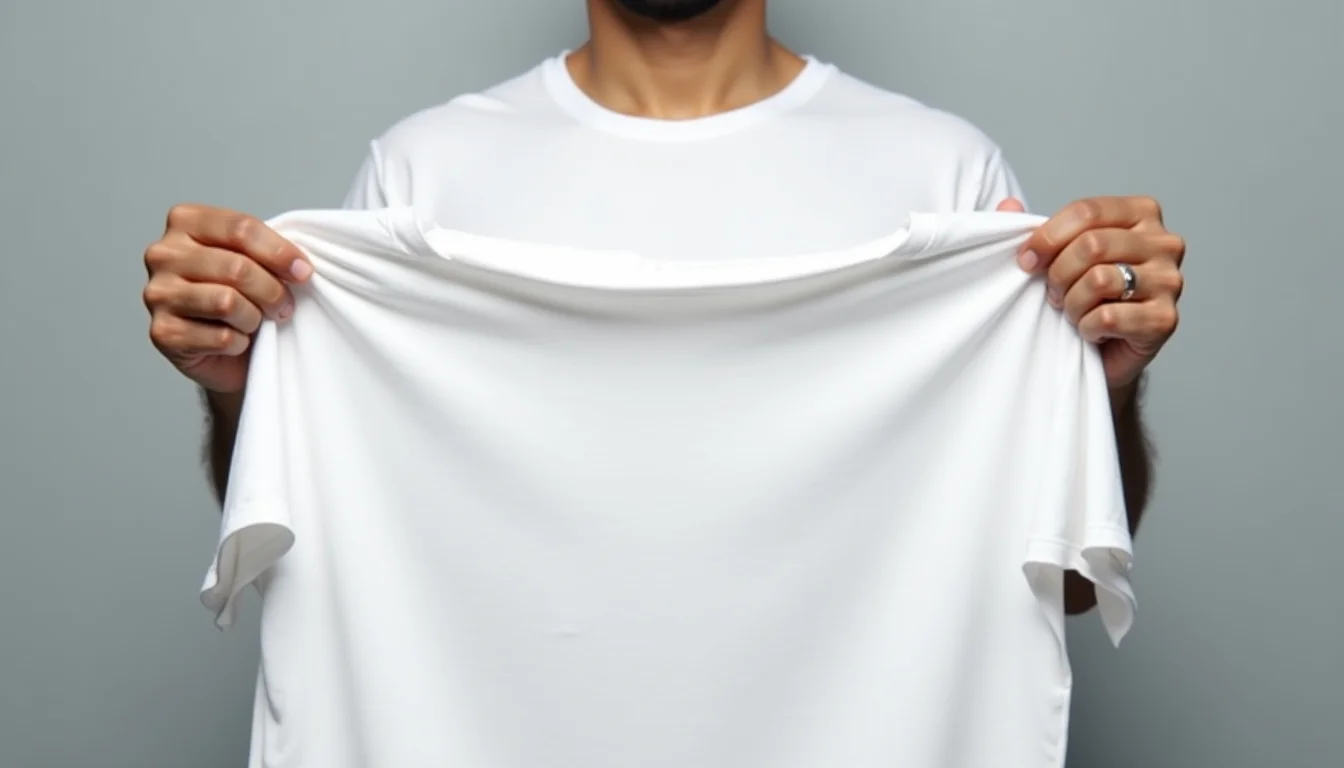
When these three fibers are woven or knitted together, they can "fight" each other during washing and drying. Cotton wants to shrink one way, polyester resists shrinking, and rayon shrinks differently than both. This can lead to:
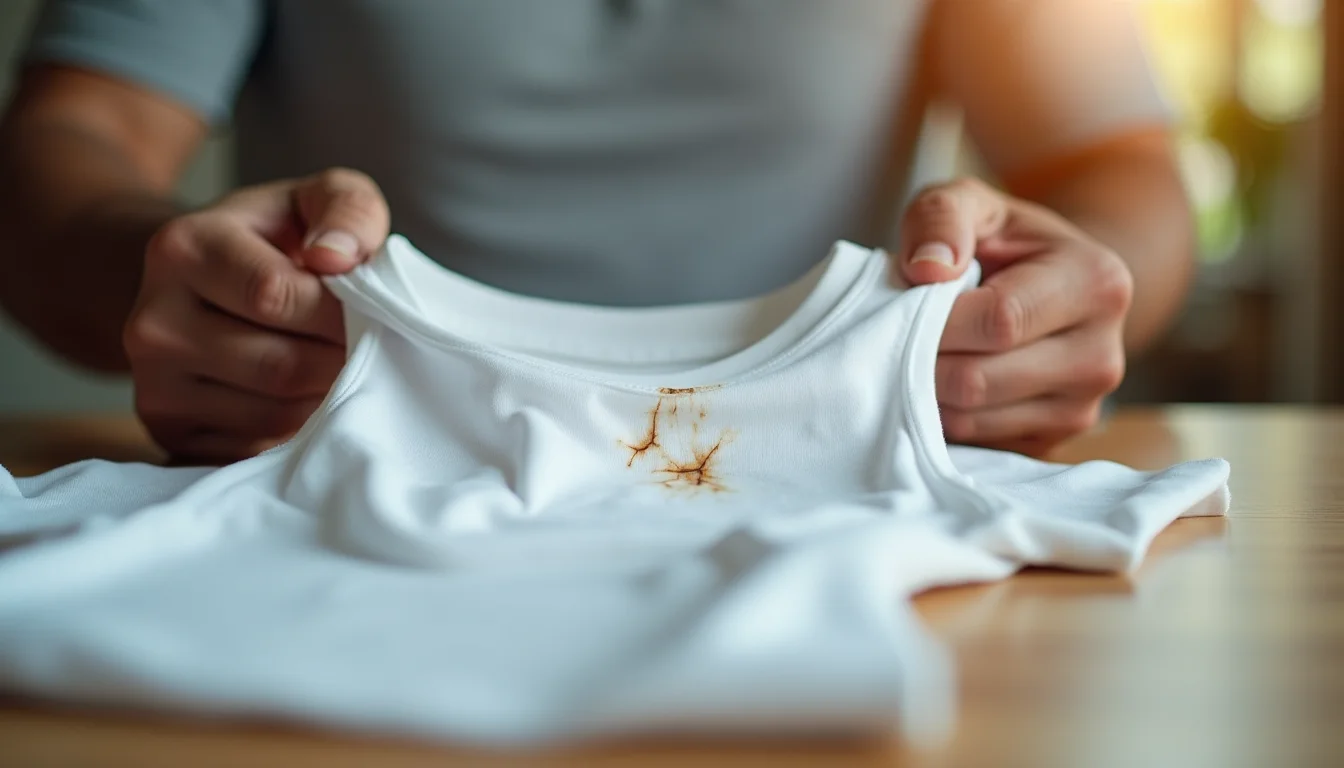
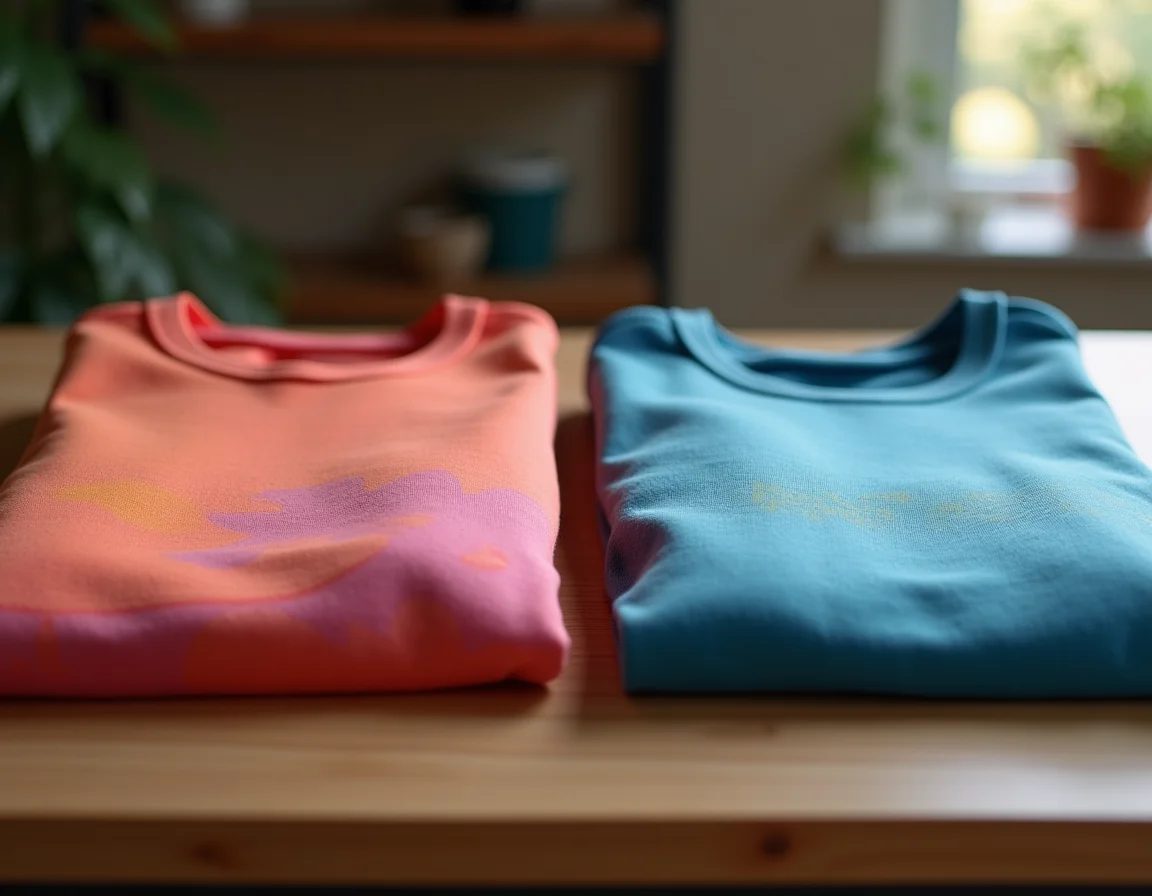
- Distortion of printed designs
- Puckering around printed areas
- Inconsistent sizing across a production batch
- Fabric surface becoming uneven or bumpy
For a printing business handling bulk orders, this unpredictability is a nightmare. When a customer orders 500 printed t-shirts, they expect consistency. With tri-blend, achieving that consistency requires extensive testing and sometimes results in higher rejection rates.
4. Color Matching and Print Vibrancy
Different fibers accept dyes differently. In a tri-blend fabric, the base color itself may have slight variations across the garment surface depending on which fiber is where. This makes color matching more challenging when printing.
Additionally, the print vibrancy on tri-blend often isn't as high as on 100% cotton. The polyester content, which doesn't absorb water-based inks well, can dull the colors slightly. For printing businesses that take pride in vibrant, eye-catching prints, this is a significant drawback.
5. Testing and Setup Time
Every new fabric requires some testing to dial in the perfect settings for:
- Pre-treatment amount and application method
- Ink density and layering
- Curing time and temperature
- Print head height and pass count
With 100% cotton, once you've tested one supplier's 180 GSM or 220 GSM fabric, you can generally apply similar settings to other 100% cotton fabrics of the same GSM. The behavior is predictable.
With tri-blend, every new supplier or even different production batches from the same supplier can behave differently. This means more testing, more wasted inventory, and more time spent on setup rather than production—all of which impact your profitability.
When Tri-Blend Might Still Work: Specific Use Cases
Despite the challenges, tri-blend fabrics aren't completely off the table for printing businesses. There are specific scenarios where tri-blend can work:
Small Batch, High-Value Orders
If you're doing small custom orders (10-50 pieces) for clients who specifically request tri-blend and are willing to pay a premium price, the extra effort can be worthwhile. You can charge 30-50% more for tri-blend printing to cover the additional costs and time.
Screen Printing Instead of DTG
Tri-blend fabrics work much better with screen printing using plastisol inks than with DTG. Plastisol inks sit on top of the fabric rather than being absorbed, so the fiber composition matters less. If your operation is primarily screen printing-based, tri-blend becomes more viable.
Simple, Small Designs
Large, full-chest prints on tri-blend are particularly challenging. However, small logo placements or simple text designs require less pre-treatment and are easier to execute consistently on tri-blend fabrics.
Heat Transfer Vinyl (HTV)
If you're using heat transfer vinyl rather than DTG or screen printing, tri-blend works reasonably well. HTV doesn't rely on ink absorption, so the mixed fiber content isn't as problematic. However, you still need to be careful with temperature settings due to the rayon content.
Why 100% Cotton Remains the Gold Standard for Printing
After understanding the challenges of tri-blend, it becomes clear why experienced printing businesses and bulk t-shirt manufacturers consistently recommend 100% cotton for printing operations.
Predictable and Consistent Behavior
100% cotton fabrics behave consistently across batches and suppliers (assuming similar GSM and quality). Once you've dialed in your settings, you can run production with confidence. This consistency is invaluable for bulk orders.
Superior Ink Absorption
Cotton's natural absorbency makes it ideal for DTG printing. The fibers readily accept both pre-treatment and ink, resulting in vibrant prints with excellent wash durability. At Sale91.com, our bio-washed, combed cotton fabrics in 180, 200, 210, and 220 GSM are specifically optimized for printing operations.
Controlled Shrinkage
While cotton does shrink, it does so in a predictable manner. Pre-shrunk, bio-washed cotton (which is what we provide at Sale91.com) has already undergone the bulk of its shrinkage during manufacturing. Customers can expect minimal additional shrinkage—typically under 3%—and it happens uniformly.
Better Print Durability
Prints on 100% cotton withstand repeated washing better than prints on tri-blend. The ink bonds properly with the cotton fibers, creating a durable print that maintains its vibrancy and doesn't crack or peel prematurely.
Cost Effectiveness
100% cotton t-shirts are generally less expensive than tri-blend at the wholesale level. Combined with lower pre-treatment requirements and fewer rejected prints, the total cost of goods for a printed cotton t-shirt is significantly lower than for tri-blend.
Customer Satisfaction
While tri-blend feels softer initially, a well-made 100% cotton t-shirt—especially bio-washed, combed cotton—offers excellent comfort and actually becomes softer with each wash. Most end customers are perfectly happy with cotton t-shirts, especially when they feature high-quality prints.
The Indian Market Perspective: What Works Here
In the Indian custom printing market, practicality and cost-effectiveness often trump fabric novelty. Here's what we've observed over years of supplying blank t-shirts to printing businesses across India:
Price Sensitivity
Indian customers, whether B2B or B2C, are highly price-conscious. The premium cost of tri-blend fabrics and the additional printing costs make the final product significantly more expensive. For most market segments, 100% cotton offers the best value proposition.
Climate Considerations
India's hot and humid climate in most regions makes breathability crucial. While tri-blend fabrics are comfortable, 100% cotton's superior moisture absorption and breathability often make it more suitable for Indian weather conditions.
Washing Habits
Many Indian households still use hot water or vigorous washing methods that can be harsh on delicate fabrics like rayon. 100% cotton, especially the bio-washed and pre-shrunk varieties we manufacture at Sale91.com, stands up better to these washing conditions.
Bulk Order Reliability
Printing businesses taking bulk orders from corporate clients, events, or retail brands need absolute reliability. The margin for error is minimal when you're printing 1,000+ pieces with a tight deadline. In these scenarios, 100% cotton's predictability is invaluable.
Watch the Video: Tri-Blend Fabric Explained
For a quick visual explanation of why tri-blend fabric can be tricky for printing businesses, watch this detailed breakdown:
Best Practices If You Must Print on Tri-Blend
If circumstances require you to print on tri-blend fabrics, here are some best practices to maximize your success rate:
1. Always Test First
Never start a large production run without testing. Print on at least 3-5 sample shirts, wash them 3-5 times, and evaluate:
- Print quality and vibrancy
- Wash durability (any cracking or fading?)
- Shrinkage patterns
- Hand feel after washing
2. Increase Pre-Treatment
Plan to use at least 1.5-2x the pre-treatment you'd use on cotton. Apply it evenly and allow adequate drying time. Some printers recommend doing two light coats rather than one heavy coat.
3. Adjust Curing Parameters
Rayon is sensitive to heat. Lower your heat press temperature by 10-20°F compared to cotton and extend the press time slightly to compensate. This helps prevent scorch marks and fiber damage.
4. Use Higher Quality Inks
Don't skimp on ink quality when printing on tri-blend. Higher quality DTG inks bond better with the mixed fiber content and resist fading better through multiple washes.
5. Provide Clear Care Instructions
Give your customers detailed washing instructions: cold water, gentle cycle, low heat or air dry. This helps minimize the unpredictable shrinkage and extends the life of the print.
6. Price Accordingly
Don't charge the same for tri-blend printing as for cotton. Factor in the additional pre-treatment, testing time, higher rejection rate, and added complexity. A 30-50% upcharge is reasonable and necessary.
The Sale91.com Advantage: Why We Focus on 100% Cotton
At Sale91.com (BulkPlainTshirt.com), we've made a deliberate choice to focus on 100% cotton t-shirts. This isn't because we're unaware of tri-blend or other fabric blends—it's because we understand what printing businesses actually need to succeed.
In-House Knitting
We don't source fabric from others; we knit it ourselves in Tiruppur, India's textile capital. This gives us complete control over quality, consistency, and GSM accuracy. Our fabric behaves predictably because we maintain tight quality control throughout the knitting process.
Bio-Washed and Pre-Shrunk
Every t-shirt we produce is bio-washed (enzyme-treated for softness) and pre-shrunk. This means the fabric has already gone through the treatments that cause the most shrinkage. Your customers get consistent sizing, and your prints don't distort after the first wash.
Ring-Spun Combed Cotton
We use premium ring-spun combed cotton, which is softer and stronger than regular cotton. The combing process removes short fibers and impurities, leaving only the longest, finest fibers. This results in a smooth surface that's ideal for printing—you get the softness that customers want without the printing complications of tri-blend.
Multiple GSM Options
Different printing methods and designs work best on different fabric weights. We offer:
- 180 GSM - Lightweight, perfect for hot weather and simple prints
- 200 GSM - Our most popular option, great balance of quality and price
- 210 GSM - Premium feel, handles detailed prints beautifully
- 220 GSM - Heavy premium, ideal for puff prints and special techniques
Ready Stock and Fast Delivery
We maintain 1 lakh+ pieces in ready stock at our Delhi warehouse. No waiting weeks for production—order today and receive your blank t-shirts within days. For printing businesses working on tight timelines, this reliability is crucial.
Pricing That Makes Sense
We offer Rs 2/piece discount on orders of 500+, and Rs 3/piece online purchase discount for any quantity. For first-time buyers, we offer 50% COD (with a small 3% COD charge) so you can verify quality before paying the full amount. From the second order onwards, we work on prepaid terms.
Frequently Asked Questions About Tri-Blend Fabric and Printing
Ready to Start Your Printing Business with Reliable 100% Cotton T-Shirts?
Skip the complications of tri-blend and go with what works: bio-washed, pre-shrunk, 100% combed cotton t-shirts from Sale91.com. With 1 lakh+ pieces in ready stock, GSM options from 180-220, and pricing that makes sense for your business, we're the wholesale partner you need.
Order today and get Rs 3/piece online discount on any quantity!
Order Now from Sale91.com