500 Piece Order Cancelled — Customer Ki Galti Ya Supplier Ki?
In the fast-paced world of B2B bulk t-shirt manufacturing and custom printing businesses, order cancellations are nightmare scenarios that can cost thousands of rupees and damage business relationships. Recently, we encountered a case that perfectly illustrates one of the most common yet completely avoidable mistakes in the wholesale textile industry — a 500-piece order that had to be cancelled just two days after placement.
This wasn't a story of poor quality, delayed delivery, or supplier negligence. It was something far more fundamental: a critical communication gap and a skipped step that cost both parties time, money, and frustration. Let me walk you through exactly what happened, whose mistake it was, and most importantly, how you can avoid making the same error whether you're running a custom printing business or sourcing plain t-shirts for your brand.
The 500-Piece Order That Never Should Have Been Placed
A customer approached us to order 500 pieces of oversized t-shirts. These weren't just any t-shirts — oversized styles have become incredibly popular in India's streetwear and custom printing market over the past few years. Young customers love the relaxed, contemporary fit, and printing businesses have been making good profits catering to this demand.
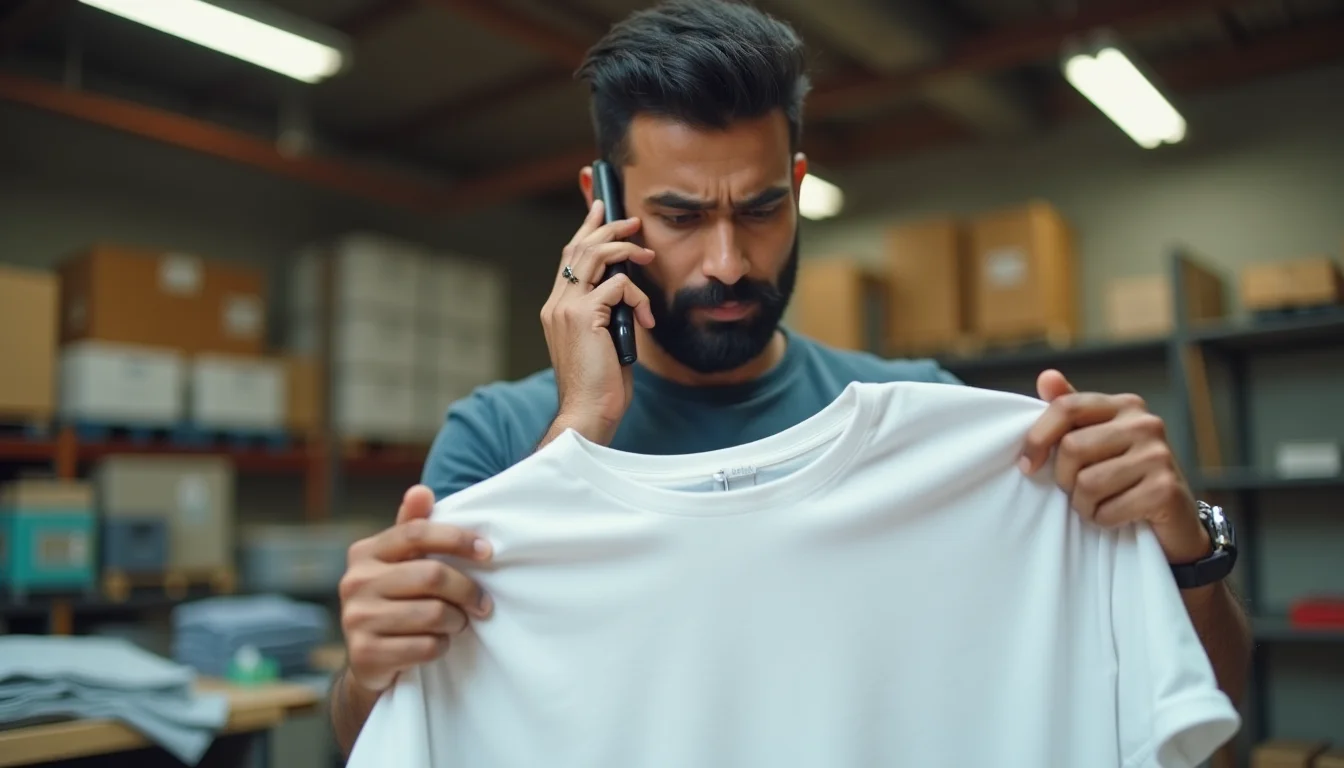
The order was placed smoothly. Payment terms were discussed, specifications were noted, and production was about to begin. But then, just 48 hours later, we received the dreaded phone call: "I need to cancel this order."
Naturally, the first question was: "What's the problem? Is there an issue with quality, pricing, or delivery timeline?"
The customer's response revealed the real issue: "The size is too big. We need 28-inch length t-shirts, but these are coming at 30 inches."
That's when everything became crystal clear. This wasn't about defective products or a supplier error. This was about a fundamental misunderstanding of what "oversized" actually means in the garment industry.
Understanding Oversized T-Shirts: What Does "Oversized" Really Mean?
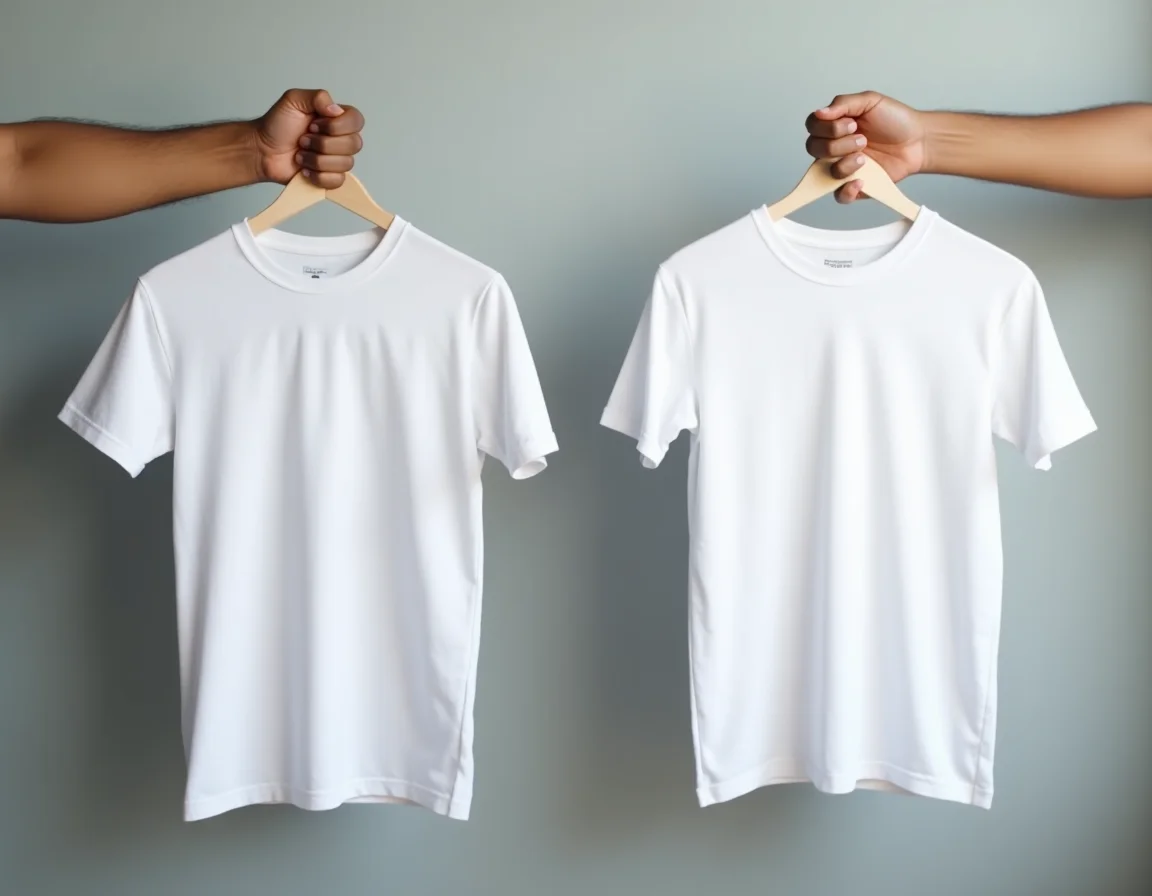
Here's where many customers — especially first-time bulk buyers — get confused. An oversized t-shirt is not just a slightly loose-fitting regular t-shirt. It's a completely different style with intentionally exaggerated proportions.
Standard Oversized T-Shirt Specifications
When a manufacturer designs an oversized t-shirt, they typically add:
- 2-3 inches extra length compared to regular fit (so if regular is 28 inches, oversized will be 30-31 inches)
- 2-3 inches extra chest width for that boxy, relaxed silhouette
- Slightly dropped shoulders for a more casual, streetwear aesthetic
- Wider sleeves that sit differently on the arms
This is not a defect or manufacturing error. This is the fundamental design of an oversized garment. The extended length and wider chest are part of the style identity — they're what make it "oversized" in the first place.
The Customer's Expectation vs. Reality
In this case, the customer had seen pictures of oversized t-shirts online — probably on Instagram or from competitors — and assumed that "oversized" simply meant a slightly roomier fit. Perhaps they thought it would be just a bit more comfortable than regular t-shirts, not realizing that the entire cut and proportion were different.
When they discovered the actual measurements — 30 inches instead of the 28 inches they had in mind — panic set in. They had already committed these t-shirts to their own customers, who were expecting a particular fit. Now they were stuck with 500 pieces that didn't match their requirements.
The Critical Question: Whose Mistake Was It?
Let's be fair and analytical here. Was this the customer's fault or the supplier's fault?
From the customer's perspective: They ordered "oversized t-shirts" and expected oversized t-shirts. They didn't receive wrong products — they received exactly what they ordered. But the products didn't match their end-use requirements.
From the supplier's perspective: We provided exactly what was ordered — genuine oversized t-shirts with industry-standard proportions. The specifications were clear in our product catalog, and the measurements were available upon request.
So who's at fault? Honestly, it's a shared responsibility, but the customer made the bigger mistake by skipping one crucial step.
The One Step That Could Have Prevented This Disaster
When I asked the customer a simple question, the root cause became obvious: "Did you take a sample first?"
His answer: "No, I ordered after seeing the pictures online."
And there it is — the ₹15,000-20,000 mistake that could have been avoided with a ₹200-300 investment.
Why Sampling is Non-Negotiable in B2B Textile Orders
Here's a reality that every custom printing business owner and bulk t-shirt buyer needs to understand: oversized fit differs from brand to brand and manufacturer to manufacturer.
- Some brands keep their oversized t-shirts at 29 inches length
- Some go up to 31 inches
- Some maintain 30 inches as their standard
- Chest measurements can vary from 22 inches to 24 inches across different suppliers
There is no universal "oversized standard" in the textile industry. Each manufacturer has their own pattern and grade rules. What looks perfect from one supplier might be too long or too short from another.
This is precisely why professional buyers in the garment industry always, always, always order samples before placing bulk orders — even if they've been working with a supplier for years.
The Smart Way to Place Bulk T-Shirt Orders
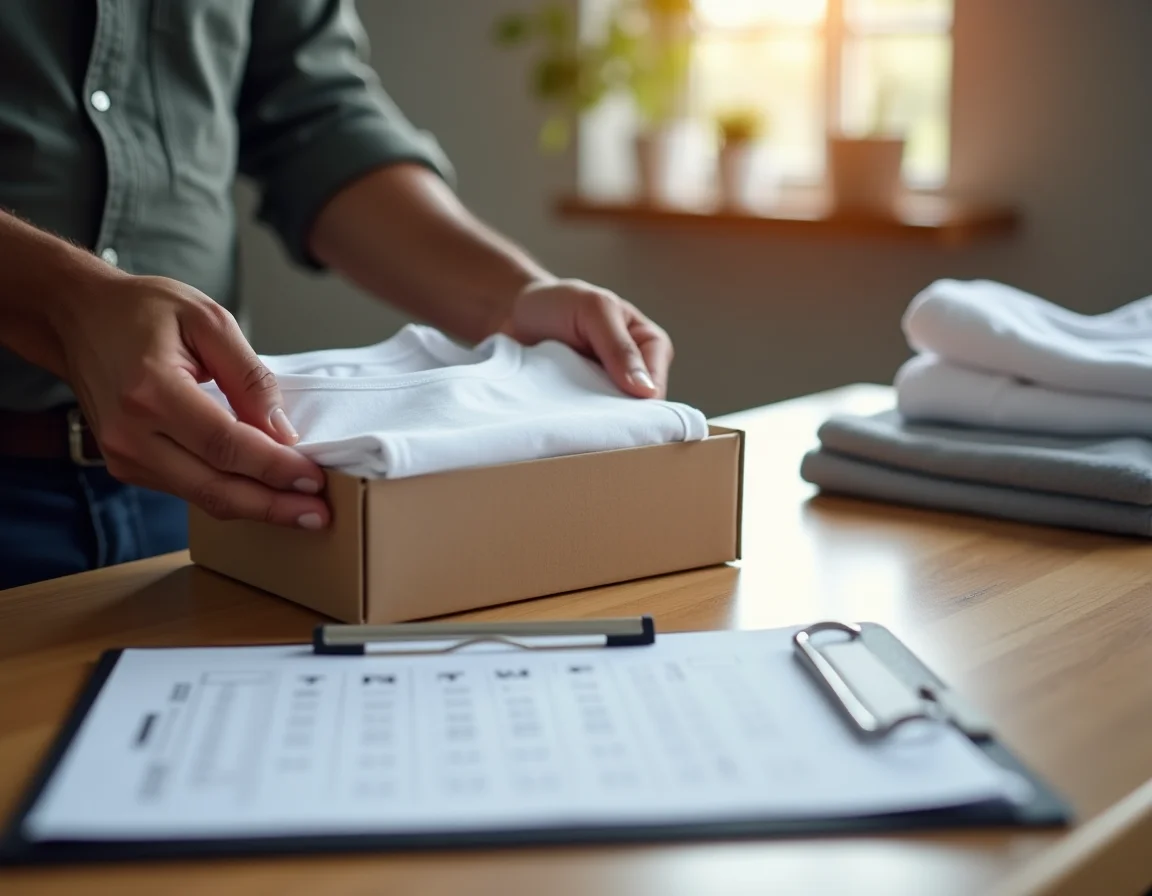
Whether you're ordering 50 pieces or 5,000 pieces, whether you're a first-time buyer or a veteran in the printing business, follow this proven process:
Step 1: Order Sample Pieces First
Most reputable suppliers, including Sale91.com, allow you to order as few as 10 pieces for sampling purposes. Yes, sample pieces might cost slightly more per piece than bulk rates, but this is the cheapest insurance policy you'll ever buy.
For ₹200-300 per t-shirt, you can physically inspect:
- Actual fabric quality and GSM (not just what's written in the spec sheet)
- Exact measurements — length, chest, shoulder, sleeve
- Color accuracy in real lighting conditions
- Bio-wash finish and fabric hand feel
- Stitching quality and construction details
Step 2: Show Samples to Your End Customers
Don't just approve samples yourself. If you're a printing business taking custom orders, show the physical sample to your customer before you place the bulk order.
Let them:
- Try on the t-shirt for actual fit
- Feel the fabric quality
- Confirm the color matches their expectations
- Verify the size is what they want
Get explicit approval — preferably in writing or over WhatsApp with a message confirmation. This protects you from future disputes.
Step 3: Confirm All Specifications in Writing
Once the sample is approved, document everything:
- Exact style number or product code
- Size breakdown (how many S, M, L, XL, etc.)
- Color codes with names
- GSM specification (180, 200, 220, etc.)
- Delivery timeline
- Payment terms
This creates a clear paper trail and prevents miscommunication.
Step 4: Place Your Bulk Order with Confidence
Only after completing steps 1-3 should you commit to a large quantity order. At this point, you know exactly what you're getting, your customer knows exactly what they're receiving, and there are no surprises waiting.
Industry Best Practices for Custom Printing Businesses
If you run a custom printing business using DTG, DTF, screen printing, or heat transfer methods, here are additional guidelines to protect your business:
Know Your Fabric Requirements
Different printing methods work better with different fabric weights and types:
- DTG printing: Works best on 180-200 GSM, 100% combed cotton with bio-wash finish
- Screen printing: Can handle 200-220 GSM, works well with slightly heavier fabrics
- DTF printing: Versatile, works on various GSMs, but 200 GSM offers best value
- Heat transfer: Requires smooth, bio-washed surface for proper adhesion
At Sale91.com, we manufacture plain t-shirts specifically designed for custom printing applications. Our t-shirts are bio-washed (enzyme-treated for smoothness), pre-shrunk (to prevent size changes after printing), and made from ring-spun combed cotton (for superior softness and print quality).
Maintain a Fit Library
Keep sample t-shirts from different suppliers in different sizes. This becomes your reference library. When customers ask about fit, you can show them physical examples rather than relying on descriptions.
Build Relationships with Reliable Suppliers
Once you find a supplier whose fit, quality, and service meet your standards, stick with them. Consistency is valuable in this business. You'll learn their size curves, their color accuracy, their delivery timelines — and this knowledge reduces your risk with every order.
What Happens in the Indian Textile Industry
India, particularly Tiruppur (where our manufacturing is based), is the textile hub of the country. Thousands of B2B transactions happen daily between manufacturers, suppliers, traders, and custom printing businesses.
In this high-volume environment, mistakes are costly. A 500-piece cancellation might seem like just one order, but consider the ripple effects:
- Manufacturer's side: Fabric has been purchased, cutting has been done, inventory is blocked
- Customer's side: Time is wasted, alternative supplier must be found urgently, end customers are waiting
- Relationship damage: Trust is eroded, future business is uncertain
Professional buyers and suppliers minimize these risks through sampling, clear communication, and documented specifications.
The Economics of Sampling vs. Bulk Order Mistakes
Let's do some simple math to understand why sampling is always worth it:
Scenario 1: No Sample (The Mistake)
- Direct bulk order: 500 pieces at ₹150 each = ₹75,000
- Order cancelled due to wrong fit
- Time wasted: 3-4 days
- New supplier search and negotiation: 2-3 days
- Total loss: Significant time, damaged relationship, potential customer loss
Scenario 2: With Sample (The Smart Way)
- Sample order: 10 pieces at ₹200 each = ₹2,000
- Fit confirmed, customer approved
- Bulk order: 500 pieces at ₹147 each (with discount) = ₹73,500
- Total investment: ₹75,500
- Result: Perfect order, happy customer, repeat business
The ₹2,000 sample investment saved potential losses of tens of thousands of rupees. It's not even a trade-off — it's just smart business.
Watch the Video: Real Story from Our Experience
Watch this detailed explanation of the 500-piece cancellation case study, where we break down exactly what went wrong and how you can avoid similar mistakes in your bulk t-shirt orders:
Special Offers for Smart Buyers at Sale91.com
We understand that building a successful custom printing business requires not just quality products but also smart pricing and flexible terms. That's why we offer:
- ₹2 per piece discount on orders of 500+ pieces
- ₹3 per piece online purchase discount for any quantity ordered through our website
- 50% COD available on first orders for new buyers (with 3% COD charge)
- Full prepaid terms from second order onwards for established customers
- MOQ as low as 10 pieces for ready stock items — perfect for sampling
With over 1 lakh t-shirts in ready stock at any given time across 15+ colors and multiple GSM options (180, 200, 210, 220 for t-shirts; 240, 320, 430 for hoodies and sweatshirts), we can fulfill both your sample needs and bulk requirements quickly.
Frequently Asked Questions (FAQ)
Ready to Order Quality Plain T-Shirts?
Don't make the same mistake as the 500-piece order. Start smart with samples, confirm your requirements, then scale with confidence.
We manufacture 100% cotton, bio-washed, pre-shrunk plain t-shirts in Tiruppur specifically for custom printing businesses across India. With 1,25,232+ pieces sold in the last 30 days, we're trusted by printing businesses nationwide.
Browse our complete catalog and place your sample order today:
Order Now at Sale91.com