₹45 Fabric Mistake Cost Him 300 T-shirts: Single Jersey vs Interlock Fabric — The Difference You Must Know
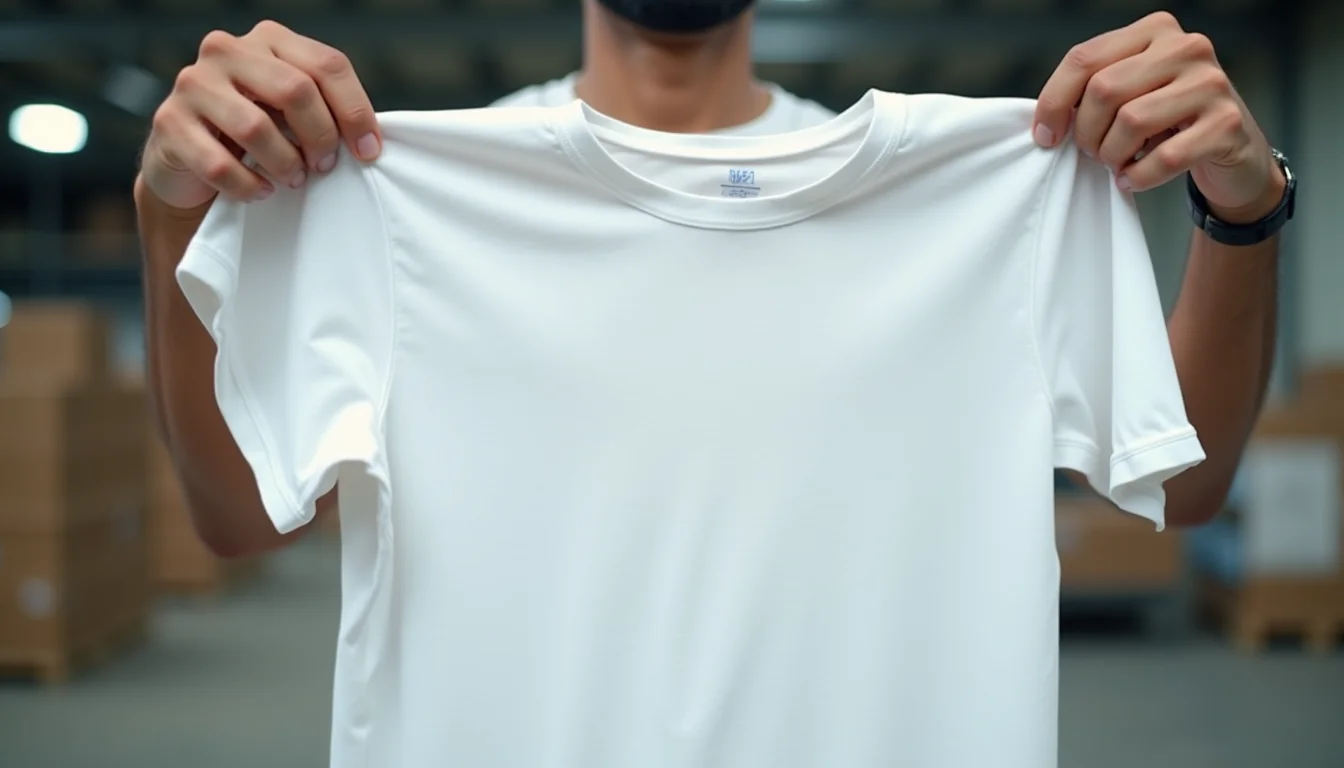
Recently, one of our clients from Bangalore placed an order for 300 pieces of plain t-shirts. Everything seemed fine during ordering—he got a great price, the delivery was on time, and the initial quality looked acceptable. But two months later, we received a frantic call. His entire batch had twisted badly. The side seams that should have stayed on the sides had migrated to the front. His printing business was facing returns, and he was losing both money and reputation.
The root cause? A simple yet critical mistake: he didn't understand the difference between single jersey and interlock fabric. He chose based purely on price—₹45 per piece cheaper—without knowing the functional implications. This is a mistake that costs thousands of rupees and countless hours of frustration for t-shirt resellers, custom printing businesses, and bulk buyers across India.
In this comprehensive guide, we'll break down everything you need to know about single jersey vs interlock fabric, so you never have to face the same costly mistake.
What is Single Jersey Fabric? Understanding the Basics
Single jersey is the most common knitting structure used in t-shirt manufacturing worldwide. As the name suggests, it's knitted from one side using a single set of needles. This creates a fabric with distinct front and back sides—the face side is smooth with visible V-shaped loops, while the back side has a more textured appearance with horizontal loops.
Key Characteristics of Single Jersey Fabric
- Knitting Structure: Single-sided knit construction with one yarn bed
- Weight Range: Typically available in 140-220 GSM for t-shirts
- Stretch: Excellent horizontal stretch, moderate vertical stretch
- Breathability: Very breathable due to looser knit structure
- Cost: More economical than interlock—approximately 15-25% cheaper
- Common Uses: Everyday wear t-shirts, promotional tees, activewear
Single jersey fabric dominates the market because of its versatility and cost-effectiveness. Most of the t-shirts you see in retail—from basic round necks to promotional merchandise—are made from single jersey. At Sale91.com, our popular 180 GSM and 200 GSM plain t-shirts use premium single jersey construction, perfect for DTG printing, screen printing, and heat transfer applications.
The Torque Problem: Why Single Jersey T-shirts Twist
Here's the critical issue that caught our Bangalore client off-guard: single jersey fabric has inherent torque. Torque is the natural tendency of the fabric to twist due to its single-sided knitting structure. When the yarn is knitted in loops from one direction, it creates a spiral tension within the fabric structure.
After multiple washes, especially in washing machines with high spin cycles, this tension releases, causing the fabric to twist. You'll notice the side seams rotating toward the front or back. In severe cases, the twist can be 45 degrees or more, making the t-shirt unwearable.
"Single jersey torque is not a defect—it's a natural characteristic of the knitting structure. However, proper fabric treatment, cutting techniques, and garment construction can minimize this effect significantly."
Premium manufacturers like us at Sale91.com take several steps to minimize torque:
- Bio-washing: Our enzyme treatment relaxes the fabric and reduces residual tension
- Pre-shrinking: Controlled shrinking before cutting eliminates post-wash distortion
- Proper fabric relaxation: Allowing fabric to rest 24-48 hours before cutting
- Quality yarn selection: Using ring-spun combed cotton with consistent twist levels
- Correct cutting direction: Aligning cutting patterns with fabric grain
What is Interlock Fabric? The Premium Alternative
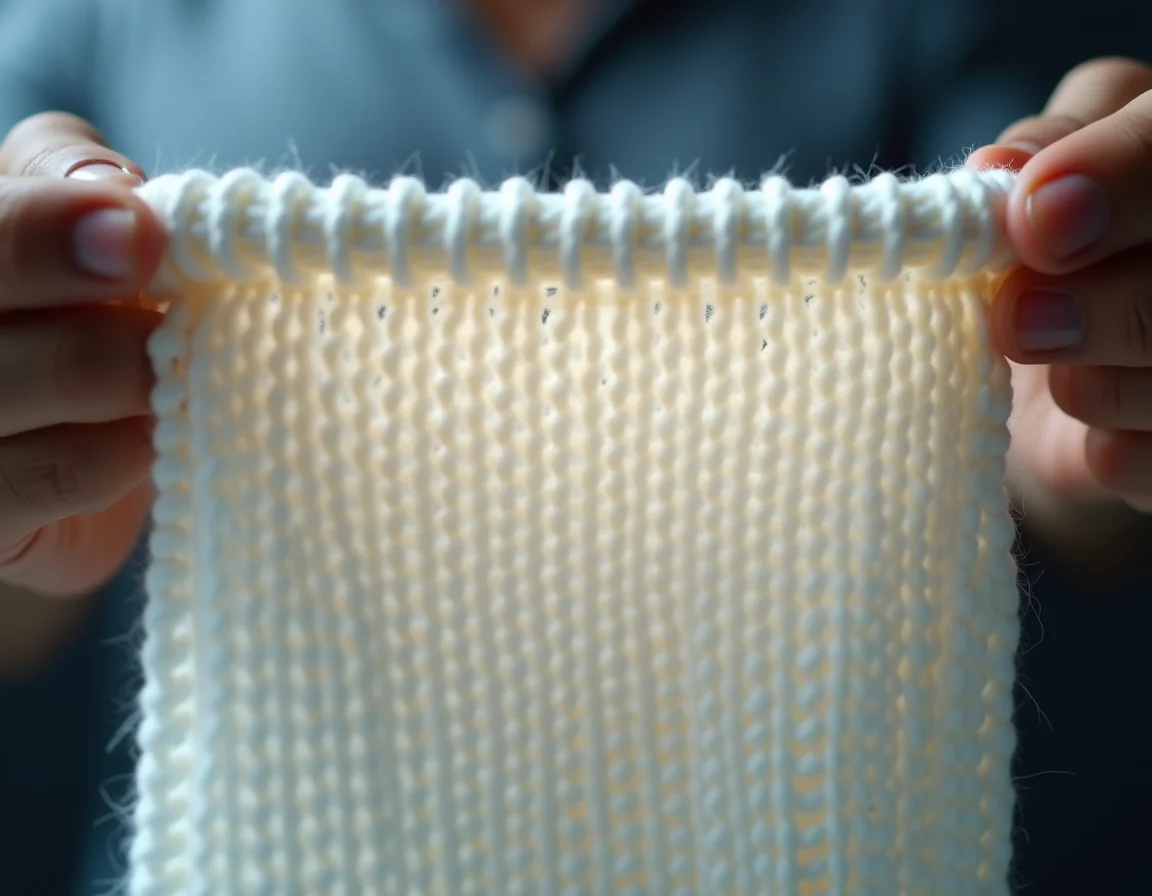
Interlock fabric represents a more sophisticated knitting technology. Unlike single jersey, interlock is knitted using two sets of needles working simultaneously from both sides. This creates a double-knit structure where two single jersey fabrics are essentially interlocked together.
Key Characteristics of Interlock Fabric
- Knitting Structure: Double-sided knit with two yarn beds interlocking
- Weight Range: Naturally heavier, typically 200-280 GSM for t-shirts
- Stretch: Moderate stretch in both directions, more controlled
- Stability: Excellent dimensional stability, minimal to no torque
- Thickness: Thicker and denser fabric, more opaque
- Durability: Superior durability and shape retention
- Cost: 20-30% more expensive than equivalent GSM single jersey
- Common Uses: Premium t-shirts, polo shirts, children's wear, high-end retail
Why Interlock Doesn't Twist
The double-knit structure of interlock fabric creates balanced tension from both sides. The opposing needle beds create interlocking loops that neutralize the spiral torque present in single jersey. This makes interlock dimensionally stable—the fabric maintains its shape even after repeated washing and heavy use.
For bulk buyers and custom printing businesses dealing with premium clients, interlock offers peace of mind. Your customers won't come back with complaints about twisted t-shirts months after purchase. This makes interlock ideal for:
- Premium branded merchandise
- Corporate uniforms requiring long-term use
- Children's clothing (where frequent washing is expected)
- Polo collars and structured garments
- High-end retail t-shirts with premium positioning
Single Jersey vs Interlock: Direct Comparison
Let's break down the key differences in a practical comparison that matters for your business decisions:
1. Cost Comparison
Single Jersey: A 200 GSM single jersey t-shirt might cost you ₹150-180 per piece in bulk (500+ quantity). At Sale91.com's catalog, with our manufacturer-direct pricing and online discount, you can get even better rates.
Interlock: An equivalent interlock t-shirt would cost ₹190-230 per piece due to higher fabric consumption and complex knitting.
The ₹40-50 difference per piece adds up significantly in bulk orders. For a 500-piece order, you're looking at ₹20,000-25,000 additional investment for interlock.
2. Fabric Weight and Feel
Single Jersey: Lighter weight options (180-200 GSM) provide breathability and comfort for everyday wear. The fabric drapes softly and feels lighter on the body—perfect for Indian climate conditions.
Interlock: Naturally heavier (even at similar GSM specifications) due to double-knit construction. Feels more substantial and premium to touch. Better opacity—especially important for light colors like white and pastels.
3. Printing Performance
Single Jersey: Excellent for all printing methods—DTG, DTF, screen printing, vinyl transfer. The slightly textured surface can actually help ink adhesion. Faster drying due to better breathability.
Interlock: Smoother surface provides cleaner print results, especially for detailed graphics. Less fabric stretch during printing reduces distortion. Better color vibrancy due to denser fabric structure.
4. Durability and Longevity
Single Jersey: Good durability when properly manufactured with quality yarn and finishing. However, prone to edge curling at hems and necklines. May develop small holes at stress points after extended use.
Interlock: Superior durability with minimal edge curling. The double-knit structure resists hole formation better. Maintains shape and appearance longer—critical for branded merchandise.
Which Fabric Should You Choose? Making the Right Decision
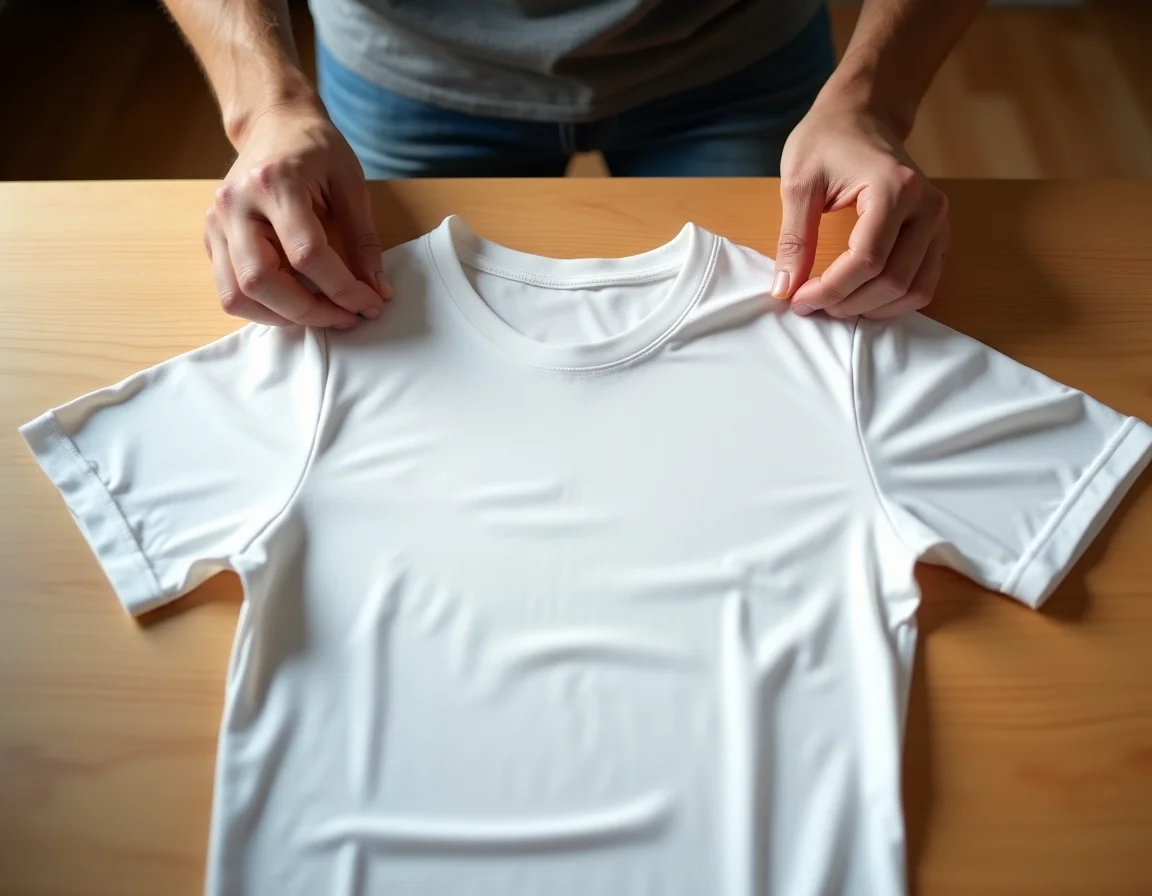
The choice between single jersey and interlock isn't about which is "better"—it's about which is right for your specific business needs and customer expectations.
Choose Single Jersey When:
- Budget is a primary concern: You're targeting price-sensitive customers or promotional merchandise
- Selling everyday wear: Basic t-shirts for casual use don't require premium fabric investment
- Operating in hot climates: The lighter, more breathable fabric suits Indian summers better
- Need variety in GSM: Single jersey offers more weight options (140-220 GSM)
- Testing new designs: Lower cost means less risk when experimenting
- Sourcing from quality manufacturers: Premium single jersey from Sale91.com with proper bio-washing and pre-shrinking minimizes the torque issue
Choose Interlock When:
- Building a premium brand: The superior feel justifies higher retail pricing
- Selling to corporate clients: Uniforms and branded merchandise require long-term stability
- Offering children's clothing: Parents appreciate durability and shape retention
- Creating polo t-shirts: The collar structure needs interlock's stability
- Targeting quality-conscious customers: Clients who will pay more for better performance
- Reducing customer complaints: Zero twist issues means fewer returns and better reputation
Pro Tip for Custom Printing Businesses
Many successful printing businesses maintain inventory of both fabric types. Use single jersey for promotional orders and event merchandise where price matters most. Reserve interlock for premium corporate orders and branded collections where quality is non-negotiable. This dual-inventory strategy maximizes your market coverage.
The Real Cost of Choosing Wrong: A Case Study
Let's return to our Bangalore client's story and calculate the actual financial impact of his fabric choice:
Initial Savings: By choosing cheaper single jersey without quality treatment, he saved approximately ₹45 per t-shirt × 300 pieces = ₹13,500
Actual Losses:
- Cost of 300 t-shirts: ₹45,000
- Printing costs already incurred: ₹12,000
- Packaging and labeling: ₹3,000
- Customer compensation and returns handling: ₹8,000
- Lost future business from dissatisfied customers: Incalculable
- Total loss: ₹68,000+
Had he invested the additional ₹13,500 in proper interlock fabric or premium pre-treated single jersey from a reliable manufacturer, he would have saved ₹54,500 in losses and preserved his business reputation.
Questions to Ask Your T-shirt Supplier
When ordering bulk plain t-shirts, don't make the same mistake. Ask these critical questions:
- What is the fabric construction? Single jersey or interlock? Don't accept vague answers.
- What is the actual GSM? Not just claimed—ask about testing procedures.
- Is the fabric bio-washed? This is crucial for minimizing single jersey torque.
- Is it pre-shrunk? Fabric should be pre-treated before cutting.
- What is the yarn type? Ring-spun combed cotton offers the best quality.
- What is your return policy for twisting issues? Quality manufacturers stand behind their products.
- Can I see wash test results? Reputable suppliers should have wash durability data.
- Do you manufacture or trade? Direct manufacturers offer better quality control.
At Sale91.com, we manufacture our own fabric in Tiruppur—India's textile capital. We're not traders or resellers. Our vertical integration means we control every step: knitting, dyeing, bio-washing, pre-shrinking, cutting, and stitching. This gives us complete quality control and allows us to offer manufacturer-direct pricing to businesses across India.
Understanding GSM in Context of Fabric Type
Here's something many buyers don't realize: GSM (grams per square meter) doesn't tell the complete story when comparing single jersey to interlock.
A 200 GSM interlock fabric will feel significantly heavier and thicker than a 200 GSM single jersey because of the double-knit construction. The interlock uses more yarn per square meter, creating a denser fabric structure.
For practical comparison:
- 180 GSM single jersey ≈ feels like everyday basic t-shirt
- 200 GSM single jersey ≈ feels like premium quality t-shirt
- 220 GSM single jersey ≈ feels like heavy premium t-shirt
- 200 GSM interlock ≈ feels like 240-260 GSM single jersey
- 240 GSM interlock ≈ feels like heavyweight premium fabric
When ordering, always request physical samples before placing large orders. Feel the fabric, test the stretch, and understand what you're getting beyond just the specification sheet.
The Sale91.com Advantage: Why 1,25,232+ Pieces Sold Last Month
As India's leading B2B plain t-shirt manufacturer, we've built our reputation on fabric quality and transparency. Here's what sets us apart:
- Own Knitting Facility: We knit our own fabric in-house, ensuring consistent quality from yarn to finished t-shirt
- Premium Treatment: Every t-shirt is bio-washed and pre-shrunk, minimizing twist and shrinkage issues
- Ring-Spun Combed Cotton: Superior yarn quality for softer feel and better durability
- Massive Ready Stock: 1 lakh+ t-shirts always in stock for quick dispatch
- Multiple GSM Options: 180, 200, 210, 220 GSM to match your exact requirements
- Manufacturer Pricing: No middleman markups—direct from our factory to your business
- Flexible MOQ: As low as 10 pieces for ready stock items
- PAN India Delivery: Tiruppur manufacturing + Delhi warehouse for faster delivery
We serve over 3,000+ custom printing businesses, from DTG printers in Mumbai to screen printing shops in Bangalore, from heat transfer businesses in Delhi to sublimation experts in Ahmedabad. Our t-shirts have printed millions of designs and continue to deliver consistent quality that keeps businesses coming back.
Watch the Video: Real Talk on Single Jersey vs Interlock
Watch the full video above where we explain this critical fabric difference in detail. If you're in the t-shirt business—whether wholesale, retail, or custom printing—this knowledge can save you thousands of rupees and countless customer complaints.
Frequently Asked Questions (FAQ)
Ready to Order Quality Plain T-shirts?
Don't make the ₹45 mistake. Order from India's most trusted B2B plain t-shirt manufacturer.
✓ Own Knitted Fabric | ✓ Bio-washed & Pre-shrunk | ✓ 1 Lakh+ Ready Stock | ✓ Manufacturer Direct Pricing
Order Now from Sale91.comView our complete catalog: BulkPlainTshirt.com/catalog
Conclusion: Knowledge is Profit in the T-shirt Business
The difference between single jersey and interlock fabric might seem technical, but as we've seen, it has direct impact on your bottom line, customer satisfaction, and business reputation. That ₹45 per piece savings can turn into ₹68,000+ in losses if you choose wrong.
Whether you run a custom printing business, wholesale t-shirts, or plan to start your own t-shirt brand, understanding fabric construction is non-negotiable knowledge. Make informed decisions based on your customer needs, price positioning, and quality expectations—not just on initial cost savings.
At Sale91.com, we're committed to educating our customers alongside providing quality products. We're not just selling t-shirts; we're supporting businesses to grow successfully. With proper fabric knowledge, quality products, and reliable manufacturing partners, your t-shirt business can thrive without costly mistakes.
Have questions about fabric selection for your specific business needs? Our team in Tiruppur and Delhi is always ready to help. Contact us through Sale91.com or explore our extensive catalog to find the perfect plain t-shirts for your business.