Single Head vs Double Head Embroidery Machine — ₹40,000 Loss on a 1000 Piece Order Exposed
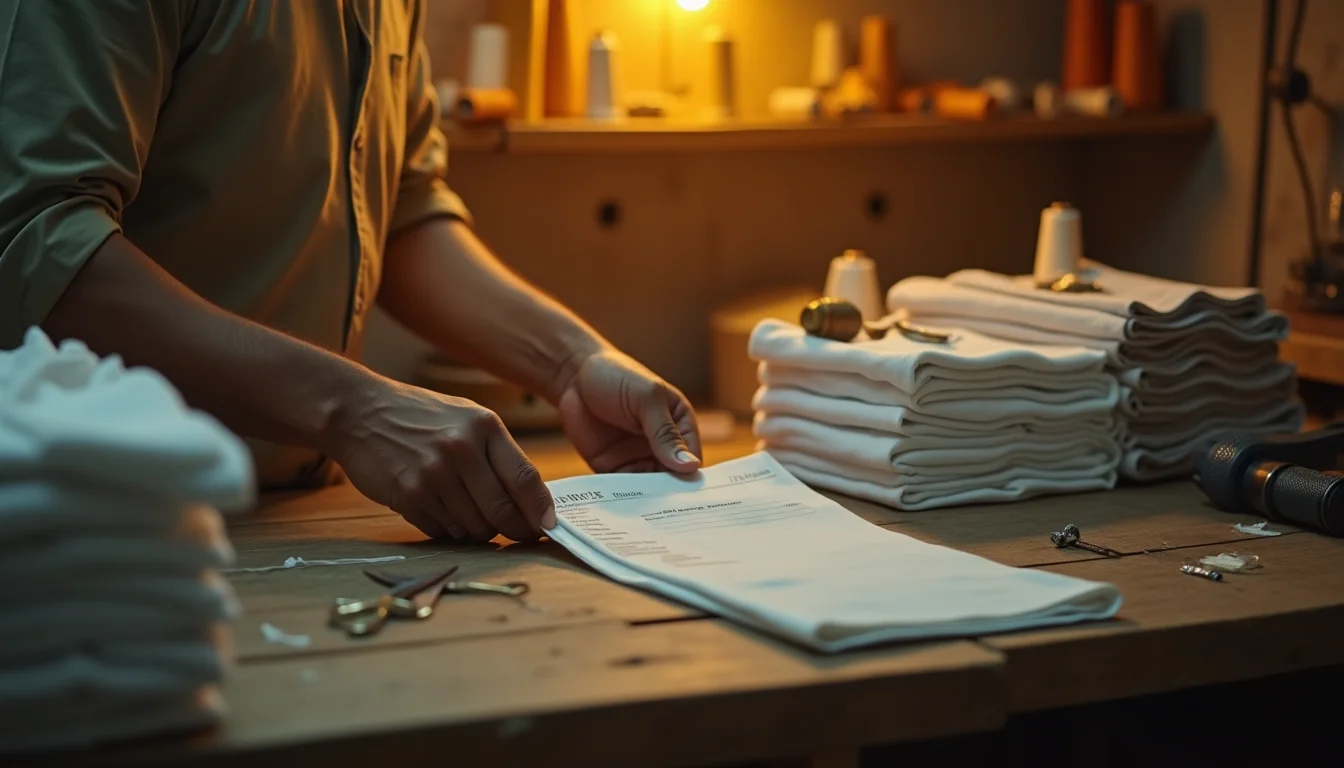
Imagine accepting a 1,000-piece embroidery order, working non-stop for 10 days, and then handing over the delivery — only to receive a ₹40,000 penalty notice from your client. No fraud, no bad fabric, no broken machine. Just one wrong decision made before the job even started: using a single head embroidery machine when the job demanded a double head machine.
This is not a hypothetical. This happened to a real embroidery business owner in India. And the total loss — after counting rejection costs and penalties — crossed ₹50,000 on a single order. If you run an embroidery business, a custom printing unit, or you're thinking of entering this space, this article will save you from making the same ₹40,000 mistake.
The Real Story: How ₹40,000 Was Lost on One Embroidery Order
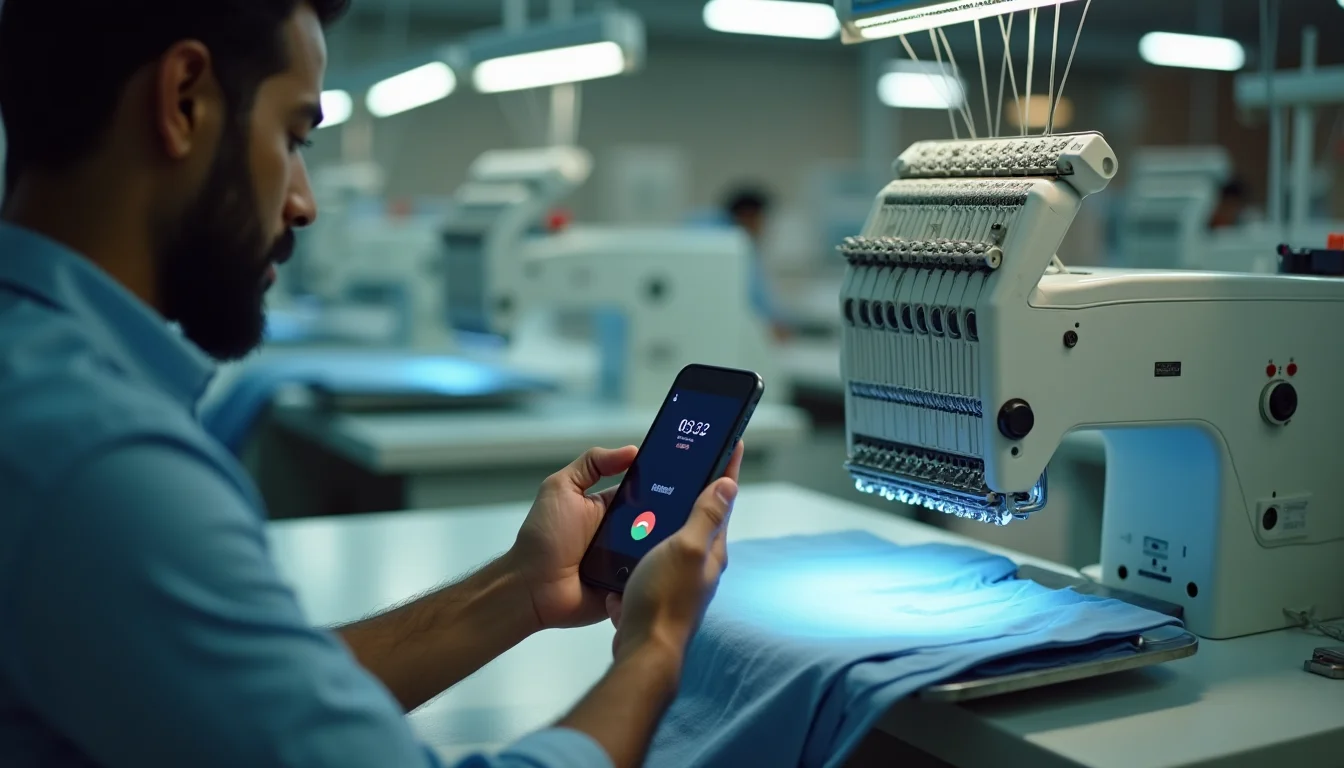
A garment decorator — let's call him Ramesh — received a corporate order for 1,000 embroidered t-shirts. Logos on the left chest, standard 5,000-stitch design. Not complicated work. He had his single head embroidery machine, two operators, and a timeline of 7 days given by the client.
Ramesh did a rough calculation in his head: "Each piece takes about 4–5 minutes. So 1,000 pieces = 4,000–5,000 minutes. That's maybe 70–80 hours. We can do this in a week." He accepted the order, quoted his price, and started the job.
The reality hit hard. 80 hours of continuous embroidery — on a single head machine — meant the machine never stopped, workers were running in shifts, and fatigue set in. By day 6, he was behind schedule. By day 8, 50–60 pieces showed loose thread defects because tired operators were not monitoring thread tension properly. The delivery that was promised in 7 days got completed in 10 days.
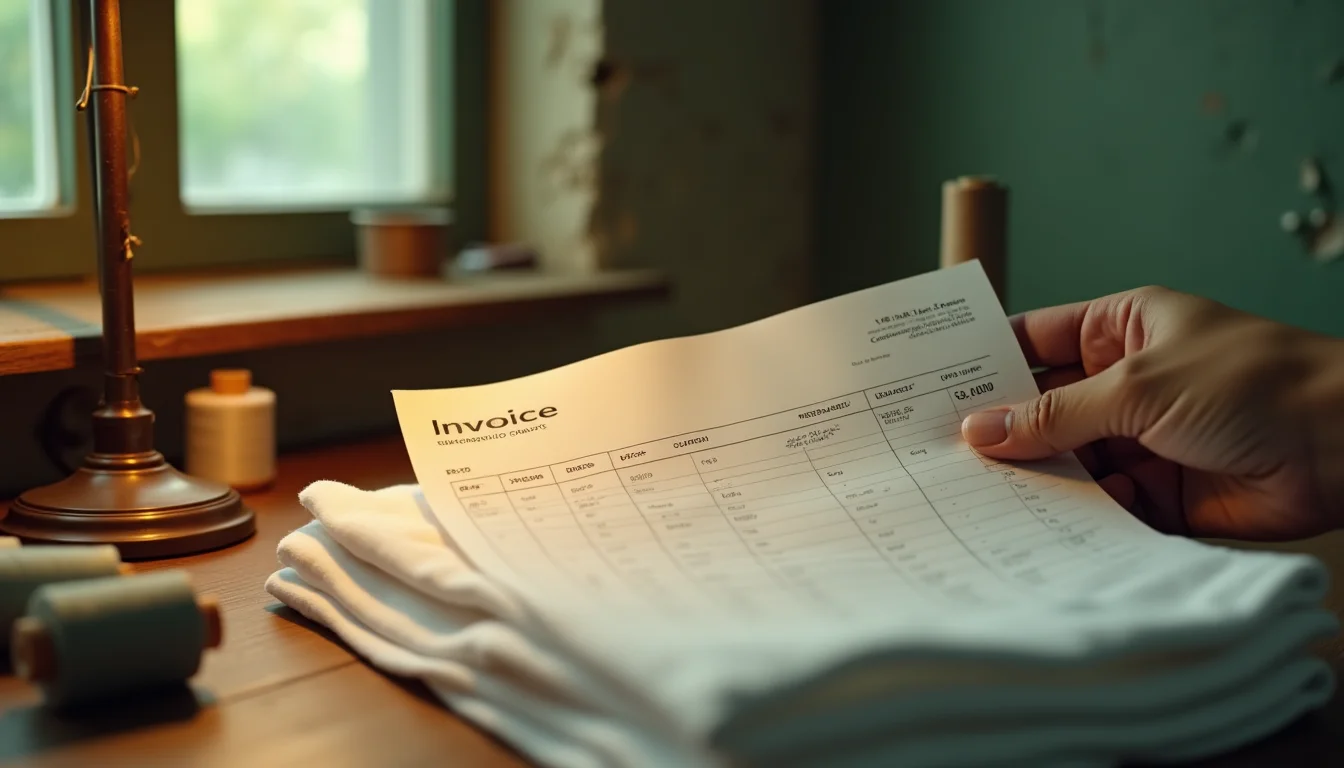
The client — a corporate brand — applied a penalty clause: ₹40 per piece per day of delay, for 1,000 pieces, for 3 days. That's ₹1,20,000 in theory, but they settled at ₹40,000. Plus the re-embroidery cost on 55 defective pieces added another ₹8,000–₹10,000 in material and labour. Total hit: nearly ₹50,000.
A double head embroidery machine would have finished the same job in half the time — roughly 40 hours, comfortably within the 7-day window. The entire penalty could have been avoided.
Single Head vs Double Head Embroidery Machine — What's the Actual Difference?
Before we talk numbers, let's understand what these machines actually do and why the head count matters so much.
What Is a Single Head Embroidery Machine?
A single head embroidery machine has one embroidery head — meaning it can stitch one garment at a time. These machines are ideal for sampling, small batch orders (under 100 pieces), and customisation work where designs change frequently. They are also cheaper to buy, easier to operate, and easier to maintain.
- Price range: ₹2.5 lakh – ₹5 lakh (new, Indian brands)
- Output per hour: 10–15 pieces (for a standard 5,000-stitch logo)
- Best for: orders under 200–300 pieces, sampling, frequent design changes
- Operator requirement: 1–2 operators
What Is a Double Head Embroidery Machine?
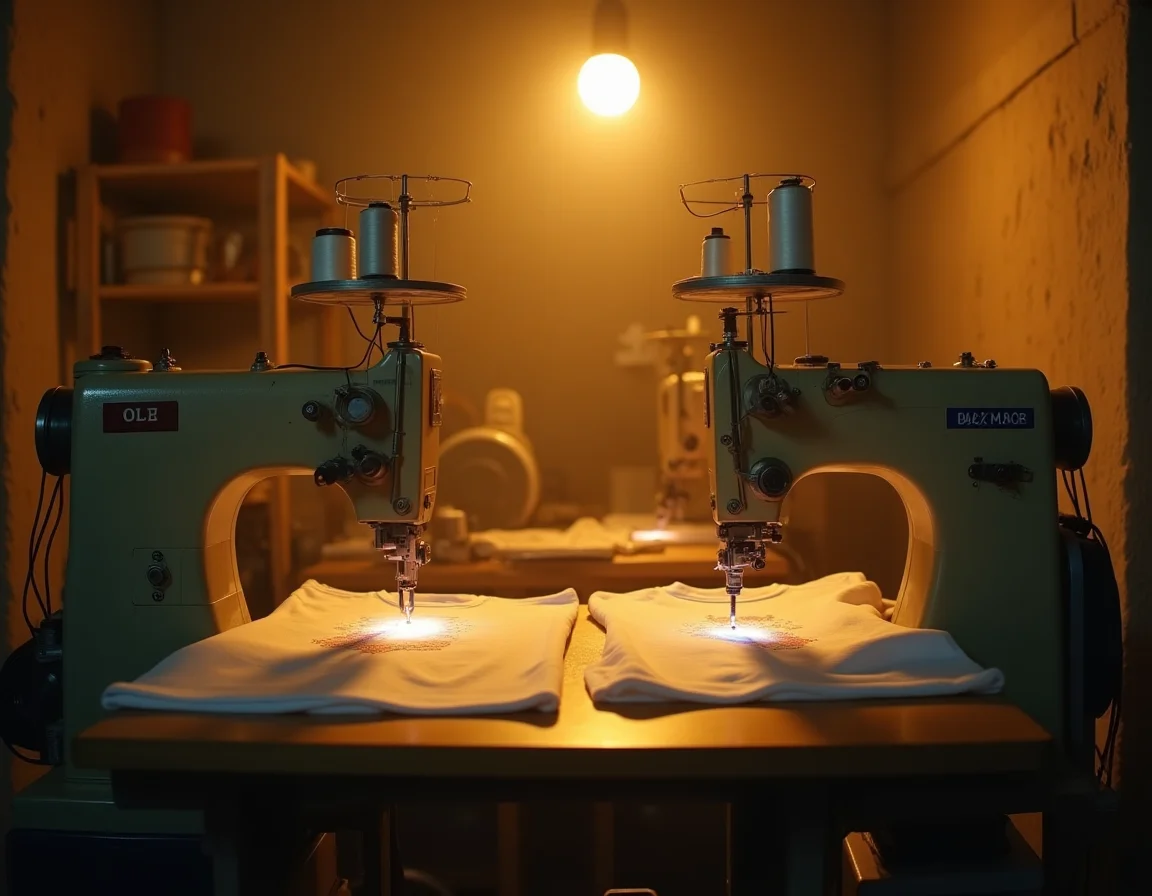
A double head machine has two independent embroidery heads running simultaneously. Both heads stitch the same design at the same time on two separate garments. This effectively doubles your output without doubling your power consumption or labour cost significantly.
- Price range: ₹5 lakh – ₹12 lakh (new, depending on brand and features)
- Output per hour: 20–28 pieces (for same 5,000-stitch logo)
- Best for: bulk orders of 300+ pieces, repeat design runs, corporate branding orders
- Operator requirement: 1–2 operators (same as single head)
The Real Per-Piece Cost Calculation Before Committing to Bulk Orders
The biggest mistake embroidery business owners make is calculating only thread cost and machine time — ignoring labour fatigue, penalty clauses, and rejection rates. Here is how you should calculate your actual per-piece cost before accepting any order above 500 pieces.
If you want a detailed breakdown specifically for 500-piece orders, read our article on embroidery cost for 500 t-shirts with single vs double head machines — the numbers there will surprise you.
Cost Formula for Embroidery Per Piece
| Cost Factor | Single Head (1000 pcs) | Double Head (1000 pcs) |
|---|---|---|
| Machine time (hours) | ~80 hours | ~40 hours |
| Labour cost (2 operators × ₹500/day × 10 days) | ₹10,000 | ₹5,000 (5 days) |
| Thread & backing material | ₹4,000 | ₹4,000 |
| Power (approx. ₹8/hour) | ₹640 | ₹400 |
| Rejection rework (50–60 pieces) | ₹8,000–₹10,000 | ₹1,000–₹2,000 |
| Delay penalty (3 days) | ₹40,000 | ₹0 |
| Total Additional Loss | ₹50,000+ | ₹0 |
This table makes it brutally clear. The single head machine may seem like the "cheap" option — but when penalty clauses are involved and fatigue causes rejections, the hidden costs explode. The double head machine's higher upfront cost (often ₹3–5 lakh more than single head) can be recovered in just 3–4 such bulk orders without a single penalty.
When Should You Use a Single Head vs Double Head Machine?
Use a Single Head Machine When:
- Your average order size is below 200 pieces
- You do a lot of sampling and design testing
- Your clients frequently change designs between pieces (like personalised gifts)
- You are just starting out and want to learn the craft before scaling
- Your workspace is small and budget is under ₹3 lakh
Use a Double Head Machine When:
- You receive regular bulk orders of 300+ pieces
- Your designs are consistent across all pieces (corporate logos, uniform branding)
- You are targeting the corporate gifting or uniform supply market
- You want to bid for tenders and institutional orders that have strict delivery deadlines
- Your current single head machine is running more than 10 hours a day
The Hidden Villain: Thread Quality and Worker Fatigue
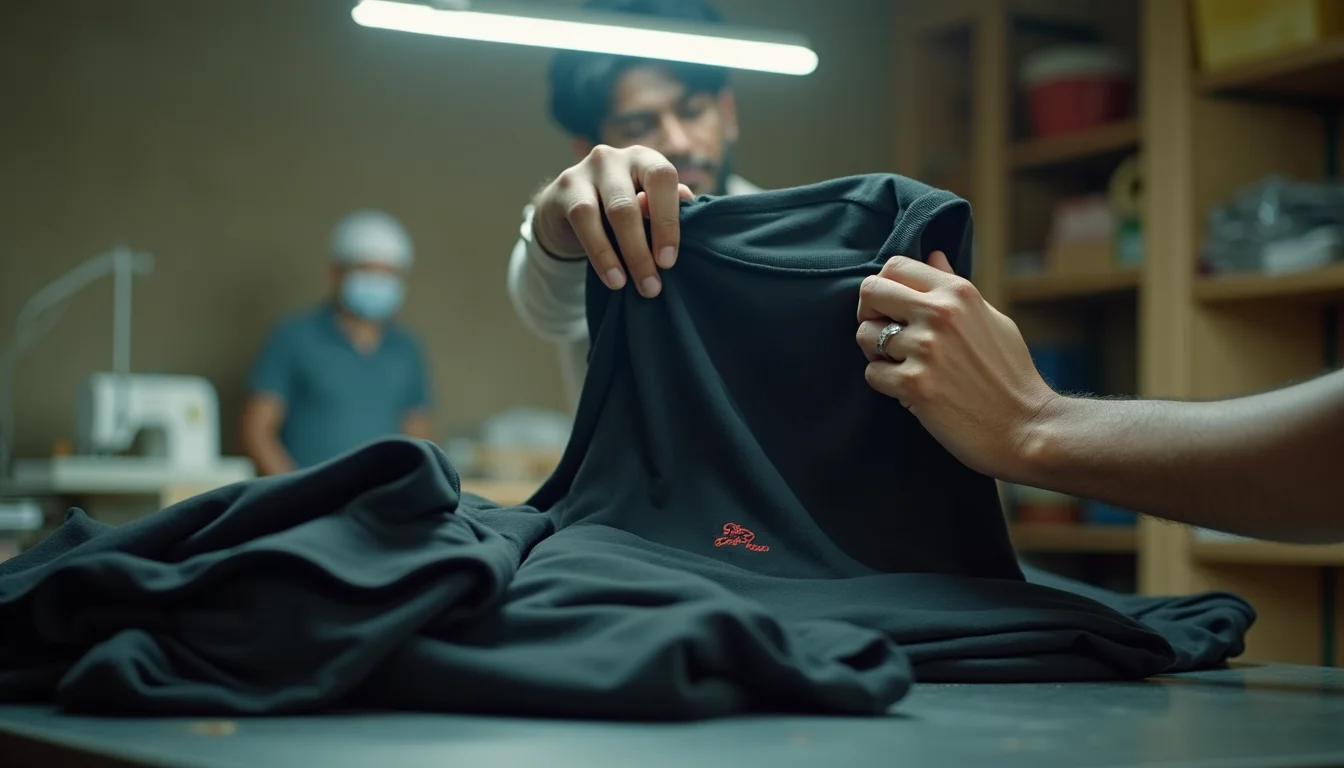
In Ramesh's case, the ₹40,000 penalty got most of the attention. But the silent damage was the 50–60 pieces with loose thread — a quality defect caused by fatigued operators who stopped monitoring thread tension after hours of continuous work.
This connects to another critical issue in embroidery businesses: thread choice. The wrong thread doesn't just affect appearance — it causes premature breakage, uneven tension, and rejection in bulk batches. In fact, the difference between rayon and polyester thread caused 200 pieces to be rejected for one embroiderer — a ₹2-per-piece thread decision that cost thousands in rework.
When you are running a single head machine for 80+ continuous hours, thread tension drift is almost inevitable. Operators fatigue. Machine components heat up. Thread breaks become more frequent. On a double head machine completing the same job in 40 hours, these risks are dramatically reduced — both operator fatigue and machine stress are cut in half.
Why the Blank T-Shirt You Choose Matters As Much As the Machine
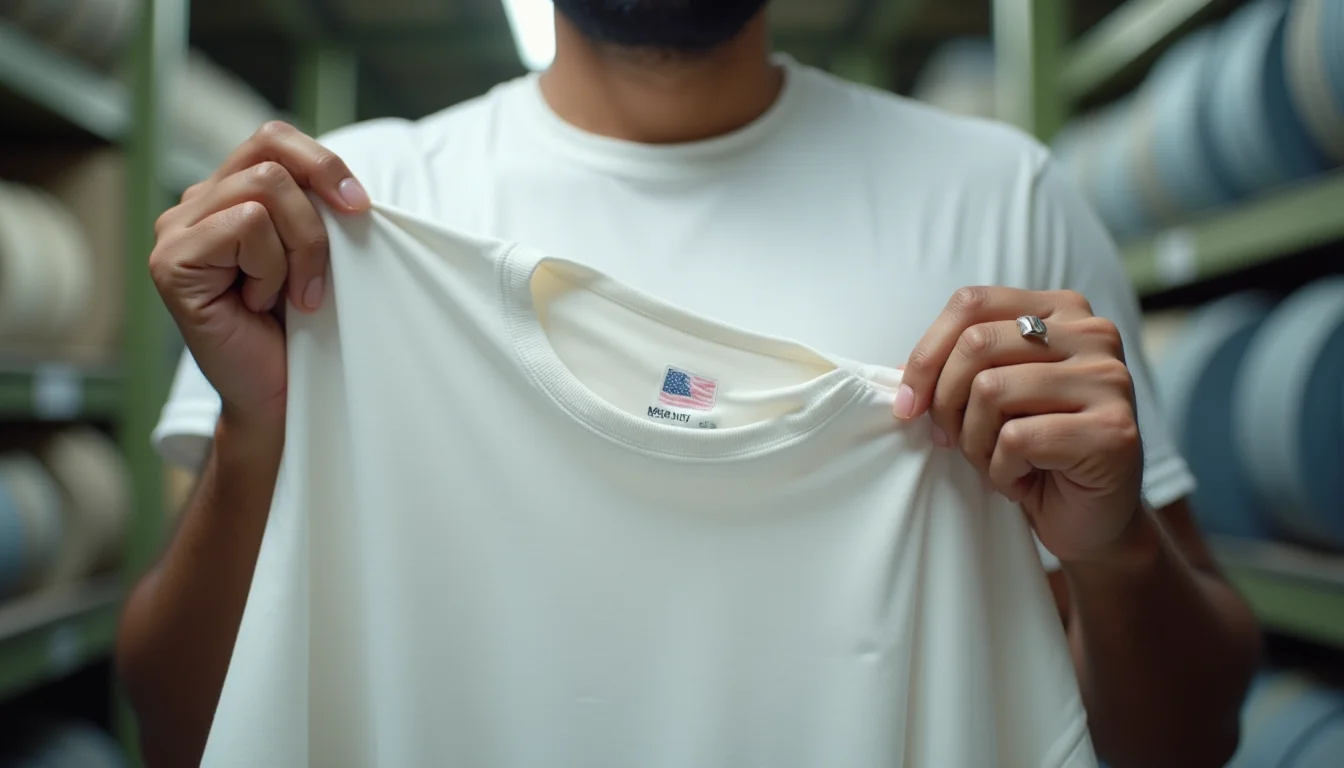
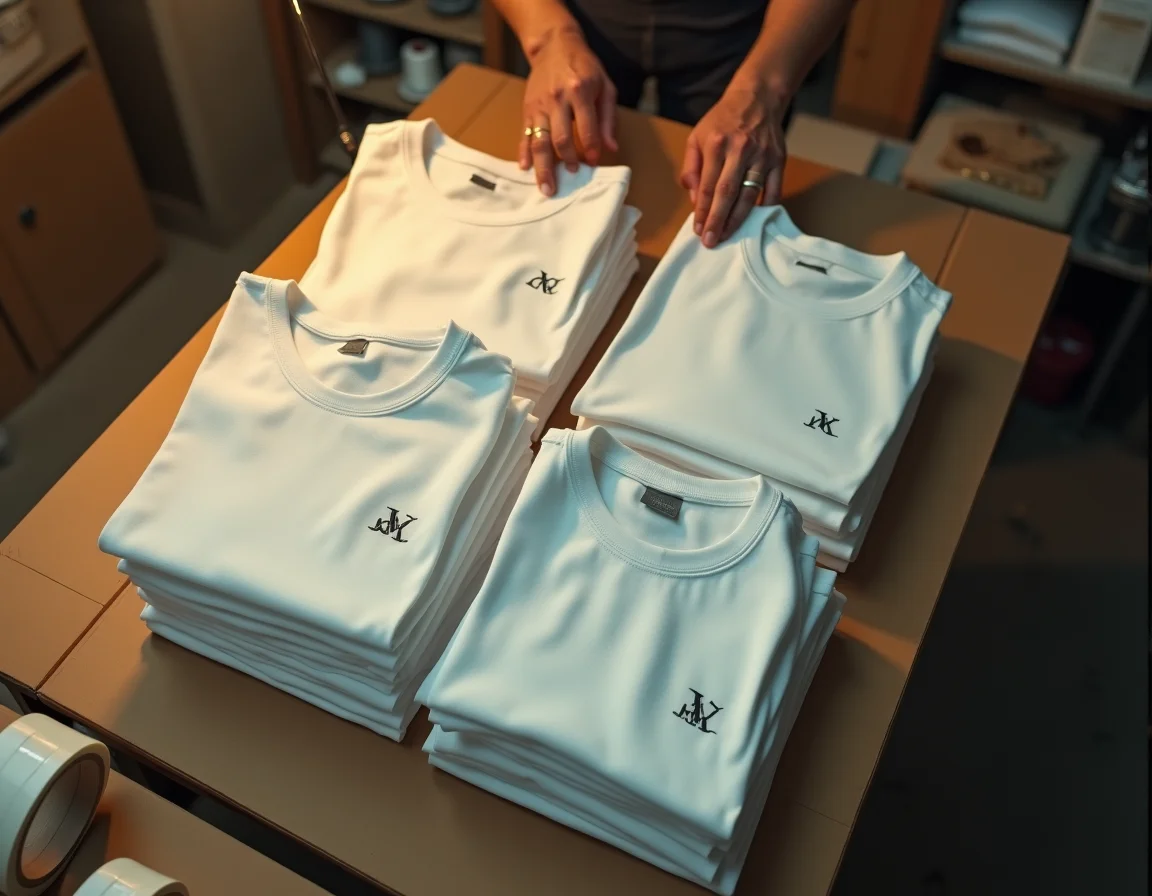
Here is something many embroidery business owners overlook: even the best embroidery machine and the most skilled operator cannot fully compensate for the wrong base fabric. Embroidery places mechanical stress on fabric — needles puncture repeatedly, thread pulls from both sides, and backing material adds weight. If your blank t-shirt is too thin or has poor GSM, the fabric puckers, distorts, or tears around the embroidery zone.
This is why embroidery professionals almost universally prefer 200 GSM or 220 GSM plain t-shirts over 180 GSM options for embroidered garments. The heavier fabric provides the structural integrity needed to hold the embroidery cleanly without distortion. In fact, there is a well-documented case of an embroiderer who chose 180 GSM t-shirts for a bulk embroidery job — and the results were disastrous. That story is covered in detail in our guide on why 180 GSM t-shirts are the wrong choice for embroidery — a lesson that cost one business 300 rejected pieces.
At Sale91.com, we specifically supply 200 GSM and 220 GSM bio-washed, pre-shrunk, ring-spun combed cotton plain t-shirts that are preferred by embroidery decorators across India. The bio-wash process ensures the fabric surface is smooth and stable — reducing puckering risk significantly. Our t-shirts are used by embroidery businesses in Delhi, Mumbai, Bangalore, Tiruppur, Surat, and across PAN India.
GSM Guide for Embroidery Businesses
| GSM | Suitable For Embroidery? | Recommended Use |
|---|---|---|
| 180 GSM | ❌ Not recommended | DTF/DTG printing only — fabric too light for needle stress |
| 200 GSM | ✅ Good | Standard chest logos, small embroidery patches |
| 210 GSM | ✅ Very Good | Mid-size embroidery, corporate uniforms |
| 220 GSM | ✅✅ Best | Heavy embroidery, full-chest designs, premium garments |
How Many Orders Does It Take to Recover a Double Head Machine's Cost?
Let us run a simple, real-world calculation for the Indian market.
Suppose a double head machine costs ₹4 lakh more than your existing single head. You get one 1,000-piece bulk order per month. With a double head, you save approximately:
- Labour: ₹5,000 per order (5 days saved)
- Power: ₹240 per order
- Penalty risk eliminated: ₹0 (vs. potential ₹40,000+ risk)
- Rejection rework savings: ~₹8,000 per order (estimated)
Direct savings per order: ~₹13,000–₹15,000 (not counting penalty avoidance). If just one penalty of ₹40,000 is avoided per year, the machine pays for itself in under 24 months on hard savings alone. Factor in the penalty risk, and the recovery can happen in as few as 3–4 orders where you avoid a delay penalty.
Many embroiderers also look at combining embroidery with DTF printing on a single workflow to maximize machine ROI. If you are exploring that route, there is a comprehensive guide on how to run embroidery and DTF together without buying two separate machines — a smart approach for small to mid-sized decoration studios.
Before You Accept a Bulk Embroidery Order: A Practical Checklist
Here is what every embroidery business owner should verify before signing off on a large order — whether 500 pieces or 5,000 pieces:
- Calculate total machine hours required — Pieces × minutes per piece ÷ 60 = hours needed. Then check against your machine's realistic daily capacity (not theoretical maximum).
- Check penalty clauses carefully — Before agreeing to any delivery date, add a 20–30% time buffer. Clients with penalty clauses mean no margin for machine downtime or rejection rework.
- Verify your blank t-shirt GSM — Source 200 GSM or above from a reliable manufacturer. Check our full product catalog for available options.
- Check thread stock before starting — Running out of a specific thread colour mid-order and substituting with a different batch causes visible shade variation. Always order 20% extra thread.
- Plan operator shifts — Continuous shifts beyond 8 hours increase error rates sharply. If you cannot manage shifts, factor that into your delivery timeline.
- Assess your machine's current load — If your single head machine is already busy with other orders, do not stack a new 1,000-piece commitment on top.
- Calculate your true per-piece cost including all risks — Thread + labour + power + machine depreciation + rejection buffer + penalty risk factor = real cost per piece.
Where to Source Blank T-Shirts for Your Embroidery Business in India
Getting your machine decision right is only half the battle. The quality of your blank t-shirts directly affects the quality of the final embroidered garment — and your reputation with clients.
Sale91.com (BulkPlainTshirt.com) is India's leading B2B plain t-shirt manufacturer, operating from Tiruppur (manufacturing) and Delhi (warehouse, Khanpur — South Delhi). We knit our own fabric in-house — we are not a trader or reseller. This means consistent GSM, consistent colour, and consistent quality across every bulk order.
Key features that make our t-shirts ideal for embroidery businesses:
- 100% Ring-spun Combed Cotton — premium yarn, tighter weave, better needle grip
- Bio-washed (enzyme-treated) — smooth, stable surface that reduces puckering under needle stress
- Pre-shrunk — garment dimensions won't change after your embroidery is stitched
- 200 GSM, 210 GSM, 220 GSM options — all suitable for embroidery work
- 15+ colours available in ready stock
- MOQ as low as 10 pieces for ready stock items
- 1 lakh+ t-shirts in ready stock at all times — reliable supply for bulk orders
- 50% COD available on first order — no risk for new buyers
Browse our complete range at the BulkPlainTshirt.com product catalog and place your order at Sale91.com.
Ready to Source Blank T-Shirts for Your Embroidery Business?
Get 200 GSM and 220 GSM bio-washed, pre-shrunk plain t-shirts — perfect for embroidery. 1 lakh+ pieces in ready stock. MOQ 10 pieces. COD available on first order.
Order Now at Sale91.com →The Bottom Line: Calculate Before You Commit
Ramesh's ₹40,000 lesson is one that thousands of embroidery business owners in India have learned the hard way — or will learn if they don't do the math upfront. The single head vs. double head decision is not about which machine is "better." It is about matching your machine capacity to your order volume and your client's delivery expectations.
A single head machine is a perfectly valid tool — for the right orders. The moment you start accepting bulk corporate orders with penalty clauses, rigid deadlines, and 1,000+ piece quantities, a double head machine transitions from a luxury to a necessity. The math recovers the investment in 3–4 orders. The alternative — one bad order — can cost you more than the machine upgrade itself.
Calculate your machine hours. Know your real per-piece cost. Source the right GSM fabric. And never accept a delivery deadline you cannot comfortably meet with a 30% buffer. That is how profitable embroidery businesses are built in India — one smart decision at a time.
Watch the Video
Watch the full story of how this ₹40,000 loss happened — and what you can do differently on your next bulk embroidery order.
Frequently Asked Questions
More Articles