500 T-Shirts Embroidery Cost ₹25000 — Single vs Double Head Machine Price Breakdown India
If you've ever gotten an embroidery bill that made you question everything about your business math, you're not alone. A customer recently came to us shocked after receiving a ₹25,000 invoice for embroidering just 500 plain t-shirts. At ₹50 per piece, it felt excessive — but was it really?
The reality is that most printing and embroidery business owners never calculate machine time per piece. They negotiate on gut feeling, compare prices loosely, and end up either overpaying or choosing vendors who cut corners. This article breaks down the real mathematics behind single head and double head embroidery machines, so you can negotiate smartly and plan your costs accurately.
The ₹25,000 Shock: What Actually Happened
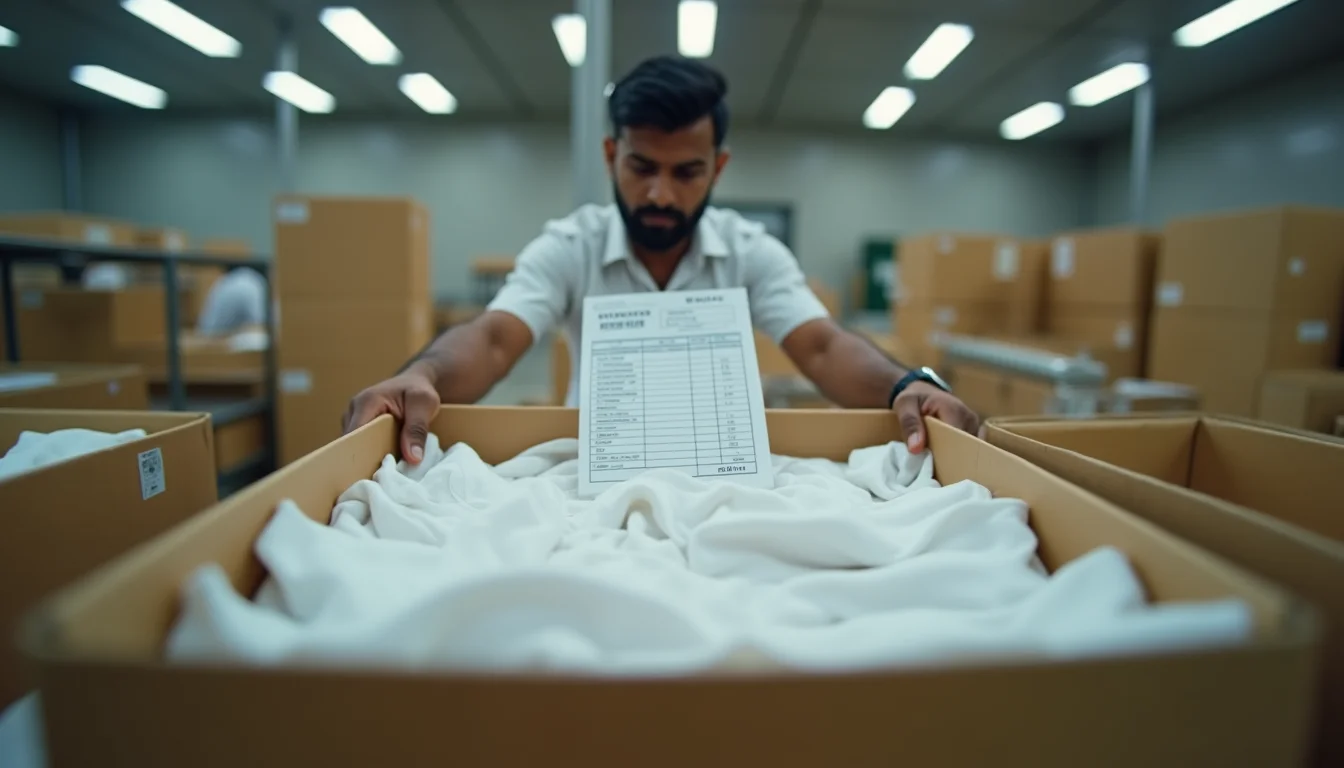
Our customer ordered 500 pieces of plain bio-washed t-shirts from Sale91.com for a corporate bulk order. The design was a standard company logo — about 4 inches wide, moderate stitch count, nothing fancy. He sent the t-shirts to a local embroidery vendor and got quoted ₹50 per piece.
500 pieces × ₹50 = ₹25,000. The bill seemed high, but he had no reference point. After delivery, he asked us if the price was justified. That's when we walked him through the machine time calculation — and everything became crystal clear.
Understanding Single Head Embroidery Machines
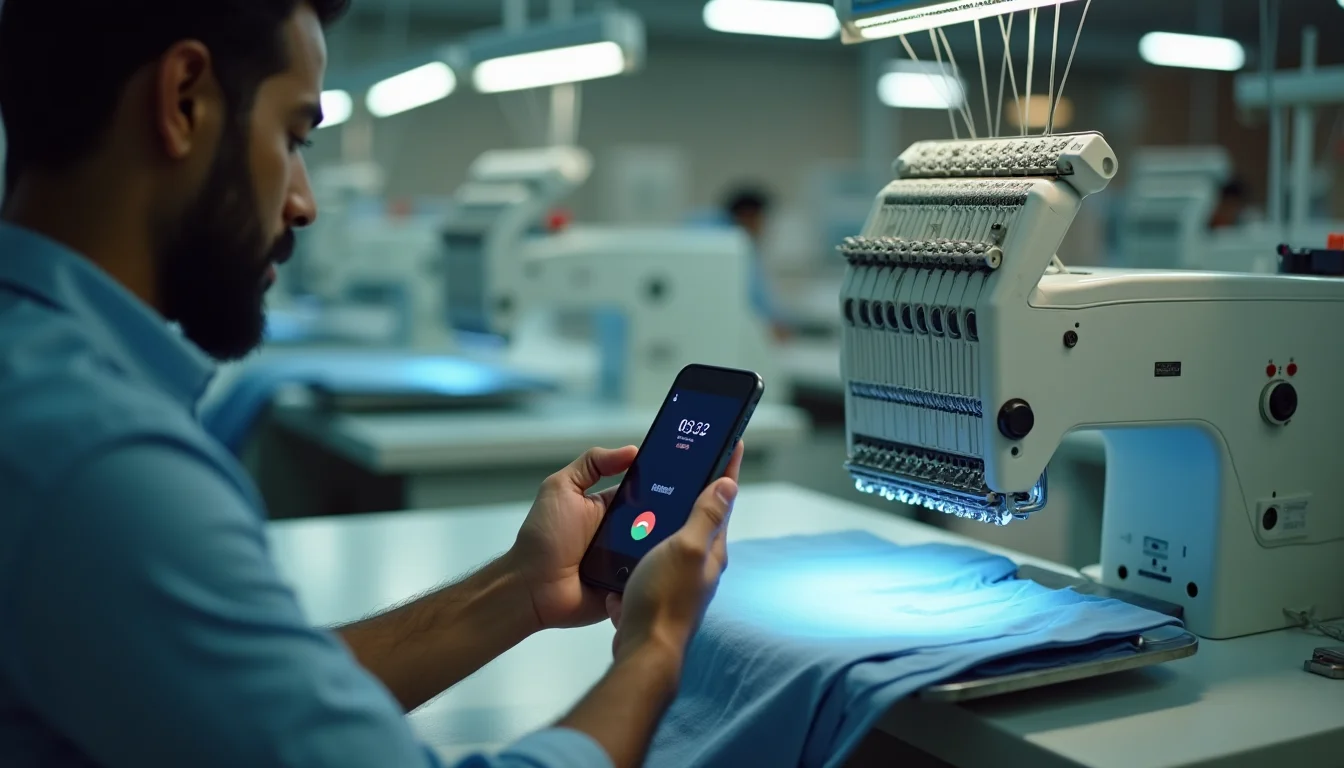
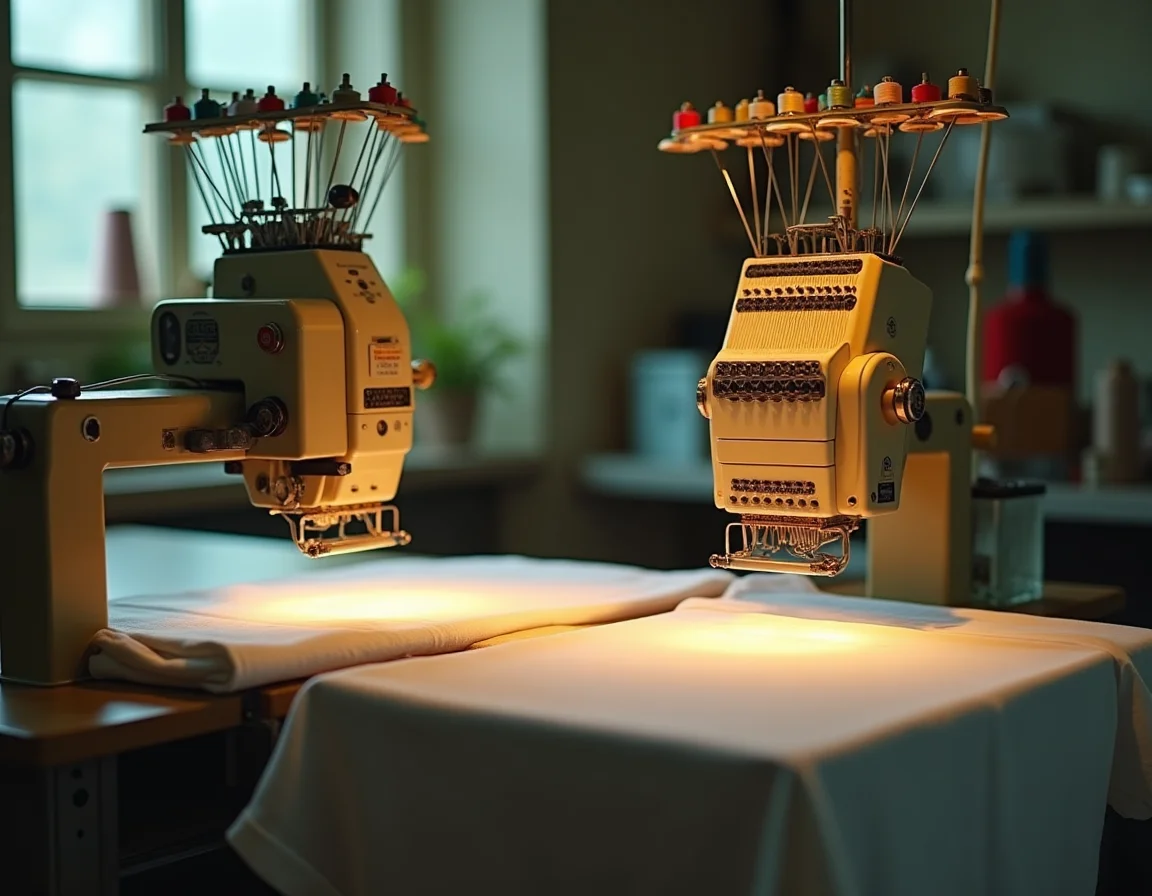
A single head embroidery machine has one needle assembly. It can embroider one garment at a time. For small businesses, home-based embroiderers, or startups, single head machines are the norm. They're affordable (₹2-5 lakhs depending on brand and features), easier to maintain, and perfect for orders under 100-200 pieces.
Time Per Piece on Single Head Machines
For an average logo (10,000-15,000 stitches), a single head machine takes approximately 7-8 minutes per t-shirt. This includes:
- Hooping the t-shirt (30-45 seconds)
- Actual embroidery time (5-6 minutes)
- Removing from hoop and thread trimming (1-1.5 minutes)
Let's do the math for 500 t-shirts:
- 500 pieces × 8 minutes = 4,000 minutes
- 4,000 minutes ÷ 60 = 66.6 hours
- 66.6 hours ÷ 8 hours per day = 8.3 working days
That's more than a full week of continuous work. Factor in electricity (running an embroidery machine for 66+ hours), labor wages, machine depreciation, thread cost, and backing material — and suddenly ₹50 per piece doesn't sound unreasonable.
How Double Head Machines Change the Game
A double head embroidery machine has two needle assemblies. It can embroider two garments simultaneously. The operator hoops two t-shirts, loads the design, and both heads work in parallel. This doesn't just double productivity — it fundamentally changes the economics.
Time Savings with Double Head Machines
Same 500-piece order, same logo design. On a double head machine:
- 500 pieces ÷ 2 heads = 250 cycles
- 250 cycles × 8 minutes = 2,000 minutes
- 2,000 minutes ÷ 60 = 33.3 hours
- 33.3 hours ÷ 8 hours per day = 4.16 working days
Half the time. Half the electricity consumption. Half the labor hours. This is why vendors with double head machines can quote ₹35-38 per piece instead of ₹50 and still maintain healthy margins.
When to Use Single Head vs Double Head: The Break-Even Point
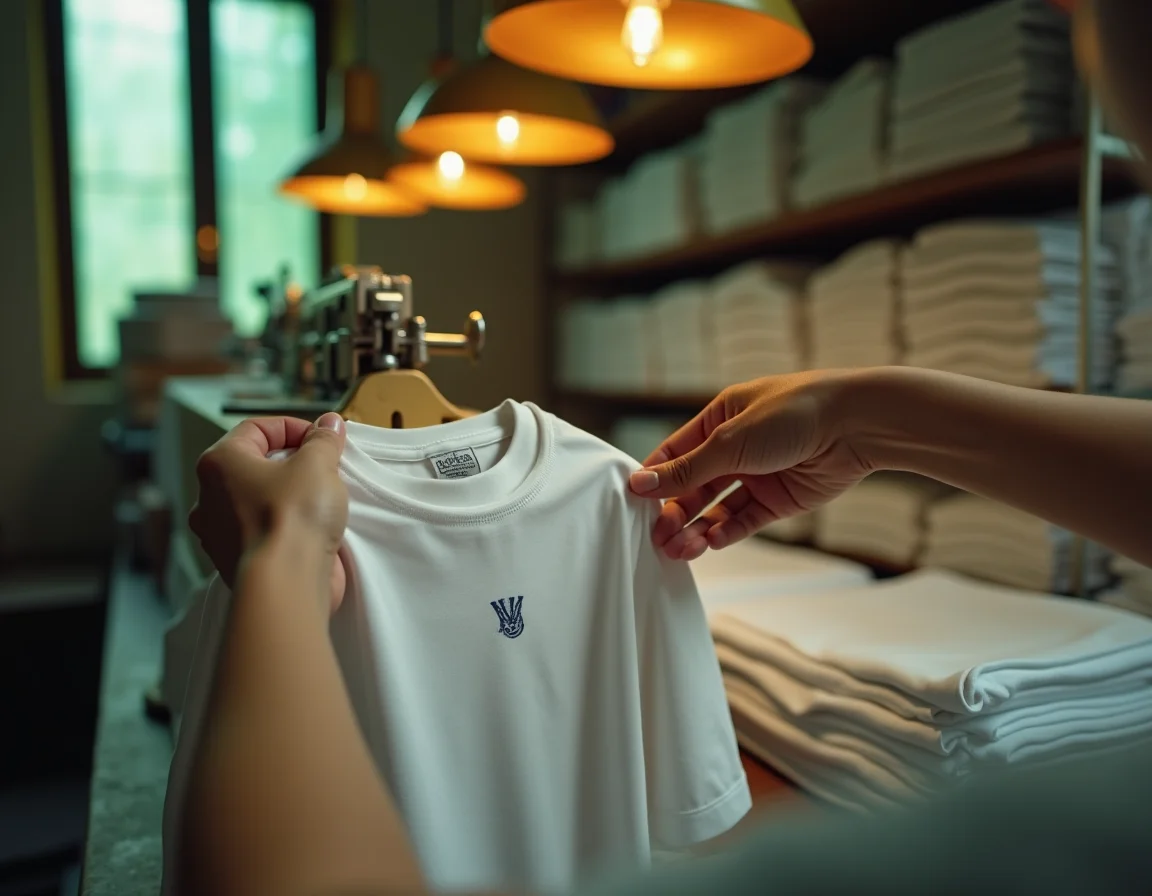
Not every order needs a double head machine. Here's the practical breakdown:
Single Head Makes Sense For:
- Orders under 100 pieces: The per-piece rate difference is negligible, and single head vendors are more flexible with urgent small orders.
- Sample runs: If you're testing a design before bulk ordering, single head is faster to set up.
- Multi-design orders: If each t-shirt has a different design or personalization (like names), single head offers more control.
- Tight positioning requirements: Pocket logos, sleeve embroidery, or unconventional placements are easier on single head machines.
Double Head is Essential For:
- Orders above 300 pieces: The time and cost savings become substantial.
- Standard placement logos: Left chest or center chest embroidery where all pieces are identical.
- Corporate bulk orders: When delivery time matters and you need consistency across hundreds of garments.
- Repeat orders: Once the design file is saved, double head machines run efficiently on reorders.
Pro Tip: Always ask your vendor how many heads their machine has before finalizing the quote. If they're quoting ₹45-50 per piece for 500+ garments and using a single head, you're essentially paying a premium for slower production. If you're considering multiple printing methods, you might find it useful to learn how some businesses run embroidery and DTF together to optimize their workflow.
The Real Cost Breakdown: What Goes Into Embroidery Pricing
Let's break down what makes up that ₹35-50 per piece rate:
1. Machine Operating Cost
- Electricity: Embroidery machines consume 400-600W per hour. At 66 hours for single head, that's roughly 40 units of electricity (₹320-400 at average commercial rates).
- Depreciation: A ₹3 lakh machine with a 5-year lifespan depreciates ₹5,000 per month. For 8 days of work, that's ₹1,300-1,500 allocated cost.
- Maintenance: Regular servicing, needle replacements, and part repairs add up to ₹2,000-3,000 monthly for active machines.
2. Material Cost
- Embroidery thread: Quality polyester thread costs ₹800-1,200 per 5000m spool. An average logo uses 15-20m per piece, so roughly ₹3-5 per t-shirt.
- Backing stabilizer: Cut-away or tear-away backing costs ₹30-50 per meter. Each t-shirt needs a 15cm × 15cm piece, so about ₹2-3 per piece.
- Needles and consumables: Needles break, tension springs wear out. Budget ₹1-2 per piece for miscellaneous.
3. Labor Cost
- An embroidery machine operator earns ₹15,000-25,000 per month in India. That's roughly ₹600-1,000 per day. For 8 days of work, labor cost is ₹4,800-8,000.
- Per piece: ₹4,800 ÷ 500 = ₹9.6 to ₹16 per t-shirt in labor.
4. Profit Margin
Every business needs margin. After covering all costs, vendors typically aim for 20-30% gross profit. On a ₹50 quote, that's ₹10-15 profit per piece.
Add it all up, and ₹35-50 per piece is actually a fair market rate depending on the machine type, order size, and design complexity. The key is knowing which rate applies to your specific order volume.
How to Negotiate Smartly with Embroidery Vendors
Armed with this knowledge, here's how to approach vendor negotiations:
1. Ask About Machine Capacity Upfront
Don't just ask for a quote. Ask: "How many heads does your embroidery machine have?" If they have a 4-head or 6-head machine and you're ordering 1,000 pieces, you should be paying closer to ₹30-35 per piece, not ₹45-50.
2. Get Stitch Count Estimates
Request a digitized file preview with stitch count. A 5,000-stitch logo should cost less than a 20,000-stitch design. Don't accept blanket per-piece rates without understanding your design's complexity.
3. Compare at Least Three Vendors
Get quotes from vendors with different machine types. One single head vendor, one double head, and one multi-head commercial setup. This gives you a realistic range and leverage for negotiation. Just like buyers sometimes make mistakes with fabric choices—like those who learned the hard way about summer fabric GSM errors—it pays to compare options carefully before committing.
4. Bundle Orders for Volume Discounts
If you're ordering 200 pieces now and expect another 300 next month, mention it. Vendors give better rates for committed volume because it helps them plan production schedules.
5. Understand Rush Charges
Need it in 2 days instead of 7? Expect to pay 20-30% extra. Rush orders disrupt the vendor's queue and may require overtime labor. Plan ahead when possible to avoid these premiums.
Choosing the Right Blank T-Shirts for Embroidery
Embroidery quality isn't just about the machine and operator—it starts with the base garment. At Sale91.com, we manufacture plain t-shirts specifically designed for custom printing and embroidery applications.
Best GSM for Embroidery
For embroidery work, we recommend:
- 200 GSM: Ideal for left chest logos and standard embroidery. The fabric has enough body to support thread weight without puckering.
- 220 GSM: Premium weight for large back designs or all-over embroidery. Heavier fabric distributes tension better.
- Avoid 180 GSM for embroidery: Too lightweight. Tends to pucker around dense stitch areas and looks cheap after embroidery.
Why Bio-Washed and Pre-Shrunk Matter
Our t-shirts are bio-washed (enzyme-treated for smoothness) and pre-shrunk. This means:
- Embroidery hoops grip the fabric evenly without slipping
- No unexpected shrinkage after the first customer wash, which can distort embroidery
- Smoother surface for cleaner stitch finish
Ring-Spun Combed Cotton for Premium Feel
We use ring-spun combed cotton, not carded or open-end yarn. This gives a softer hand feel, tighter knit structure, and better thread hold. When a customer touches an embroidered t-shirt, they notice fabric quality as much as the embroidery itself.
You can view our full range in the product catalog, with 15+ colors available in ready stock. Whether you need 50 pieces for a trial or 5,000 for a corporate order, we maintain 1 lakh+ t-shirts in inventory at our Delhi warehouse.
Common Embroidery Mistakes to Avoid
Beyond machine selection and pricing, here are frequent mistakes we see printing businesses make:
1. Choosing the Wrong Fabric Color for Design Visibility
Dark thread on dark fabric reduces contrast. If your logo has fine details, test it on the actual t-shirt color before committing to 500 pieces. Navy blue embroidery on black t-shirts often looks muddy.
2. Skipping Sample Runs
Always embroider 2-3 sample pieces first. Check thread tension, stitch density, and placement. It's much cheaper to fix digitizing issues on 3 samples than to discover problems after 500 are done.
3. Ignoring Backing Stabilizer Quality
Cheap backing tears unevenly or leaves residue. Quality cut-away or water-soluble backing costs ₹1-2 more per piece but prevents puckering and ensures embroidery stays crisp after washing.
4. Overcomplicating Designs
More detail doesn't always mean better. Super-fine text (under 4mm height) embroiders poorly. Gradients and photorealistic images don't translate well to thread. Stick to clean, bold designs for best results.
5. Not Accounting for Production Time in Delivery Promises
If embroidery takes 8 days, you need to add hooping prep, quality checks, and shipping. Don't promise your customer a 7-day delivery if production alone takes 8 days. Build buffer time into your quotes. This is similar to how some businesses underestimate the complexity of DTF printer investment decisions and end up regretting their choices.
Multi-Head Machines: When Your Business Outgrows Double Head
If you're consistently running 2,000-5,000 piece orders, it's time to look at 4-head, 6-head, or even 12-head commercial machines. These are what large embroidery factories use. Initial investment is ₹15-40 lakhs, but per-piece cost drops to ₹20-25 for standard logos.
At that scale, you're not just a service provider—you become a manufacturing unit. You can take direct corporate orders, supply to e-commerce brands, and even export embroidered garments. But this requires dedicated space, multiple operators, and consistent order flow to justify the investment.
Watch the Video: Real Experience Breakdown
We covered this entire topic in a quick YouTube Short where we walk through the exact cost calculation and negotiation strategy. Watch it below to see the real-world context:
Frequently Asked Questions (FAQ)
Order Premium Blank T-Shirts for Your Embroidery Business
Don't compromise on base garment quality. Our bio-washed, pre-shrunk, ring-spun combed cotton t-shirts are designed specifically for embroidery and custom printing applications.
✓ 1,25,232+ pieces sold last month
✓ 1 lakh+ ready stock in 15+ colors
✓ 200-220 GSM ideal for embroidery
✓ MOQ as low as 10 pieces
✓ Manufactured in Tiruppur, stocked in Delhi