₹5 Bachaya Per Piece — Client Ne 1000 T-Shirts Return Kar Di 😰 Summer Fabric Galti!
In the competitive world of bulk t-shirt wholesale and custom printing business, every rupee counts. But sometimes, trying to save a small amount per piece can lead to catastrophic losses. This is the story of a client who learned this lesson the hard way — a lesson that cost him approximately ₹50,000 plus printing costs, all because he tried to save just ₹5 per t-shirt.
The mistake? Choosing 180 GSM fabric over 220 GSM for summer t-shirts that would undergo DTF printing. What seemed like a smart cost-cutting decision turned into one of the most expensive errors in his printing business journey.
The Story: How ₹5 Savings Led to ₹50,000 Loss
Let me walk you through exactly what happened. This client, running a custom printing business in North India, received a bulk order for 1000 printed t-shirts during peak summer season. Looking at his costs, he noticed that 180 GSM t-shirts were about ₹5 cheaper per piece compared to 220 GSM variants.
Quick math in his head: 1000 pieces × ₹5 = ₹5,000 saved. That seemed like easy money kept in his pocket. So he placed an order for 1000 pieces of 180 GSM plain t-shirts and proceeded with his DTF printing work.
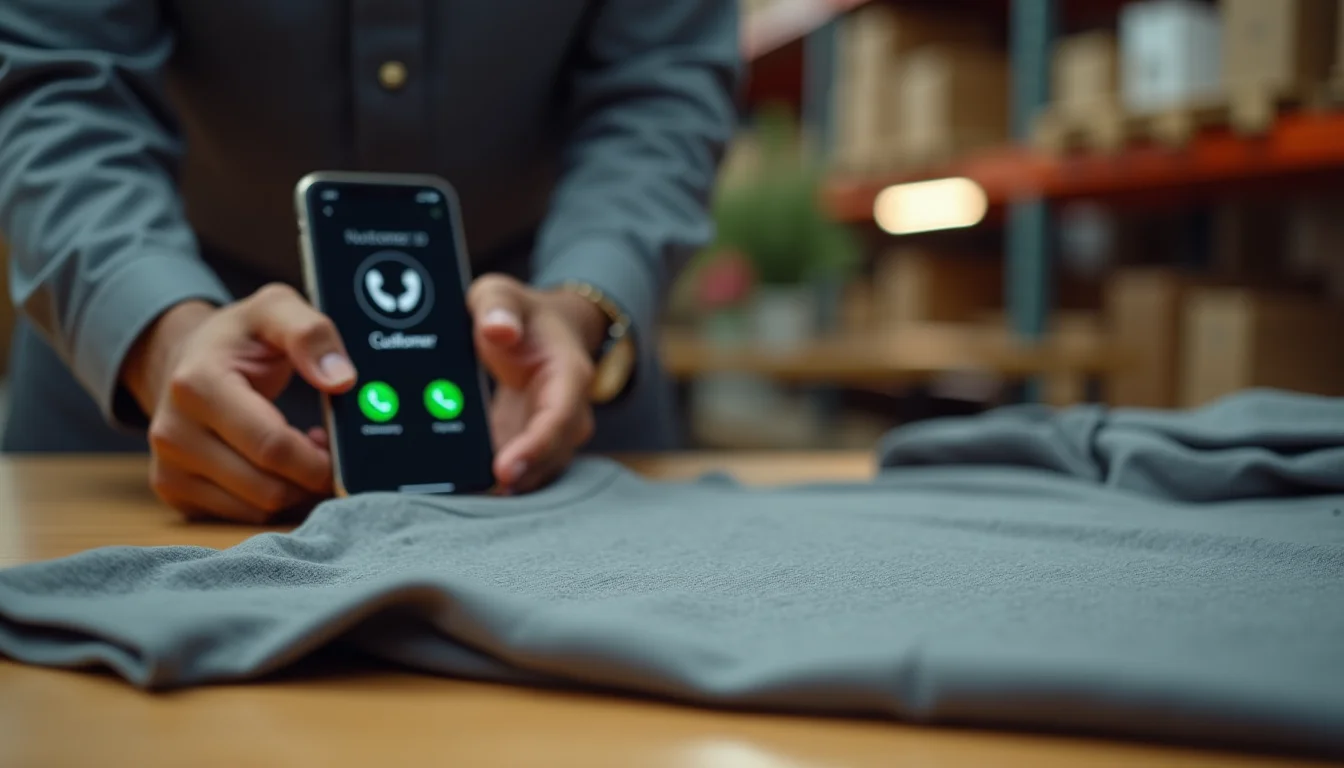
Everything seemed fine initially. The prints looked good, the colors were vibrant, and he shipped out the order confidently. But within just two weeks, his phone started ringing with complaints.
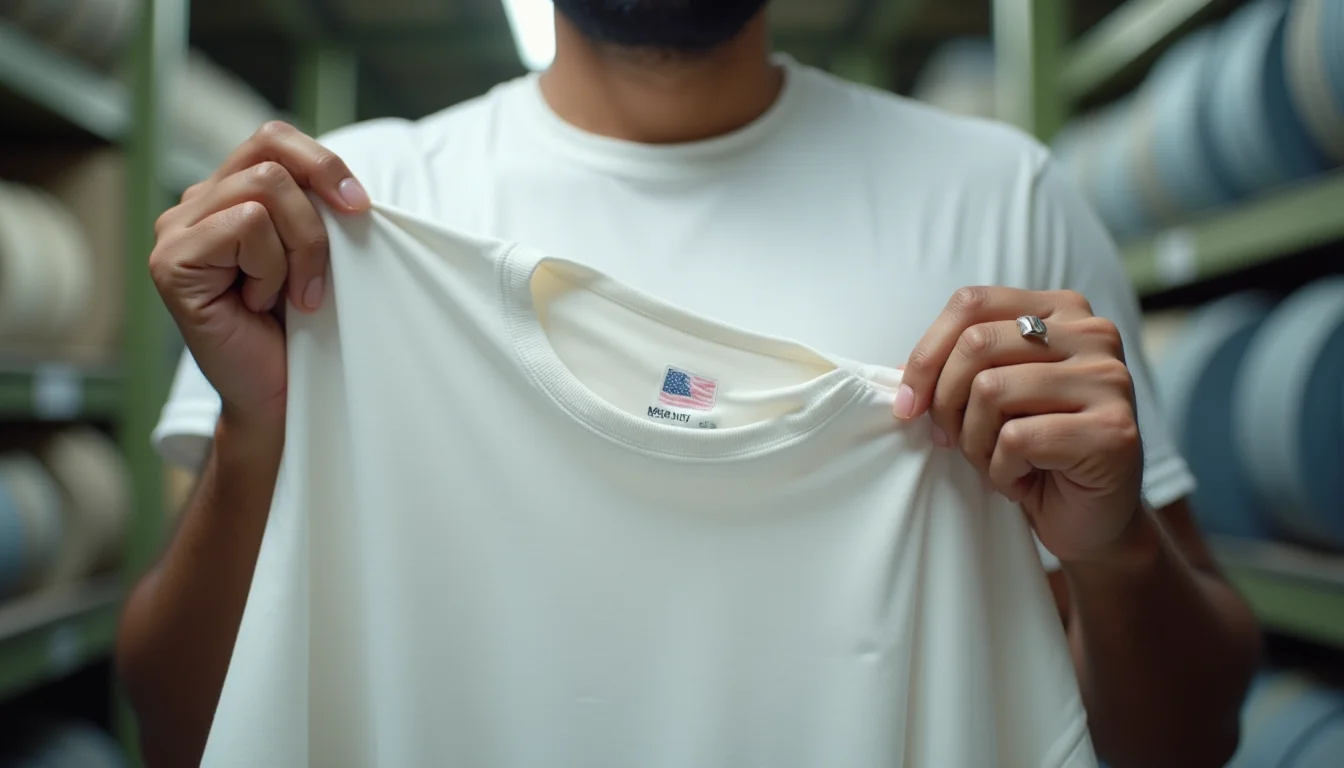
The result? His client had to accept returns on almost the entire batch. The loss included not just the cost of blank t-shirts from Sale91.com, but also the DTF printing costs, labor, packaging, and shipping. Total damage: approximately ₹50,000, all to save ₹5,000.
Understanding the Technical Problem: Why Thin Fabric Failed
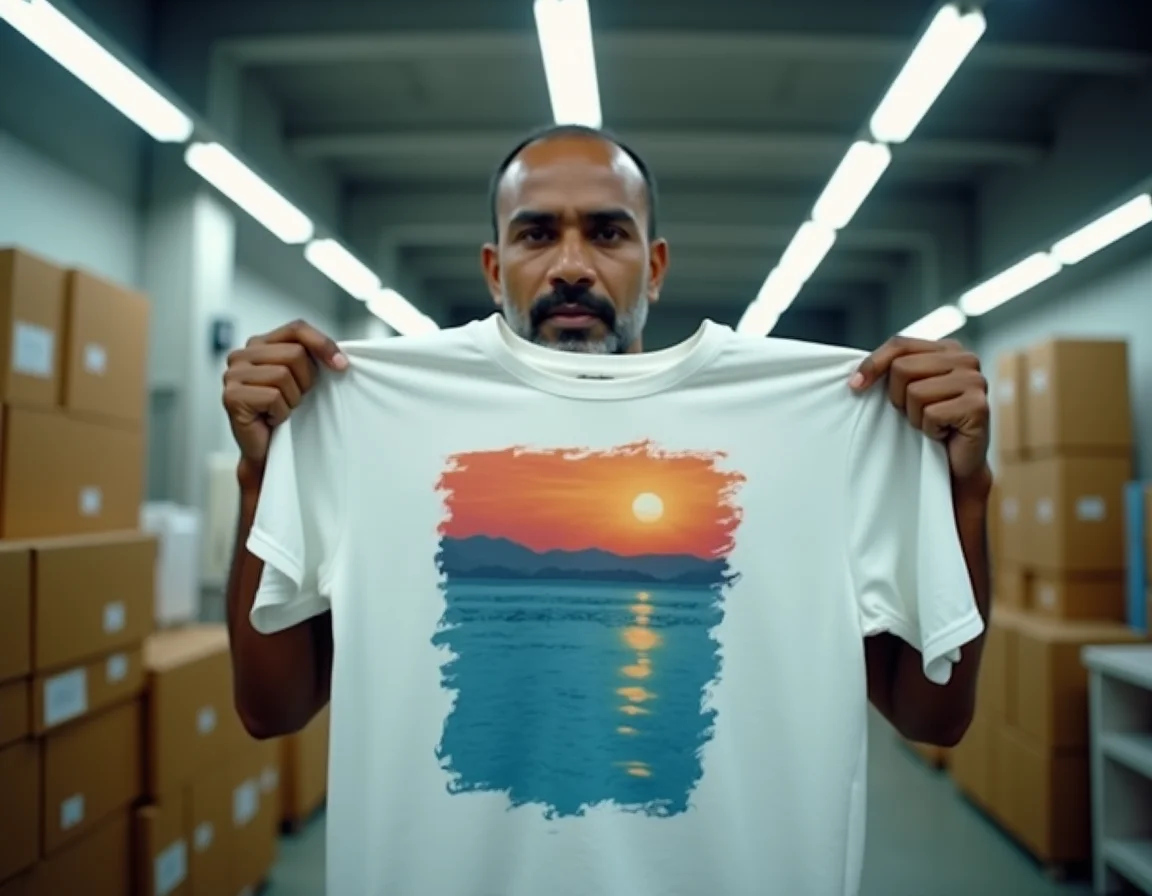
What is GSM and Why Does It Matter?
GSM stands for "Grams per Square Meter" — it's the measurement of fabric weight and thickness. In the t-shirt manufacturing industry, particularly in Tiruppur where we manufacture our products, GSM is the most critical specification after cotton quality.
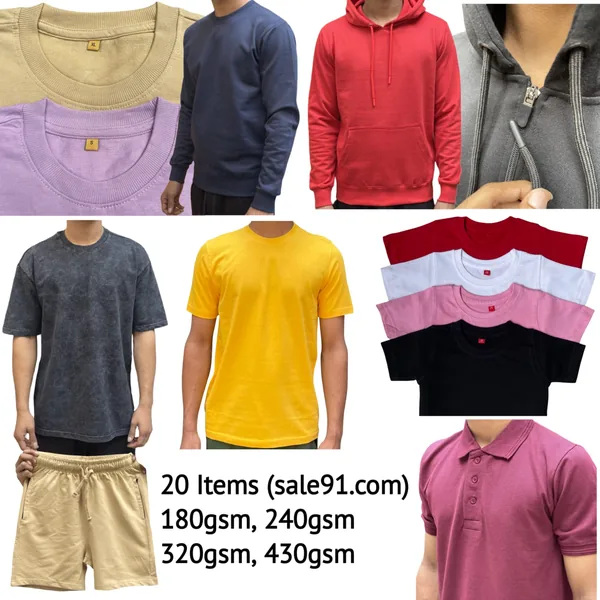
Here's how different GSM variants perform:
- 180 GSM: Lightweight, suitable for everyday casual wear without printing, maximum breathability in plain form
- 200 GSM: Medium weight, balanced for both printed and plain wear, good durability
- 220 GSM: Heavy premium, excellent for prints, maintains breathability even with print layers
- 240+ GSM: Extra heavy, used for hoodies, sweatshirts, and winter wear
The Science Behind the Summer Disaster
The problem wasn't the 180 GSM fabric itself — in fact, 180 GSM plain t-shirts are extremely popular for summer because they're light and breathable. The problem was adding a print layer on top of already thin fabric.
When you apply DTF (Direct to Film) or DTG (Direct to Garment) printing, you're essentially adding multiple layers on top of the fabric:
- The adhesive layer that bonds the print to fabric
- The ink layer containing the design and colors
- Sometimes a protective coating for durability
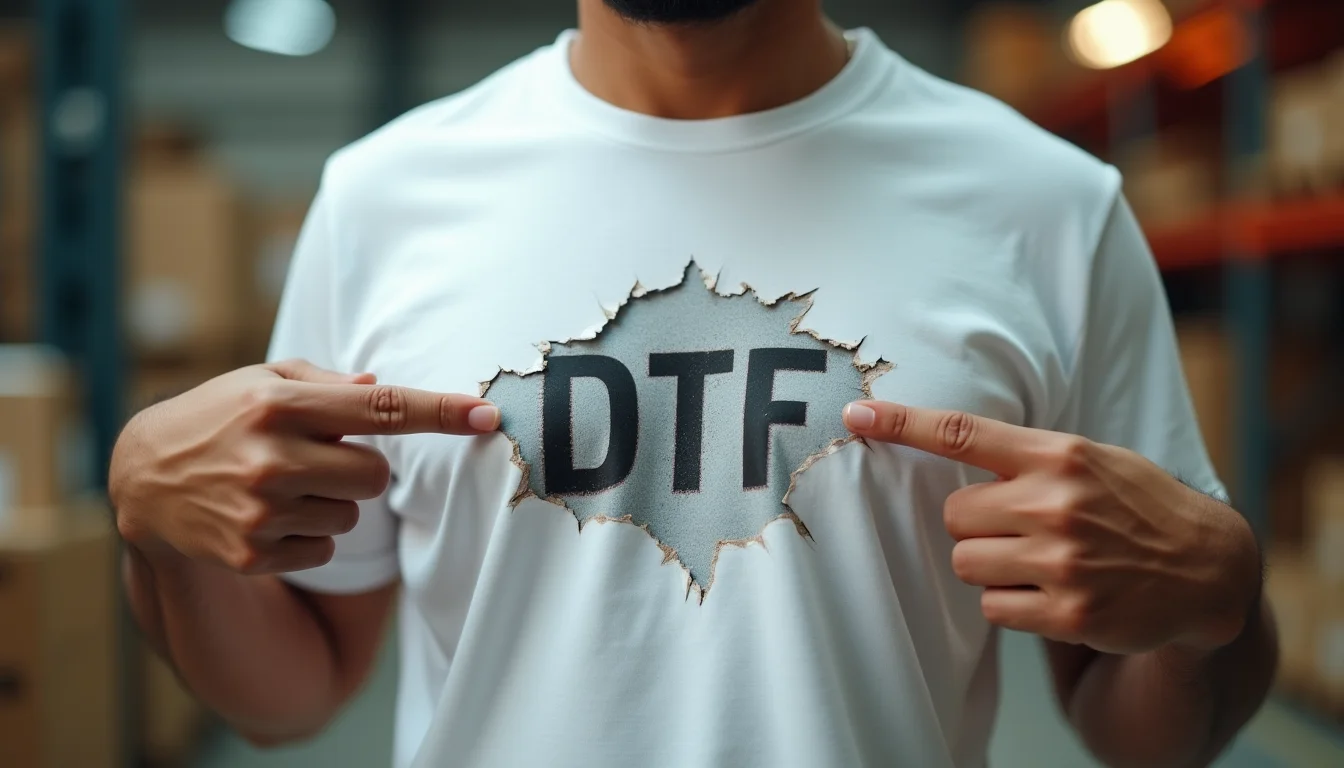
On a 180 GSM t-shirt, which is already thin, these print layers block almost all the air passages through the fabric. The result is a t-shirt that feels plastic-like and suffocating, especially in summer heat. As mentioned in discussions about DTF print quality issues, the combination of thin fabric and heavy print creates discomfort that customers simply won't tolerate.
In contrast, 200 GSM or 220 GSM fabric has enough body and thickness that even after adding print layers, there's still sufficient fabric structure to allow some air circulation. The cotton fibers in thicker fabric maintain their spacing and don't get completely compressed by the print layer.
The Right GSM Selection for Different Printing Methods
At BulkPlainTshirt.com, we regularly advise our B2B clients on the right fabric selection for their specific printing needs. Here's the industry-standard recommendation:
For DTF and DTG Printing (Summer Orders)
Always use minimum 200 GSM, preferably 220 GSM. The extra thickness ensures that:
- Print layers don't completely block breathability
- The fabric doesn't feel stiff or cardboard-like
- Colors appear more vibrant due to better base structure
- The t-shirt maintains shape after multiple washes
For Screen Printing
Screen printing adds less bulk than digital printing methods, so you can get away with 200 GSM for summer wear. However, 220 GSM still provides the best results for premium orders.
For Heat Transfer and Vinyl
Similar to DTF printing, these methods add considerable thickness. Use 200 GSM minimum, 220 GSM recommended.
For Embroidery
Embroidery requires the strongest base fabric because the stitching creates tension points. Never use anything below 200 GSM for embroidered designs.

Cost Analysis: Is Saving ₹5 Per Piece Really Worth It?
Let's do the real math that the client should have done before ordering:
Scenario 1: Choosing 180 GSM (What Happened)
- Cost per blank t-shirt: Let's say ₹90
- DTF printing cost: ₹50 per piece
- Total cost per piece: ₹140
- Total investment for 1000 pcs: ₹1,40,000
- Returns: 1000 pieces (total loss)
- Net loss: ₹1,40,000 + reputation damage
Scenario 2: Choosing 220 GSM (What Should Have Happened)
- Cost per blank t-shirt: Let's say ₹95 (₹5 more)
- DTF printing cost: ₹50 per piece
- Total cost per piece: ₹145
- Total investment for 1000 pcs: ₹1,45,000
- Returns: 0 pieces
- Extra investment compared to 180 GSM: ₹5,000
- Customer satisfaction: High
- Repeat orders: Likely
The irony? By trying to save ₹5,000, he lost ₹1,40,000. That's a 28x loss on the "savings" he thought he was making.
How to Avoid This Mistake in Your Printing Business
1. Always Consider the End Use
Before ordering bulk t-shirts, ask yourself these questions:
- What season will these be worn in?
- What type of printing will be applied?
- How large will the print area be?
- What's the customer's quality expectation?
2. Sample Before Scaling
This is crucial and non-negotiable. At Sale91.com, we always recommend clients order 10-20 sample pieces first, apply their printing, and test the final product. Wear it in relevant conditions (summer heat, winter cold, post-wash, etc.) before placing a bulk order.
The cost of 20 sample pieces is negligible compared to the cost of 1000 returned pieces.
3. Consult with Your Fabric Supplier
This is where working with a manufacturer like BulkPlainTshirt.com (Sale91.com) makes a difference. We're not just selling blank t-shirts — we're partners in your business success. Our team understands printing processes because we supply to hundreds of printing businesses across India.
When you tell us your intended use case, we can guide you to the right product from our catalog of 100% cotton, bio-washed, pre-shrunk options.
4. Invest in Quality for Premium Orders
For B2C orders where end customers are paying premium prices for custom printed apparel, never compromise on fabric quality to save a few rupees. Your reputation is worth far more than the small savings.
Use 180 GSM only for:
- Plain t-shirts without any printing
- Very small print areas (pocket-sized logos)
- Budget-conscious bulk orders where customers understand the quality level
5. Educate Your Clients
If you're a printing business taking orders from end customers, educate them about the fabric-print relationship. Show them samples, explain breathability concerns, and guide them to make informed decisions. This prevents returns and builds trust.
Additional Factors That Compound the Problem
Bio-Wash and Pre-Shrink Processing
All our t-shirts at BulkPlainTshirt.com are bio-washed and pre-shrunk. Bio-washing uses enzymes to soften the fabric and remove excess lint, while pre-shrinking ensures the t-shirt won't shrink significantly after customer washes it.
However, these processes slightly compress the fabric structure. On 180 GSM, this means even less space between fibers for air circulation. On 220 GSM, there's enough body that bio-washing actually enhances the feel without sacrificing breathability.
Combed vs. Carded Cotton
We use ring-spun combed cotton, which is premium quality — the fibers are aligned and straighter, resulting in a smoother, stronger fabric. But combed cotton is also slightly denser than carded cotton. This is great for durability and print quality, but it means you need adequate GSM to maintain breathability.
Print Coverage Percentage
The case we discussed involved standard DTF prints. If your print covers 40-50% or more of the t-shirt front (large graphics, full-front designs), the breathability issue becomes even more critical. Always go for 220 GSM in such cases, regardless of season.
Watch the Full Story on YouTube
Frequently Asked Questions (FAQ)
Order the Right GSM for Your Printing Business
Don't make costly mistakes with your bulk t-shirt orders. Get expert guidance and premium quality blank t-shirts from India's leading B2B manufacturer.
✓ 100% Ring-Spun Combed Cotton | ✓ Bio-Washed & Pre-Shrunk | ✓ 180, 200, 220 GSM Options
✓ 1 Lakh+ Ready Stock | ✓ Minimum 10 Pieces | ✓ Same-Day Dispatch