Embroidery + DTF + Screen Print in One Order: How to Handle Multi-Technique Projects Without Losing ₹40K
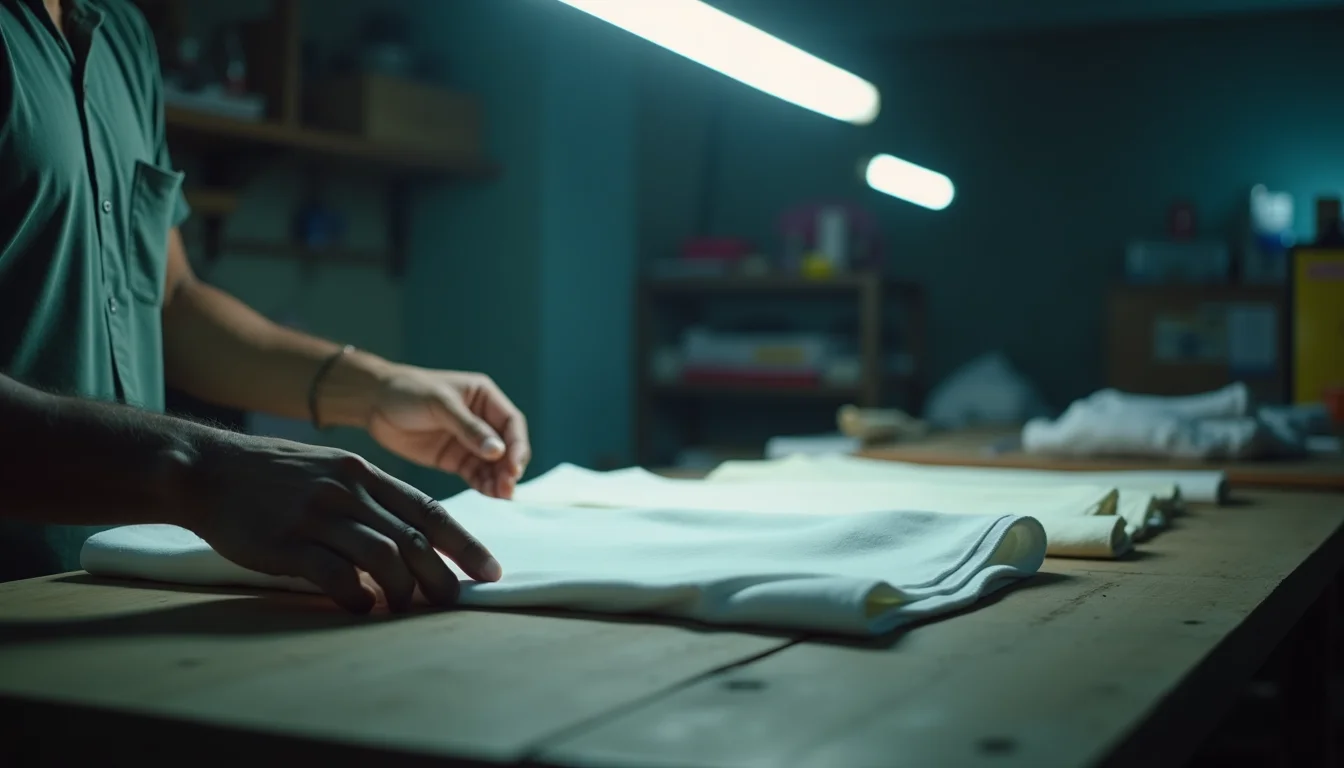
In India's rapidly growing custom printing industry, versatility is becoming increasingly important. Clients today don't just want screen printing or just embroidery—they want combinations. A corporate order might need embroidered logos on the chest, DTF prints on the back, and screen-printed slogans on the sleeves. All on the same batch of t-shirts.
This multi-technique approach is a massive opportunity for printing businesses. But it's also a minefield of potential mistakes that can cost you tens of thousands of rupees in returns, re-work, and reputation damage.
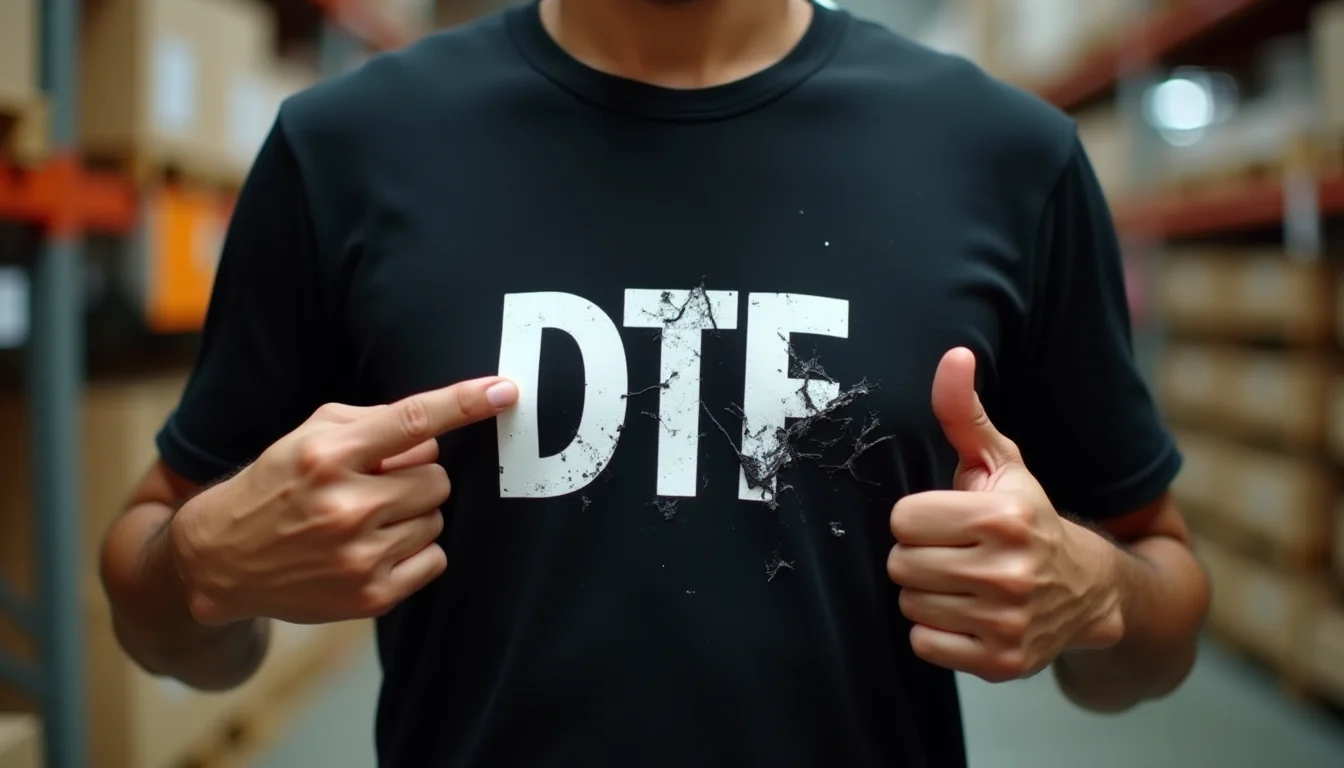
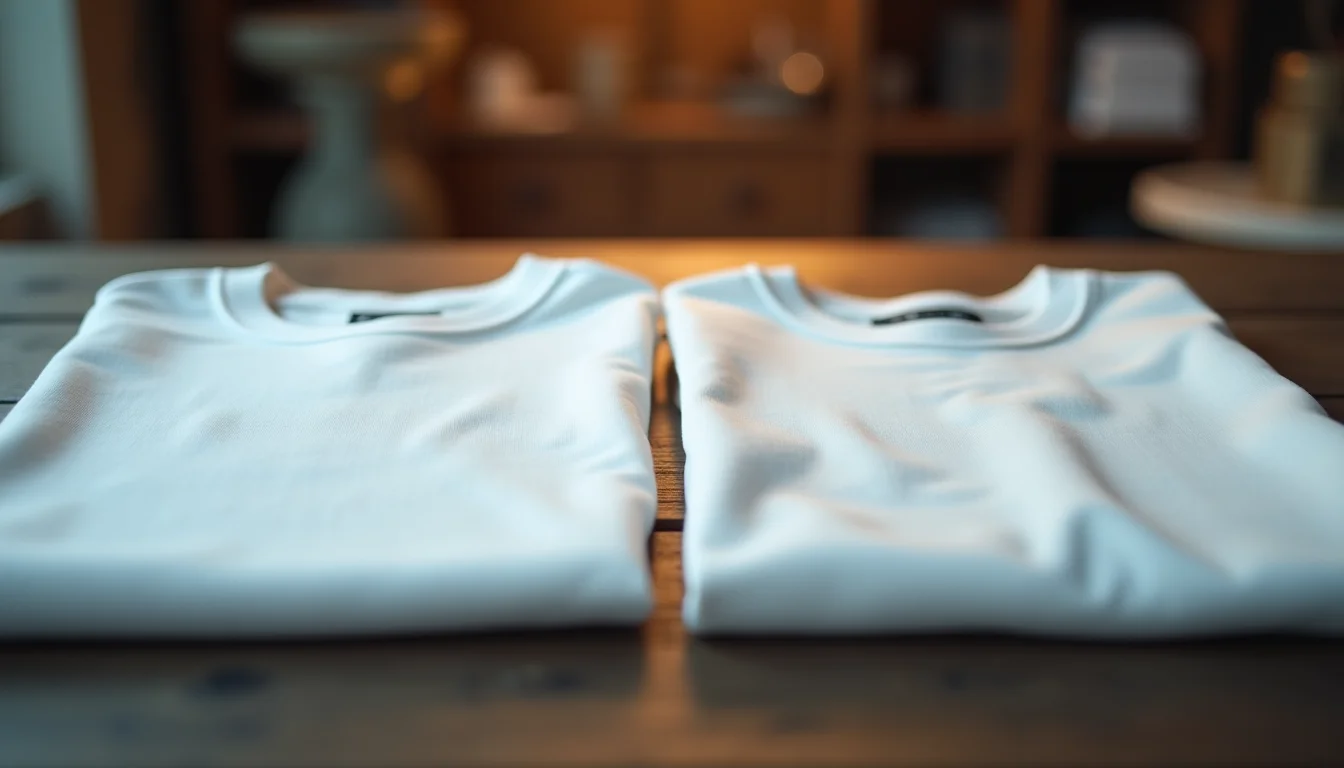
A recent case from Surat illustrates this perfectly: a printing business received an order for 500 pieces requiring embroidery, DTF, and screen printing. The printer used three different types of blank t-shirts—thin fabric for embroidery, medium weight for DTF, and random stock for screen printing. When the client received the order, they immediately noticed that all the t-shirts felt completely different from each other. The result? A ₹40,000 loss from returns and having to redo the entire order.
The Critical Mistake: Mixing Different Blank T-Shirts
The fundamental error in multi-technique orders is treating each printing method as a separate project. Many printers fall into this trap because they're thinking about what works best for each individual technique:
- Embroidery: "Let me use thin, lightweight fabric so the needle penetrates easily"
- DTF Printing: "Medium weight cotton will give better adhesion"
- Screen Printing: "I'll just use whatever stock I have available"
This approach seems logical from a technical standpoint. Each technique does have its preferred fabric specifications. But when you're fulfilling a single order where all pieces need to match, consistency trumps individual optimization.
The client doesn't care about your technical considerations. They care that when their team wears these t-shirts, everyone looks uniform. If some shirts feel thin and flimsy while others feel premium and heavy, it creates a jarring inconsistency that reflects poorly on their brand.
The Solution: One Consistent Blank for All Techniques
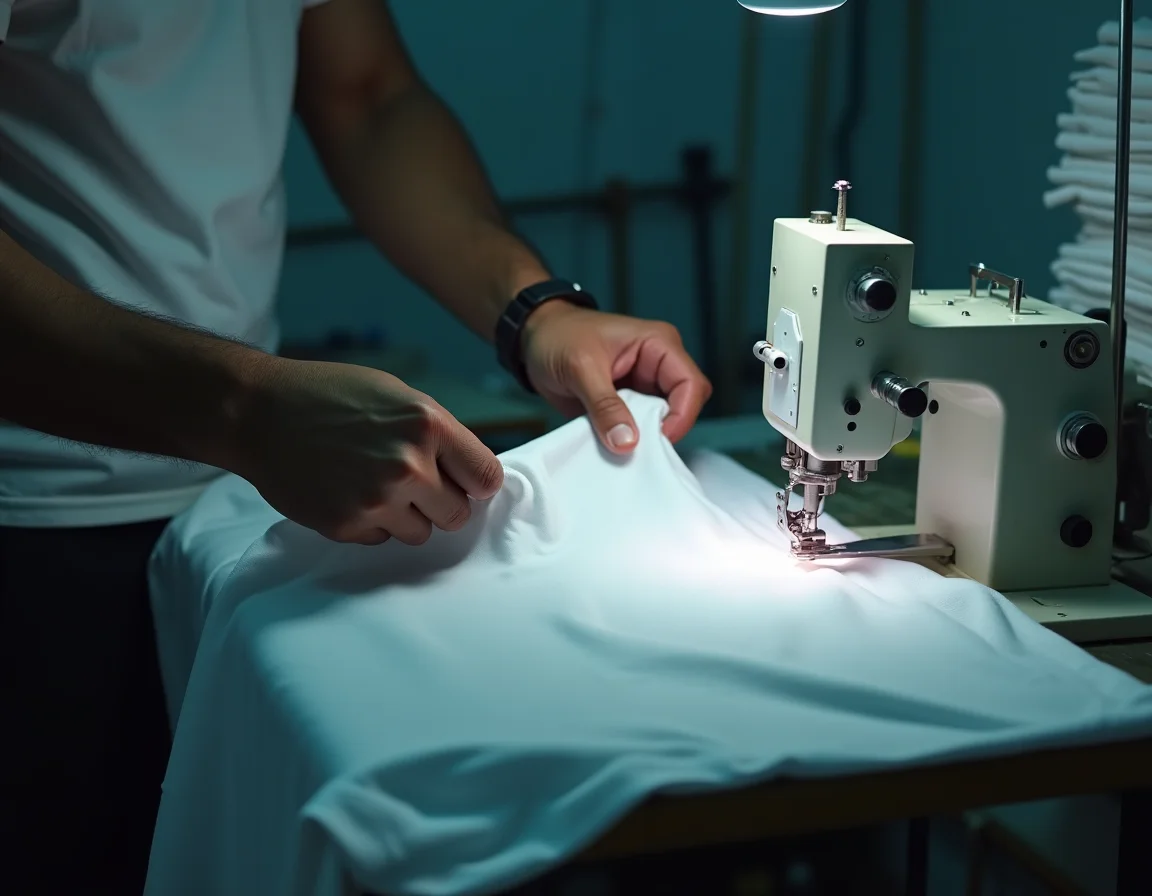
The winning strategy for multi-technique orders is surprisingly simple: use one consistent blank t-shirt across all printing methods. Specifically, 200 GSM combed cotton has emerged as the industry standard for mixed-technique projects.
Why 200 GSM? Because it hits the sweet spot for all three major printing techniques:
Embroidery on 200 GSM
While embroidery can technically be done on lighter fabrics, 200 GSM provides a much more stable base. The fabric has enough body to support dense embroidery designs without puckering or distortion. The needle penetration is still smooth, especially when you're using quality combed cotton from manufacturers like Sale91.com that pre-shrink and bio-wash their fabrics.
The extra weight also means your embroidered logos sit flatter and look more professional. Thin fabrics can sometimes create a "pulling" effect around embroidery, where the fabric bunches up. With 200 GSM, this is virtually eliminated.
DTF Printing on 200 GSM
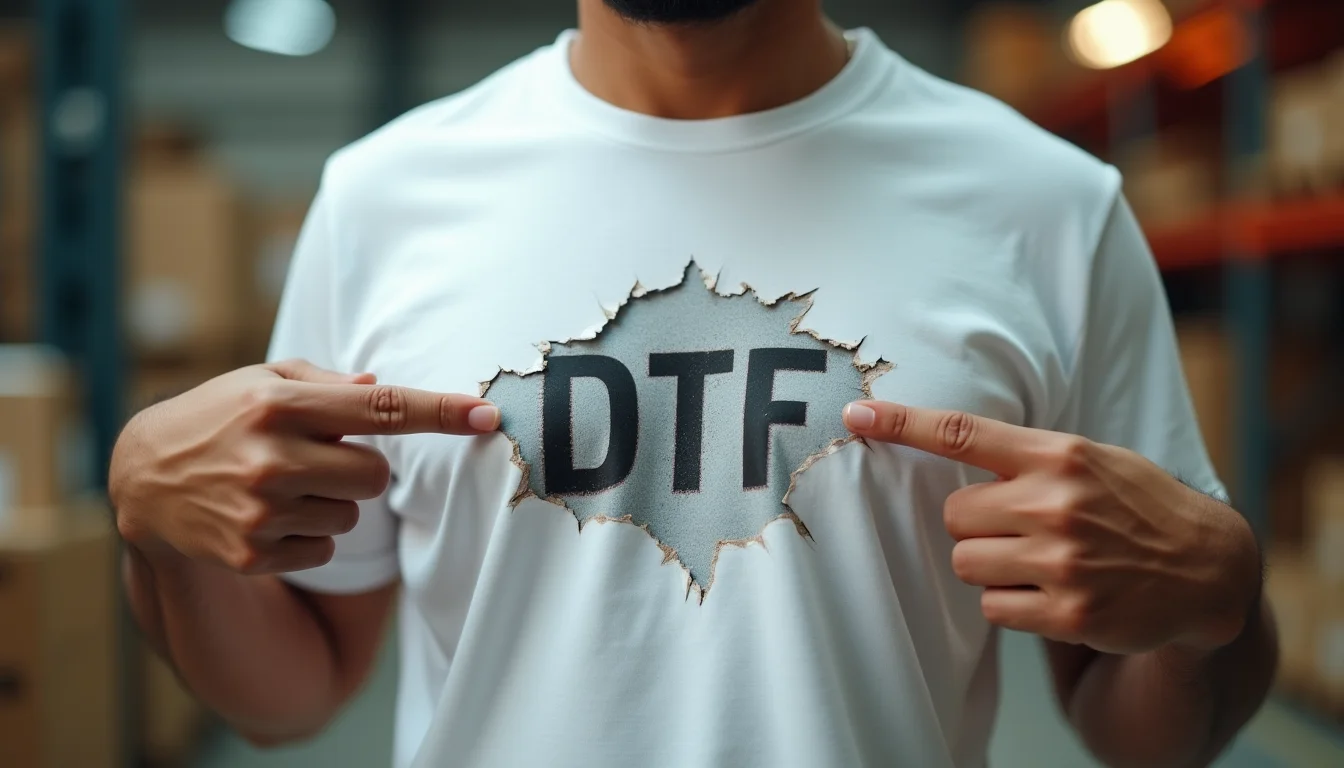
DTF (Direct to Film) printing requires good heat distribution and adhesion. DTF transfer quality depends heavily on consistent fabric surface. 200 GSM provides exactly that—enough thickness to absorb heat evenly without being so heavy that heat transfer becomes inconsistent.
The cotton fibers in 200 GSM fabric are dense enough that the DTF adhesive powder melts and bonds uniformly across the print area. You won't see the "thin patches" or weak adhesion that sometimes occurs with lighter fabrics. And because the fabric is bio-washed and pre-shrunk, you're not dealing with post-wash shrinkage that can crack your DTF prints.
Screen Printing on 200 GSM
Screen printing is perhaps the most forgiving of the three techniques when it comes to fabric weight, but it still benefits from consistency. 200 GSM cotton absorbs screen printing ink evenly, whether you're using water-based or plastisol inks.
The fabric weight prevents "bleed-through"—where ink soaks completely through the shirt and becomes visible on the inside. This is especially important for darker colored inks on lighter shirts. The slightly textured surface of combed cotton at 200 GSM also helps ink adhere better compared to cheaper, slick-surface alternatives.
Understanding GSM and Fabric Quality
GSM (grams per square meter) is the standard measurement for fabric weight, but many printing businesses don't realize that GSM alone doesn't tell the full quality story. Two t-shirts can both be labeled "200 GSM" but feel completely different.
What matters alongside GSM is:
- Combed vs. Open-End Cotton: Combed cotton removes short fibers, creating a smoother, more uniform fabric. Open-end cotton is cheaper but rougher and less consistent.
- Ring-Spun vs. Regular Spinning: Ring-spun cotton twists fibers more tightly, creating a softer, more durable fabric that holds prints better.
- Bio-Washing: This enzyme treatment removes loose fibers and gives the fabric a smooth finish, which is crucial for print quality.
- Pre-Shrinking: Ensures your printed t-shirts won't shrink after the first wash and crack your designs.
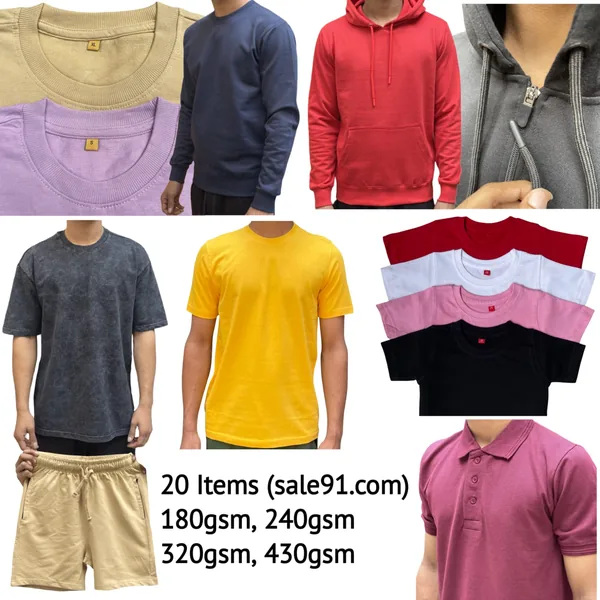
When you're sourcing blank t-shirts for multi-technique orders, insist on 200 GSM combed, ring-spun, bio-washed, pre-shrunk cotton. This is exactly what manufacturers like Sale91.com provide in their bulk plain t-shirt catalog, specifically designed for the printing industry.
The Testing Phase: Never Skip This Step
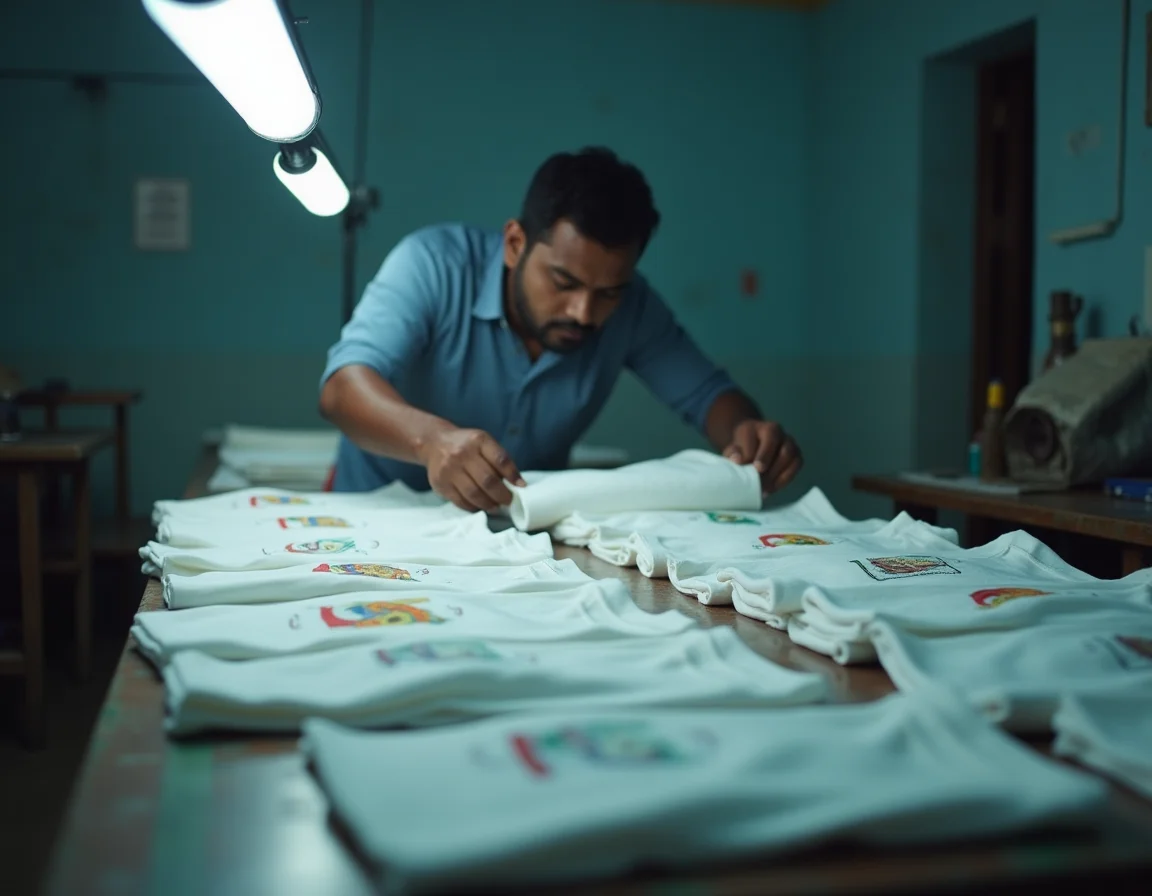
Before you commit to a large multi-technique order, always run a test batch. Here's the recommended process:
Order 10-15 Test Pieces
Get sample t-shirts in the exact GSM and quality you plan to use for the full order. If you're working with a reliable supplier, they should be able to provide small sample quantities. Sale91.com, for instance, has a minimum order quantity as low as 10 pieces for ready stock items, which is perfect for testing.
Run Each Technique Separately
Take your test pieces and run embroidery on some, DTF on others, and screen printing on the remaining ones. Don't combine techniques yet—first confirm that each individual method works well on your chosen fabric.
What you're checking for:
- Embroidery: No puckering, smooth needle penetration, clean stitch definition
- DTF: Even adhesion, no peeling at edges, good opacity on colored shirts
- Screen Printing: Ink absorption without bleeding, sharp print edges, consistent color
Wash Test All Samples
This is critical and often skipped. Wash your test pieces 2-3 times in a regular washing machine. Check for:
- Fabric shrinkage (should be minimal if properly pre-shrunk)
- Print durability across all three techniques
- Color retention in both fabric and prints
- Fabric hand-feel after washing (should remain soft, not stiff or rough)
Get Client Approval
Show your test samples to the client before proceeding with the bulk order. Let them feel the fabric, inspect the print quality, and confirm that all pieces feel consistent. This single step can save you from the ₹40K nightmare we discussed earlier.
Practical Workflow for Multi-Technique Orders
Once you've tested and confirmed your blank t-shirt choice, here's how to structure your production workflow:
Step 1: Batch Your Blanks
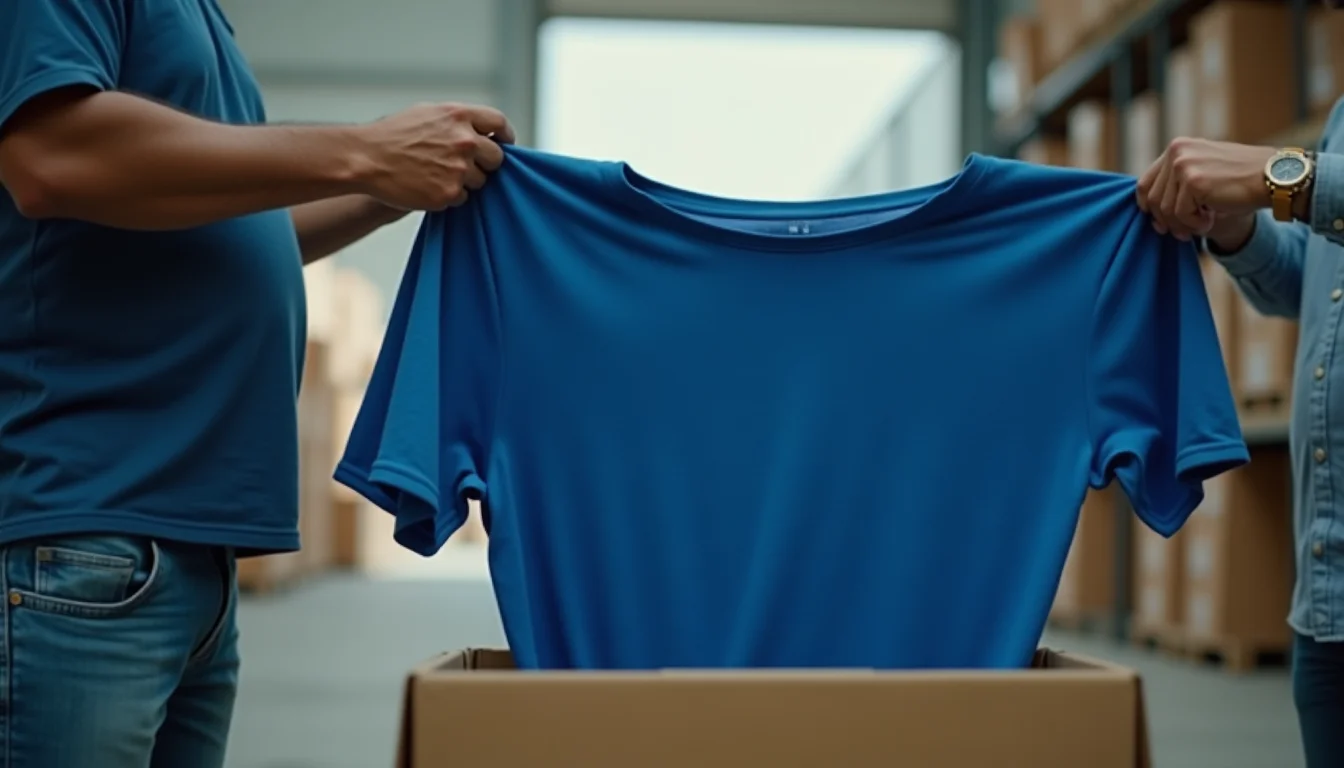
Order all your blank t-shirts from the same batch. This ensures absolute consistency in fabric feel, color, and weight. When ordering from suppliers like Sale91.com, specify that you need all pieces from the same production batch. Good B2B suppliers understand this requirement and can accommodate it.
Step 2: Plan Technique Sequence
The order in which you apply different techniques matters:
- Embroidery First: Always do embroidery before any other printing. Once you've applied DTF or screen print, the heat and pressure involved can affect subsequent embroidery.
- DTF Second: After embroidery, DTF printing should come next. The heat press involved in DTF won't damage existing embroidery.
- Screen Printing Last: Screen printing should generally be the final step, especially if you're using water-based inks that need curing.
This sequence minimizes the risk of one technique damaging another. However, depending on design placement (e.g., embroidery on chest, DTF on back, screen print on sleeve), you might be able to parallelize some steps.
Step 3: Quality Check at Each Stage
Don't wait until all techniques are applied to check quality. Inspect pieces after each technique is completed:
- After embroidery: Check thread tension, design alignment, no fabric damage
- After DTF: Check full adhesion, no bubbling, clean edges
- After screen printing: Check ink coverage, registration if multi-color, no smudging
Catching issues early means you're not wasting effort on pieces that are already flawed.
Step 4: Final Inspection Before Packaging
Before packing the order, do a final check where you verify:
- All pieces feel consistent (same fabric hand-feel)
- All techniques are present on correct pieces as per order specification
- No loose threads, stains, or defects
- Sizes are correctly sorted and labeled
Cost Analysis: Multi-Technique vs. Single-Technique Orders
Many printing businesses hesitate to take on multi-technique orders because they seem more complex. But when priced correctly, they're often more profitable than single-technique work.
Higher Perceived Value
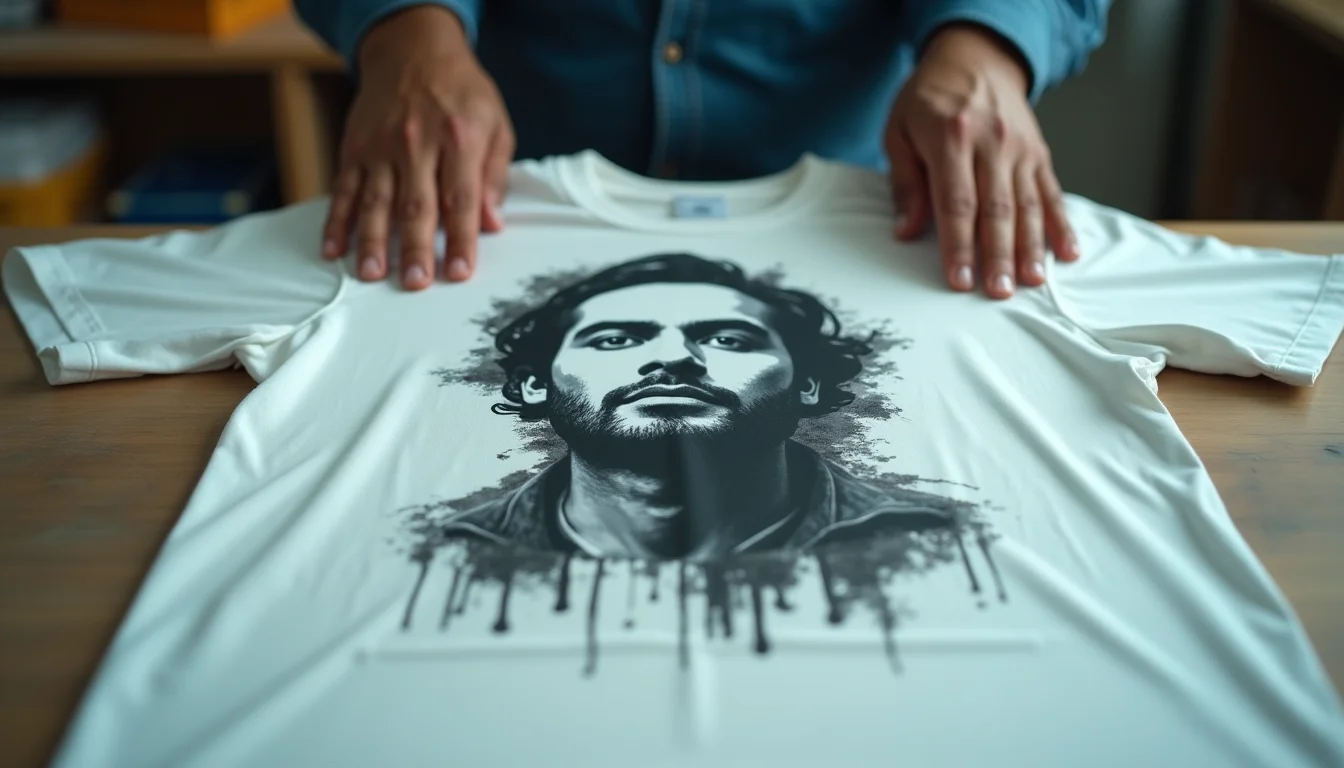
Clients are willing to pay a premium for orders that combine techniques. A t-shirt with embroidered logo + DTF back print + screen-printed sleeve text commands a higher per-piece price than a simple single-print shirt.
Reduced Competition
Not every printing business has the capability or confidence to handle multi-technique orders. By positioning yourself as someone who can, you differentiate from competitors who only offer single-method printing. If you're looking to expand your capabilities, consider running embroidery and DTF operations together efficiently.
Better Client Retention
When a client knows they can come to you for any printing need—single or combined techniques—they're less likely to shop around. You become their one-stop solution, which translates to repeat business.
Pricing Strategy
When pricing multi-technique orders, don't just add up individual technique costs. Factor in:
- Complexity premium (15-20% above sum of individual techniques)
- Coordination overhead (your time managing multiple production steps)
- Quality assurance steps (testing, multiple inspections)
- Lower defect tolerance (client expectations are higher)
For example, if you normally charge ₹80 for DTF print, ₹60 for embroidery, and ₹40 for screen print individually, don't charge just ₹180 for all three combined. Price it at ₹210-220 per piece to account for the added complexity and value.
Common Pitfalls and How to Avoid Them
Pitfall 1: Ignoring Color Consistency
Even if you're using the same GSM and quality, colors can vary between batches of blank t-shirts. A "navy blue" from one production run might look slightly different from another run, even from the same manufacturer.
Solution: Always order 10-15% extra blanks for large orders to account for defects and re-dos. If you need 500 pieces, order 550 from the same batch.
Pitfall 2: Inadequate Production Timeline
Multi-technique orders take longer than single-technique ones. Each step must be completed and checked before moving to the next.
Solution: Add at least 30-40% more time to your production schedule compared to single-technique orders. If a DTF-only order takes 3 days, a DTF+embroidery+screen print order should be scheduled for 5-6 days.
Pitfall 3: Wrong Technique for Design Complexity
Not all designs are suitable for all techniques. Highly detailed photographic images are poor candidates for embroidery. Simple text might be overkill for DTF when screen printing would work fine.
Solution: Consult with the client during the design phase. Recommend the most appropriate technique for each design element. Sometimes a client asks for embroidery because they think it looks premium, but DTF might actually give better results for their specific design. For detailed comparisons, review our guide on choosing between DTF, screen, and DTG printing within budget constraints.
Pitfall 4: Underestimating Fabric Behavior
Different colored t-shirts of the same GSM can behave differently during printing. Dark colors might require different heat press settings for DTF. Light colors might need underbase for screen printing.
Solution: Test on the actual colors you'll be using. If the order involves 5 different t-shirt colors, test your techniques on samples of all 5 colors.
Scaling Your Multi-Technique Business
Once you've mastered handling combined techniques for individual orders, you can scale this into a full business model.
Create Service Packages
Instead of waiting for clients to request multi-technique orders, proactively offer packages:
- Premium Package: Embroidered logo + DTF back print
- Corporate Package: Embroidered chest logo + Screen-printed company name on sleeve
- Event Package: DTF main design + Screen-printed event date on back neck
Package pricing is easier for clients to understand and positions you as a full-service provider rather than just a printer.
Build Relationships with Reliable Blank Suppliers
Your entire multi-technique model depends on consistent, quality blank t-shirts. This isn't the place to cut costs by constantly switching suppliers based on who's cheapest this month.
Partner with a manufacturer like Sale91.com that specializes in serving the B2B printing industry. Benefits include:
- Consistent quality across orders (they knit their own fabric)
- Large ready stock (1 lakh+ pieces) means you can fulfill urgent orders
- Tiered pricing for different order volumes
- Understanding of printer needs (bio-wash, pre-shrunk, etc.)
- Multiple GSM options (180, 200, 220 GSM) for different client budgets
Invest in Staff Training
Multi-technique production requires more skilled coordination than single-technique work. Train your team on:
- Proper technique sequencing
- Quality checkpoints at each stage
- Handling partially completed pieces (to avoid damage or mix-ups)
- Client communication about realistic timelines and pricing
Document Standard Operating Procedures
Create written SOPs for common multi-technique combinations. This ensures consistency when you scale up and hire more staff. Your SOP should cover:
- Fabric specifications for different technique combinations
- Production sequence and timing
- Machine settings for each technique on different fabrics
- Quality check criteria
- Packaging and labeling standards
Watch the Video
Frequently Asked Questions
Ready to Handle Multi-Technique Orders Like a Pro?
Start with the right foundation—consistent, quality blank t-shirts designed for the printing industry.
Visit Sale91.com to order 200 GSM combed cotton t-shirts perfect for embroidery, DTF, and screen printing.
✓ Bio-washed & Pre-shrunk
✓ 1 Lakh+ Ready Stock
✓ MOQ as low as 10 pieces
✓ Manufactured in Tiruppur