240 GSM Oversized Royal Blue T-Shirt — Yeh GSM Trap Samajh Lo Pehle 🎯 | Real Buyer Question Answered
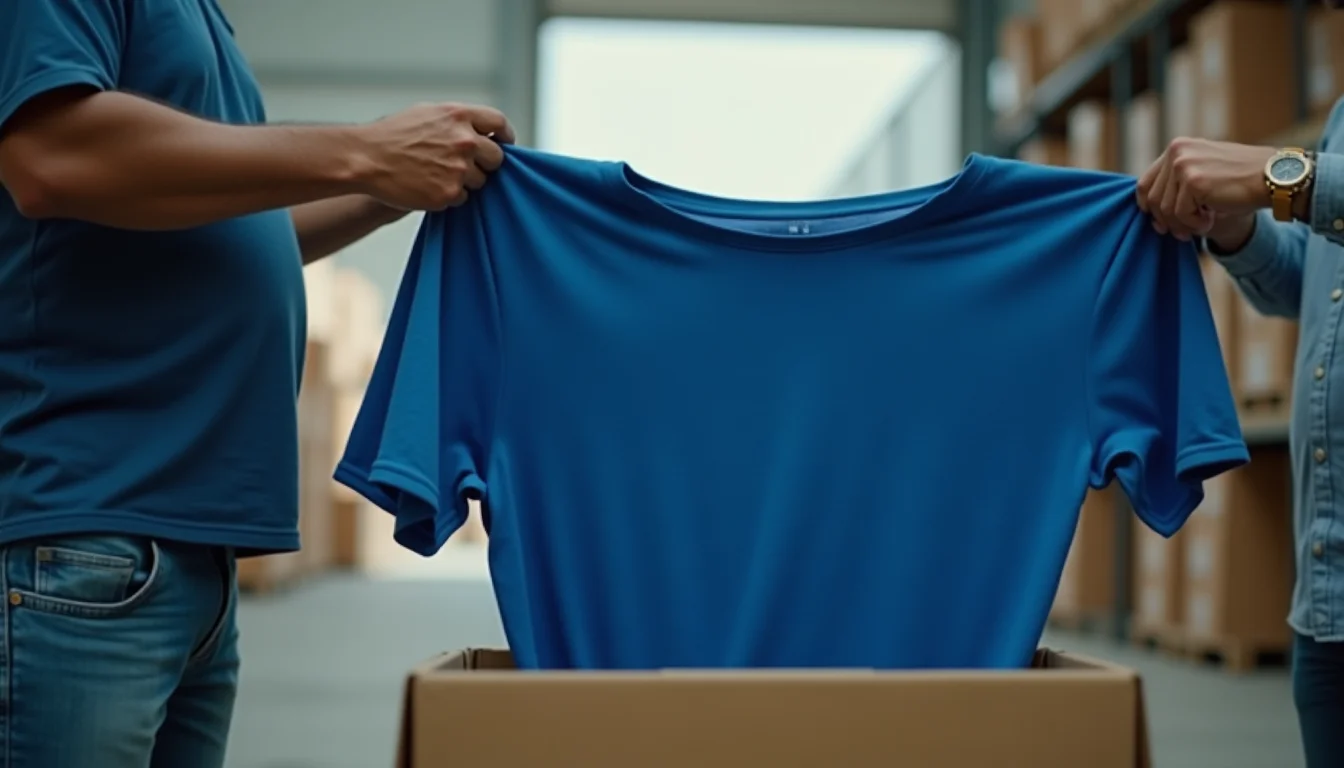
Last week, I received a call from a printing business owner in Mumbai. He wanted to place a bulk order for 240 GSM oversized royal blue t-shirts. His logic? "Higher GSM means premium quality, so 240 GSM oversized shirts will be the best for my customers."
Three weeks later, his entire batch of 500 pieces came back. Returns. Complaints. Customers saying the t-shirts felt "too heavy" and "uncomfortable." He lost not just money, but also his reputation with his clients.
This is the GSM trap that most wholesale buyers and printing business owners fall into. And today, I'm going to break down exactly why 240 GSM oversized t-shirts might be the worst investment you make for your business — and what you should order instead.
What Actually Happened: A Real Case Study
The buyer I mentioned ordered 500 oversized blank t-shirts in royal blue, all at 240 GSM. He was confident because he'd been selling regular-fit 220 GSM shirts successfully for months. His customers loved the premium feel.
But here's what he didn't understand: GSM only measures fabric weight per square meter. It tells you nothing about how that weight will feel on the body, especially when the garment itself uses significantly more fabric.
Oversized t-shirts already have 30-40% more fabric than regular fit shirts. When you multiply that extra fabric by 240 GSM, you're creating a garment that feels uncomfortably heavy. His customers — mostly college students and young professionals looking for casual streetwear — found the shirts too stiff and restrictive.
The GSM Trap Explained: What Wholesalers Don't Tell You
In the Indian textile market, GSM has become a marketing buzzword. Suppliers advertise "heavy GSM" as premium, and buyers assume more weight equals better quality. But this is fundamentally misleading.
What GSM Really Measures
GSM stands for "Grams per Square Meter." It's the weight of fabric measured over a one-square-meter area. A 180 GSM fabric weighs 180 grams per square meter. A 240 GSM fabric weighs 240 grams.
That's it. GSM tells you:
- Fabric weight — how heavy the material is
- Thickness — indirectly, heavier fabrics are usually thicker
- Durability potential — thicker fabrics can be more durable
What GSM does NOT tell you:
- Fabric softness or hand feel
- Breathability and comfort
- Print quality or ink absorption
- Whether it's suitable for your specific garment style
At Sale91.com, we manufacture our own fabric in-house at our Tiruppur facility, and we've tested every GSM from 180 to 240 across different garment styles. The data is clear: for oversized t-shirts, 240 GSM is overkill.
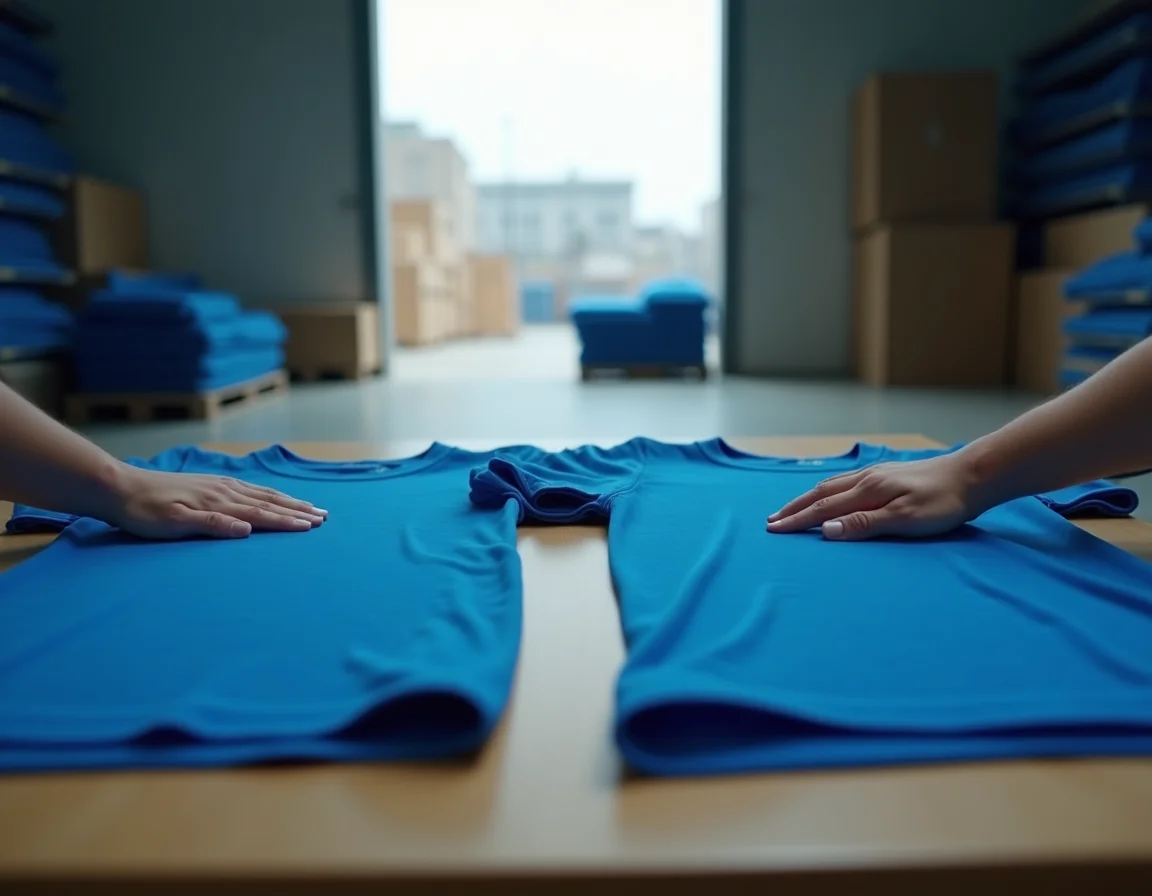
Why 240 GSM Fails for Oversized T-Shirts
1. Excessive Weight and Discomfort
An oversized t-shirt in size XL uses approximately 1.2 to 1.4 square meters of fabric (depending on the pattern). At 240 GSM, that's 288 to 336 grams just for the fabric weight — not including neck ribs, sleeves, and stitching reinforcements.
The final garment can weigh close to 400 grams. For context, that's heavier than most winter sweatshirts. In India's climate, wearing such a heavy cotton t-shirt is uncomfortable, especially during summer months.
2. Printing Issues You Won't Expect
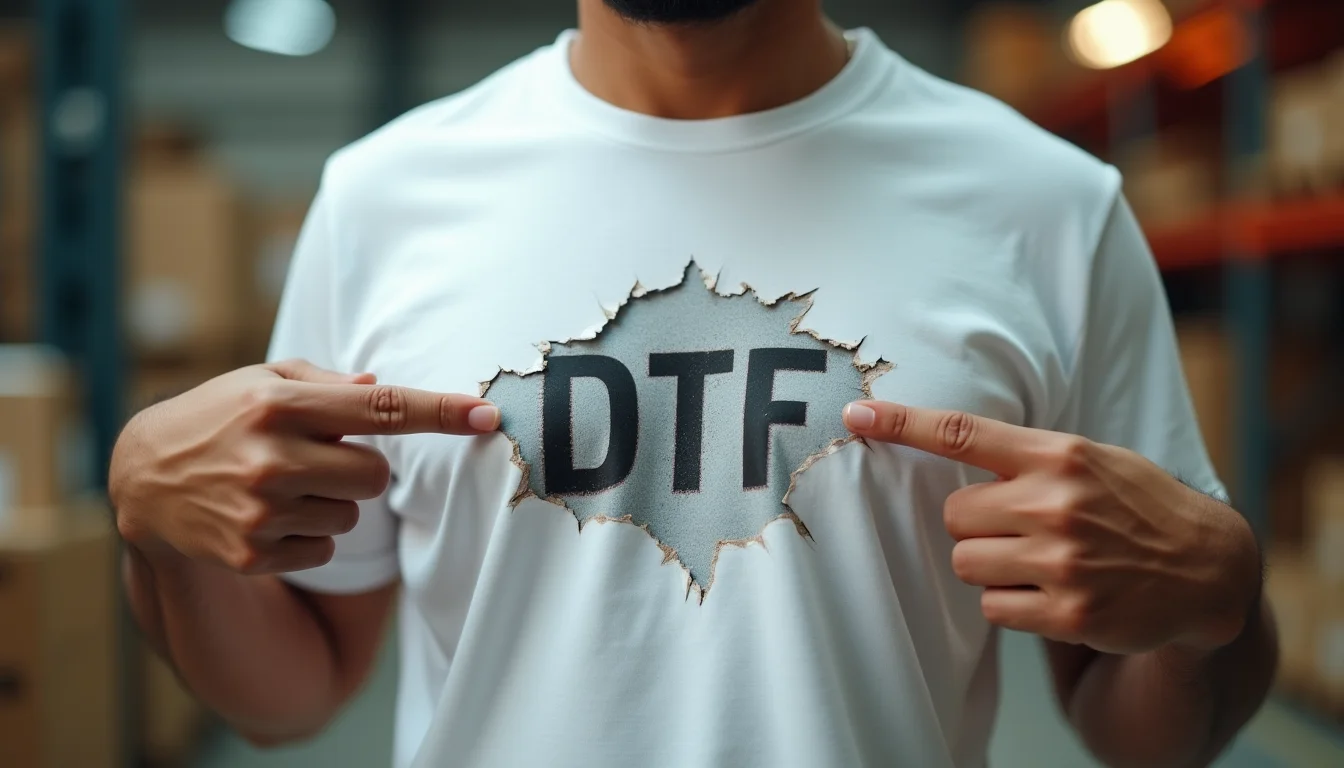
This is where the buyer I mentioned ran into serious problems. He was using DTF printing for his designs. On 240 GSM oversized blanks, the print behavior changed dramatically:
- Ink absorption — Thicker fabric means the print sits more on the surface rather than bonding into the fibers, leading to a stiffer feel
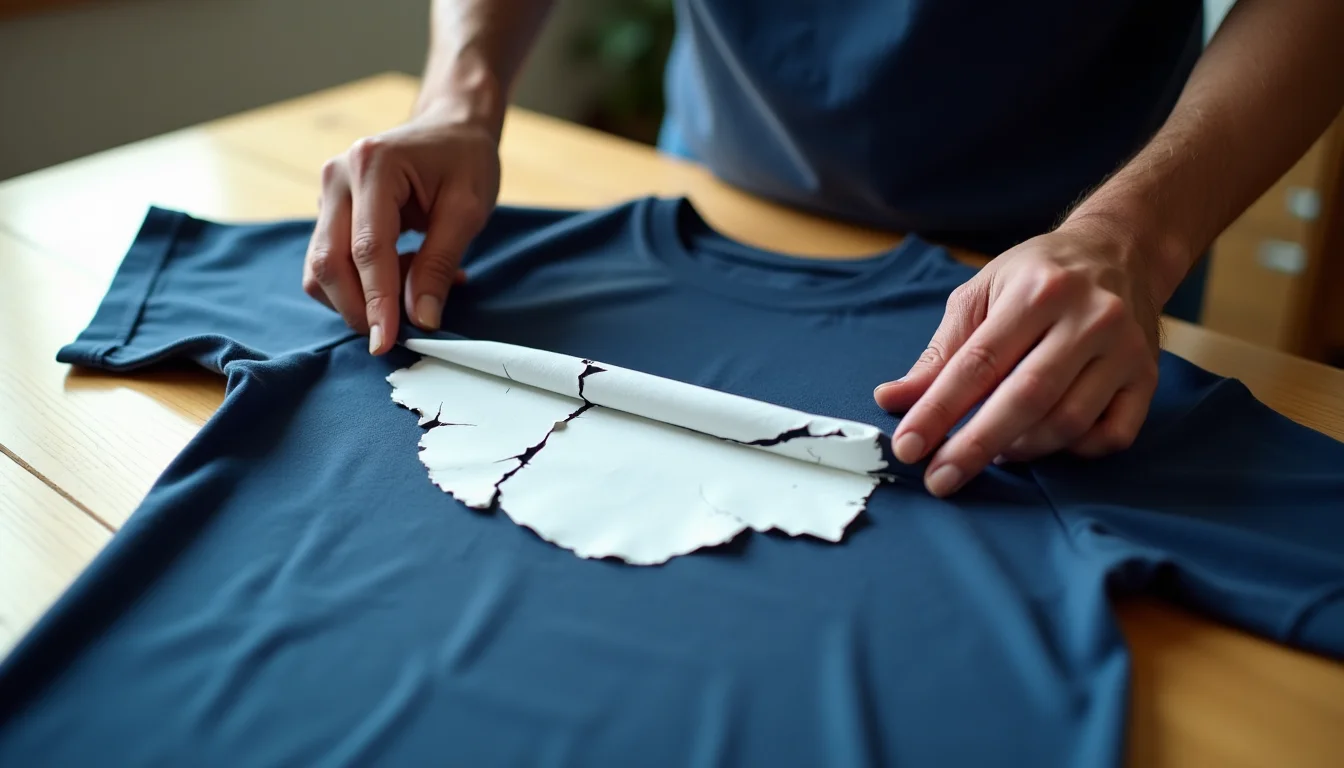
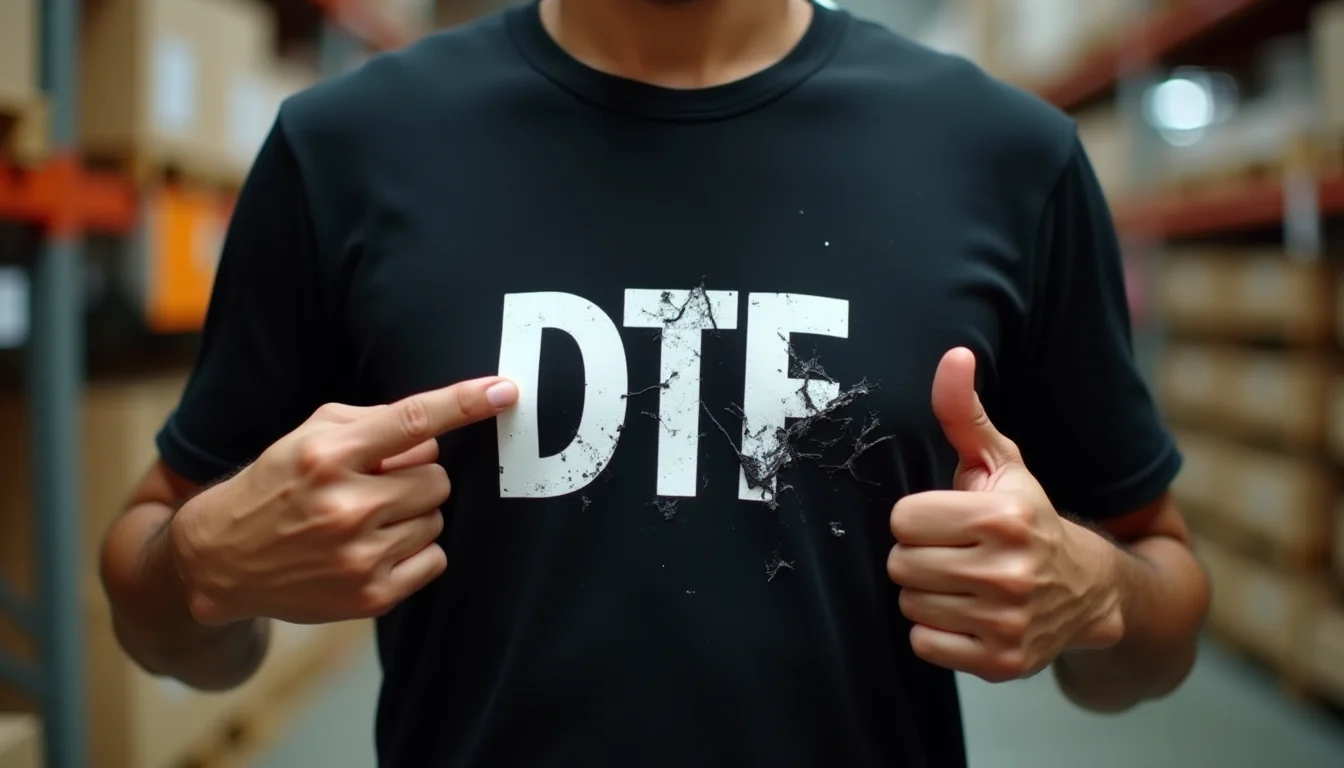
- Curing challenges — Heat press settings that worked perfectly on 200 GSM required adjustments for 240 GSM, causing some prints to crack or peel prematurely
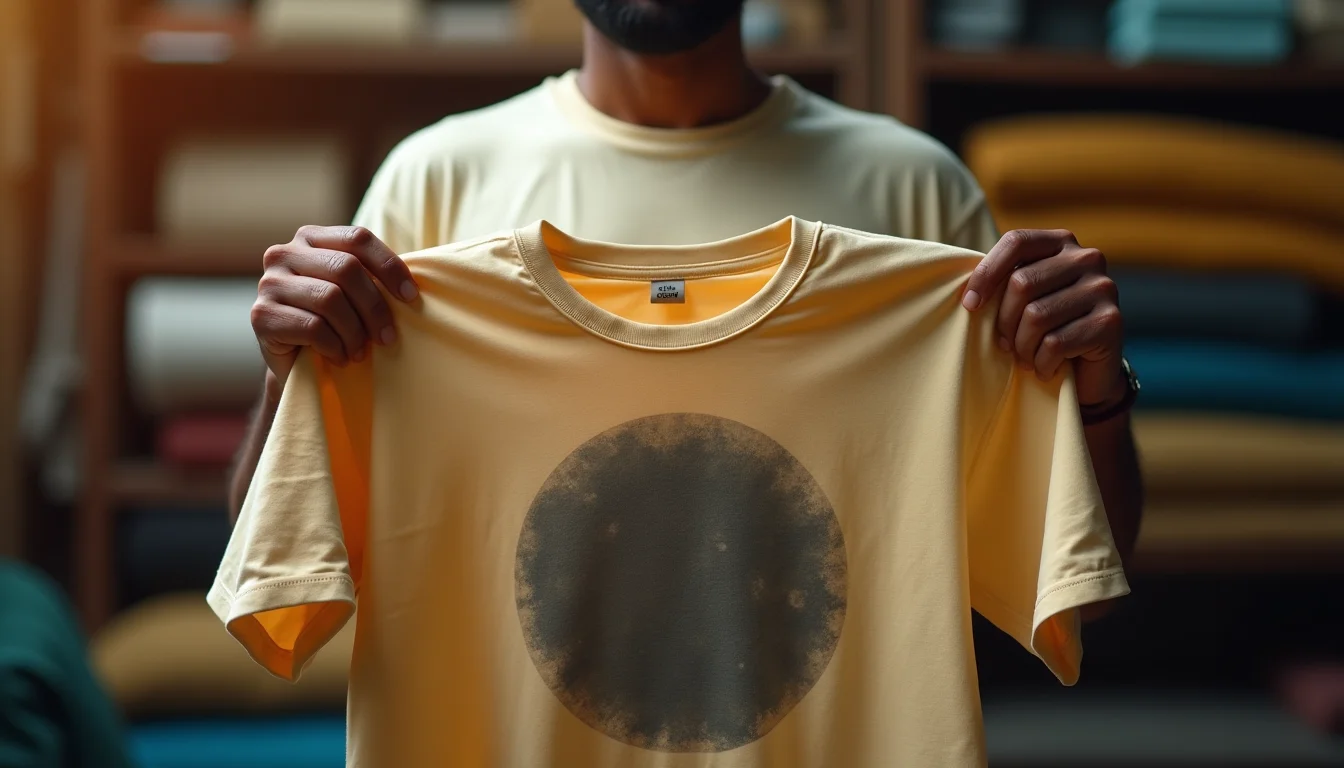
- Wash durability — Counter-intuitively, prints on overly thick fabric can experience more stress during washing because the heavy fabric creates more friction
If you're running a printing business and using DTG, DTF, or screen printing, you need to understand that fabric weight impacts print quality in ways that aren't immediately obvious.
3. Customer Expectations vs. Reality
Most buyers of oversized t-shirts expect a relaxed, flowy, casual fit. They want comfort and breathability. When you hand them a 240 GSM oversized tee, it feels more like a winter base layer than a summer casual shirt.
The buyer from Mumbai told me his customers complained that the shirts "didn't drape properly" and "felt stiff even after washing." These aren't quality issues — these are design mismatches caused by choosing the wrong GSM for the garment style.
What GSM Should You Actually Use for Oversized T-Shirts?
Based on years of manufacturing experience and feedback from thousands of printing businesses across India, here's what works:
200 GSM: The Sweet Spot for Most Oversized Styles
For 90% of oversized t-shirt orders, 200 GSM is ideal. It offers:
- Perfect drape — Fabric flows naturally, giving that oversized streetwear aesthetic
- Comfortable weight — Heavy enough to feel premium, light enough for all-day wear
- Excellent printability — Works beautifully with DTF, DTG, screen printing, and vinyl
- Durability — When made with ring-spun combed cotton (like ours), 200 GSM is highly durable
At Sale91.com, our 200 GSM oversized t-shirts are our bestsellers for printing businesses. We use 100% ring-spun combed cotton, bio-washed and pre-shrunk, which gives a premium hand feel without excessive weight.
220 GSM: For Premium Winter Collections
If you're specifically targeting winter collections or want an ultra-premium feel, 220 GSM oversized can work. But only if:
- Your customers are in cooler climates (North India during winter, hill stations, etc.)
- You're positioning it as a premium winter casual wear item
- You've tested samples with your actual target demographic first
Never Go Higher Than 220 GSM for Oversized
Anything above 220 GSM for oversized styles is a mistake. The fabric becomes too heavy, too stiff, and loses the relaxed fit that defines oversized fashion. Save 240 GSM for hoodies, sweatshirts, or structured garments — not oversized tees.
The Royal Blue Color Factor: Why It Matters
You might wonder why I specifically mentioned "royal blue" in the buyer's order. Here's why color matters when choosing GSM:
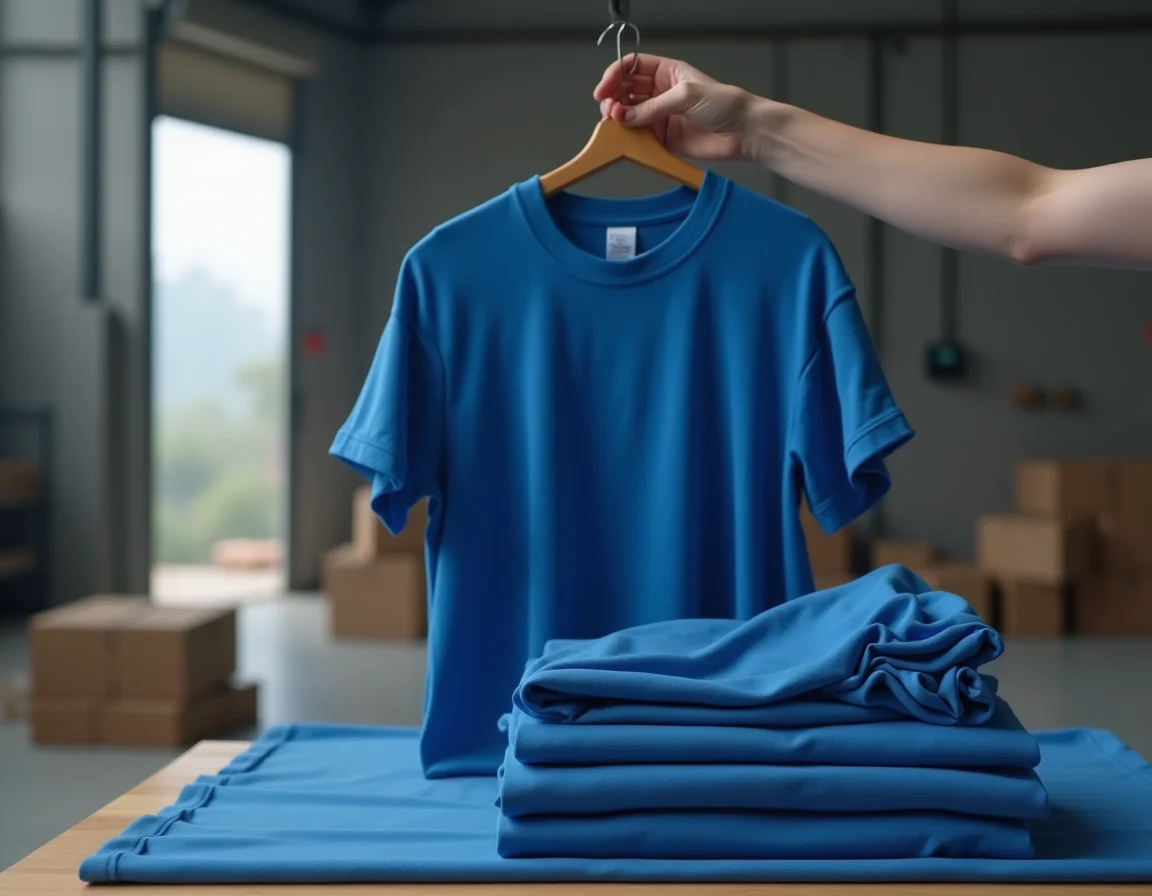
Darker colors show thickness differently. Royal blue, navy, black — these colors can make thick fabric feel even heavier visually and physically. The buyer's 240 GSM royal blue oversized shirts looked almost like outerwear rather than casual tees.
Lighter colors (white, pastels, light gray) can sometimes "hide" excessive thickness better, but the comfort issue remains. If you're ordering dark-colored oversized blanks, stick to 200 GSM to maintain that casual, breathable aesthetic.
Printing Behavior: How GSM Impacts Your Print Business
Let's talk about something most blank t-shirt suppliers won't tell you: GSM directly affects how your prints turn out, regardless of your printing method.
DTF Printing on 240 GSM Oversized
Direct-to-Film printing has become the most popular method for small to medium printing businesses in India. But on 240 GSM fabric:
- The film transfer requires higher heat or longer press time
- The print can feel "plasticky" because the thicker fabric doesn't allow the ink to settle naturally
- Wash durability decreases because the heavy fabric creates more mechanical stress during tumbling
The buyer I mentioned was using standard DTF settings (160°C for 15 seconds). On 240 GSM, he needed 170°C for 18-20 seconds — but by the time he figured this out, he'd already completed 200 pieces with suboptimal adhesion. Many of those prints started peeling after just 2-3 washes.
Screen Printing Considerations
Screen printing on 240 GSM oversized requires more ink and more pressure. The mesh count needs adjustment, and drying times increase. For most small printing businesses, this means lower throughput and higher costs — without any real benefit to the end customer.
DTG (Direct-to-Garment) Challenges
DTG printers work best on medium-weight fabrics. 200 GSM is ideal. At 240 GSM, you'll face:
- Longer pre-treatment times
- Increased ink consumption
- Risk of color inconsistency due to uneven ink absorption in thicker fabric weave
If you're investing in expensive DTG equipment, don't sabotage your results by choosing the wrong GSM. We've covered more about printing method selection and fabric compatibility in our previous guides.
The Sample Testing Rule: Never Skip This Step
Here's the most important lesson from the Mumbai buyer's experience: Always order samples before placing bulk orders, especially when trying a new GSM or style combination.
At Sale91.com, we strongly recommend this workflow:
- Order 5-10 sample pieces in your target GSM and color
- Test your printing process — run your standard print settings and see how the fabric responds
- Wash test — wash the printed samples 3-5 times to check durability
- Get real customer feedback — have actual end users wear the samples and share honest feedback
- Only then place your bulk order
This process takes 7-10 days but can save you from disasters like the 500-piece return our buyer faced. We keep over 1 lakh+ t-shirts in ready stock specifically so buyers can quickly order samples and test before committing to large quantities.
Cost Analysis: Is 240 GSM Even Worth It Financially?
Let's talk numbers. Since 240 GSM uses more cotton per shirt, it's more expensive:
- 200 GSM oversized t-shirt — approximately ₹120-140 per piece (bulk wholesale)
- 240 GSM oversized t-shirt — approximately ₹155-180 per piece (bulk wholesale)
You're paying ₹30-40 more per shirt for extra weight that:
- Your customers don't want (in most cases)
- Creates printing challenges
- Reduces comfort and wearability
That extra cost adds up fast. On a 500-piece order, you're spending ₹15,000 to ₹20,000 more for a product that's actually inferior for the oversized category. That's money you could invest in better marketing, more color variety, or higher print quality.
When Should You Actually Use Higher GSM?
To be fair, 240 GSM isn't always wrong — it's just wrong for oversized t-shirts. Here's when higher GSM makes sense:
Hoodies and Sweatshirts
For hoodies and sweatshirts, 240 GSM is actually on the lighter side. We offer 320 GSM and 430 GSM options because these garments are meant to be warm and structured. The heavier weight works with the design intent.
Workwear and Uniforms
If you're supplying blank t-shirts for industrial uniforms, construction crews, or heavy-duty work environments, 220-240 GSM makes sense. Durability trumps comfort in these applications.
Structured Regular-Fit Tees
Some premium regular-fit t-shirts in 220 GSM work well for customers who want a more "put-together" look. But even then, 240 GSM is excessive for most Indian weather conditions.
What Makes Sale91.com Different: In-House Manufacturing Matters
When the Mumbai buyer called me after his batch got returned, he asked, "Why didn't my supplier warn me about this?"
The answer is simple: Most wholesalers are traders, not manufacturers. They buy stock from factories and resell it. They don't actually understand the fabric science, printing behavior, or end-use applications.
At Sale91.com, we're different:
- We knit our own fabric in Tiruppur, India's textile hub
- We control the entire process — from yarn selection to bio-washing to final garment construction
- We work directly with printing businesses — over 1,25,232+ pieces sold in the last 30 days, giving us real-world feedback from hundreds of DTF, DTG, and screen printing shops across India
- We test everything — every GSM, every color, every style combination is tested with actual printing processes before we recommend it
This is why we can confidently tell you: Don't order 240 GSM oversized t-shirts. It's not an opinion — it's data from thousands of real orders.
How to Order the Right GSM Oversized T-Shirts
Ready to place your order? Here's how to do it right:
- Visit our catalog — Check out all available options at BulkPlainTshirt.com/catalog
- Select 200 GSM oversized t-shirts in your desired colors (we stock 15+ colors including royal blue)
- Start with a sample order — Minimum order as low as 10 pieces for ready stock items
- Test your printing process on the samples
- Place your bulk order — Get ₹3/piece online purchase discount + additional ₹2/piece discount for orders above 500 pieces
New buyers can use 50% COD on their first order (plus 3% COD charge). From the second order onwards, we require prepayment, but you'll have already verified the quality with your first batch.
Watch the Video

Frequently Asked Questions
Ready to Order the Right GSM Oversized T-Shirts?
Don't make the same mistake that cost our buyer ₹1.5 lakhs in returns. Order 200 GSM oversized blanks from India's most trusted B2B manufacturer.
✓ In-house knitted fabric from Tiruppur
✓ 100% ring-spun combed cotton, bio-washed & pre-shrunk
✓ 1 lakh+ ready stock, same-day dispatch
✓ 15+ colors available
✓ Minimum order: just 10 pieces
Final Thoughts: Trust Data, Not Marketing Hype
The GSM trap is real, and it's costing printing businesses thousands of rupees in returns, reprints, and lost customer trust. The Mumbai buyer learned this the hard way with his 240 GSM oversized royal blue order.
But you don't have to repeat his mistake. Now you know:
- GSM is just a weight measurement, not a quality indicator
- For oversized t-shirts, 200 GSM is the sweet spot, 220 GSM maximum
- 240 GSM oversized shirts are too heavy, uncomfortable, and cause printing issues
- Always test samples before bulk ordering
- Work with manufacturers who understand fabric science, not just traders pushing stock
At Sale91.com, we manufacture 1,25,232+ pieces every month for printing businesses across India. We've seen every mistake, tested every combination, and learned what actually works in real-world applications.
When you order from us, you're not just buying blank t-shirts — you're getting manufacturing expertise, honest recommendations, and fabric that's optimized for printing businesses.
Don't fall into the GSM trap. Order smart. Order tested. Order from Sale91.com.