5000 T-Shirts Ordered Without Checking GSM — ₹1.2 Lakh Lost 😱: A Real Customer Story
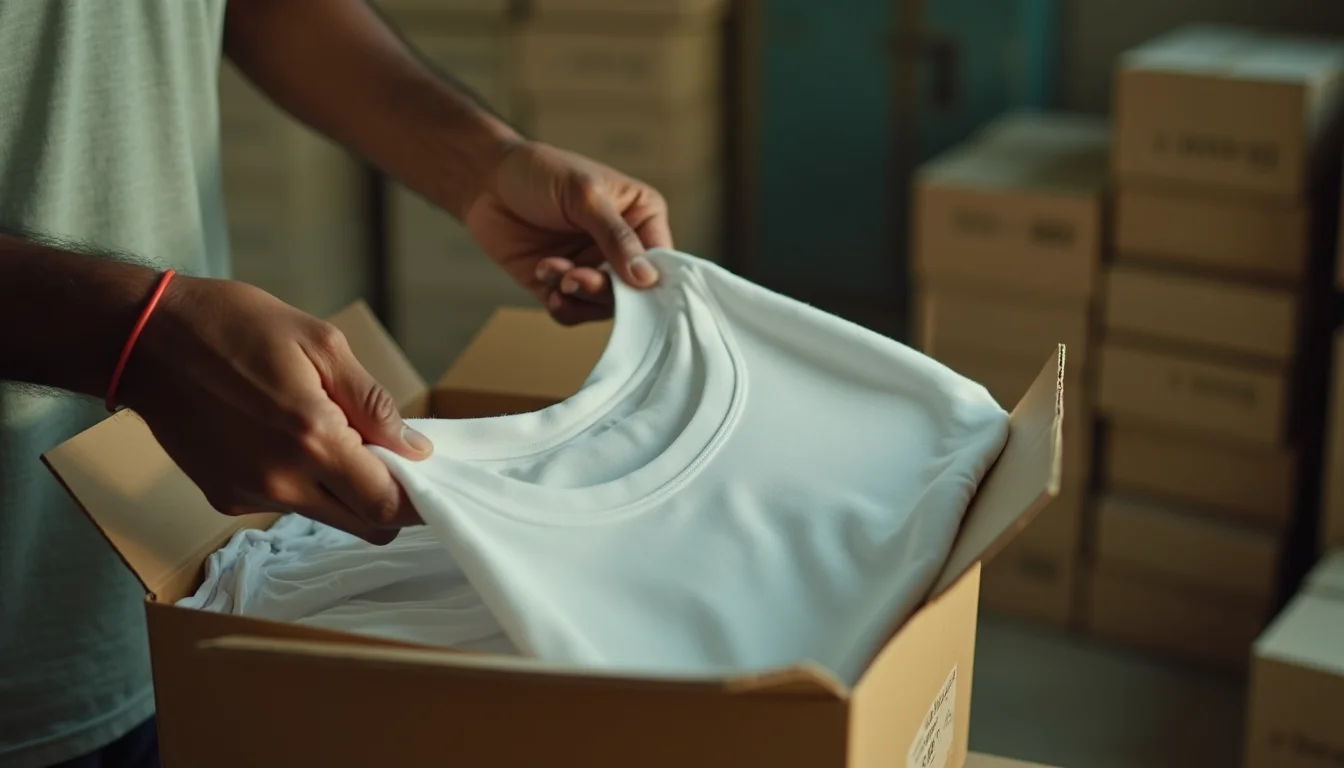
In the competitive world of custom t-shirt printing and apparel businesses, every decision matters. But some mistakes are more expensive than others. Today, we're sharing a real customer story that cost a printing business owner a staggering ₹1.2 lakh — all because of one overlooked detail: GSM.
This isn't just another cautionary tale. It's a wake-up call for every entrepreneur running a DTG printing business, screen printing shop, or custom apparel brand across India. Whether you're in Delhi, Mumbai, Bangalore, or anywhere else, this story could save you from making the same expensive mistake.
The ₹1.2 Lakh Mistake: What Actually Happened
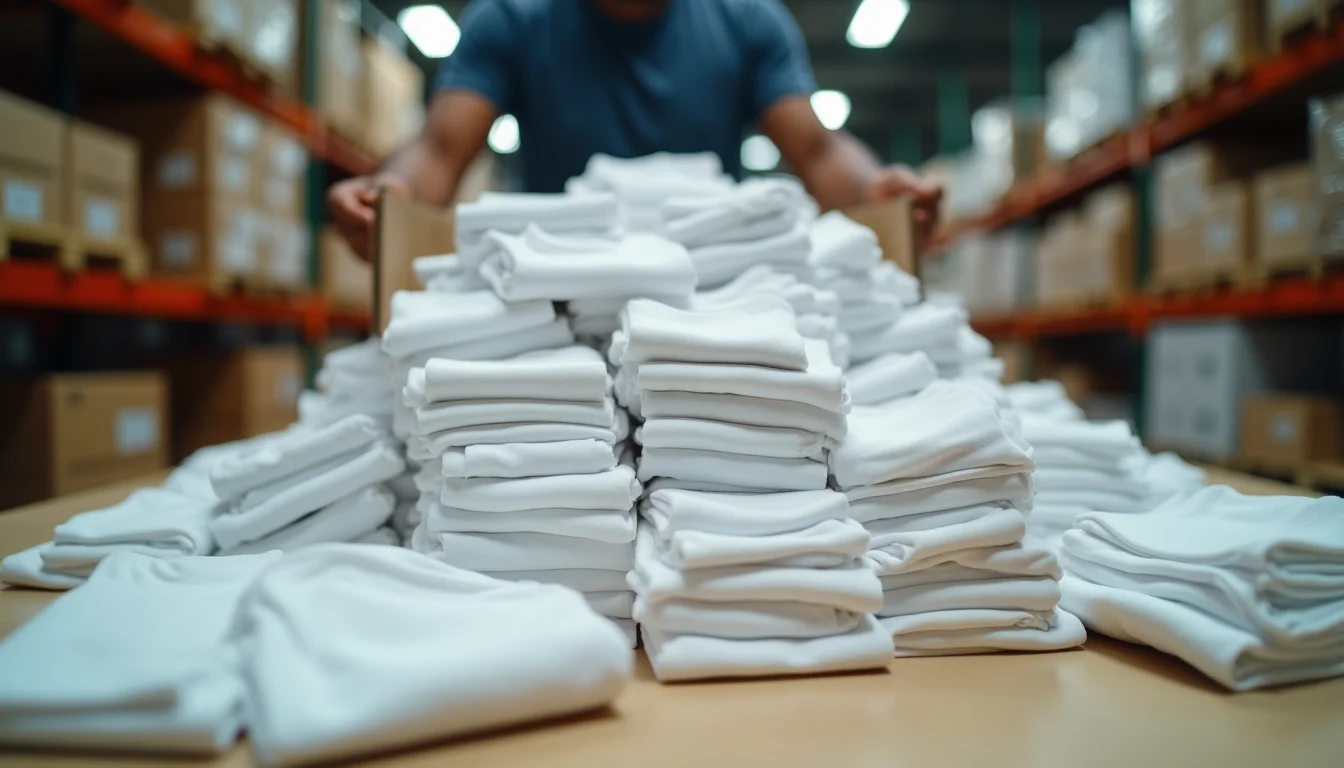
A customer approached us recently — not to place an order, but to share his painful experience. He had ordered 5000 plain t-shirts from a supplier (not us) for a corporate event. The order was urgent, the deadline was tight, and his primary concern was getting the lowest possible price.
Here's where things went wrong:
- He never asked about the GSM (fabric weight/thickness)
- He chose the cheapest quote without questioning fabric quality
- He skipped ordering samples to test the material
- He went straight to bulk production — 5000 pieces
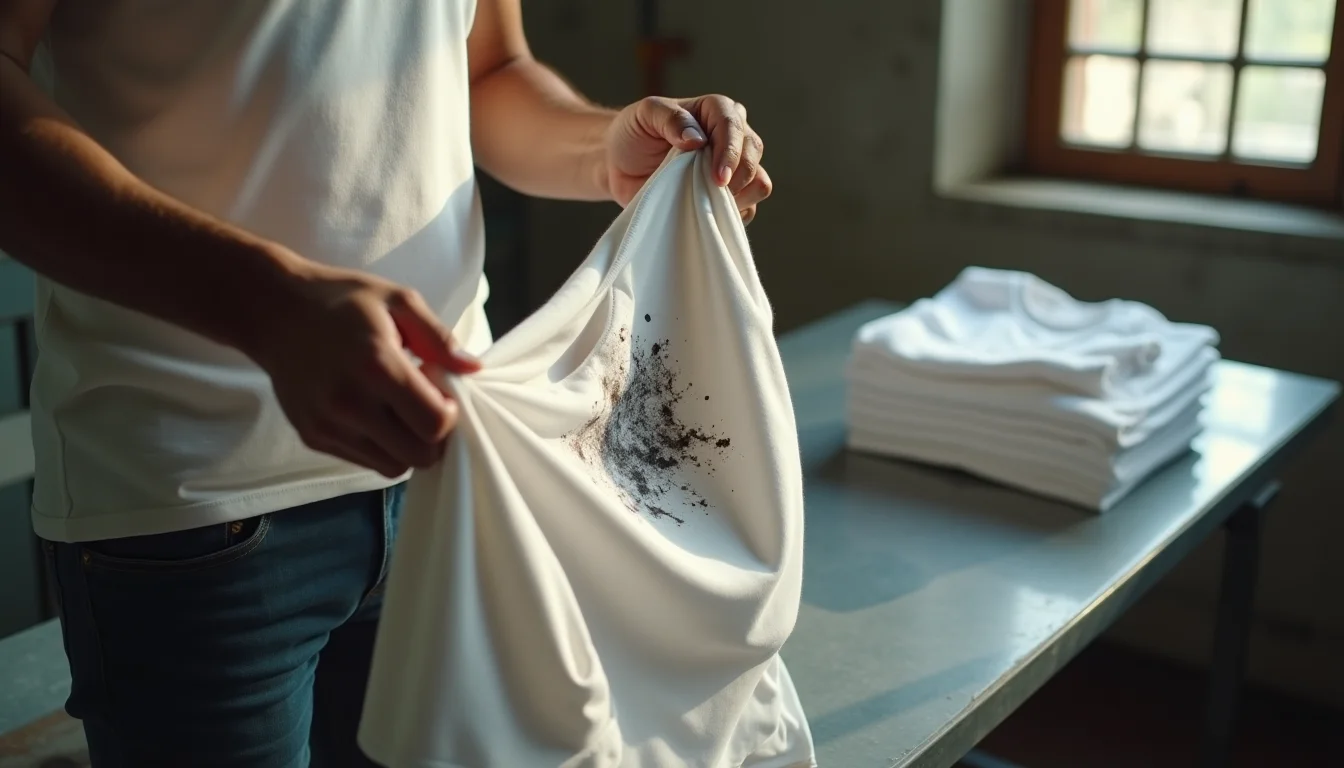
When the t-shirts arrived, the fabric was so thin that you could literally see through it. The GSM was somewhere between 140-150, which feels more like a handkerchief than a proper t-shirt. Despite this, he decided to go ahead with printing, thinking it wouldn't be that noticeable once the designs were on.
The client rejected all 5000 pieces. No returns were accepted because the shirts were already printed. The entire stock became deadstock — unsellable, unusable. Total loss? ₹1.2 lakh.
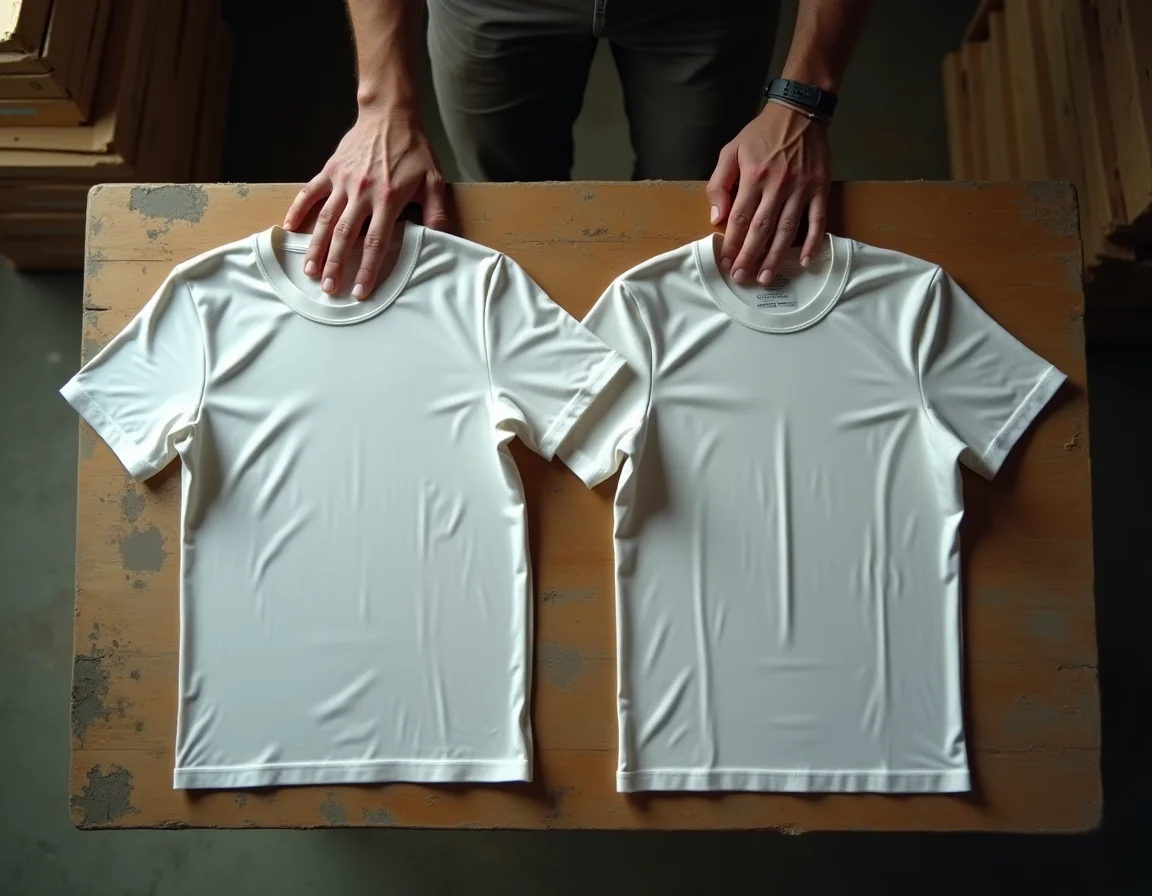
What is GSM and Why Does It Matter So Much?
GSM stands for Grams per Square Meter. It's the standard measurement used to determine the weight and thickness of fabric. In the t-shirt industry, GSM is one of the most critical quality indicators, yet it's often the most ignored by new business owners.
GSM Ranges and Their Uses
| GSM Range | Fabric Feel | Best Use |
|---|---|---|
| 140-150 GSM | Very thin, almost transparent | Not recommended for printing |
| 160-170 GSM | Thin, lightweight | Budget innerwear, very casual wear |
| 180 GSM | Light but decent | Everyday wear, economy printing |
| 200 GSM | Medium weight, good feel | Premium printing, retail quality |
| 220 GSM | Heavy, premium quality | High-end brands, luxury printing |
At Sale91.com, we manufacture t-shirts in 180, 200, 210, and 220 GSM specifically because these are the optimal weights for printing businesses. We've learned from years of experience in Tiruppur — India's textile hub — that anything below 180 GSM is simply not suitable for professional printing work.
Why Low GSM Fabric is a Disaster for Printing Businesses
1. Transparency Issues
When the fabric is too thin, it becomes semi-transparent. This means:
- Body shape and skin tone show through the shirt
- Undergarments are visible
- The printed design appears faded or unclear
- Customers feel uncomfortable wearing them
2. Poor Print Quality
Thin fabric creates several printing problems:
- DTG printing: Ink bleeds through to the other side
- Screen printing: Cannot apply proper pressure, prints look faded
- Heat transfer: Fabric may scorch or warp under heat
- Vinyl printing: Transfer may peel or crack faster
3. Durability Concerns
Low GSM fabrics simply don't last:
- Tears and holes appear after just a few washes
- Neckline stretches out quickly
- Shape distortion happens faster
- Overall lifespan is drastically reduced
4. Customer Dissatisfaction
This is the ultimate business killer:
- Customers feel cheated with cheap-quality shirts
- Your brand reputation takes a massive hit
- Returns and refund requests flood in
- Negative reviews damage your online presence
- Repeat business becomes impossible

The Golden Rule: Minimum 200 GSM for Printing
After manufacturing over 1,25,232+ pieces in just the last 30 days and working with hundreds of printing businesses across India, we've established a clear benchmark:
For any professional printing business, the minimum GSM should be 200. This ensures good opacity, excellent print quality, proper durability, and customer satisfaction.
Yes, 180 GSM can work for budget-conscious projects, but 200 GSM is where quality truly begins. For premium brands and high-end printing work, 220 GSM is the ideal choice.
Why 200 GSM is the Sweet Spot
- Opacity: Zero transparency issues — body and undergarments stay concealed
- Print absorption: Ink sits properly on the fabric without bleeding through
- Durability: Withstands 50+ washes without losing shape or quality
- Feel: Premium hand-feel that customers appreciate
- Versatility: Works for all printing methods — DTG, DTF, screen print, vinyl
How to Avoid This ₹1.2 Lakh Mistake
Step 1: Always Ask About GSM
Before you finalize any supplier, the first question should be: "What is the GSM of these t-shirts?" If the supplier hesitates, doesn't know, or offers vague answers like "good quality," that's a red flag.
Step 2: Order Samples First
Never — and we mean never — place a bulk order without testing samples. Order at least 10-20 pieces in different colors. Test them rigorously:
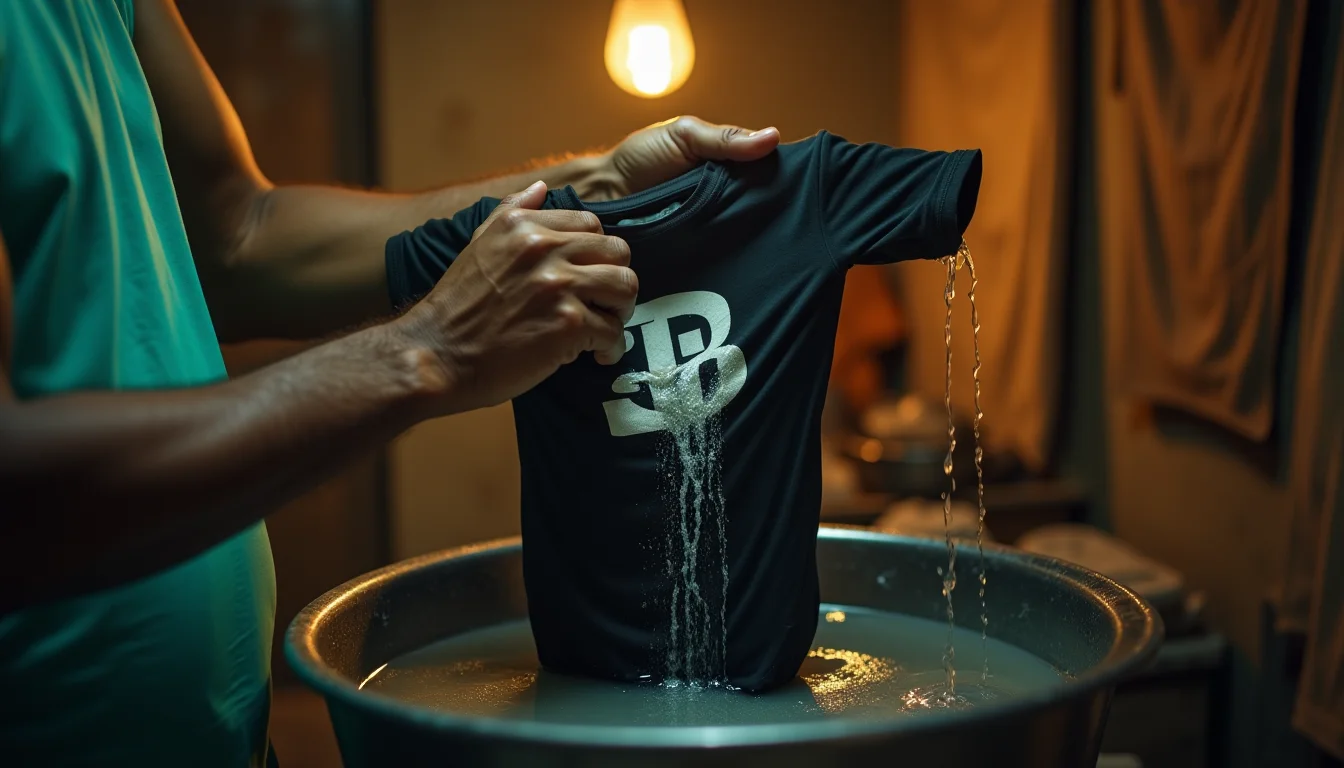
- Feel the fabric thickness in your hands
- Hold it up against light to check transparency
- Print on 2-3 pieces using your actual printing method
- Wash them 3-4 times to check shrinkage and durability
- Wear one yourself for a full day
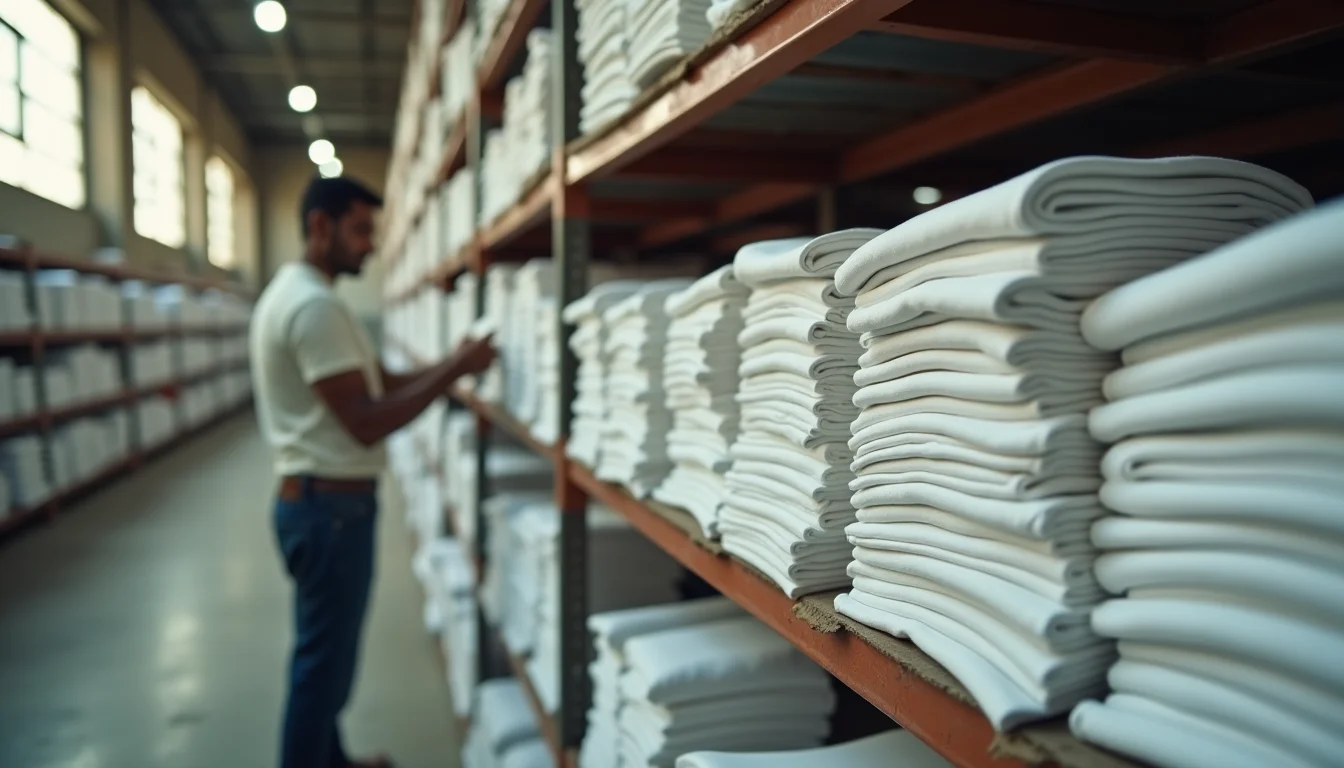
At Sale91.com, we encourage all our customers to order samples. In fact, we keep over 1 lakh+ t-shirts in ready stock at our Delhi warehouse specifically so customers can order small quantities (MOQ as low as 10 pieces) to test before committing to bulk.
Step 3: Don't Choose Based on Price Alone
Yes, cost matters. But the cheapest option is often the most expensive in the long run. Consider the total cost of ownership:
- Initial purchase price
- Printing costs
- Potential returns and refunds
- Brand reputation damage
- Lost future business
A ₹20 cheaper t-shirt that causes ₹1.2 lakh in losses isn't a bargain — it's a disaster.
Step 4: Work with Manufacturers, Not Traders
This is crucial. Many suppliers in the market are just traders — they don't manufacture anything themselves. They source from various places, often prioritizing price over quality.
Manufacturers like us at Sale91.com (BulkPlainTshirt.com) have control over the entire process:
- We knit our own fabric in-house
- We control the GSM precisely
- We use ring-spun combed cotton for superior quality
- All our products are bio-washed and pre-shrunk
- We can guarantee consistency across orders
Step 5: Understand Your Customer's Expectations
Different projects have different quality requirements:
- Corporate events: Need premium look and feel — go with 200-220 GSM
- Retail brands: Customer retention matters — 200 GSM minimum
- Promotional giveaways: Budget matters but quality can't be trash — 180 GSM acceptable
- Online merchandise stores: Reviews make or break you — 200 GSM recommended
The Sale91.com Difference: Quality You Can Trust
We understand the challenges printing businesses face because we work with them every single day. Our entire operation is built around one principle: providing consistent, high-quality blank t-shirts that help your business succeed.
Our Product Range
- Plain Round Neck T-shirts: Available in 180, 200, 210, and 220 GSM
- Oversized T-shirts: Trendy fits in premium GSM
- Plain Polo T-shirts: Professional look with quality fabric
- Hoodies & Sweatshirts: 240, 320, and 430 GSM for different seasons
- Acid Wash T-shirts: Unique style in regular and oversized fits
Every single product is made from 100% cotton, bio-washed for softness, pre-shrunk to prevent sizing issues, and crafted from ring-spun combed cotton for that premium feel.
Why Printing Businesses Choose Us
- Consistent GSM: Every batch meets exact specifications
- Ready stock: 1 lakh+ pieces available for immediate dispatch
- Low MOQ: Start with just 10 pieces to test
- Competitive pricing: ₹2/piece discount on 500+ quantity, ₹3/piece online discount for any quantity
- PAN India delivery: From our Delhi warehouse to your doorstep
- Export capability: We ship internationally via courier or sea transport
- COD available: 50% COD on first order for new buyers (with 3% COD charge)
Check out our complete product catalog at BulkPlainTshirt.com/catalog to see the full range of options available for your printing business.
What This Story Teaches Every Printing Business Owner
The customer who lost ₹1.2 lakh learned these lessons the hard way. You don't have to:
- Price isn't everything: The cheapest option often becomes the most expensive
- GSM matters immensely: It directly impacts print quality, durability, and customer satisfaction
- Samples are mandatory: Testing before bulk orders is not optional — it's essential
- Know your supplier: Manufacturers provide more consistency than traders
- Set quality standards: Minimum 200 GSM for professional printing work
- Think long-term: Your reputation is worth more than short-term savings
Watch the Video: Real Story, Real Lessons
Hear this story directly from our team and understand the visual difference between proper GSM and thin, cheap fabric. This short video could save you lakhs:
Frequently Asked Questions (FAQ)
Don't Make the Same ₹1.2 Lakh Mistake
Start with quality. Start with proper GSM. Start with a supplier you can trust.
Order your sample pack today and experience the Sale91.com difference. Test our 200 GSM and 220 GSM t-shirts, print on them, wash them, and see why over 1,25,232+ pieces were sold in just the last 30 days.
Order Now from Sale91.com