500 T-Shirts Ruined in First Wash — This GSM Mistake Cost ₹40K
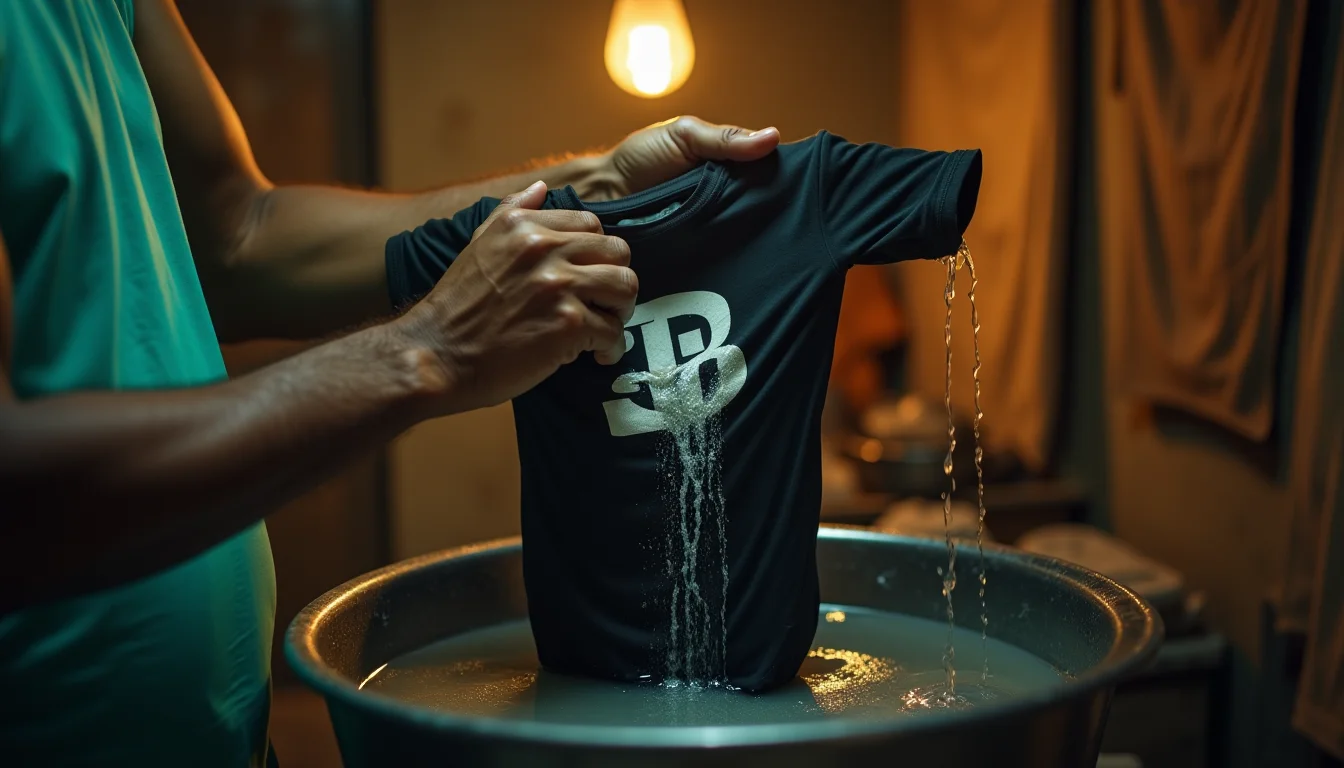
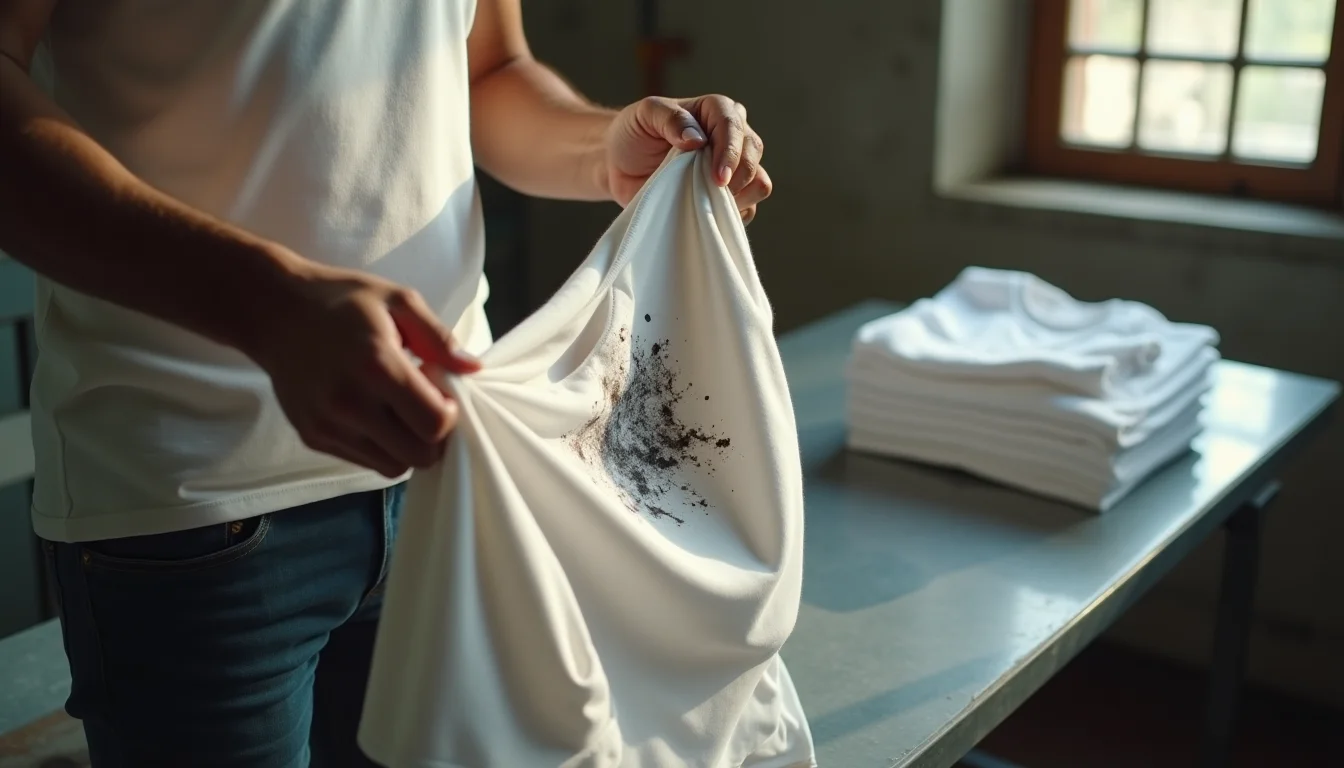
Imagine this nightmare scenario: You've just completed a bulk order of 500 custom-printed t-shirts. The designs look perfect. Your customer is happy. Payment is received. Everything seems perfect... until the first wash. Within minutes, all your hard work literally goes down the drain. The ink washes out completely, and you're staring at a ₹40,000 loss.
This isn't a hypothetical situation. It happened to one of our customers recently, and unfortunately, it's a story we hear far too often in the t-shirt printing business. The tragedy? This expensive mistake was completely preventable.
In this comprehensive guide, we'll break down exactly what went wrong, the science behind why screen printing fails, and most importantly, how you can protect your printing business from this costly disaster.
The ₹40,000 Mistake: What Actually Happened
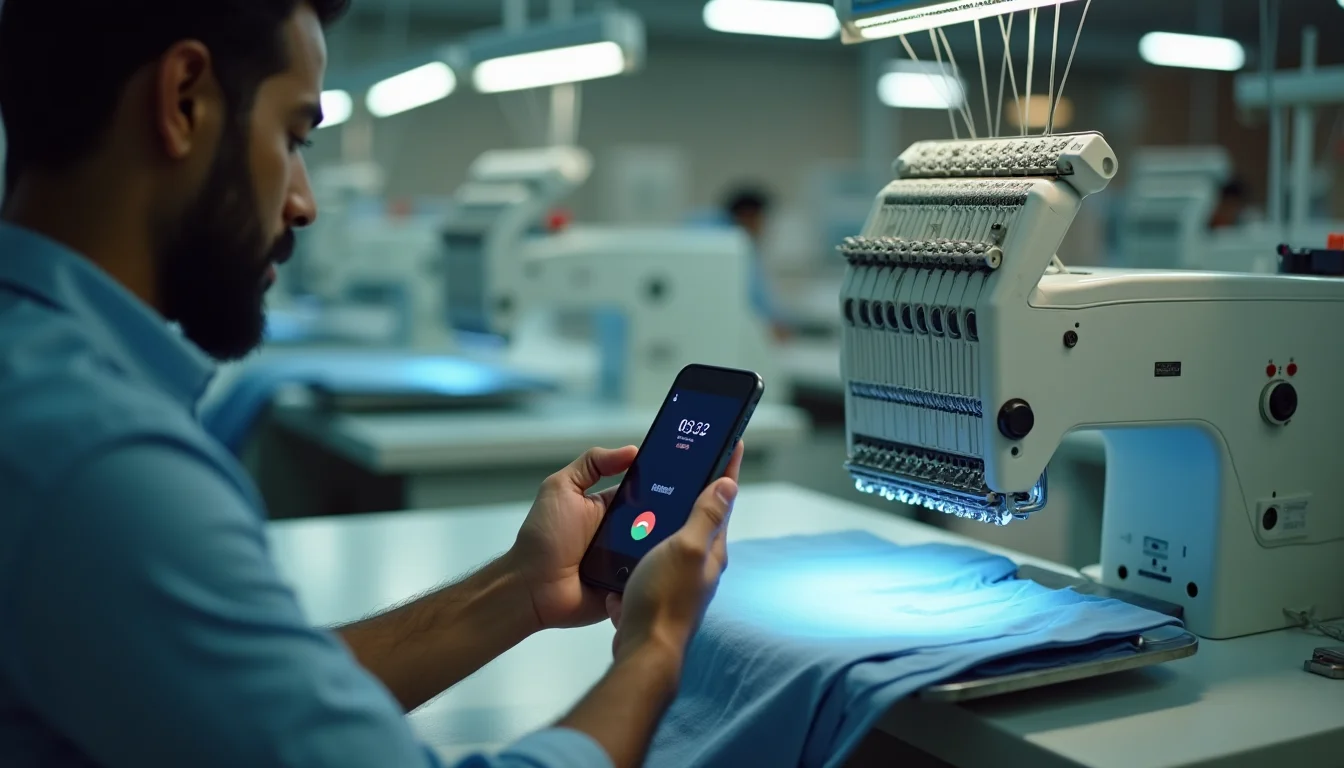
A customer called our team at Sale91.com in complete distress. He had just received angry calls from his own client — all 500 t-shirts he had supplied came out of the first wash cycle with faded, patchy prints. Some had lost the design completely.
When we investigated what went wrong, we discovered two critical mistakes that are shockingly common in the Indian printing industry:
These two factors combined created the perfect storm for printing failure. Let's understand why each of these matters so much.
Understanding Fabric GSM: Why It Matters for Screen Printing
GSM stands for "Grams per Square Meter" — it's the weight and thickness measurement of fabric. In the t-shirt industry, GSM directly correlates with fabric quality, durability, and most importantly for printers, how well ink adheres to the material.
The Problem with Low GSM Fabrics (140-150 GSM)
When you use ultra-low GSM fabrics (140-150 GSM), you're dealing with:
- Thin, loosely woven structure: The fabric has larger gaps between fibers, providing poor surface area for ink to grip
- Open-end yarn construction: Unlike ring-spun yarn, open-end has loose, untidy fiber ends that don't lock ink molecules properly
- Poor dimensional stability: The fabric stretches and distorts easily, causing the cured ink layer to crack and peel
- High absorbency issues: Thin fabrics either absorb too much ink (wasting material) or resist proper penetration (causing surface-only adhesion)
The Right Fabric Choice: 200 GSM Minimum Ring-Spun Combed Cotton
For professional screen printing, DTF, or DTG applications, you should never go below 200 GSM. Here's why this specification matters:
- 200 GSM weight: Provides adequate fabric density for ink penetration and mechanical grip
- Ring-spun construction: Creates stronger, more uniform yarn with tightly twisted fibers that lock ink in place
- Combed cotton: Removes short fibers and impurities, creating a smoother, more consistent printing surface
- Bio-washed finish: Enzyme treatment smooths the surface and removes loose fibers that could interfere with ink adhesion
- Pre-shrunk processing: Ensures dimensional stability so cured prints don't crack during the first wash
At Sale91.com, all our plain t-shirts are manufactured with ring-spun combed cotton in 180 GSM (for everyday wear), 200 GSM (premium standard), 210 GSM, and 220 GSM (heavy premium) variants. We knit our own fabric in-house at our Tiruppur facility, ensuring consistent quality control that traders and resellers simply cannot match.
The Science of Screen Print Curing: Temperature Matters
Even if you use the perfect fabric, improper curing will still result in print failure. This is where the second major mistake comes into play.
What Is Curing and Why Is It Critical?
Screen printing ink contains polymers (plastics) suspended in a carrier medium. When you apply ink to fabric, it sits primarily on the surface and between the top fiber layers. Curing is the process of applying heat to:
- Evaporate the carrier solvents or water
- Melt and fuse the polymer particles
- Bond the melted polymer to fabric fibers
- Create a durable, wash-resistant layer
Incomplete curing means the polymer particles never fully melt and bond. They remain as loose particles sitting on the fabric surface, easily dislodged by mechanical action (washing, rubbing, stretching).
The Critical Temperature: 160°C for Plastisol Inks
Most screen printing in India uses plastisol inks, which require a curing temperature of 160°C (320°F) for a minimum of 30 seconds. Some specialized inks may require different temperatures, but 160°C is the industry standard.
Important: This is the temperature the ink layer itself must reach, not just the air temperature around it or the dryer setting. This distinction is crucial.
Common Curing Mistakes That Cause Print Failure
- Hand-checking instead of thermometer use: Your hand cannot accurately assess 160°C. Always use an infrared thermometer or temperature strips
- Insufficient dwell time: Passing the t-shirt too quickly under the heat source doesn't allow heat to penetrate the ink layer fully
- Using household irons: Domestic irons rarely reach or maintain 160°C, and they don't provide even heat distribution
- Uneven heat application: Some parts of the print reach proper temperature while others remain under-cured
- Over-curing thin fabrics: On low GSM fabrics, attempting proper curing can scorch or damage the material
- Ambient temperature not considered: In winter or AC environments, more heat/time is needed than in summer
Proper Curing Equipment and Techniques
Professional curing requires proper equipment. Here's what works and what doesn't:
Recommended Curing Methods
1. Conveyor Dryers (Best Option):
- Consistent temperature across the entire print area
- Adjustable belt speed for precise dwell time control
- Built-in thermometers for monitoring
- Ideal for bulk production (50+ pieces per day)
- Investment: ₹40,000 - ₹2,00,000 depending on size
2. Heat Guns (Budget-Friendly Alternative):
- Portable and affordable (₹1,500 - ₹8,000)
- Requires careful technique and infrared thermometer
- Suitable for small batches (under 20 pieces per day)
- Risk of uneven heating if operator isn't careful
- Must maintain 6-8 inch distance and keep moving
3. Flash Cure Units:
- Professional mid-range option
- Good for between-color curing in multi-color prints
- Faster than heat guns, more affordable than conveyor
- Investment: ₹15,000 - ₹60,000
The Step-by-Step Proper Curing Process
- Pre-heat your curing equipment: Allow 10-15 minutes for conveyor dryers to reach stable operating temperature
- Test first piece with thermometer: Use infrared thermometer to verify the ink surface reaches 160°C
- Maintain consistent distance and speed: Keep heat source at manufacturer-recommended distance and don't rush the process
- Check multiple points on print: Verify edges and center all reach proper temperature
- Allow cooling period: Let prints cool for 2-3 minutes before stacking to prevent blocking (ink transfer)
- Perform wash test: Before delivering bulk orders, wash test 2-3 pieces to verify cure quality
Pro Tip: Create a curing log where you record temperature, time, ink type, and fabric GSM for each job. This helps you identify patterns if issues arise and builds a knowledge base for your specific setup.
How Fabric and Curing Work Together
Here's why both factors are equally important and must work in harmony:
Scenario 1: Good Fabric + Poor Curing = Print Failure
Even on premium 200 GSM ring-spun cotton, under-cured ink will wash out because the polymer bonds never fully formed.
Scenario 2: Poor Fabric + Good Curing = Print Failure
On thin 140 GSM open-end fabric, even perfectly cured ink has insufficient fiber structure to grip. The fabric may also get damaged by proper curing temperatures.
Scenario 3: Good Fabric + Good Curing = Professional Results
Premium 200 GSM ring-spun combed cotton + proper 160°C curing for 30+ seconds = prints that survive 50+ wash cycles without fading.
The True Cost of Cheap Fabric: A Business Perspective
Let's break down the economics that led to our customer's ₹40,000 loss:
His Calculation (Using Cheap Fabric):
- 140 GSM open-end fabric t-shirt: ₹70 per piece
- 500 pieces: ₹35,000
- Screen printing cost: ₹20 per piece = ₹10,000
- Total investment: ₹45,000
- Selling price: ₹120 per piece = ₹60,000
- Expected profit: ₹15,000
What Actually Happened:
- All 500 pieces rejected by customer
- Total loss: ₹45,000 (can't resell printed rejects)
- Reputation damage: Potentially lost client permanently
- Time wasted: 3-4 days of production time gone
- Actual profit: -₹45,000
What He Should Have Done (Premium Fabric):
- 200 GSM ring-spun combed cotton from Sale91.com: ₹95 per piece
- 500 pieces: ₹47,500
- Screen printing with proper curing: ₹20 per piece = ₹10,000
- Total investment: ₹57,500
- Selling price (premium positioning): ₹140 per piece = ₹70,000
- Actual profit: ₹12,500
- Customer satisfaction: High, leading to repeat orders
- Reputation: Enhanced as a quality supplier
The "savings" of ₹25 per t-shirt by choosing cheap fabric cost him ₹45,000 plus business reputation. The math simply doesn't work.
Watch the Full Video Explanation
See the complete breakdown of this ₹40,000 mistake and how to avoid it in your printing business:
Additional Factors That Affect Print Durability
Beyond fabric GSM and curing temperature, several other factors influence how long your prints last:
1. Fabric Pre-Treatment
- Bio-washing: Removes excess lint and loose fibers that can interfere with ink adhesion
- Pre-shrinking: Ensures fabric won't shrink in first wash, which would crack the cured ink layer
- pH neutralization: Fabric with extreme pH can affect ink chemistry and curing
2. Ink Quality
- Premium plastisol inks have higher polymer content and better binders
- Always use inks from reputable manufacturers with proper technical specifications
- Check expiry dates — old ink loses binding properties
- Store ink in cool, dark conditions to maintain quality
3. Mesh Count Selection
- Lower mesh counts (110-160) deposit more ink, providing better grip on fabric
- Higher mesh counts (200-305) are for fine detail but deposit less ink
- Match mesh count to your design and fabric for optimal results
4. Print Pressure and Squeegee Technique
- Too much pressure pushes ink through without proper fiber contact
- Too little pressure leaves insufficient ink deposit
- Proper squeegee angle (45-60 degrees) and consistent pressure are crucial
5. Customer Care Instructions
- Always provide wash care labels or instructions
- Recommend inside-out washing for printed garments
- Suggest cold water wash and air drying for maximum print longevity
- Warn against bleach and harsh detergents
Quality Fabric Sources: Why In-House Manufacturing Matters
One critical lesson from this ₹40,000 disaster is the importance of fabric source reliability. Our customer bought from a local trader who couldn't guarantee fabric specifications or consistency.
At Sale91.com, we address this problem by being actual manufacturers, not resellers:
- In-house knitting: We knit our own fabric at our Tiruppur facility, ensuring consistent GSM, yarn quality, and construction
- Batch consistency: When you reorder, you get the exact same fabric specifications, crucial for maintaining print quality
- Technical support: We understand fabric at a manufacturing level and can guide you on the right specifications for your printing method
- Quality testing: Every batch undergoes shrinkage testing, GSM verification, and bio-wash quality checks
- Direct pricing: No middleman markup means better prices despite premium quality
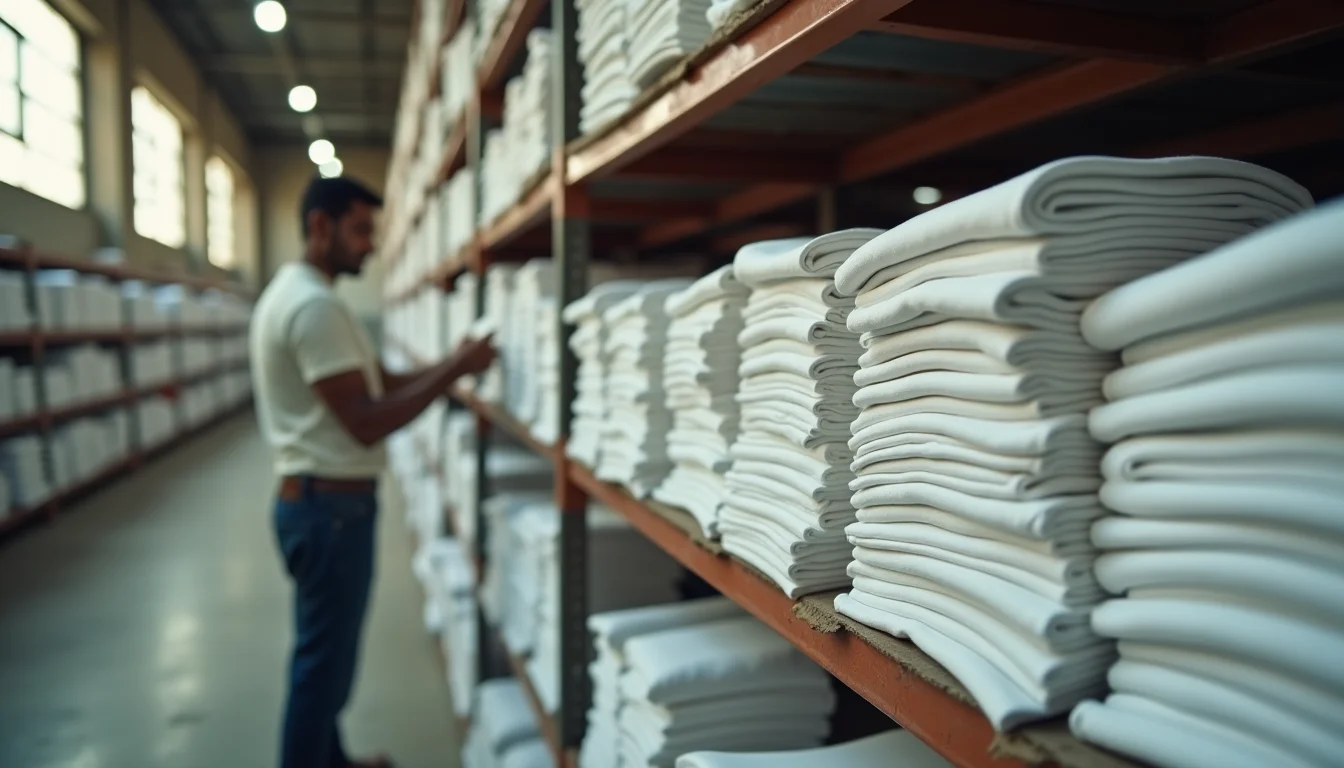
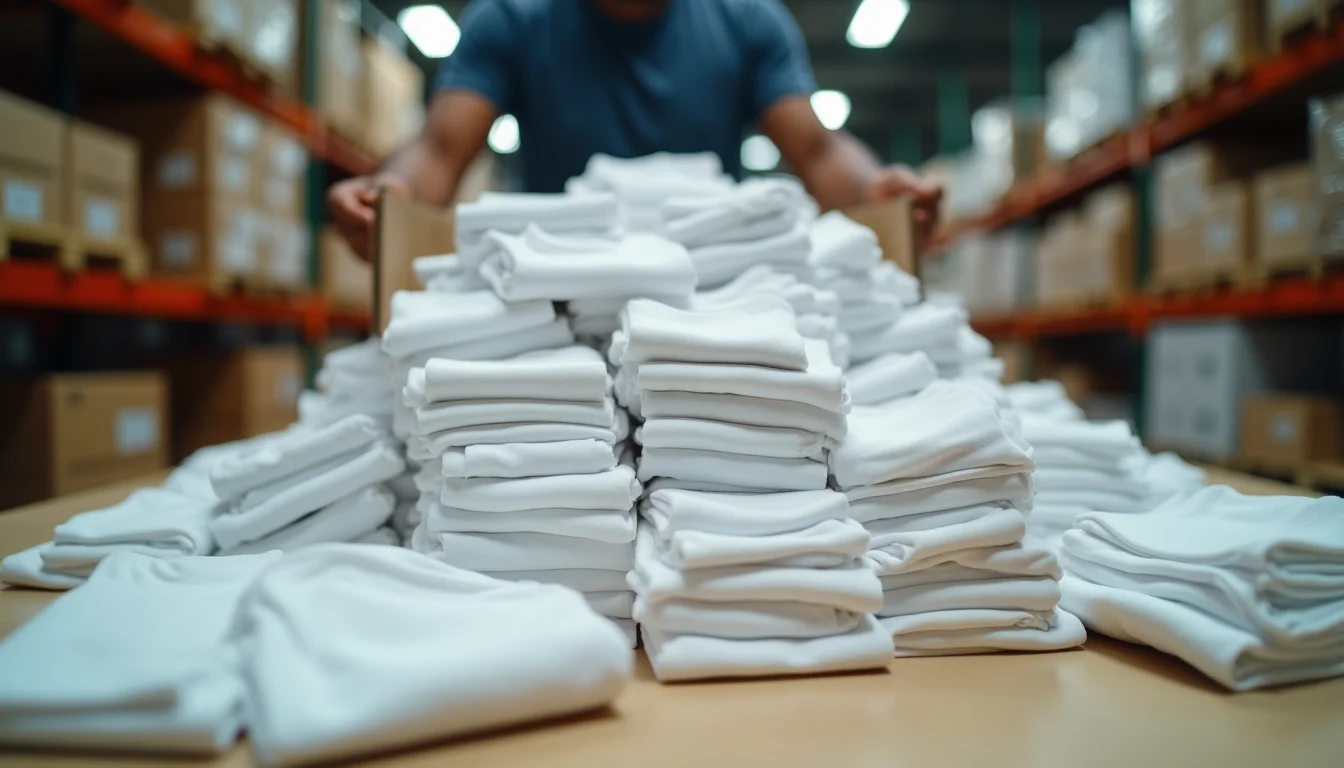
We maintain 1 lakh+ pieces in ready stock across 15+ colors in multiple GSM options. Whether you need 10 pieces for sampling or 5,000 for bulk production, we can serve your requirements with the same quality standards.
Check our complete range at our product catalog.
Building a Quality-First Printing Business
The screen printing industry in India is highly competitive, and many businesses try to compete on price alone. However, as this case study proves, the race to the bottom is a race to business failure.
Here's how to position your printing business for sustainable success:
1. Never Compromise on Fabric Quality
Use minimum 200 GSM ring-spun combed cotton for all printing work. The marginal cost increase is negligible compared to the risk of rejected orders, lost customers, and damaged reputation.
2. Invest in Proper Curing Equipment
If you're doing more than 20 pieces per day, a conveyor dryer pays for itself in consistency and time savings within 3-6 months. For smaller operations, at minimum invest in a quality heat gun and infrared thermometer.
3. Always Test Before Bulk Delivery
Before delivering any order over 100 pieces, wash test 2-3 samples through a full hot water wash cycle. This 20-minute investment can save you from disasters.
4. Educate Your Customers
Many customers don't understand why premium fabric costs more. Take time to explain the quality difference, show them samples, and demonstrate wash durability. Educated customers become loyal customers.
5. Document Your Process
Maintain records of curing temperature, time, fabric specifications, and ink types for each job. If issues arise, you can troubleshoot systematically rather than guessing.
6. Position as Premium, Not Cheap
There will always be someone willing to print cheaper than you. Instead of competing there, compete on quality, reliability, and durability. Your target customers are those who understand value, not just price.
Get Premium Plain T-Shirts for Your Printing Business
Don't let fabric quality be the reason your printing business fails. Source from manufacturers who understand what printing businesses need.
Sale91.com Benefits for Printing Businesses:
- 200 GSM, 210 GSM, 220 GSM ring-spun combed cotton
- Bio-washed and pre-shrunk for optimal print adhesion
- 1,25,232+ pieces sold in last 30 days to satisfied printing businesses
- ₹3/pc online discount on all quantities
- ₹2/pc additional discount on 500+ pieces
- 50% COD available on first order (only 3% COD charge)
- Ready stock of 1 lakh+ pieces for immediate dispatch
- Delhi warehouse for faster North India delivery