₹50K vs ₹2 Lakh DTF Printer — Print Head Life, Real Cost & Which One Indian Printers Should Buy
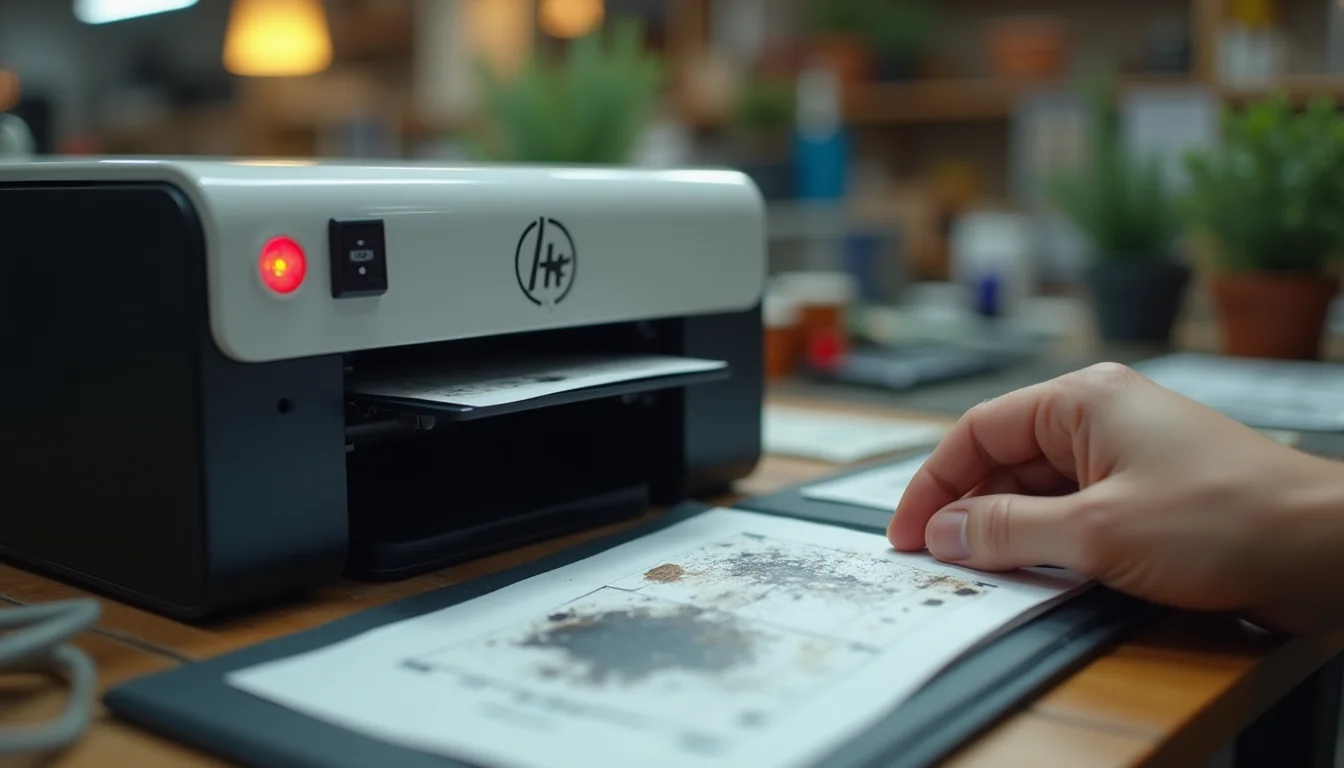
A panicked customer called me last month. His ₹50,000 DTF printer's print head had completely died in just 3 months. He had already spent ₹15,000 replacing the head once, and now it was happening again. The frustration in his voice was real — he had calculated that his "budget-friendly" printer was costing him more than a premium one would have.
This is a conversation I have almost every week with t-shirt printing business owners across India. The DTF printing market has exploded in the last two years, and with it, a flood of budget printers promising the world for just ₹40,000-₹50,000. Meanwhile, established brands are selling industrial DTF machines for ₹1.5-₹2 lakh or more.
So which one should you actually buy? The answer isn't as simple as "cheap is bad" or "expensive is always better." The right printer for you depends entirely on your daily print volume, budget reality, and long-term business goals. In this comprehensive guide, I'll break down the real differences between budget and premium DTF printers — differences that most sellers won't tell you because it doesn't serve their interests.
The Print Head Reality: Why Budget Printers Die Fast
Let's start with the most critical component of any DTF printer: the print head. This is where the real cost difference lies, and it's the single biggest factor that determines whether your printer is an investment or a recurring expense.
Modified vs Industrial Print Heads
Budget DTF printers in the ₹40K-₹60K range almost always use modified Epson heads. These are desktop printer heads (like those from Epson L1800, L805, or similar models) that have been adapted to work with DTF ink. While they can print decent quality, they were never designed for the harsh chemicals in DTF ink or the high-volume printing that commercial businesses demand.
The typical lifespan? 6-8 months with moderate use. If you're printing heavily (100+ pieces daily), you might see failure in 3-4 months. Each replacement head costs ₹12,000-₹18,000 depending on the model.
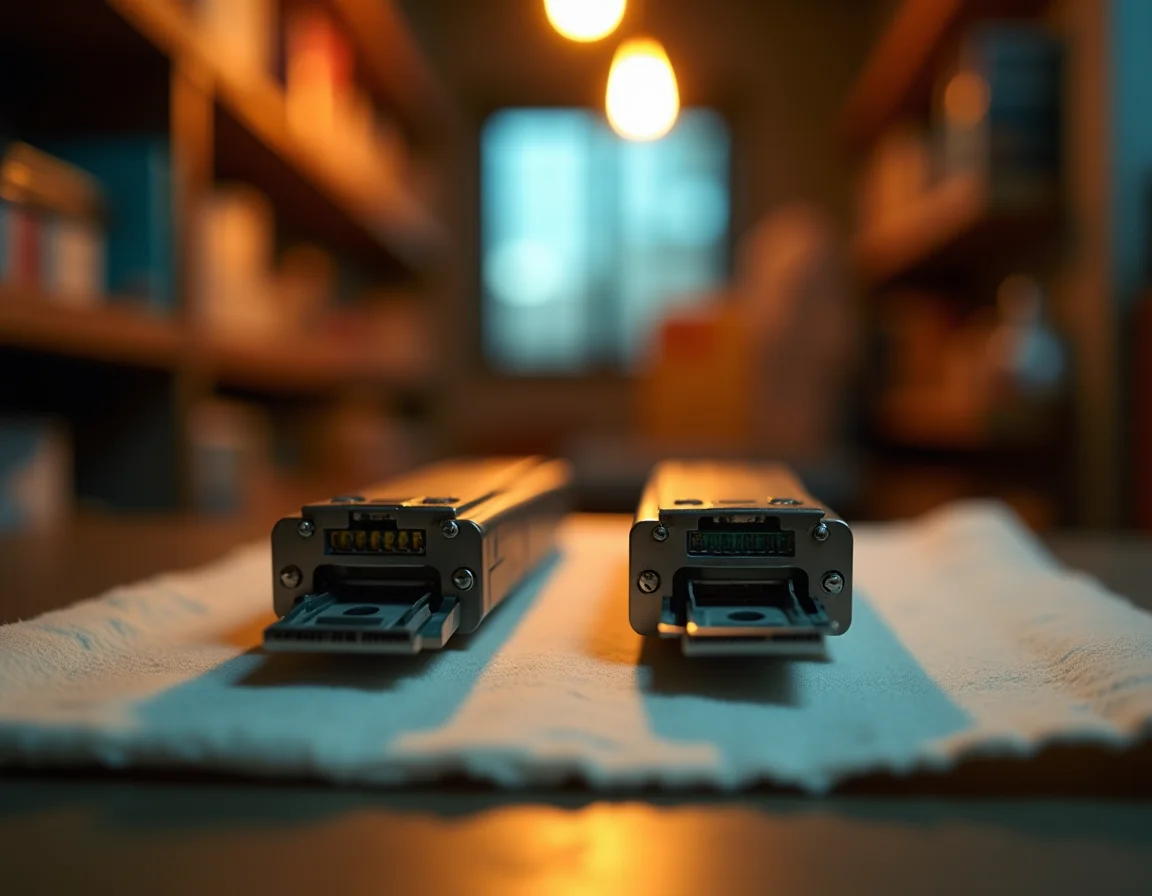
Premium DTF printers (₹1.5 lakh and above) use industrial-grade Epson i3200 or XP600 heads designed specifically for textile printing. These heads are built to handle aggressive inks, run for longer hours, and maintain print quality over time. Expected lifespan? 2-3 years minimum, even with heavy daily use.
Do the math: If you're replacing a ₹15,000 head every 6 months, that's ₹30,000 per year just on the print head. Over 3 years, you've spent ₹90,000 on replacement parts alone. The "cheap" printer suddenly doesn't look so cheap anymore.
Real-World Scenario: Ravi's Print Shop in Delhi
Ravi runs a printing business in Laxmi Nagar, Delhi. He started with a ₹48,000 Chinese DTF printer. For the first 4 months, everything was great — he was printing 30-40 t-shirts daily, and his customers loved the quality. Then the nozzles started clogging. Then lines appeared in prints. By month 5, half the nozzles were dead.
Replacement head: ₹16,500. Installation and calibration: another ₹2,000. He lost 4 days of business waiting for the part. Total cost: ₹18,500 plus lost revenue of approximately ₹25,000.
When I spoke to Ravi, he said, "If I had known this, I would have saved another ₹1 lakh and bought a proper machine. Now I'm stuck replacing parts and losing orders." His story is not unique. This is the reality for hundreds of small printing businesses that went with the budget option without understanding the hidden costs. For quality blank tees that won't give you fabric-related headaches while you deal with printer issues, check out Sale91.com's premium plain t-shirts, where we manufacture our own 100% combed cotton blanks.
Print Speed: The Volume Bottleneck
The second major difference is print speed, and this is where many business owners underestimate the impact until they're drowning in pending orders.
Budget DTF Printer (₹50K): 8-12 A4 prints per hour
Premium DTF Printer (₹2L): 40-60 A4 prints per hour
That's a 5x difference in productivity. If you're running a small side business printing 15-20 pieces daily, the budget printer is perfectly adequate. But the moment you scale to 50-100 pieces per day, that slow print speed becomes a massive bottleneck.
The Hidden Cost of Slow Printing
Let's say you get an order for 200 custom t-shirts with a 3-day deadline. With a budget printer running at 10 prints per hour, you need 20 hours of pure printing time — that's nearly 3 full days if you run the machine non-stop. No time for other orders. No buffer for mistakes. No machine rest time.
With a premium printer at 50 prints per hour, the same job takes 4 hours. You finish in half a day and can take on more orders. Over a year, this speed difference translates to either turning away business or being able to grow.
Total Cost of Ownership: The 3-Year Analysis
Let's break down the real cost over 3 years for both printer types, assuming moderate usage (50 prints per day, 25 working days per month).
| Cost Component | Budget Printer (₹50K) | Premium Printer (₹2L) |
|---|---|---|
| Initial Investment | ₹50,000 | ₹2,00,000 |
| Print Head Replacements (3 years) | ₹90,000 (6 replacements) | ₹0 (original head lasts) |
| Maintenance & Repairs | ₹45,000 (frequent issues) | ₹15,000 (minimal issues) |
| Downtime Cost (lost orders) | ₹60,000 (estimate) | ₹10,000 (estimate) |
| Total 3-Year Cost | ₹2,45,000 | ₹2,25,000 |
As you can see, by year 3, the "cheap" printer has actually cost you more money — and that's not even counting the opportunity cost of lost business due to slower speeds and unreliable performance.
When Budget DTF Printers Actually Make Sense
I don't want to completely trash budget printers, because there are legitimate scenarios where they're the right choice. Here's when you should consider a ₹50K printer:
- You're just starting out and testing the market with low order volume (less than 20 pieces daily)
- Capital is extremely tight and you literally cannot arrange ₹2 lakh for equipment
- You're running a side business and printing is not your primary income source
- You have technical skills to troubleshoot and repair minor issues yourself
- You're printing for personal use or small local orders where speed isn't critical
If any of these describe you, a budget printer can be a good entry point. Just go in with realistic expectations about maintenance costs and lifespan. Set aside ₹20,000 per year for repairs and replacements, and you'll be prepared. And when you're printing those test runs, make sure you're using quality blanks from our catalog — bad fabric quality can make even the best prints look terrible.
When You Should Invest in Premium DTF Printers
On the flip side, here's when spending ₹1.5-₹2 lakh on a premium printer is the smarter business decision:
- You're printing 50+ pieces daily and expecting to grow further
- You have consistent B2B orders from retailers, corporates, or bulk buyers
- Reliability is critical because you can't afford to miss deadlines
- You plan to scale and need equipment that can keep up with growth
- You can arrange financing — the total cost of ownership actually works out cheaper
- You're replacing an existing printer and learned the hard way about budget models
If you're serious about building a sustainable printing business, the premium printer is not an expense — it's an investment that pays for itself through reliability, speed, and lower maintenance costs.
Other Key Differences You Should Know
Ink System and Consumption
Budget printers often use aftermarket or generic DTF inks to keep costs low. These inks can cause more clogging, affect print quality, and reduce head life. Premium printers typically recommend or include branded inks formulated specifically for their print heads.
Ink consumption per print is also higher in budget models due to less efficient ink delivery systems. Over thousands of prints, this adds up. If you're dealing with quality concerns in your prints, it might not be the printer alone — the ink-fabric combination matters just as much. Speaking of fabric, many printing issues actually stem from using low-quality materials rather than the printing process itself.
Software and RIP Quality
Premium DTF printers come with better RIP (Raster Image Processing) software that gives you more control over color management, white ink density, and print settings. Budget models often use basic or pirated software with limited features.
This affects color accuracy, gradient smoothness, and how well whites print on dark fabrics. If you're doing high-value orders or selling to quality-conscious clients, the software difference matters.
Build Quality and Components
Premium printers use better motors, sturdier frames, higher-quality linear rails, and more durable components throughout. Budget printers cut corners everywhere possible to hit that low price point.
This shows up in print alignment issues, feeding problems, and general reliability. A premium printer that runs smoothly for years vs. a budget printer that constantly needs adjustment and calibration — that's the difference in build quality.
Powder Shaker and Dryer Systems
Many budget printers come with manual or semi-automatic powder application and basic drying systems. Premium models often include fully automated powder shakers and proper heating systems that ensure even powder distribution and faster drying.
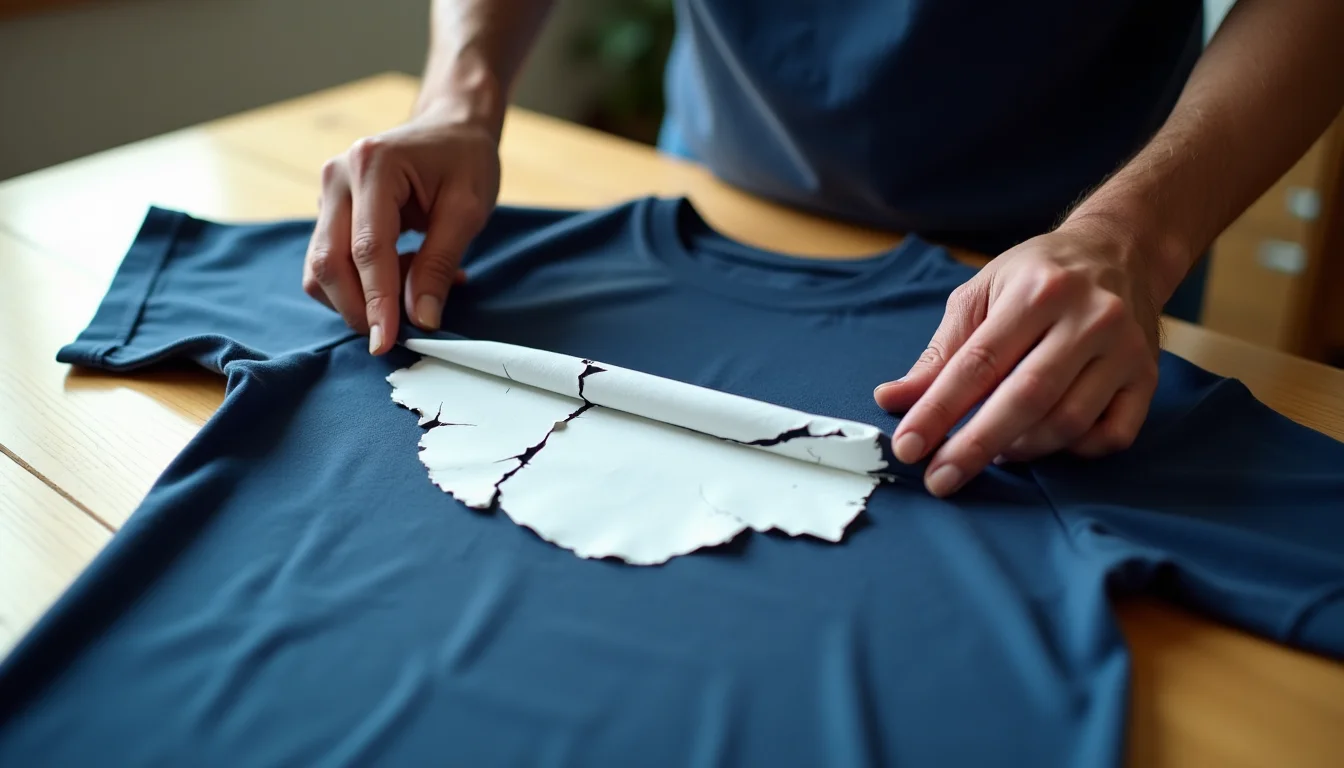
This doesn't just save labor time — it directly affects print quality and wash durability. Uneven powder application is one of the top causes of prints cracking or peeling after washing. If you've experienced this problem, you might want to read about common DTF printing mistakes that ruin otherwise good prints.
Making Your Decision: A Practical Framework
Here's a simple decision framework to help you choose:
Step 1: Calculate Your Monthly Print Volume
Track or estimate how many A4-sized prints you'll produce per month. Be honest and factor in growth.
- 0-500 prints/month: Budget printer can work
- 500-1500 prints/month: You're in the transition zone — either could work
- 1500+ prints/month: Premium printer is worth it
Step 2: Assess Your Capital Situation
Can you arrange ₹2 lakh? Options include:
- Personal savings
- Business loan (most banks offer MSME loans)
- Mudra loan scheme for small businesses
- Partnership or investor funding
If ₹2 lakh is genuinely impossible right now, start with budget and upgrade within 12-18 months once you have cash flow.
Step 3: Factor in Opportunity Cost
A slow printer means turning away orders or missing deadlines. Calculate the revenue you'll lose if you can't fulfill orders on time. If that number is high, the premium printer pays for itself in business growth alone.
Step 4: Consider Your Technical Ability
Are you comfortable troubleshooting printer issues, cleaning heads, and doing minor repairs? Budget printers require more hands-on maintenance. If you're not technical and would need to call a technician for every issue, the service costs add up fast.
Step 5: Look at Warranty and Support
What kind of warranty and after-sales support does the seller offer? Budget printers often come with minimal warranty (3-6 months) and poor support. Premium brands typically offer 12-month warranties and have service networks.
A printer sitting dead for 2 weeks waiting for a technician can kill your business. Support quality is not optional.
Alternative Printing Methods: Should You Consider DTG or Screen Printing Instead?
Before you invest in any DTF printer, it's worth asking: is DTF even the right printing method for your business model?
DTF (Direct to Film) is excellent for full-color designs, photographic prints, small batch orders, and print-on-demand businesses. It works on any fabric color and has relatively low setup costs compared to screen printing.
DTG (Direct to Garment) offers even better color vibrancy and detail but requires specific fabric types (100% cotton works best) and costs significantly more. DTG printers start at ₹4-5 lakh for entry-level machines. If you're curious about when each method makes sense financially, check out this detailed comparison of DTF vs Screen vs DTG printing methods.
Screen Printing remains the most cost-effective for large bulk orders (500+ pieces of same design) but has high setup costs per design and isn't suitable for detailed multicolor work or small batches.
Your choice depends on your typical order size, design complexity, and customer base. For most small-to-medium printing businesses in India, DTF offers the best balance of quality, flexibility, and affordability.
Watch the Video
Watch the full breakdown of ₹50K vs ₹2 Lakh DTF printer differences, real costs, and buying recommendations
Frequently Asked Questions
Need Quality Blank T-Shirts for Your DTF Printing Business?
Your printer is only as good as the fabric you print on. Get premium 100% combed cotton, bio-washed, pre-shrunk blank t-shirts manufactured in-house at our Tiruppur facility.
✓ 1,25,232+ pieces sold last 30 days
✓ 1 lakh+ ready stock across 15+ colors
✓ MOQ just 10 pieces | Bulk discounts available
✓ Perfect for DTF, DTG, Screen Printing, Heat Transfer