₹2 Thread Difference = 200 Pieces Rejected — Rayon vs Polyester Thread for Machine Embroidery Business in India
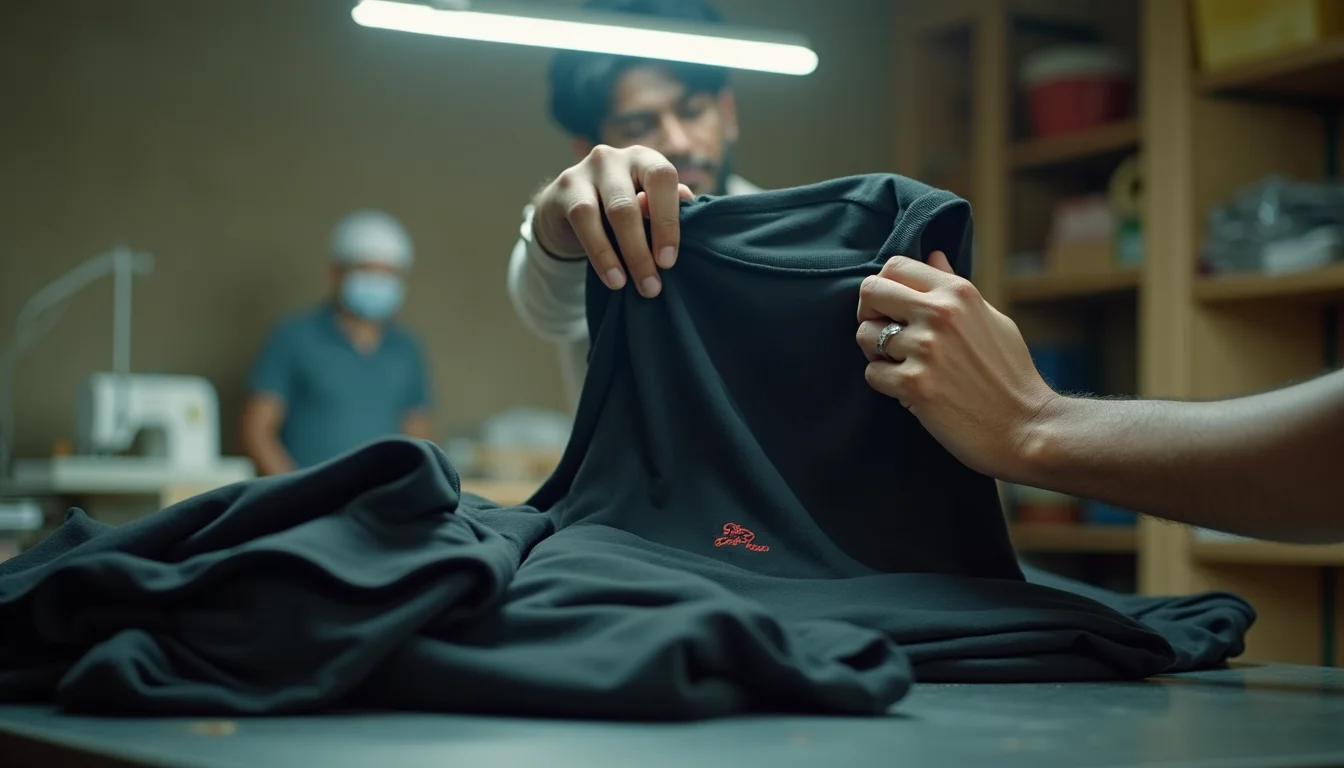
Imagine this: you've just completed a 200-piece machine embroidery order. Your machines ran smoothly, your team worked overtime, and you delivered on time. And then — full batch rejection. The client sends everything back. ₹10,000 worth of embroidery work, gone. The reason? A ₹2 per piece difference in thread cost.
This isn't a hypothetical story. It's a real incident that happens frequently in India's machine embroidery industry — especially with newer business owners who are still learning the difference between rayon thread and polyester thread. This article breaks down exactly why this mistake happens, what the actual difference is between these two thread types, and how you can protect your business from making this ₹10,000 (or bigger) mistake.
The Real Story: How a ₹2 Decision Became a ₹10,000 Loss
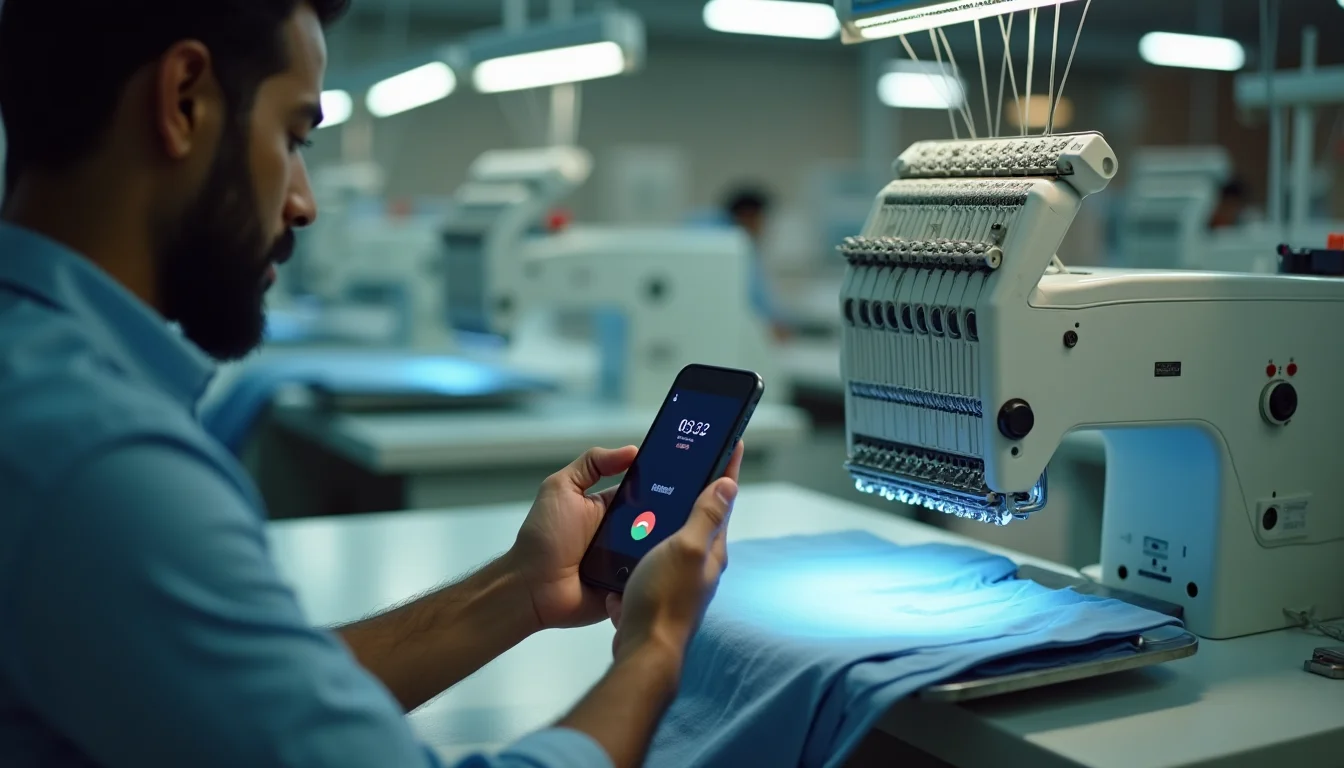
A machine embroidery entrepreneur — let's call him Rajan — received a bulk order of 200 t-shirts with a chest logo embroidery design. The client was a corporate gifting company placing what could have been a recurring order worth lakhs.
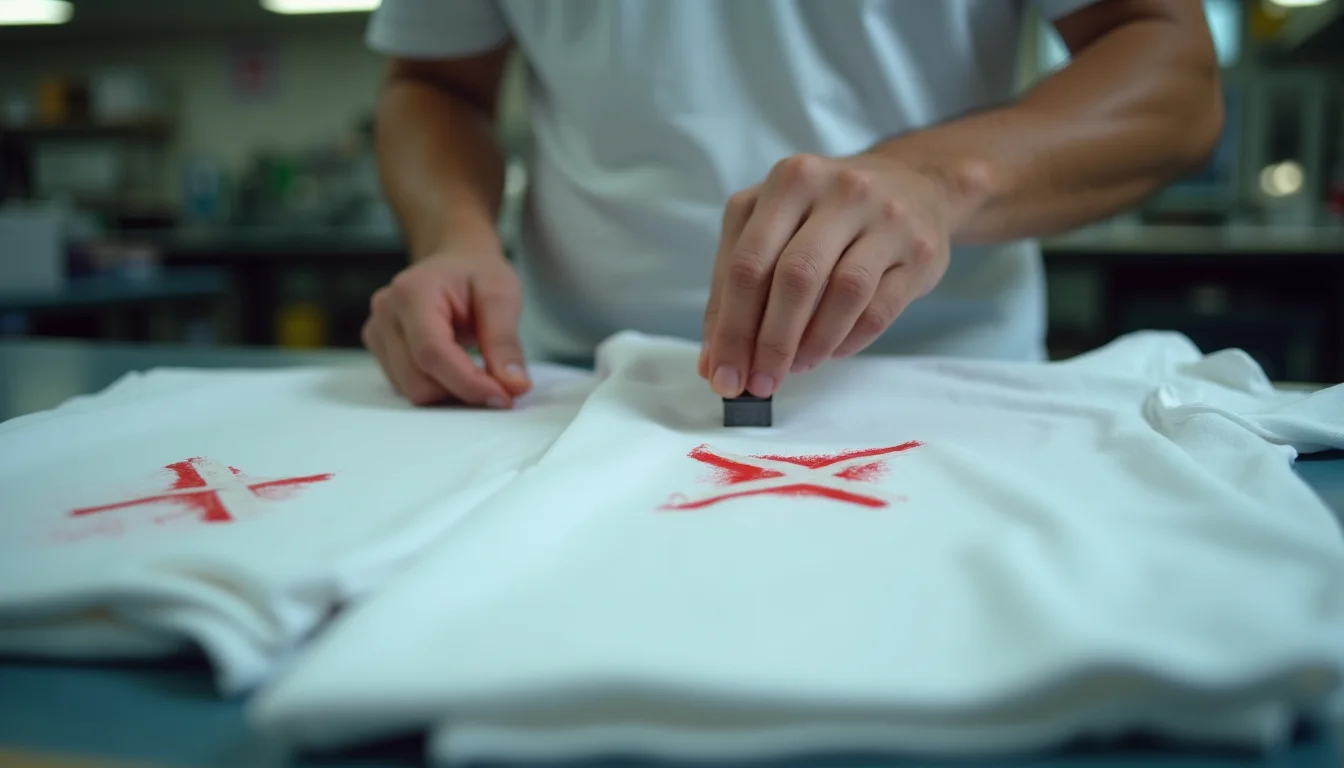
Rajan, trying to maximise his margins, decided to use polyester thread instead of rayon thread — a difference of roughly ₹2 per piece. On a 200-piece batch, that's a saving of just ₹400 total. But when the finished pieces reached the client, the feedback was instant and brutal: "These look cheap. The logos don't shine. Full rejection."
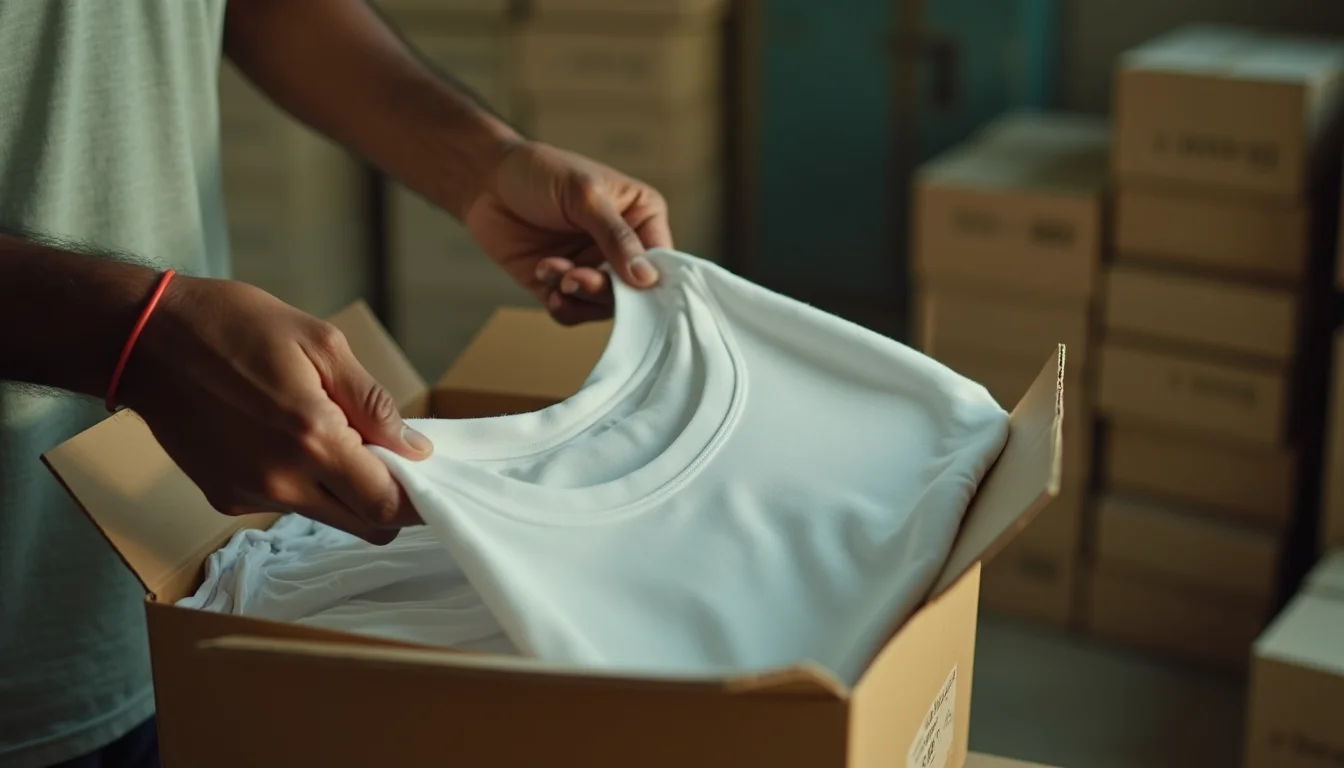
Two hundred pieces. Embroidery charges wasted. Thread cost wasted. Time wasted. And worse — the client relationship was over before it even started. This is the harsh reality that many embroidery business owners in India discover the hard way.
The lesson here mirrors another costly mistake we've documented — just like how saving just ₹8 destroyed a print business owner's entire operation, micro-savings in material costs almost always lead to macro losses in the textile business.
Rayon vs Polyester Embroidery Thread — What's the Actual Difference?
Not all threads are created equal. In the machine embroidery world, the two most commonly used thread types are rayon and polyester. While they might look similar on a spool, the difference in output quality is dramatic — and visible to any discerning client.
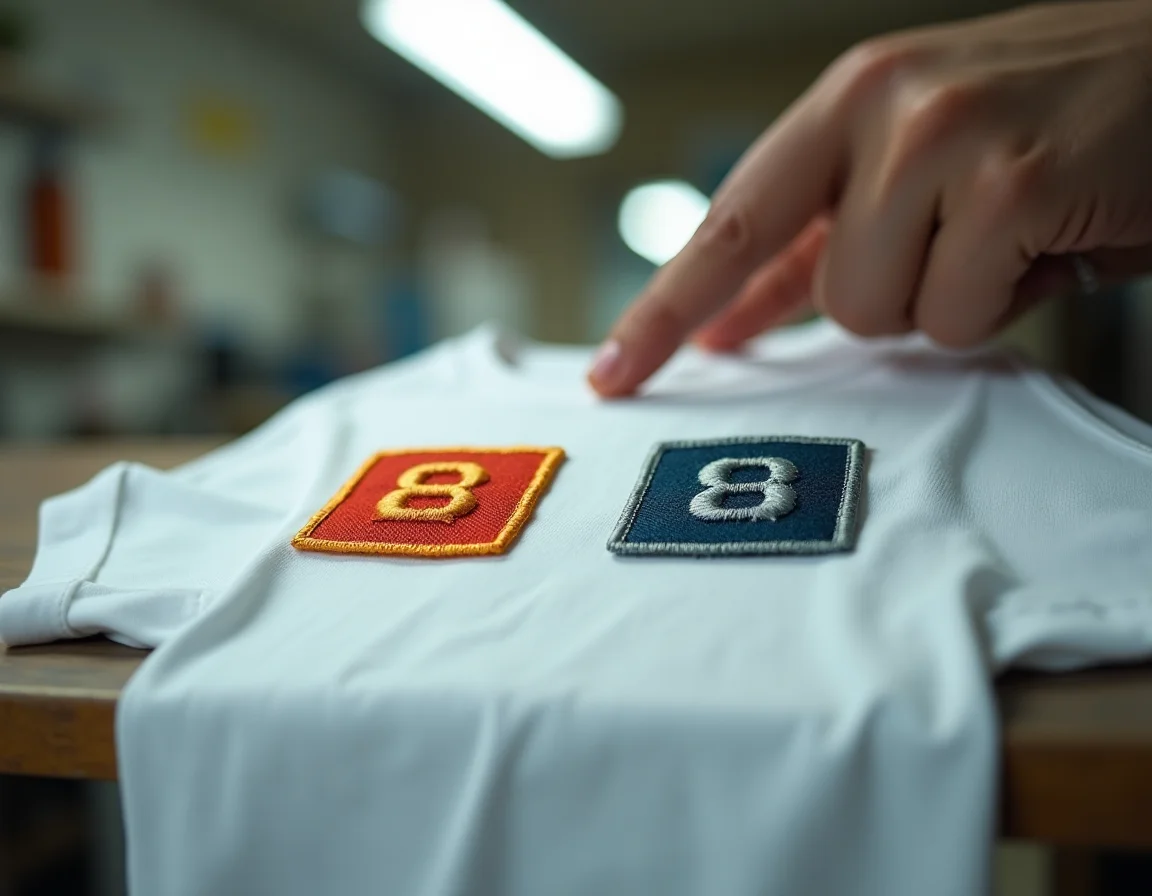
Rayon Thread — The Premium Choice
- Made from cellulose fibre — has a natural, silk-like sheen
- Reflects light beautifully, giving embroidery a high-end, premium appearance
- Softer to touch, sits flatter on the fabric surface
- Colours appear more vibrant and accurate
- Ideal for corporate wear, fashion garments, premium branded merchandise
- Runs smoothly through embroidery machines with fewer thread breaks
- Slight higher cost — but worth every rupee for quality output
Polyester Thread — The Budget Option
- Made from synthetic petroleum-based fibres
- Has a dull, flat finish with minimal light reflection
- Appears cheaper on the final garment — clients can tell immediately
- More prone to uneven tension, especially on multi-head embroidery machines
- Higher risk of thread breakage during high-density embroidery runs
- Suitable only for industrial/workwear where aesthetics are secondary
- Saves ₹2 per piece — but can cost you the entire order
| Parameter | Rayon Thread | Polyester Thread |
|---|---|---|
| Sheen / Finish | High gloss, silk-like | Dull, flat, matte |
| Client Perception | Premium, professional | Cheap-looking |
| Colour Vibrancy | Rich, accurate colours | Washed out, dull |
| Thread Tension | Even, consistent | Uneven, prone to breaks |
| Machine Performance | Smooth feed, fewer breaks | More frequent snapping |
| Best For | Corporate, fashion, retail | Industrial, workwear only |
| Cost Difference | +₹2/piece | Base price |
| Risk of Rejection | Very Low | Very High |
Why Polyester Thread Causes More Than Just Aesthetic Problems
Many embroidery business owners think the only difference between rayon and polyester thread is how it looks on the final garment. That's a dangerous misconception. Polyester thread can cause operational problems during production itself — and these problems compound at scale.
1. Uneven Thread Tension
Polyester thread has different elasticity compared to rayon. When running a multi-head embroidery machine at high speed, this difference in tension causes uneven stitching — some sections of the logo look fine, others appear puckered or loose. Quality control becomes a nightmare because not every piece fails in the same way.
2. Frequent Thread Breaks
Lower-quality polyester threads are more prone to snapping, especially at higher machine speeds. Each thread break means stopping the machine, re-threading, and restarting — which adds significant time to production. On a 200-piece run, if each head requires re-threading even twice, you're looking at hours of lost productivity.
3. Inconsistent Colour Across Pieces
Polyester threads often have batch-to-batch colour variation even within the same spool series. This means piece number 1 and piece number 150 might have slightly different shades of the same colour — a problem that's practically invisible on a single piece but becomes obvious when the client lays out all 200 pieces together.
The T-Shirt Fabric Matters Too — Don't Let Bad Fabric Waste Good Thread
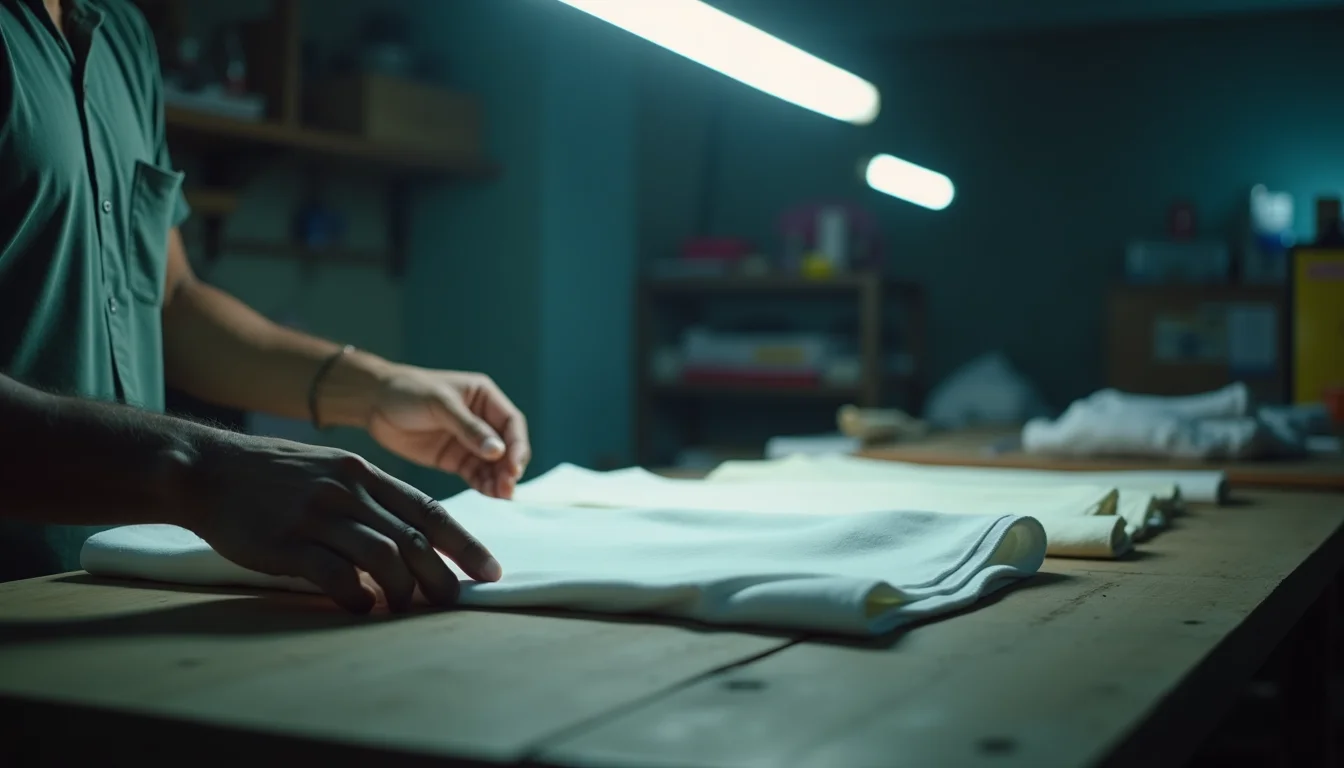
Here's something many embroidery business owners overlook: even if you use premium rayon thread, your embroidery output is only as good as the blank t-shirt you're working on. Low-quality fabrics with inconsistent GSM, poor pre-shrinking, or rough textures make it impossible to achieve clean, crisp embroidery.
For machine embroidery to look premium, you need a fabric that is:
- Stable and pre-shrunk — so the garment doesn't distort after washing, pulling the embroidery out of shape
- Smooth surface — bio-washed cotton provides the ideal base for embroidery needles to penetrate cleanly
- Consistent GSM — a 180 GSM or 200 GSM fabric behaves very differently under the needle than an inconsistent mixed-weight fabric
- Ring-spun combed cotton — tighter yarn structure means cleaner stitch penetration and better embroidery hold
This is why serious machine embroidery businesses in India choose their blank t-shirt supplier just as carefully as they choose their thread. Inconsistent blank garments lead to inconsistent embroidery output — and ordering 500 pieces without checking GSM is a mistake that costs lakhs, not just hundreds.
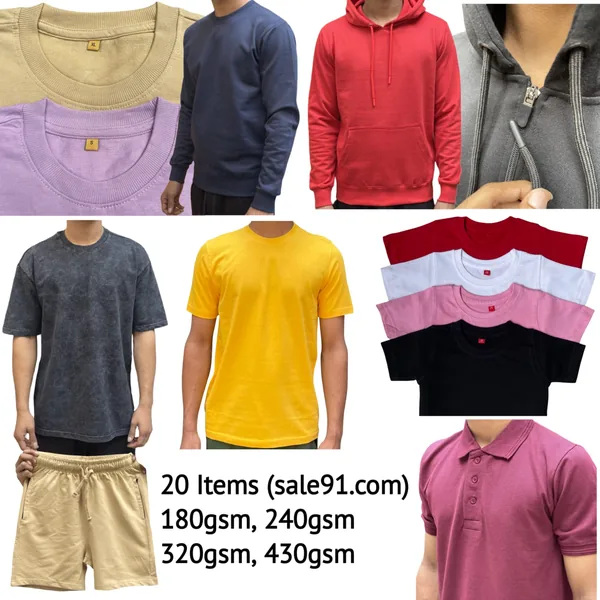
For your machine embroidery business, Sale91.com supplies bio-washed, pre-shrunk, ring-spun combed cotton blank t-shirts in 180 GSM, 200 GSM, 210 GSM, and 220 GSM — the consistent, stable base your embroidery deserves. With 1 lakh+ pieces in ready stock at any time, you'll never face production delays due to blank t-shirt shortages.
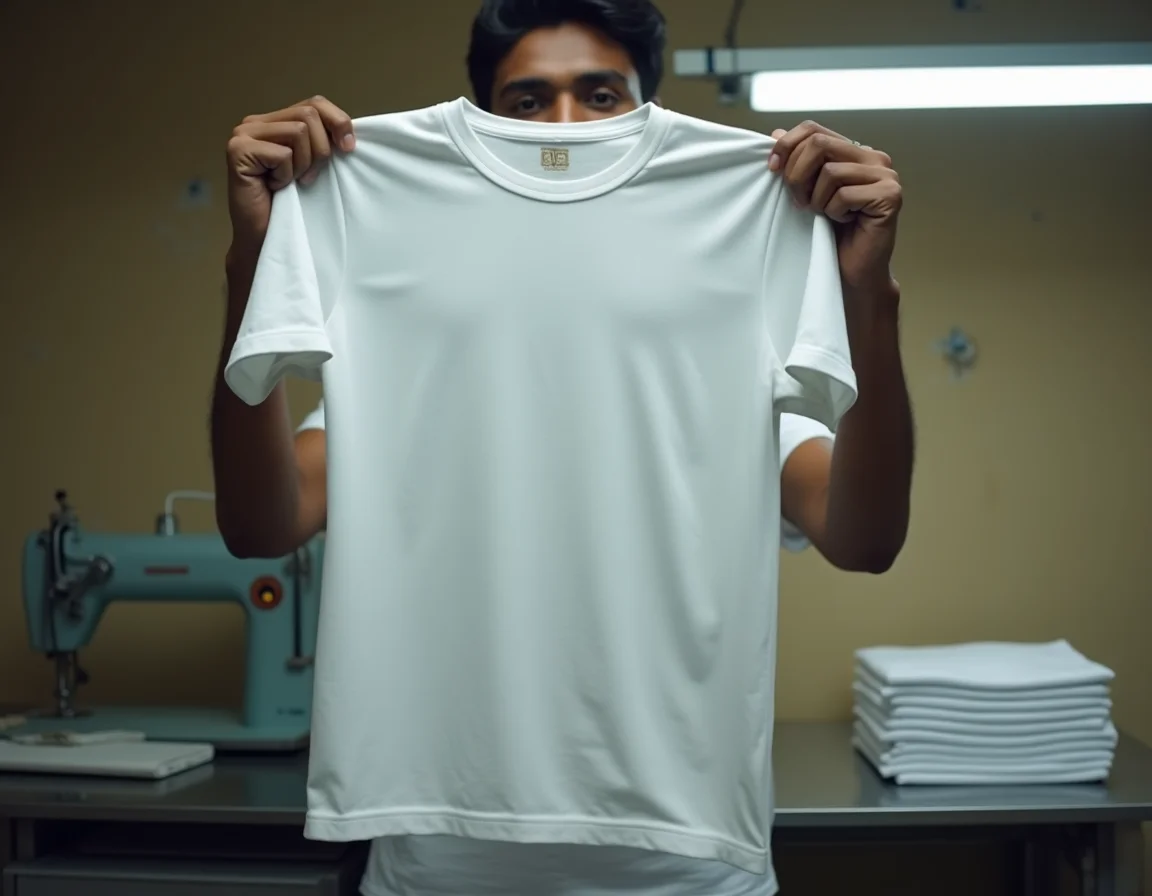
GSM Selection for Machine Embroidery — Which Weight Works Best?
If you're running a machine embroidery business, the GSM (grams per square metre) of your blank t-shirt directly impacts your embroidery quality. Here's a quick guide:
180 GSM — Everyday Embroidery
Good for smaller, lighter embroidery designs. The lighter fabric is comfortable and works well for simple logos. However, for dense fills or large embroidery patches, the fabric may pucker if not properly hooped and backed.
200 GSM — The Sweet Spot
This is the most popular choice for machine embroidery in India's corporate gifting and branded merchandise sector. It provides enough body to handle medium-density embroidery without puckering, while remaining lightweight enough for everyday wear. Most professional embroidery businesses default to 200 GSM.
220 GSM — Heavy Premium Embroidery
For high-density fills, large chest logos, or polo shirts with extensive embroidery coverage, 220 GSM provides the structural stability needed. The heavier fabric holds its shape better during embroidery and maintains form after repeated washing.
How to Avoid the ₹2 Mistake — Practical Steps for Your Embroidery Business
The good news? This mistake is 100% preventable. Here are the practical steps that experienced machine embroidery businesses follow to ensure zero rejections:
Step 1: Always Run a Sample Before Bulk Production
Never go straight from order confirmation to 200-piece production. Always run at least 3-5 sample pieces with your actual thread, actual fabric, and actual design. Get client approval in writing (WhatsApp confirmation counts) before starting bulk production. This one step eliminates 90% of rejection risk.
Step 2: Standardise Your Thread Brand and Type
Once you find a rayon thread brand that works well with your machine and produces consistent output, stick with it. Don't switch suppliers mid-project to save a few rupees. Thread consistency across a batch is critical — and thread-related production mistakes can cascade just like combining multiple decoration techniques in one order without proper planning leads to massive losses.
Step 3: Brief Your Clients on Thread Type
When quoting, always specify which thread type you're using. Educate your clients that rayon thread = premium finish and costs slightly more. This sets expectations correctly and justifies your pricing. Clients who understand the difference will actually appreciate the transparency and trust you more.
Step 4: Never Compromise on Thread for High-Value Orders
The higher the order value and the more premium the brand, the more you should insist on rayon thread. For corporate clients, hospitality industry clients, or premium fashion brands — polyester thread is simply not an option. Your professional reputation is worth more than ₹400 in thread savings.
Step 5: Maintain a Thread Inventory Log
Track which thread batch number you used for which order. This helps you maintain consistency across repeat orders and quickly identify if a quality issue is thread-related or machine-related.
Step 6: Test New Thread Batches Before Using in Production
Even within rayon thread, quality can vary between different production batches from the same supplier. Always run a quick stitch-out test when you receive a new thread batch — check for tension, colour accuracy, and sheen before committing it to a client order.
Building a Rejection-Proof Machine Embroidery Business
The embroidery industry in India is growing rapidly, with demand from corporate gifting, e-commerce apparel brands, export houses, uniform manufacturers, and custom merchandise businesses. To build a sustainable, profitable embroidery business, you need to eliminate rejections systematically — not just hope they don't happen.
Think of it this way: every rejection is not just a lost payment. It's a broken client relationship, a damaged reputation (clients talk), wasted machine time that could have been billable, and a psychological setback for your team. Conversely, every perfectly executed order — where the thread shines, the stitches are even, and the client is delighted — is a stepping stone toward repeat business, referrals, and premium pricing power.
The machine embroidery businesses that thrive in India are the ones that treat raw material quality as non-negotiable. They use premium rayon thread. They source blank t-shirts from reliable, consistent suppliers like Sale91.com. They test before bulk production. And they educate their clients rather than just competing on price.
Quality is your brand. Don't let ₹2 per piece destroy it.
Watch the Video
Watch this short video to see the exact situation explained — how a ₹2 thread decision destroyed an entire 200-piece embroidery batch and what you can learn from it:
Frequently Asked Questions (FAQ)
More Articles
Ready to Start Your Embroidery Business Right?
Get premium bio-washed, pre-shrunk, ring-spun combed cotton blank t-shirts in 180, 200, 210 & 220 GSM — the ideal base for machine embroidery. 1 lakh+ pieces in ready stock. PAN India delivery. MOQ as low as 10 pieces. 50% COD available for first orders.
Order Now at Sale91.com →Also browse our full catalog: BulkPlainTshirt.com/catalog