₹8 Savings Destroyed His Print Business: Why Supplier Consistency Matters More Than Price
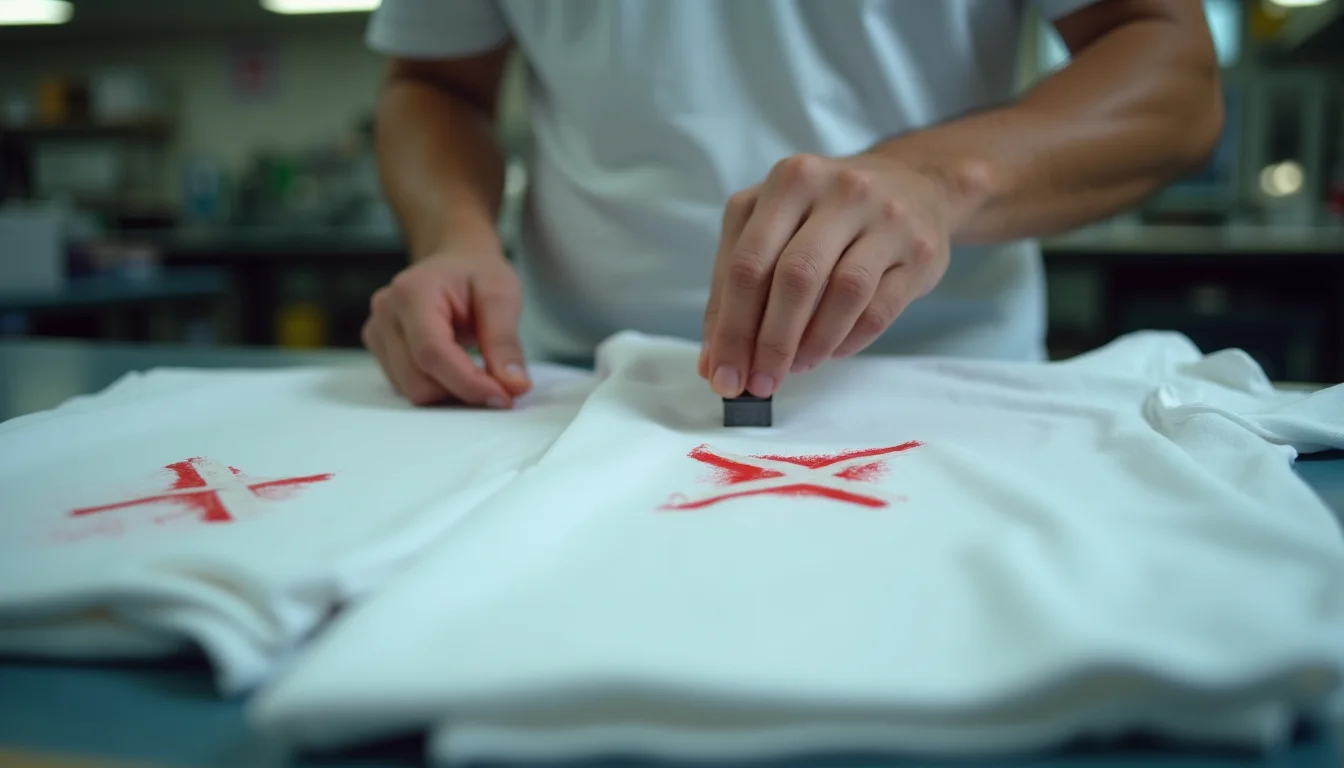
In the competitive world of custom t-shirt printing, every rupee counts. But sometimes, the quest to save a few rupees can cost you much more than you bargained for. This is the real story of a printing business owner whose decision to switch suppliers for an ₹8 per piece discount ended up costing him three loyal customers and nearly destroyed his reputation.
If you're running a DTG printing business, screen printing shop, or any custom apparel venture in India, this case study will change how you think about supplier relationships and fabric consistency forever.
The Story: When ₹8 Savings Cost Everything
Meet Rajesh (name changed), a custom t-shirt printer from Mumbai who had been running a successful printing business for over two years. He had built a solid customer base, and his repeat order rate was impressive – around 60%. His secret? Consistency.
For six months straight, Rajesh had been ordering 200 GSM white plain t-shirts from the same supplier. Everything was running smoothly – his DTG prints came out perfect every time, color absorption was consistent, and most importantly, his customers were happy. Life was good, business was growing.
Then one day, at a textile expo, someone casually mentioned that another supplier was offering similar 200 GSM t-shirts for ₹8 less per piece. For Rajesh, who was ordering around 1000 pieces per month, this meant a potential saving of ₹8,000 monthly – nearly ₹1 lakh annually. The math was tempting.
The Fatal Decision
Without taking samples first, Rajesh placed a bulk order of 1000 pieces with the new supplier. After all, 200 GSM is 200 GSM, right? The specifications looked identical on paper. The price was better. What could possibly go wrong?
The first batch arrived, and visually, everything looked fine. The t-shirts appeared similar to his usual stock – same white shade, similar feel, proper stitching. Rajesh started his printing work as usual.
That's when the nightmare began.

The Problem: Why Same GSM Doesn't Mean Same Quality
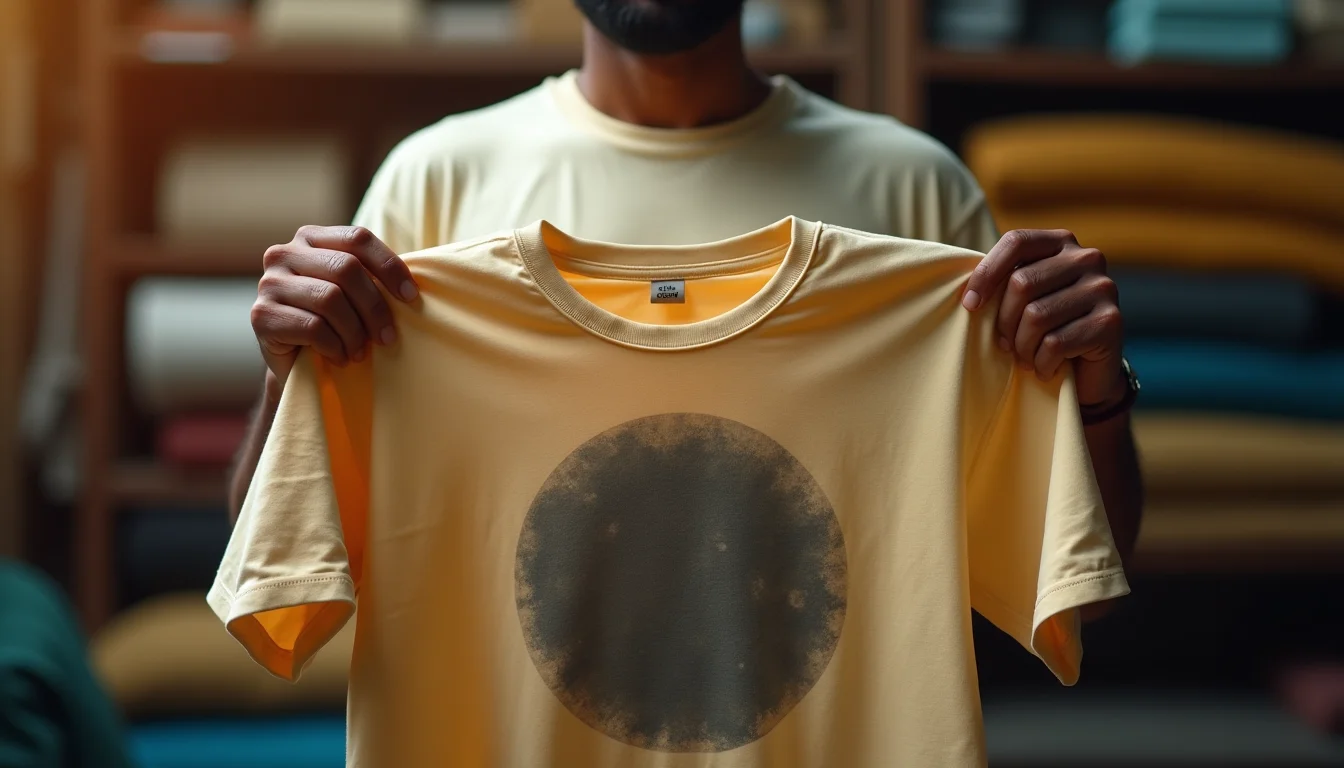
When Rajesh started printing on the new batch using his DTG printer, he immediately noticed something was off. The color absorption was completely different. Some shirts had dark, rich ink penetration, while others came out faded and dull – even though they were from the same batch and printed with identical settings.
He tried adjusting his printer settings, changed ink profiles, and even thought his printer was malfunctioning. But the real culprit was something most printers overlook: fabric construction consistency.
What Actually Determines Print Quality (Beyond GSM)
Here's what every printing business owner needs to understand: GSM (Grams per Square Meter) is just ONE parameter of fabric quality. Two manufacturers can both produce "200 GSM" t-shirts, but the actual fabric behavior can be drastically different. Here's why:
- Yarn Twist Levels: The degree of twist in the yarn affects fabric density and how ink penetrates. High-twist yarns create tighter weaves, while low-twist creates more porous fabric. This directly impacts how DTG inks, screen printing inks, or heat transfer materials adhere to the surface.
- Bio-wash Treatment: Bio-washing is an enzyme treatment that removes excess fibers and creates a smoother surface. But the intensity and duration of bio-wash varies between manufacturers. Over-washing can make fabric too smooth (poor ink adhesion), while under-washing leaves it rough (inconsistent prints).
- Cotton Blend and Quality: Even within "100% cotton" labels, there are grades. Some use pure ring-spun combed cotton, others use carded cotton, and some mix different cotton qualities. Each behaves differently with printing.
- Pre-shrinking Process: The compacting process that prevents shrinkage also affects fabric density. Different machines and techniques create different fabric "hand feel" and printing surfaces.
- Knitting Pattern: The actual knitting structure – single jersey, pique, or variations – affects how the fabric surface accepts ink. Even slight variations in stitch density matter.
"In the textile industry, we say 'GSM is just a number.' What matters is the complete fabric story – from cotton selection to final finishing. That's why established manufacturers like Sale91.com maintain strict quality controls across every production batch."
The Consequences: Lost Customers and Damaged Reputation
Rajesh had already printed and delivered around 300 t-shirts from the new batch before the complaints started rolling in. Three of his regular corporate clients – who had been ordering from him for over a year – noticed the quality drop immediately.
One customer ran a boutique clothing brand and sold Rajesh's printed t-shirts in their store. They called to complain that the print quality was inconsistent across the batch, and some t-shirts were being returned by end customers. They cancelled their next order worth ₹45,000.
Another client, who ordered custom t-shirts for their company events quarterly, noticed that the fabric feel had changed. Though they didn't explicitly complain, they quietly moved to another printer for their next order.
The third customer was even more direct: "The quality has dropped. We're looking for reliability, not just low prices."
The Real Cost of "Saving" Money
Let's do the math of what Rajesh's ₹8 "savings" actually cost him:
- Immediate loss: ₹45,000 cancelled order
- Projected annual loss from lost clients: Approximately ₹2,40,000 (based on their average quarterly orders)
- Reputation damage: Priceless, but translated to reduced referrals and slower growth
- Wasted inventory: 700 remaining pieces from the new supplier that he couldn't confidently use
- Time and stress: Hours spent troubleshooting, responding to complaints, and trying to fix the issue
All of this to save ₹8,000 per month. The irony was painful.
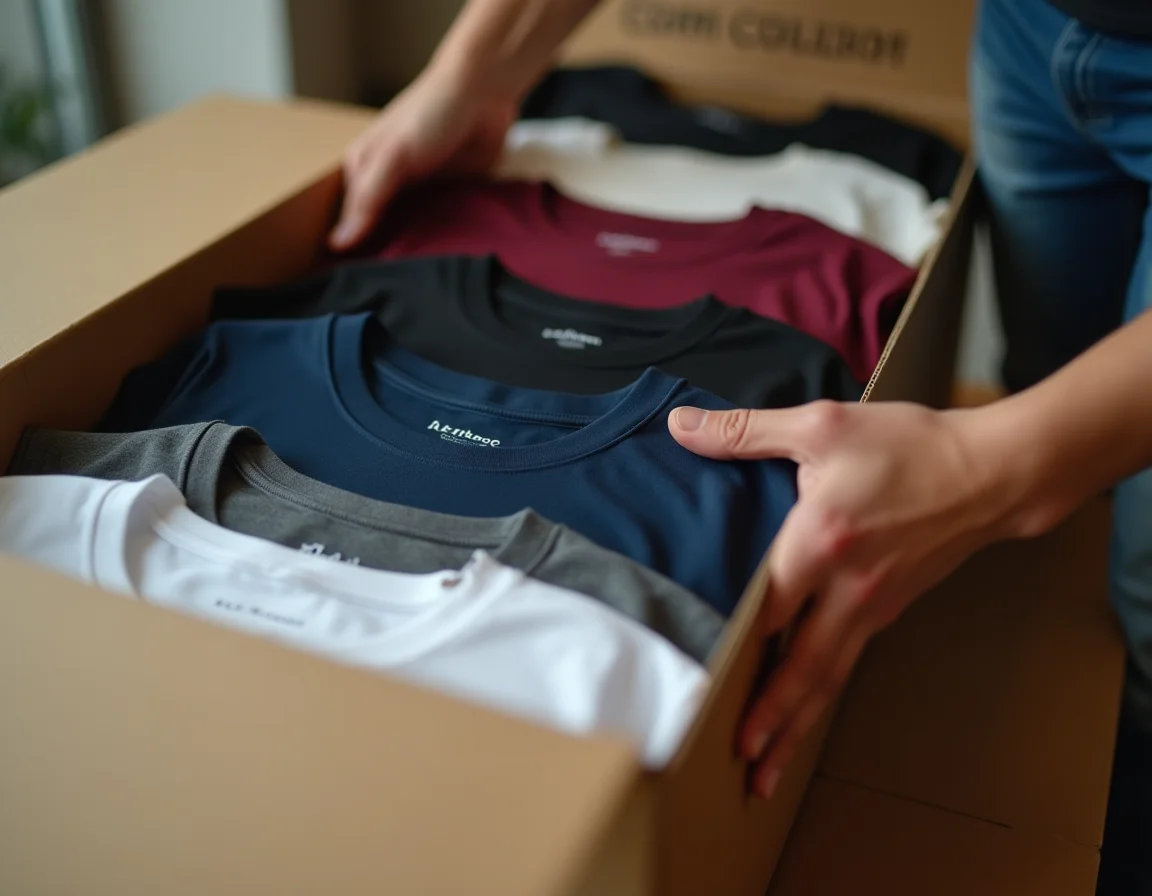
The Right Way to Change Suppliers (If You Must)
Changing suppliers isn't inherently wrong – sometimes you need better quality, more variety, or genuinely better pricing. But there's a smart way to do it. Here's the process that Rajesh should have followed (and eventually did for his next supplier change):
Step 1: Order Sample Pieces (50-100 minimum)
Never – and I repeat, NEVER – switch to a new supplier with a full bulk order. Always start with a sample batch. Here's what to request:
- 50-100 pieces of the exact GSM and color you plan to order
- Multiple color options if you print on various colors
- Different sizes to check sizing consistency
- Request samples from their actual production batch, not "sample quality" pieces
Step 2: Run Your Complete Printing Process
Don't just feel the fabric and approve it. Actually use it:
- Print your most common designs on these samples
- Use your regular ink settings and processes
- Test different design types – solid colors, gradients, detailed graphics
- Try both light and heavy ink coverage designs
Step 3: Wash Test (Critical Step)
Many printing issues only appear after washing. Take a few printed samples and:
- Wash them at least 2-3 times using normal washing methods
- Check for print fading, cracking, or peeling
- Observe fabric shrinkage (even if pre-shrunk, quality varies)
- Check if colors remain consistent or develop yellowing
- Test the fabric's structural integrity after multiple washes
Step 4: Compare Side-by-Side with Your Current Stock
This is where most people skip but shouldn't:
- Place new samples next to your current supplier's t-shirts
- Compare fabric hand feel, weight perception, and drape
- Check print vibrancy and detail reproduction
- Ask yourself: "Would my customers notice a difference?"
Step 5: Trial Order Before Full Commitment
If samples pass all tests, place a medium-sized trial order (200-300 pieces) before committing to thousands. Use these for actual customer orders and gather real-world feedback. Only then should you switch completely.
Watch the Full Story
Want to hear this story directly from the source? Watch our detailed video breakdown where we explain exactly what happened and how to avoid this costly mistake:
Why Consistency Matters in the T-Shirt Printing Business
In the custom printing industry, your reputation is built on consistency. Your customers aren't just buying printed t-shirts – they're buying the promise that every order will meet their expectations. When you maintain supplier consistency, you're actually maintaining quality consistency, which translates to business consistency.
What Your Customers Actually Notice
End customers might not know technical terms like "yarn twist" or "bio-wash," but they absolutely notice when:
- The t-shirt feels different from their last order
- Colors appear slightly off compared to previous batches
- The fabric seems thinner or thicker than before
- Print quality looks different (faded or too dark)
- Washing behavior changes (unexpected shrinkage or color loss)
In the age of social media reviews and high customer expectations, even small inconsistencies can damage your brand reputation permanently.
How to Choose a Reliable Bulk T-Shirt Supplier
After his costly mistake, Rajesh became much smarter about supplier selection. Here's what he learned to look for in a reliable plain t-shirt supplier:
1. Manufacturing vs. Trading Business
Choose manufacturers over traders whenever possible. Manufacturers like Sale91.com who knit their own fabric have direct control over quality parameters. They're not sourcing from multiple vendors, which means better batch-to-batch consistency.
2. Production Scale and Ready Stock
Suppliers with large-scale operations and ready stock (like Sale91.com's 1 lakh+ pieces inventory) typically have more consistent processes. They're producing continuously with standardized parameters, not in small random batches.
3. Transparency About Specifications
Good suppliers clearly mention:
- Exact GSM for each product line
- Cotton type (ring-spun, combed, carded)
- Treatment processes (bio-wash, pre-shrunk)
- Color fastness ratings
- Shrinkage percentages
4. Sample Policy
Reliable suppliers encourage sampling. If a supplier is hesitant to send samples or charges excessively for them, that's a red flag. They should be confident in their product quality.
5. Client Portfolio and Longevity
Check how long the supplier has been in business and what kind of clients they serve. Suppliers serving large printing businesses consistently usually maintain better quality controls.
6. Geographic and Logistic Advantage
Consider suppliers with strategic locations. For example, Sale91.com manufactures in Tiruppur (India's textile hub) ensuring authentic quality, and maintains a warehouse in Delhi for faster PAN India delivery. This logistic efficiency means fresher stock and consistent availability.
Understanding Fabric Specifications for Printing
For printing business owners, here's a quick guide to what different fabric specifications mean for your printing quality:
GSM Guidelines for Different Applications
- 180 GSM: Lightweight, suitable for everyday casual wear. Good for simple designs but can show transparency with heavy ink coverage. Best for: Single-color prints, promotional bulk orders.
- 200 GSM: The sweet spot for most printing businesses. Perfect balance of comfort and printability. Handles DTG, screen print, and DTF excellently. Best for: Premium retail products, detailed designs, corporate orders.
- 220 GSM: Heavy premium fabric. Excellent for dark colors and heavy ink coverage. More expensive but justifies premium pricing. Best for: Luxury retail brands, heavyweight hoodies and sweatshirts.
Why Bio-Wash and Pre-Shrinking Matter
Bio-wash treatment uses enzymes to remove excess fiber, creating a smoother surface that's better for printing. It also reduces pilling and improves color vibrancy. However, the level of bio-wash must be consistent – too much makes fabric too smooth for good ink adhesion, too little leaves it rough.
Pre-shrinking ensures the fabric won't shrink significantly after customer washing. For printing businesses, this is crucial because it means your sizing remains accurate and prints don't distort. Quality pre-shrinking reduces shrinkage to under 5%, while poor-quality fabric can shrink 10-15%.
The Sale91.com Difference: Why Consistency Is Built Into Manufacturing
After his experience, Rajesh eventually found Sale91.com and hasn't looked back. Here's what makes a difference when you work with a proper manufacturing setup:
- Own Knitting Unit: Sale91.com knits their own fabric in-house in Tiruppur. This means every parameter – from yarn selection to knitting density – is controlled internally, ensuring batch-to-batch consistency.
- Standardized Processing: All bio-wash, dyeing, and finishing processes follow standardized protocols. No variations based on outsourced vendors.
- Quality Testing: Every batch undergoes GSM verification, color fastness testing, and shrinkage testing before reaching customers.
- Ready Stock Model: With 1,25,232+ pieces sold in the last 30 days and 1 lakh+ ready stock, the production is continuous and standardized, not sporadic small batches that vary.
- Transparent Specifications: Clear labeling of GSM options (180, 200, 210, 220), all products confirmed as ring-spun combed cotton, bio-washed, and pre-shrunk.
For printing businesses that value consistency over just cheap pricing, this manufacturing approach makes all the difference. Check out their complete range at the BulkPlainTshirt.com catalog.
Special Offer for Printing Businesses
₹2/piece discount on orders of 500+ quantity – making consistency affordable at scale.
₹3/piece online purchase discount for any quantity – better than most "cheap" alternatives when you factor in quality consistency.
50% COD available on first order for new buyers – try before you fully commit.
Lessons Every Printing Business Owner Should Learn
Rajesh's story teaches us several valuable lessons that can save you from similar mistakes:
Lesson 1: Price Isn't Everything
The cheapest supplier rarely remains the cheapest when you account for lost customers, wasted inventory, and reputation damage. Calculate total cost of ownership, not just per-piece cost.
Lesson 2: Consistency Is a Competitive Advantage
In a market full of inconsistent suppliers, being the "reliable one" makes you stand out. Your customers will pay a premium for predictability.
Lesson 3: Test Before You Trust
Always sample, always test, always verify. This applies to new suppliers, new GSM options, new colors, everything. A ₹2000 investment in samples can save you lakhs in losses.
Lesson 4: Customer Relationships Are Built on Consistency
Your repeat customers aren't just buying your printing service – they're buying consistent quality. Break that consistency, and you break their trust.
Lesson 5: Know Your Fabric Basics
Understanding what makes fabric suitable for printing isn't optional – it's essential. Learn about GSM, yarn types, treatments, and how they affect your specific printing method.
Frequently Asked Questions
More Articles


Ready to Work with a Consistent, Reliable Supplier?
Don't make the same mistake as Rajesh. Choose a manufacturer that values consistency as much as you do.
Sale91.com – Own knitted fabric, 1 lakh+ ready stock, manufactured in Tiruppur, delivered PAN India.
✓ Ring-spun Combed Cotton
✓ Bio-washed & Pre-shrunk
✓ 180, 200, 220 GSM options
✓ ₹2/pc discount on 500+ orders
✓ 50% COD on first order