All Over Print Mistake 90% T-Shirt Printers Make: Sublimation vs Screen Printing
In the competitive world of custom t-shirt printing, one mistake can cost you thousands of rupees, disappointed customers, and a damaged reputation. The most common error? Choosing the wrong printing method for all over print designs. This comprehensive guide will help you understand the critical differences between sublimation and screen printing for all over prints, ensuring you make the right choice every time.
What Is All Over Print? Understanding the Basics
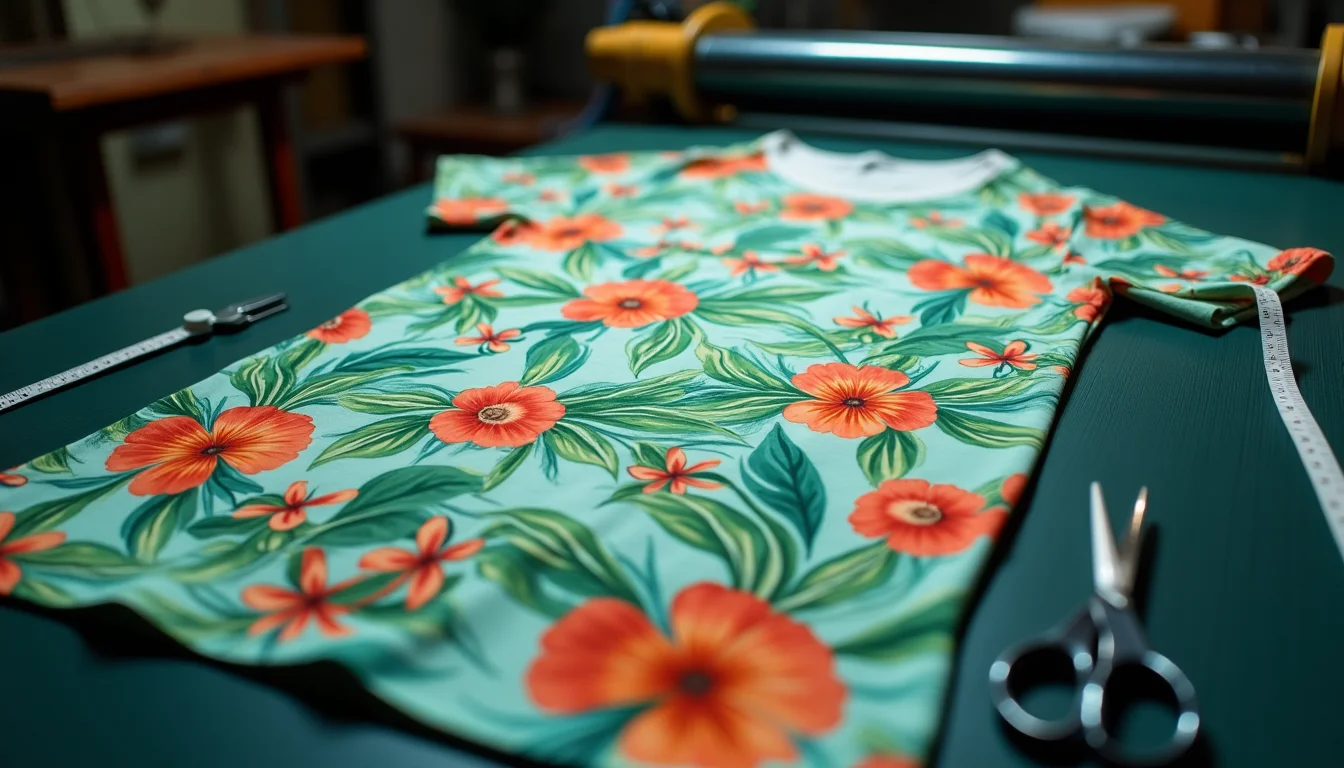
All over print (AOP) refers to a printing technique where the design covers the entire surface of a t-shirt, from seam to seam. Unlike traditional printing methods that place designs on specific areas like the chest or back, AOP creates a complete canvas of artwork that wraps around the entire garment. This technique has become increasingly popular in fashion, streetwear, and custom apparel businesses across India and globally.
The appeal of all over print lies in its ability to create bold, eye-catching designs that make a statement. Whether it's vibrant patterns, photographic imagery, or intricate artwork, AOP allows designers to maximize their creative expression. However, achieving perfect all over prints requires careful consideration of fabric type, printing method, and technical execution.
Key Point: All over print is not just about the design—it's about matching the right printing technique to the right fabric. This is where 90% of printers make their first mistake.
The Two Primary Methods for All Over Print
When it comes to creating all over prints on t-shirts, there are two main techniques that dominate the industry: sublimation printing and rotary/flatbed screen printing. Each method has its own set of advantages, limitations, and ideal use cases. Understanding these differences is crucial for anyone in the custom printing business.
1. Sublimation Printing for All Over Print
Sublimation printing is a heat transfer process where special dye-based inks are converted from solid to gas under high temperature and pressure, penetrating the fabric fibers at a molecular level. The result is a print that becomes part of the fabric itself, rather than sitting on top of it.
How Sublimation Works:
- Design is first printed onto special sublimation transfer paper using sublimation inks
- The printed fabric (usually polyester) is placed on a cutting table
- Heat press applies approximately 180-200°C temperature with pressure for 45-60 seconds
- Ink molecules bond with polyester fibers, creating a permanent print
- After printing, the fabric is cut and stitched into t-shirts
Best For: 100% polyester fabrics or poly-blend fabrics (minimum 65% polyester content). Sublimation is ideal for sports jerseys, activewear, fashion streetwear, and any application where a soft hand feel is essential.
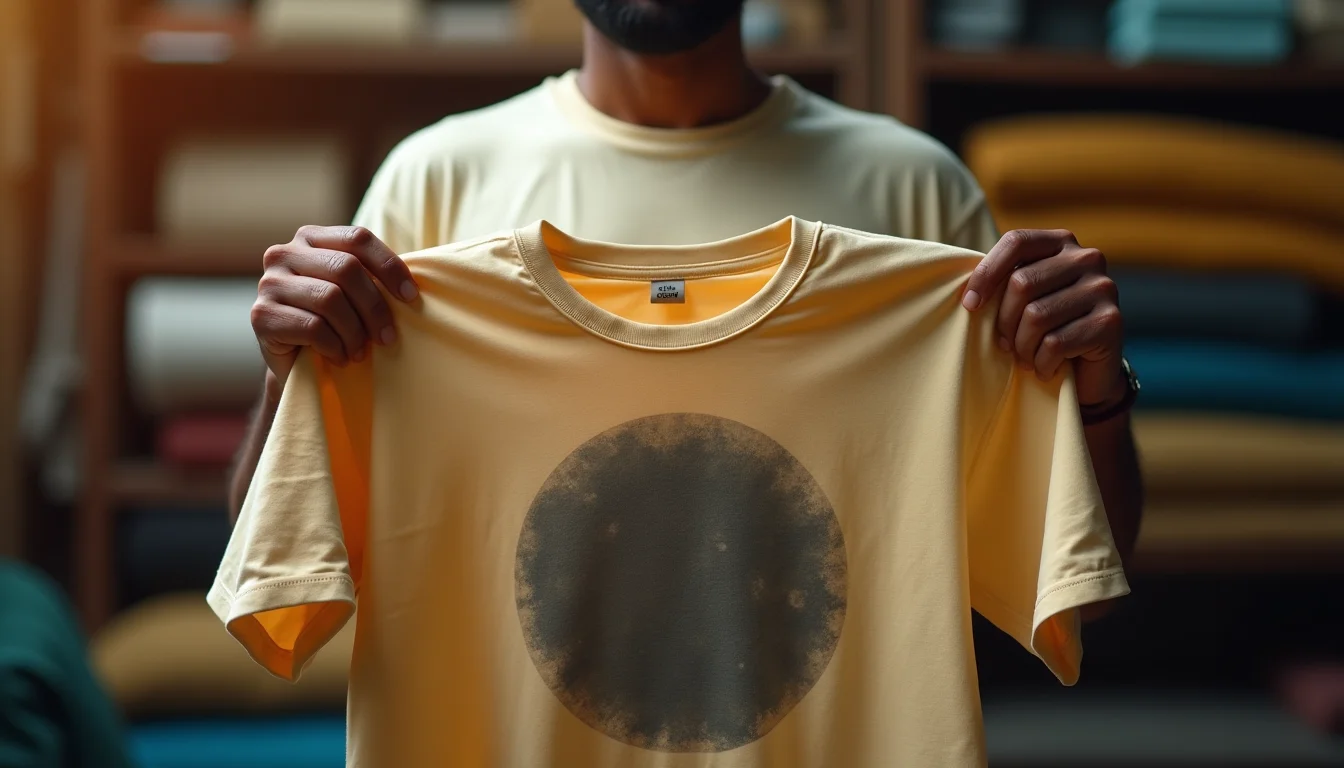
Limitations: This is the critical mistake most printers make—sublimation does not work effectively on 100% cotton fabric. The chemical composition of cotton fibers does not allow sublimation inks to bond properly, resulting in dull, washed-out colors that fade quickly after washing.
2. Rotary and Flatbed Screen Printing for All Over Print
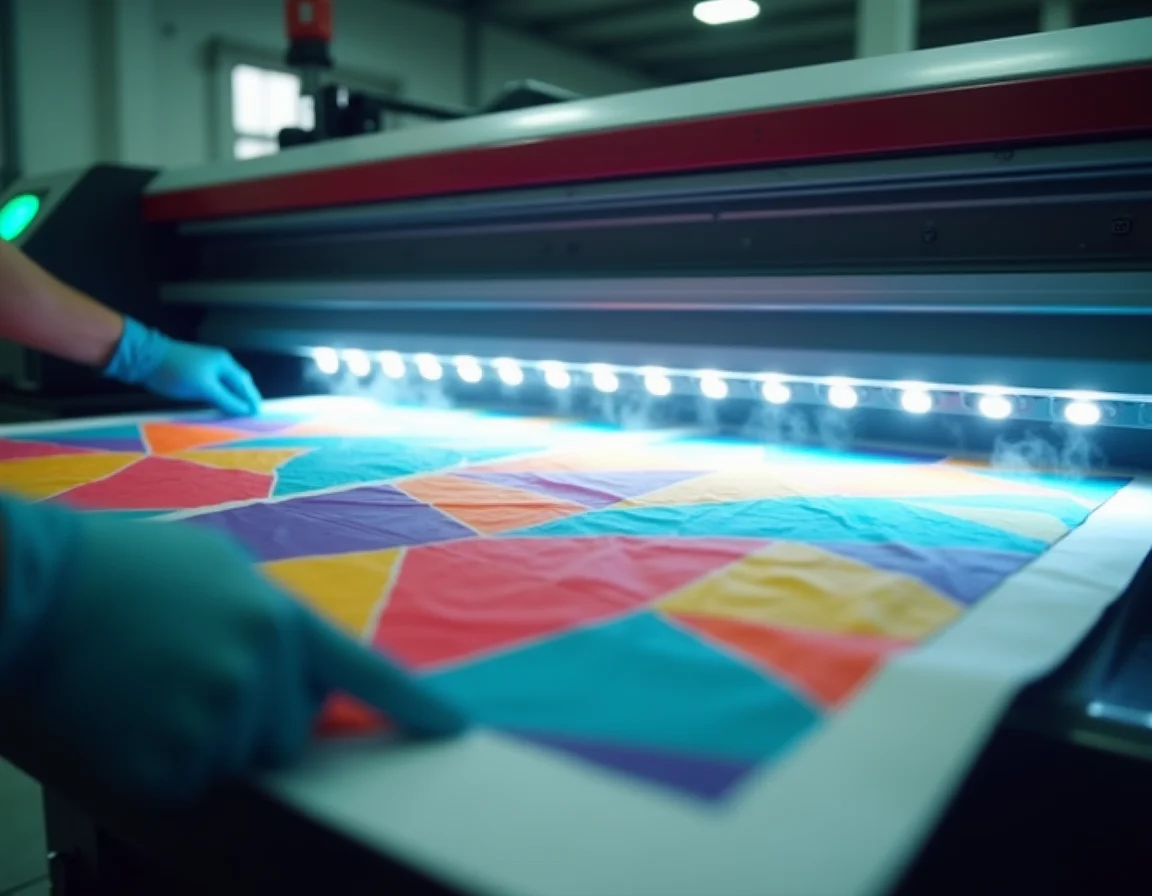
Screen printing for all over designs uses a completely different approach. Instead of transferring ink through heat, screen printing applies plastisol or water-based inks directly onto fabric rolls before cutting and stitching.
How Rotary Screen Printing Works:
- Fabric is loaded onto large rotary printing machines
- Multiple cylindrical screens (one for each color) rotate as fabric passes underneath
- Ink is pushed through the mesh screens onto the fabric
- Each color layer is printed and cured in sequence
- After printing and curing, fabric is cut and stitched into garments
Flatbed Screen Printing: Similar principle but uses flat screens and is typically used for shorter runs or more detailed designs. The fabric remains stationary while screens are applied one by one.
Best For: 100% cotton fabrics and cotton-blend fabrics. This method works excellently on the premium cotton t-shirts manufactured by Sale91.com, including our 180 GSM, 200 GSM, 210 GSM, and 220 GSM bio-washed, pre-shrunk combed cotton tees.
Advantages: Rotary screen printing produces vibrant, long-lasting colors on cotton. The ink sits on top of the fabric (with some penetration), creating slightly more texture than sublimation but offering superior durability on cotton garments.
The Most Common Mistake: Wrong Fabric, Wrong Method
Here's the real-world scenario that happens far too often in the Indian printing industry: A customer calls wanting all over print t-shirts. The printer, eager to take the order, immediately suggests sublimation because it's what they're familiar with or because they've invested in sublimation equipment. The customer agrees, the order is processed on 100% cotton fabric, and disaster strikes.
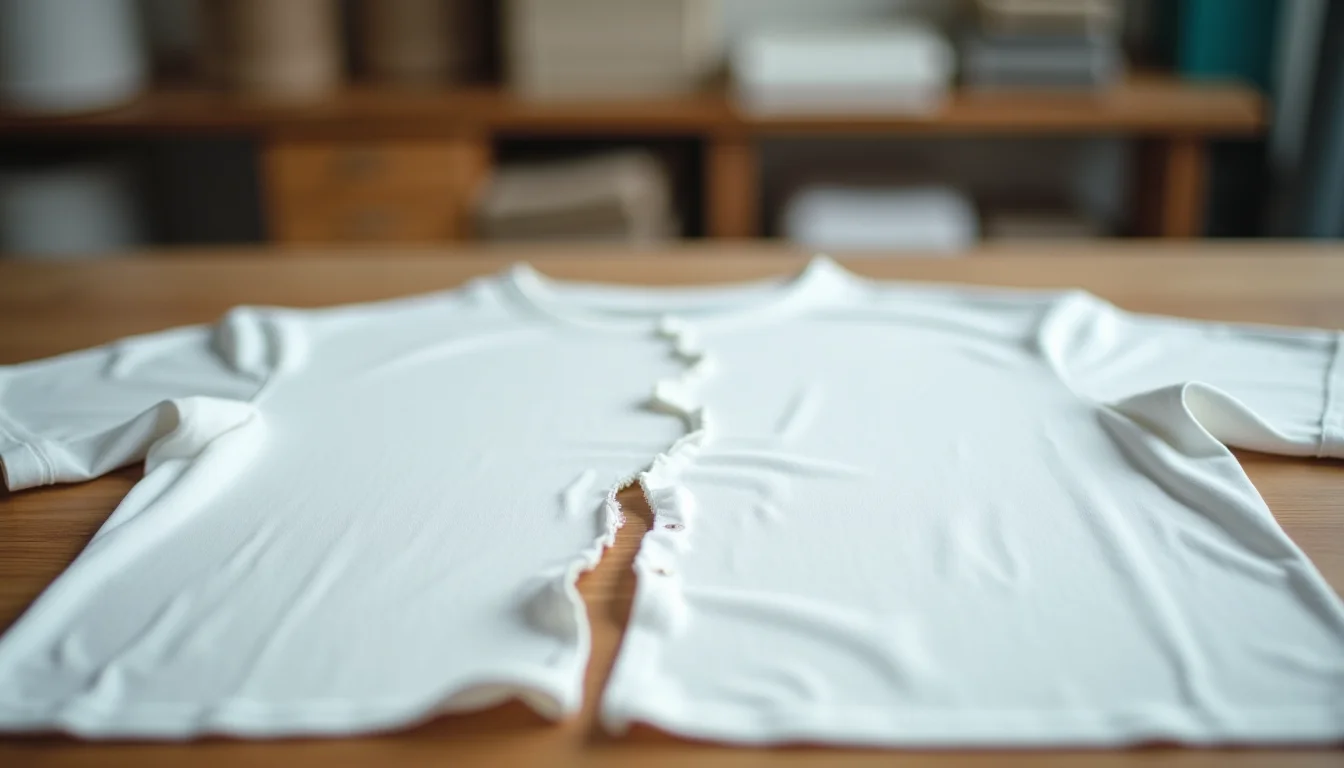
The result? Faded designs, disappointed customers, wasted materials, and potential business loss. This mistake costs Indian printing businesses lakhs of rupees annually.
Golden Rule: Always ask about fabric composition BEFORE recommending a printing method. If the answer is 100% cotton or cotton-rich blend, sublimation is NOT the right choice for all over print.
Fabric First: Making the Right Decision
The decision tree for all over print should always start with fabric selection:
If Your Fabric is 100% Cotton or Cotton-Blend (50%+ cotton):
- Use: Rotary screen printing or flatbed screen printing
- Why: Cotton fibers do not bond with sublimation inks. Screen printing inks adhere excellently to cotton
- Result: Vibrant, durable prints that withstand multiple washes
- Texture: Slight texture on fabric surface (ink layer), but modern inks minimize this
If Your Fabric is 100% Polyester or Poly-Blend (65%+ polyester):
- Use: Sublimation printing
- Why: Polyester fibers are chemically compatible with sublimation dyes
- Result: Extremely soft hand feel, vibrant colors, photo-quality prints possible
- Texture: No texture—print becomes part of fabric
Technical Considerations for Indian Printing Businesses
Cost Analysis
Sublimation Printing:
- Lower setup costs for small batches
- Equipment: Sublimation printer (₹50,000 - ₹5 lakhs), heat press (₹15,000 - ₹1 lakh), cutting and stitching setup
- Per piece cost: ₹40-80 for printing (depends on design coverage)
- Suitable for orders starting from 50-100 pieces
Rotary Screen Printing:
- Higher setup costs due to screen creation for each color
- Equipment: Industrial rotary machine (₹10-50 lakhs) or outsource to Tiruppur/Ludhiana units
- Per piece cost: ₹30-60 (more economical at higher volumes)
- Economical for orders of 500+ pieces
Minimum Order Quantities (MOQ)
For businesses sourcing blank t-shirts for all over print projects, understanding MOQs is crucial. At Sale91.com, we understand the challenges printing businesses face, which is why we offer:
- MOQ as low as 10 pieces for ready stock items
- 1 lakh+ t-shirts in ready stock at any given time
- 15+ colors available in multiple GSM options
- Fast dispatch from our Delhi warehouse (Khanpur, South Delhi)
Quality Factors That Impact All Over Print Success
GSM Selection for All Over Print
The fabric weight (GSM - grams per square meter) plays a significant role in print quality and durability:
- 180 GSM: Lightweight, suitable for budget all over prints, but may show slight transparency in very light colors
- 200 GSM: Premium quality, ideal balance of weight and printability, most popular for AOP
- 220 GSM: Heavy premium, excellent for high-end fashion AOP with superior durability
All our t-shirts at Sale91.com are made from ring-spun combed cotton, which provides a smoother surface for screen printing compared to open-end cotton. This results in better ink absorption and sharper print details.
Bio-Washed and Pre-Shrunk: Why It Matters
When fabric is printed before stitching (as in both sublimation and rotary screen printing), shrinkage becomes a critical concern. If the fabric shrinks after the garment is washed, your carefully planned design proportions will distort.
This is why bio-washed and pre-shrunk fabrics are essential for all over print work. Our manufacturing process at Sale91.com includes:
- Bio-washing: Enzyme treatment that removes surface fibers, creating a smoother, softer texture ideal for printing
- Pre-shrinking: Controlled shrinkage process that eliminates 95%+ of potential shrinkage before the fabric reaches you
- Combed cotton: Removes short fibers and impurities, resulting in stronger, smoother yarn
Step-by-Step: All Over Print Production Process
For Sublimation All Over Print (Polyester)
- Design Creation: Create full-bleed design in appropriate software (CorelDRAW, Adobe Illustrator, Photoshop)
- Color Management: Set color profiles for sublimation (RGB mode, sublimation-specific profiles)
- Print to Transfer Paper: Mirror the design and print on sublimation paper
- Fabric Preparation: Lay polyester fabric flat on heat press or calendar machine
- Heat Transfer: Apply 180-200°C temperature with 40-60 seconds dwell time
- Cooling: Allow fabric to cool completely before handling
- Quality Check: Inspect color accuracy and coverage
- Cutting and Stitching: Cut pattern pieces and stitch into finished t-shirts
For Rotary Screen Print All Over (Cotton)
- Design Creation: Separate design into individual color layers (color separation)
- Screen Making: Create rotary screens for each color (minimum order typically 500-1000 meters)
- Fabric Loading: Load fabric rolls onto rotary printing machine
- Registration: Align all color screens precisely for perfect overlap
- Printing: Run fabric through machine with sequential color application
- Curing: Pass printed fabric through heating chamber to cure inks
- Quality Inspection: Check for color consistency, print clarity, registration accuracy
- Cutting and Stitching: Cut and stitch into finished garments
Business Strategy: When to Offer Which Method
For printing businesses serving diverse customers, here's a strategic approach:
Offer Sublimation All Over Print When:
- Customer wants sports jerseys or activewear (polyester is preferred)
- Design requires photographic quality or complex gradients
- Soft hand feel is a priority
- Order quantity is small to medium (50-500 pieces)
- Quick turnaround is needed
Offer Screen Print All Over When:
- Customer specifically wants cotton or cotton-blend fabric
- Order quantity is large (500+ pieces for cost-effectiveness)
- Design has distinct color blocks rather than gradients
- Maximum durability and wash-fastness is required
- Brand positioning is premium/luxury (cotton is perceived as higher quality in many markets)
Pro Tip: Always educate your customers about the fabric-method relationship. This positions you as an expert and prevents unrealistic expectations that could harm your reputation.
Sourcing Quality Blank T-Shirts for All Over Print Projects
The success of your all over print project starts with the quality of blank t-shirts you source. As India's leading B2B plain t-shirt manufacturer, Sale91.com (BulkPlainTshirt.com) specializes in providing high-quality blank wears specifically designed for printing businesses.
Why Printing Businesses Choose Sale91.com:
- Own Manufacturing: We knit our own fabric in-house in Tiruppur, ensuring consistent quality control
- Print-Ready Fabric: All fabrics are bio-washed, pre-shrunk, and combed—ideal for screen printing
- Flexible MOQs: Start with as low as 10 pieces for testing, scale to thousands
- Fast Delivery: Delhi warehouse ensures quick dispatch across North India; Tiruppur facility serves South India
- Bulk Discounts: ₹2/piece discount on 500+ quantities, ₹3/piece online discount for any quantity
- GSM Options: 180, 200, 210, 220 GSM available—choose based on your market positioning
Browse our complete catalog at BulkPlainTshirt.com/catalog to explore our range of round neck t-shirts, oversized t-shirts, polo t-shirts, and hoodies—all perfect for your printing business needs.
Common Troubleshooting: All Over Print Problems and Solutions
Problem: Colors Look Dull After Sublimation
Cause: Likely using sublimation on cotton or cotton-rich blend fabric.
Solution: Switch to 100% polyester or minimum 65% polyester blend. Check fabric specifications before printing.
Problem: Design Distorts After First Wash
Cause: Fabric was not pre-shrunk before printing.
Solution: Always use pre-shrunk, bio-washed fabrics. This is why Sale91.com's fabrics are ideal—they undergo complete pre-shrinking treatment.
Problem: Screen Print Feels Too Thick or Stiff
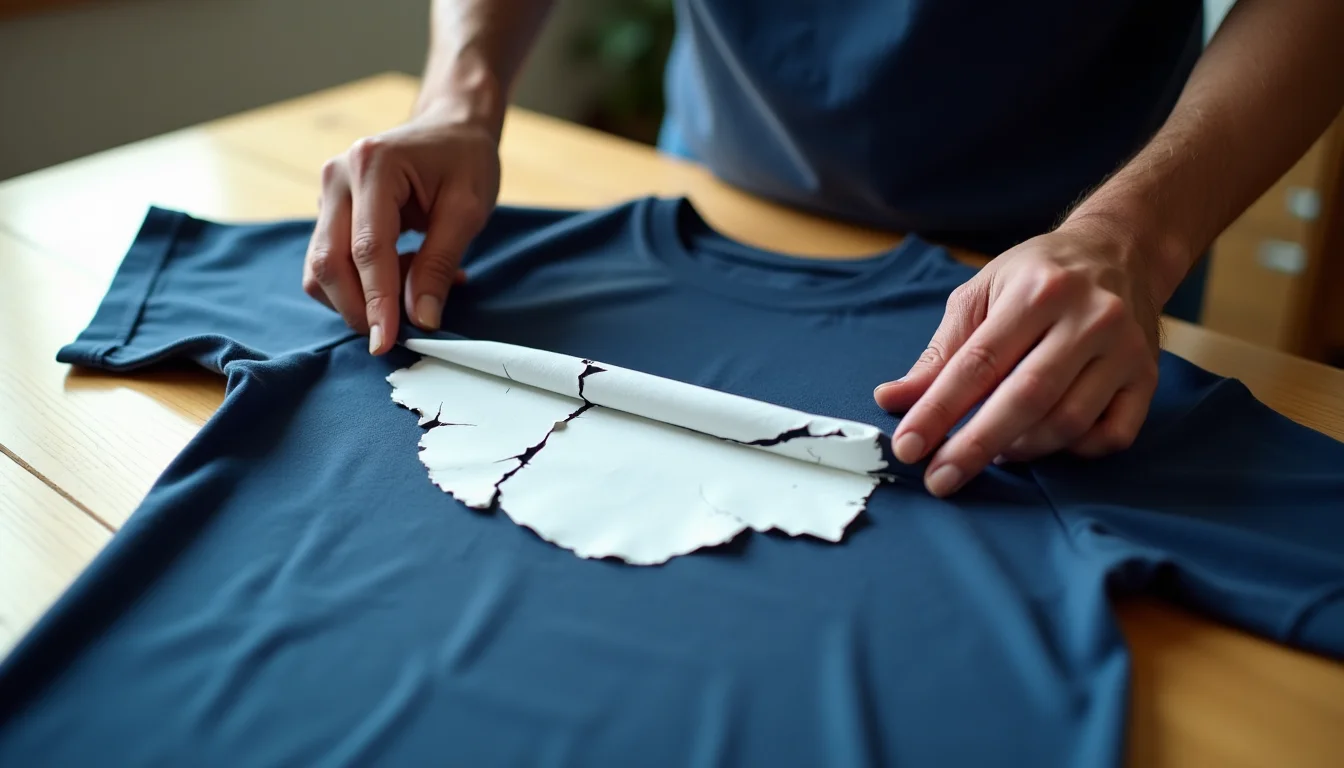
Cause: Excessive ink deposit or using plastisol inks without proper additives.
Solution: Use water-based inks for softer hand feel, or add softening agents to plastisol inks. Proper screen mesh count (higher mesh = thinner ink layer).
Problem: Colors Not Matching Design on Screen
Cause: Color management issues—screen colors (RGB) vs print colors (CMYK or spot colors).
Solution: Always use proper color profiles, calibrate monitors, and provide physical color samples when possible. For sublimation, use sublimation-specific color profiles.
Watch the Video: Expert Explanation
Want to see these concepts explained in action? Watch this short video where we break down the all over print method selection mistake that 90% of t-shirt printers make:
Frequently Asked Questions (FAQ)
Ready to Source Premium Blank T-Shirts for Your Printing Business?
Get print-ready, bio-washed, pre-shrunk blank t-shirts manufactured in Tiruppur with fast delivery across India. Choose from 180, 200, 210, and 220 GSM options in 15+ colors.
✓ MOQ as low as 10 pieces
✓ Bulk discounts on 500+ quantities
✓ 1 lakh+ pieces in ready stock
✓ Own manufacturing—not a trader