Client Returned Full Batch! This T-Shirt Washing Mistake Cost Lakhs
Imagine this scenario: You've invested lakhs of rupees in a bulk order of 300 plain t-shirts for your printing business. Your client places the order, you print beautiful designs, deliver them with pride, and then — disaster strikes. Within days, your phone rings with an angry client demanding a full return. The reason? The t-shirts shrank after washing, and what was once an XL now barely fits as a Large.
This nightmare scenario isn't hypothetical — it happens more often than you'd think in India's garment printing industry. Whether you're running a DTG printing setup, screen printing business, or DTF transfer operation, fabric shrinkage can destroy your reputation and drain your profits overnight.
The root cause? Non-pre-shrunk fabric. Let's dive deep into what went wrong, why it matters, and how you can protect your business from this expensive mistake.
The Real Story: 300 Pieces Returned Due to Shrinkage
A printing business owner from Mumbai recently faced this exact situation. He received an order for 300 pieces of plain white t-shirts from a corporate client. Excited about the bulk order, he sourced the cheapest t-shirts he could find from a local trader, printed the company logo using DTG printing, and delivered them on time.
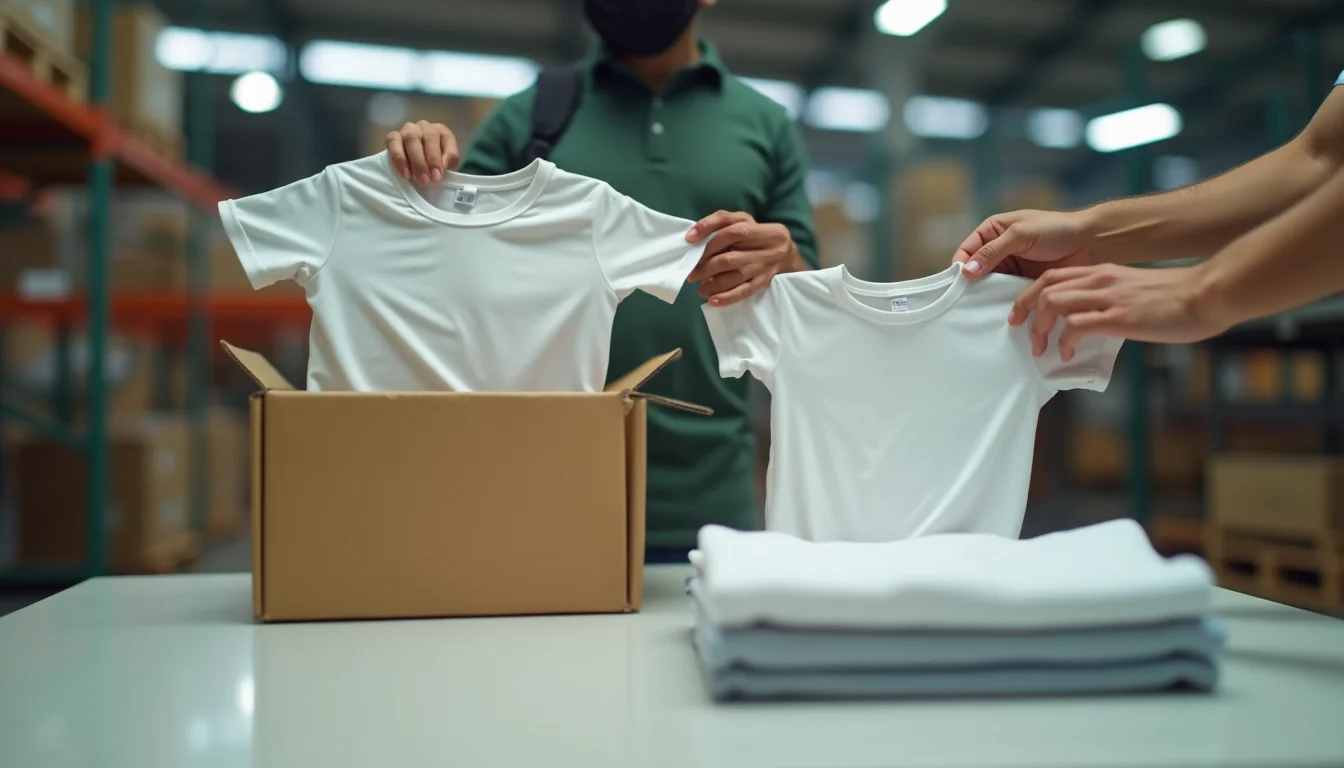
Two weeks later, his phone was flooded with complaints. The client's employees had washed their t-shirts once, and the sizes had dramatically shrunk. XL shirts were now fitting like M, and L shirts were too tight for most recipients. The client demanded a full refund and replacement — a loss of nearly ₹1.5 lakhs including printing costs, fabric costs, and labor.
When investigating what went wrong, the printing business owner discovered a critical detail he'd overlooked: the t-shirts weren't pre-shrunk. The cheap supplier had sold him raw cotton t-shirts that hadn't undergone proper pre-shrinking treatment during manufacturing.
"I thought all t-shirts were the same. I learned the hard way that pre-shrunk isn't just a marketing term — it's a quality standard that protects both manufacturers and end-users." — Rajesh, DTG Printing Business Owner
What Does Pre-Shrunk Actually Mean?
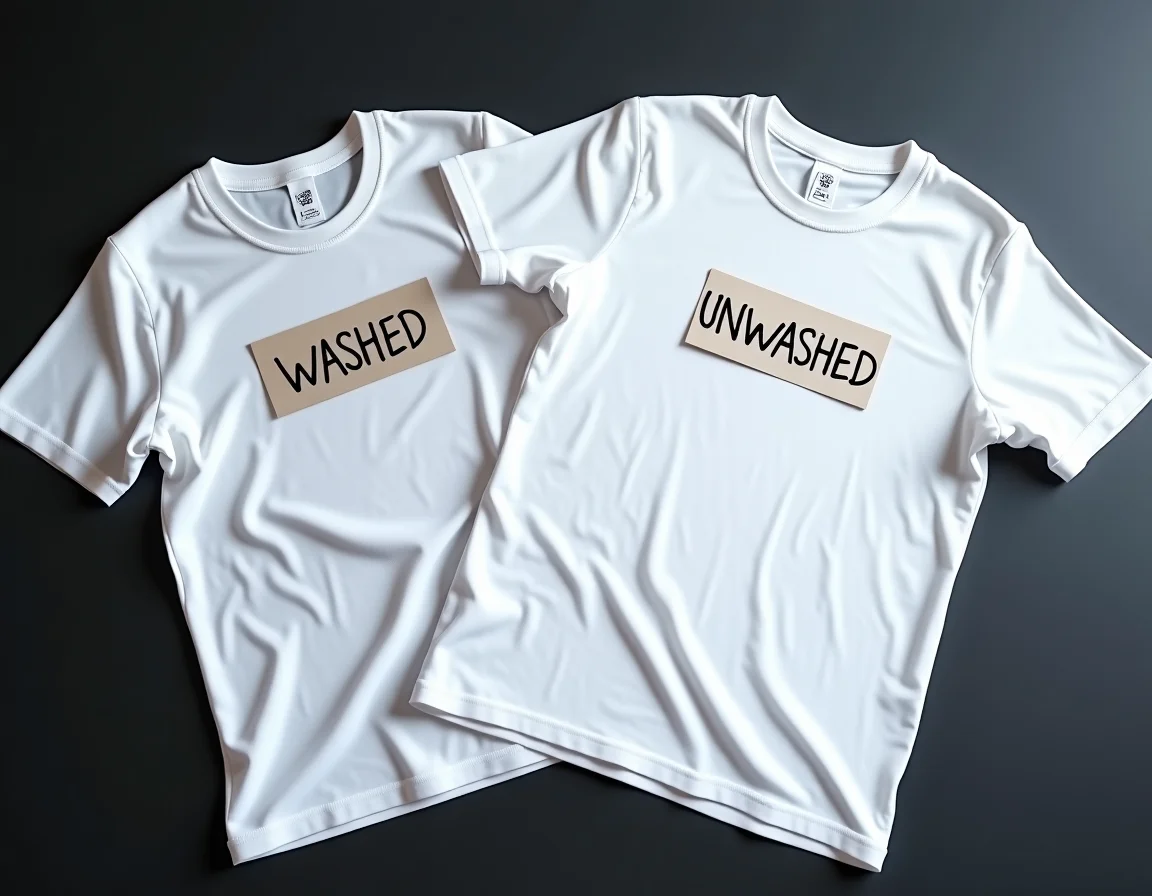
Pre-shrunk fabric is cotton material that has been treated during the manufacturing process to minimize shrinkage when the garment is washed later. This treatment involves controlled washing, drying, and sometimes mechanical processes that force the fabric to shrink before the t-shirt is cut and sewn.
The Science Behind Cotton Shrinkage
Cotton is a natural fiber that has a tendency to shrink when exposed to heat and moisture. Here's why:
- Fiber relaxation: During the manufacturing process, cotton fibers are stretched and held under tension. When washed, they naturally try to return to their original, more relaxed state.
- Heat exposure: Hot water and dryer heat cause the cotton fibers to contract and tighten.
- Moisture absorption: Cotton is highly absorbent. When it absorbs water, the fibers swell and then contract as they dry.
- Weave tightening: The fabric weave becomes tighter as fibers contract, reducing the overall dimensions of the garment.
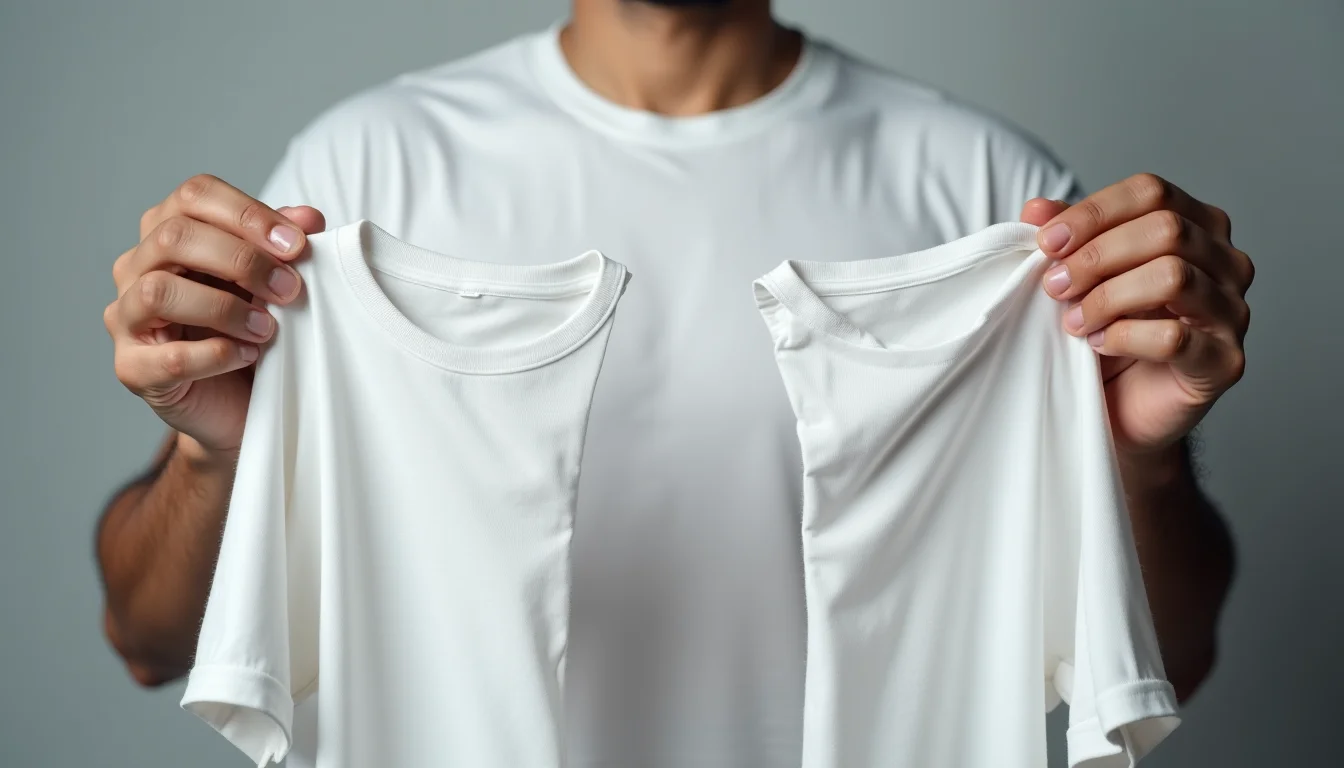
A non-pre-shrunk 100% cotton t-shirt can shrink anywhere from 5% to 8% in the first 2-3 washes. For an XL t-shirt with a chest measurement of 42 inches, a 7% shrinkage means it becomes 39 inches — closer to a Medium size. That's a completely unwearable transformation for the intended customer.
How Pre-Shrinking is Done in Quality Manufacturing
At Sale91.com, our manufacturing facility in Tiruppur follows rigorous pre-shrinking protocols. Since we knit our own fabric in-house, we control every step of the quality process:
- Compressive Shrinkage (Sanforization): The fabric is fed through a machine that compresses it while still damp, forcing it to shrink in a controlled manner before cutting.
- Bio-washing Treatment: We use enzyme-based bio-washing that not only makes the fabric softer and smoother but also stabilizes the fibers to reduce future shrinkage.
- Heat Setting: The fabric is exposed to controlled heat to set the dimensions permanently.
- Multiple Wash Testing: Sample pieces are washed 3-5 times in industrial conditions to verify shrinkage stays under 2%.
This is why all our plain t-shirts — whether 180 GSM, 200 GSM, 220 GSM, or our premium 240 GSM hoodies — come with a pre-shrunk guarantee. We're not just reselling fabric; we're manufacturing it to international quality standards right here in Tiruppur.
The Hidden Cost of Non-Pre-Shrunk T-Shirts
Many new printing businesses make the mistake of choosing suppliers based purely on price. A non-pre-shrunk t-shirt might be ₹20-30 cheaper per piece, but here's what that "savings" actually costs:
True Cost Breakdown of a Shrinkage Return:
- Original t-shirt cost: ₹300 per piece × 300 = ₹90,000
- Printing cost (DTG/Screen): ₹50 per piece × 300 = ₹15,000
- Labor and packaging: ₹10,000
- Replacement cost with quality fabric: ₹1,15,000
- Lost time and reputation damage: Priceless
Total Loss: ₹2,30,000+
Compare this to spending an extra ₹25 per piece on quality pre-shrunk t-shirts: 300 × ₹25 = ₹7,500. You'd save over ₹2 lakhs by investing in quality upfront.
How to Test If a T-Shirt is Pre-Shrunk
Before placing any bulk order — especially if you're working with a new supplier — always conduct this simple pre-shrunk test:
The Home Wash Test (Step-by-Step)
- Order a Sample Piece: Never place a bulk order without testing first. Order 2-3 sample pieces in your most popular size (usually M or L).
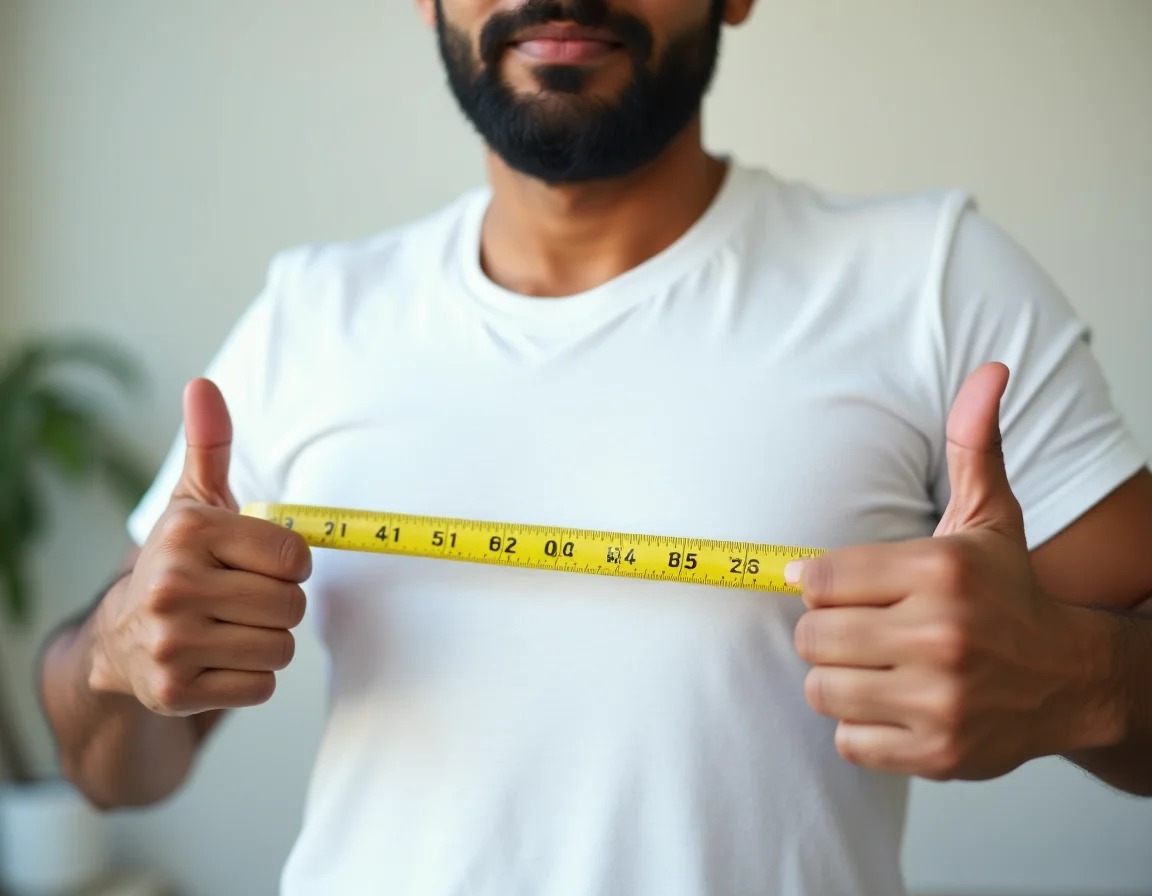
- Take Precise Measurements: Lay the t-shirt flat on a table. Measure and record:
- Chest width (armpit to armpit)
- Total length (shoulder to bottom hem)
- Sleeve length (shoulder seam to sleeve end)
- Wash in Hot Water: Wash the t-shirt in hot water (40-50°C) using regular detergent. This simulates how most consumers will wash the garment.
- Machine Dry: If possible, tumble dry on medium heat. This is the worst-case scenario that will reveal maximum shrinkage.
- Repeat the Wash: Wash and dry the t-shirt a second time. Most shrinkage happens in the first 2-3 washes.
- Measure Again: Take the exact same measurements. Compare them to your original numbers.
Interpreting the Results:
- Less than 2% shrinkage: Excellent! The fabric is properly pre-shrunk. Safe to order in bulk.
- 2-3% shrinkage: Acceptable for most commercial use. Inform your clients to expect minimal shrinkage.
- 4-5% shrinkage: Warning sign! This is borderline unacceptable. Consider other suppliers.
- 5% or more shrinkage: Reject this supplier immediately. This will definitely cause returns.
Questions to Ask Your T-Shirt Supplier
When evaluating potential suppliers for your printing business, don't just ask about price and GSM. Here are the critical quality questions you must ask:
- Is your fabric pre-shrunk? Get a clear yes or no answer.
- What pre-shrinking process do you use? Look for answers like "compressive shrinkage," "sanforization," or "enzyme wash."
- What's your guaranteed shrinkage percentage? Quality manufacturers should guarantee under 2-3% residual shrinkage.
- Do you knit your own fabric or source it? In-house manufacturers have better quality control (like Sale91.com).
- Is the fabric bio-washed? Bio-washing improves softness and reduces shrinkage further.
- What's your return policy for shrinkage issues? A confident supplier will stand behind their product.
- Can I get a lab test report? Professional manufacturers can provide AATCC or ISO standard wash test reports.
Why Tiruppur Manufacturers Lead in Pre-Shrunk Quality
Tiruppur, known as the knitwear capital of India, has developed strict quality standards over decades of export experience. Manufacturers here — including Sale91.com — invest heavily in proper infrastructure for fabric treatment.
When you source from Tiruppur manufacturers who knit their own fabric, you get:
- Vertical integration from yarn to finished garment
- In-house quality control at every stage
- Export-quality standards even for domestic orders
- Proper bio-washing and pre-shrinking infrastructure
- Consistent batch-to-batch quality
This is why serious printing businesses across India prefer to source from established Tiruppur manufacturers rather than local traders or resellers who have no control over fabric quality.
The Role of GSM and Fabric Quality
GSM (grams per square meter) indicates fabric weight and quality, but it doesn't automatically mean the fabric is pre-shrunk. You can have a 200 GSM t-shirt that shrinks badly and a 180 GSM t-shirt that holds its size perfectly — it all depends on the manufacturing process.
That said, higher GSM fabrics from quality manufacturers tend to be more stable because:
- They use better quality ring-spun combed cotton
- The tighter weave is more resistant to dimensional changes
- Premium fabrics undergo more thorough treatment processes
At Sale91.com, all our GSM variants — from 180 to 220 for t-shirts and 240 to 430 for hoodies — are made with ring-spun combed cotton and undergo the same rigorous pre-shrinking process.
Watch the Video: Full Story and Testing Tips
Watch this detailed explanation of what happened with the 300-piece return and how to conduct your own pre-shrunk test at home:
Protecting Your Printing Business From Returns
As a printing business owner, you can't afford to gamble with fabric quality. Here's your action plan to ensure you never face a shrinkage-related return:
1. Source From Reliable Manufacturers
Work with established manufacturers who have a reputation to protect. Look for suppliers who:
- Have been in business for 5+ years
- Manufacture their own fabric (not traders)
- Have a physical manufacturing facility you can visit
- Serve export markets (they have stricter quality standards)
- Offer clear guarantees and return policies
2. Always Test Before Bulk Orders
Never skip the sample testing phase. Even if you've worked with a supplier before, test each new style, color, or GSM variant. Fabric can vary between batches, especially if the supplier sources from multiple mills.
3. Educate Your Clients
Provide wash care instructions with every order. Even perfectly pre-shrunk fabric needs proper care. Include tags or printed cards with guidance like:
- Wash in cold or lukewarm water (not hot)
- Tumble dry on low heat or air dry
- Avoid harsh detergents or bleach
- Expect minimal shrinkage (under 2%) even with proper pre-shrunk fabric
4. Build Quality Into Your Pricing
Don't compete on price alone. Position yourself as a quality-focused printing business. When you explain to clients that you use pre-shrunk, bio-washed, ring-spun combed cotton, they'll understand why your pricing might be ₹20-30 higher than competitors — and they'll appreciate the reliability.
Why Sale91.com for Your Bulk T-Shirt Needs
At Sale91.com, we've built our reputation on quality that printing businesses can trust. Here's what makes us different:
- In-House Fabric Manufacturing: We knit our own fabric in Tiruppur, giving us complete control over pre-shrinking and quality.
- Bio-Washed & Pre-Shrunk Guarantee: Every t-shirt undergoes enzyme bio-washing and compressive shrinkage treatment.
- Ring-Spun Combed Cotton: We use premium yarn that's softer, stronger, and more durable than standard cotton.
- 1 Lakh+ Ready Stock: We maintain massive inventory in our Delhi warehouse for immediate dispatch.
- Bulk Order Discounts: ₹2 per piece discount on 500+ quantity, ₹3 per piece online purchase discount for any quantity.
- Export Quality for Domestic Prices: We serve printing businesses across India with the same standards we use for international clients.
We've sold 1,25,232+ pieces in the last 30 days alone — trusted by DTG printers, screen printers, DTF transfer businesses, and heat transfer operations across India.
Order Pre-Shrunk Quality T-Shirts Today
Don't risk your reputation with non-pre-shrunk fabric. Order from India's most trusted B2B plain t-shirt manufacturer.
✓ Pre-Shrunk & Bio-Washed ✓ Ring-Spun Combed Cotton ✓ 1 Lakh+ Ready Stock
Order Now at Sale91.com