First Time Printing T-Shirts? This Waste % Will Shock You
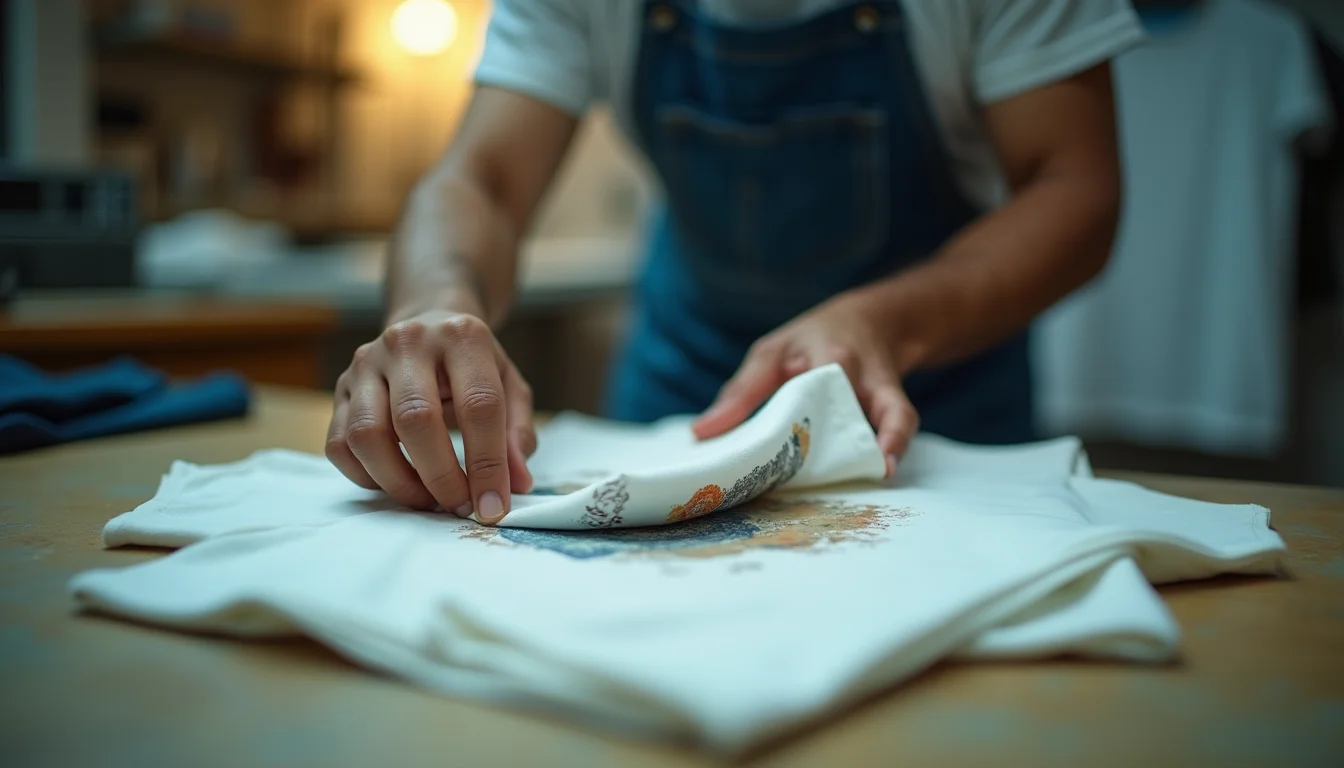
If you've just started your t-shirt printing business, here's something nobody tells you upfront: waste is not just common, it's inevitable. And if you don't understand this from day one, you'll panic every time a few pieces go bad during production.
Recently, a customer called us at Sale91.com in complete distress. He had ordered 200 plain t-shirts from us, and during his printing process, 8 pieces got ruined. His first instinct? "Is this a quality issue with your t-shirts?"
When we asked if this was his first time printing, he said yes. That's when we explained the reality of the printing business—and it's something every new printer, whether doing DTG (Direct-to-Garment), screen printing, or DTF (Direct-to-Film), needs to understand.
The Reality of Waste in T-Shirt Printing Business
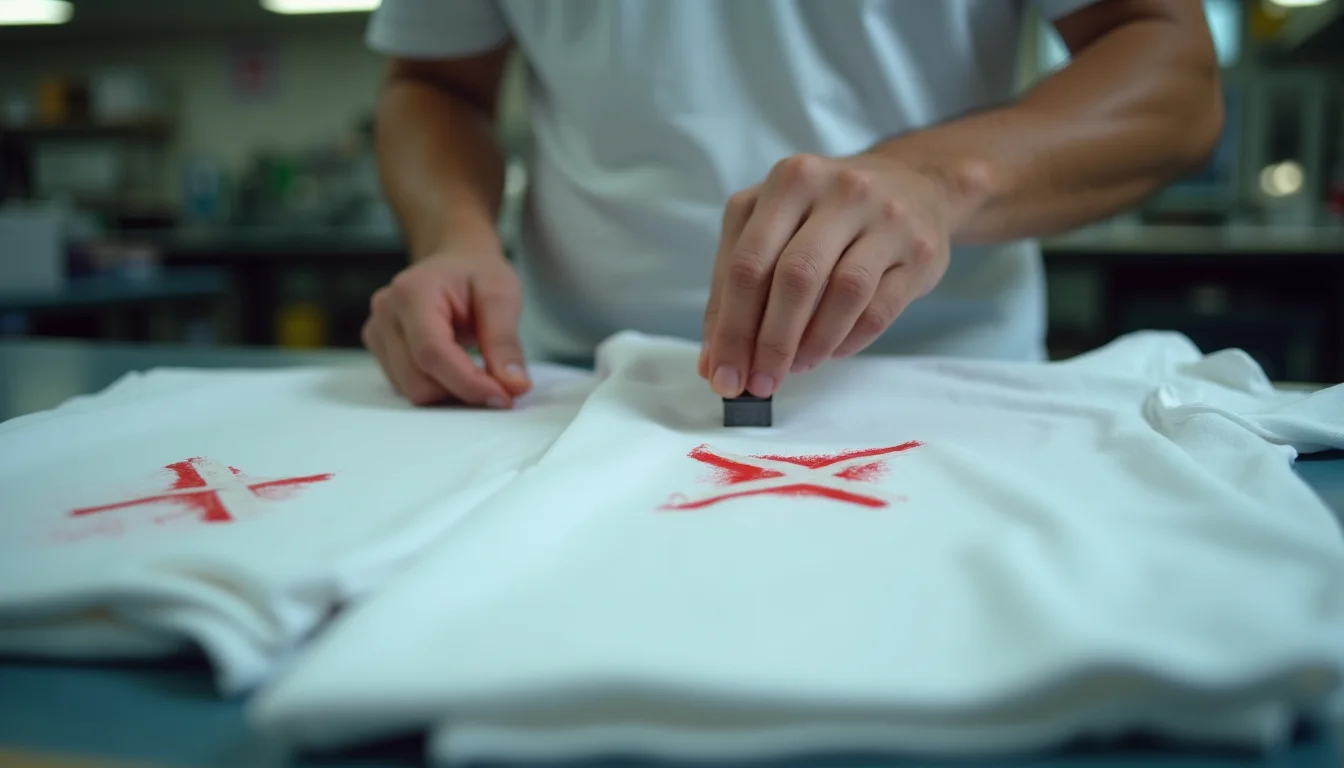
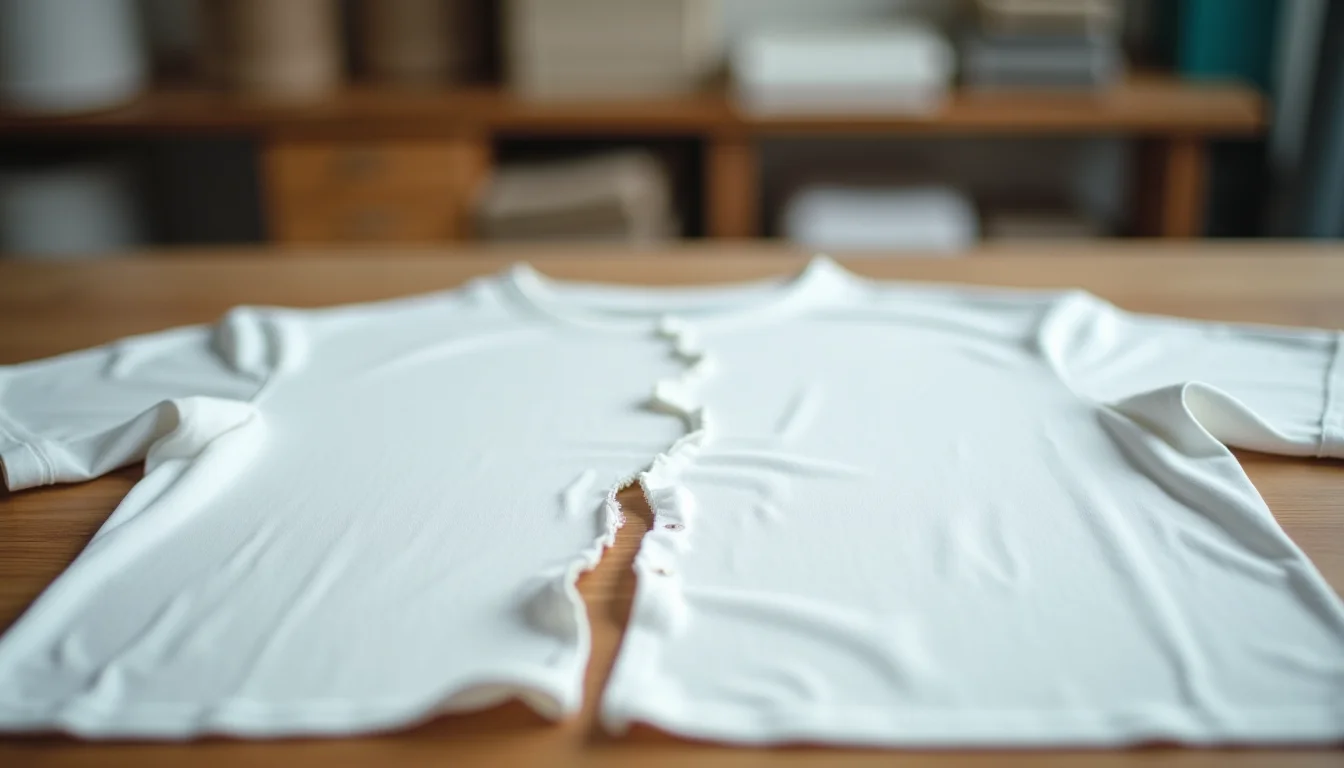
Let's get one thing straight: waste in the printing business is not a defect—it's a statistical reality. No matter how skilled you are, no matter how expensive your equipment is, and no matter how premium your blank t-shirts are, some percentage of your production will always have issues.
This isn't about the quality of the blank garments you source. Whether you're buying from a premium manufacturer like us who knits our own fabric in-house, or from any other supplier, the printing process itself introduces variables that lead to waste.
What Causes Printing Waste?
Understanding the reasons behind printing waste helps you accept it as part of the business rather than a crisis:
- Ink spreading or bleeding: Especially in DTG printing, if the fabric isn't perfectly positioned or the ink saturation is slightly off, you can get bleeding beyond design boundaries
- Alignment shifts: Screen printing requires perfect registration. Even a millimeter off can ruin a multi-color print
- Heat press timing issues: Whether you're using DTF transfers or heat transfer vinyl, timing and temperature variations can cause incomplete adhesion or scorching
- Fabric inconsistencies: Even premium bio-washed, pre-shrunk fabric can have minor variations in thickness or texture that affect ink absorption
- Human error: Loading garments incorrectly, starting prints before proper alignment checks, or rushing through production
- Equipment calibration: Machines need regular maintenance and calibration. Slight drifts in settings accumulate over large print runs
- Environmental factors: Humidity, temperature, and dust in your workspace can affect print quality
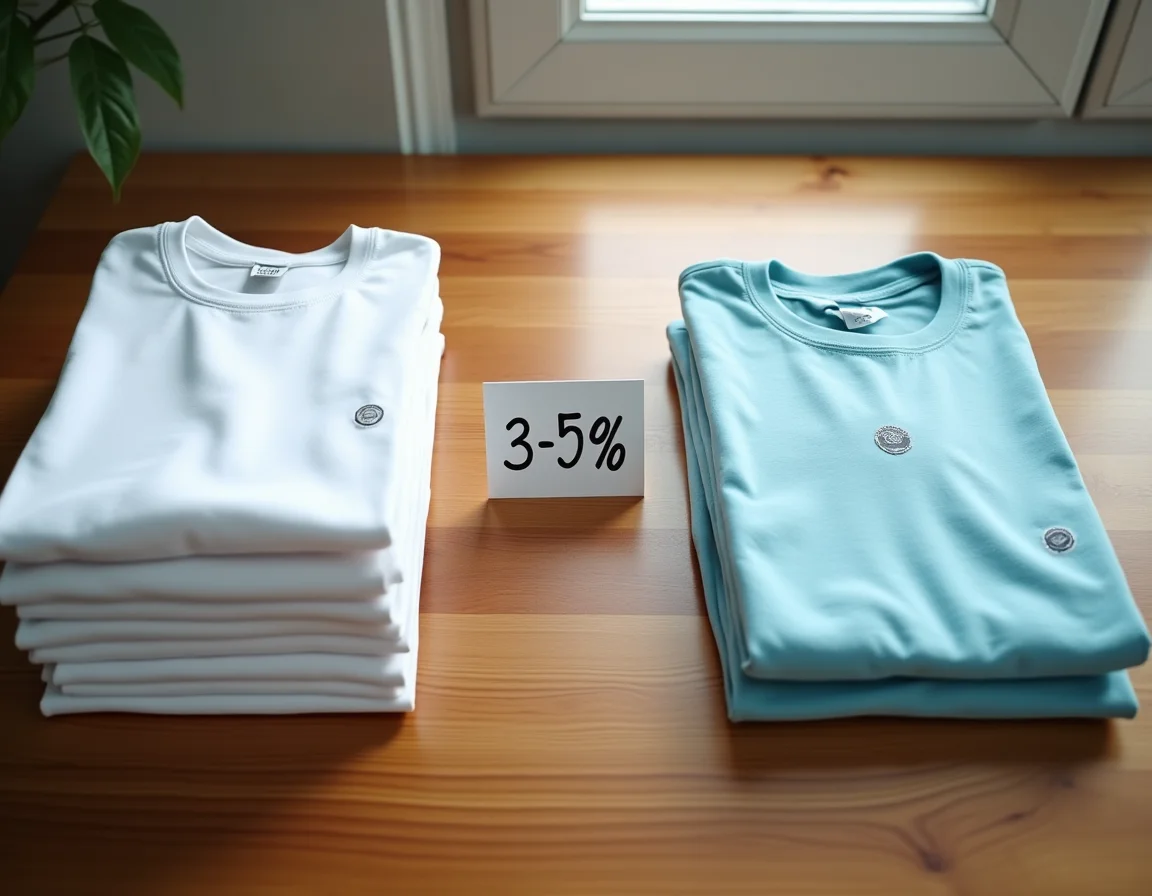
Industry Standard: The 3-5% Rule
Here's the number you need to remember: 3 to 5 percent waste is considered completely normal and acceptable in the textile printing industry across India and globally.
Let's break this down with practical examples:
| Order Size | 3% Waste (Lower End) | 5% Waste (Upper End) | Normal Waste Range |
|---|---|---|---|
| 100 pieces | 3 pieces | 5 pieces | 3-5 pieces |
| 200 pieces | 6 pieces | 10 pieces | 6-10 pieces |
| 500 pieces | 15 pieces | 25 pieces | 15-25 pieces |
| 1000 pieces | 30 pieces | 50 pieces | 30-50 pieces |
In the case of our customer who ruined 8 t-shirts out of 200, that's exactly 4%—right in the middle of the acceptable range. This is completely normal and nothing to panic about.
When Should You Actually Worry?
While 3-5% is normal, there's a threshold where waste stops being "acceptable" and starts indicating a real problem with your process or equipment.
Red Flag Zone: If your waste consistently exceeds 8-10%, something is wrong and needs immediate attention.
Waste above 10% typically indicates:
- Machine calibration issues or equipment malfunction
- Improper training or technique problems with operators
- Using incompatible materials (wrong ink for fabric type, poor quality transfers)
- Environmental problems in your workspace
- Rushing production without proper quality checks
If you're consistently hitting 8-10% or higher waste rates, it's time to:
- Pause production and inspect your equipment thoroughly
- Review your standard operating procedures
- Retrain staff on proper printing techniques
- Test with smaller sample runs to isolate the problem
- Consult with equipment manufacturers or experienced printers
The Smart Way to Handle Waste: Include It in Your Costing
The difference between a stressed printer and a successful printing business owner is simple: planning for waste upfront rather than panicking when it happens.
Here's the professional approach:
Always Order Extra Blanks
If you have an order for 200 printed t-shirts, don't order exactly 200 blank pieces. Order 210-215 pieces to account for the expected waste.
This simple buffer ensures:
- You can deliver the full order on time without scrambling for replacements
- You don't feel the "loss" emotionally because it was planned
- Your customer never knows there were any issues
- You maintain professional standards and deadlines
At Sale91.com, many of our regular customers who run printing businesses always order 5-7% extra when they know they have a confirmed order. They've learned this lesson early, and it's saved them countless hours of stress.
Build Waste Cost Into Your Pricing
When you quote a customer for 200 printed t-shirts, your internal calculation should look like this:
Sample Costing Example:
Customer Order: 200 pieces
Blanks needed: 210 pieces (5% buffer)
Cost per blank: ₹150
Total blank cost: 210 × ₹150 = ₹31,500
Cost per delivered piece: ₹31,500 ÷ 200 = ₹157.50Your effective blank cost increased from ₹150 to ₹157.50 when you factor in waste—and that's perfectly normal.
Add your printing cost, labor, overheads, and margin on top of this realistic cost, and you'll never feel like waste is "eating into your profits"—because it's already accounted for.
Different Printing Methods, Similar Waste Patterns
The 3-5% waste rule applies across all major printing technologies, though the specific causes vary:
DTG (Direct-to-Garment) Printing
DTG printing is popular for detailed, colorful designs and small to medium runs. Typical waste causes:
- Nozzle clogging leading to streaks or missing colors
- Pretreatment issues causing uneven ink absorption
- Fabric placement errors during loading
- Color calibration drift during long runs
Expected waste: 3-6% for experienced operators
Screen Printing
Screen printing is ideal for large runs and simple to moderate designs. Common waste factors:
- Registration misalignment on multi-color prints
- Ink consistency variations affecting coverage
- Screen tension issues causing blurred prints
- Flash curing temperature variations
Expected waste: 3-5% for professional setups
DTF (Direct-to-Film) Printing
DTF is gaining popularity for its versatility. Waste typically from:
- Transfer adhesion failures
- Heat press temperature or pressure inconsistencies
- Timing errors during pressing
- Film peeling issues
Expected waste: 4-6% as the technique is relatively newer
How Fabric Quality Affects (and Doesn't Affect) Waste
Many first-time printers assume waste is primarily caused by poor quality blanks. While fabric quality does matter, it's not the main factor in printing waste.
What premium blank t-shirts (like those we manufacture at Sale91.com) provide:
- Consistent GSM: Our 180, 200, 210, and 220 GSM options have uniform thickness, which helps with predictable ink absorption
- Bio-washing: Enzyme treatment creates a smooth surface that accepts ink more evenly
- Pre-shrinking: Eliminates the risk of distortion after the first wash, which could ruin printed designs
- Ring-spun combed cotton: Creates a smoother printing surface compared to cheaper open-end yarn
However, even with the best blanks, printing waste will still occur because the printing process itself has inherent variables. What good fabric does is potentially keep your waste at the 3% end rather than the 5% end of the spectrum.
Check out our complete range of printing-ready blanks in our product catalog, all manufactured in-house at our Tiruppur facility.
Practical Tips to Minimize (Not Eliminate) Waste
While you can't eliminate waste entirely, you can optimize your process to stay at the lower end of the 3-5% range:
1. Proper Machine Maintenance
Regular cleaning and calibration of your printing equipment is non-negotiable. Schedule daily, weekly, and monthly maintenance routines.
2. Operator Training
Invest in proper training for anyone operating printing equipment. Many early-career waste issues come from technique problems, not equipment issues.
3. Quality Control Checkpoints
Don't wait until the end of a 500-piece run to discover a problem. Check quality after the first piece, then every 20-25 pieces during production.
4. Controlled Environment
Maintain consistent temperature and humidity in your printing workspace. Extreme variations affect ink behavior and curing.
5. Material Compatibility Testing
Before committing to a large run, always do test prints with the specific combination of ink, transfer method, and fabric you'll be using.
6. Standard Operating Procedures
Document your processes so that results are consistent regardless of which operator is running the job that day.
7. Use Quality Blanks
While not a cure-all, consistent high-quality blanks reduce one variable in your process. With over 1 lakh+ pieces in ready stock and GST-compliant B2B pricing, we ensure you get consistent, print-ready garments every time you order.
Psychology of Waste: Don't Let It Affect Your Business Decisions
One of the biggest mistakes new printing business owners make is letting normal waste percentage create fear or panic that affects their business decisions.
We've seen printers:
- Refuse orders because they're afraid of waste
- Underprice jobs trying to "make up" for perceived losses
- Waste hours arguing with blank suppliers over normal printing waste
- Switch between multiple blank suppliers constantly, thinking that's the solution
- Over-promise delivery dates and then miss them when normal waste occurs
All of these behaviors are counterproductive. Once you accept that 3-5% waste is simply the cost of doing business—like electricity bills or rent—you'll make better decisions.
Pro Tip: Track your waste percentage over time. If you're consistently at 3-4%, you're doing great. Don't obsess over getting to zero—it's not realistic and will drive you crazy trying.
Watch the Video
Watch our detailed explanation on why printing waste is normal and how to manage it smartly in your t-shirt printing business:
Frequently Asked Questions About Printing Waste
Ready to Start Your Printing Business Right?
Order high-quality, print-ready blank t-shirts from India's leading B2B manufacturer. We knit our own fabric in-house at Tiruppur and maintain 1 lakh+ pieces in ready stock.
Special Offers:
- ✓ ₹3/pc online purchase discount for any quantity
- ✓ ₹2/pc additional discount for 500+ pieces
- ✓ 50% COD available on first order (new buyers)
- ✓ GST compliant B2B pricing
- ✓ All products: 100% cotton, bio-washed, pre-shrunk