T-Shirt Shrinkage Test for Bulk Orders — How 6% Shrinkage Rejected a ₹45,000 Order
It started as a routine bulk t-shirt order. A printing business owner placed an order for 300 plain white t-shirts, 200 GSM, for a corporate client who needed them printed with a custom design. The GSM was verified, the fabric felt right in hand, the price was fair. Everything checked out — on paper.
After delivery, the corporate client washed one piece as part of their standard quality check. They measured it before and after. The result? The t-shirt shrank by 6%. An XL had become a Large after just one wash.
The entire batch — all 300 pieces — was rejected. The printing business lost ₹45,000. More importantly, they lost a long-term client.
⚠️ The GSM was correct. The fabric weight was right. But the t-shirts were NOT pre-shrunk — and that single quality parameter, overlooked at the time of ordering, caused a ₹45,000 loss.
This isn't a rare story. Across Tiruppur, Delhi, Mumbai, and every major textile hub in India, this scenario plays out far too often. Buyers check GSM, check color, check stitching — but forget to verify one of the most critical fabric properties: pre-shrunk treatment. This guide breaks down everything you need to know before placing your next bulk t-shirt order.
What Is T-Shirt Shrinkage and Why Does It Happen?
Cotton t-shirts shrink because cotton yarn is under tension during the knitting and weaving process. When the fabric is knitted, the yarns are stretched. After washing — especially with warm or hot water — the yarn relaxes and contracts back toward its natural state. This process is called relaxation shrinkage.
There are two primary directions of shrinkage:
- Lengthwise (warp) shrinkage: The t-shirt becomes shorter in length.
- Widthwise (weft) shrinkage: The t-shirt becomes narrower across the chest and shoulders.
A 6% shrinkage means a t-shirt that was 70 cm long is now 65.8 cm long after the first wash. That's over 4 cm — almost two full size steps down in Indian standard sizing. This is why an XL can genuinely feel like a Large after one home wash, and why your end customer feels cheated, even if the fault wasn't yours.
What's an Acceptable Shrinkage Percentage?
Industry standards generally accept up to 3% shrinkage in cotton t-shirts. Most global brands like Nike, H&M, and Zara keep shrinkage below 2% through rigorous pre-shrunk treatment. In the Indian B2B wholesale market, anything above 3% is considered problematic for a printing business because:
- The printed design distorts when the fabric shrinks unevenly.
- Sizes shift — customers who ordered XL get something that fits like an L.
- Returns, complaints, and refund requests follow.
- Your reputation with your end client is permanently damaged.
The GSM Trap Nobody Talks About
Here's the knowledge gap that costs businesses crores of rupees every year: GSM (Grams per Square Metre) only tells you the weight of the fabric. It tells you nothing about shrinkage.
A 200 GSM t-shirt can shrink 8% or shrink 1.5% — depending entirely on whether it has been pre-shrunk (also known as compacted or sanforized). Two t-shirts can be identical in GSM, identical in color, and even feel similar in hand — yet have dramatically different shrinkage behaviour.
The GSM tells you how heavy the fabric is. The pre-shrunk process tells you how stable the fabric is. You need both — and most buyers only check one.
This is a trap because GSM is measurable, visible, and easy to quote — so buyers and suppliers focus on it. Shrinkage, on the other hand, only reveals itself after a wash. By then, the money is already spent. If you've been concerned about fabric quality in your bulk orders, you might also want to read about ordering t-shirts without a proper quality check — another common and costly mistake that mirrors this exact problem at a much larger scale.
GSM vs. Pre-Shrunk: The Comparison That Matters
| Parameter | What GSM Tells You | What Pre-Shrunk Treatment Tells You |
|---|---|---|
| Fabric Weight | ✅ Yes | ❌ No |
| Fabric Stability After Wash | ❌ No | ✅ Yes |
| Size Retention Post-Wash | ❌ No | ✅ Yes |
| Print Quality After Wash | ❌ Indirect | ✅ Yes |
| Customer Satisfaction | ❌ Partial | ✅ Yes |
What Is Pre-Shrunk Treatment? (And Why It's Non-Negotiable for Bulk Orders)
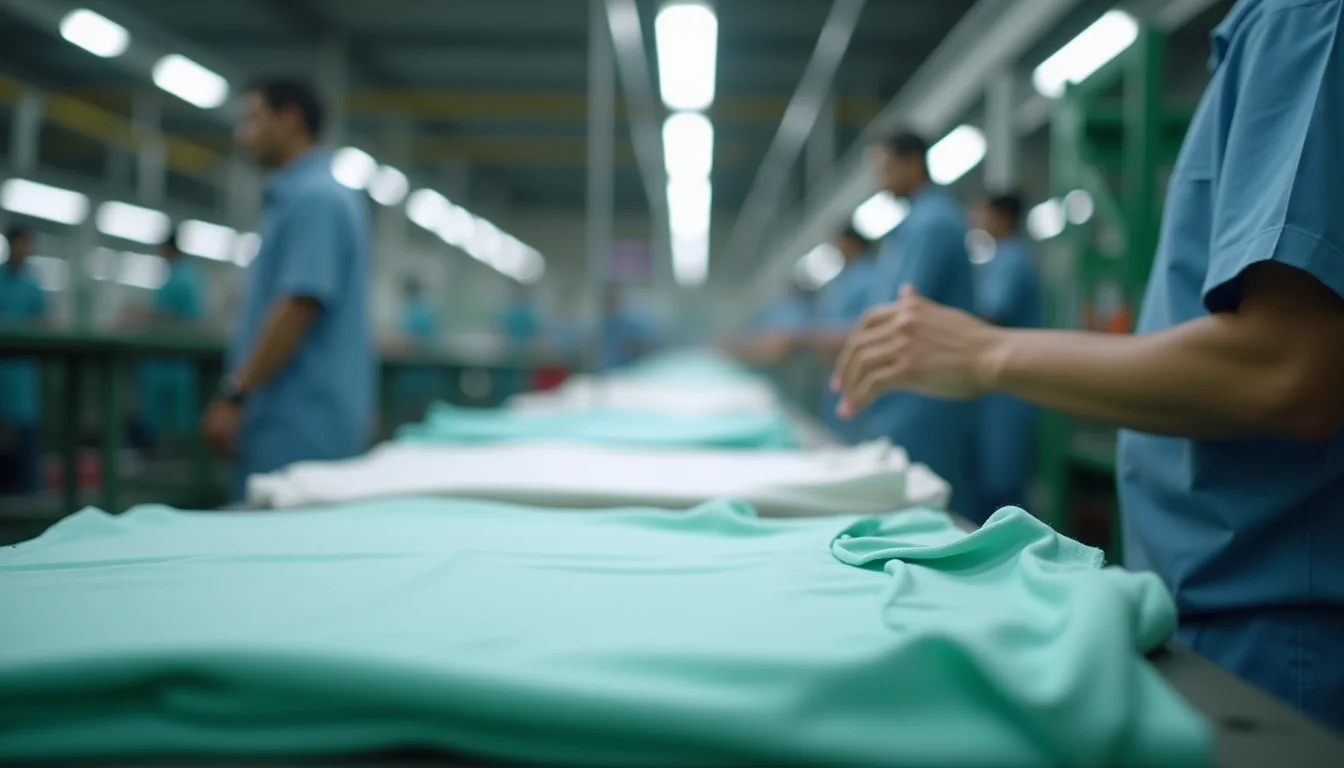
Pre-shrunk treatment — also called compacting or sanforization — is a mechanical finishing process applied to the fabric before it is cut and stitched into a garment. During compacting, the fabric is subjected to controlled moisture, heat, and mechanical pressure that causes the fibres to shrink in a controlled environment before the t-shirt is even made.
After the pre-shrunk treatment, the fabric has already gone through most of its natural shrinkage. So when your customer washes the finished t-shirt, there is very little remaining shrinkage — typically less than 3%, and in high-quality manufacturing, below 2%.
Bio-Washing: A Related (But Different) Process
Many suppliers also offer bio-washed t-shirts. Bio-washing is an enzyme treatment that removes surface fibres (called "pilling") from the cotton, resulting in a smoother, silkier feel. It improves print adhesion for DTG and screen printing because the surface is more even.
However, bio-washing alone does NOT eliminate shrinkage. A bio-washed t-shirt that is not pre-shrunk/compacted will still shrink significantly. You need both treatments for a production-ready blank.
At Sale91.com, all plain t-shirts are manufactured with both bio-wash and pre-shrunk treatment as standard. The fabric is knitted in-house at their Tiruppur facility, then compacted before cutting and stitching — which is why their blanks hold size after washing and are trusted by printing businesses across India.
How to Do a Shrinkage Test Before Placing a Bulk Order
This is the single most important quality check a printing business owner can do before committing to a bulk order. It costs nothing — just one sample piece, a ruler, and a washing machine. Here's the exact process:
Step 1: Get a Sample Piece
Always request a sample before finalising any bulk order. Most reputable suppliers will send 1-2 pieces for a nominal cost or for free. This is your protection against a ₹45,000 mistake.
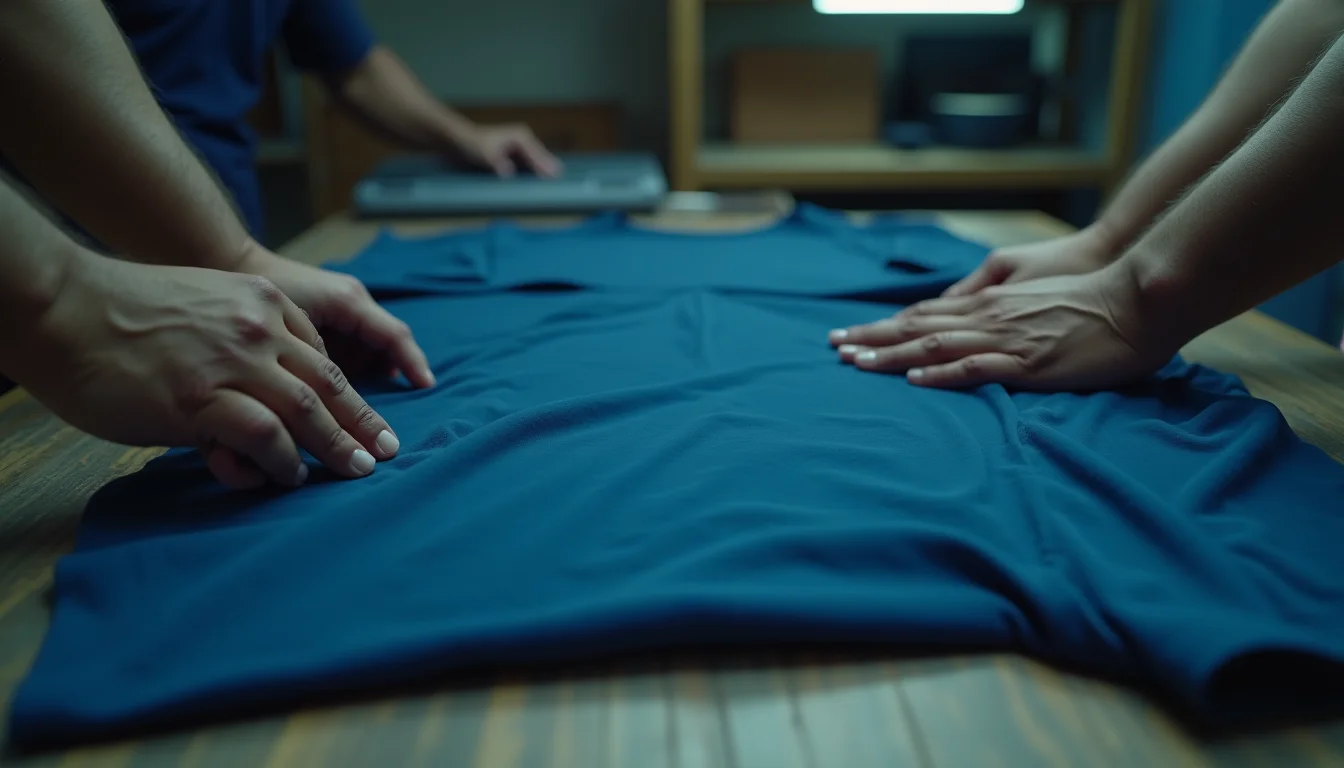
Step 2: Measure Before Washing
Lay the t-shirt flat on a table. Use a measuring tape to record:
- Total length (from collar base to hem)
- Chest width (measured across the chest, armpit to armpit)
- Shoulder width (seam to seam across the back)
- Sleeve length (shoulder seam to sleeve end)
Write down all four measurements. Take a photo for reference.
Step 3: Wash Under Normal Conditions
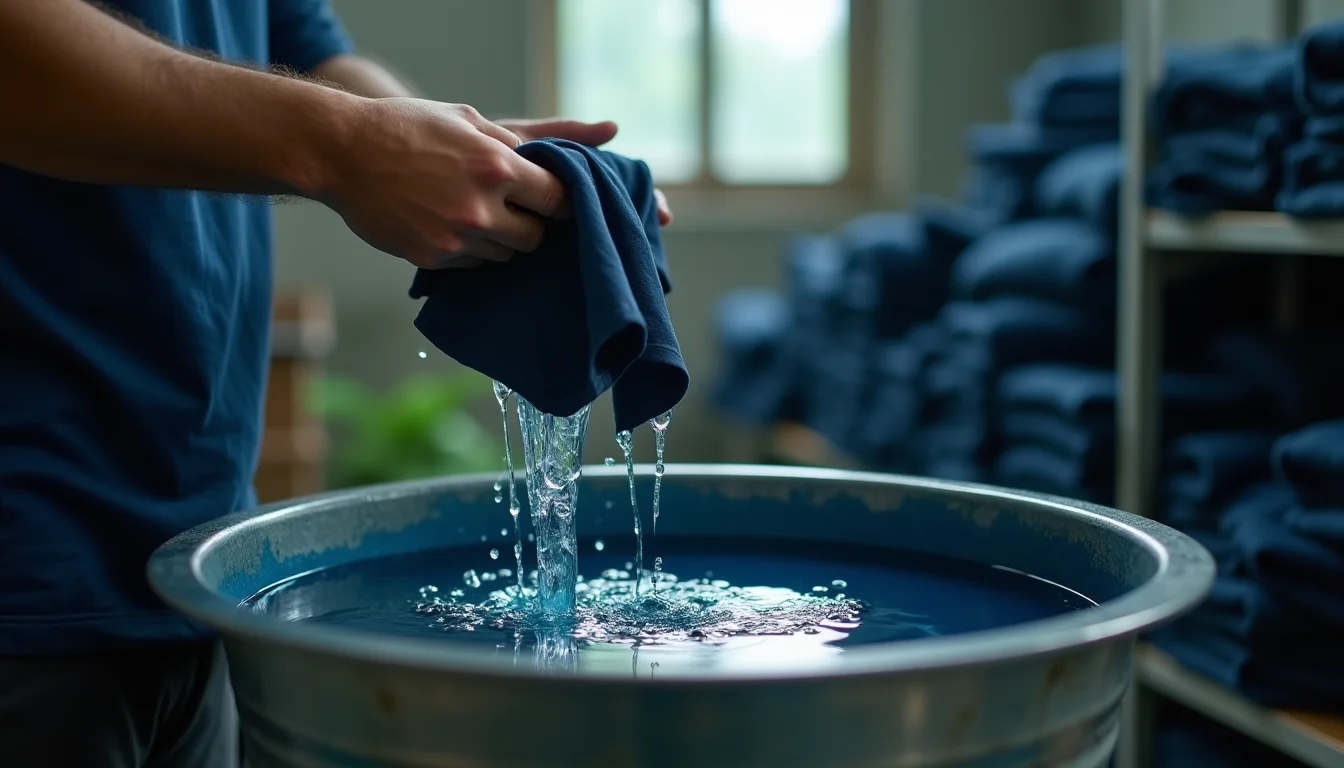
Wash the t-shirt the way your end customer would — in a regular washing machine with detergent, at 30–40°C (normal cycle). Do not use cold hand wash — that will understate the real-world shrinkage. After washing, air dry naturally or tumble dry on low heat, matching what a typical consumer would do.
Step 4: Measure Again After Drying
Once fully dry, lay the t-shirt flat again and remeasure all four dimensions you recorded in Step 2.
Step 5: Calculate Shrinkage Percentage
Use this formula:
Shrinkage % = ((Original Measurement − After Wash Measurement) ÷ Original Measurement) × 100
If the t-shirt length was 72 cm before washing and 67.7 cm after, that's a 6% shrinkage — exactly what happened in the ₹45,000 rejection case above.
Acceptable Benchmark
Accept fabrics with less than 3% shrinkage in any direction. If you're working with premium clients or garments that will be custom printed, aim for suppliers who guarantee less than 2%.
Why This Matters Even More for Printing Businesses
If you run a DTG (Direct-to-Garment), DTF (Direct-to-Film), screen printing, or heat transfer business, shrinkage creates a second layer of problems beyond just sizing:
Print Distortion
When a t-shirt with a printed design shrinks after washing, the print area physically contracts. A design that was printed 25 cm wide might now be 23 cm wide — and it will look distorted, crowded, or misaligned with any geometric elements. For corporate orders with logos or text, this is a catastrophic failure.
Placement Shift
Centre-chest prints are placed based on the pre-wash size of the shirt. If the fabric shrinks unevenly — lengthwise more than widthwise, for example — the print migrates from its intended position. A front pocket print ends up near the belly button.
Ink Cracking
Plastisol screen print inks and some heat transfer films are not designed to compress. When the underlying fabric shrinks, the ink layer can crack or peel prematurely — making the garment look low-quality after just 2-3 washes.
Just as fabric shrinkage can ruin a print run, so can unexpected colour variation between batches — a problem equally worth understanding if you want to protect your printing business. Issues like these are explored in detail in our article on why the same colour from two vendors looks completely different in finished garments.
Questions to Ask Your T-Shirt Supplier Before Ordering Bulk
Most printing business owners make the mistake of only asking "What GSM?" when evaluating a plain t-shirt supplier. Here's the complete checklist of questions you should be asking:
- Is this fabric pre-shrunk / compacted? (Not bio-washed — specifically pre-shrunk)
- What is the maximum shrinkage percentage you guarantee?
- Is this ring-spun or open-end spun cotton? (Ring-spun is more consistent)
- Is the fabric combed cotton? (Combed removes short fibres, reduces pilling)
- Do you have a test report or quality certificate for shrinkage?
- Can I order 1 sample before placing the full order?
- Is the GSM measured pre-wash or post-wash?
Pro tip: Ask for the GSM post-wash. Some suppliers quote pre-wash GSM, which is slightly higher. A 200 GSM pre-wash fabric might be 188-192 GSM after washing — which matters for premium positioning.
How Sale91.com Solves the Shrinkage Problem
The reason shrinkage issues are so common in the Indian t-shirt wholesale market is that most suppliers are traders — they buy fabric from third parties and have no control over the finishing process. When shrinkage problems arise, they have no accountability over the upstream manufacturing.
Sale91.com (BulkPlainTshirt.com) operates differently. As a manufacturer who knits their own fabric in Tiruppur, they control every step of the process — from yarn selection and knitting to bio-washing, compacting (pre-shrunk), and cutting & stitching. This vertical integration means:
- Pre-shrunk treatment is applied as a standard step — not an optional add-on
- Ring-spun combed cotton is used for all products (more consistent, less pilling)
- Bio-wash is applied standard (smoother surface for better print adhesion)
- Consistent GSM batch to batch — because they control the knitting
- Ready stock of 1 lakh+ pieces at any time, with same-day dispatch
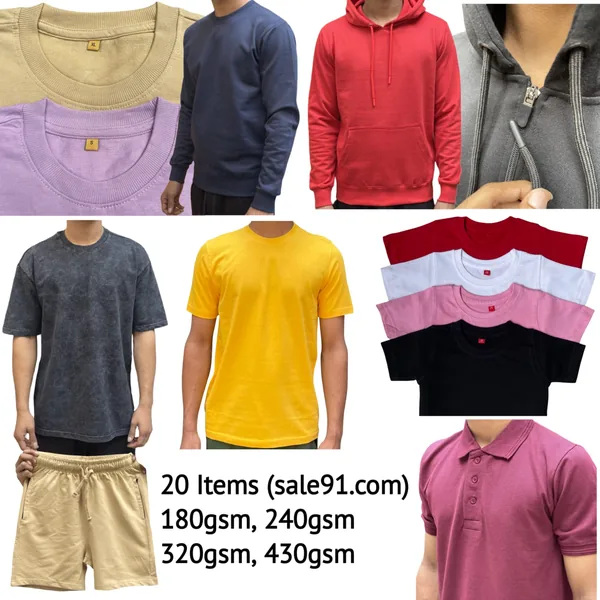
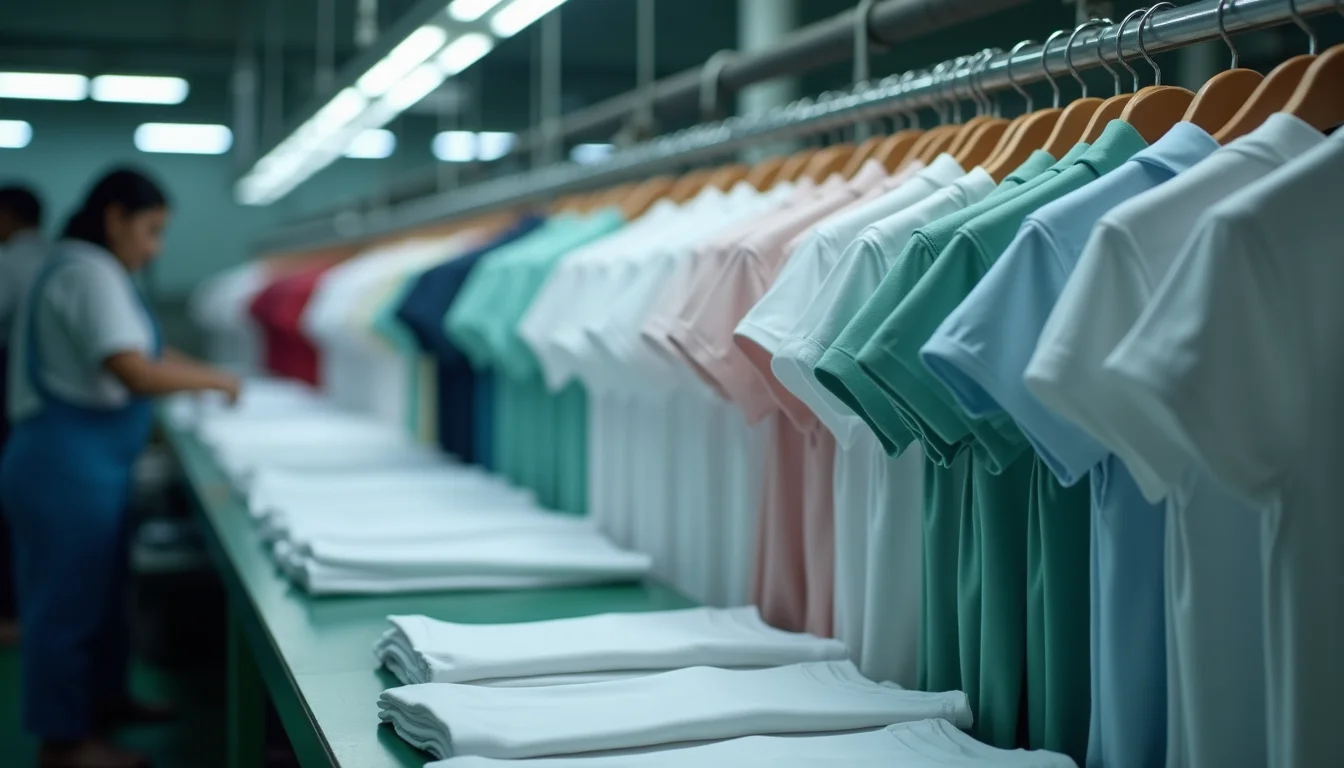
Their product range includes 180 GSM (everyday use), 200 GSM (premium), and 220 GSM (heavy premium) plain round neck t-shirts, as well as oversized t-shirts, polo shirts, and hoodies — all available in 15+ colours with MOQ as low as 10 pieces for ready stock items. Browse the full range at the BulkPlainTshirt.com catalog.
The Real Cost of Not Doing a Shrinkage Test
Let's break down what actually happened in the ₹45,000 rejection case, piece by piece:
| Item | Impact |
|---|---|
| 300 plain t-shirts (200 GSM) | Full batch rejected — ₹45,000 lost |
| Printing cost (if already printed) | Additional printing cost written off |
| Delivery logistics (both ways) | Transport cost lost |
| Time spent managing returns | Opportunity cost — business disruption |
| Long-term client relationship | Permanently damaged — future orders lost |
| Cost of doing one wash test | ₹0 (or cost of 1 sample piece) |
The math is simple and brutal. A single pre-purchase shrinkage test — which takes about 2 hours including wash and dry time — would have saved ₹45,000 and a long-term business relationship. There is no "too small" order that doesn't deserve a shrinkage test when you are in the printing business.
Similarly, something as straightforward as a simple colour bleeding test costing just ₹5 can prevent hundreds of pieces from being ruined — especially in monsoon months when humidity accelerates dye transfer. These small checks are the difference between profit and loss in the bulk t-shirt business.
Shrinkage by GSM — What to Expect from Different Fabric Weights
Thicker, heavier fabrics (higher GSM) don't automatically shrink less. The pre-shrunk treatment is the deciding factor. However, here's a general pattern observed in the Indian wholesale market:
| GSM | Without Pre-Shrunk (Typical) | With Pre-Shrunk (Typical) | Recommended Use |
|---|---|---|---|
| 180 GSM | 5–8% | 1.5–2.5% | Everyday casual wear, giveaways |
| 200 GSM | 5–7% | 1.5–2.5% | Premium retail, DTG printing |
| 210 GSM | 4–6% | 1–2% | Premium corporate, custom print |
| 220 GSM | 4–6% | 1–2% | Heavy premium retail, export quality |
As you can see, without pre-shrunk treatment, even a premium 200 GSM fabric can shrink 5–7% — exactly what happened in the ₹45K rejection case. With proper pre-shrunk treatment, the same 200 GSM fabric holds its size within acceptable limits across multiple washes.
Watch the Video
See how the ₹45,000 rejection unfolded and why this GSM trap catches so many printing businesses off guard:
Frequently Asked Questions
Industry standard accepts up to 3% shrinkage in cotton t-shirts. For printing businesses — especially those doing DTG, screen print, or heat transfer — we recommend working with fabrics that have less than 2–3% shrinkage to avoid print distortion and size shifting after the end customer's first wash. Always verify this through a wash test before placing a bulk order.
Not necessarily. GSM indicates the weight of the fabric per square metre but has no direct correlation with shrinkage. A 220 GSM t-shirt can shrink more than a 180 GSM one if it hasn't been pre-shrunk. The pre-shrunk (compacting/sanforization) process is what controls shrinkage — not the fabric weight alone. Always check whether a t-shirt is pre-shrunk regardless of its GSM.
Pre-shrunk treatment (also called compacting or sanforization) is a mechanical finishing process where the fabric is exposed to controlled heat, moisture, and pressure before being cut and stitched into a garment. This causes the cotton fibres to relax and undergo most of their natural shrinkage in a controlled factory setting. After this treatment, the finished garment retains its size much better through repeated consumer washes.
Request one sample piece before committing to bulk. Measure the length, chest width, shoulder width, and sleeve length before washing. Then machine wash at 30–40°C with detergent and air dry. Remeasure after drying and calculate: ((Original − After Wash) ÷ Original) × 100 = Shrinkage %. If any dimension exceeds 3% shrinkage, do not proceed with that supplier's bulk order until the issue is resolved.
Bio-washing is an enzyme treatment that removes surface fibres from cotton, resulting in a smoother, softer texture and better surface for printing. Pre-shrunk (compacting) is a separate process that stabilises the fabric dimensions so the garment doesn't shrink significantly after washing. Both are different processes — a t-shirt can be bio-washed but not pre-shrunk, which means it will feel soft but still shrink badly after the first wash. The best quality plain t-shirts have both treatments applied.
For screen printing and DTG businesses, 200 GSM pre-shrunk bio-washed plain t-shirts are the most popular choice — they provide a stable surface with enough weight for premium positioning. For budget-friendly projects, 180 GSM works well. For high-end retail or export quality, 210–220 GSM is preferred. All these options are available at Sale91.com with pre-shrunk treatment as standard.
The MOQ at Sale91.com (BulkPlainTshirt.com) is as low as 10 pieces for ready stock items. There are over 1 lakh pieces in ready stock at any time, available in 15+ colours and multiple GSM options. For orders of 500+ pieces, you get an additional ₹2/piece discount, and online purchase orders receive a ₹3/piece discount regardless of quantity. New buyers can also avail 50% COD on their first order.
Yes. Sale91.com ships pre-shrunk, bio-washed plain t-shirts pan India from their warehouse in Khanpur, South Delhi. Orders can be placed directly at Sale91.com. They also export internationally via courier and sea transport. New buyers can opt for 50% COD on their first order (with a 3% COD charge applied).
More Articles

Order Pre-Shrunk Plain T-Shirts in Bulk
Don't let shrinkage kill your next order. Every t-shirt from Sale91.com is pre-shrunk, bio-washed, and manufactured from ring-spun combed cotton — ready for DTG, screen print, DTF, and heat transfer printing. MOQ as low as 10 pieces. 1 lakh+ in ready stock. Pan India delivery.
Order on Sale91.com →