DTF में 'Pieces' का मतलब T-Shirt नहीं, पूरी Sheet है — ग़लत समझे तो Rate बिगड़ेगा

Direct answer: On Sale91.com's DTF order form, the field labelled "Pieces" does not mean the number of T-shirts you want to print. It means how many times your entire uploaded sheet will be printed. The price is calculated from the sheet's real height multiplied by the number of pieces. If you upload a separate sheet for every design instead of combining them, you are placing multiple sheet orders — and your cost goes up accordingly.
The Mechanism: How DTF Pricing Actually Works
DTF (Direct-to-Film) printing charges are based on the physical area of film that runs through the printer. On Sale91's DTF platform (dtf.bulkplaintshirt.com/about), the pricing formula is straightforward: sheet's real height × number of pieces. Every centimetre of film length that gets consumed is what you pay for.
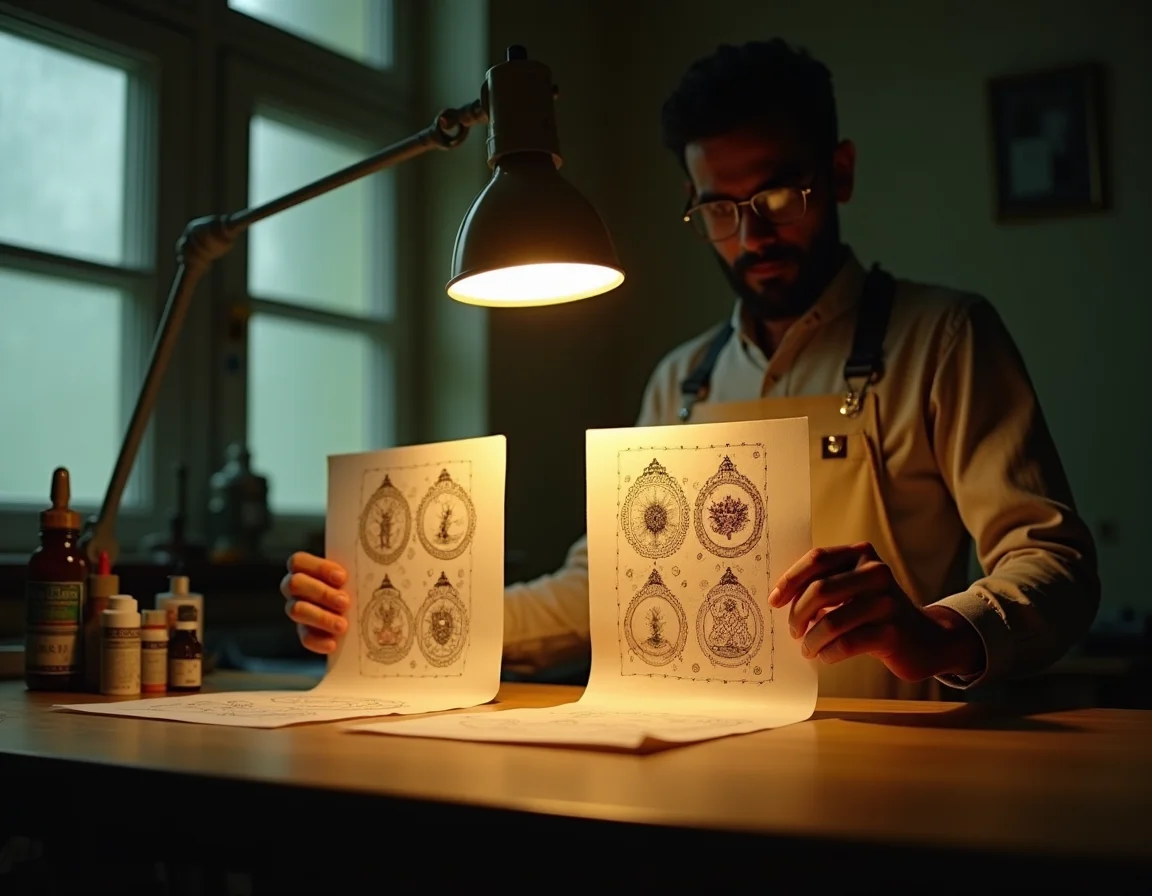
The sheet you upload is printed exactly as you send it — it is never stretched, never cropped, never rearranged. Sale91's DTF sheet is 22.8 inches wide and can be anywhere from 39 to 390 inches tall. That is a substantial canvas. A single sheet at its maximum height could carry dozens of T-shirt print designs arranged side by side and stacked — this arrangement is called a gang sheet.
So when the order form asks for "Pieces = 5," it is asking: do you want this entire uploaded sheet printed 5 times? It is not asking how many individual shirt graphics you have.
What Goes Wrong When You Upload One Sheet Per Design
Suppose you have five different T-shirt graphics. If you upload them as five separate PNG files and place five separate orders — each with "Pieces = 1" — the printer creates five distinct sheets and charges you for the height of each. Now suppose each design graphic is 12 inches tall. Five separate sheets = five separate 12-inch (or minimum 39-inch) runs of film.
If instead you had placed all five graphics onto a single gang sheet, the printer runs that one sheet once. The total film consumed is the height of the combined layout, not five times the minimum sheet height. The difference in film area — and therefore in cost — can be significant, especially when minimum sheet heights apply.
This is the same category of ordering mistake as quoting MRP rates for bulk orders — both stem from applying a retail or per-unit mental model to a wholesale/bulk process that does not work that way.
Gang Sheet vs. Separate Sheets: Side-by-Side Comparison
| Factor | One Gang Sheet | Separate Sheet Per Design |
|---|---|---|
| What you upload | One combined PNG with all designs | Multiple PNGs, one per design |
| How "Pieces" is counted | Number of times the whole gang sheet prints | Multiplied across every separate sheet |
| Film area consumed | Height of one combined layout × pieces | Sum of each sheet's height × each sheet's pieces |
| Cost outcome | Lower — you pay for used area only | Higher — minimum heights compound across sheets |
| Blank space waste | Minimised by tight layout | Each sheet carries its own blank margins |
| Print output | Correct designs on correct transfers | Correct, but more expensive to achieve |
How to Build and Order a Gang Sheet Correctly
Step 1: Prepare Your Artwork Files
Export each T-shirt design as a transparent-background PNG. Resolution and DPI matter for print quality — if you are unfamiliar with DTF file preparation best practices, check Sale91's own About page for specifications before you finalise artwork.
Step 2: Arrange Designs on a 22.8-Inch-Wide Canvas
Open a blank canvas in your design software set to exactly 22.8 inches wide. Place your designs as tightly as practical — leave only the minimum gap needed for cutting between transfers. The canvas height is up to you, within the 39–390 inch range supported by Sale91's DTF platform. Taller sheets accommodate more designs; shorter sheets cost less per run but may result in blank space.
Step 3: Count Your "Pieces" Correctly
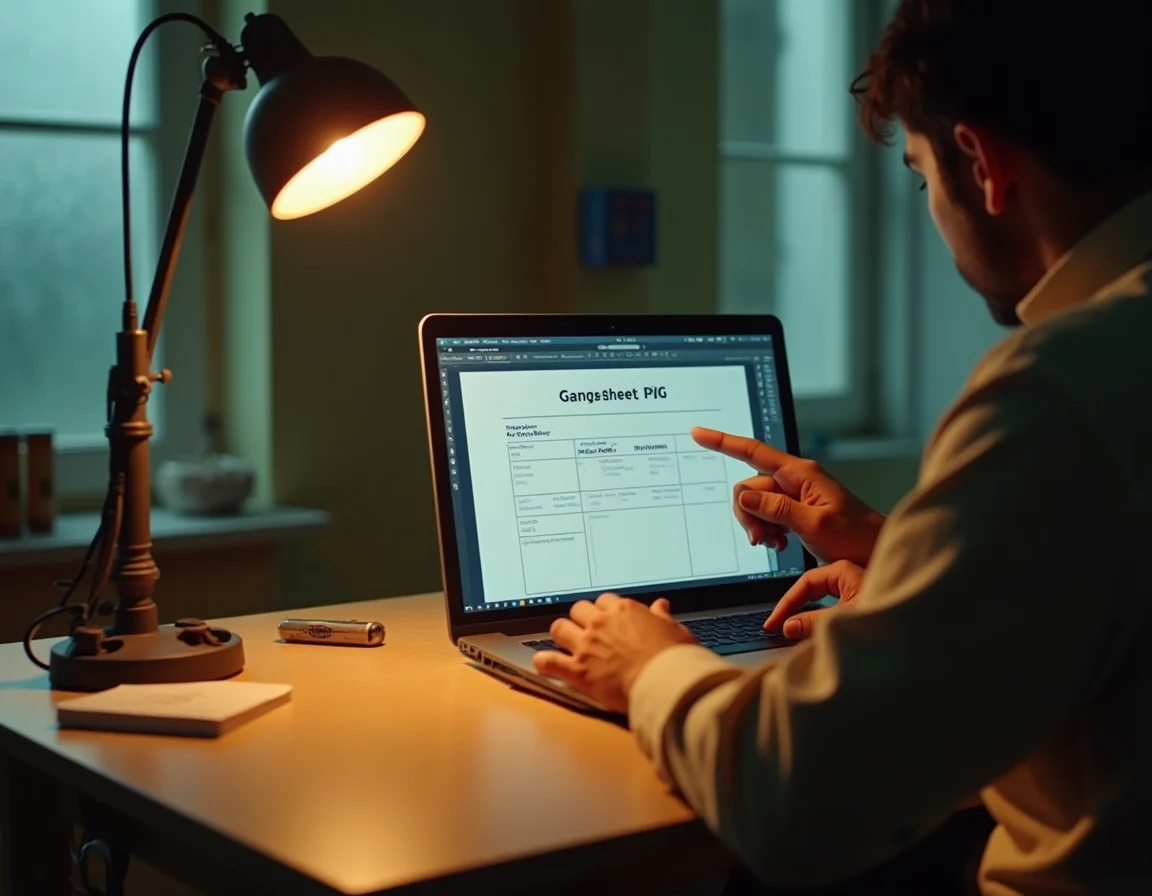
Ask yourself: how many complete copies of this whole sheet do I need? If you have arranged eight designs on the sheet and each design needs to go on 10 T-shirts, you need 10 copies of the sheet — so Pieces = 10. Each copy of the sheet will give you one of each of those eight designs. That is the correct way to think about it.
Step 4: Upload and Order
Upload the single gang sheet PNG to Sale91's DTF order form, set Pieces to the correct copy count, and review the calculated price before confirming. If the price looks higher than expected, re-examine whether you have accidentally submitted the design as multiple smaller sheets rather than one gang sheet. For current pricing, always check the live platform — rates are not reproduced here because this page will remain published long after any price revision.
Why This Matters More for Mixed-Design Bulk Orders
The gang sheet approach is especially impactful when you are printing a range of different designs for different sizes, different colours, or different customer orders within a single production run. A print shop sourcing blank T-shirts in bulk often needs 10–15 distinct graphics. Uploading each separately would inflate the bill dramatically compared to ganging them.
There is also a quality-consistency benefit: when all designs are on one sheet, they go through the same print pass under identical ink and temperature conditions. Colour output is consistent across the batch. This matters when you are supplying DTF transfers for heat pressing at a consistent temperature across a large production run — any sheet-to-sheet variation in the film is eliminated.
If you are combining DTF printing with other decoration methods on the same blank, it is worth knowing that running embroidery and DTF together on one blank is possible — gang sheet efficiency feeds directly into that workflow as well.
Quick Checklist Before You Submit a DTF Order
- All designs for this batch are placed on a single PNG canvas, 22.8 inches wide
- Canvas height is between 39 and 390 inches (Sale91's supported range)
- Designs have transparent backgrounds and are as tightly packed as cutting clearance allows
- The "Pieces" number = how many times you need the entire sheet printed, not the number of T-shirts
- You have reviewed the price summary on the order form before confirming
- You have not uploaded separate sheets for separate designs
Watch the Video
This short video explains the Pieces vs. Sheets distinction in under 60 seconds — useful to share with your artwork team before they prep files.