Royal Blue 240 GSM Oversized T-Shirt Wholesale — 3 Quality Checks Before Bulk Order to Avoid Returns
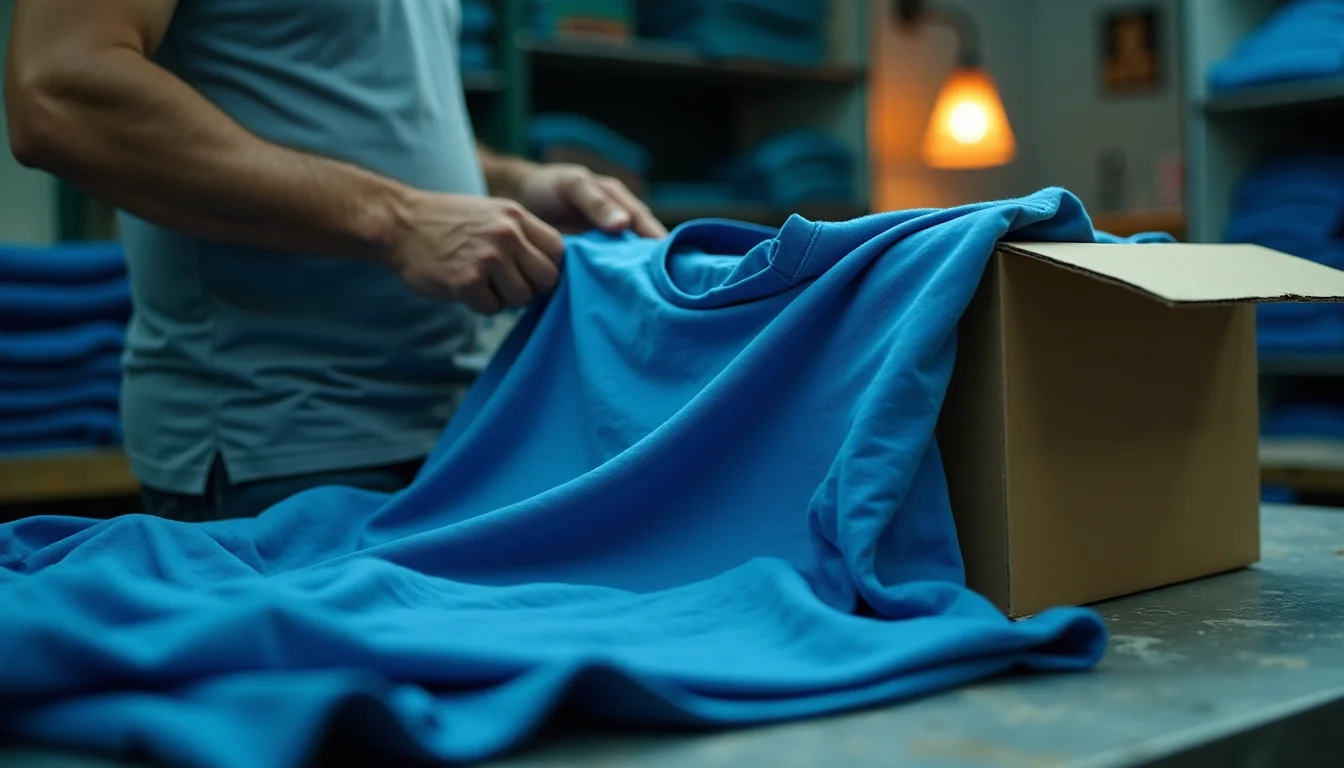
Royal blue is one of the most-ordered colors in the oversized t-shirt segment right now. Brands, influencers, custom printing businesses — everyone wants it. It photographs brilliantly, looks premium on a hanger, and sells fast when you add a good print on top. But here's the problem: royal blue at 240 GSM is also one of the most faked and misrepresented products in bulk wholesale.
Suppliers show you a beautiful sample. You place a five-hundred or a thousand-piece order. The batch arrives, it looks okay in the bag. Your DTF or screen print goes on. You ship to customers. And then, within two or three washes — the color bleeds, the hand feel turns scratchy, the drop-shoulder fit looks nothing like the sample. Returns start piling up. Your brand's reputation takes a hit before it even gets started.
This guide exists to prevent exactly that. We are going to walk you through the 3 non-negotiable quality checks you must do before committing to any bulk wholesale order for royal blue 240 GSM oversized t-shirts — whether you are a DTG studio, a screen print shop, a heat transfer business, or a brand building its own label.
Why Royal Blue 240 GSM Oversized T-Shirts Are High-Risk for Bulk Buyers
Before we get into the checks, it is important to understand why this specific combination — royal blue + 240 GSM + oversized — creates more quality risk than, say, a white 180 GSM regular fit t-shirt.
Dark colors require more dye. Royal blue is a deep, saturated shade. Achieving it consistently across hundreds of pieces requires high-quality reactive dyes and a well-controlled dyeing process. Cheap manufacturers cut corners here — they use lower-quality dyes or skip fixative treatments — and the result is a shirt that looks great on day one but bleeds and fades rapidly.
240 GSM is a premium weight. Buyers choose 240 GSM because they want a thick, substantial feel — the kind that communicates quality the moment someone picks it up. But GSM can be manipulated. A manufacturer can label a shirt as 240 GSM when it is actually 210 or even 200 GSM. You would never know by just looking at it. You need to weigh it.
Oversized fit is construction-dependent. The drop shoulder, boxy silhouette of an oversized t-shirt is not just about cutting wider — it is about how the fabric is knitted, how the seams are stitched, and how the garment behaves after washing. A poorly made oversized shirt shrinks unevenly and loses its signature boxy look after just one wash.
Understanding these three risk zones directly maps to the three checks you need to perform. As noted in our detailed analysis of why 5 suppliers sent wrong royal blue shades in bulk orders, color consistency alone is a multi-variable challenge — and it is only one piece of the puzzle.
The Dye Rubbing Test — Does the Color Actually Stay?
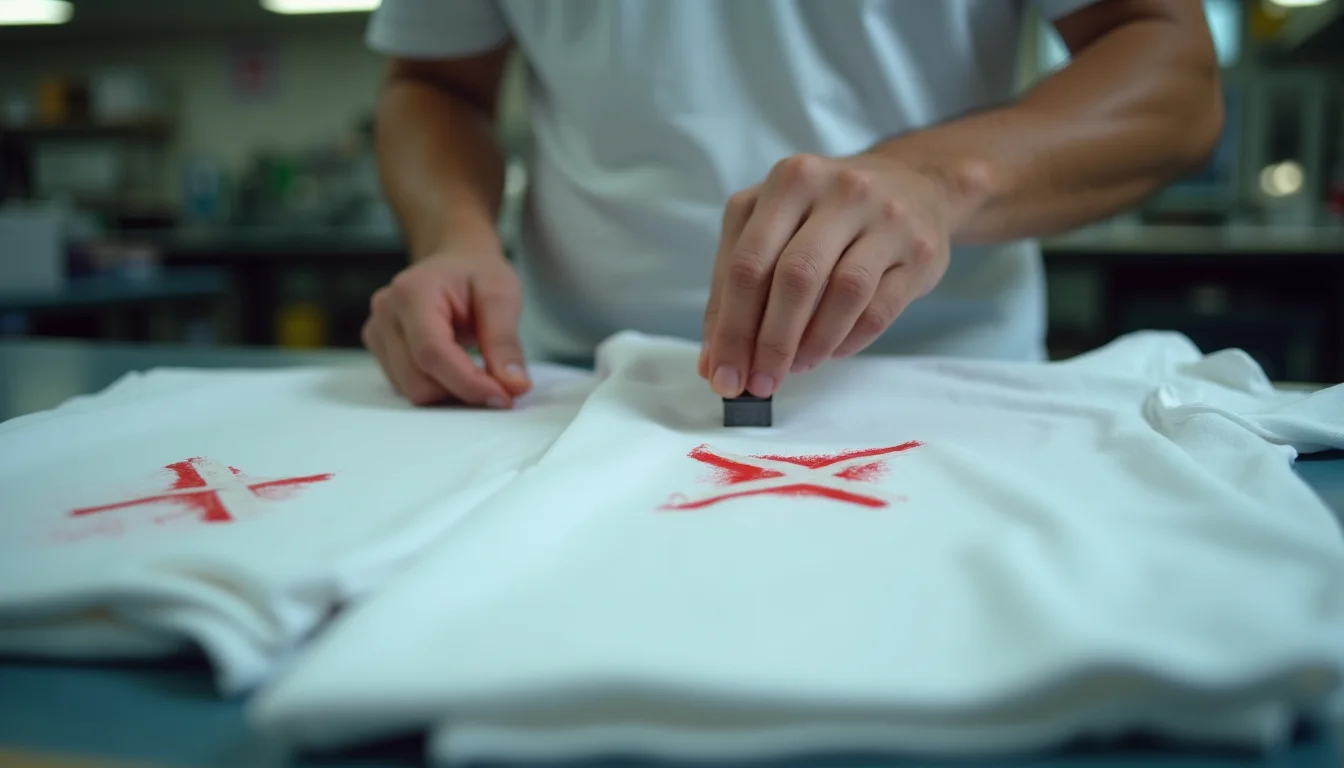
Dark colors like royal blue, navy, and bottle green undergo heavy dyeing. The deeper the shade, the more dye is needed — and the more critical it is that the dye is properly fixed into the fibre. When manufacturers skip fixative agents or use inferior dyes to cut costs, you end up with what the industry calls crocking — color that rubs off onto other surfaces.
How to perform the test yourself:
- Take a small piece of the sample fabric and wet it thoroughly under clean water.
- Rub it firmly against a clean white cotton cloth for about 30 seconds.
- Examine the white cloth. If it picks up even a faint blue tinge, the dye is not properly fixed.
- Repeat the test on dry fabric as well — some dyes are stable wet but crock dry.
A properly dyed royal blue shirt made with reactive dyes and proper fixative treatment should leave virtually no transfer on the white cloth — both wet and dry. This is the standard that good manufacturers in Tiruppur follow as a baseline. The color fade issue after printing on royal blue is a closely related problem — and reactive dye quality is the common root cause.
For your printing business specifically — whether you use DTF, screen print, or heat transfer — color bleeding in the base fabric undermines the print quality too. Ink adhesion can be affected when dye molecules are loosely bound to the cotton fibre. This is why dye quality is not just a fashion concern; it is a print-quality concern.
The GSM Verification Test — Weigh the Fabric Yourself
GSM stands for Grams per Square Metre. It is the universally accepted measure of fabric weight and density in the textile industry. A 240 GSM fabric should literally weigh 240 grams when you cut a one-square-metre piece and put it on a scale. Sounds straightforward, right? In practice, this is one of the most commonly manipulated specifications in the wholesale market.
Why manufacturers fake GSM: A genuine 240 GSM ring-spun combed cotton fabric costs meaningfully more per kilogram than a 200 or 210 GSM fabric. By labelling a lighter fabric as 240 GSM, a supplier can charge premium pricing while delivering a substandard product. The difference in hand feel can be subtle enough that an untrained buyer misses it — especially if the shirt has been treated with a softener finish to temporarily mask the lightness.
How to verify GSM accurately:
- Get a sample garment before placing your bulk order — always insist on this.
- Cut a 10cm × 10cm square from the body of the shirt (avoid seams and hems).
- Weigh it on a digital jewellery scale (accurate to 0.1g).
- Multiply the weight by 100 to get GSM. Example: if your 10×10 cm piece weighs 2.4 grams, GSM = 240.
| Declared GSM | Actual Weight (10×10 cm) | Verdict |
|---|---|---|
| 240 GSM | 2.35g – 2.45g | ✓ Acceptable tolerance |
| 240 GSM (declared) | 2.10g – 2.20g | ✗ You're getting 210 GSM |
| 240 GSM (declared) | Below 2.0g | ✗ Seriously misrepresented |
A tolerance of ±5% is generally accepted in the industry. Beyond that, you are being shortchanged. If you want to go deeper on this topic, our detailed breakdown of why 240 GSM t-shirts can still feel cheap explains how yarn quality interacts with fabric weight — and why two shirts with identical GSM can feel completely different in hand.
The Yarn Quality Check — Combed Ring-Spun vs Open-End Cotton
This is the check that most wholesale buyers skip entirely — and it is the one that separates a t-shirt that feels premium from one that just looks premium. Even if a fabric hits the right GSM and passes the dye test, the yarn it is made from determines the actual feel, durability, and print receptivity of the shirt.
There are two main types of cotton yarn used in t-shirt manufacturing in India:
Open-End (OE) Cotton
Open-end spinning is a faster, cheaper process. It produces yarn with more surface irregularity — more protruding fibres, more "pilling" tendency, and a rougher hand feel. OE cotton shirts often feel scratchy against skin, especially after a few washes when the surface fibres break and form pills. They also tend to have slightly lower tensile strength.
Ring-Spun Combed Cotton
Ring spinning is a slower, more expensive process that produces tighter, stronger, more uniform yarn. "Combed" means the short, irregular fibres have been removed before spinning, leaving only the long, smooth fibres. The result is a yarn that is softer, stronger, and more consistent. This is the yarn that produces the signature premium hand feel in a quality 240 GSM oversized shirt.
How to identify yarn quality without lab testing:
- Touch test: Rub the fabric between your thumb and index finger. Combed ring-spun cotton feels smooth and slightly cool. OE cotton feels slightly rough or has a "papery" texture.
- Stretch and observe: Stretch the fabric and look at it against light. Ring-spun fabric shows a tight, consistent loop structure. OE fabric looks irregular with more loose fibres visible.
- Ask directly and verify: Any reputable manufacturer should be able to provide the yarn count and spinning type. If they hesitate or give vague answers, that is a red flag.
- Pilling test: Rub the fabric surface vigorously with your hand for 30 seconds. OE cotton will start showing small pills or fuzz almost immediately. Combed ring-spun cotton will remain smooth.
Putting It All Together — The Pre-Order Sample Checklist
These three checks work as a system. A shirt can pass one or two and still be a problem. Here is a quick checklist you should run on every sample before approving a bulk order — print it out and keep it at your desk:
- ☐ Dye rubbing test (wet) — no transfer on white cloth
- ☐ Dye rubbing test (dry) — no transfer on white cloth
- ☐ Machine wash test — no bleeding with white fabric at 40°C
- ☐ GSM measurement — within ±5% of declared weight
- ☐ Yarn type confirmed — combed ring-spun cotton (ask for specification)
- ☐ Pilling test — no surface fuzz after 30-second friction test
- ☐ Wash and measure — check for dimensional stability post-wash
- ☐ Shade consistency — compare sample across 3-4 pieces for color uniformity
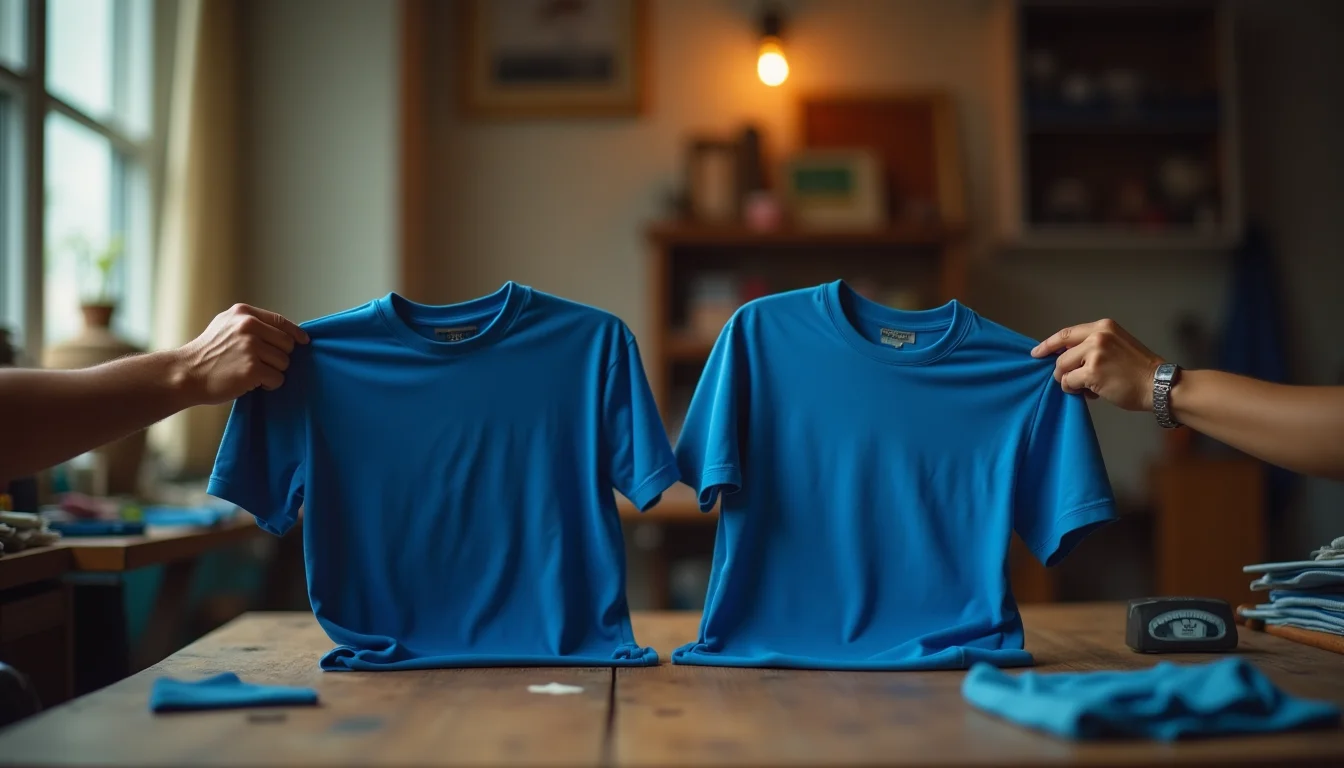
One more thing worth checking when it comes to royal blue specifically: shade variation. Royal blue is notoriously difficult to reproduce consistently across dye lots. Even within a single bulk order, you can get pieces that are slightly brighter or slightly greyer depending on how the dye bath was managed. Always ask for multiple samples from the same lot and compare them under natural daylight.
What Makes a Trustworthy 240 GSM Oversized T-Shirt Manufacturer?
Beyond the three checks, there are structural markers of a reliable manufacturer that you should look for before even requesting a sample:
In-House Fabric Knitting
A manufacturer who knits their own fabric — rather than purchasing it from a third-party mill — has direct control over GSM, yarn quality, and fabric consistency. When a brand outsources fabric sourcing, quality can vary significantly between orders because they are dependent on what the mill delivers. Sale91.com operates on an own-knitting model, which means every roll of fabric going into their oversized t-shirts is produced in-house at their Tiruppur facility — giving them direct control over GSM accuracy and yarn specifications.
Bio-Washing and Pre-Shrinking
Bio-washing (enzyme treatment) smoothens the fabric surface by removing loose fibres and adding a consistent softness. Pre-shrinking ensures the garment has already undergone controlled shrinkage before it reaches you — so the sizing your customer receives is stable. These are not optional luxuries; they are baseline requirements for any wholesale shirt destined for custom printing.
Consistent Color Across Dye Lots
Ask your supplier: "Do you maintain dye lot records? Can you guarantee shade consistency across a 500-piece order?" A manufacturer with proper dyeing infrastructure will say yes confidently. One who is a trader buying from multiple mills will hesitate.
GSM Documentation
Reputable manufacturers can provide third-party lab test reports for GSM and yarn quality on request. This is standard practice for export orders and is increasingly becoming expected in the domestic B2B market too.
The Real Cost of Skipping Quality Checks
Let us be direct about the economics here. A buyer who skips these checks and places a ₹1 lakh order that gets returned is not just out ₹1 lakh. They face:
- Return logistics costs — both ways
- Lost printing time and consumables — ink, transfer film, heat press time
- Brand damage — customers who receive faded or shrunken shirts rarely come back
- Replacement order delays — while you fix the problem, your orders are on hold
- Disputed payments — if the supplier refuses to take responsibility
Spending 30 minutes doing proper sample evaluation before a bulk order can save weeks of headaches and real financial loss. The math is simple. The discipline is the hard part.
It is also worth noting that color choices beyond the standard black and white carry additional complexity — as explored in this guide on why coloured boxy-fit t-shirts often have higher MOQ requirements in Indian wholesale. Royal blue is one of those colours where the manufacturing stakes are higher, and so should be your quality diligence.
Ordering Royal Blue 240 GSM Oversized T-Shirts — What to Look for in a Supplier
When you are ready to place a bulk order, here is what the right supplier relationship looks like:
- They offer samples before bulk — no questions asked, no excessive charges
- They can specify yarn type — "combed ring-spun cotton, 30s count" should roll off their tongue
- They stand behind their GSM claims — and invite you to verify
- They have consistent stock — 1 lakh+ pieces ready means they are not scrambling to fulfil your order from different dye lots
- They offer flexible payment terms for new buyers — 50% COD on first order is a sign of a supplier who is confident in their product
At Sale91.com, the oversized t-shirt range is manufactured at their own Tiruppur facility using combed ring-spun cotton, bio-washed and pre-shrunk, available in 240 GSM and multiple colors including royal blue. Their warehouse in Khanpur, South Delhi ensures fast dispatch for North India buyers. You can browse the full range and check current pricing at the BulkPlainTshirt.com product catalog.
Watch the Video — 3 Quality Checks in Under 60 Seconds
The short video below shows exactly how to perform these checks in the field — fast and simple. Watch it before your next bulk order conversation with any supplier.
Frequently Asked Questions
More Articles

Ready to Order Quality-Guaranteed Royal Blue 240 GSM Oversized T-Shirts?
Sale91.com manufactures their own fabric in Tiruppur using combed ring-spun cotton — bio-washed, pre-shrunk, and GSM-verified. Over 1 lakh pieces in ready stock. MOQ from just 10 pieces. 50% COD on first order.
Order at Sale91.com →