DTF vs Screen Print on 240 GSM Oversized T-Shirt — Live Comparison for Indian Bulk Printers
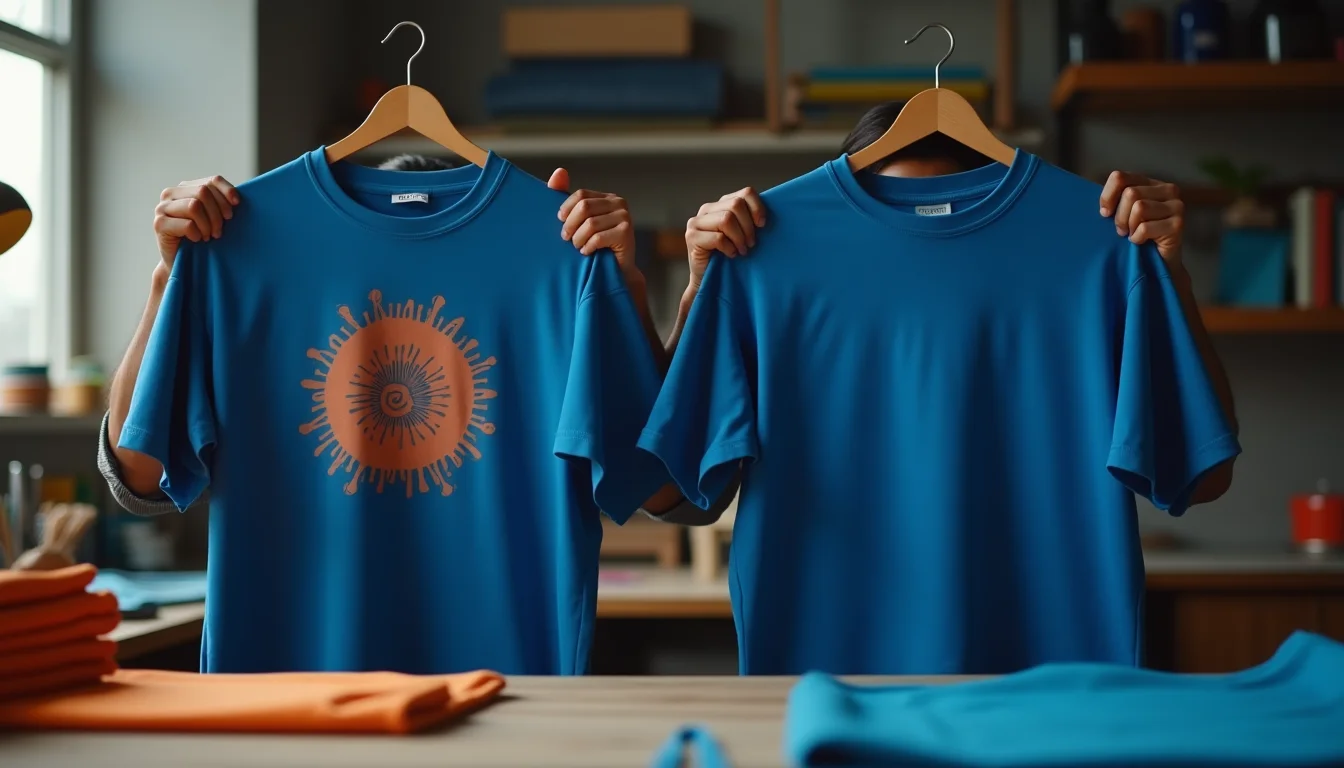
If you run a custom printing business in India — whether DTF, screen print, DTG, or heat transfer — one question comes up again and again: DTF ya Screen Print, kaunsa better hai? The honest answer? It depends on the fabric, the GSM, the design, and what your customer actually needs. But instead of theory, we wanted to give you real data.
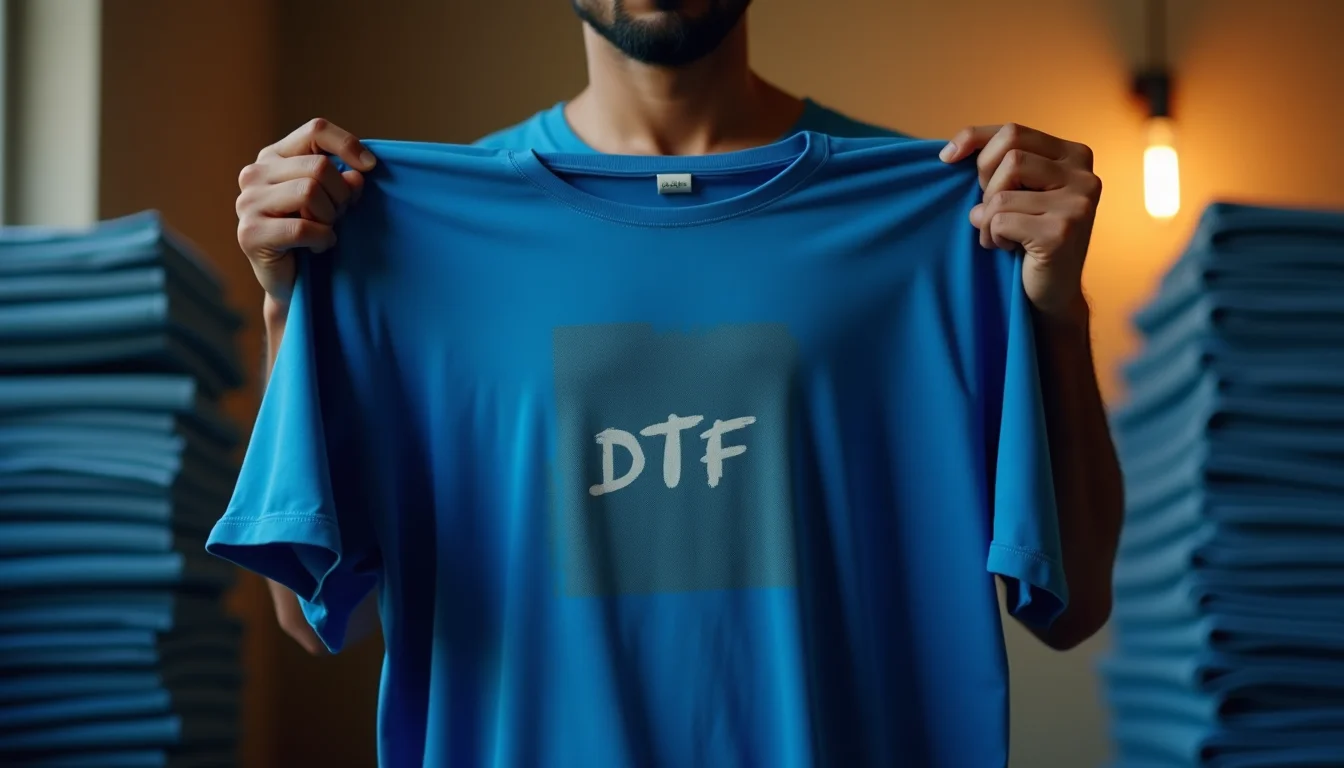
We took the same 240 GSM Royal Blue Oversized T-shirt — from Sale91.com's own-knitted fabric range — and applied both DTF printing and screen printing with the exact same design. Same shirt. Same colour. Same washing conditions. Then we documented what happened. The results were clear, practical, and directly relevant to any Indian printer making bulk decisions.
Same shirt. 2 prints. Real results — no filters, no bias. Here's what we found, and what it means for your printing business.
Why 240 GSM Oversized? Understanding the Fabric First
Before we talk printing, let's talk fabric — because the substrate is everything in the custom printing world. A 240 GSM oversized t-shirt is meaningfully different from a regular 180 or 200 GSM shirt. The higher GSM means:
- Thicker, more structured fabric with a substantial hand feel
- Better stability for printing — less distortion, less ink bleed
- The "premium streetwear" drape that has made oversized tees a bestseller in India's D2C and custom print market
- More surface area in the chest/print zone for larger, bolder graphics
The Royal Blue colourway adds another variable. Deep, saturated colours like Royal Blue can interact differently with print inks. On lighter fabrics like 160–180 GSM, you sometimes see ink spreading along the weave. But on a well-constructed 240 GSM bio-washed cotton oversized tee, the ink sits on a denser surface — which is exactly why this test was worth running.
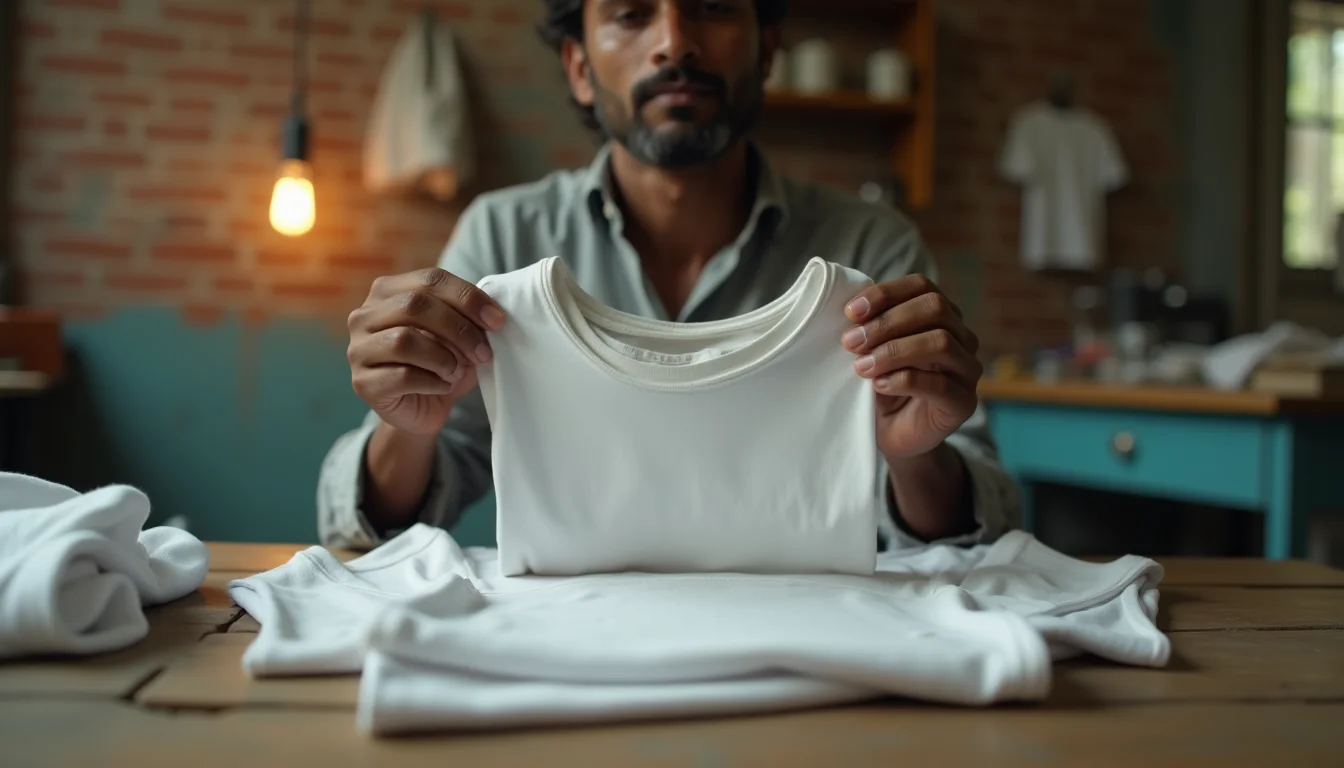
Sale91.com's 240 GSM oversized t-shirts are made from 100% ring-spun combed cotton, bio-washed and pre-shrunk at our Tiruppur manufacturing unit. The bio-wash (enzyme treatment) smoothens the surface at a microscopic level — which matters for both DTF adhesion and screen print ink penetration. You can browse the full range at our product catalog.
DTF Printing on 240 GSM Royal Blue Oversized — What We Observed
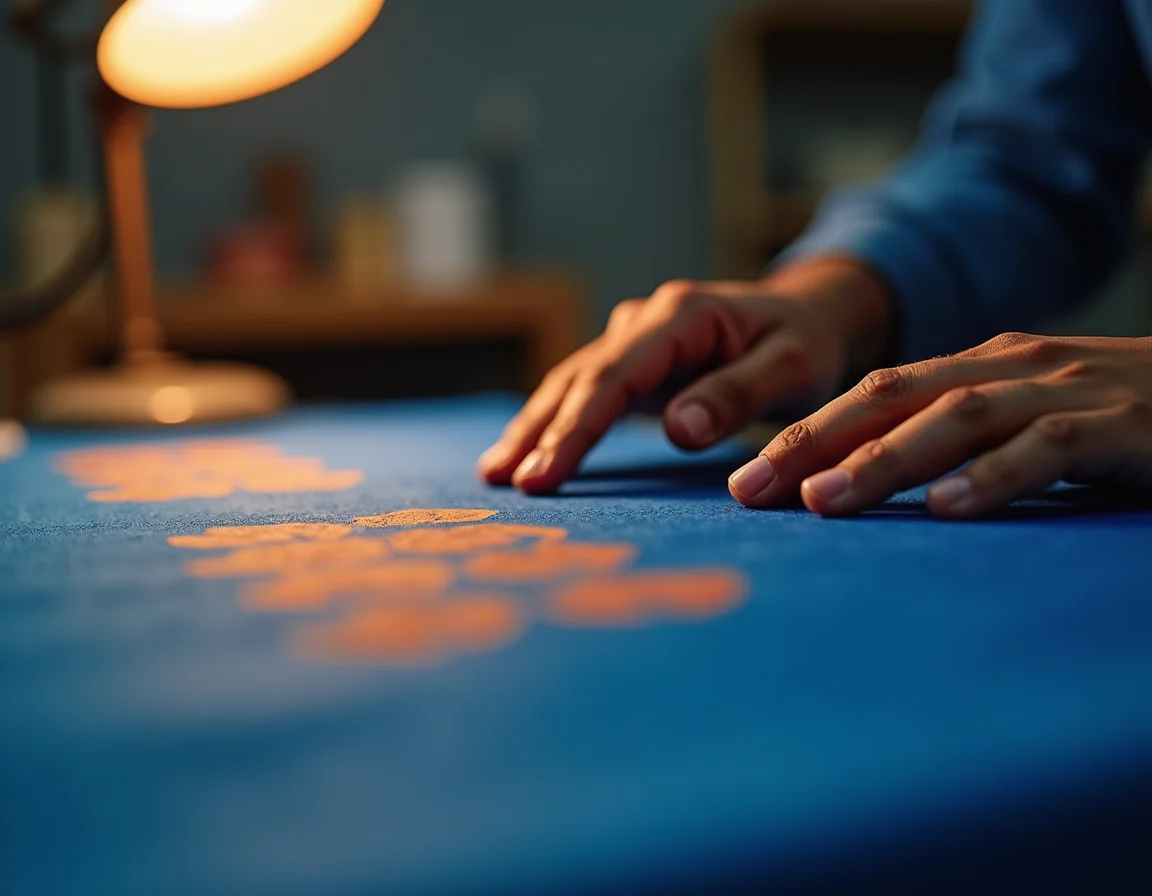
Direct-to-Film (DTF) printing has exploded in India over the last 2–3 years, and for good reason. The process involves printing your design onto a special PET film, applying hot-melt adhesive powder, curing it, then heat-pressing the transfer onto the garment. No pre-treatment needed. Works on almost any fabric colour.
Initial Print Quality
On the 240 GSM Royal Blue oversized tee, DTF delivered a noticeably glossy, vibrant result. The colours popped — especially whites and yellows which would be nearly impossible to achieve on dark fabric with any other print method except screen printing with white base. The design edges were sharp, with no feathering or ink bleed.
The heavier GSM actually worked in DTF's favour here. The thicker, denser weave gave the hot-melt adhesive a more stable surface to bond to. On thinner 150–160 GSM shirts, DTF transfers sometimes show a slight "plastic wrap" effect at the edges. On 240 GSM, that issue was minimal.
Texture and Hand Feel
This is where DTF's well-known limitation shows up. The print has a slightly raised, smooth film feel — you can distinctly feel where the design ends and the fabric begins. For streetwear graphics and bold logos, most customers accept this. But for a "vintage washed" or "printed-in" aesthetic, DTF can feel a bit plasticky to the touch — especially in India's warmer climate where customers are sensitive to breathability.
After 10 Washes — DTF Results
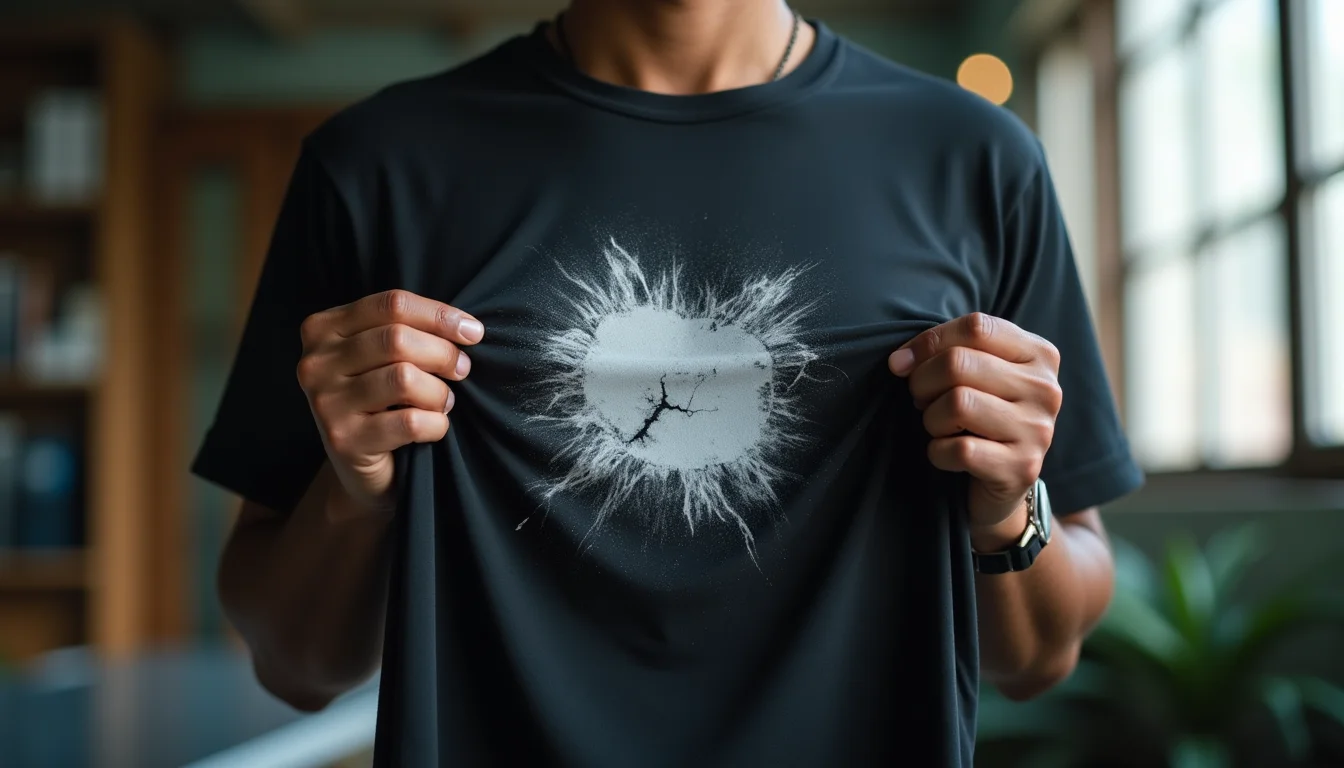
We machine-washed the DTF-printed shirt 10 times at 30°C, inside out, no tumble drying. The result: the print held up remarkably well. Colours stayed vivid. Edges remained crisp. There was minor reduction in the glossy sheen — which actually made it look slightly more natural — but no cracking, peeling, or colour loss that would concern a customer.
This durability advantage is significant. For cost-conscious print businesses who want consistent results across large orders without re-screening, DTF's wash durability on premium GSM fabric is hard to beat.
Screen Printing on 240 GSM Royal Blue Oversized — What We Observed
Screen printing remains India's most widely used commercial print method, especially for bulk orders above 50–100 pieces. The process involves pushing ink through a mesh screen onto the fabric, with a separate screen for each colour in the design. It's the classic method — proven, cost-effective at scale, and capable of beautiful results on the right fabric.
Initial Print Quality
On the 240 GSM Royal Blue oversized shirt, the screen print results were clean, flat, and professional-looking. The ink sat well in the fabric rather than sitting on top of it, giving a softer, more integrated appearance. On dark fabrics like Royal Blue, a white underbase layer is applied first, and then the design colours go on top. The 240 GSM's tight weave handled the underbase well without ink bleed.
This is an important point: thinner fabrics cause more ink bleed in screen printing. On 150–180 GSM shirts, the ink can push through the looser weave and spread. On 240 GSM, the denser construction acts as a better barrier, resulting in sharper print edges. If your screen printing setup has been producing blurry or bled-edge results, switching to a higher GSM blank is often the solution — before blaming your screens or squeegee pressure.
Texture and Hand Feel
Screen print on 240 GSM felt noticeably softer and more fabric-like than the DTF counterpart. With a quality water-based or discharge ink, the print almost becomes part of the fabric. For premium retail products — especially oversized streetwear tees that customers wear against the skin in India's warm weather — this softness is a real selling point. The print doesn't feel like a sticker; it feels like the shirt was made that way.
After 10 Washes — Screen Print Results
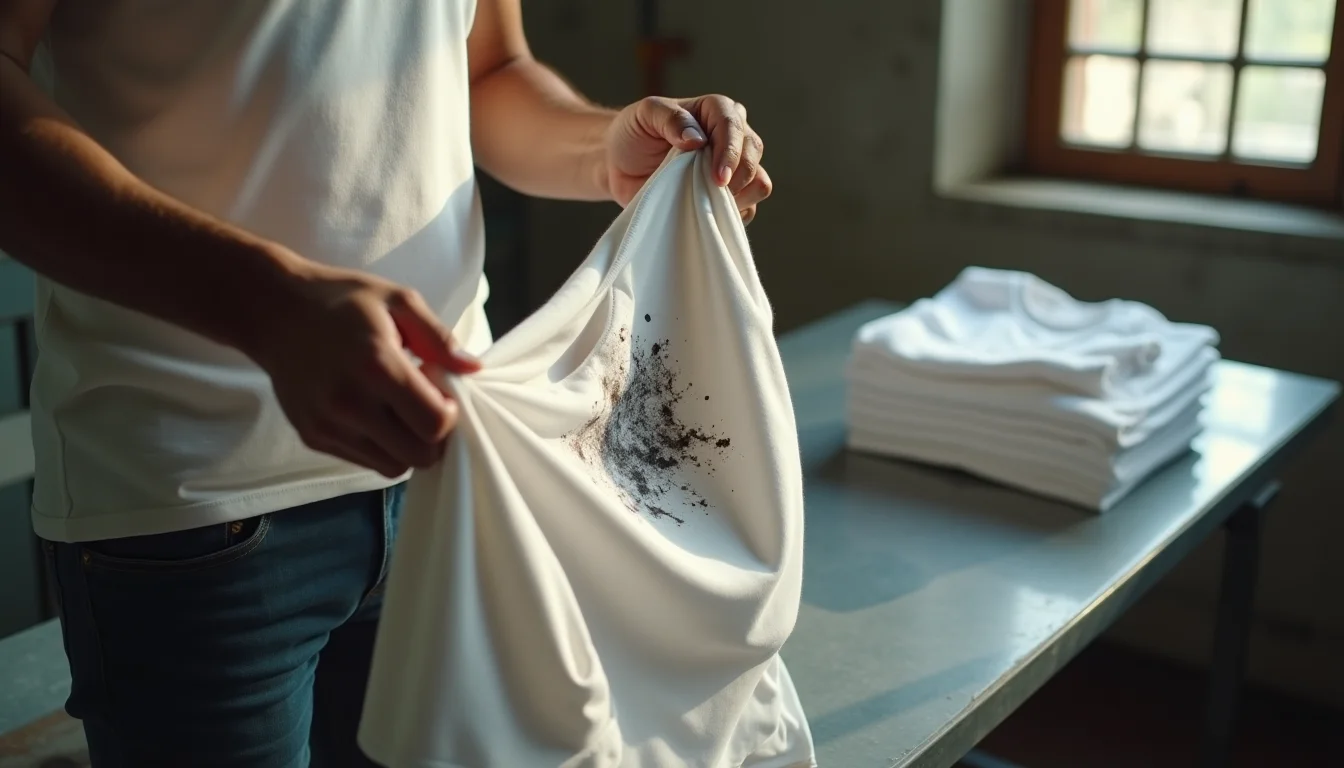
This is where the comparison got interesting. After 10 washes under the same conditions, the screen print showed visible fading — approximately 15–20% reduction in vibrancy. The white underbase areas softened, and fine detail in the design lost some crispness. The print was still perfectly wearable and presentable, but it had clearly aged more than the DTF version.
This is not a failure of screen printing as a method — it's a characteristic that depends heavily on ink quality, curing temperature, and the number of ink layers applied. Budget screen printing with lower-grade plastisol inks will fade faster. High-quality water-based inks with proper curing can match DTF durability over many washes. But in a typical Indian bulk printing setup, DTF simply edges ahead on post-wash colour retention.
For a broader comparison including how both methods perform in India's summer heat, check out this DTF vs Screen Print vs Sublimation summer comparison — the results across seasons matter for Indian printing businesses.
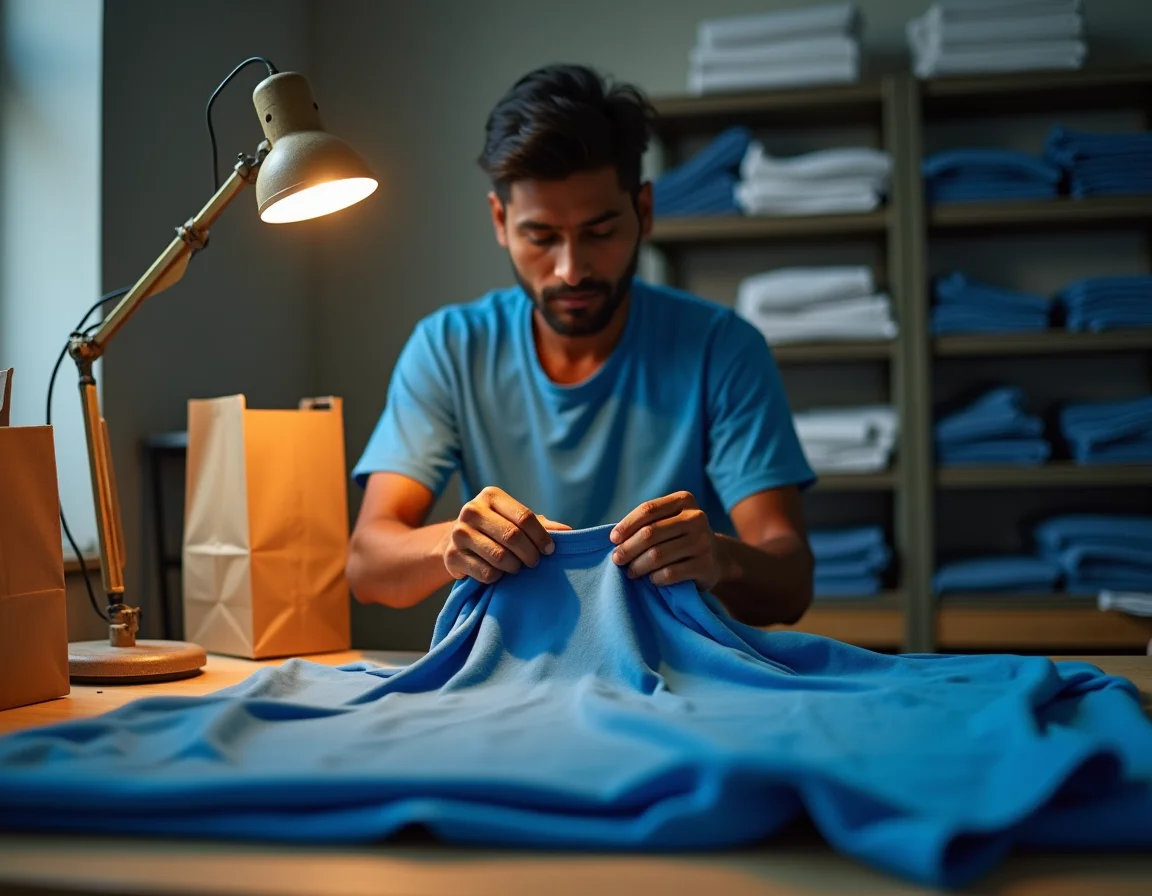
DTF vs Screen Print — Head to Head on 240 GSM Oversized
| Factor | DTF Printing | Screen Printing |
|---|---|---|
| Initial Colour Vibrancy | High — glossy, bright pop | Good — flat, saturated |
| Hand Feel | Slightly raised / film-like | Soft — integrates with fabric |
| Print Edges on 240 GSM | Very sharp, no bleed | Sharp (GSM helps avoid bleed) |
| After 10 Washes | Minimal change — excellent | 15–20% fade — noticeable |
| Colour Accuracy | Excellent — full CMYK range | Good — limited by spot colours |
| MOQ Flexibility | Works from 1 piece | Better for 50+ pieces |
| Cost for Bulk Orders | Higher per piece | Lower at scale |
| Setup Time | Fast — no screen preparation | Longer — screen making required |
| Best Use Case | Photorealistic, multi-colour, small batches | Simple designs, large bulk, soft feel |
So Which Should You Choose for Your Bulk Printing Business?
The honest answer is: both methods have legitimate use cases, and the smartest printers in India use both. The choice depends on your order size, your customer's expectations, and the design complexity.
Choose DTF When:
- The design has photorealistic elements, gradients, or many colours
- Your order quantity is under 50 pieces (no screen setup cost)
- Your customer wants vibrant, long-lasting colour on dark fabrics like Royal Blue
- You're producing premium streetwear or D2C brand merchandise
- Turnaround time is tight — DTF can be printed and shipped same-day
Choose Screen Print When:
- Your order is 100+ pieces with a simple 1–3 colour design
- Your customer wants a soft, vintage, fabric-integrated feel
- Cost per piece is a critical decision factor
- You're doing event merchandise, corporate uniforms, or college orders where feel matters more than photo-accuracy
- You want the most "traditional" premium look for oversized streetwear brands
Pro tip for Indian printers: On 240 GSM oversized blanks, if your budget allows, do a small DTF test run first. The higher GSM gives you the best possible surface for both methods — so your quality output will be consistently higher than on thinner fabrics, regardless of which method you choose.
Why GSM Matters More Than Most Printers Realise
One of the most common mistakes in the Indian printing business is choosing blanks based on price alone, without considering how GSM affects print output. We've seen cases where avoidable business mistakes cost printers thousands in reprints and returns — and the root cause was thin, low-GSM fabric that wasn't suitable for their print method.
Here's a quick reference for how GSM affects your printing:
- 180 GSM: Lightweight everyday tee. Screen print can bleed on lower-quality 180 GSM. DTF works but may show film texture more prominently. Good for sublimation on light colours.
- 200 GSM: Premium everyday. Better stability for both screen and DTF. Suitable for most printing applications.
- 210–220 GSM: Heavy premium. Excellent for screen printing — ink sits cleanly. DTF adheres well. Less prone to distortion during heat press.
- 240 GSM Oversized: As this test confirmed — the gold standard for both DTF and screen print quality. Dense weave, stable surface, virtually no ink bleed. Ideal for streetwear brands and premium custom print.
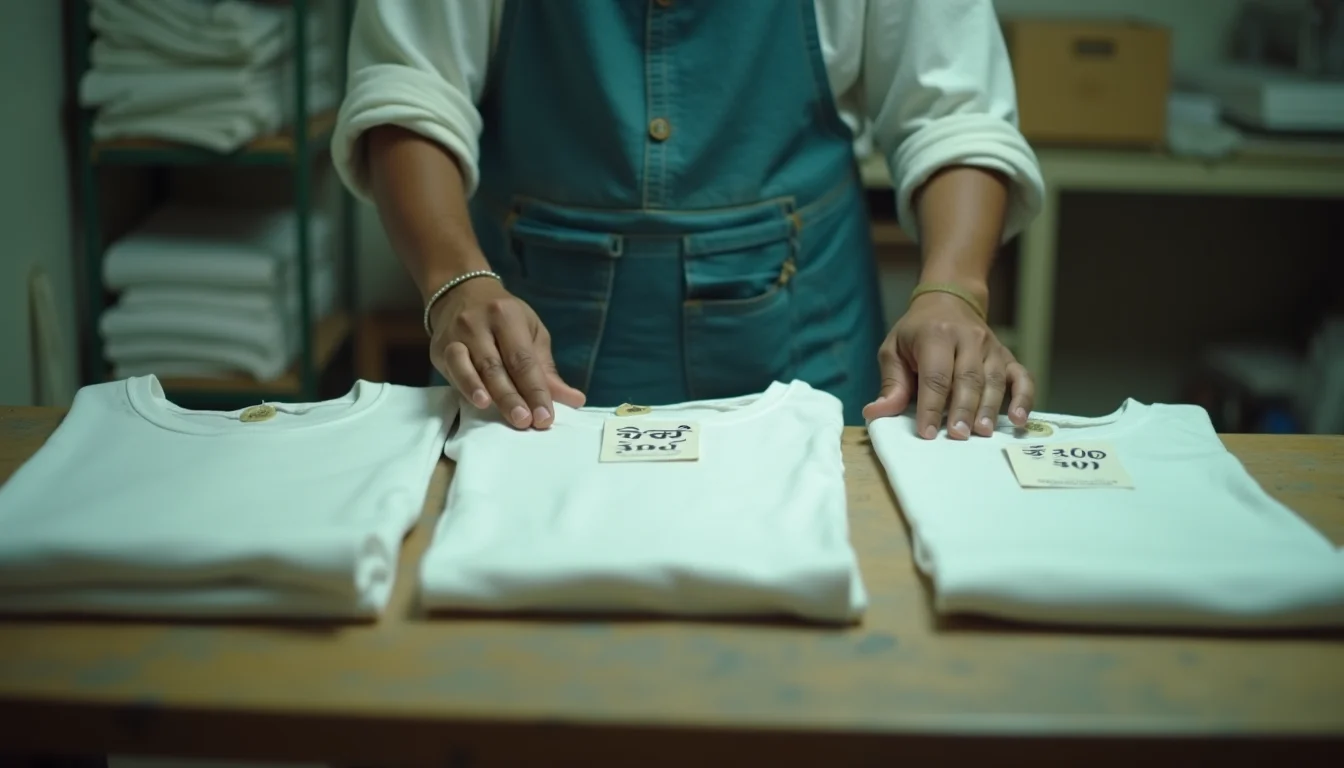
Sale91.com manufactures all these GSM variants in-house at our Tiruppur facility — which means consistent quality batch to batch, unlike traders who source from multiple mills. When you're making printing decisions for bulk orders, fabric consistency across the entire run matters as much as the first sample.
Royal Blue Specifically — A Note for Dark Fabric Printers
Royal Blue is one of the trickiest colours for any print method. It's dark enough that you need a white underbase for screen printing, and it can sometimes make DTF transfers look slightly different from how they appear on white fabric (due to the slight colour cast from the base fabric showing through near the edges).
On 240 GSM bio-washed Royal Blue from Sale91.com, both methods produced excellent results because:
- The bio-wash creates a uniformly smooth surface — no raised fibres that can catch ink unevenly
- The reactive dyeing process used in our Tiruppur unit gives deep, even colour saturation — no patchiness that would show through a thin print layer
- The pre-shrunk treatment means the fabric won't distort under heat press, which is critical for DTF alignment on oversized fits
If you've been getting inconsistent results on Royal Blue shirts from other suppliers, the fabric quality is likely the variable. Royal Blue colour fade after printing is a known issue with reactive dyes — and it's worth understanding the Royal Blue wash test and reactive dye fixes for bulk orders before you commit to a large run.
The Business Perspective: Which Print Method Is More Profitable?
For Indian bulk printers, profitability isn't just about the cost per print — it's about returns, customer satisfaction, and repeat orders. Let's break it down:
DTF Profitability on Premium Oversized Tees
DTF has a higher per-piece cost than screen printing at scale, but it also commands a higher selling price. A 240 GSM oversized tee with a DTF print can comfortably retail between ₹699–₹1,299 in the D2C / Instagram brand space. The wash durability means fewer returns and complaints. And the ability to do small batches (even 10–20 pieces) means you can test designs before committing to a large run.
Screen Print Profitability on Oversized Tees
Screen printing wins on volume. If you're doing 200+ pieces of a single design, the per-piece cost drops significantly, and your margin widens. Corporate orders, college batch tees, event merchandise — these are screen printing's sweet spot. On 240 GSM oversized, the premium fabric also justifies a higher price even for screen-printed pieces.
Key insight: Order your blank oversized tees from Sale91.com in bulk (500+ pieces) and get ₹2/piece discount, plus an additional ₹3/piece for online ordering. On 240 GSM oversized blanks, these savings directly improve your margin — whether you're DTF or screen printing.
Watch the Video
Watch the live comparison in action — same shirt, same design, DTF vs Screen Print on 240 GSM Royal Blue Oversized T-shirt. Real results, no filters.
Frequently Asked Questions
More Articles
Ready to Print on Premium 240 GSM Oversized Blanks?
Order 240 GSM Royal Blue Oversized T-shirts and 15+ other colours from India's own-knitted fabric manufacturer. 1 lakh+ pieces in ready stock. MOQ from just 10 pieces. Bulk discounts available.
Order Blank T-Shirts at Sale91.com →